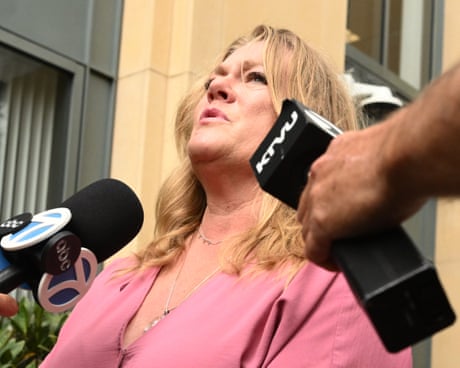
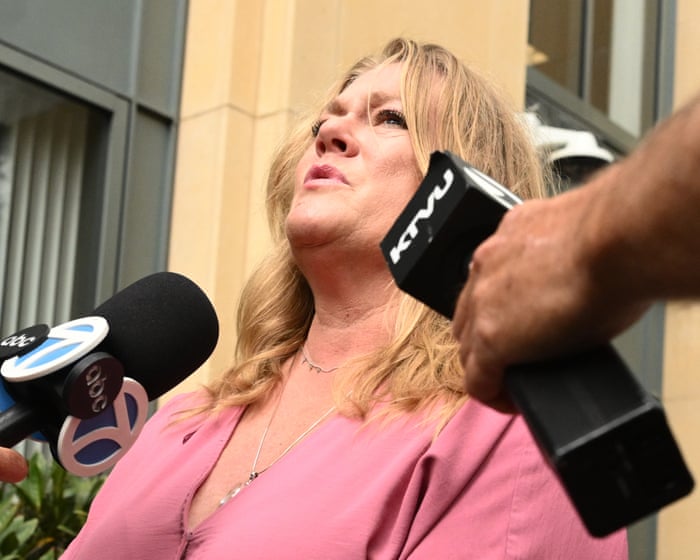
Victoria Hicks, mother of Alexandra Hicks, told reporters that she feels 'justice is possible' after Meta settled in its US trial over teen addiction. On 26 August in a Oakland, California, federal courtroom, Meta agreed to establish safeguards for teenagers and pay up to $17bn. Dozens of US states had accused the tech giant of addicting and harming children with dangerous products Continue reading...
Victoria Hicks, mother of Alexandra Hicks, told reporters that she feels 'justice is possible' after Meta settled in its US trial over teen addiction. On 26 August in a Oakland, California, federal courtroom, Meta agreed to establish safeguards for teenagers and pay up to $17bn. Dozens of US states had accused the tech giant of addicting and harming children with dangerous products
It’s a nice sentiment, but all AI users should ask three questions about their preferred choice of AI platformOn Monday, Mark Zuckerberg published a 6,500-word essay, The Future Is for Everyone. The essay came with something even rarer: a new Meta open-weight model. An open-weight AI model is the kind of AI with which you download the entire thing, and it works on your own computer (with or without the internet) and nobody can switch it off except for you. Almost every mainstream AI tool you use
It’s a nice sentiment, but all AI users should ask three questions about their preferred choice of AI platform
On Monday, Mark Zuckerberg published a 6,500-word essay, The Future Is for Everyone. The essay came with something even rarer: a new Meta open-weight model. An open-weight AI model is the kind of AI with which you download the entire thing, and it works on your own computer (with or without the internet) and nobody can switch it off except for you. Almost every mainstream AI tool you use, whether it be Gemini, ChatGPT or Claude, is one you rent access to. Meta’s is one that you can download and actually own. I downloaded it before I finished the essay. So can you.
This major move by the world’s largest tech heavyweight comes amid a summer heavy with AI news, full of nations at war. Washington against Beijing; tech founder against tech founder. But beneath those conflicts is a deeper contest between two kinds of power: a government that can order technology offline in an instant, and a company that can simply close your account. Neither is necessarily villainous. But the rest of us are not merely the audience in this fight; we are the prize. And the terms are already being written: intelligence on lease, a future we pay for but never quite own.
Amid public concern over the impact of new technology, Silicon Valley’s use of its wealth to influence specific election races is an unwelcome developmentAs the huge societal ramifications of artificial intelligence have become clear, some of the tech industry’s most senior figures have taken to writing thinkpieces on what comes next. The latest to do so is Mark Zuckerberg, who this week published 6,500 words making the case for a laissez-faire approach to AI development. Worrying too much about
Amid public concern over the impact of new technology, Silicon Valley’s use of its wealth to influence specific election races is an unwelcome development
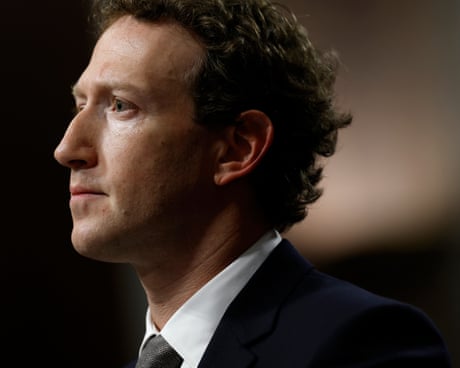
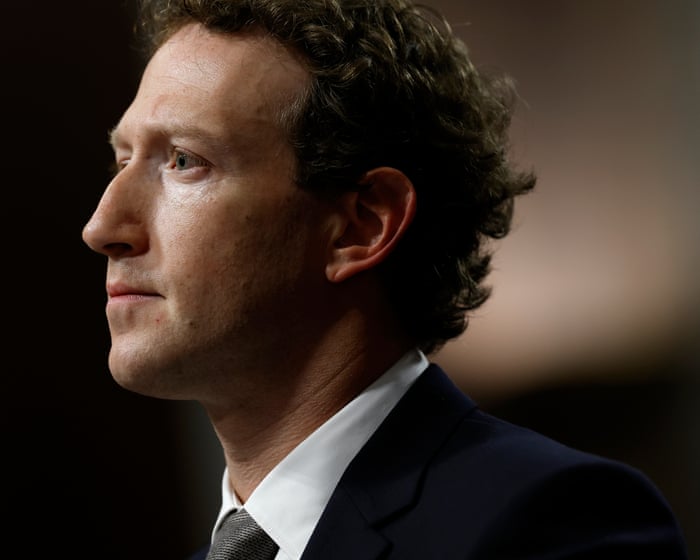
As the huge societal ramifications of artificial intelligence have become clear, some of the tech industry’s most senior figures have taken to writing thinkpieces on what comes next. The latest to do so is Mark Zuckerberg, who this week published 6,500 words making the case for a laissez-faire approach to AI development. Worrying too much about regulation, Meta’s CEO unsurprisingly opines, could lead to the United States falling behind in the race to own the future.
Mr Zuckerberg’s plea for maximum autonomy is, of course, self-serving. Much of his essay – which airily envisions “invention superpowers” for every entrepreneur and “an abundance of jobs in the future” – reads like unadulterated tech-utopianism. But the lobbying at least has the merit of being out there in the open. As midterm elections loom in the US, darker arts are also being used to counter popular concern about what AI will mean for a host of topics, from the labour market to child safety, the environment and cybersecurity.

 Connexion