❌

Vue normale

German radar already guarding Ukraine is picked to spot ballistic missiles. Its maker just signed a new deal with Kyiv
7 octobre 2026 à 10:10

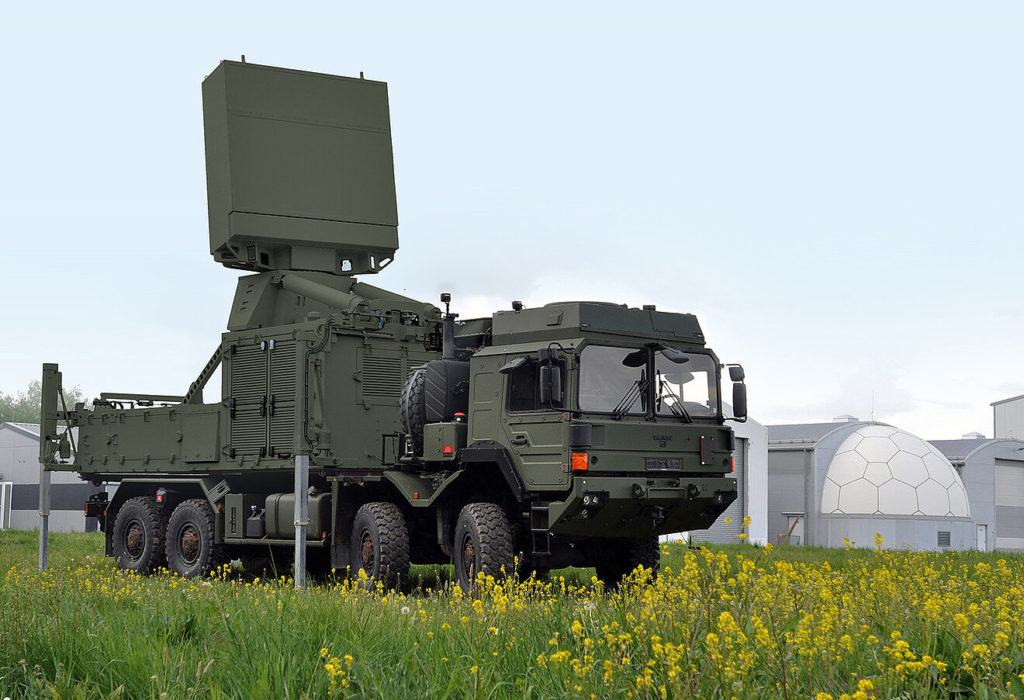
HENSOLDT's TRML-4D rada

German radar maker Hensoldt has signed a memorandum with Ukraine's Defense Ministry for more large-scale radar deliveries, the company said on 5 October. Ukrainian defense outlet Defense Express reads it as a step toward fitting Hensoldt's TRML-4D, already in Ukrainian service, into FREYJA, a planned shield against ballistic missiles.

Ballistic missiles remain the hardest threat in Russia's air war. After Russia's overnight barrage on 7 October, Ukrainian President Volodymyr Zelenskyy said Ukraine is still searching daily for Patriot missiles. The only other system Ukraine can use against them is the Franco-Italian SAMP/T, which fires Aster 30 interceptors made in small numbers. That gap is why Fire Point is reworking its FP-7 missile into a Patriot-like interceptor. Such an interceptor still needs radars to find its target first.

A memorandum signed during Merz's visit

Hensoldt CEO Oliver Dörre signed the document on the sidelines of German Chancellor Friedrich Merz's visit to Ukraine. Beyond deliveries, it covers further development of radar capabilities. The partners will also study options to deploy and jointly operate TRL-4D LR long-range radars. Hensoldt said this expands cooperation already agreed on in ballistic missile defense.
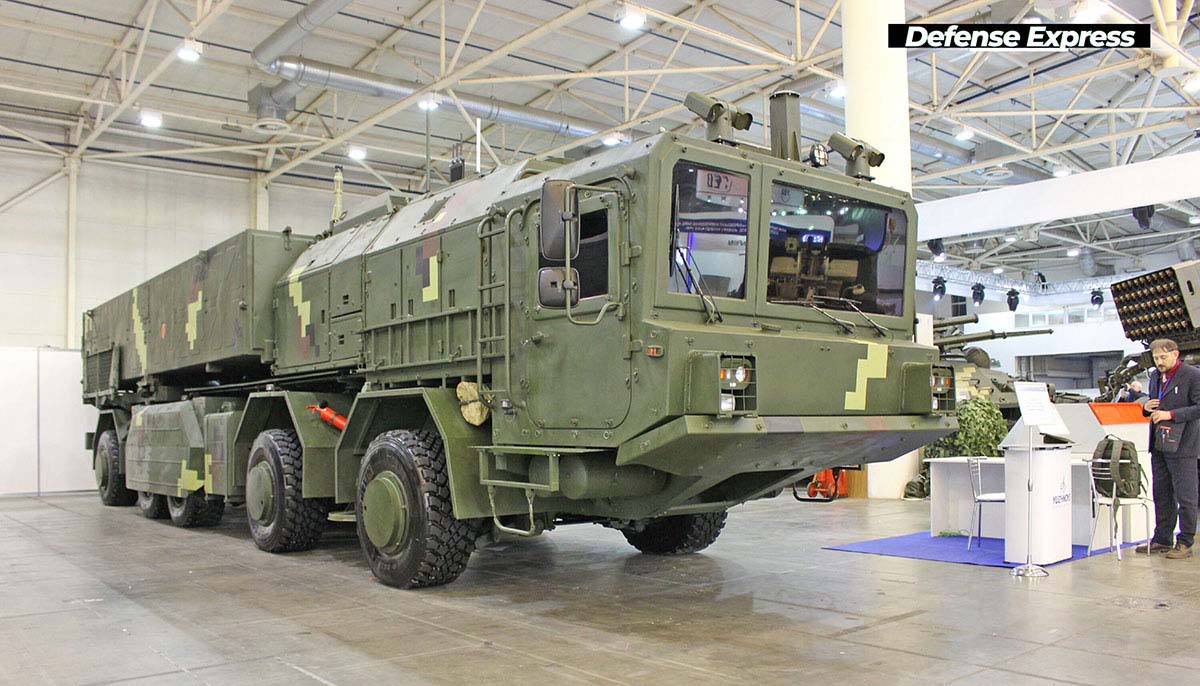
Ukraine ballistic missile program
Explore further

Russia’s air defenses can’t protect all its strategic sites once Ukraine’s ballistic missiles are ready, expert says

The TRL-4D LR is the land-based version of a long-range radar Hensoldt also builds for the German Navy, German outlet Sicherheit & Verteidigung reported. The outlet cited Germany's defense procurement office as giving the naval version a range of more than 400 km (250 miles) against air targets. That, it concluded, puts the range well beyond the TRML-4D's.

"The Ukrainian air defence forces urgently need our high-performance radars to help protect infrastructure such as bridges," Dörre said.

Defense Express, describing the same memorandum, tied both the mass deliveries and the joint-operation plan to the TRML-4D. Hensoldt's release names no model for the deliveries and links joint operation to the TRL-4D LR.

Eyes for FREYJA

Hensoldt and Fire Point signed a memorandum on FREYJA at the Eurosatory arms show in Paris in June, with the TRML-4D to play a key role, Hensoldt announced. Fire Point is set to act as prime contractor and hold design authority. Hensoldt is to produce, test, and deliver the radars.

HENSOLDT's TRML-4D rada
Explore further

Germany’s Hensoldt to supply Ukraine with six more TRML-4D radars to boost air defense capabilities

Defense Express expects any study of deployment options to focus on how well the radar detects ballistic missiles and relays that data. Hensoldt has its own unit in Ukraine to work closely with operators, the outlet noted. Earlier, the company began setting up a local hub so Ukraine can service and repair the TRML-4D itself.

Already on duty

Ukraine's military uses the TRML-4D both standalone and as the built-in radar of the IRIS-T SLM medium-range air defense system, Defense Express noted. Hensoldt lists an instrumented range of 250 km (155 miles) at altitudes up to 30 km (19 miles). Defense Express, citing the manufacturer, gives track ranges of more than 120 km (75 miles) for fighter jets and more than 60 km (37 miles) for supersonic missiles.

More radars give earlier warning of ballistic strikes, but they cannot stop them. Until the FP-7.X makes its first ballistic intercept, planned for mid-2027, that job stays with Patriot and SAMP/T missiles. Partners delivered three times fewer air defense missiles in the first half of 2026 than a year earlier, Zelenskyy said on 5 August.

  • ✇Euromaidan Press
  • Ukraine wants to aim Starlink at Russian targets—and build a version Elon Musk can’t switch off
    Ukraine is working on a satellite system of its own, something similar to SpaceX's Starlink, Ukrainian President Volodymyr Zelenskyy said on 4 October, Interfax-Ukraine reported. He argued Kyiv should be free to turn Starlink on Russian military targets, warning that China and other states will share comparable satellite technology with Moscow within months. Ukraine's battlefield communications still ride on a network owned by Elon Musk, who has clashed with Kyiv and once limited its warti
     

Ukraine wants to aim Starlink at Russian targets—and build a version Elon Musk can’t switch off

5 octobre 2026 à 12:01

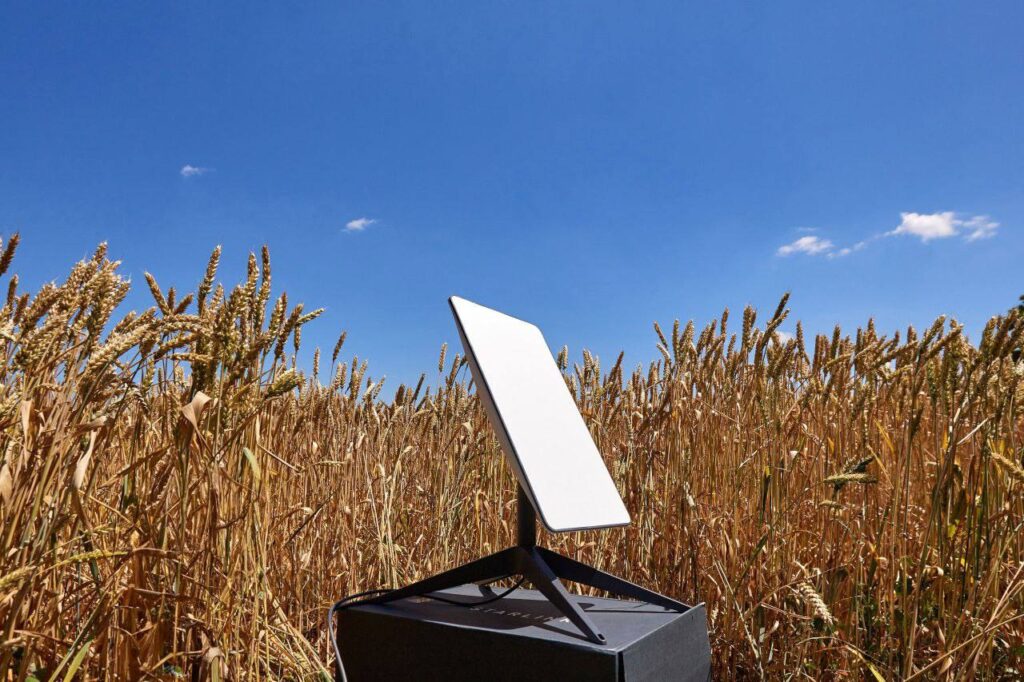
A Starlink satellite terminal set up in a Ukrainian wheat field. Illustrative image shared by Digital Minister Mykhailo Fedorov via Telegram

Ukraine is working on a satellite system of its own, something similar to SpaceX's Starlink, Ukrainian President Volodymyr Zelenskyy said on 4 October, Interfax-Ukraine reported. He argued Kyiv should be free to turn Starlink on Russian military targets, warning that China and other states will share comparable satellite technology with Moscow within months. Ukraine's battlefield communications still ride on a network owned by Elon Musk, who has clashed with Kyiv and once limited its wartime use.

Low-orbit satellite internet has turned into a frontline utility that a single company or government can switch on or off, and both armies are now racing to own that link instead of renting it. Control of the network decides whose drones can see the battlefield and fly through the jamming to strike it—leverage Kyiv has gone without while its connection rode on hardware it does not run.

Working on a Starlink of its own

Zelenskyy said there was groundwork in place and that Ukraine was working on a system similar to Starlink. He called it fair for Ukraine to aim Starlink at military sites inside Russia. The timing is the reason, he said: some states will share the technology with Russia late this year or early next, and the Chinese are among them. Moscow is already fielding its own Starlink-style constellation, Rassvet, though for now it reaches Ukraine only in brief passes.

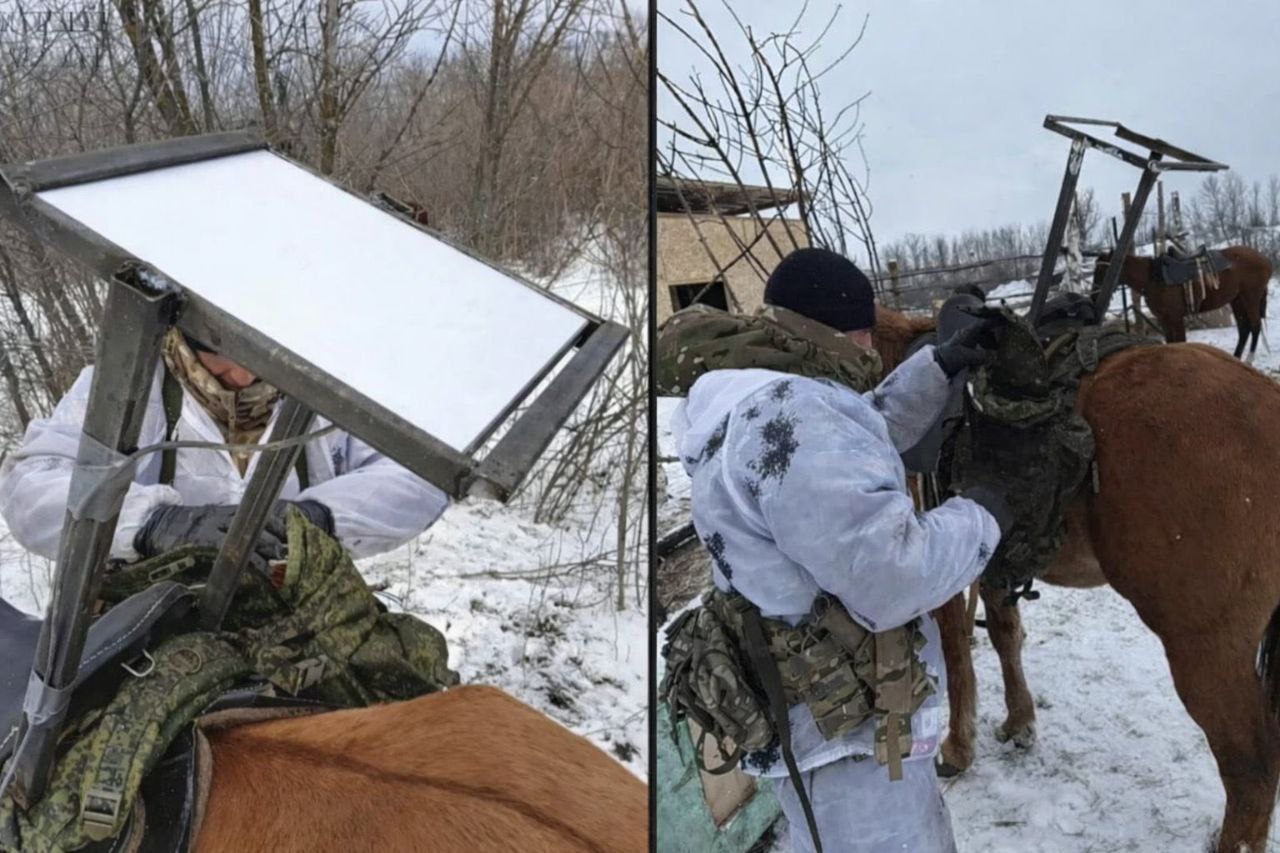
latvia convicted one node starlink supply chain russia — two latvian citizens same network still await trial · post terminal mounted russian horse 2026 latvia's riga city court has sentenced
Explore further

Ukrainian brigades detail Starlink crackdown: Russian terminals “became just bricks,” assaults disrupted

Ukraine's troops and drones lean heavily on Starlink, a network Kyiv neither owns nor controls. Musk has used that control against Kyiv before: in 2022 SpaceX refused a Ukrainian request to extend Starlink over occupied Crimea for a drone strike on Russia's warships, and it has since restricted the network's use for drone operations.

Sanctions, and satellites of its own

Zelenskyy has asked US President Donald Trump several times to sanction the Russian and Chinese companies building Russia's Rassvet network, most recently at the UN General Assembly in New York, he said in a recent Financial Times interview.

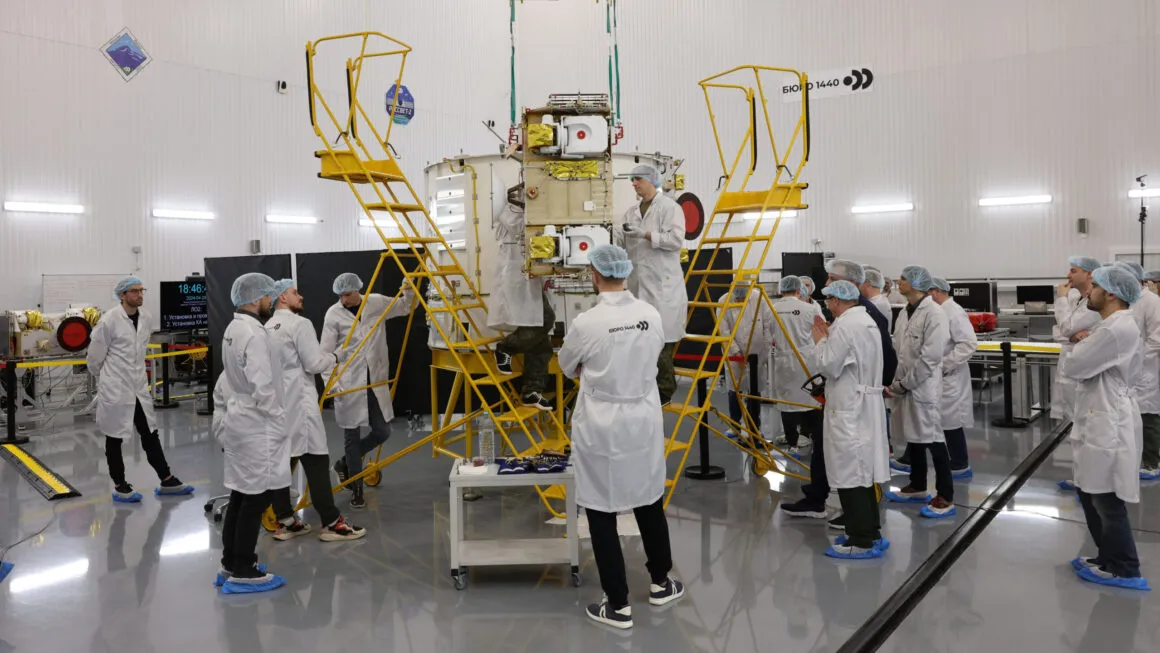
Employees of Russian company Bureau 1440 work on a Rassvet communications satellite.
Explore further

The EU sanctioned Russia’s Starlink rival but not the company that builds it. Experts call that the gap that matters

Denys Shtilerman, co-founder and chief designer at Ukrainian defense company Fire Point, told the Financial Times in May that the firm had launched two satellites this year and planned dozens more in 2027, aiming to reduce reliance on the US government and Western tech companies. To strike deep inside Russia and gather intelligence, he has said, Ukraine needs its own constellation covering all of Russia.

Ukraine fired its first FP-7 ballistic missile in combat. Its maker says next version will do what Ukraine needed since 2022

Par : David Axe
3 octobre 2026 à 09:21

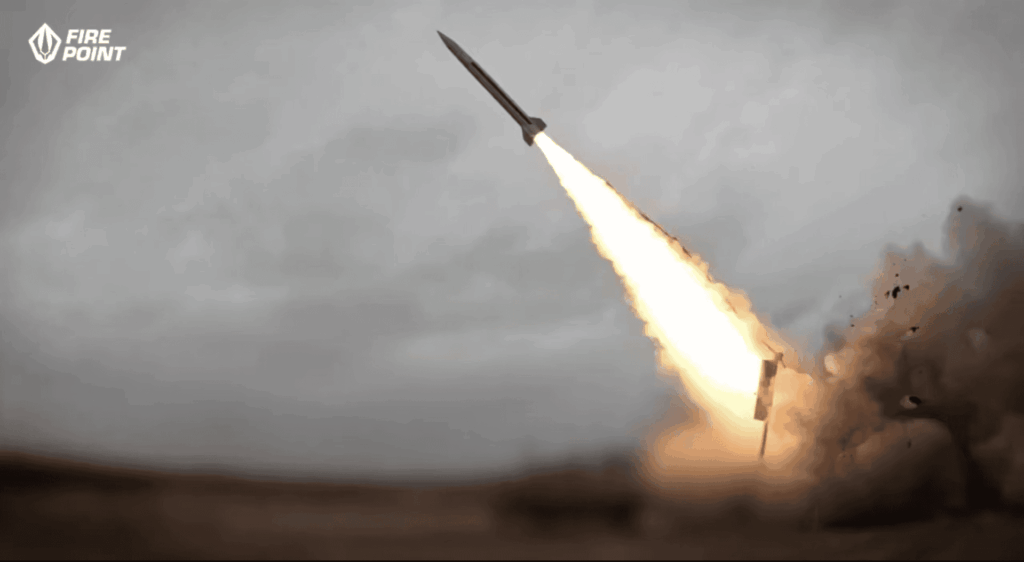
ukraine advertise its new ballistic missiles until factories can mass-produce ex-security officer says · post test launch fp-7 missile prototype fire point news ukrainian reports

  • Ukrainian forces have fired a Fire Point FP-7 ballistic missile in combat for the first time
  • The launch heralds a new phase of the wider war: the ballistic phase
  • Soon both Ukraine and Russia will be able to bombard each other with hard-to-intercept missiles

Ukraine has fired its new Fire Point FP-7 ballistic missile in anger for the first time, Ukrainian President Volodymyr Zelensky announced on Thursday, 1 October.

Kyiv hasn't said what the missile targeted or how much damage it caused. The Wall Street Journal, citing an unnamed source, reported that it struck a target in Russian-occupied Ukraine. Zelensky was ecstatic on social media. "Thank you for the result," the Ukrainian president wrote. "Next up: production. Glory to Ukraine!"

The FP-7 can hit back at Russia, but it can't stop the Iskander ballistic missiles Russia fires at Ukrainian cities. Its twin is meant to. Fire Point is building an interceptor version, the FP-7.X, as the core of Freyja, its bid for a cheaper alternative to the American Patriot, and the company aims for a first ballistic missile interception by mid-2027.

Kyiv drone- and missile-maker Fire Point, most famous for its FP-1 and FP-2 one-way attack drones and FP-5 Flamingo cruise missiles, has been hard at work on ballistic missiles for at least a year. Ballistic missiles can cost millions of dollars per round, making them much more expensive than a $50,000 drone or $500,000 cruise missile.

But the extra expense buys a lot more destructive potential. An FP-1 packs a 60-kg warhead; an FP-7's warhead weighs about 200 kg. While an FP-1 might motor as far as 1,000 km, it's slow and fairly easy to shoot down. An FP-7 possesses less range—up to 250 km under the best conditions—but it streaks through the atmosphere at several times the speed of sound, making it extremely difficult to intercept.

Ukrainian tactical ballistic missile. FP-7. First combat use. Thank you for the result. Next up: production. Glory to Ukraine! pic.twitter.com/IxdjVg51c1

— Volodymyr Zelenskyy / Володимир Зеленський (@ZelenskyyUa) October 1, 2026

The only Russian air defense systems that stand any chance of swatting down an incoming FP-7 are also among the most in-demand in the Russian inventory and thus the most over-stretched: the S-400 surface-to-air missile batteries.

Ukrainians know better than anyone the kind of damage and terror ballistic bombardment can inflict. Since effectively running out of Patriot surface-to-air missiles earlier this year, Ukraine has been unable to defend itself against weekly Russian bombardment that now usually includes several Iskander ballistic missiles.

The Russian bombardment threatens to disrupt commerce, throttle electricity generation, and grind down Ukrainian morale at a critical juncture in Russia's wider war on Ukraine. Ukrainian troops are holding their own along the 1,200-km front line, but behind the front line everyday Ukrainians are suffering under missile and drone impacts.

That suffering will only get worse as winter closes in, temperatures drop, and the Russians resume intensive attacks on the electrical grid, potentially depriving millions of people of household heating. Ukrainian batteries firing FP-7s can't directly prevent Russian attacks. But they can retaliate for the attacks.

Expect the ballistic tit for tat to intensify. It may not be the first Ukrainian ballistic missile fired in anger: in June, Russia said it shot down a Ukrainian ballistic missile over Moscow, and Kyiv never said what it was. But the FP-7 is the first Kyiv has confirmed using in combat, and it has the range and payload to inflict serious damage on targets inside Russia. But an even more powerful Ukrainian missile, the Fire Point FP-9, is coming soon. It reportedly ranges 850 km with an 800-kg warhead.

FP-9.
FP-9. Fire Point art.

The ballistic phase

The FP-7 can smash Russian depots, air bases, and factories in oblasts bordering Ukraine. The FP-9 could wreak havoc as far as Moscow. The only major constraint on the Ukrainian bombardment will be Fire Point's production capacity, and Kyiv's ability to finance that production.

The Ukrainians will be incentivized to produce as many FP-7s—and, later, FP-9s—as possible. The same factories that produce surface-to-surface FP-7s will also churn out a surface-to-air variant, the FP-7.X.

That missile, which is overall similar to the standard FP-7 but includes a sophisticated seeker head, is the main munition for Ukraine's new mostly homemade air defense system being developed by Fire Point and various foreign partners under the auspices of the European missile defense program Freyja.

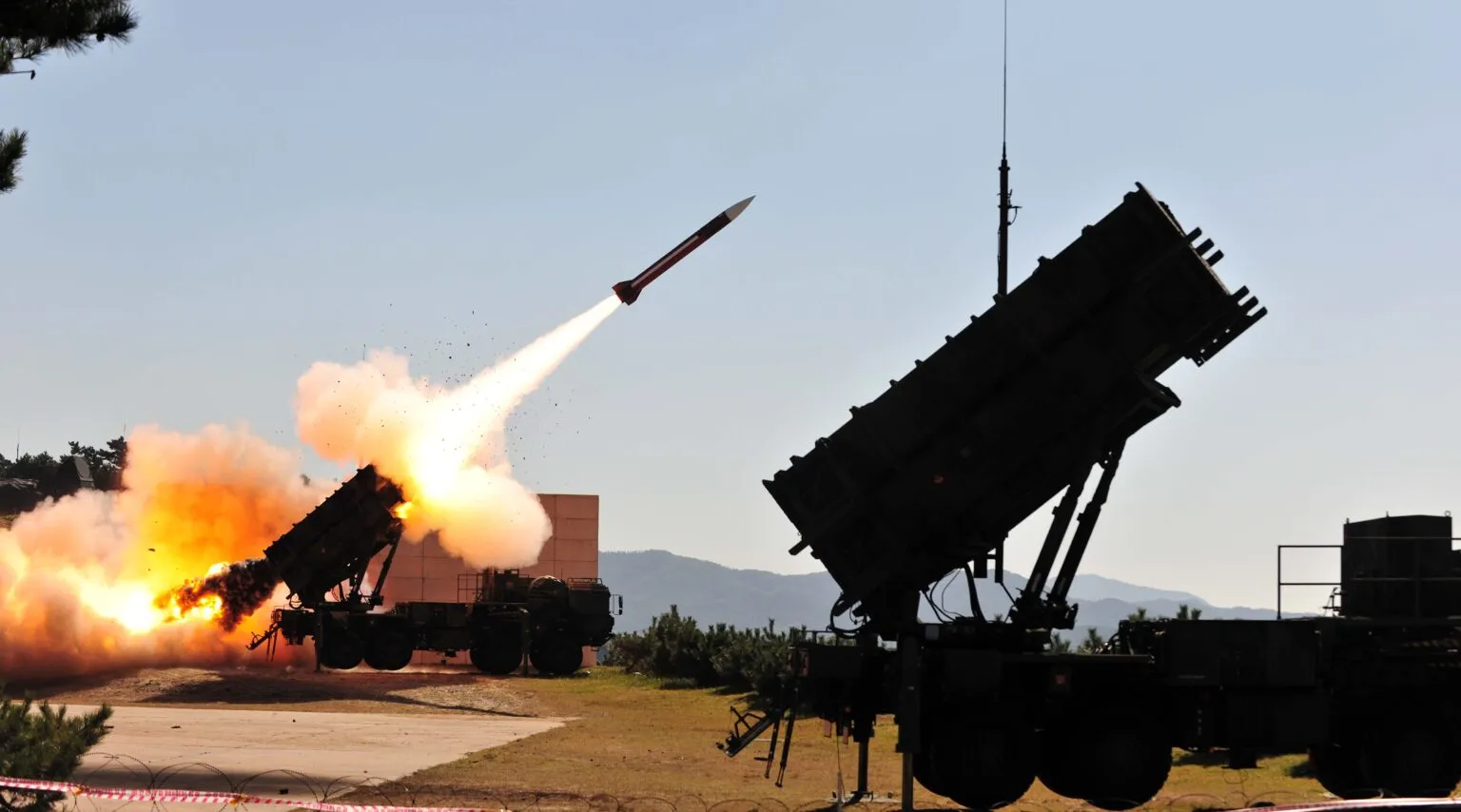
A Patriot air defense missile launcher. Photo: South Korean defense ministry.
Explore further

Ukraine has five ways to stop Russia’s Iskanders. Only one arrives before the strikes on the grid begin

If the FP-7.X works as advertised and Fire Point can scale production, it could bolster Ukraine's defenses against Russian ballistic missile strikes while the standard FP-7 and its bigger cousin the FP-9 retaliate for Russian ballistic missile strikes.

A new phase of the wider war is about to begin—the ballistic phase, where both sides can pummel the other with hard-to-intercept missiles.

The side that makes the most and best missiles, for offense and defense, will prevail in the coming ballistic fight.

❌