
 Connexion
Every LNG cargo Belgium took in July came from Russia, as imports collapsed after Iran war
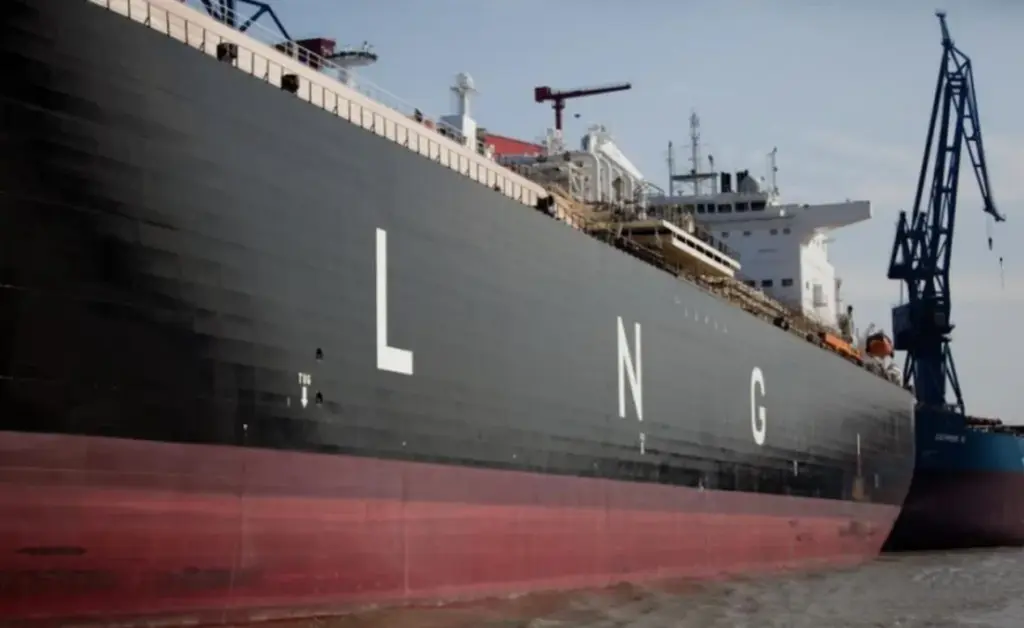
Russian LNG accounted for all of Belgium’s liquefied natural gas imports in July, Bloomberg reported. The Iran war disrupted Middle Eastern supplies and kept European gas prices high.
The shift exposes a contradiction in EU energy policy. Countries should be reducing Russian purchases before a full ban on Russian gas, part of the EU's plan to end its energy dependence on Moscow amid the war against Ukraine, takes effect in January 2027. Yet disruption around the Strait of Hormuz has reopened demand for Moscow’s fuel.
Belgium bought about 0.4 million tons of Russian LNG in July, Bloomberg data show. Its total LNG intake fell by more than 40% from a year earlier, while high prices discouraged winter stockpiling. Russia became the sole supplier in a shrinking market.
Belgium still received pipeline gas from Norway and the UK, meaning Russia supplied all its LNG, not all its gas. It was the first month since early 2021 that all of Belgium’s LNG came from Russia, Bloomberg reported.
Europe’s Russian LNG reliance grows
France, Belgium, Spain, and the Netherlands spent €34.3 billion ($39.6 billion) on Russian LNG between 2022 and 2025, a Greenpeace analysis found. Their combined bilateral aid to Ukraine during that period totaled €21.2 billion ($24.4 billion).
Europe’s Russian LNG dependence predates Belgium’s July reversal. The EU paid Russia €7.2 billion for LNG in 2025. By early 2026, Europe was receiving 97% of exports from Russia’s Yamal LNG plant.
Europe received 16% more Russian LNG in the first half of 2026 than a year earlier, paying €5.96 billion, Bloomberg reported. France, Belgium, and Spain were the biggest buyers, according to figures Bloomberg cited from the German nonprofit Urgewald.
The 2027 ban gives long-term buyers legal protection to end their contracts early. Yet the gas keeps flowing through European ports and on European-operated ships. In July, Greece held up new sanctions to protect Dynagas, whose vessels transport Russian gas sourced from the Arctic.
Iran war boosts Russia and raises Ukraine’s costs
The same energy shock strengthens Russia while squeezing Ukraine. The Iran war increased Moscow’s energy income while raising the cost of Ukraine’s imported fuel. It also diverted political attention from Russia’s invasion.
The scale became visible within the first two weeks of the Iran war. Russia earned €7.7 billion from fossil-fuel exports during the first half of March. Daily earnings reached €513 million as Brent crude climbed above $119 per barrel.
Higher prices later threatened to raise the EU price cap on Russian oil from $44.1 to at least $65 per barrel. Brussels considered freezing it to prevent the Iran-driven price spike from weakening sanctions on Moscow.
