
Vue normale

  • ✇Euromaidan Press
  • Ukraine’s new Tu-95 killer is a $48,000 copy of a drone China refused to sell
    Ukraine's state security service has its own special attack drone The MICH 2000 is a highly evolved copy of a Chinese drone China refused to sell There are at least eight versions of the 2,000-km drone, from $48,000 On 16 July, one-way attack drones from the Ukrainian state security service—the vaunted SBU—motored 800 km to strike Engels-2 air base in western Russia. At the time, there were reportedly five bombers on the ground at the base: four Tupolev Tu-22M
     

Ukraine’s new Tu-95 killer is a $48,000 copy of a drone China refused to sell

Par : David Axe
13 août 2026 à 13:01

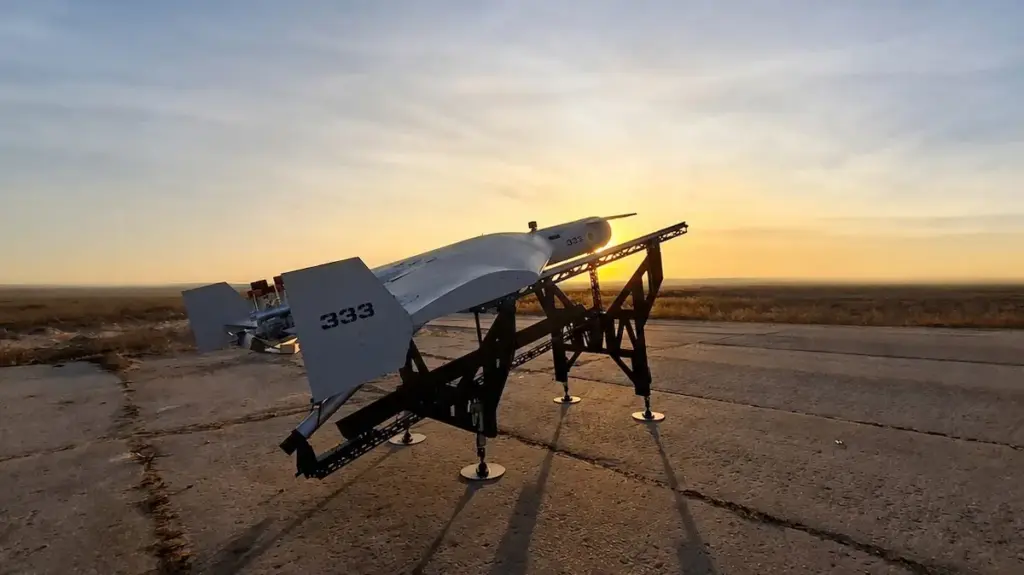
The MICH 2000 drone can fly up to 2,000 km and carry a warhead weighing up to 60kg. Photo courtesy of the manufacturer

  • Ukraine's state security service has its own special attack drone
  • The MICH 2000 is a highly evolved copy of a Chinese drone China refused to sell
  • There are at least eight versions of the 2,000-km drone, from $48,000

On 16 July, one-way attack drones from the Ukrainian state security service—the vaunted SBU—motored 800 km to strike Engels-2 air base in western Russia. At the time, there were reportedly five bombers on the ground at the base: four Tupolev Tu-22Ms and a single Tupolev Tu-95.

The drones struck the four-engine, propeller-driven Tu-95. "According to preliminary data, the plane suffered critical damage," the SBU claimed. "It completely tore off the tail part." That particular aircraft, the SBU added, had been used systematically to launch massed missile strikes on Ukraine. Satellite imagery later confirmed the bomber's destruction.
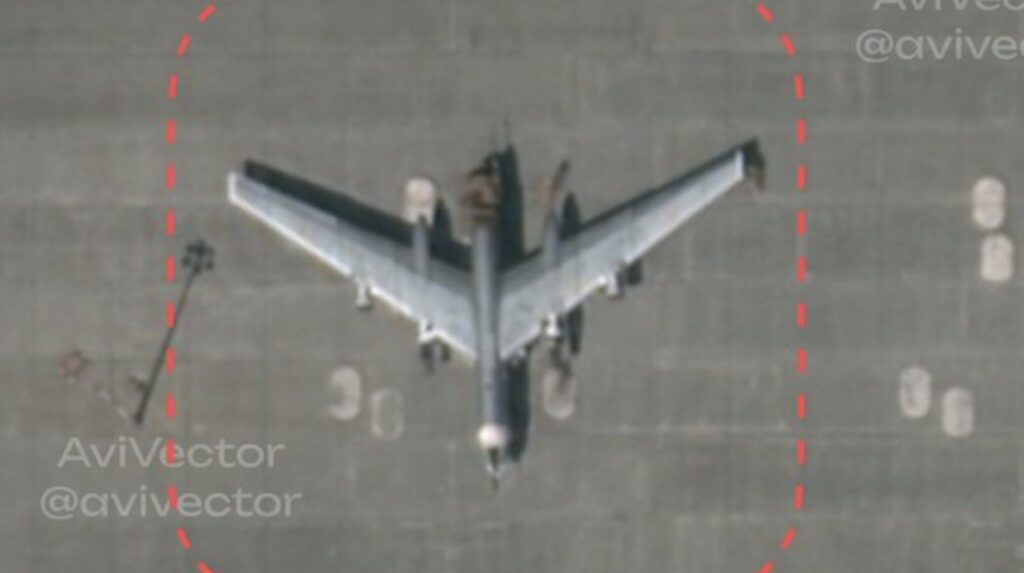
The destroyed Tu-95.
The destroyed Tu-95. Satellite imagery via AviVector.

Nearly a month later, we finally know which drone type the SBU flung at Engels-2 and its parked bombers. They were MICH 2000s—Ukrainian aircraft that began as copies of the Chinese ZTK-150, built after Beijing stopped selling. Ukrainian website Oboronka, which visited the factory, broke the news. "Today, the Mich' is no longer just a Chinese plane, but a drone that is exclusively used by the SBU Special Operations Center 'Alpha.'"

According to Oboronka, whose report was agreed in advance with the manufacturer and the SBU, the MICH 2000 flies as far as 2,000 km with a warhead weighing 25 to 60 kg. "The list of targets hit by this drone is updated every week," Oboronka noted. They include Russian ports, military and industrial sites around Moscow and Engels-2.

The Engels-2 raid might be the most immediately impactful. After the 16 July raid, the Russians may be down to 43 Tu-95s, only a dozen of which are usually active at any given time.

The mysterious Shahed like Ukrainian drone that has been repeatedly spotted during strikes deep inside Russia finally has a name: MICH 2000.

Until now, almost nothing was publicly known about it. The drone is used exclusively by the SBU’s Alpha unit, can fly up to 2,000 km and… https://t.co/yUHIXEjvLl pic.twitter.com/HT59LiigrI

— Special Kherson Cat 🐈🇺🇦 (@bayraktar_1love) August 12, 2026

The plane that came from China

The MICH 2000 started as someone else's drone. In the summer of 2023, Beijing restricted exports of the civilian aircraft Ukrainian units had been buying and converting into deep-strike munitions. At the end of that year, a team of Ukrainian developers flew to China to buy some anyway.

At the factory, they found dozens of ZTK-150s coming off the line—Shahed lookalikes distinguished mainly by a pair of forward canards. The Chinese intermediaries floated selling the production technology outright, and Ukrainian commanders liked the idea. But when the team came back ready to buy, the factory's management refused.

The intermediaries wanted the deal anyway. They offered to assemble the drones somewhere without export restrictions—and to train Ukrainian pilots. The team took the training. "We came there to teach pilots to fly Chinese drones," one member told Oboronka. "And in parallel with the training we photographed everything that was there. Everything from the production process to the arrangement of the shelves and cabinets." They flew home with trained pilots and eight Chinese drones.

Two years later, the Ukrainian version costs $48,000 in its basic configuration. The Chinese original costs $50,000. And according to the manufacturer, almost nothing of the Chinese drone survives in the MICH 2000 now except its outline.

Whittling down the bomber fleet

Ukrainian drones are slowly chipping away at the Tu-95 fleet. A 2022 drone raid badly damaged one of the lumbering turboprop bombers at Engels-2, potentially leaving no more than 51 intact Tu-95s in the Russian air force inventory at the time. Smuggling tiny explosive drones across Russia in trucks on 1 June, 2025, the SBU hit at least seven more Tu-95s as well as four Tu-22Ms, among other aircraft.

The 16 July raid is the more recent Ukrainian effort to shrink the Russian bomber force, but it surely won't be the last. The Russians' roughly 120 bombers—Tu-95s, Tu-22Ms and Tupolev Tu-160s—launch the cruise missiles that routinely blast Ukrainian cities and power plants.

Struggling to intercept all Russian deep strike munitions in the target zone, in part owing to a deepening shortage of the best air defense missiles, Ukrainian forces increasingly aim to prevent the Russian munitions from even launching—by smashing munitions factories or, yes, destroying irreplaceable bombers. Of the three Russian bomber types, just one—the Tu-160—is still in production, albeit at a rate of barely just one every year or two.
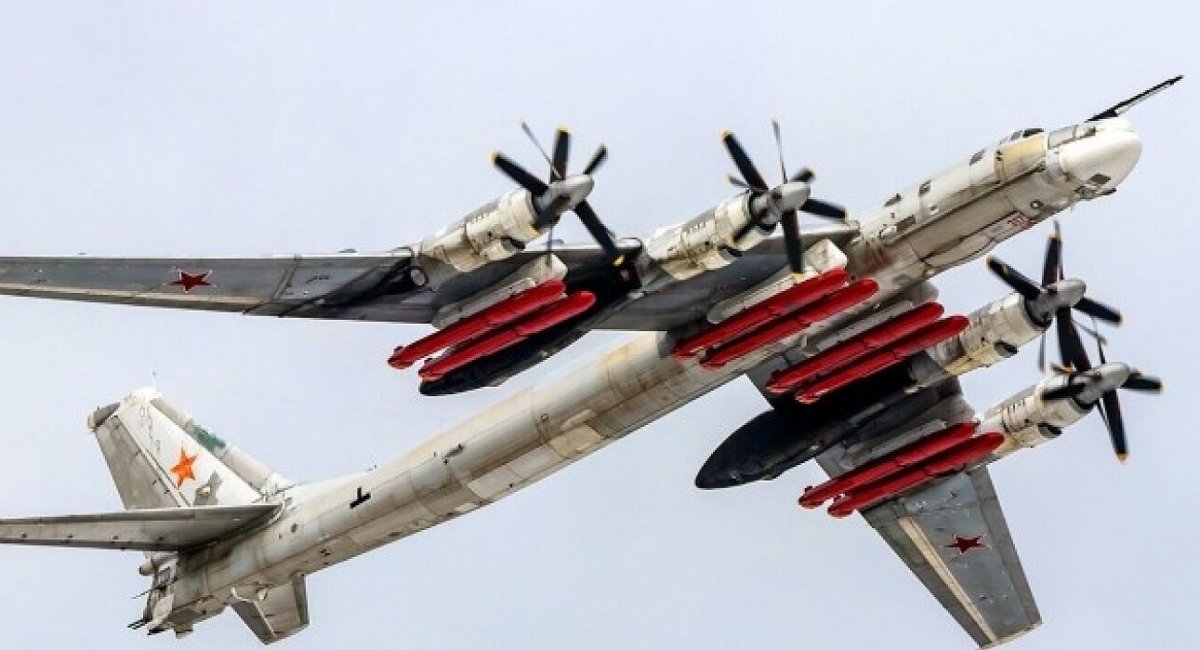
Russian strategic bomber TU-95 carrying Kh-101 missiles. Source: Defense Express
Explore further

Ukraine kills bomber inside Russia. Soviet Union stopped building them decades ago — so this one is gone for good

Expect more MICH 2000 raids. The type's anonymous builder churns out 6,000 MICH 2000s a year but aims to boost output to 10,000 a year. And the firm customizes the drones to suit particular missions.

According to Oboronka, there are eight main versions. "Fighters can choose what kind of communication they need: analog, digital or Starlink. They can choose the warhead, the size of the fuel tank, the possibility of additional guidance." The navigation system can be made more jam-proof by adding additional jam-resistant controlled reception pattern antennas.
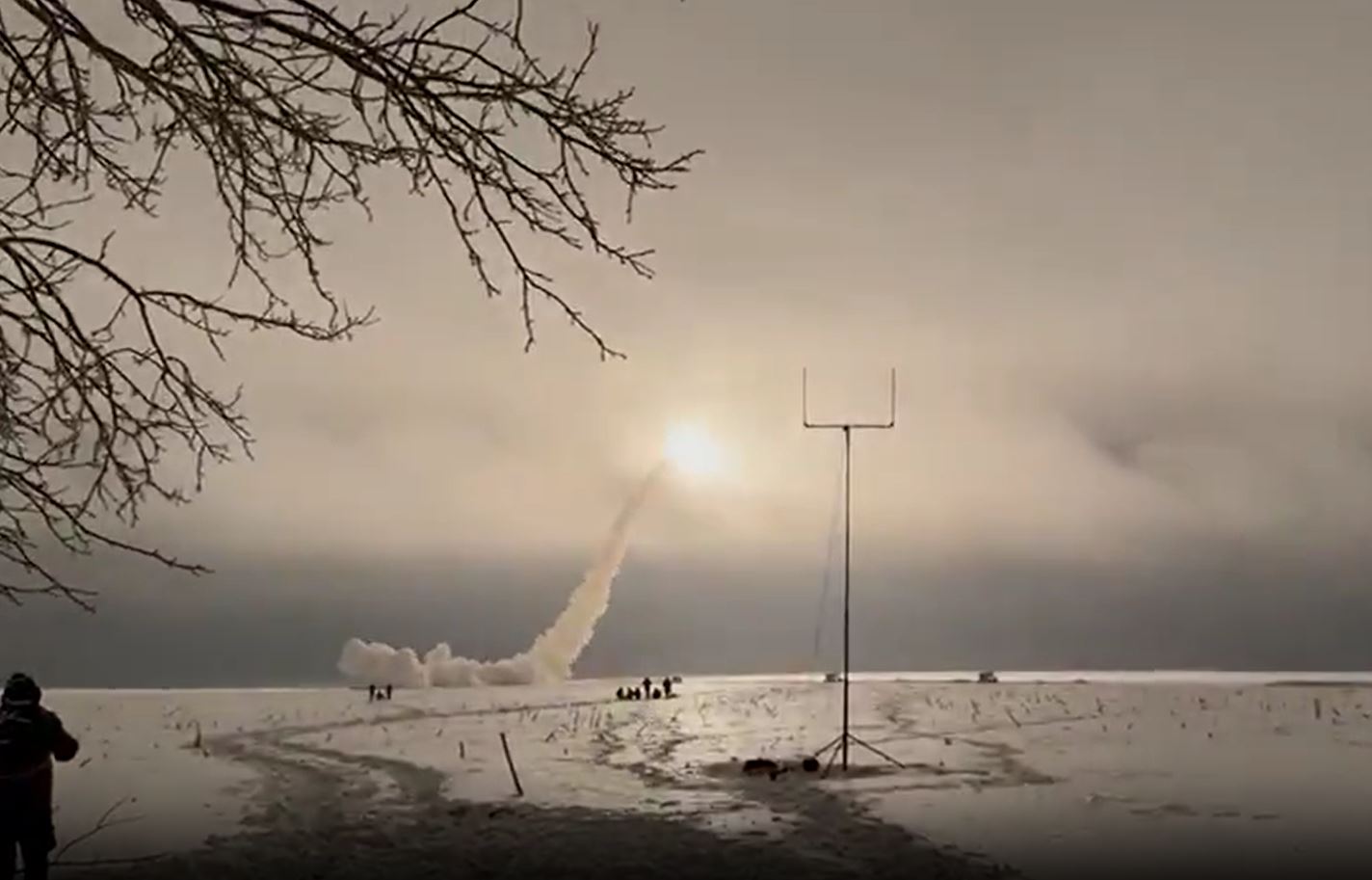
flamingo vs oreshnik ukraine's genstaff now details damage russia's launch site · post fp-5 cruise missile targeting kapustin yar test range ukraine confirmed ballistic infrastructure previous strikes astrakhan oblast intermediate-range
Explore further

Russia has figured out how to stop Ukraine’s most powerful missile

Drone strikes by MICH 2000s and other drone types aren't the only ways Ukrainian forces are trying to blunt Russian attacks on Ukrainian cities and power plants. Ukrainian drone teams are also trying to take out the last five warships in the battered Russian Black Sea Fleet that can fire Kalibr cruise missiles.

On 11 August, drones struck at least three of the ships in the port of Novorossiysk in southern Russia. The frigates Admiral Essen and Admiral Makarov and the corvette Bykov all suffered visible damage.
  • ✇Coda Story
  • Darkness is losing its war with the light
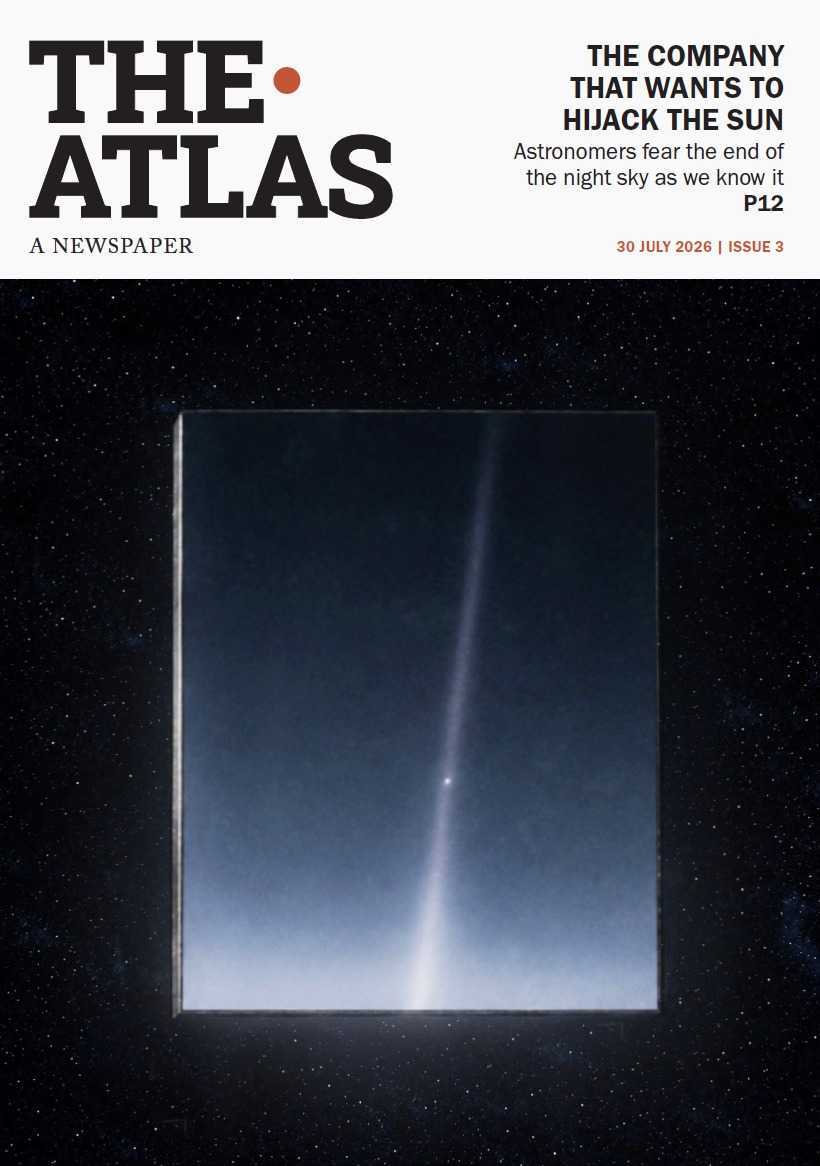
    Astronomy, our window into the rest of the universe, happens in the dark. Planets, stars and galaxies – all the mysteries of the cosmos – only reveal themselves at night. But the night sky may be getting much brighter, thanks to an American company with a plan to conquer darkness itself by sending 50,000 giant mirrors into space. What you are reading first appeared as a cover story for The Atlas, our new global publication with The Continent. Sign up here to get the next edition delivered to
     

Darkness is losing its war with the light

13 août 2026 à 08:29

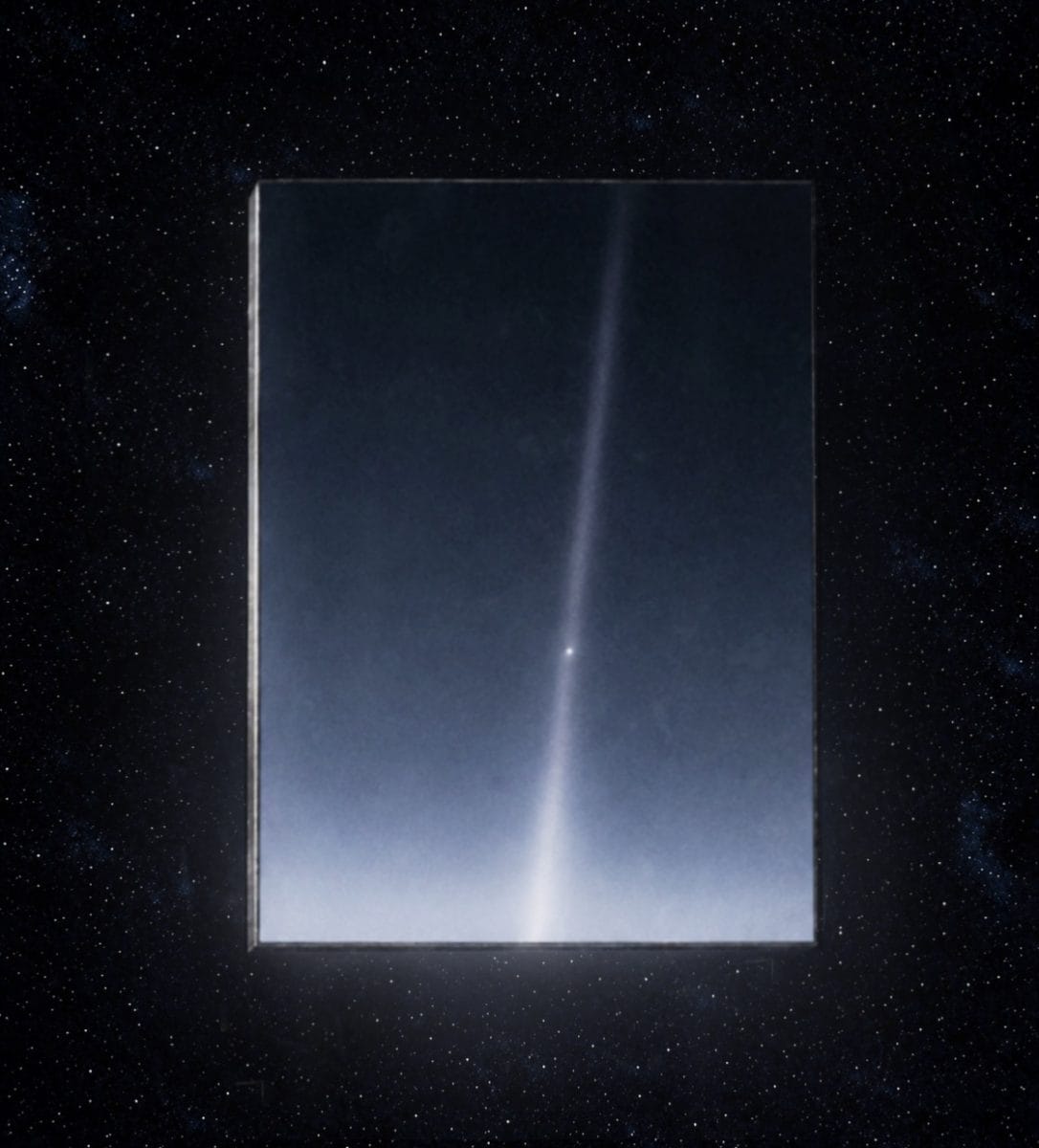
Astronomy, our window into the rest of the universe, happens in the dark. Planets, stars and galaxies – all the mysteries of the cosmos – only reveal themselves at night. But the night sky may be getting much brighter, thanks to an American company with a plan to conquer darkness itself by sending 50,000 giant mirrors into space.

What you are reading first appeared as a cover story for The Atlas, our new global publication with The Continent. Sign up here to get the next edition delivered to your inbox on August 27.

Astronomers are panicking.

It is an “existential threat” to optical astronomy, says the European Southern Observatory. A “disastrous” idea that will “permanently scar” the night sky, according to the Royal Astronomical Society. The American Astronomical Society told Nature it “would probably mean the end of ground-based astronomy, or optical astronomy, at least.”

Sthabile Kolwa agrees. “It will take away a very crucial part of our civilization,” she tells The Atlas. Kolwa, a senior lecturer in astronomy at the University of South Africa, studies the life cycles of galaxies, but today her concerns are more immediate. “It might come to this, that we just have to find them in the parking lot and say, ‘Hey, what are you guys doing? You’re going to ruin science for us.’ ”

Like Uber, but for the sun

The parking lot in question is in Hawthorne, California, outside the headquarters of Reflect Orbital. They call themselves The Sunlight Company. The start-up is celebrating: Earlier this month, the United States Federal Communications Commission (FCC) approved the launch of Eärendil-1, likely in a few months time.

This satellite, named for a character in JRR Tolkien’s The Silmarillion, will unfurl an 18m x 18m mirror in low Earth orbit. It’s designed to reflect sunlight onto the dark side of the earth, lighting a 5km2 patch of land with the strength of four full moons.

It is a proof of concept.

By 2035, Reflect Orbital wants 50,000 of its mirrors in space, delivering illumination “comparable to daylight” on demand to paying customers (“sunlight is the new oil,” says chief executive Ben Nowack). The company says this will allow solar panels to generate clean energy overnight; provide “safer, evenly-lit streets” to cities that pay for it; and keep construction sites and farms working 24/7.

There will be an app, of course, offering “sunlight as a service” – lighting up the night will be as easy as ordering an Uber.

Clean, renewable energy is at the heart of the company’s vision, a spokesperson told The Atlas in a statement. Reflect Orbital declined to respond to specific queries and said it is in constant dialogue with astronomers, scientists and environmental researchers to mitigate the impact of the light pollution: “We are able to dim the brightness of the service and turn it off at any stage. We control where the light shines when serving an authorised customer. Most people and most places will never see this light. It is precise, targeted and customers will require permits to receive the service.”

Circadian arrhythmia

A new research paper, published in May, challenges Reflect Orbital’s position. Its author, the European Southern Observatory’s Oliver Hainault, concluded that the company’s 50,000 satellites would increase the background brightness of the sky by 300% – even when their mirrors are pointed somewhere else. This, coupled with a proposal from Elon Musk’s SpaceX to build vast data centres in space, would go “beyond the limit” of what astronomy can withstand.

What that means, in practice, is that the images from ground-based telescopes will be dramatically less useful, marred by streaks of light from passing satellites. The most distant light sources won’t be visible at all.

This will obscure evidence of other galaxies, hinder research into black holes and other cosmic phenomena, and potentially prevent early warnings of asteroid approaches. Cutting-edge astronomy will only be possible from space-based telescopes like the James Webb and the Hubble – access to which is already massively oversubscribed, and subject to political interference.

The night sky will look different to the naked eye, too. “The next time you’re away from urban light pollution, spend some time outdoors after dark and enjoy the view of the Milky Way and the constellations that have inspired awe since humankind woke to consciousness. Chances are those views are not here to stay forever,” wrote journalist Tereza Pultarova for Space.com.

Anna Jibladze

Running out of space

The night sky is already a lot brighter than it was 150 years ago, when light bulbs started to become commonplace. According to Dark Sky International, a US-based nonprofit that advocates against light pollution, 80% of Earth’s human population already lives under some form of sky glow, most of which is generated on land. This has forced astronomers to seek out “dark sky places,” like the Atacama Desert in Chile or the Upper Karoo in South Africa, for their telescopes.

Humans can adapt to less darkness. But it is much harder for animals and ecosystems that have evolved alongside predictable rhythms of day and night. Nocturnal predators lose the ability to hunt; sea turtle babies can’t find their way to the sea; migratory birds are thrown hopelessly off course; and moths expend all their energy helplessly chasing artificial light sources.

“It’s almost like we are on a mission to obliterate natural darkness from earth,” said Ruskin Hartley, Dark Sky’s chief executive. “And now rather than do it street by street and bulb by bulb, let’s do it from space.”

Space is, in theory, protected by the Outer Space Treaty, a 1967 agreement signed by 110 countries, including all the major space superpowers. It states that “space is the province of all mankind." But that’s not what’s actually happening, Hartley argues. “In the US, it’s the most wealthy, most powerful individuals who are gobbling up as much of that orbital space as they can before someone else can get that opportunity” – with China, Russia and Europe all scrambling too for a greater presence in low Earth orbit.

“Who gets to choose that we light up the night sky? Who gets to make that decision?” Ruskin asks. In the US, it is the FCC’s job to decide what satellites are allowed in space. But it has said that assessing the impact of light pollution or environmental damage is not within its remit. Instead, it wants to slash regulation so American companies can take advantage of the “space industrial revolution.”

And Reflect Orbital has rich and powerful backers. Earlier this year, it secured a $1.5-million contract from the US air force, hinting at possible military applications for its mirrors. Last year, it raised $20-million from three venture capital firms, including Sequoia Capital, one of the biggest investors in Silicon Valley. Sequoia also owns a multibillion-dollar stake in SpaceX, which has its own plans for low earth orbit.

There are already more than 10,000 Starlink satellites up there, giving Elon Musk unprecedented influence over global communications. The company wants to launch one million more satellites over the next few years to build a network of space-based data centres. In addition to the light pollution, astronomers worry the potential for collisions will increase dramatically, as will risks to the ozone layer.

A brighter future

On her blog Higher Dimensions, the astronomy professor Janna Levin contemplates our brighter future. “It is quite possible that the hot glow of the swarm of data satellites will saturate the night, washing out the stars from our perspective on Earth. We’ll look up into the sky and instead of Zeus transformed into a swan outlined in a constellation of a few stars, the machine gods will literally loom above us, glowing with radiant heat, making declarations, predicting the weather, forecasting then determining our fate.”

Kolwa, the South African astronomy lecturer, offers a different metaphor: that of empires “colonizing low Earth orbit.” This was an ambition of one of the most infamous imperialists of them all, Cecil John Rhodes, who said that he looked up at the stars and thought: “I would annex the planets if I could; I often think of that. It makes me sad to see them so clear and yet so far.”

But it hasn’t been colonized just yet.

“I’m still trying to figure out what we can do, what responsibility we have as scientists,” says Kolwa. “How could we engage our communities to stand up to these corporations and say no? We must keep our night skies dark, as dark as possible.”

The post Darkness is losing its war with the light appeared first on Coda Story.

  • ✇#MonCarnet
  • 120 secondes de Tech / 13 aout 2026 
    🎧 Édition du 13 aout 2026 :– Google lance la gamme Pixel 11– Les tribunaux bannissent les lunettes Meta– Sonos préparerait les Ace Ultra– Deux câbles sous-marins touchés en Australie « 120 secondes de Tech », un regard sur le quotidien de l’actualité numérique proposé par Bruno Guglielminetti  Présenté par Micrologic.ca ================ Pour recevoir directement ce podcast, abonnez-voussur […]
     

120 secondes de Tech / 13 aout 2026 

13 août 2026 à 00:30
🎧 Édition du 13 aout 2026 :– Google lance la gamme Pixel 11– Les tribunaux bannissent les lunettes Meta– Sonos préparerait les Ace Ultra– Deux câbles sous-marins touchés en Australie « 120 secondes de Tech », un regard sur le quotidien de l’actualité numérique proposé par Bruno Guglielminetti  Présenté par Micrologic.ca ================ Pour recevoir directement ce podcast, abonnez-voussur […]
❌