Vue lecture

Personal care products are awash in unlabeled toxic chemicals, study finds

Even products labeled ‘eco’, ‘green’ or ‘natural’ can contain dangerous compounds including Pfas

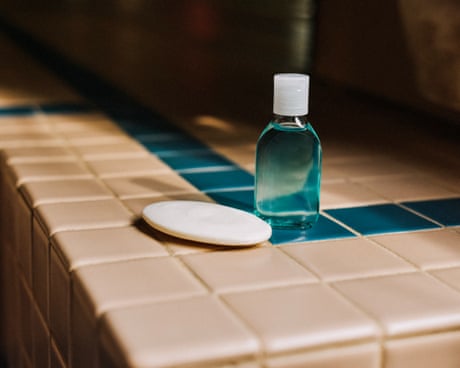
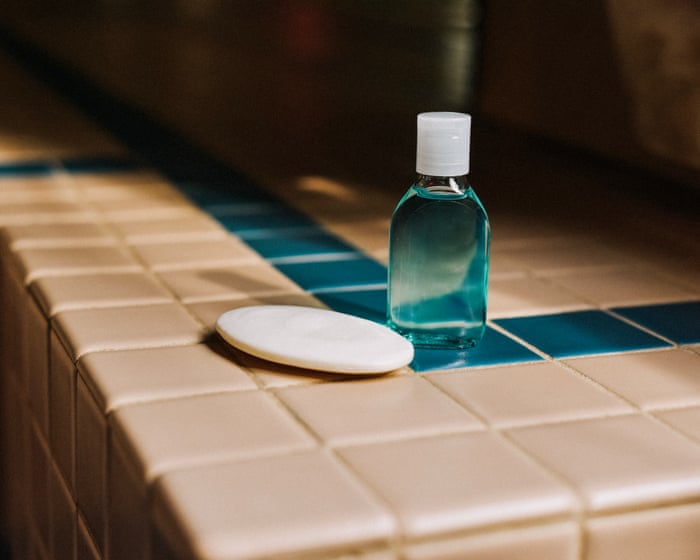
Common personal care products widely contain unlabeled toxic chemicals, results from a new peer-reviewed study suggest. The testing of more than 110 items ranging from shampoo to baby lotions found evidence of unlabeled toxic chemicals in about 85%.

Many contained multiple ingredients known to be carcinogens or health hazards, and even 26% of products labeled “eco”, “green” or “natural” contained at least one dangerous compound. The products averaged more than three times as many chemicals than were listed on labels.

Continue reading...
© Photograph: Stefania Pelfini la Waziya/Getty Images
© Photograph: Stefania Pelfini la Waziya/Getty Images
© Photograph: Stefania Pelfini la Waziya/Getty Images


  •  

California law would force companies to disclose toxic chemicals in disposable diapers

Legislation requiring disclosure of chemicals in diapers passed assembly and will go before state senate soon

New California legislation would require manufacturers to disclose the “mystery cocktail” of toxic chemicals used in disposable diapers.

Diapers often contain among the most toxic substances – phthalates, lead, Pfas, quats, arsenic, a range of volatile organic compounds (VOCs) and “fragrance”, which can include any number of 1,200 compounds thought to be hazardous to human health.

Continue reading...

© Photograph: Polina Strelkova/Getty Images

© Photograph: Polina Strelkova/Getty Images

© Photograph: Polina Strelkova/Getty Images

  •  

California bans paraquat, highly toxic herbicide outlawed in more than 70 countries

State is US’s largest user of pesticide that is virtually proven to cause Parkinson’s disease

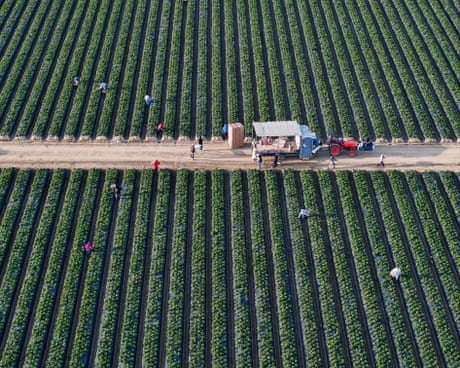
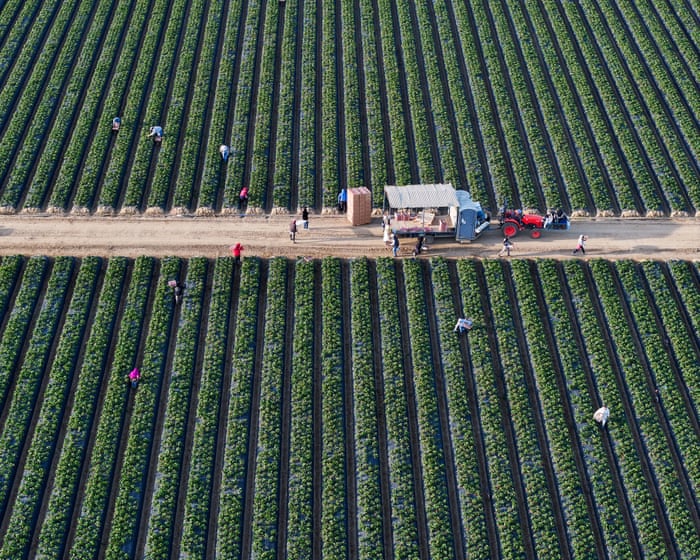
California is banning paraquat, a highly toxic, controversial herbicide used across millions of acres of American cropland.

Public health advocates characterize it as a deadly substance that is virtually proven to cause Parkinson’s disease. It is already outlawed in more than 70 countries, including China, the UK and the EU. Yet in the US, the Environmental Protection Agency (EPA) reapproved it for use in 2021 and 2024.

Continue reading...

© Photograph: Tayfun Coskun/Anadolu via Getty Images

© Photograph: Tayfun Coskun/Anadolu via Getty Images

© Photograph: Tayfun Coskun/Anadolu via Getty Images

  •  
❌