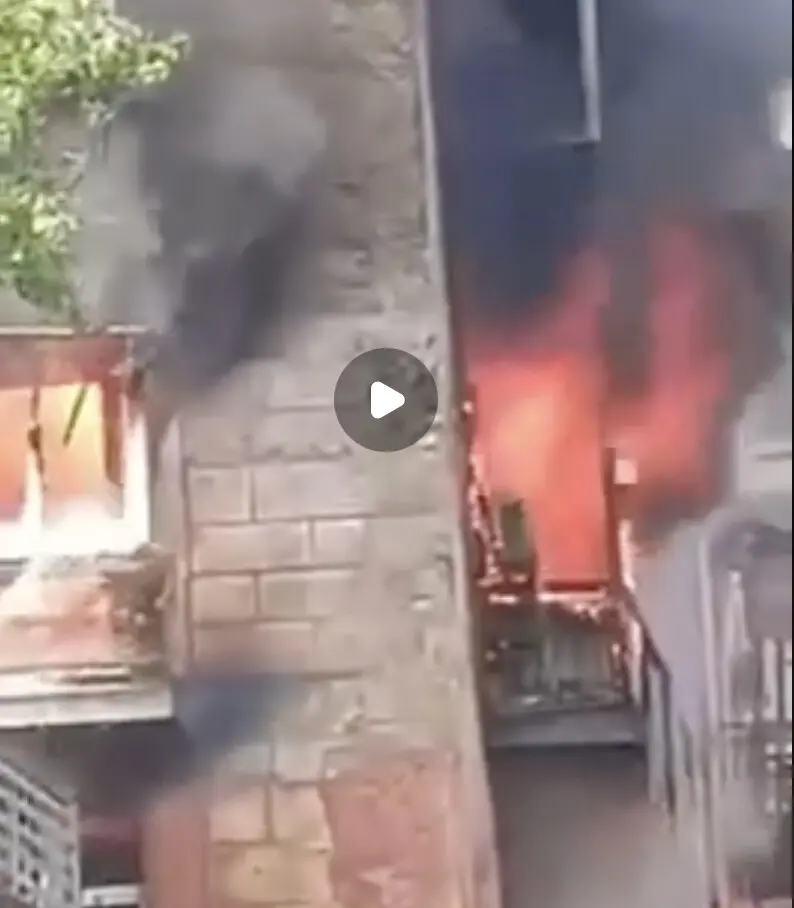
Fire has destroyed the Kherson apartment of Mariano García Calatayud, the Spanish volunteer, who was abducted by Russian forces during the occupation of the city in 2022. His partner, Tetiana Marina, told ZMINA she received two videos from neighbors that morning, the first showing her apartment alight and the second showing the fire spreading through the building.
Calatayud is one case in a system of civilian captivity that Russia does not acknowledge. Ukraine's ombudsm
Fire has destroyed the Kherson apartment of Mariano García Calatayud, the Spanish volunteer, who was abducted by Russian forces during the occupation of the city in 2022. His partner, Tetiana Marina, told ZMINA she received two videos from neighbors that morning, the first showing her apartment alight and the second showing the fire spreading through the building.
Calatayud is one case in a system of civilian captivity that Russia does not acknowledge. Ukraine's ombudsman estimates Russia holds up to 20,000 Ukrainian civilians, with confirmed identities for only a fraction. Russia has never charged Calatayud with a crime, never allowed him a lawyer or contact with his family, and for more than three and a half years has declined to confirm it holds him at all.
The building stands at the start of Yevropeiska Street, formerly Suvorova, roughly 500 to 700 meters from the Dnipro, Marina said. Police have recorded the damage. She does not know what caused the fire and suspects a Russian drone.
The videos showed the fire spreading
"In the first, I saw clearly that only my apartment was engulfed. In the second, I saw that all the apartments in the video had burned," Marina said.
She is still trying to reach a neighbor, Iryna, who had been sleeping in a bomb shelter because of the shelling.
"I still do not know what happened, but everything burned. It does look like a drone," she said.
A moral debt brought him to Ukraine
Calatayud ran the road construction department at Valencia city hall before retiring. He moved to Ukraine in 2014, collected humanitarian aid from several countries and delivered it to Marinka and Krasnohorivka in Donetsk Oblast, and worked with orphanages.
Marina explained his reason to Radio Free Europe/Radio Liberty. Under Franco, many children of repressed Spaniards were sent to Ukraine, to Odesa. His mother's family was among the repressed.
"That is why he went to Ukraine in 2014, to, as he put it, repay a debt to Ukraine," she said.
When Russian forces took Kherson, he stayed. He could have left for Spain, but did not.
Russia stopped acknowledging him
On 19 March 2022, Calatayud attended a pro-Ukrainian rally. Two men in balaclavas seized him at his own entrance, handcuffed him, put him in a dark blue minibus, and drove him to the occupation administration, Marina said.
He was held in Simferopol pre-trial detention center No. 2. According to other civilian hostages, he was beaten and subjected to electric shocks while in detention. They also described inhumane conditions and a lack of proper medical care. He suffered a heart attack in custody.
In December 2023, Russia reported Calatayud's transfer to Kherson Oblast, the Media Initiative for Human Rights reported. Spain proposed exchanging him for a Russian prisoner of war, and Russia refused. The Red Cross is searching for him in penal colonies, including in Siberia.
Russian military bloggers listed him in a database of foreign fighters, claiming he had joined Kherson's territorial defense. He never carried a weapon in the city, his wife said.
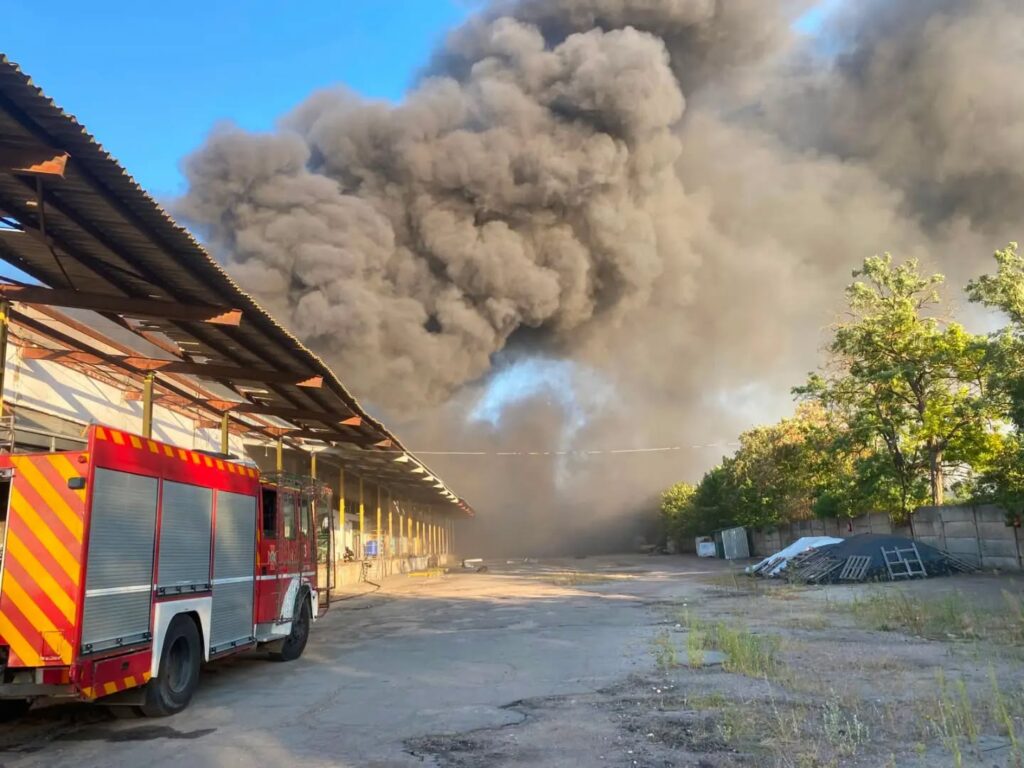
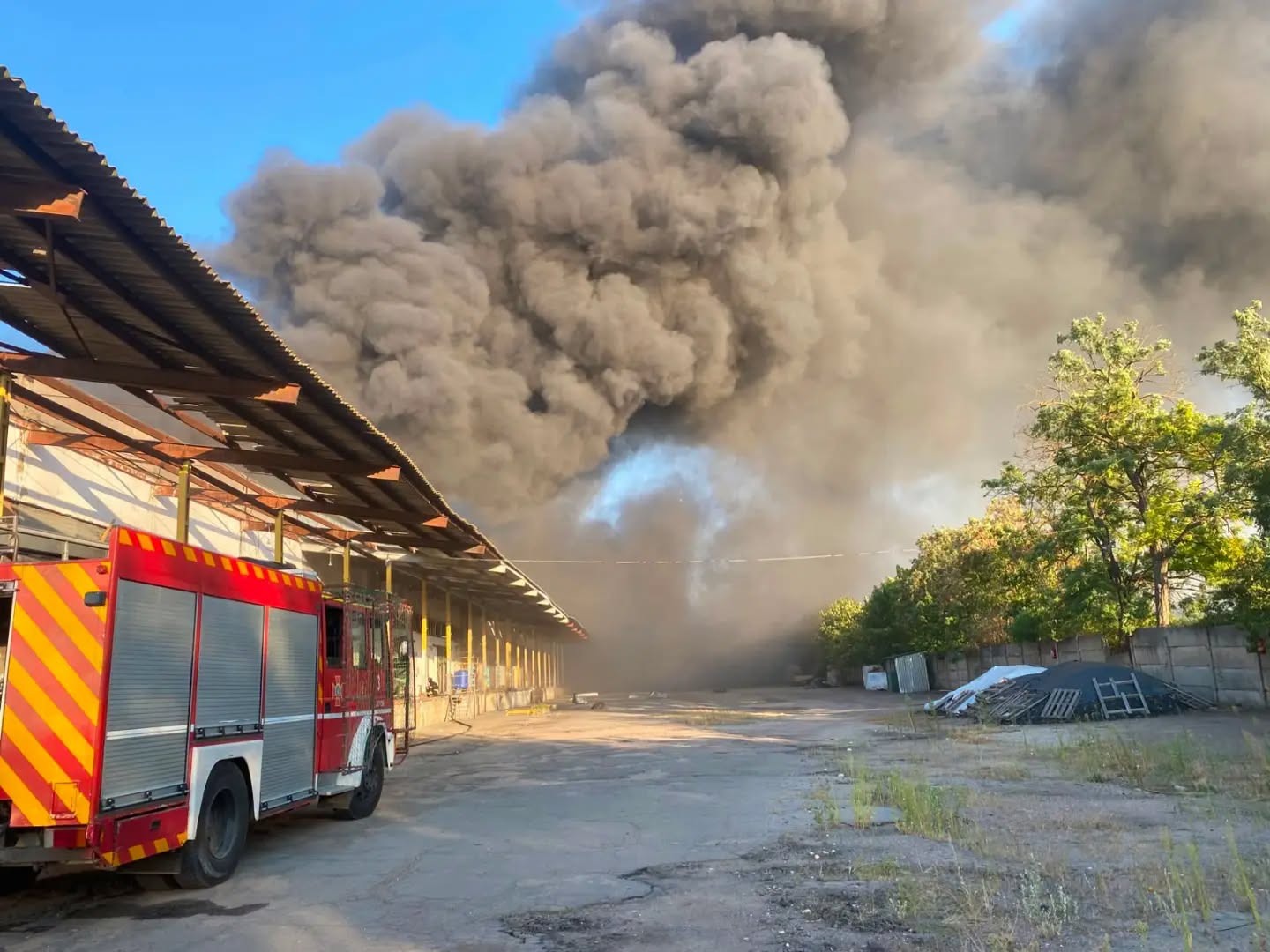
Humanitarian supplies stored for the coming winter in Kherson burned in a Russian drone attack, the Ukrainian Red Cross said. The fire at the organization's warehouse also took stock kept for emergency repairs after Russian strikes. The attack injured no staff or volunteers, and Red Cross teams keep working in Kherson and Kherson Oblast.
The war grinds on with daily Russian strikes on cities far behind the front, wearing civilians down while Russia's ground gains stay s
Humanitarian supplies stored for the coming winter in Kherson burned in a Russian drone attack, the Ukrainian Red Cross said. The fire at the organization's warehouse also took stock kept for emergency repairs after Russian strikes. The attack injured no staff or volunteers, and Red Cross teams keep working in Kherson and Kherson Oblast.
The war grinds on with daily Russian strikes on cities far behind the front, wearing civilians down while Russia's ground gains stay slow and costly, and humanitarian stock is one of the things that campaign consumes.
Winter equipment, medical supplies, and blankets among the burned stock
The attack occurred on the evening of 23 August. The fire damaged or destroyed aid worth almost UAH 28 million ($626,000), the Red Cross said. Part of the stock was equipment and materials for the autumn and winter period. Another part was held for fast response after Russian shelling, including materials for temporarily covering damaged buildings. The warehouse also stored medical supplies, blankets, hygiene kits, and equipment for supplying water and electricity.
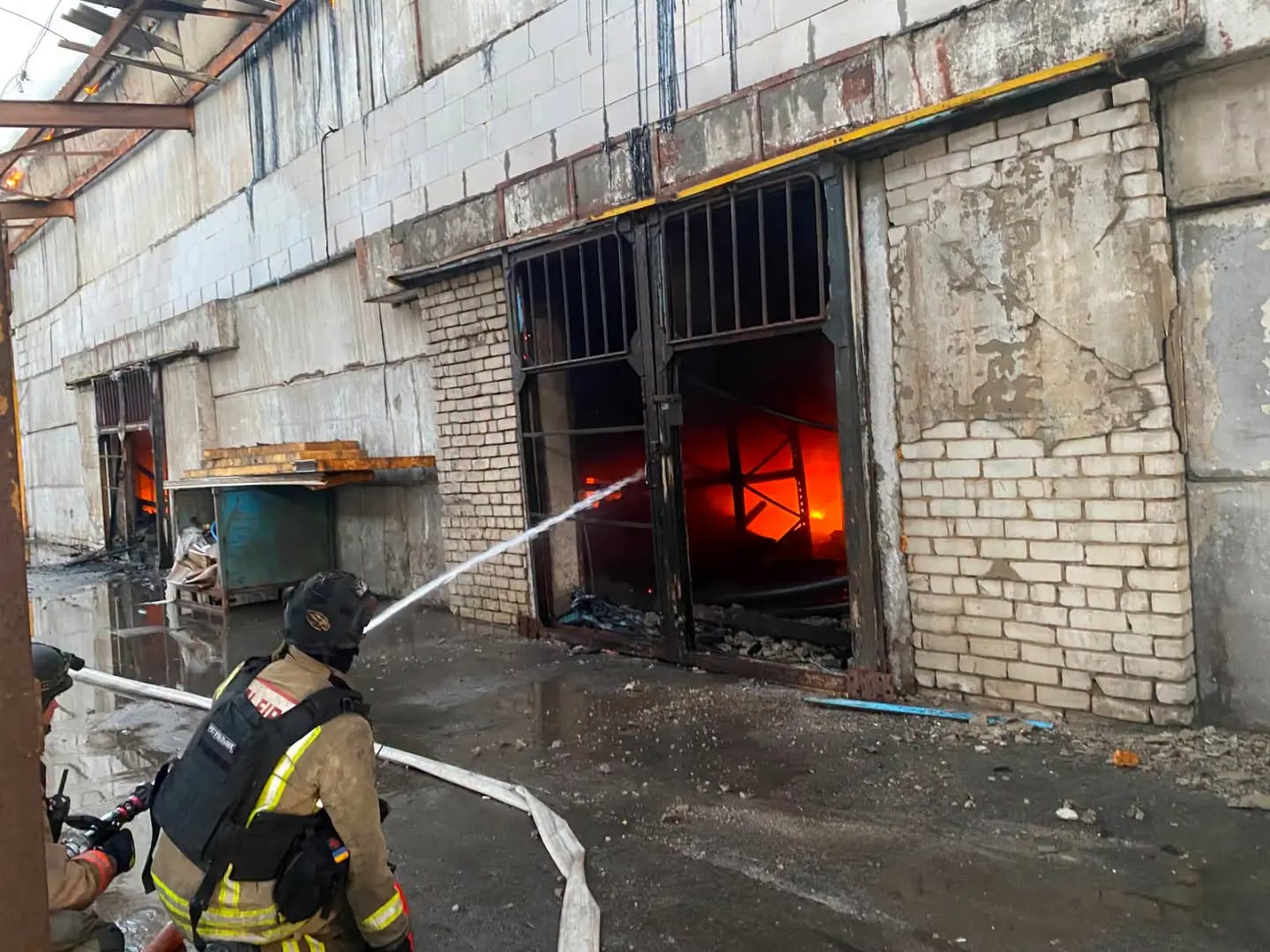
A firefighter directing water into the burning Ukrainian Red Cross warehouse, Kherson, 23 August 2026. Photo: Ukrainian Red Cross
Kherson and the de-occupied part of Kherson Oblast come under Russian attack every day with various weapons. Authorities there report civilian casualties and damage daily. Ukrainian prosecutors have documented more than 11,000 small-drone attacks on civilians since 2024, with nearly half of the cases in Kherson Oblast.
Aid the Ukrainian Red Cross stockpiled for winter in Kherson burned in a Russian drone attack
Aid stores keep burning across Ukraine
In early August, the Ukrainian Red Cross said Russian forces had subjected its facilities to "unprecedented attacks" in July, which hurt its ability to respond quickly and deliver aid to people. A massive Russian attack on Kyiv damaged one of its warehouse complexes, burning 320,000 units of humanitarian cargo and hospital equipment worth more than $1.77 million. Russian forces destroyed a Red Cross humanitarian aid warehouse in Kherson on 20 December 2023.
Fire burning inside the Ukrainian Red Cross warehouse, with rubble outside the building, Kherson, 23 August 2026. Photo: Ukrainian Red Cross
Other aid stores have burned this summer, among them a World Health Organization medical warehouse in Dnipro and a Kyiv Oblast warehouse holding HIV-prevention supplies.
On 5 August, Russia detained Hanna Pyrozhenko, a resident of Pershokostiantynivka in Kherson Oblast. The 52-year-old former teacher is currently being unlawfully held in Henichesk. Her husband, who tried to find out where she was being held, was tortured by the Russians and ordered to leave the occupied village, Zarema Bariieva, a manager at the Crimean Tatar Resource Center, says.
Russia is currently holding around 7,000 Ukrainian prisoners of war and up to 20,000 civ
On 5 August, Russia detained Hanna Pyrozhenko, a resident of Pershokostiantynivka in Kherson Oblast. The 52-year-old former teacher is currently being unlawfully held in Henichesk. Her husband, who tried to find out where she was being held, was tortured by the Russians and ordered to leave the occupied village, Zarema Bariieva, a manager at the Crimean Tatar Resource Center, says.
Russia is currently holding around 7,000 Ukrainian prisoners of war and up to 20,000 civilian hostages. Some of them are subjected to systematic torture and cruel treatment, including amputations without anesthesia and denial of medical care to wounded detainees, says Deputy Speaker of the Ukrainian Parliament Olena Kondratiuk, according to ZMINA.
Teacher who stayed
Hanna is a former teacher at a local school with more than 20 years of teaching experience. After the full-scale war began, she resigned from her job to care for her 83-year-old mother and her 77-year-old brother.
“She could not and did not want to leave her native village, where she had spent her entire life,” Bariieva said.
Russian security forces first searched the Pyrozhenkos’ home in January 2025. They found nothing at the time and left the couple alone for a while.
Russia troops don't answer questions
On 5 August, FSB officers searched the Pyrozhenkos’ home for a second time. This time, they confiscated Hanna’s phone and laptop and detained her.
“The woman was given just a few minutes to change clothes. Then, without explaining anything, they ordered her to go with them. Her husband’s questions about where he should look for his wife and when she would return home went unanswered,” the human rights activist added.
The Crimean Tatar Resource Center established that Hanna was initially held in Chaplynka and was later transferred to Henichesk. It is currently unknown what exactly she is accused of. A lawyer appointed by the occupation authorities said she would be returned home only to participate in an investigative experiment.
Propaganda teaching instead of truth
At a time when Ukrainian teachers are being detained by Russian security forces, Russia continues to bring its own teachers into the occupied territories.
Russian educators, in turn, are attempting to “re-educate” schoolchildren by eradicating everything Ukrainian from them, according to Ukraine’s Center of National Resistance.
“They tell children about ‘heroes of the SMO’ [the Russian term for its war in Ukraine] and ‘Ukrainian Nazis,’ involve them in activities to support the occupation forces, and organize clubs centered around ‘Victory Day fanaticism’ and the creation of rocket models,” the statement said.
The Kremlin's policy of "re-educating" Ukrainian children and fully colonizing the occupied territories is overseen by Russia's highest leadership. This is evidenced by the visit of Maria Lvova-Belova, Russia's presidential commissioner for children's rights, to the occupied areas of Zaporizhzhia Oblast.
The International Criminal Court has accused her, along with Russian ruler Vladimir Putin, of war crimes over the unlawful deportation and transfer of Ukrainian children from occupied territories.
To ensure that teachers in the occupied territories of the Donetsk and Zaporizhzhia regions teach in accordance with the Kremlin's directives, they are sent to Russia for "professional development" training.
A New York networking company sold radios that let signals travel 100 kilometers. Ukrainian civilians say Russian drone crews used them to hunt people in Kherson, and they are asking a Manhattan jury to hold the company responsible.
Ukrainian civilians and relatives of people killed by Russian drones sued Ubiquiti Inc. in the US District Court for the Southern District of New York on 11 August, alleging the company's wireless equipment became the backbone of the command
A New York networking company sold radios that let signals travel 100 kilometers. Ukrainian civilians say Russian drone crews used them to hunt people in Kherson, and they are asking a Manhattan jury to hold the company responsible.
Ukrainian civilians and relatives of people killed by Russian drones sued Ubiquiti Inc. in the US District Court for the Southern District of New York on 11 August, alleging the company's wireless equipment became the backbone of the command network behind Russia's "human safari" against civilians.
The case rests on a comparison that the plaintiffs draw themselves. In February 2026, Starlink terminals that Russian forces had mounted on reconnaissance and strike drones were shut off after Ukraine and SpaceX built a whitelist of authorized terminals. Ubiquiti, the complaint alleges, had the same technical and contractual power over its own devices and did not use it.
That precedent cuts both ways. SpaceX had denied for years that Russian forces were using Starlink systematically, and the whitelist came together only after Ukraine's newly appointed defense minister, Mykhailo Fedorov, approached the company directly. The fix was technically possible—and it took a government to force it.
During this interview with a lovely Khersonian lady, Russian drones made several appearances.
To anyone who has not been to Kherson in the last two years, this might seem impossible or insane.
Nothing about flying machines with explosives attached to them is sane or normal. pic.twitter.com/M0MYorF2FR
The law firm DiCello Levitt LLP filed the case, Kovalenko et al. v. Ubiquiti, Inc., No. 1:26-cv-06838. The plaintiffs are Ukrainian civilians who were maimed, displaced, or forced to live under drone surveillance, along with family members of civilians killed in drone attacks. They are seeking a jury trial.
Ubiquiti, listed on the New York Stock Exchange as UI, makes long-range wireless "bridges" widely used for internet access in areas without cable. Its radio bridge antennas and airMAX technology are subject to US export restrictions on Russia. The complaint alleges the devices kept reaching Russian forces through intermediary supply chains, and that they now link reconnaissance units, drone operators, attack units, and commanders across roughly 100 kilometers of encrypted battlefield network.
"Battlefield communications are the central nervous system of the Russian occupation forces: without them, they could not coordinate the human safari or maintain the occupation," Scott Gilmore, the lead attorney for the plaintiffs and a partner at DiCello Levitt, said in an interview with Euromaidan Press.
The complaint cites US export-control restrictions, Russian import data, public reporting, Russian military statements, battlefield images and video, and Ubiquiti's own device telemetry. It alleges the company held location data showing where its devices were operating, including inside Russia and occupied Ukrainian territory, and that it was repeatedly warned its products were being smuggled across the border.
It further alleges Ubiquiti continued issuing firmware updates and technical support that kept those devices running, and that it could have cut the pipeline off—by geofencing, by terminating distributors tied to sanctions-evasion routes, or by building a remote-disable feature into its firmware.
This case is not about standard warfare: it's about murdering civilians.
Scott Gilmore, lead attorney for the plaintiffs
"Companies cannot willfully blind themselves when sanctions and export controls are being breached, and their devices are being foreseeably used in dangerous ways," Gilmore said. "US law is clear that companies bear legal responsibility when they entrust dangerous devices to end users who they know or should know are hurting people. This case is not about standard warfare: it's about murdering civilians."
The plaintiffs bring eight causes of action, including negligent entrustment, public nuisance, strict products liability for design defect, negligent product design, negligent infliction of emotional distress, and aiding and abetting assault, battery, and intentional infliction of emotional distress.
Explore further
Russian drone kills 84-year-old goat herder who refused to abandon her animals
How the radios got to the front
The lawsuit follows an investigation published in January 2026 by Hunterbrook Media, which documented widespread use of Ubiquiti products by Russian forces. One Ukrainian communications officer told the outlet that an estimated 80% of the Russian bridges he had observed near the front line were Ubiquiti devices.
Analysis of trade records found the value of Ubiquiti shipments crossing into Russia rose by 66% after the full-scale invasion, despite US and EU export controls, and that the shipments included models released after the bans took effect. The goods moved mainly through distributors in third countries such as Kazakhstan and Türkiye. Russian units often received the bridges from volunteers who bought them with crowdfunded money.
Ubiquiti has been here before. In 2014, the company paid a $504,225 settlement to the US Treasury's Office of Foreign Assets Control after its products were delivered to Iran in violation of US sanctions between 2008 and 2011.
Human safari: the first video of a drone chasing a civilian. CCTV camera footage I obtained in Aug 2024.
This systematic drone terror campaign has been going on for two years.
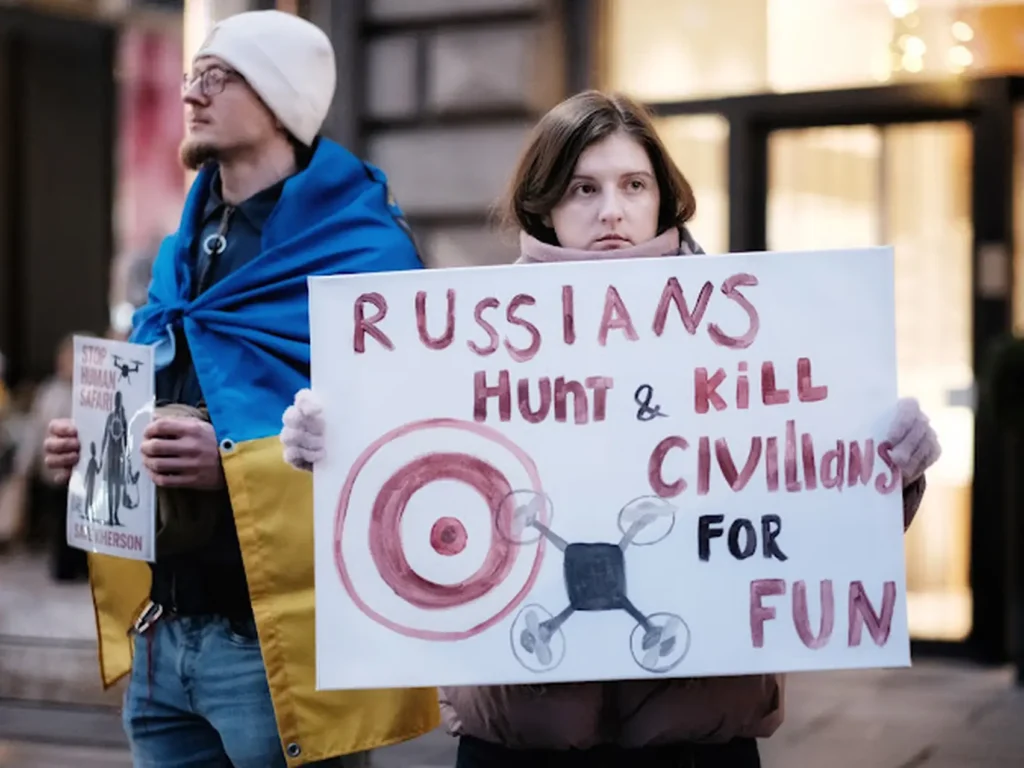
Russia's "human safari" is a campaign in which small drones hunt and attack civilians, concentrated in Kherson and other front-line areas. Operators use drone cameras to track people, vehicles, and rescuers, and sometimes strike the same target twice.
UN investigators concluded in September 2025 that Russian short-range drone attacks on civilians along the west bank of the Dnipro River amount to the crimes against humanity of murder and forcible transfer of population. The finding covers more than 300 kilometers across Kherson, Dnipropetrovsk, and Mykolaiv oblasts. The complaint cites it as evidence.
Ukraine's Security Service has since charged 10 operators from Russia's 404th Motorized Rifle Regiment with war crimes in absentia, in a case that included explosives dropped on ambulances at a city hospital and a double strike on rescuers.
The incidents in the complaint include a married couple attacked in their car, a firefighter hunted and wounded by a drone while responding to a colleague, and an energy worker killed in a double-tap strike as colleagues tried to reach him.
"The human safari is one of the most horrific crimes against humanity of the 21st Century," Gilmore said. "We intend to present evidence of the widespread and systematic nature of this campaign in court, including international documentation. These coordinated attacks do not happen randomly: they require communications systems and a chain of command. That is precisely why the United States banned the export of Ubiquiti's radio bridge antennas to Russia—because they are necessary for Russia's war machine."
The human safari is one of the most horrific crimes against humanity of the 21st Century.
Scott Gilmore, lead attorney for the plaintiffs
Russian state media has shown the equipment in use.
Zvezda, the television channel run by Russia's Defense Ministry, aired footage on 3 July 2025 of a Ubiquiti UISP Litebeam 5AC device; a TASS report in October 2025 showed a serviceman logging into Ubiquiti's airOS operating system, and a Rossiya-1 segment that month showed one climbing a tower to mount an antenna carrying the company's logo.
A Russian seller supplied Hunterbrook with letters she said came from Russian military units, thanking her for wireless bridges they described as necessary for connections over long distances.
Ubiquiti has said nothing
Ubiquiti did not respond to a request for comment at the time of publication.
Neither the company nor its chief executive, Robert Pera, has publicly commented on the January investigation, according to the Foundation for Defense of Democracies. No US or EU authority has announced an enforcement action against Ubiquiti over Russia, and the company has not been formally accused of sanctions violations tied to Ukraine. The allegations in the complaint are untested, and Ubiquiti has not yet filed a response.
Explore further
Inside Human Safari: the film that captures Russia’s drones hunting Ukrainians like prey
What the case would establish
If it survives, the suit would test whether ordinary US product-liability law reaches a manufacturer whose equipment ends up in a documented atrocity—a theory that does not require proving the company intended any of it, only that it knew or should have known and failed to act.
"The question is this: what would a reasonable company do if it learned its devices were being used to coordinate murder?" Gilmore said. "If it fails to follow reasonable safety measures, shouldn't it be held liable to the civilians who get hurt? Those are the questions we intend to put before a New York jury."
Gilmore, who has investigated war crimes for two decades, said the legal framework needed already exists at national and international levels, and that in mass-atrocity cases from Syria to Sudan, investigations, jurisdiction, and remedies take years. He said he expects accountability for Ukrainian victims to come through criminal prosecutions, civil litigation, and regulatory enforcement together.
"Our clients want to shine a light on the atrocities being committed against civilians in Ukraine and to remind companies that compliance with sanctions and export controls is not a mere technicality: it's a matter of life or death," he said.
"We are at the tip of the spear."
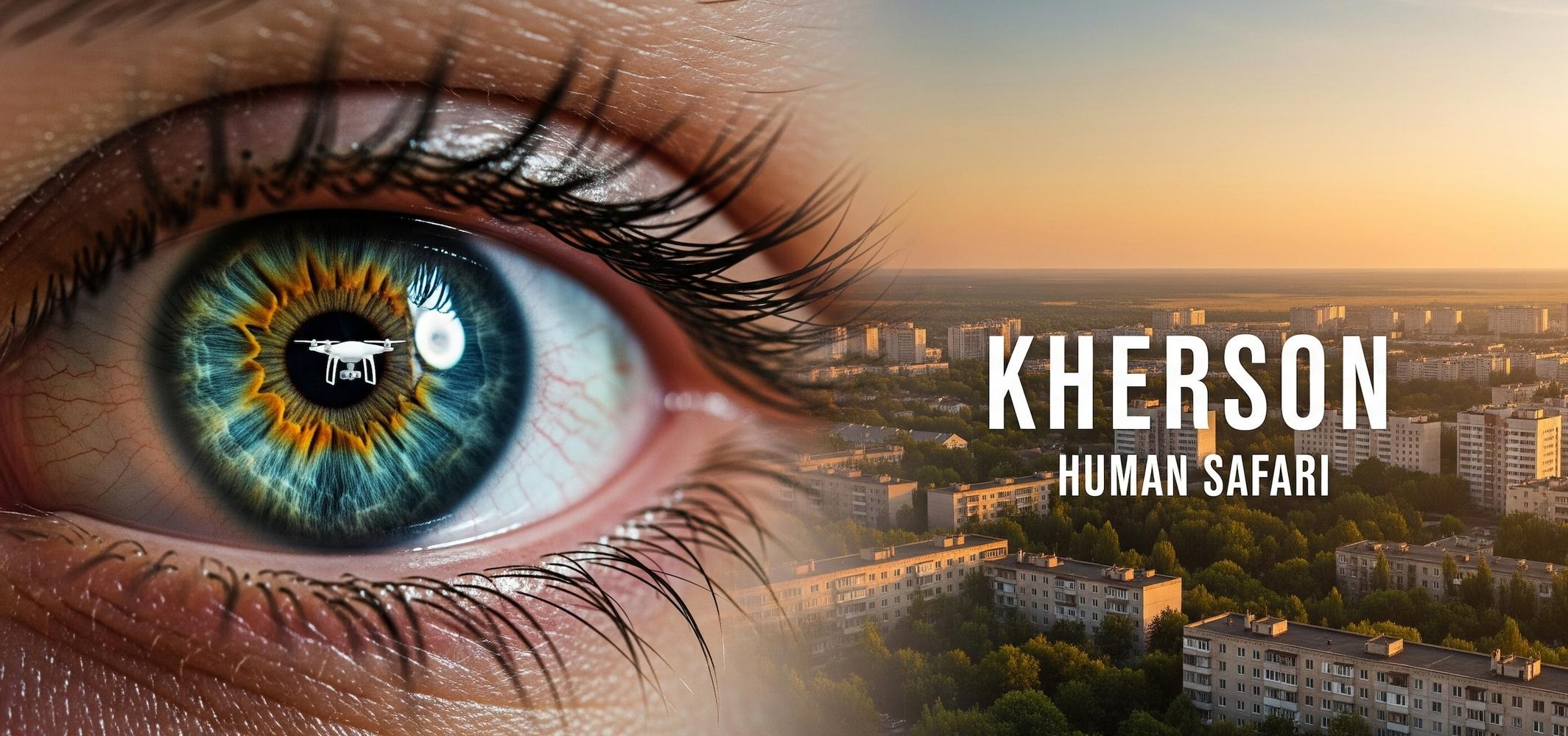
Editor's note: Euromaidan Press correspondent Zarina Zabrisky, who conducted this interview and reports from Kherson, co-developed draft US legislation on the drone campaign—the Liability for Operators and Responsible Authorities (LORA) Act—which would impose targeted sanctions on identified drone operators, restrict exports of drone components, and require public attribution of perpetrators. She has no connection to this lawsuit or to the firm that filed it. Her documentary Kherson: Human Safari is available free at khersonhumansafari.com.
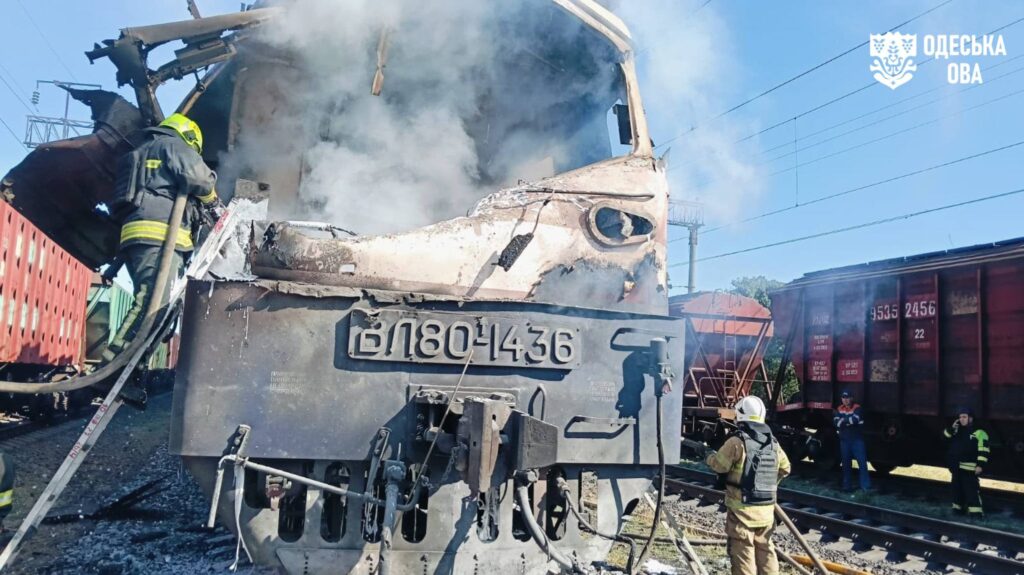
A Russian jet-powered Shahed drone struck the locomotive of a passenger train in Odesa Oblast on the morning of 13 August, killing the driver and his assistant, Ukraine's national rail operator Ukrzaliznytsia reported. The train was carrying 340 passengers on the Odesa–Dnipro route.
Russia has spent 2026 methodically dismantling the network that keeps Ukraine supplied, destroying or damaging more than 200 locomotives in the first half of the year alone, as Euromaidan Pr
A Russian jet-powered Shahed drone struck the locomotive of a passenger train in Odesa Oblast on the morning of 13 August, killing the driver and his assistant, Ukraine's national rail operator Ukrzaliznytsia reported. The train was carrying 340 passengers on the Odesa–Dnipro route.
Russia has spent 2026 methodically dismantling the network that keeps Ukraine supplied, destroying or damaging more than 200 locomotives in the first half of the year alone, as Euromaidan Press documented. The crew kept the train moving toward a station so passengers could get out; all 340 evacuated without injury, and were driven on to Odesa by bus.
Overnight drone barrage
Ukraine's Air Force shot down 111 of the 133 Shahed drones Russia launched overnight, it said. Part of Izmail lost power after the attack, and a strike set port infrastructure alight in Odesa Oblast.
A drone damaged a civilian vessel at a Mykolaiv Oblast port. In Chernihiv Oblast, Russia hit two raions, damaging homes and knocking out a filling station; a child was treated for shock.
Kherson and Kharkiv
Two men were killed and a three-year-old injured in a strike on Kherson's Korabelnyi district, according to reports. A separate airstrike on the city's central district injured a 63-year-old man, local officials reported.
In Kharkiv Oblast, a Russian strike killed a 36-year-old woman in Tsyrkuny. Three more people were wounded when Russia hit the center of a village elsewhere in the oblast.
Zaporizhzhia and the northeast
Over the previous day, Russia killed one person and injured three in Zaporizhzhia Oblast, striking 52 settlements 962 times with airstrikes, drones, and artillery, regional head Ivan Fedorov said. Seven people were injured across Sumy Oblast, where Russia shelled 19 settlements, the regional administration reported.
A Ukrainian child who vanished under occupation has reappeared in a Russian uniform, fighting his own country. Oleksandr Mustiatse, who was a child in occupied Kherson Oblast after Russia's full-scale war, has joined the Russian army, Save Ukraine founder Mykola Kuleba reported.
A child from a missing persons registry was identified as an enemy soldier. Mustiatse, officially considered missing since the start of the Russian occupation and listed in the national "Childre
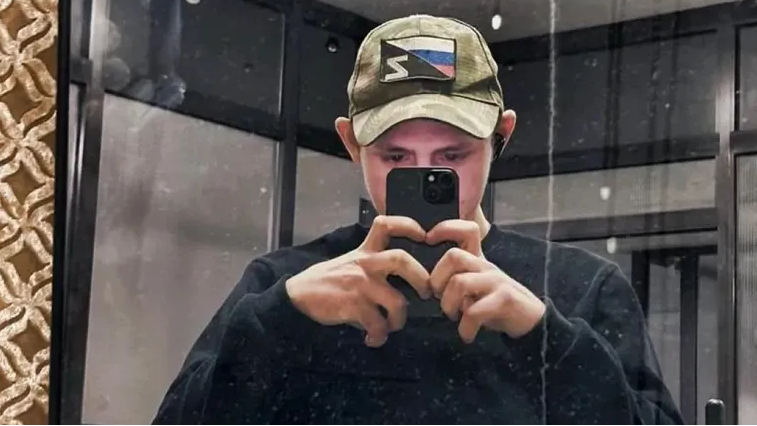
A Ukrainian child who vanished under occupation has reappeared in a Russian uniform, fighting his own country. Oleksandr Mustiatse, who was a child in occupied Kherson Oblast after Russia's full-scale war, has joined the Russian army, Save Ukraine founder Mykola Kuleba reported.
A child from a missing persons registry was identified as an enemy soldier. Mustiatse, officially considered missing since the start of the Russian occupation and listed in the national "Children of War" registry, appeared on social media in a Russian military uniform bearing the "Z" symbol.
He also posed with a Russian flag and shared photos from positions where he fought against Ukraine, according to the Back to Ukraine team, a monitoring project tracking missing or displaced minors in Russia's war.
The pipeline starts long before the uniform
Kuleba said Oleksandr's story shows what happens to Ukrainian children left for years under occupation. Save Ukraine speaks almost daily with children and families who escaped, and their accounts describe a systematic process that begins well before military service, he said.
Children are drawn into militarized education in kindergartens and schools, encouraged to join the Yunarmiya youth army, taught to handle weapons, and told repeatedly that Ukraine is their enemy and Russian military service is their duty.
"When this becomes the only reality a child knows for years, propaganda stops being perceived as propaganda. It becomes identity," he said.
Ukraine has documented this pipeline: Russia takes occupied children, militarizes them, and turns some back toward the country they came from.
The identification, and its uncertainty
The tracing is careful but not certain. Back in Ukraine, one post showed a car riddled with bullets, its body full of holes, matching a vehicle Oleksandr had shown earlier, and another photo showed him in a bandage, possibly after a wound.
His page had been inactive since 16 November 2025, and the team initially feared he had been killed. They later found what they believe is his new account under the name "Aleksandr Famenok", a soldier in camouflage and a balaclava, identified by comparing his eyebrows, eyes, and brow ridges to earlier photos.
That facial comparison is the team's assessment, not a confirmed identification, and EP cannot independently verify it.

 Connexion



 (@ZarinaZabrisky)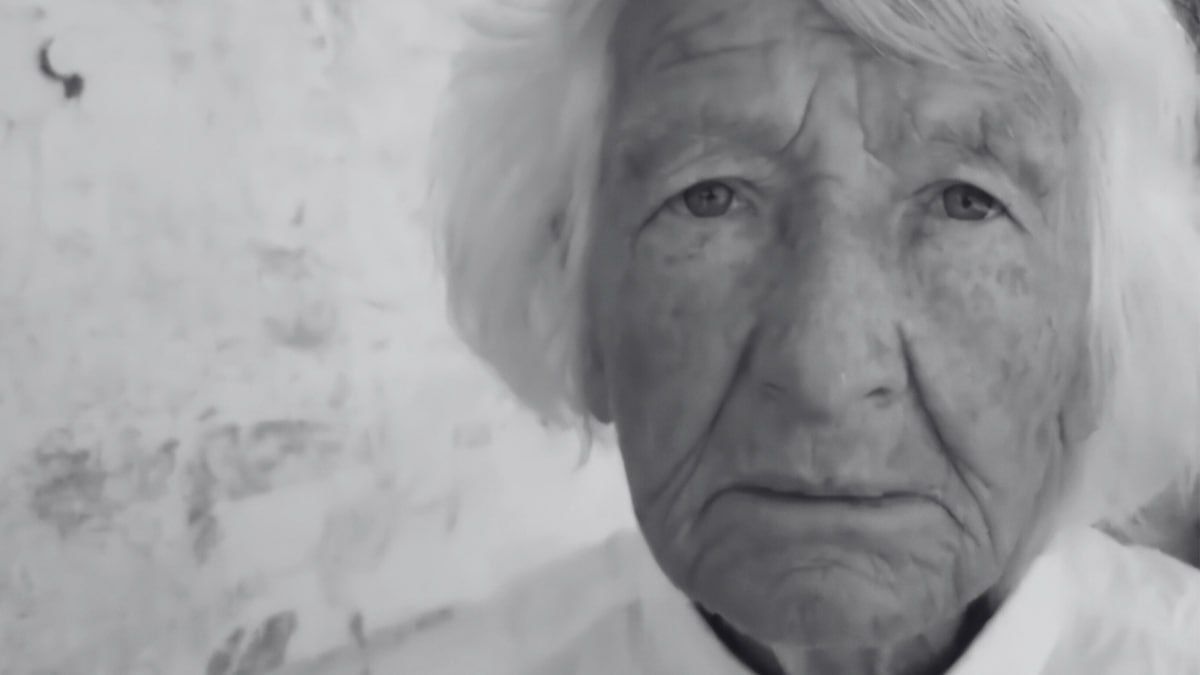
 Human safari: the first video of a drone chasing a civilian. CCTV camera footage I obtained in Aug 2024.