Vue normale

  • ✇The Kyiv Independent
  • Oil prices surge after Israeli strike on Iran
    Global oil prices soared on June 13  after Israel launched a strike on Iran, triggering fears of a broader conflict in the energy-rich Middle East that could disrupt global supplies, the BBC reported. The spike threatens to undermine Western efforts to choke off a vital revenue stream for Russia, which relies heavily on oil profits to sustain its war in Ukraine.According to the BBC, Brent and Nymex crude prices jumped by more than 10% following the Israeli attack, reaching their highest levels s
     

Oil prices surge after Israeli strike on Iran

13 juin 2025 à 04:22
Oil prices surge after Israeli strike on Iran

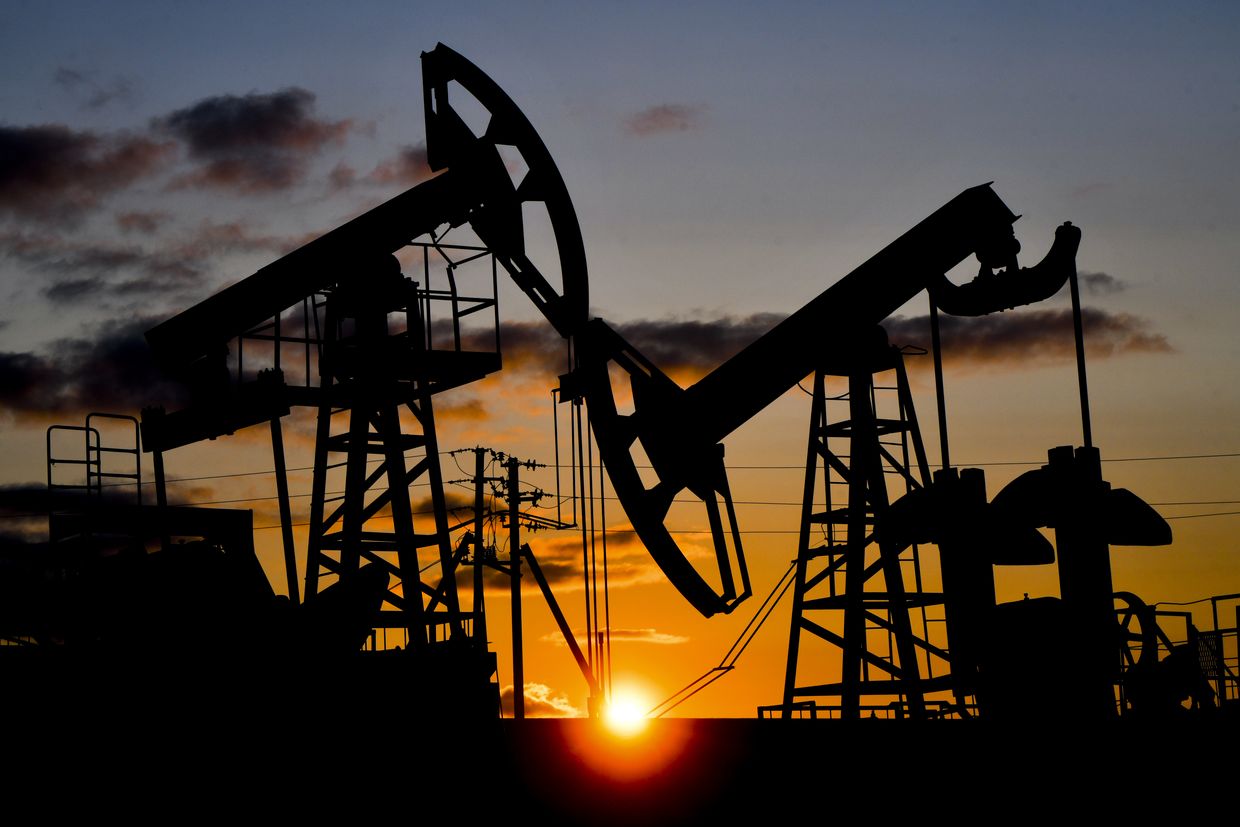
Global oil prices soared on June 13  after Israel launched a strike on Iran, triggering fears of a broader conflict in the energy-rich Middle East that could disrupt global supplies, the BBC reported.

The spike threatens to undermine Western efforts to choke off a vital revenue stream for Russia, which relies heavily on oil profits to sustain its war in Ukraine.

According to the BBC, Brent and Nymex crude prices jumped by more than 10% following the Israeli attack, reaching their highest levels since January. Prices later stabilized but remained about 7.5% higher, with Brent at $74.50 a barrel and Nymex at $73.20.

The price surge comes at a crucial time for Ukraine and its Western allies, who are intensifying efforts to minimize the Kremlin's oil revenues — the backbone of Russia's wartime economy.

President Volodymyr Zelensky urged the European Union on June 11 to impose tougher sanctions on Russia, including a more aggressive price cap on oil exports.

"A ceiling of $45 per barrel of oil is better than $60, that's clear," Zelensky said at the Ukraine-Southeast Europe Summit in Odesa. "But real peace will come with a ceiling of $30. That's the level that will really change the mindset in Moscow."

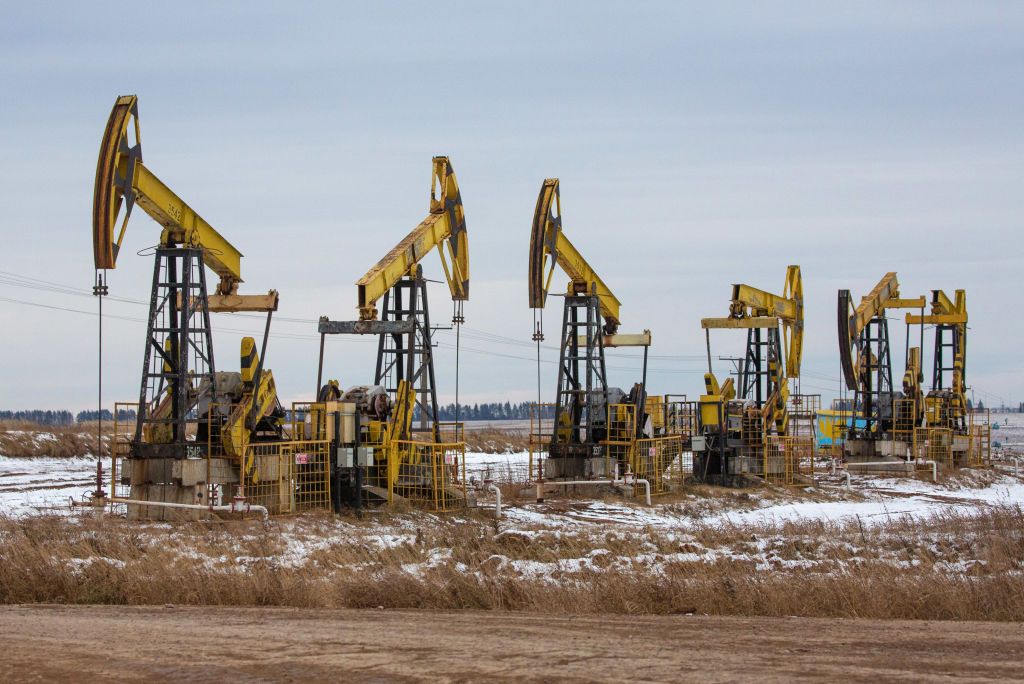
The EU's current $60 per barrel cap, introduced in December 2022, prohibits Western companies from shipping, insuring, or servicing Russian oil sold above the threshold. While this measure has curtailed some of Russia's profits, the Kremlin continues to earn significant revenue, especially when market prices rise.

European Commission President Ursula von der Leyen said on June 10 that the EU is considering lowering the cap to $45, a move that will be discussed at the G7 summit in Canada between June 15 and 17. According to Reuters, most G7 countries, excluding the U.S. and Japan, are prepared to proceed with the reduction regardless of Washington’s stance.

Israeli Prime Minister Benjamin Netanyahu said early on June 13 that Israeli forces had launched "Operation Rising Lion," a preemptive strike targeting Iran's nuclear program. In a televised address, Netanyahu claimed Israeli forces struck Iran's main nuclear enrichment site in Natanz and targeted key nuclear scientists.
Key to Russia’s defeat lies in its economy
As the war in Ukraine grinds on, attention remains fixed on the battlefield. But Russia’s most vulnerable flank is not in the trenches — it’s in the treasury. The West, and especially the United States, holds economic levers that could push Vladimir Putin toward serious negotiations or even collapse
Oil prices surge after Israeli strike on IranThe Kyiv IndependentWojciech Jakóbik
Oil prices surge after Israeli strike on Iran

  • ✇The Kyiv Independent
  • G7 ready to lower Russian oil price cap without US support, Reuters reports
    Most Group of Seven (G7) nations are prepared to lower the Russian oil price cap from $60 to $45 a barrel even without support from the United States, Reuters reported on June 12, citing unnamed sources familiar with the matter.According to Reuters, the European Union and United Kingdom, backed by other European G7 countries and Canada, are ready to lead the charge in lowering the Russian oil price cap – even if U.S. President Donald Trump opts out.The price cap, which bans Western companies fro
     

G7 ready to lower Russian oil price cap without US support, Reuters reports

12 juin 2025 à 15:56
G7 ready to lower Russian oil price cap without US support, Reuters reports

Most Group of Seven (G7) nations are prepared to lower the Russian oil price cap from $60 to $45 a barrel even without support from the United States, Reuters reported on June 12, citing unnamed sources familiar with the matter.

According to Reuters, the European Union and United Kingdom, backed by other European G7 countries and Canada, are ready to lead the charge in lowering the Russian oil price cap – even if U.S. President Donald Trump opts out.

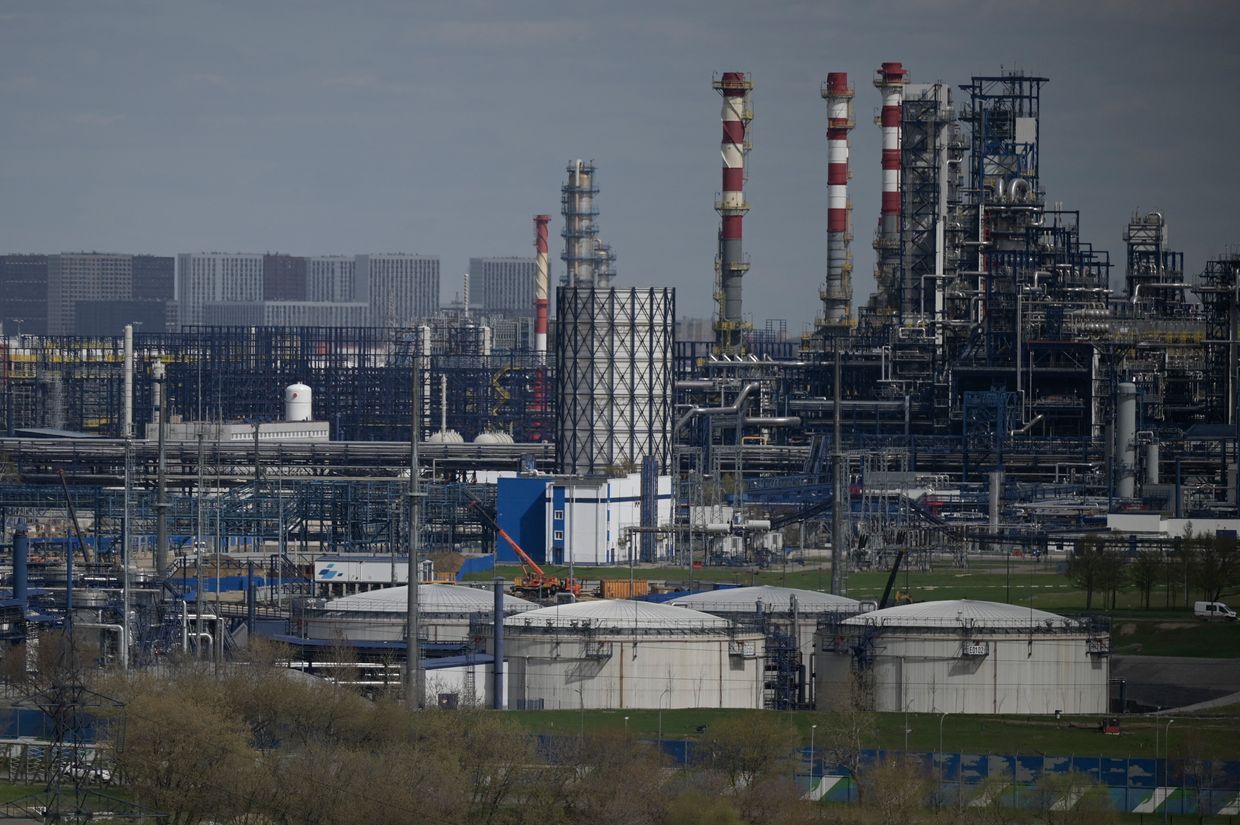
The price cap, which bans Western companies from shipping, insuring, or otherwise servicing Russian oil sold above $60 per barrel, was first introduced in December 2022 as a measure to limit the Kremlin's ability to finance its war against Ukraine.

The G7 had previously attempted to lower the Russian oil price cap; however, the proposal was dropped after U.S. Treasury Secretary Scott Bessent reportedly declined to support it.

It is unclear whether the U.S. will support the decision this time around. Japan's position is also undecided.

Participating country leaders will revisit the price cap discussion at the upcoming G7 summit. Canada, which holds the G7 presidency this year, will host the summit on June 15-17 in Kananaskis County, located in the western province of Alberta.

The summit agenda will include topics such as support for Ukraine in the Russian war, global economic stability, digital transformation, and climate change.

President Volodymyr Zelensky is expected to attend the summit and seek a meeting with U.S. President Donald Trump.

EU could impose Russian oil price cap without US support, Kallas says
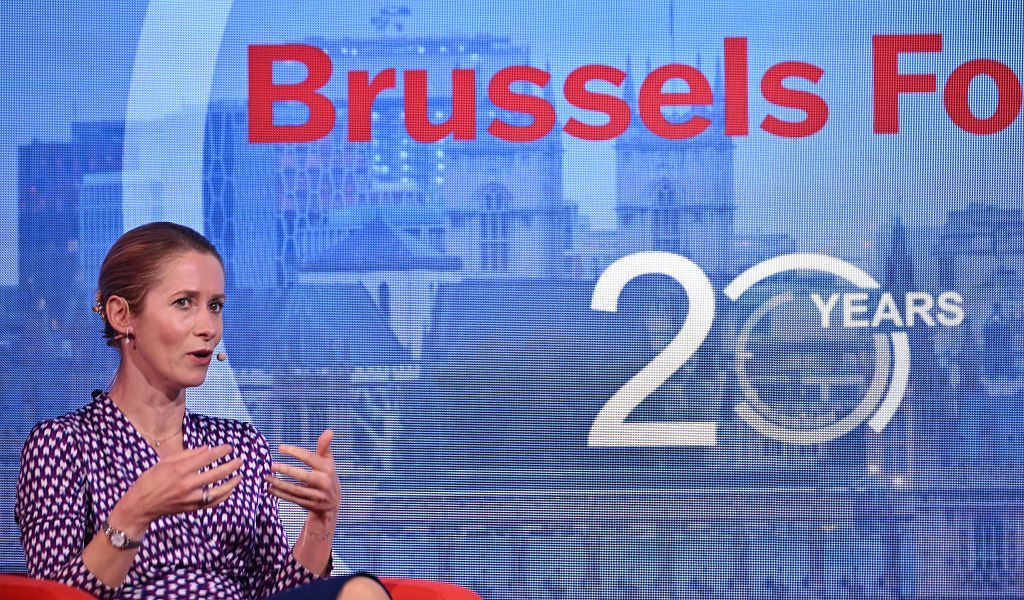
The European Union can impose an additional price cap on Russian oil without U.S. support, EU High Representative Kaja Kallas said at the Brussels Forum on June 11.
G7 ready to lower Russian oil price cap without US support, Reuters reportsThe Kyiv IndependentVolodymyr Ivanyshyn
G7 ready to lower Russian oil price cap without US support, Reuters reports
❌