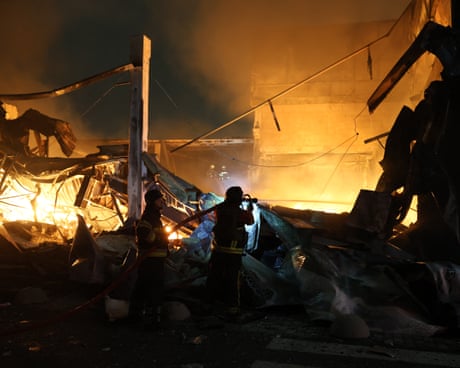
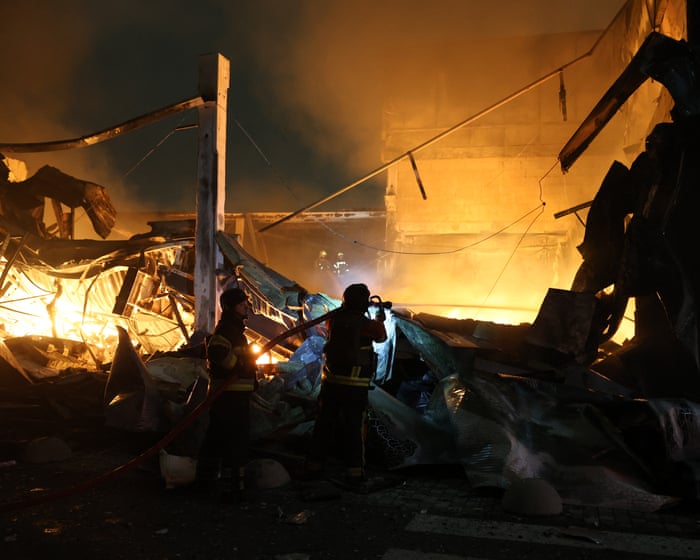
The Cabinet of Ministers has instructed the Ministry for Recovery, Infrastructure and Transport to speed up repairs to Kyiv’s Southern Bridge, which was damaged in a Russian missile attack overnight on October 27.
The Cabinet of Ministers has instructed the Ministry for Recovery, Infrastructure and Transport to speed up repairs to Kyiv’s Southern Bridge, which was damaged in a Russian missile attack overnight on October 27.
Ukraine’s military intelligence estimates that only 10–20% of the prewar population may remain in the Russian-occupied left bank of Kherson Oblast, accusing Moscow of forcing Ukrainians from their homes while relocating Russian citizens to the area.
Russia’s efforts to displace Ukrainians and bring Russian citizens into occupied Kherson Oblast are part of Moscow’s broader campaign to consolidate control over occupied territory, impose Russian institutions, and erode Ukrainian national i
Ukraine’s military intelligence estimates that only 10–20% of the prewar population may remain in the Russian-occupied left bank of Kherson Oblast, accusing Moscow of forcing Ukrainians from their homes while relocating Russian citizens to the area.
Russia’s efforts to displace Ukrainians and bring Russian citizens into occupied Kherson Oblast are part of Moscow’s broader campaign to consolidate control over occupied territory, impose Russian institutions, and erode Ukrainian national identity. Similar practices have been documented in other occupied Ukrainian territories, including the resettlement of Russians into homes in Mariupol and efforts to replace Ukrainian education with Russian curricula.
The Main Intelligence Directorate of Ukraine’s Defense Ministry (HUR) said Russia was creating intolerable living conditions for Ukrainian residents and unlawfully seizing private property to displace them. The agency said Moscow was simultaneously using financial incentives to recruit Russian teachers, doctors, and other professionals to work in occupied areas.
Russia brings in Russian workers as Ukrainians are pushed out
Before Russia’s full-scale invasion in February 2022, around 500,000 people lived on the left bank of Kherson Oblast, according to HUR. The agency estimates that only 10–20% of that population may remain.
Moscow is using state-backed recruitment programs, including “Zemsky Teacher,” “Zemsky Doctor,” “Zemsky Feldsher,” “Zemsky Cultural Worker,” and “Zemsky Coach,” to attract Russian citizens to occupied Ukrainian territory, HUR said.
Under these programs, Russian teachers and doctors who agree to work in occupied areas are offered one-time payments of 2 million rubles, while junior medical staff can receive 1 million rubles. The incentives also include higher salaries and other benefits, with contracts lasting at least five years.
HUR said hundreds of Russian teachers and doctors had already been brought to occupied Ukrainian territories from regions across Russia, including Krasnodar, Khabarovsk, Stavropol, and Perm Krais, as well as Rostov, Kursk, and Leningrad oblasts.
According to Ukrainian intelligence, Russian medical personnel are needed primarily to serve occupying forces, while Russian teachers are being brought in to undermine Ukrainian children’s national identity.
Ukraine accuses Russia of war crimes and genocidal practices
HUR said Russia’s efforts to displace Ukrainian residents and bring in Russian citizens bore signs of war crimes and genocidal practices against the Ukrainian population.
The agency’s allegations concern both the coercive removal of Ukrainians from occupied territory and the replacement of local residents with people brought from Russia. Ukrainian authorities say these policies are part of Moscow’s broader effort to consolidate control over occupied Ukrainian land and impose Russian identity and institutions.
Kherson Oblast faces displacement, attacks, and a humanitarian crisis
Russian forces occupied much of Kherson Oblast in the early months of the full-scale invasion in 2022. Ukrainian forces liberated the oblast’s right-bank areas, including the regional capital, in November that year, but Russia continues to occupy the left bank of the Dnipro River.
Russian forces regularly attack Ukrainian-controlled areas of Kherson Oblast with artillery and drones, killing and injuring civilians. Ukrainians have described repeated drone attacks on civilians as a “human safari.” In May 2025, a UN commission of inquiry concluded that Russian forces’ repeated drone attacks on civilians along the Dnipro’s right bank amounted to crimes against humanity of murder.
The occupied town of Oleshky, on the left bank, has also faced severe shortages of food, medicine, and medical care amid restrictions on movement and continued fighting.
Explore further
Thousands are starving in occupied Oleshky. People have no food, no way out, and Russian forces bomb incoming aid
Russia’s occupation has also exposed residents of Kherson Oblast to major humanitarian disasters. The destruction of the Kakhovka Dam in June 2023 flooded settlements along the Dnipro, including Russian-occupied communities on the left bank, damaging homes and forcing residents to flee. Russian forces’ restrictions on access and evacuation further endangered civilians in the affected areas.
While Russia occupies the left bank of Kherson Oblast, its forces continue to target civilians on the Ukrainian-controlled right bank. Across the oblast, residents face the consequences of Russia’s invasion, from forced displacement and property seizures under occupation to deadly drone and artillery attacks.
The ceasefire around Russian-occupied Oleshky in Kherson Oblast has expanded beyond the town to provide safe passage for humanitarian convoys, US First Lady Melania Trump said on 27 October. The expansion is intended to facilitate aid deliveries to civilians trapped under Russian occupation.
Ukraine and Russia are observing a localized ceasefire to enable a humanitarian mission to reach Oleshky, where residents have faced months of shortages of food, medicine, and medical care under Rus
The ceasefire around Russian-occupied Oleshky in Kherson Oblast has expanded beyond the town to provide safe passage for humanitarian convoys, US First Lady Melania Trump said on 27 October. The expansion is intended to facilitate aid deliveries to civilians trapped under Russian occupation.
Ukraine and Russia are observing a localized ceasefire to enable a humanitarian mission to reach Oleshky, where residents have faced months of shortages of food, medicine, and medical care under Russian occupation.
Trump said the ceasefire took effect at 04:00 Moscow time on 27 October, two days ahead of the original schedule, to protect civilians and facilitate the delivery of critical humanitarian aid. Russia’s chief of General Staff, Valery Gerasimov, had confirmed the arrangement, she said.
Ukraine’s human rights ombudsman Dmytro Lubinets said no ceasefire violations had been recorded by 19:49 Kyiv time on 27 October, and Russian forces had made no attempts to advance. He added that he remained in constant contact with his Russian counterpart, Yana Lantratova.
THE CEASEFIRE HAS COMMENCED The ceasefire between Ukraine and Russia took effect at 4:00am Moscow time on October 27, 2026.
Timing was accelerated two days ahead of schedule to protect the safety of civilians and to facilitate the delivery of critical humanitarian aid. The…
Road to Oleshky must be cleared before aid can arrive
Lubinets said the ceasefire began at 03:00 Kyiv time and would remain in effect until 22:59 Kyiv time on 1 November. He reported no violations since it began and said Russian forces had made no attempts to advance.
The next steps are to clear mines from the road to Oleshky and deliver humanitarian supplies. Representatives of Ukraine, Russia, and the United States will be present once the route is cleared and the aid arrives, Lubinets said in an interview with Ukrainian broadcaster 1+1.
He added that everyone who wants to leave for Ukrainian-controlled territory would be able to do so and that assistance would be provided to everyone who needs it.
The Financial Times earlier reported, citing sources familiar with the negotiations, that residents who agree to leave Russian-occupied Oleshky during the ceasefire would first be transported to occupied Crimea or Russia before being allowed to return to Ukrainian-controlled territory.
Humanitarian mission follows months of efforts
Oleshky has been under Russian occupation since 2022. The town has been cut off for months, with shortages of food, medicine, and medical care worsening.
The White House announced on 23 October that Melania Trump had secured a localized ceasefire originally scheduled to begin on 29 October. Russia subsequently announced a ceasefire on the Kherson axis from 27 October, with preparations to secure a route for a humanitarian convoy.
Explore further
Ceasefire planned for occupied Oleshky as residents face starvation and blocked escape routes, White House announces
Lubinets said efforts to address the humanitarian crisis in Oleshky began in late February 2026, but progress accelerated in September following Melania Trump’s involvement.
The expanded ceasefire area is intended to facilitate the humanitarian operation, but the route must still be cleared and supplies delivered before the mission can reach residents. The new boundaries of the ceasefire area have not been specified publicly.
Ukraine has finished its share of FREYJA, a joint European project to build a system against ballistic missiles, President Volodymyr Zelenskyy told journalists on 17 October, Ukrinform reported. He added that Kyiv wants to test the first system as soon as possible.
Ukraine still relies on US-made Patriot interceptors to stop Russian ballistic missiles. Zelenskyy told ABC News on 23 October that Ukraine had received only 24 of them from the US in three months, while it needs 350 a month
Ukraine has finished its share of FREYJA, a joint European project to build a system against ballistic missiles, President Volodymyr Zelenskyy told journalists on 17 October, Ukrinform reported. He added that Kyiv wants to test the first system as soon as possible.
Ukraine still relies on US-made Patriot interceptors to stop Russian ballistic missiles. Zelenskyy told ABC News on 23 October that Ukraine had received only 24 of them from the US in three months, while it needs 350 a month on average. FREYJA can not close that gap soon, because the system is still in development.
Ukraine’s missile and launcher, partners’ radars and sensors
Zelenskyy said the partners’ share of the work, with 10 countries taking part, is still underway. He also said he had discussed the project with French President Emmanuel Macron, and he named Norway as a key partner.
Explore further
Ukraine’s missile, Europe’s sensors—FREYJA enters active development on an early-2027 clock
Zelenskyy did not say what the partners still have to deliver. In August, he said Ukraine is capable of making the missile and launcher, while partners would supply critical components such as radars and sensors.
One part not made in Ukraine
In May, Fire Point co-founder and chief designer Denys Shtilerman said all components of the FP-7.x interceptor are made in Ukraine except one. “As for that one part we don’t manufacture in Ukraine, we’ve contracted a certain quantity of it. We already have it,” he said, but did not name the part.
In June, however, Shtilerman told the Financial Times that mass production depended on an infrared seeker Fire Point hoped to get from Germany’s Diehl Defence. Neither statement says whether the seeker is that one part.
Fire Point co-founder Iryna Terekh said in September that FREYJA was going through testing and technical integration in combat conditions in Ukraine. The company plans its first intercept of a ballistic target by mid-2027.
The official timeline has since moved closer. On 21 October, Zelenskyy wrote that officials had identified where to speed up so FREYJA reaches testing by the end of this year. A test is still a step short of an intercept.
Russian forces struck a warehouse belonging to Ukrainian publishing house KSD in Kharkiv on 27 October, disrupting the publisher’s planned November releases. No employees were injured, but the company is still assessing the damage and losses.
The attack came on the Day of Ukrainian Writing and Language, a national holiday celebrating Ukraine’s language and literary heritage. It adds to a series of Russian strikes on Ukrainian publishing houses, printing facilities, and book warehouses t
Russian forces struck a warehouse belonging to Ukrainian publishing house KSD in Kharkiv on 27 October, disrupting the publisher’s planned November releases. No employees were injured, but the company is still assessing the damage and losses.
The attack came on the Day of Ukrainian Writing and Language, a national holiday celebrating Ukraine’s language and literary heritage. It adds to a series of Russian strikes on Ukrainian publishing houses, printing facilities, and book warehouses that have destroyed millions of books and disrupted the country’s publishing industry.
KSD announced the strike on social media, saying it had planned to greet readers on the holiday and reveal its November releases but instead had to deal with the attack. The publisher said strikes in the area were continuing, preventing it from determining the full extent of the damage.
The company had planned to begin releasing its new books on 5 November. It has now postponed the announcements while it assesses the situation and determines how to proceed.
“We really want to show you the new releases we had prepared for November,” KSD said. “But for now, as we clarify the details, we cannot yet assess the scale of the destruction and understand how we will work going forward.”
The publisher said it would share updates as more information became available.
Russian forces struck a warehouse building in Kharkiv’s Slobidskyi District with a drone, as Moscow continues targeting civilian and industrial infrastructure across Ukraine.
Russia’s attacks devastate Ukraine’s book industry
KSD’s warehouse is the latest publishing facility affected by Russia’s campaign against Ukraine’s book industry. In July and August alone, Russian attacks destroyed around 13 million books, nearly a third of the number Ukrainian publishers printed in all of 2025, according to the Ukrainian publishing industry.
On 1 August, a Russian strike on a warehouse used by the Ranok publishing group in Kharkiv destroyed around 8 million books, including hundreds of thousands of school textbooks. A separate attack on a printing facility in July destroyed print runs and book materials belonging to numerous Ukrainian publishers.
In October, Russian strikes also damaged a Kyiv warehouse belonging to publisher Knyholav, destroying tens of thousands of books, including titles and reprints that had replaced stock lost in an earlier attack.
Explore further
Russia has burned millions of Ukrainian books, striking at the infrastructure of Ukrainian culture
These strikes threaten more than publishers’ finances. Destroyed print runs and damaged warehouses delay new releases, deprive readers of Ukrainian-language books, and force publishers to spend scarce resources replacing titles instead of developing new ones.
KSD has not yet disclosed its losses or announced a revised release schedule for its November books.
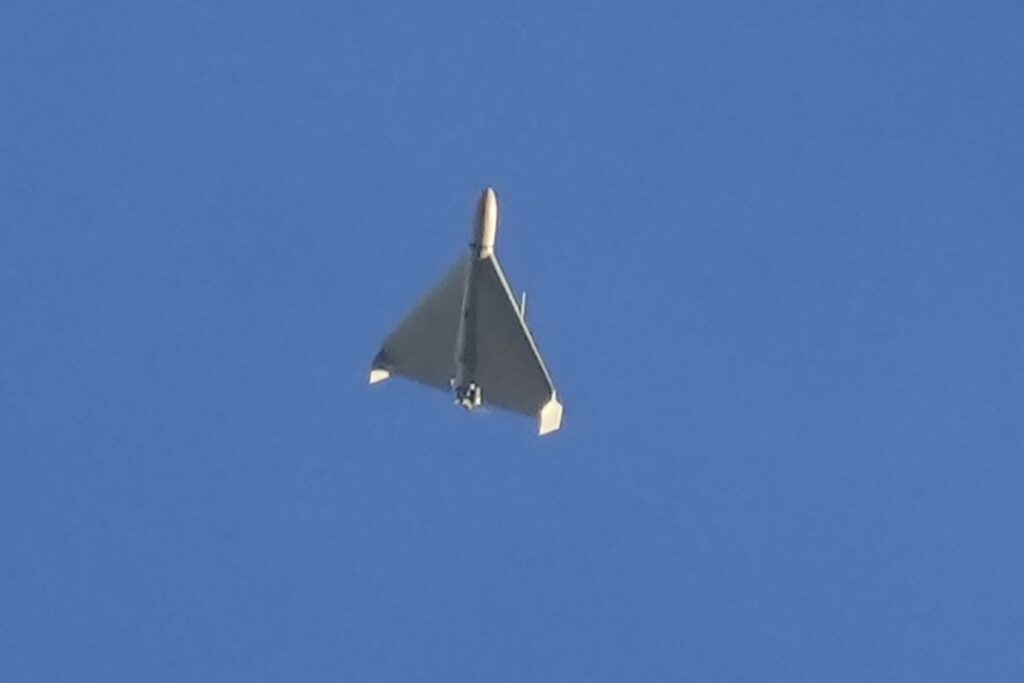
Ukrainian postal company Nova Post has established its own private air defense capability and has already shot down Russian Shahed attack drones, company co-owner Viacheslav Klymov said on 27 October, according to Interfax-Ukraine.
As Russia increasingly targets Ukrainian factories, warehouses, transport hubs, and other civilian infrastructure, localized air defense is becoming more important. Ukraine’s expanding private air defense program allows businesses to help protect their facili
Ukrainian postal company Nova Post has established its own private air defense capability and has already shot down Russian Shahed attack drones, company co-owner Viacheslav Klymov said on 27 October, according to Interfax-Ukraine.
As Russia increasingly targets Ukrainian factories, warehouses, transport hubs, and other civilian infrastructure, localized air defense is becoming more important. Ukraine’s expanding private air defense program allows businesses to help protect their facilities while operating within the country’s military air defense command system.
“We are one of the few companies that has implemented this project. I don’t want to disclose figures, but we have Shahed shootdowns,” Klymov said at the 12th Kyiv International Economic Forum, according to Interfax-Ukraine.
Klymov also argued that businesses can take on responsibilities that were previously considered exclusively the state’s domain. He pointed to firefighting as another area where companies can strengthen their own response capabilities.
Nova Post employees already extinguish many fires caused by Russian attacks on the company’s facilities without waiting for the State Emergency Service of Ukraine (DSNS) to arrive, he said. Large businesses are also looking for fire engines in Europe to establish their own firefighting units.
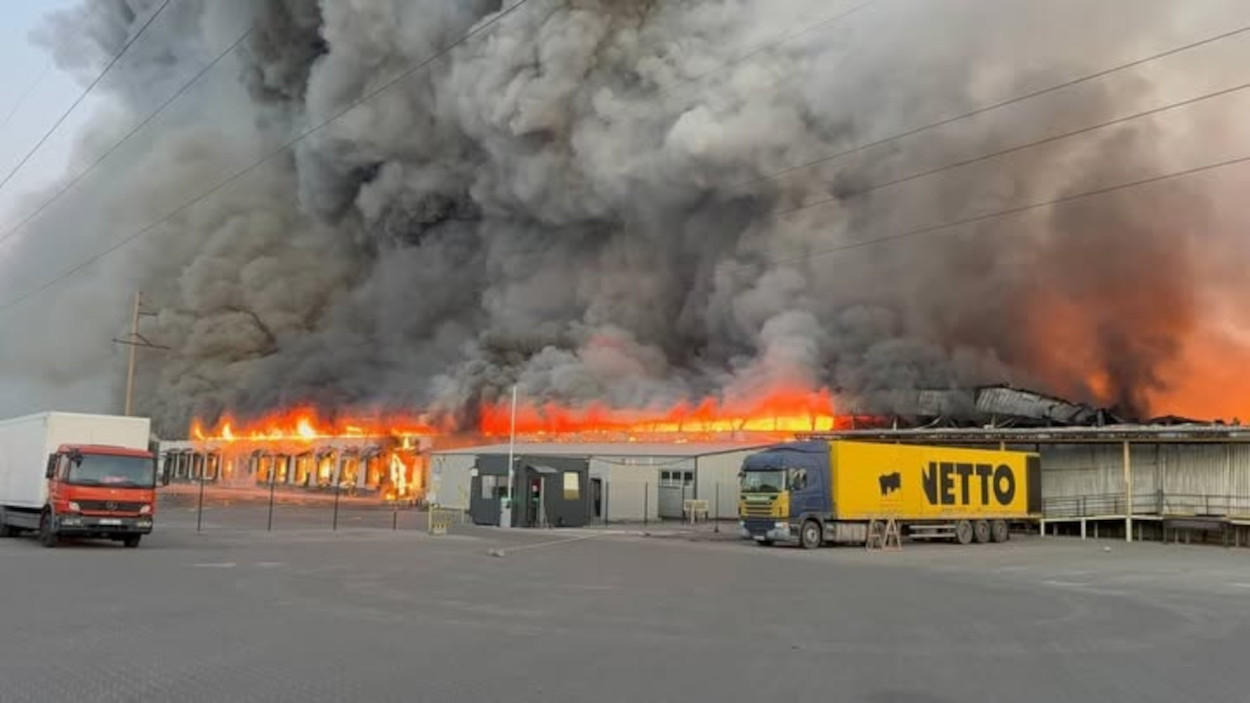
Aftermath of Russian strikes on a Nova Poshta warehouse in Sviatopetrivske near Kyiv on 28 August 2026. Photo: Anton Ovsienko/Facebook
Private air defense expands across Ukraine
Ukraine began allowing private companies to establish air defense units under a government-approved framework in November 2025. These units operate under Air Force command, with the military coordinating their missions and integrating them into the national air defense network.
Nearly 100 companies have reportedly joined the experimental program. About 50 air defense groups had been formed, and crews from six companies were already carrying out combat missions. By 14 October, the groups had downed more than 60 aerial targets, mostly Russian drones, according to Ukraine’s Defense Ministry.
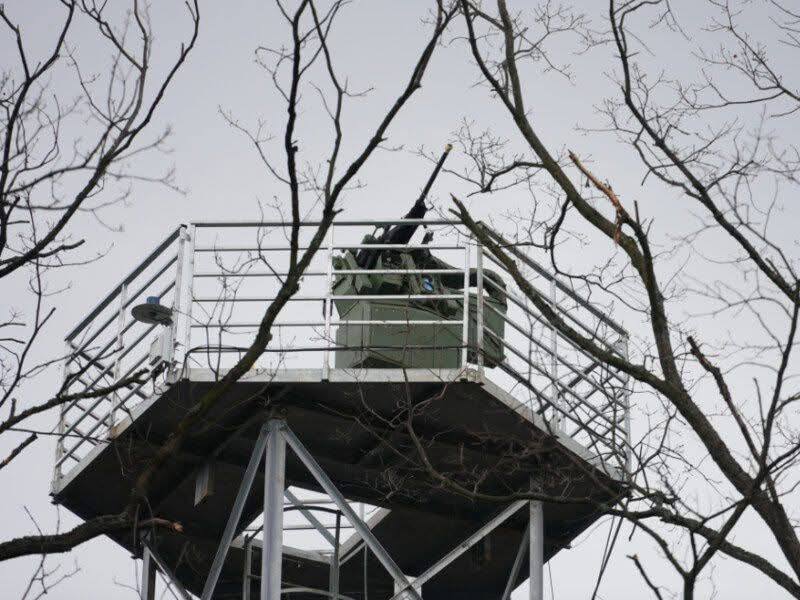
The program allows participating businesses to help defend industrial sites and critical infrastructure using capabilities that include interceptor drones and remotely operated heavy machine guns. The approach adds another layer of protection without requiring the military to cover every facility with its own units.
The need for such protection has grown as Russia continues launching long-range attack drones against civilian and industrial targets across Ukraine. Localized air defense can help protect specific sites and reduce the burden on military units, although it remains part of a coordinated national system rather than an independent replacement for military air defense.
Explore further
Ukraine’s air defense goes private: businesses can now buy point coverage for their own sites
Not every company sees private air defense as the answer
The approach has its limits. On 26 October, Kateryna Zahorii, chair of the board of directors of major pharmaceutical company Darnytsia, said her company had studied private air defense but decided against deploying it, Interfax-Ukraine reported.
Zahorii said the changing nature of the threat could make the investment difficult to sustain, as companies might need to keep upgrading their defenses. Darnytsia is instead prioritizing attack monitoring, employee shelters, and safety procedures. The company has been hit by Russian forces three times in September, according to NV.
Russian authorities committed war crimes and crimes against humanity through attacks on Ukraine’s energy infrastructure, the UN Independent International Commission of Inquiry on Ukraine said in a report to the UN General Assembly on 26 October.
International Criminal Court (ICC) warrants for former Russian Defense Minister Sergei Shoigu and Chief of the General Staff Valery Gerasimov, issued in June 2024, already covered alleged crimes linked to Russia’s 2022–2023 strikes on Ukraine’s
Russian authorities committed war crimes and crimes against humanity through attacks on Ukraine’s energy infrastructure, the UN Independent International Commission of Inquiry on Ukraine said in a report to the UN General Assembly on 26 October.
International Criminal Court (ICC) warrants for former Russian Defense Minister Sergei Shoigu and Chief of the General Staff Valery Gerasimov, issued in June 2024, already covered alleged crimes linked to Russia’s 2022–2023 strikes on Ukraine’s energy infrastructure. The UN commission’s new report reaches into last winter, 2025–2026, and the cumulative toll since 2022, documenting what the attacks did to civilians living through outages in freezing temperatures.
“As the cold season approaches, the attacks have intensified once again, raising serious concerns about the threats to civilians’ lives and health,” commission chair Erik Møse said.
Russian commanders knew heating facilities were vital
The commission said Russian commanders knew that heating facilities in large cities were indispensable to civilians, particularly during winter. Russian authorities also made official declarations about further attacks and referred to a plan to carry them out, it said. It found that Russian authorities intentionally directed attacks against civilian objects, constituting war crimes.
The commission also concluded that the attacks were carried out under a state policy aimed at depriving civilians of electricity and other essential energy-dependent services and causing suffering. It classified these acts as crimes against humanity in the form of “other inhumane acts.”
Minus 21°C, weeks without heat, and shelters out of reach for older people
Last winter, temperatures fell to minus 21°C as millions of Ukrainians endured prolonged disruptions to heating, electricity, water, and gas, the commission said.
The commission relied on the accounts of 255 people from Dnipropetrovsk, Kyiv, Kharkiv, Kherson, Mykolaiv, Odesa, Poltava, Zaporizhzhia, and Zhytomyr Oblasts, alongside officials, doctors, and nongovernmental organizations.
Older people and those with limited mobility were particularly affected. Fear of becoming trapped in elevators during blackouts prevented some residents from reaching shelters during air raid alerts. They remained in unheated homes, sometimes without access to life-support equipment.
A 53-year-old Kyiv resident told investigators he tried to stay awake at night because he feared he might not wake up if he fell asleep in the cold.
Meanwhile, school closures disrupted children’s education, and children fell ill in unheated homes, the report said.
Russia rejects the findings
Russia’s UN mission said Moscow did not recognize the commission’s mandate and dismissed its findings as “falsified data,” the Associated Press reported.
The commission also examined Ukrainian attacks on energy infrastructure in Russia and Russian-occupied Ukraine. It said it could not investigate their impact fully because Russia denied access and did not respond to its requests.
Foreign recruits trafficked to the front
The same report found “compelling evidence” that Russian authorities trafficked men from 29 countries into the Russian armed forces through deception and coercion.
Recruitment agents arranged visas and travel, presenting themselves as legitimate businesses. After arriving in Russia, the men were forced to sign military contracts in Russian and were sent to the front, where many were killed or went missing, the commission said.
Russia is expanding drone storage at the Hvardiiske military airfield in occupied Crimea, Ukrainian OSINT channel Dnipro Osint reported on 26 October, citing new satellite images. The channel did not say who took the images or when. Ukraine’s Security Service (SBU) said it struck drone hangars at the same airfield in July, and the military said strikes on 13 October damaged four drone storage sites nearby.
Hvardiiske has stayed in use since then. Ukraine’s General Staff has listed it am
Russia is expanding drone storage at the Hvardiiske military airfield in occupied Crimea, Ukrainian OSINT channel Dnipro Osint reported on 26 October, citing new satellite images. The channel did not say who took the images or when. Ukraine’s Security Service (SBU) said it struck drone hangars at the same airfield in July, and the military said strikes on 13 October damaged four drone storage sites nearby.
Hvardiiske has stayed in use since then. Ukraine’s General Staff has listed it among the sites Russia launched attack drones from in every daily report since 7 October. The airfield was on the list again on 24, 25, and 27 October, the night Russia aimed its main strike at Kyiv. The new construction, as the channel describes it, adds protected storage at a base Ukraine has already shown it can reach.
Shelters and “garages”
The images show more than 20 small shelters under construction, each protected by earth berms, the channel said. It also counted about 40 smaller structures it calls “garages.” It said they are meant for storing, servicing, and preparing Geran drones for launch.
Geran is the name Russia gives the Iranian-designed Shahed drones: the Shahed-136 became the Geran-2, which Russia now builds itself. The images show at least one hangar damaged by a Ukrainian drone hit, Dnipro Osint noted.
Launched from vehicles
Hvardiiske, north of Simferopol, uses mobile launch platforms instead of fixed installations, according to Dnipro Osint. Crews load drones onto specially equipped vehicles, which then launch them from the runway.
Struck repeatedly since June
On 24 June, the SBU said it hit infrastructure at Hvardiiske and at the Saky airbase. On 3 July, the SBU reported that its drones struck two hangars at Hvardiiske that stored Shaheds and aviation equipment. Ukraine’s General Staff said its forces struck the airfield again overnight on 5 July, and the SBU said a day later that it hit three hangars with aviation equipment there. A strike on 3 August destroyed nine aviation-fuel tanks and damaged two aircraft hangars, the General Staff said. Strikes on 13 October damaged four drone storage sites near Hvardiiske, with signs of secondary detonation, it reported two days later.
Not the only base Russia is building up
Hvardiiske is not the only Russian drone base Ukrainian OSINT channels have flagged this month. On 13 October, the anonymous channel Absolutely Reliable Source said Russia had nearly finished the first section of a launch site for jet-powered Geran-5 drones near Millerovo in Rostov Oblast, with eight launcher positions and 32 drone-preparation spots. Hvardiiske and Millerovo were both among the launch areas the General Staff listed for the night of 27 October, when Russia launched 280 Shahed-type drones, 69 of them jet-powered, with Kyiv as the main target.
A ceasefire around Russian-occupied Oleshky in Kherson Oblast took effect at 03:00 on 27 October Kyiv time, and both sides were complying with the agreements, Ukraine’s human rights ombudsman Dmytro Lubinets said. Russia’s Defense Ministry reported that its forces had stopped firing on the Kherson axis at 04:00 Moscow time, at the same moment.
Russia has kept Oleshky cut off for months. In June, the UN Human Rights Monitoring Mission in Ukraine documented worsening shortages of food, me
A ceasefire around Russian-occupied Oleshky in Kherson Oblast took effect at 03:00 on 27 October Kyiv time, and both sides were complying with the agreements, Ukraine’s human rights ombudsman Dmytro Lubinets said. Russia’s Defense Ministry reported that its forces had stopped firing on the Kherson axis at 04:00 Moscow time, at the same moment.
Russia has kept Oleshky cut off for months. In June, the UN Human Rights Monitoring Mission in Ukraine documented worsening shortages of food, medicine, and medical care there and in neighboring Hola Prystan. As of 8 October, Lubinets’ office still saw no practical breakthrough toward an organized evacuation, with 358 residents verified as needing help to leave. The ceasefire is the first step that has to hold before aid can go in and residents can leave, an operation Marc Beckman, the first lady’s chief adviser, expects to take five to seven days.
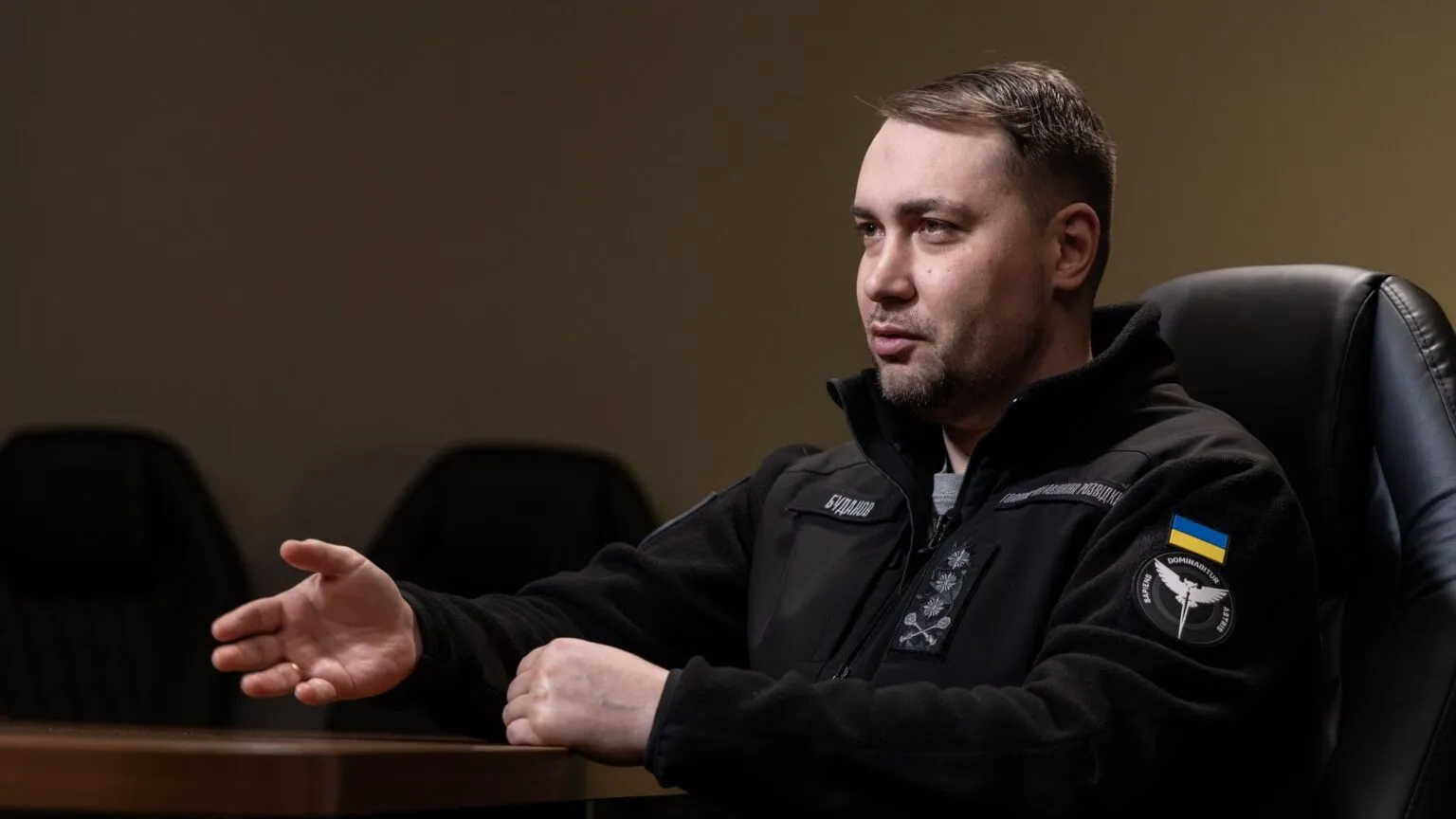
By 09:00 on 27 October, Russian forces were still observing the ceasefire, according to Pavlo Drohal, spokesperson for Ukraine’s 30th Marine Corps. Kyrylo Budanov, head of the Presidential Office, announced that the mission had begun and that Lubinets had gone to the site to coordinate it.
The White House announced on 23 October that First Lady Melania Trump had secured a localized ceasefire, set to begin on 29 October. The same evening, Russia’s chief of General Staff Valery Gerasimov announced a ceasefire on the Kherson axis from 27 October, with engineering reconnaissance and a secured route for a humanitarian convoy. Ukraine’s General Staff followed, introducing a ceasefire in a designated area from the same hour.
Beckman told Ukrinform on 26 October that Russia had moved the ceasefire two days earlier and extended it beyond Oleshky into Kherson Oblast. Lubinets said on 23 October that the mission should effectively begin on 29 October, after demining, adding that the date was not a matter of principle for either side.
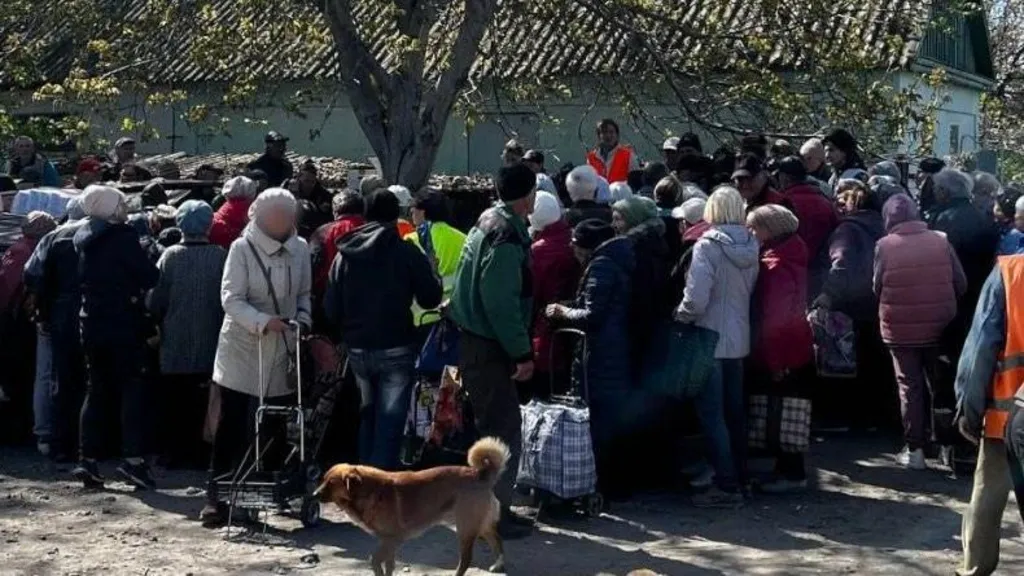
People in Oleshky wait for food supplies. Photo: BBC
A day after the announcement, Lubinets and his Russian counterpart Yana Lantratova, who lead the two negotiating groups, confirmed the timing in an online meeting, he said. According to Lubinets, the agreement covers demining the road to Oleshky, delivering food, water, medicine, and hospital equipment, and safe movement for civilians.
Newsmax to document the operation
Meanwhile, Melania Trump said she had secured an “impartial American media organization” to accompany the Russian and Ukrainian teams. Beckman named it as Newsmax. He said he had worked directly with the channel’s owner, and that its journalists would record testimony as what he called neutral American observers.
Residents could leave for Ukraine or Russia, or stay, Beckman said. He added that Russia had assured Kyiv and Washington it would respect their choice of destination. Both governments asked him not to disclose what guarantees Russia gave or how violations would be handled, he said. He expects the operation to take five to seven days after 29 October, with an extension possible if both sides agree.
Diplomat doubts the truce will move peace talks
At the same time, Kostiantyn Yelisieiev, Ukraine’s ambassador to the EU in 2010–2015, told Radio NV the truce became possible only through the personal involvement of Donald and Melania Trump. The US president, he said, sees it as a way to show Americans he is bringing peace closer. He said he expects Russia to attempt provocations aimed at pushing residents toward the Russian side.
Yelisieiev said he does not share the optimism of those who think Oleshky could push the wider peace process forward. He compared it to the Black Sea grain corridor, a one-off arrangement that no longer works. He warned of a “diplomatic smokescreen”: Russia imitates negotiations while it keeps fighting, hoping Ukraine and its partners weaken over time.
Ukrainian drone delivering aid to occupied Oleshky on the night of 4 October. Screenshot from video: Ivan Vyhivskyi / Facebook
A town under blockade
Oleshky lies on the left bank of the Dnipro, about 4 km from Kherson, and has been occupied since February 2022, Radio Svoboda reported. The White House says it had about 24,000 residents before the war and estimates 1,700 to 2,000 remain, mostly elderly, including about 50 children. Russian troops have also seized food dropped by Ukrainian drones, a local official said.
No private individual should have the power to determine US foreign policy, as Musk has attempted to do in UkraineHe’s Exhibit A on why billionaire wealth should be taxed, why we must get big money out of politics, why billionaires shouldn’t be allowed to buy up major media, and why our government shouldn’t give them huge military contracts.I’m talking about Elon Musk, of course. Continue reading...
No private individual should have the power to determine US foreign policy, as Musk has attempted to do in Ukraine
He’s Exhibit A on why billionaire wealth should be taxed, why we must get big money out of politics, why billionaires shouldn’t be allowed to buy up major media, and why our government shouldn’t give them huge military contracts.
The Trump administration has encouraged former Hungarian Prime Minister Viktor Orbán to run for UN secretary-general and discussed a joint US-Russia-China candidacy with Moscow and Beijing, the Wall Street Journal’s (WSJ) editorial board wrote on 25 October, citing sources in three countries. Russia’s biggest ally in the EU, Orbán has been out of office since May, when Péter Magyar became Hungary’s prime minister.
The UN secretary-general can influence the war through diplomatic negotia
The Trump administration has encouraged former Hungarian Prime Minister Viktor Orbán to run for UN secretary-general and discussed a joint US-Russia-China candidacy with Moscow and Beijing, the Wall Street Journal’s (WSJ) editorial board wrote on 25 October, citing sources in three countries. Russia’s biggest ally in the EU, Orbán has been out of office since May, when Péter Magyar became Hungary’s prime minister.
The UN secretary-general can influence the war through diplomatic negotiations, mediation, and by drawing the Security Council’s attention to Russia’s aggression. António Guterres’s term ends on 31 December, so the council has to settle on a successor within weeks.
According to the WSJ, US officials discussing the next UN chief kept saying they wanted “someone like Orbán,” and their Russian and Chinese counterparts agreed. The US then brought the idea to Orbán himself. Russia and China are believed to support his bid based on those earlier talks with Washington, and the plan is for him to be the three countries’ joint candidate.
Ukraine warns of Orbán’s veto tactics at the UN
Orbán is receptive but has not decided, and he does not want to enter the race unless he is sure he can win, the editorial board wrote. A State Department official counted eight Security Council votes as safe for him and 10 within reach. A candidate needs nine of the 15 votes and no veto from a permanent member. The editorial board asked whether Britain and France, typically cautious in using their veto, would stand in the way. Any announcement is being held until after the 3 November US midterm elections.
Ukraine’s Foreign Minister Andrii Sybiha wrote on X that Orbán as secretary-general would put to good use “the masterful veto and blackmail skills” he developed over years of derailing major EU decisions. Ukraine, he added, could share its “great experience of taking him out for coffee at the right moment,” a reference to the December 2023 EU summit, where Orbán left the room so the other leaders could open accession talks with Ukraine without his veto.
Orbán ran Hungary for 16 years as Putin’s closest EU partner
Orbán’s 16 years of “illiberal democracy” eroded democratic values in Hungary. Since 2010, Fidesz has built an enormous partisan media ecosystem. Before the vote, it amended the electoral law twice and gerrymandered more than a third of the electoral districts, so the opposition might need around 55% of the popular vote to win a simple majority. Orbán still lost the 12 April election. Magyar’s Tisza won 138 of 199 seats, a two-thirds majority in parliament.
Explore further
Voted out and facing investigators, Orbán could reach for UN cover, sources say
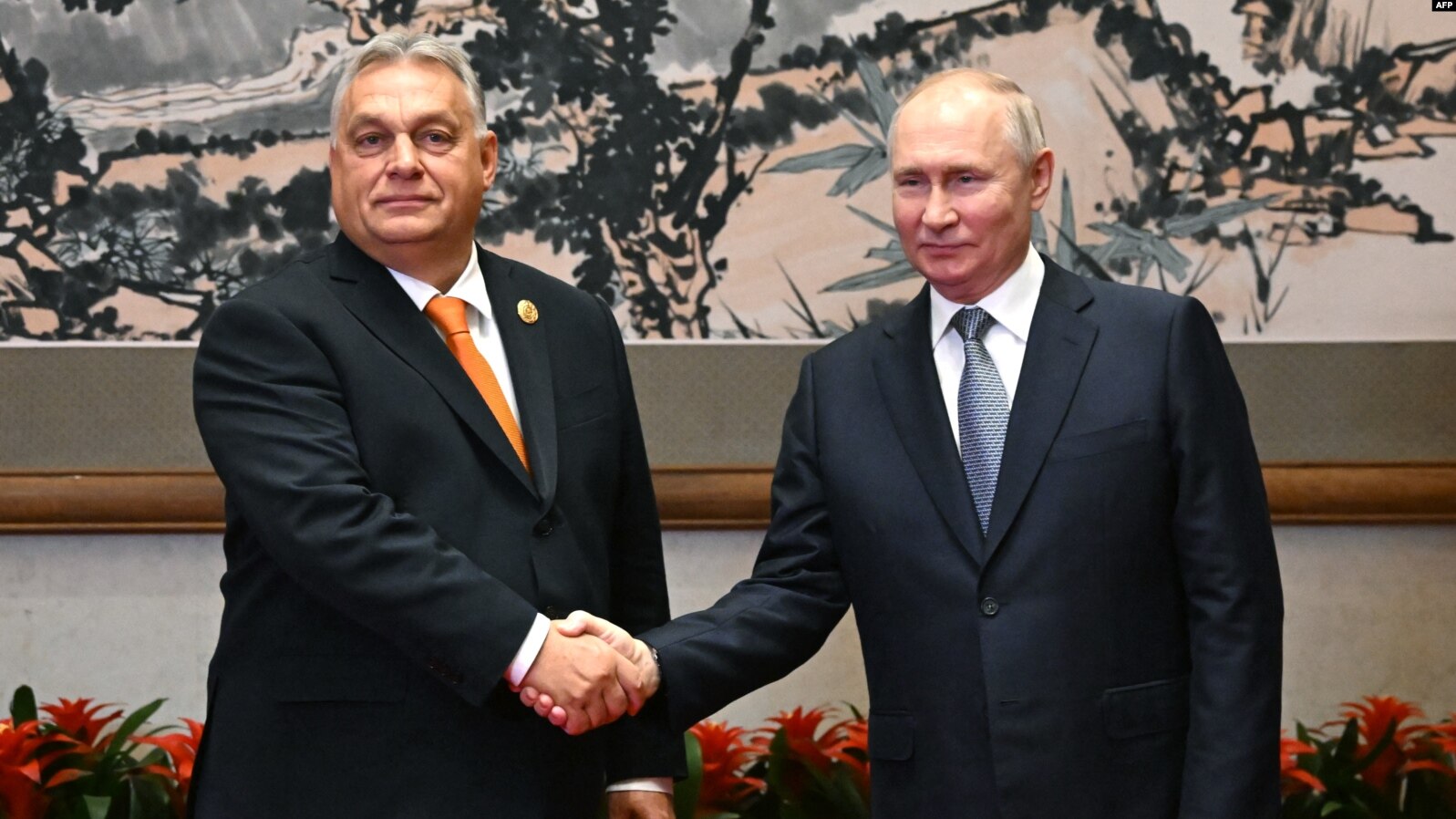
Orbán kept close ties with Moscow throughout the full-scale war. When he met Putin in Beijing in October 2023, he spoke of “the military operations and the sanctions” rather than a war. In summer 2024, while Hungary held the EU Council presidency, he flew to Moscow on what he called a peace mission, and the EU distanced itself from the trip. In November 2025, he went back to Moscow, seeking to keep Hungary’s access to Russian oil and gas. He is widely considered Putin’s closest partner among EU leaders. After that visit, he said the only solution was for Ukraine to become a buffer state again, and that the longer peace was delayed, the more people and territory Ukraine would lose.
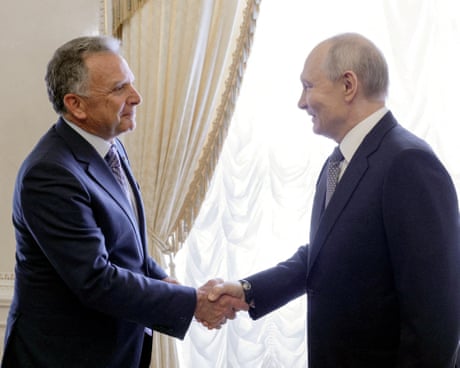
Then-Hungarian Prime Minister Viktor Orbán and Russian President Vladimir Putin in Beijing, 17 October 2023. Photo: Radio Free Europe
He used Hungary’s veto against Ukraine until his last weeks in office. In February, Orbán vetoed a €90 billion EU loan to Ukraine amid the disruption of Russian oil supplies through the Druzhba pipeline to Hungary and Slovakia. Hungary lifted its veto in April after repairs to the pipeline were announced. Foreign Minister Péter Szijjártó phoned Russian Foreign Minister Sergei Lavrov from EU meetings for years with “live reports on what’s been discussed,” a European security official told The Washington Post. Szijjártó did not respond to the Post’s request for comment.
Svitlana Zinoviyeva, left, and her daughter, Oleksandra Buzko, mounted a tent above the bed last winter to stay warm at home amid subzero temperatures, power outages and minimal to no heat in buildings across the city in Kyiv, Ukraine.
Ukrainian drones damaged a process pipeline, two butyl-rubber units, and a rectification (distillation) unit at Russia’s Tolyattikauchuk petrochemical plant on 24 October, Ukraine’s General Staff said on 26 October. The damage hits the production chain of solid rocket fuel for tactical and ballistic missiles, it added.
The strike was part of a string of Ukrainian hits on Russian plants over four days, most of which the General Staff links to missile production. Ukraine hit an electronic
Ukrainian drones damaged a process pipeline, two butyl-rubber units, and a rectification (distillation) unit at Russia’s Tolyattikauchuk petrochemical plant on 24 October, Ukraine’s General Staff said on 26 October. The damage hits the production chain of solid rocket fuel for tactical and ballistic missiles, it added.
The strike was part of a string of Ukrainian hits on Russian plants over four days, most of which the General Staff links to missile production. Ukraine hit an electronics plant in Oryol on 23 October and struck a battery plant in Yelets on 25 October or the following night. The General Staff ties both to missiles: Oryol makes components for missiles Russia fires at Ukrainian cities, and Yelets makes batteries for Iskander-M systems. Then, overnight on 26 October, drones also went after Voronezhsintezkauchuk, another Russian synthetic-rubber plant. For Tolyattikauchuk, this is the third time this year that strikes have reached its butyl-rubber shops.
What Kyiv and Russian officials say
The General Staff first confirmed the strike on 24 October with a report of an explosion and fire near the plant. It said the plant makes synthetic rubbers, monomers, fractions, and high-octane gasoline additives, and that its synthetic rubbers are used in solid rocket fuel.
Meanwhile, Russian officials have not named the plant in their statements. However, Tolyatti Mayor Ilya Sukhikh claimed that industrial facilities were damaged and, citing preliminary data, that no one was killed or injured, Russian outlet Expert reported.
What OSINT channels report
Drones hit at least two production facilities, Ukrainian monitoring channel Exilenova+ said. One is the shop where isobutane is turned into isobutylene, a raw material for synthetic rubbers. The other is outdoor unit No. 2 in shop BK-4, which produces and purifies high-purity isobutylene for butyl rubber.
Aftermath of the attack on the Tolyattikauchuk petrochemical plant. Analysis by Exilenova+, satellite image by Vantor.
The damage could delay rubber output and the supply of feedstock for other processes, including solid rocket fuel. Tolyattikauchuk can make about 260,000 metric tons of synthetic rubber a year, OSINT-Varta data show.
Hit again and again
Tolyattikauchuk had come under fire before. Overnight on 4 April, about 10 drones reached the plant by various accounts. Footage showed fires at storage shops D-12 and D-1 and at the BK-2, BK-3, and BK-4 units, though more sites may have been hit, the analysts added. Ukrainian forces struck the plant again on 12 June, the General Staff confirmed.
Then, on 12 September, a strike set fires at the BK-2, BK-3, and BK-4 shops, an OSINT community Absolutely Reliable Source reported. Without those shops running steadily, the line that makes MTBE, a key high-octane gasoline additive, is cut, the channel noted.
From the 17th to the 20th century, Ukrainian lands were split between empires and states. Their rulers tried to assimilate Ukrainians and block their self-determination by going after what set them apart: their language and culture.
Nobody has an exact count of the bans. Historian Pavlo Hai-Nyzhnyk says there were more than 100 and that the real number is likely higher, because governors issued local bans too.
These measures differed in purpose and reach. Some restricted publishing,
From the 17th to the 20th century, Ukrainian lands were split between empires and states. Their rulers tried to assimilate Ukrainians and block their self-determination by going after what set them apart: their language and culture.
Nobody has an exact count of the bans. Historian Pavlo Hai-Nyzhnyk says there were more than 100 and that the real number is likely higher, because governors issued local bans too.
These measures differed in purpose and reach. Some restricted publishing, schooling, or official use; others suppressed cultural institutions or pushed assimilation. Most served the forced Russification of Ukrainians in the Russian Empire and the USSR. The timeline below is a selection of documented events, not a count of bans.
Russia has not stopped. Since 2014, schooling in Ukrainian has collapsed in the territories it occupies, and in 2025 it removed Ukrainian from the federal school programs it imposes there.
Here are some of the most important restrictions on Ukrainian language and cultural life imposed by the regimes ruling over Ukraine.
Graphic by Ganna Naronina from the article A short guide to the linguicide of the Ukrainian language. Click to enlarge.
17th century
1627: Muscovy. Moscow church authorities condemn Kyrylo Trankvilion-Stavrovetskyi’s Didactic Gospel, a collection of sermons printed in Ukraine in 1619, and order copies burned in Moscow.
1697: Polish-Lithuanian Commonwealth. An act requires tribunal and court decisions in the Grand Duchy of Lithuania to be written in Polish, displacing Ruthenian in those courts.
18th century
1720: Russian Tsardom. Peter I’s decree restricts the Kyiv and Chernihiv presses to approved reprints of church books and requires them to conform to Russian editions, suppressing local textual and linguistic differences.
1728: Russian Empire. Under the Decisive Points (Reshytelni punkty), the legal texts used in the Hetmanate’s courts are to be translated into Russian and compiled into a single code.
1730s: Russian Empire. Under Empress Anna, Kyiv’s archbishop is instructed to replace older locally printed church books with Moscow editions.
1769: Russian Empire. The Holy Synod refuses the Kyiv-Pechersk Lavra permission to print primers in the local language and tells it not to submit such requests again.
1775: Russian Empire. A Russian army destroys the Zaporozhian Sich, the Cossacks’ last stronghold and one of Ukraine’s own political institutions.
1780s: Russian Empire. Samuil Myslavskyi, metropolitan of Kyiv from 1783, insists on literary Russian as the only language of instruction at the Kyiv-Mohyla Academy.
1789: Polish-Lithuanian Commonwealth. The Commission of National Education orders the Ukrainian parish schools of Right-Bank Ukraine Polonized.
19th century
1847: Russian Empire. After suppressing the Cyril and Methodius Brotherhood, a secret society that called for a federation of free Slavic peoples, the authorities ban and withdraw from sale specified works by Taras Shevchenko, Panteleimon Kulish, and Mykola Kostomarov.
1859: Austrian Empire. Austrian officials back a plan to replace the Cyrillic alphabet used for Ukrainian in Galicia with a Latin one. Ukrainian opposition defeats the plan in what became known as the “alphabet war.”
1862: Russian Empire. The authorities close the Sunday schools, free schools for working adults and young people, including Ukrainian ones. They begin reopening under tighter control in 1864.
1863: Russian Empire. Interior Minister Pyotr Valuev’s circular tells censors not to approve Ukrainian religious, school, and popular-reading books, while still allowing fiction under censorship. It claims that most Little Russians themselves argue that “there was not, is not, and cannot be any special Little Russian language.”
1864: Russian Empire. The 1864 statute requires Russian as the teaching language in the elementary schools it regulates.
1869: Austria-Hungary. Polish becomes the internal language of administration and the courts in Galicia. The 1867 school arrangements had already strengthened Polish dominance, while leaving limited room for Ukrainian-language schooling.
1876: Russian Empire. Alexander II’s secret Ems Ukaz severely restricts Ukrainian publishing and bans Ukrainian publications from abroad, Ukrainian stage performances and public readings, and Ukrainian lyrics printed with music. Exceptions allow historical documents in their original spelling and fiction in Russian spelling under censorship.
1881: Russian Empire. New rules ease parts of the Ems Ukaz: Ukrainian plays may be staged with a governor’s special permission. Theater troupes performing only in Ukrainian stay banned.
1883: Russian Empire. Kyiv Governor-General Aleksandr Drenteln bars Ukrainian theater troupes from performing in the Kyiv, Podillia, Volhynia, Poltava, and Chernihiv governorates.
1910: Russian Empire. A circular from Pyotr Stolypin’s interior ministry tells governors to refuse registration to non-Russian national societies, Ukrainian ones included, and to review existing ones for closure. Kyiv’s Prosvita is dissolved the same year.
1914–15, 1916–17: Russian Empire. Russian occupation authorities suppress Ukrainian institutions and publications in Galicia and Bukovyna. The first occupation brings mass arrests and deportations, the destruction of Ukrainian books, and the arrest of Metropolitan Andrei Sheptytskyi.
1923: Soviet Ukraine. Dmytro Lebid, second secretary of the Communist Party of Ukraine, sets out the “theory of the struggle of two cultures,” which holds that the Russian culture of the city is more advanced than the Ukrainian culture of the village. The party rejects it and adopts Ukrainization the same year.
1924: Poland. Three laws of 31 July make Polish the state language of administration and the courts, keep limited rights for minority languages, and set school rules that favor Polish-Ukrainian bilingual schools over separate Ukrainian ones.
1924: Romania. The primary education law requires citizens of Romanian origin who have “lost their mother tongue” to send their children to Romanian schools. Ukrainian historians say it was applied to Ukrainians in Bukovyna.
1925: Poland. The Lviv Underground Ukrainian University, which had taught clandestinely since 1921, stops teaching after police raids and the Polish state’s refusal to recognize it.
1926: USSR. In a letter to Kaganovich and the Ukrainian Politburo, Stalin attacks Oleksandr Shumskyi and Mykola Khvylovyi and rejects Ukrainizing Russian workers “from above,” while still backing controlled Ukrainization of official institutions.
1932–33: USSR. A secret resolution of 14 December 1932 orders the Ukrainian-language paperwork and press of the North Caucasus switched to Russian at once and its schools prepared for teaching in Russian. In Soviet Ukraine, it puts Ukrainization under tighter party control and demands purges of “nationalist” elements. The repression of 1933 dismantles Ukrainization.
1938: USSR. A decree of 13 March makes Russian a compulsory subject in the non-Russian schools of the national republics and regions.
1947: Poland. In Operation Vistula, Polish authorities forcibly resettle about 150,000 Ukrainians to northern and western Poland, under an assimilation policy that sought to keep them below 10% of any locality.
1958–59: USSR. The school reform expands parents’ choice of teaching language and makes the study of Ukrainian optional in Russian-language schools in Soviet Ukraine.
1960s–70s: Romania and Poland. Romania nearly eliminates Ukrainian-language schooling from the mid-1960s. In Poland, Ukrainian schools and Ukrainian classes shrink.
1972: USSR. The party’s resolution on the USSR’s 50th anniversary promotes the “new historical community, the Soviet people,” an idea first voiced in 1961. Soviet ethnographers wrote that the spread of Russian among non-Russian peoples played the paramount role in forming this community.
1978: USSR. The USSR Council of Ministers orders wider study of Russian in the union republics. Ukraine’s implementing resolution of 2 November requires Russian from first grade in Ukrainian-language schools from the 1980/81 school year.
1983: USSR. A resolution of 26 May gives specified teachers of Russian in non-Russian schools in villages and small towns a 15% pay raise from 1984.
1984: USSR. The school reform resolution of 12 April adds two to three hours of Russian a week in grades 2 to 11 of non-Russian schools.
1989: USSR. The Communist Party’s party platform of 20 September calls for making Russian, by law, the language of the whole country alongside the republics’ state languages.
1990: USSR. The April 1990 law on the languages of the peoples of the USSR makes Russian the official language of the Soviet Union, while letting the republics set their own state languages.
21st century
2014–18: Crimea. Under Russian occupation, schooling in Ukrainian collapses. In 2013/14, 12,694 children studied in Ukrainian in 7 schools and 829 classes; by 2017/18, 318 children did, in one school and 13 classes, the UN human rights office reports, noting the figures conflict in places.
2020: DNR and LNR. The so-called DNR votes to amend its “constitution” on 6 March, dropping Ukrainian as a “state language” and leaving only Russian. The so-called LNR does the same in June.
2022: Occupied Kherson and Zaporizhzhia oblasts. Russia’s Education Ministry says on 12 August that schools in newly occupied areas will teach in Russian, with Ukrainian allowed only as an optional “native” language. Occupation authorities then cap Ukrainian at three hours a week, Human Rights Watch reports.
2023: Occupied Donetsk and Luhansk oblasts. Russia removes nearly all Ukrainian literature from local libraries, most likely destroying it, Ukraine’s National Resistance Center reports. The so-called LNR publishes a list of banned books.
2024: International Court of Justice. On 31 January, the court ruled, 13 votes to 2, that Russia violated the UN convention against racial discrimination in how it ran school education in Ukrainian in occupied Crimea.
2025: Russia. Education Ministry Order No. 729, in force since 15 December, removes Ukrainian language and literature from Russia’s federal primary and lower-secondary programs, the UN human rights office reports. Russia imposes these programs on schools in the occupied territories, where about 582,000 children study, the Almenda center says.
What we changed in October 2026
Editor’s note, 27 October 2026: We first published this timeline in 2017. Like many lists of bans on Ukrainian that circulate online, it repeated some claims that have no document behind them. In October 2026, we went back to historians’ work and to the decrees themselves.
We removed about fifteen entries. Most we could not confirm; a few were not about language. We corrected others where the documents say something different: some bans had exceptions, some dates were off by a year, and the end of Ukrainization came in 1932–33. We replaced the old count of 60 bans, which we could not trace, with a historian’s estimate. And we added what Russia has done to the Ukrainian language in the territories it has occupied since 2014.
If you have a document for something we left out, write to us.
Kazakhstan, Kyrgyzstan, and Kenya are seeking the return of citizens drawn into Russia’s war, Ukraine’s Foreign Intelligence Service (SZRU) said on 25 October. According to relatives and officials the agency cites, many of the men had gone to Russia for work, only to be tricked or forced into its army.
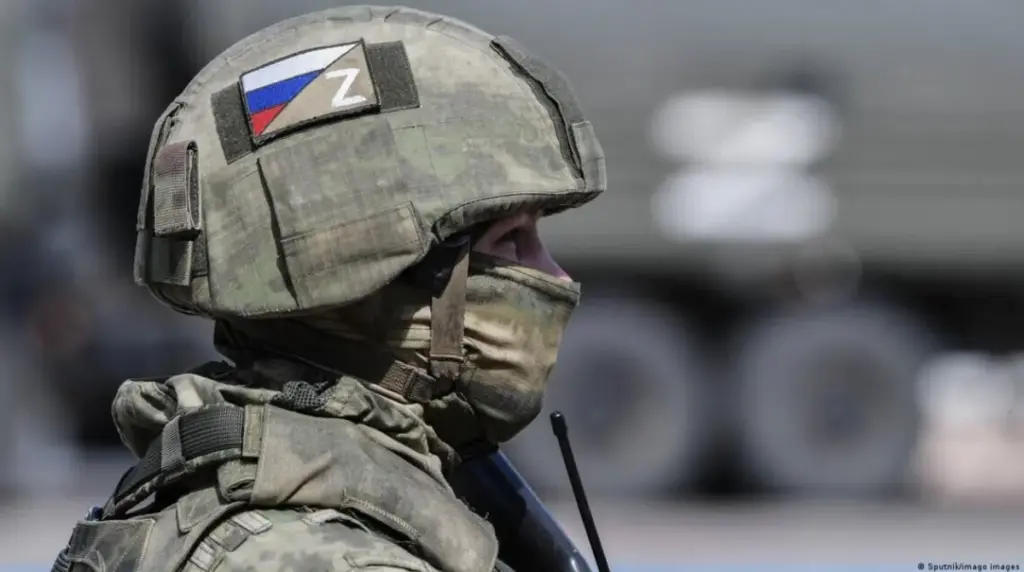
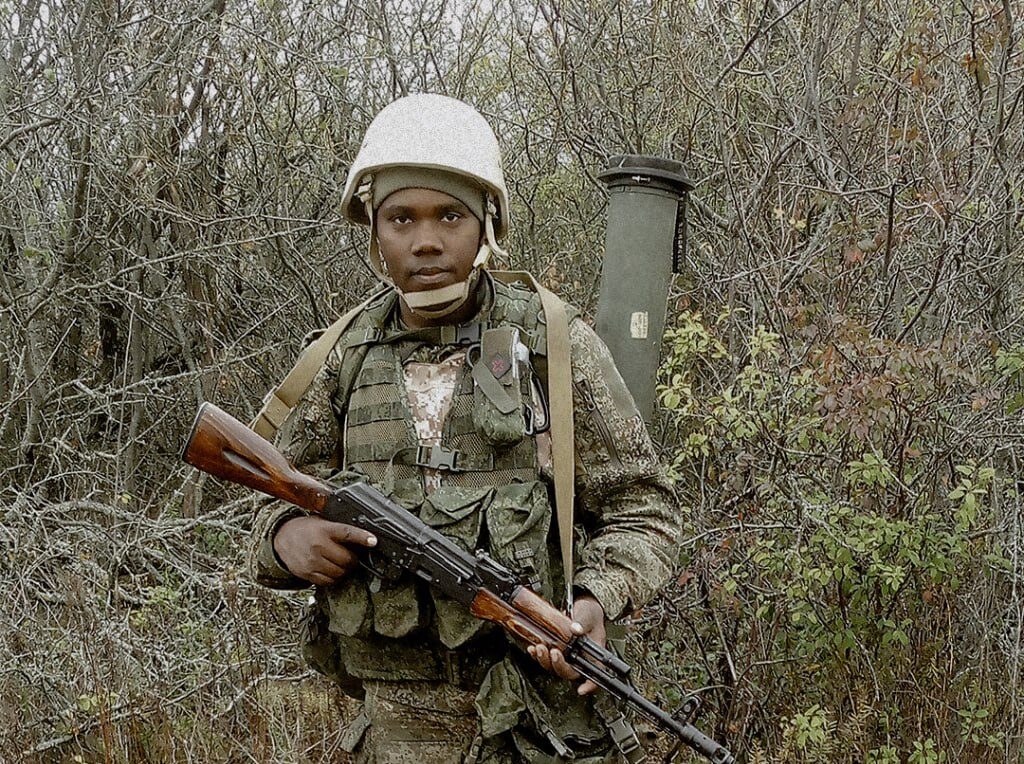
Russia fills its ranks partly with foreigners. In April, Ukraine’s military intelligence (HUR) said the Russian Defense Ministry plans to enlist at least 18,500 of them in 2026. Foreign r
Kazakhstan, Kyrgyzstan, and Kenya are seeking the return of citizens drawn into Russia’s war, Ukraine’s Foreign Intelligence Service (SZRU) said on 25 October. According to relatives and officials the agency cites, many of the men had gone to Russia for work, only to be tricked or forced into its army.
Russia fills its ranks partly with foreigners. In April, Ukraine’s military intelligence (HUR) said the Russian Defense Ministry plans to enlist at least 18,500 of them in 2026. Foreign recruits let the Kremlin put off hard choices about another mobilization at home, the Atlantic Council argued in May. Home governments have pushed back before, among them Ghana in August. The new statements show the limit of that pushback. Once a man is serving in Russia’s army, his government has to ask Russia to let him go.
Kyrgyz minister: contracts are forced in enlistment offices and jails
Kyrgyz Foreign Minister Jeenbek Kulubaev addressed the problem at a parliamentary committee on 13 October, answering lawmakers’ questions. He said Kyrgyz citizens in Russia are forced to sign contracts at military enlistment offices or in pretrial detention centers. If warned in time, diplomats try to stop the men from reaching the front.
Kazakhstan is compiling a list for Moscow
Kazakhstan is negotiating with Russia over citizens in the combat zone. Its Foreign Ministry said on 7 October that it was checking each hotline request. Once the checks are complete, the ministry said, it will send the compiled list to the Russian side.
SZRU separately cited unnamed relatives of one Kazakh worker. After he complained about working conditions, they said, he and other men were taken to an enlistment office and forced to sign contracts.
Kenya wants five men held by Ukraine treated as possible trafficking victims
Prime Cabinet Secretary Musalia Mudavadi, who also handles foreign affairs, gave lawmakers a count on 8 October. “The Ministry has records of 354 Kenyan nationals involved in the Russian-Ukraine crisis,” he told them. Families who petitioned Parliament dispute that number and put their own count at 841, Kenya’s The Star reported.
Explore further
Kenya says Russia agreed to stop recruiting its citizens – families of the missing are still waiting
Ukraine holds five Kenyans captured while fighting for Russia, and Nairobi has already appealed to Kyiv over them. The government told Parliament it wants them treated as people who may have been trafficked abroad.
For Kenyans still serving in Russia’s army, the way out runs through Russian officers. Moscow informed Nairobi that unit commanders will consider requests to end military contracts case by case, the same government response said.
Ukraine, the US, the EU, and NATO plan to meet in Brussels this week to discuss security for Ukraine, President Volodymyr Zelenskyy told Ukrainian TV. The meeting would follow last week’s talks in Oslo and a US envoy’s visit to Russian President Vladimir Putin.
Guarantees are what would oblige Ukraine’s allies to act if Russia attacks again. The Paris Declaration laid plans for that commitment in January. Kyiv had a briefing from the Americans, and now the partners want a broad discussi
Ukraine, the US, the EU, and NATO plan to meet in Brussels this week to discuss security for Ukraine, President Volodymyr Zelenskyy told Ukrainian TV. The meeting would follow last week’s talks in Oslo and a US envoy’s visit to Russian President Vladimir Putin.
Guarantees are what would oblige Ukraine’s allies to act if Russia attacks again. The Paris Declaration laid plans for that commitment in January. Kyiv had a briefing from the Americans, and now the partners want a broad discussion of security and guarantees, Zelenskyy said. Brussels comes ahead of three-way talks with Russia, which the Kremlin says Putin is ready in principle to resume in mid-November.
Zelenskyy: meeting planned for Tuesday or Wednesday
The meeting is planned for Tuesday or Wednesday, 27 or 28 October, Zelenskyy said in the interview, aired on 25 October. The EU would take part at the presidential level and NATO at the level of its secretary general. He did not know whether anyone else would join. He also said Ukraine’s neutrality and limits on its army are not up for discussion.
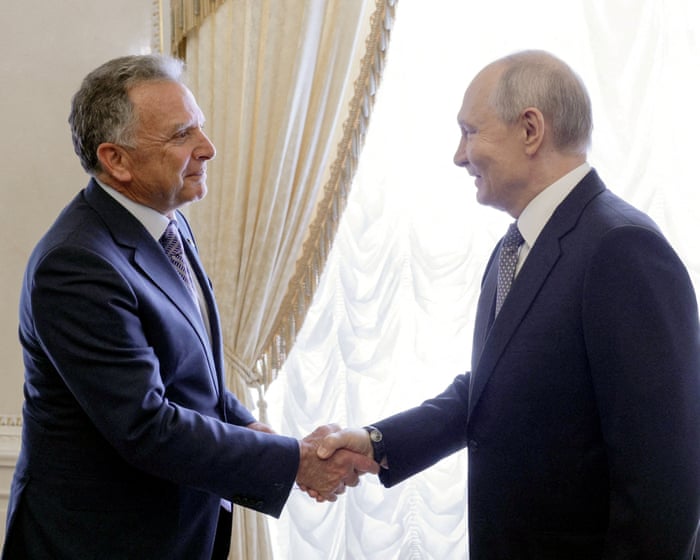
After Oslo, Witkoff briefed Putin in St. Petersburg
Earlier, on 20 October, Zelenskyy met US special envoy Steve Witkoff in Oslo, with Finnish President Alexander Stubb and Norwegian Prime Minister Jonas Gahr Støre present. According to Zelenskyy, a wider round there included national security advisers from Germany, the UK, France, and Italy, the chief of staff of the European Commission president, and NATO representatives.
A day later, Witkoff met Putin in St. Petersburg and said he had brought papers setting out possible paths to a settlement. He told Putin the Oslo talks had been productive. However, Kremlin aide Yuri Ushakov claimed the new ideas from the Europeans and Kyiv that Witkoff relayed held little of use for a settlement.
Much has been said about how Ukraine should treat Russian prisoners of war. Less attention has been paid to the emotional struggle for the Ukrainians tasked with that work.
Much has been said about how Ukraine should treat Russian prisoners of war. Less attention has been paid to the emotional struggle for the Ukrainians tasked with that work.
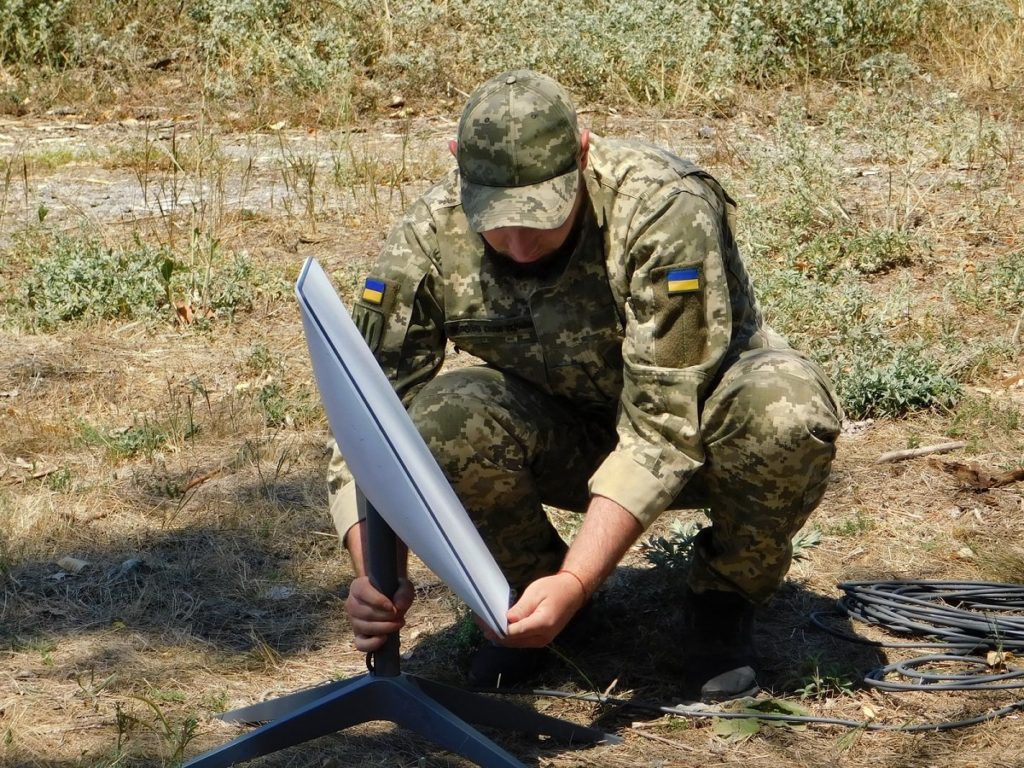
SpaceX founder Elon Musk says that if Ukraine fires through Starlink, Russia would be entitled to shoot the network down. That is why Starlink must remain a civilian operation and cannot be used for outright offensive strikes that would put its very existence at risk.
The warning lands in the middle of a fight over Musk’s own hand on that network. Weeks ago, his company unexpectedly throttled the service Ukraine’s drones depend on amid US President Donald Trump diesel deal with Russia,
SpaceX founder Elon Musk says that if Ukraine fires through Starlink, Russia would be entitled to shoot the network down. That is why Starlink must remain a civilian operation and cannot be used for outright offensive strikes that would put its very existence at risk.
The warning lands in the middle of a fight over Musk’s own hand on that network. Weeks ago, his company unexpectedly throttled the service Ukraine’s drones depend on amid US President Donald Trump diesel deal with Russia, which led to the disruption of a few operations on the front.
The US Treasury authorized the sale, delivery, offloading, and import of Russian-origin diesel fuel, effectively suspending sanctions on that trade until 7 April 2027, the Office of Foreign Assets Control (OFAC) said on its website on 9 October.
The diesel deal combining intelligence halt and military Starlink, with pressure on Ukraine to make a quick peace deal, has angered both Democrats and Republicans ahead of the US elections on 3 November, where Democrats could win.
Meanwhile, a Ukrainian official interprets Musk's talk of strikes as an attempt to build an alibi before a possible investigation into that decision.
A civilian network, or a target
Musk was responding to a post warning that if Starlink shifted from a civilian network into a military system, Russia could treat it as a target for retaliation, and that destroying satellites in orbit could scatter enough debris to make space unusable for years or centuries.
“An adversary blowing up Starlink satellites would create a domino effect of destruction that would generate a vast field of debris, making space unusable," he writes.
When the shield and the warnings failed together
Overnight into 14 October, SpaceX quietly capped the speed of Starshield, the military version Ukraine’s drones run on, without telling Kyiv. Ukrainian units said the limit broke a series of missions, with connections dropping mid-flight and leaving drones hard to control.
At the same time, President Volodymyr Zelenskyy said Ukraine relies on the network for air defense, not attack, to intercept the Russian drones Moscow sends to its cities, and that once the speed was cut, his forces could no longer stop some of them as effectively as before.
Simultaneously, Ukraine's other American lifeline also went dark: for about three days, the US stopped passing the intelligence that warns of Russian ballistic launches. On 12 October, Russian ballistic missiles hit Kyiv before the air-raid alert reached people, with no advance data from partners. In a strike during that window, three people were killed in the capital, the sirens sounding only after the blasts.
A Ukrainian official sees alibi-building
Meanwhile, Andrii Kovalenko, the ex-head of Ukraine’s Center for Countering Disinformation, read Musk’s statement as self-protection rather than physics
“Musk, having taken responsibility for the restrictions on Starlink and Starshield for Ukraine, is now trying to build himself an alibi before a possible investigation into that decision,” he wrote.
He said that regardless of who was behind the idea of restricting Starlink and Starshield access for Ukraine, it represents a strategic setback for the US in the long run, as it risks portraying the country as an unreliable partner that may fail to honor its commitments.
"Europe purchases around 60% of its imported weapons from the US. Trust in the US as a security guarantor directly supports sales for American defense companies. Moves like this only undermine that trust and encourage European countries to develop their own systems," he said.
The US has sent a message that its guarantees may not be reliable and that even paid-for services can be subject to political decisions, Kovalenko stressed.
But Elon Musk, whose company SpaceX owns Starlink, accuses Ukrainian military of violating the company’s termsUkraine’s military has a “stable connection to Starlink”, the Ukrainian government said, 10 days after its ability to use the satellite communications system was suddenly restricted.But hours after the announcement, SpaceX CEO Elon Musk, whose company owns Starlink, accused the Ukrainian military of violating the company’s terms. Neither Musk nor the US government, which operates Stars
But Elon Musk, whose company SpaceX owns Starlink, accuses Ukrainian military of violating the company’s terms
Ukraine’s military has a “stable connection to Starlink”, the Ukrainian government said, 10 days after its ability to use the satellite communications system was suddenly restricted.
But hours after the announcement, SpaceX CEO Elon Musk, whose company owns Starlink, accused the Ukrainian military of violating the company’s terms. Neither Musk nor the US government, which operates Starshield using Starlink technology, took responsibility for imposing the curbs.
The comments came after the disruption in the country’s satellite service. Earlier, Ukraine said drones using Starshield, the Pentagon-funded service, were back to normal speeds.
The comments came after the disruption in the country’s satellite service. Earlier, Ukraine said drones using Starshield, the Pentagon-funded service, were back to normal speeds.
The United States once declared that Ukraine’s fight was the front line in a global battle for freedom. Now the Trump administration is sending money to Moscow.
The United States once declared that Ukraine’s fight was the front line in a global battle for freedom. Now the Trump administration is sending money to Moscow.
Oil drilling rigs in Prudhoe Bay, Alaska. The Polar LNG plan called for the company to tap into the giant load of natural gas available in the state’s northern reaches.
A Russian drone strike sank the Comoros-flagged cargo ship Khoryv in the Black Sea near Romania’s port of Constanța on 23 October, killing a Ukrainian sailor and leaving three crew members missing. Nine others were rescued, Digi24 reported.
The sinking comes amid a surge in attacks on commercial shipping near Romania and Bulgaria, threatening civilian crews and routes used to transport Ukrainian agricultural exports. As Russia intensifies strikes on Ukrainian ports and shipping, the Dan
A Russian drone strike sank the Comoros-flagged cargo ship Khoryv in the Black Sea near Romania’s port of Constanța on 23 October, killing a Ukrainian sailor and leaving three crew members missing. Nine others were rescued, Digi24 reported.
The sinking comes amid a surge in attacks on commercial shipping near Romania and Bulgaria, threatening civilian crews and routes used to transport Ukrainian agricultural exports. As Russia intensifies strikes on Ukrainian ports and shipping, the Danube corridor and nearby waters have become increasingly important to Ukraine’s maritime trade.
Romanian President Nicușor Dan blamed Russia for the attack, describing it as part of Moscow’s escalation of the war against Ukraine and its attacks on NATO’s eastern flank, Reuters reported.
Ukraine’s Foreign Ministry confirmed to Radio Svoboda that a Ukrainian citizen was among those killed.
Ukrainian sailor killed, three crew members missing
The Khoryv sent a distress signal at around 10 a.m. local time, about 13 nautical miles (24 kilometers) east of Constanța, just outside Romania’s territorial waters, Digi24 reported. The vessel caught fire, sustained major damage, and capsized, with only a small part of its hull remaining visible above the water.
Romania’s naval authority said 13 crew members were aboard: 10 Ukrainians and three Azerbaijanis. Rescue teams recovered nine sailors alive and one body, while three crew members remained missing, Reuters reported.
Ukraine’s Foreign Ministry said the vessel had been traveling from a Turkish port and confirmed that the Ukrainian Embassy in Romania had received information from Romanian authorities about one Ukrainian sailor’s death. Four Ukrainian survivors, including the captain, were taken to a hospital, while two others did not require medical assistance.
Attacks threaten Black Sea shipping
The sinking comes amid a surge in attacks on commercial vessels off the coasts of Romania and Bulgaria. At least seven cargo ships have been hit over the past two weeks, with around 30 sailors reported dead or missing, according to Reuters.
The vessels targeted in recent incidents were either anchored near or heading toward the Sulina Canal, which connects the Danube River to the Black Sea. The canal has become a key export route for Ukraine, one of the world’s largest exporters of grain and vegetable oils.
Ukraine has increasingly relied on Danube ports and routes through Romanian territorial waters as Russia attacks its own Black Sea ports. Strikes on commercial vessels threaten crews and risk disrupting Ukrainian agricultural exports to international markets.
Russia has intensified attacks on Ukrainian ports and ships traveling to or from Ukraine. Moscow has described its strikes on vessels as retaliation for Ukrainian attacks on Russian or Russia-linked ships.
Explore further
Russia’s attacks on Black Sea shipping raise risk of global famine, German FM warns
NATO plans stronger Black Sea surveillance
NATO said on 20 October it would send additional maritime patrol aircraft, radar systems, and drones to the Black Sea following the attacks on commercial shipping, according to Reuters. The alliance has not specified which capabilities it will deploy.
Romania, Ukraine, and Bulgaria have called on NATO to do more to protect commercial vessels. The latest sinking adds urgency to those calls as attacks increasingly affect shipping near NATO territory.
The latest incident highlights the growing risks to commercial shipping as Russia’s war against Ukraine increasingly affects maritime traffic beyond Ukraine’s own coastline.
The charges intensified the administration’s efforts to go after the law enforcement and intelligence personnel who cast doubt on unsubstantiated claims that Joseph R. Biden Jr. engaged in corrupt dealings in Ukraine.
The charges intensified the administration’s efforts to go after the law enforcement and intelligence personnel who cast doubt on unsubstantiated claims that Joseph R. Biden Jr. engaged in corrupt dealings in Ukraine.
Senators have warned the White House they will withhold confirmation votes until the administration ensures the restoration of communications capabilities used by Ukraine’s military.
Senators have warned the White House they will withhold confirmation votes until the administration ensures the restoration of communications capabilities used by Ukraine’s military.
Representative Brian Fitzpatrick, Republican of Pennsylvania and a former F.B.I. agent who worked on Russian counterintelligence in Kyiv, said he doubted the communication problems were accidental.
People in Russian-occupied city facing severe shortages of food, water and electricity, with some reportedly surviving on weedsThe White House has said that Russia and Ukraine have agreed to a ceasefire in the Russian-occupied city of Oleshky, where a deepening humanitarian crisis has left thousands of civilians struggling to survive.In a statement on Friday, the White House said both sides had agreed to halt all military operations in the city from 27 October to allow humanitarian aid deliverie
People in Russian-occupied city facing severe shortages of food, water and electricity, with some reportedly surviving on weeds
The White House has said that Russia and Ukraine have agreed to a ceasefire in the Russian-occupied city of Oleshky, where a deepening humanitarian crisis has left thousands of civilians struggling to survive.
In a statement on Friday, the White House said both sides had agreed to halt all military operations in the city from 27 October to allow humanitarian aid deliveries and preparations for the evacuation of civilians.
US First Lady Melania Trump has secured an agreement for a localized ceasefire between Russia and Ukraine in the Russian-occupied city of Oleshky, Kherson Oblast, to allow humanitarian aid deliveries and civilian evacuations to begin on 29 October, the White House announced on 23 October.
The proposed truce comes after months of worsening conditions in Oleshky, where Russian restrictions have left residents without reliable access to food, drinking water, medicine, and medical care. Ukr
US First Lady Melania Trump has secured an agreement for a localized ceasefire between Russia and Ukraine in the Russian-occupied city of Oleshky, Kherson Oblast, to allow humanitarian aid deliveries and civilian evacuations to begin on 29 October, the White House announced on 23 October.
The proposed truce comes after months of worsening conditions in Oleshky, where Russian restrictions have left residents without reliable access to food, drinking water, medicine, and medical care. Ukrainian officials and international monitors have called for a humanitarian corridor as civilians face hunger, landmines, and regular attacks, with residents unable to leave safely.
Update: Ukraine launches humanitarian mission to occupied Oleshky after US-mediated agreement
Update 21:31: Ukraine’s Human Rights Ombudsman Dmytro Lubinets announced the launch of a humanitarian mission to Russian-occupied Oleshky in Kherson Oblast, saying an agreement had been signed following negotiations coordinated by the US side, with mediation by US First Lady Melania Trump.
The agreement provides for several stages, including preparations for a ceasefire, clearing routes of mines, delivering humanitarian aid, and unblocking evacuation routes.
Lubinets said his office had been raising the alarm about the looming humanitarian catastrophe in Oleshky since late February 2026 and would report on each stage of the mission.
Ceasefire aims to open evacuation route
According to the White House, Trump and her representative worked directly with Russian and Ukrainian leadership to agree on the ceasefire's terms, timing, and procedures. Civilian representatives from both countries are expected to visit residents to assess their needs, while those wishing to leave will receive transportation to their preferred destination.
The White House said an American media organization would accompany the teams to document the process and help ensure families' wishes are respected.
Trump said she initiated discussions after learning about the crisis during a private conversation at an event in New York during the 81st United Nations General Assembly. She said the agreement also involves technical preparations, including demining.
Explore further
Russian troops seize drone-dropped food in occupied Oleshky, accusing recipients of cooperating with Ukraine. Some people go missing, a local official says
Oleshky residents face hunger and isolation
Oleshky, on the Russian-occupied left bank of the Dnipro River, had around 24,000 residents before Russia's full-scale invasion. Recent estimates put the remaining population at roughly 1,700 to 2,000, including about 50 children.
Residents face severe food and medicine shortages, while Russian forces have restricted movement and attacked vehicles attempting to deliver humanitarian supplies. Ukrainian officials have also said Russian troops have seized food parcels delivered by Ukrainian drones and detained or beaten some residents who received them.
Explore further
Russian troops enter homes and threaten starving Oleshky residents for food and alcohol, officials say
The crisis has drawn growing international attention. Pope Leo XIV appealed to Russian leader Vladimir Putin for a truce to allow aid deliveries and safe civilian evacuations, while Ukraine's human rights ombudsman, Dmytro Lubinets, said on 18 October that negotiations over a ceasefire and evacuation had advanced to the stage of agreeing on final details.
The White House announcement sets 29 October as the start date for the localized ceasefire. Its implementation will determine whether aid can reach residents and civilians can leave safely after months of isolation.
Finland will donate diesel locomotives to Ukraine’s state railway, the Office of Ukraine’s President reported. Helsinki also pledged new winter aid, and the two countries signed deals on drones, housing, and satellite communications during Finnish Prime Minister Petteri Orpo’s visit to Kyiv. One of them is a first step toward a satellite link Ukraine would control itself.
With Russia replacing its missiles as fast as it fires them, Ukraine heads into winter needing equipment that works
Finland will donate diesel locomotives to Ukraine’s state railway, the Office of Ukraine’s President reported. Helsinki also pledged new winter aid, and the two countries signed deals on drones, housing, and satellite communications during Finnish Prime Minister Petteri Orpo’s visit to Kyiv. One of them is a first step toward a satellite link Ukraine would control itself.
With Russia replacing its missiles as fast as it fires them, Ukraine heads into winter needing equipment that works without the grid. Russian strikes have damaged or destroyed almost 600 locomotives of Ukraine’s state railway since the full-scale invasion began, more than 300 of them diesels, the infrastructure minister said. The attacks have reached engines even near the Polish border, on the railway that carries Ukraine’s evacuations, grain, and cargo.
Diesels that keep moving when the grid goes down
Finland will hand 10 locomotives and their spare parts to Ukrzaliznytsia, Ukraine’s state railway, free of charge. Infrastructure Minister Mykola Kalashnyk announced the deal, signed on 22 October at a Ukrainian-Finnish business forum. The engines need no power from overhead lines, so trains can keep running during blackouts.
The engines are Dv12 diesels that VR, Finland’s state rail company, is taking out of service. A VR shareholders’ meeting moved them into state ownership, and the Finnish state is donating them, Yle reported. VR puts their value, spare parts included, at about €2.1 million. Finland’s government said the gift will not affect VR’s ability to run trains at home.
A VR Class Dv12 diesel locomotive in Finland, 16 April 2007. Photo: Matthew Ross/Wikimedia Commons
Ukrainian Prime Minister Serhii Koretskyi and Orpo signed the donation certificate, one of seven documents signed that day. Two others plan Ukrainian-Finnish drone production in Finland, one for military and dual-use systems and one for heavy drones. Another covers a precast concrete plant for industrial housing construction.
The day’s agreements are worth around €300 million in total, Zelenskyy said. Projects worth €200 million are already under way within the two countries’ Drone Deal, he added. Under an earlier plan, most drones made in Finland would go to Ukraine.
Explore further
Finland backs €28.5 million power plant project as Ukraine braces for Russia’s next winter energy assault
Winter money now, a 36th military package by year’s end
Orpo announced a new €10 million package. Of it, €5 million goes to the Ukraine Energy Support Fund and €2 million to humanitarian aid for winter. The last €3 million goes to the Ukraine Recovery Program, for energy and water supply. Finland will also deliver mobile heating containers by December.
Finland has given Ukraine five defense packages this year, worth more than €500 million combined, Militarnyi reported. A 36th package is being prepared together with Ukraine’s military. “We plan to make a decision by the end of this year,” Orpo said. In September, Finland approved a package worth about €290 million.
A satellite link Ukraine would own
Ukraine’s Defense Ministry signed a letter of intent with Finnish satellite firm ICEYE and telecom company Nokia, Militarnyi reported, citing ICEYE. The parties will explore building a secure satellite communications system under Ukraine’s control. The aim is to reduce Ukraine’s dependence on foreign commercial operators.
In this model, the state customer owns the satellites, ground stations, and user terminals, RBC-Ukraine reported. The network could serve defense, border protection, emergency services, and disaster recovery. The letter sets out no timeline or funding.
“Modern warfare has proven that reliable communications are a matter of national security,” Zelenskyy said in the companies’ statement. ICEYE CEO Rafal Modrzewski said Ukraine needs “secure, sovereign and high-performance satellite communications systems that it controls.”
The deal comes after a speed cap on Starlink disrupted Ukrainian drone missions this month. The EU, meanwhile, is pushing three European firms to merge into one SpaceX rival. ICEYE has supplied Ukraine with radar satellite imagery for years.
Days before the signing, tracking firm LeoLabs said a Russian government-owned satellite, Cosmos 2612, had spent weeks shadowing an ICEYE radar satellite, coming within 500 meters. The ICEYE satellite is widely believed to provide imagery to Ukraine.
Neither fix is quick. Ukraine’s big locomotive order arrives from 2027, and the first satellites of the ICEYE-Nokia system are expected to launch only in 2028.
Ukraine has brought home 270 people from Russian captivity, including 261 military personnel and nine civilians, in the third stage of a prisoner exchange process that began on 19 August, Ukraine’s Coordination Headquarters for the Treatment of Prisoners of War said on 23 October.
Amid Russia’s full-scale invasion, prisoner exchanges remain one of the few channels of communication between Kyiv and Moscow. But with thousands of Ukrainian military personnel and civilians still held in Rus
Ukraine has brought home 270 people from Russian captivity, including 261 military personnel and nine civilians, in the third stage of a prisoner exchange process that began on 19 August, Ukraine’s Coordination Headquarters for the Treatment of Prisoners of War said on 23 October.
Amid Russia’s full-scale invasion, prisoner exchanges remain one of the few channels of communication between Kyiv and Moscow. But with thousands of Ukrainian military personnel and civilians still held in Russian captivity, each swap brings home only a fraction of those awaiting release, while negotiations remain tied to the difficult process of securing the return of captives on both sides.
Most of those released today had been held since 2022, including many defenders of Mariupol. Five survivors of the July 2022 Russian attack on the Olenivka prison barracks are also among those returning home.
The exchange also included American Stephen Hubbard, a 74-year-old English teacher from Izium, Kharkiv Oblast, who was illegally captured in 2022, then sentenced and tortured by Russia, according to the Coordination Headquarters.
Ukrainian prisoners of war and civilians return home during a prisoner exchange with Russia on 23 October 2026. Photo: Ivan Vyhivskyi
Ukraine brought 270 people home from Russian captivity, including 261 military personnel and 9 civilians.
Most had been held since 2022, including defenders of Mariupol. Five survivors of Russia’s Olenivka prison attack and American teacher Stephen Hubbard are also among those… pic.twitter.com/Uyl8kz64W1
Exchange includes soldiers held for up to eight years
The exchange included members of Ukraine’s Armed Forces, National Guard, State Border Guard Service, and other security and defense units, as well as a State Emergency Service rescuer. Thirty-eight of the released military personnel are officers.
According to Ukraine’s Ombudsman Dmytro Lubinets, the exchange was “historic” because it brought home the largest number of Ukrainian military personnel sentenced by Russia: 86 who had been sentenced and one who had faced criminal prosecution.
Two of those released had been held since 2018 and 2020, spending eight and six years in captivity, respectively.
“The priorities remain unchanged: we bring home those who have been in captivity the longest, the seriously ill, and the seriously wounded,” Lubinets said, adding that efforts to return civilians and people held since 2014 also remain a priority.
Ukrainian prisoners of war and civilians return home during a prisoner exchange with Russia on 23 October 2026. Photo: Ukraine’s Coordination Headquarters for the Treatment of Prisoners of WarUkrainian prisoners of war and civilians return home during a prisoner exchange with Russia on 23 October 2026. Photo: Zelenskyy
Nine seriously ill prisoners among those released
Nine of the returning service members are seriously ill, and some are in critical condition, the Coordination Headquarters said. The youngest person released is 24, while the oldest is 63.
Many of those released had faced criminal prosecution in Russia and been sentenced on what Ukraine describes as fabricated charges, including life imprisonment.
Ukrainian President Volodymyr Zelenskyy said most of those returning had been captured in 2022, and many had defended Mariupol.
The released also include service members who fought in the Donetsk, Luhansk, Kharkiv, Zaporizhzhia, Kherson, Kyiv, Mykolaiv, and Chernihiv directions, as well as defenders of the Chornobyl Nuclear Power Plant.
“We remember every man and woman and continue searching for everyone,” Zelenskyy said.
Explore further
Russia has kept the Red Cross away from Ukrainian POWs since 2024. Now about 1,500 captives it never confirmed as prisoners face prosecution
US and UAE thanked for assistance
Ukraine thanked the United States and the United Arab Emirates for helping secure the releases.
All those released will undergo medical examinations, receive treatment and financial support, and take part in rehabilitation and reintegration programs after prolonged captivity.
Ukraine’s military intelligence chief and head of the Coordination Headquarters, Oleh Ivashchenko, said the return followed months of negotiations. He stressed that efforts to establish the fate of missing Ukrainians and bring everyone home would continue.
Ukrainian prisoners of war and civilians return home during a prisoner exchange with Russia on 23 October 2026. Photo: ZelenskyyUkrainian prisoners of war and civilians return home during a prisoner exchange with Russia on 23 October 2026. Photo: Ukraine’s Coordination Headquarters for the Treatment of Prisoners of War
The 23 October exchange follows the previous stage on 19 August, when Ukraine brought home 103 servicemembers from Russian captivity.
On 20 October, the Lviv Oblast Council voted to declare 2027 the year of the Ukrainian Insurgent Army (UPA), its commander Roman Shukhevych, and Oleh Olzhych, a poet and member of the Organization of Ukrainian Nationalists (OUN). The vote on the UPA and Shukhevych took 45 seconds, Ukrainska Pravda reported, citing the council's online broadcast. It reopened a dispute Kyiv and Warsaw had only just settled. In May, President Volodymyr Zelenskyy gave a special operations unit the honorary nam
On 20 October, the Lviv Oblast Council voted to declare 2027 the year of the Ukrainian Insurgent Army (UPA), its commander Roman Shukhevych, and Oleh Olzhych, a poet and member of the Organization of Ukrainian Nationalists (OUN). The vote on the UPA and Shukhevych took 45 seconds, Ukrainska Pravda reported, citing the council's online broadcast. It reopened a dispute Kyiv and Warsaw had only just settled. In May, President Volodymyr Zelenskyy gave a special operations unit the honorary name "Heroes of the UPA," and Polish President Karol Nawrocki later stripped him of the Order of the White Eagle in response.
Poland is the main hub for Western aid to Ukraine, and that role rests on Polish trust, which every new fight over the two nations' shared past erodes. Since 2022, Poland has also paid for nearly 30,000 Starlink terminals for Ukraine, Rzeczpospolita reported. The sorest point is the UPA. Poland recognizes the UPA's 1943 Volhynia massacres of Poles as genocide, a classification Ukraine disputes, pointing to the broader Polish-Ukrainian conflict of World War II, in which both sides killed civilians.
A batch vote, then a "catastrophe"
The resolution honoring the UPA commander and his fighters passed with 52 of the 55 deputies who voted, none against. The one on Olzhych passed 49 of 54. A source in the council told Ukrainska Pravda that, after a lunch break and an air raid alert, deputies voted through 30 to 40 minor items one after another without discussion, and the UPA year passed among them.
A source in the Office of the President called the situation a "catastrophe."
"Ukraine looks irrational. We only just settled the previous crisis, and now this. Everyone knew it was not allowed, the head of the oblast knew about it personally. But the chase for cheap one-day hype won out. The consequences are already here, and they will only grow," the source told Ukrainska Pravda.
The same source said the decision put the next Polish military aid package at risk. Polish Defense Ministry spokesperson Janusz Sejmej said this was "not true," and Deputy Defense Minister Cezary Tomczyk said Poland would keep helping Ukraine.
Ukraine's Foreign Ministry called the decision counterproductive, noted that oblast deputies are not subordinate to central authorities, and urged Poland to refrain from sharp steps that could hinder the normalization of relations. "Only Russia stands to gain from tension in our relations with Poland," Iryna Vereshchuk, deputy head of the Office of the President, wrote.
Explore further
“Heroes of UPA” unit will keep its name, Budanov’s office says despite Polish pressure
Warsaw holds Kyiv to its word, but Lviv won't budge
Polish Defense Minister Władysław Kosiniak-Kamysz called the decision unacceptable. Deputy Foreign Minister Marcin Bosacki told Polsat News on 21 October that it was hard to imagine a worse decision for Polish-Ukrainian relations. He said Zelenskyy's aides had assured Warsaw it would not take effect, and that the resolution had disappeared from the council's website after Poland intervened, which he called promising. Warsaw would hold the Ukrainian authorities to their word, he added.
The council itself does not plan to revoke or revise the decision, its representatives told Liga on 21 October.
On 23 October, Polish Prime Minister Donald Tusk said he had received a signal from Zelenskyy that he "will in no way support this decision" if further steps depend on him. "Ukraine will simply have very serious problems with integration if it does not also respect our sensitivity," Tusk said.
Poland bans proposal's initiator, who took part in search in Łasków, from Schengen Area
Poland has barred Sviatoslav Sheremeta, the Lviv Oblast Council deputy who initiated the decision, from entering the Schengen Area for five years, until 20 October 2031. Polish Interior Minister Marcin Kierwiński announced the ban on 21 October at the request of Foreign Minister Radosław Sikorski. Sikorski described Sheremeta as a reenactor of the Galizien Waffen-SS division.
Sviatoslav Sheremeta (center), initiator of the proposal to declare a Year of the UPA in Lviv Oblast, with his team during a search for the remains of Ukrainians killed in 1944 in the village of Łasków, Lublin Voivodeship, Poland, October 2026. Photo: Ukrainian Institute of National Memory
Before the ban was announced, Sheremeta told Zaxid.Net that he had never taken part in military-historical reenactment, and noted that Sikorski's post had at first named a "P. Sheremeta." He found Polish officials' reaction strange, since Lviv and other oblast councils had declared years of the UPA and Shukhevych before. "This is nothing new," he said. He added that the decision was not aimed at anyone, least of all Poles or Poland, and that a ban would hurt the two countries' cooperation on commemoration.
Ukrainians have the right to choose their own heroes and honor them, Sheremeta believes. He suggested that recent statements by Polish officials may be linked to the discovery of Ukrainian civilians killed by Polish armed groups in Łasków in 1944.
Human remains, likely belonging to a Ukrainian killed in 1944 in the village of Łasków, Lublin Voivodeship, Poland, October 2026. Photo: Ukrainian Institute of National Memory
Sheremeta also directs Dolia, a memorial search center. In October, Dolia carried out a search in Łasków, a village in Poland's Lublin Voivodeship, and found the remains of more than 40 Ukrainians, including women and children. The Ukrainian Institute of National Memory, which commissioned the search, says they were killed by units of the Polish Home Army and the Peasants' Battalions in an attack on 10 March 1944 in which more than 300 people died. Exhumation is planned for spring 2027.
The dispute over shared memory has shaped relations between Kyiv and Warsaw for a decade. After local authorities in Hruszowice removed a UPA monument in 2017, Ukraine's Institute of National Memory halted exhumations of Poles in Ukraine. Despite a 2019 pledge by the institute to stop blocking them, the first exhumation took place only in April 2025, in Puzhnyky, after Tusk announced a breakthrough.
Ukraine’s Defense Intelligence (HUR) warned that Russia may stage sabotage in Central and Eastern Europe, including the Baltic states, and blame Ukraine for the attacks, in a Telegram post on 23 October.
The warning comes three days after The Wall Street Journal reported that US intelligence traces Europe’s sabotage wave to Putin’s personal order. If Russia stages new attacks and pins them on Ukraine, as HUR warns, European anger could turn on Kyiv rather than the Kremlin. This goes fur
Ukraine’s Defense Intelligence (HUR) warned that Russia may stage sabotage in Central and Eastern Europe, including the Baltic states, and blame Ukraine for the attacks, in a Telegram post on 23 October.
The warning comes three days after The Wall Street Journal reported that US intelligence traces Europe’s sabotage wave to Putin’s personal order. If Russia stages new attacks and pins them on Ukraine, as HUR warns, European anger could turn on Kyiv rather than the Kremlin. This goes further than HUR’s statement on 2 October, which named potential Russian targets in Europe but did not mention a plan to blame Ukraine for attacks.
HUR says Moscow wants to discredit Ukraine’s army
Russia is stepping up its hybrid strategy to destabilize the European Union, according to HUR. The agency identified two aims: reducing foreign support for Ukraine by discrediting its Defense Forces, and intimidating European governments and societies.
The accusations would be spread through Russian propaganda channels and international platforms accessible to the Kremlin.
Potential targets include infrastructure and Russian Orthodox Church sites
HUR listed several potential targets for Russian provocations:
critical infrastructure and areas bordering Russia;
the Kaliningrad exclave;
areas of EU countries with Russian-speaking populations;
Kremlin-controlled sites, including properties belonging to the Russian Orthodox Church network;
historical sites associated with Russia.
The list reflects HUR’s assessment of potential targets, not confirmation that attacks at these locations are planned.
Earlier warnings and reported sabotage
On 2 October, HUR said Russian intelligence services had been ordered to increase activity in EU and NATO countries. It named military facilities, critical infrastructure, communications systems, and Starlink ground stations as potential targets and said it had alerted partners.
Warnings of Russian false flags on NATO’s eastern flank predate HUR’s. In August, Bloomberg reported, citing an unnamed European intelligence official, that Russia might expand hybrid attacks against Poland and the Baltic states, including false-flag attacks. A European government official separately told the agency that the CIA had warned countries in the region of a possible Russian attack. Lithuania’s military intelligence had warned earlier in August that Moscow might reassemble captured Ukrainian drones for false-flag strikes on critical infrastructure in the Baltic region.
Meanwhile, The Wall Street Journal reported on 20 October that US intelligence agencies believe the attempted drone attack on Leipzig-Halle Airport in Germany in early August was among the opening shots of a sabotage campaign ordered by Russian President Vladimir Putin. The Journal cited European officials briefed on the intelligence findings.
According to the newspaper, at least three drones carrying military-grade Semtex explosives were involved. One struck an Antonov cargo plane used to transport military aid to Ukraine but failed to explode. Another collided with a different aircraft, while a third detonated near the airport perimeter. German newspaper Welt am Sonntag has since named two suspects, citing German investigation files. Earlier German media reports described the sequence differently.
The Journal also reported sabotage attacks on Starlink stations in Poland, Lithuania, and Bulgaria in recent weeks. In August, Slovak authorities said they had foiled a planned arson attack on a Ukrainian drone factory, the Journal reported.
Russia denies involvement in sabotage in Europe. Responding to Berlin’s accusations over the Leipzig incident in early September, Putin asked where the evidence was.
About 1,500 Ukrainians held in Russia and occupied Ukraine are facing criminal prosecution even though the International Committee of the Red Cross (ICRC) has never confirmed them as prisoners, Petro Yatsenko, representative of Ukraine's Coordination Headquarters for the Treatment of Prisoners of War, said on 19 October at an event on missing persons at UN headquarters in New York. The event was organized by the permanent missions of Ukraine and Poland to the UN.
Without ICRC confirmati
About 1,500 Ukrainians held in Russia and occupied Ukraine are facing criminal prosecution even though the International Committee of the Red Cross (ICRC) has never confirmed them as prisoners, Petro Yatsenko, representative of Ukraine's Coordination Headquarters for the Treatment of Prisoners of War, said on 19 October at an event on missing persons at UN headquarters in New York. The event was organized by the permanent missions of Ukraine and Poland to the UN.
Without ICRC confirmation, there is no official record that a person is alive or held, which leaves captives without proper protection, the headquarters said. Amnesty International calls this enforced disappearance, a practice that puts people outside the protection of the law. The ICRC itself has been shut out. Under the Geneva Conventions it is supposed to visit prisoners of war, but on 18 September it told Reuters that Russia has given it no access to Ukrainian POWs since 2024. UN investigators have gathered evidence of systematic torture in the detention centers where they are held. Russia denies torturing or mistreating POWs.
Families lose track of captives as Russia moves them between prisons
Kateryna Nazarii, who coordinates families of the 24th Mechanized Brigade, is the wife of a Ukrainian serviceman held by Russia. The ICRC has not been able to confirm his status as a prisoner of war. Russia does not let the ICRC or other humanitarian organizations into the prisons where Ukrainians are held, and does not hand over complete lists of prisoners, Nazarii said at the event. When families do find out where a relative is held, she said, that person is moved to another prison, and contact is lost again.
Many of those whose captivity Russia has not confirmed are civilians. Among them, Yatsenko said, are about 200 young people born after 2000 and nearly 400 people over 60. None of them has been confirmed through the ICRC, according to the headquarters.
Secrecy and torture in Russian captivity
Most Ukrainian POWs are cut off from the outside world. In a March 2025 report, Amnesty International found that 24 of the 43 families of confirmed POWs it interviewed had received no word at all from their relative. Counting prisoners allowed only one brief call or text at the start of captivity, 72% of those 43 were held incommunicado. The UN monitoring mission found that only 21 of 174 former POWs it interviewed had been able to correspond with their families, Amnesty noted.
Silence is what makes the abuse possible, Amnesty argues. The UN monitoring mission found that 97% of former POWs it interviewed had been tortured or ill-treated, the report notes, and methods include beatings, electric shocks, burns, and sexual violence. A UN commission of inquiry concluded in 2024 that the torture amounted to a "coordinated state policy," the report adds.
A Ukrainian defender who returned from Russian captivity shows the effects of his detention. June 2023. Photo: libkos/Instagram
When the Red Cross did get in, it saw what Russia chose to show. An OSCE expert mission reported in September 2025 that, according to former prisoners, Russian staff presented only prisoners in relatively good physical condition during ICRC visits and kept the sick and tortured out of sight. The experts also found that Russia blocked visits to some facilities and gave incomplete prisoner lists.
The unconfirmed are not a small group. A quarter of the 3,767 POWs who returned to Ukraine by November 2024 had never been confirmed by Russia as captives, the Coordination Headquarters said, as cited by Amnesty. Hundreds or possibly thousands more may still be held without Russia notifying the ICRC, Amnesty concluded.
Those who come back describe the conditions. Anatolii Zemlianyi, a soldier of the 2nd Assault Brigade released in the May 2025 exchange, told Frontliner that he spent eight months in a hospital in occupied Donetsk with a grenade wound in his leg and got no proper treatment. In captivity, he said, prisoners drank water from puddles.
A Ukrainian service member who returned from captivity compares his current appearance with a photo taken before his detention. June 2023. Photo: libkos/Instagram
Russia continues to hold Ukrainian civilians unlawfully
Nobody knows how many Ukrainian civilians Russia holds. "It is not known," the UN human rights office said in a September 2025 report, which cites Ukraine's Prosecutor General's Office as having identified 15,250 civilians detained by Russia between February 2022 and August 2025. Exchanges bring very few of them back: of 5,941 people released from Russian captivity between February 2022 and 14 August 2025, 352 were civilians, Ukraine's human rights commissioner Dmytro Lubinets told The Week.
Under the Fourth Geneva Convention, an occupying power may intern civilians only for imperative reasons of security, and only under a regular procedure with periodic review, the same UN report notes. Russia instead treats detained civilians as criminals, Oleksandr Kononenko, a representative of Ukraine's human rights commissioner, told relatives of civilian hostages in 2023.
"This convention clearly states that civilian hostages should not be detained. They should be released. What is Russia doing? It 'makes all these people criminals' and accuses them of terrorism, opposition to a special military operation, and assistance to the Ukrainian Armed Forces, which is completely absurd from the point of view of an independent state and those people who are patriots of their state," Kononenko said.
Kyiv believes Russia detains civilians partly to trade them. Regular civilian swaps risk signaling to Russia that by detaining more Ukrainians it could get more Russians released, so it may seize more people to replenish its "exchange fund," Lubinets said. Ukraine therefore demands that civilians be released unconditionally. Amnesty sees a second motive. It concluded that Russia has long used arbitrary arrest, torture, and enforced disappearance to intimidate civilians in areas it controls.
Ukraine's Cabinet has opened the construction of underground arms production space to private investors, Prime Minister Serhii Koretskyi announced on 22 October, saying the rule applies from that day. A second decision eases imports for partner-funded weapons production.
Koretskyi said the change would add more of the space arms makers need, especially as Russian strikes intensify. On 9 December 2025, the Defense Ministry reported that more than UAH 1.5 billion (about $36 million) in bu
Ukraine's Cabinet has opened the construction of underground arms production space to private investors, Prime Minister Serhii Koretskyi announced on 22 October, saying the rule applies from that day. A second decision eases imports for partner-funded weapons production.
Koretskyi said the change would add more of the space arms makers need, especially as Russian strikes intensify. On 9 December 2025, the Defense Ministry reported that more than UAH 1.5 billion (about $36 million) in budget support had let war-damaged defense firms restore operations. At the time, the ministry planned to relocate or duplicate the most critical plants, and underground complexes were under construction. The new model puts no additional burden on the state budget, Deputy Defense Minister Hanna Hvozdiar said. The bill still lands somewhere, though. Defense firms will buy, lease, or take the space for use, and companies working on state contracts are among those eligible. If they pay developers out of state-contract revenue, part of the cost could come back to the budget.
Developers build, arms makers move in
The changes to Cabinet resolution No. 1494 give private investors a simplified route to construction and permits, the ministry said. Developers can build protected facilities with their own or raised funds. Deadlines, terms of use, and the handover are set in a contract between investor and defense firm. The mechanism covers new sites as well as moving or expanding existing production. If a firm gets only part of a facility, that part must be at least 25% of the facility's total area and fit for production.
Explore further
One year of Ukrainian arms exports, and industry has questions: how much army gained, where Berlin office is, who joins joint ventures
Developers must sign deals with, among others, residents of Defence City, Ukraine's special legal regime for arms makers, holders of state defense contracts, and firms the ministry designates as critical.
Tax break for partner-funded arms production
Components for weapons production that international partners pay for will enter Ukraine free of import duty and VAT, Koretskyi said. He added that customs inspection and clearance would be simplified and sharply shortened through a "single window."
The US president is portraying Zelenskyy as the villain as he strives for Russia’s approvalIf Donald Trump could, he would fly to Munich to sign away Ukraine to Vladimir Putin, and return to wave the document as “peace in our time”, hoping to claim at least the second Fifa peace prize.Whatever the complicated motives of Neville Chamberlain, his well-grounded fear after the carnage of a world war of another apocalypse and his wishful thinking that Hitler would be satiated after carving up Czechos
The US president is portraying Zelenskyy as the villain as he strives for Russia’s approval
If Donald Trump could, he would fly to Munich to sign away Ukraine to Vladimir Putin, and return to wave the document as “peace in our time”, hoping to claim at least the second Fifa peace prize.
Whatever the complicated motives of Neville Chamberlain, his well-grounded fear after the carnage of a world war of another apocalypse and his wishful thinking that Hitler would be satiated after carving up Czechoslovakia, Chamberlain had not sent his son-in-law and former golf partner and real estate partner in advance to cut back-end deals with the Nazis to profit for his family and cronies.
The call from the president about the Starshield network came after officials in Ukraine reported that they found new limits on the use of military drones in their war against Russia.
The call from the president about the Starshield network came after officials in Ukraine reported that they found new limits on the use of military drones in their war against Russia.
Ukraine now builds far more weapons than it can afford to buy. A year ago, it promised to sell the surplus abroad and turn the proceeds back into its own army. However, 12 months later, that promise has barely materialized: a state fee of up to 30% is pricing Ukrainian arms out of foreign markets, and no one can say how much the army has actually gained, said Ihor Fedirko, executive director of the Ukrainian Council of Armorers.
President Volodymyr Zelenskyy announced the resumption of
Ukraine now builds far more weapons than it can afford to buy. A year ago, it promised to sell the surplus abroad and turn the proceeds back into its own army. However, 12 months later, that promise has barely materialized: a state fee of up to 30% is pricing Ukrainian arms out of foreign markets, and no one can say how much the army has actually gained, said Ihor Fedirko, executive director of the Ukrainian Council of Armorers.
President Volodymyr Zelenskyy announced the resumption of controlled weapons exports in October 2025, resting it on four promises: 1) sell what Ukraine makes beyond its own needs, 2) channel part of the proceeds into a special fund for the army, 3) open export offices in Europe and the US, and 4) establish joint ventures abroad.
The surplus is real: Ukraine's defense output is projected to reach $55 billion in 2026, far beyond what the state can finance. A year on, Fedirko checked each promise in turn.
1) Export of surpluses: rules that strangle businesses
On 1 July 2026, the government approved rules for controlled arms exports. They shortened the maximum application review period from 90 to 30 days, but also introduced an export fee: 20% for finished products and technologies, and 30% for components. For finished products exported under the special procedure, the contract value must be at least $334,000.
In September, the Ukrainian Council of Armorers, together with other associations, proposed a zero rate, no advance collection of the fee, refunds for deals that fall through, and simplified test shipments. The industry was promised that its amendments would be taken into account and that the resolution would be rewritten.
Even in early October, however, the rules still needed work. According to Fedirko, the new mechanism has effectively not started working. Whether it can bring in additional funds for defense depends on how acceptable the export terms are to manufacturers.
Fedirko says, though, that judging by current decisions, the state intends to keep the export fee.
“The industry is ready to discuss its contribution to defense financing. But the rate must be economically justified,” he says.
2) Procurement for the Ukrainian military: balance is only being established
He adds that the Ukrainian Council of Armorers intends to push for a rate significantly lower than 20%, one that would let companies fulfill contracts and invest in production.
With such high rates, Fedirko says, the competitiveness of Ukrainian weapons on foreign markets is in question, as is the ability to send even small test batches to potential buyers.
“The fundamental requirement is post-payment: after the contract has actually been fulfilled and the manufacturer has been paid. A company should not pay the state in advance a share of income it has not yet received,” he says.
He added that, given all this, the real export figures remain unclear, as does how much exports have actually brought the military.
“The military and manufacturers must feel the benefit of exports. I sincerely hope that next year will bring much better results,” he says.
In addition, on 12 October, the Ukrainian Parliament passed bill No. 15400 in the first reading. It provides for crediting the export fee to a special fund directed to the Ministry of Defense: 50% for the procurement, modernization, and repair of weapons and equipment, and 50% for the pay of Armed Forces personnel.
The bill has not yet been adopted, but Fedirko says he expects “final adoption and launch of the mechanism.”
3) Export offices: offices in Germany and Denmark
On 3 November, the Ukrainian government named the first cities for export offices: Berlin and Copenhagen. On 15 December, it again spoke of preparing an office in Berlin. In reality, Fedirko says he does not know the office’s status, and it likewise remains unclear how companies can apply to it and how many contracts it has helped close.
4) Joint ventures abroad: There are concrete results in this area
According to Fedirko, eight joint ventures have been created, five of which are already supplying products to Ukraine. He stresses that this is the result of work by Ukrainian companies, foreign partners and the state, and that it deserves recognition.
As early as February 2026, the authorities spoke of plans to create ten joint ventures in Europe within a year. At the same time, they announced Quantum Frontline Industries in Germany, with a planned annual capacity of 10,000 drones for Kyiv.
Beyond the number of ventures and deliveries, however, it is important to understand how other manufacturers can join the Build with Ukraine program.
“Who accepts applications, by what criteria are decisions made, and what support does a company receive?” Fedirko asks.
In other words, joint ventures are already delivering results, but the rules of participation and the state support mechanism must be clear to companies that want to develop production abroad.
Russia has carried out a massive 'demonstrative' attack on Ukraine, bombarding Kyiv with ballistic missiles just hours after Vladimir Putin said he had agreed to resume trilateral negotiations after talks with the US envoy Steve Witkoff. Strikes on Kyiv killed at least two people and wounded 22, including four children. Twelve regions across the country were bombed. Volodymyr Zelenskyy said that the strikes proved Russia was not serious about peaceRussia bombards Kyiv with missiles hours after a
Russia has carried out a massive 'demonstrative' attack on Ukraine, bombarding Kyiv with ballistic missiles just hours after Vladimir Putin said he had agreed to resume trilateral negotiations after talks with the US envoy Steve Witkoff. Strikes on Kyiv killed at least two people and wounded 22, including four children. Twelve regions across the country were bombed. Volodymyr Zelenskyy said that the strikes proved Russia was not serious about peace
Ukraine's Defense Forces advanced more than 15 km through underground utility tunnels into Russia's rear on the Kupiansk axis in Kharkiv Oblast, the Khartiia Corps of Ukraine's National Guard reported on 22 October. The corps called it Operation Veles. The underground advance was paired with attacks on the surface and drone strikes, hitting Russian forces from two directions, the corps told Militarnyi.
Russian troops have repeatedly crawled through gas pipelines around Kupiansk to get b
Ukraine's Defense Forces advanced more than 15 km through underground utility tunnels into Russia's rear on the Kupiansk axis in Kharkiv Oblast, the Khartiia Corps of Ukraine's National Guard reported on 22 October. The corps called it Operation Veles. The underground advance was paired with attacks on the surface and drone strikes, hitting Russian forces from two directions, the corps told Militarnyi.
Russian troops have repeatedly crawled through gas pipelines around Kupiansk to get behind Ukrainian lines, even after Ukraine reported confident control of the city in February. This time, Ukraine went underground itself. The operation took away Russia's chance to get into Kupiansk's rear, the corps said.
The corps reported more than 30 Russian soldiers captured and Russian losses of more than 100. Militarnyi, citing the unit, put the number of Russian troops killed at over 100.
Khartiia studied how Russian troops moved through pipes before going underground itself, the corps commander, Brigadier General Ihor Obolenskyi, said.
"We watched how the enemy works underground and studied how they do it. The Russians intended to use gas pipelines to get into the rear of our troops. So we went underground ourselves. We anticipated the enemy's actions and mastered the tactics of underground combat," he said.
Boots under ground!
Asymmetric breakthrough in the Kharkiv Region: Khartiia Corps conducts the subterranean counteroffensive Operation VELES, advancing 15 km underground.
For the operation, troops trained physically and psychologically to fight in confined spaces, sappers and engineers prepared the underground route, and special communications, navigation, silent logistics, and life-support systems were put in place, Khartiia told Militarnyi. The operation was named after Veles, the Slavic pagan god of the underworld.
Khartiia's brigade, the R.U.H. assault regiment, the Lava drone regiment, the Achilles drone brigade, and units of Ukraine's military intelligence, including the Freedom of Russia Legion and the Russian Volunteer Corps, took part, the corps said.
Russia has used pipelines to infiltrate before
By September 2025, Russian forces had used pipelines to move troops behind Ukrainian lines three times, Ukrainian monitoring project DeepState reported on 12 September 2025. The first was in Avdiivka, the second near Sudzha, and the third near Kupiansk, where groups crossed the Oskil River through a gas pipe.
Near Sudzha in March 2025, Russian special forces walked through a pipeline that until recently had carried Russian gas to Europe, the Associated Press reported. A pro-Kremlin blogger claimed they covered about 15 km and that some spent several days inside.
Russian troops kept using the pipeline near Kupiansk this year. On 27 September, Khartiia's reconnaissance drones recorded Russian forces leading nine civilians, including children, elderly people, and a person on crutches, through the gas pipeline out of the Kupiansk community. Men of military age in civilian clothes walked alongside them, and the corps believes they were Russian soldiers using the group as cover to withdraw. Ukrainian troops held fire because of the civilians, the corps said, adding that the case has been documented for a war crimes investigation.
Civilians led through a gas pipeline out of the Kupiansk community, Kharkiv Oblast, by people the Khartiia Corps identifies as Russian forces, 27 September 2026. Screenshot: Khartiia Corps
Why the war is moving underground
Drones, constant surveillance, and AI-assisted targeting have made the battlefield surface transparent and deadly, argue John Spencer, chair of urban warfare studies at West Point's Modern War Institute, and Col. Drew Craig, principal military engineering staff officer at NATO's Allied Rapid Reaction Corps. In an August analysis, they write that soldiers in Ukraine describe a "death zone" of some 30 km, where moving above ground can draw an attack within minutes. When firepower makes the surface too dangerous, armies have historically gone underground, as they did in World War I and Vietnam, and more recently in Gaza and Lebanon.
"Armies that cannot survive above ground must adapt below it," the authors write.
Fighting in tunnels brings its own requirements, the authors write: detecting the enemy by sound and vibration, and specialized unmanned systems that cannot rely on GPS or stable radio links. Long stretches underground also take a severe psychological and physical toll on soldiers.
Western militaries are not ready for this, Spencer and Craig write. No NATO partner maintains even general capabilities for large-scale underground warfare, and US and British efforts focused mainly on detecting and clearing tunnels rather than occupying and operating in them.
Russian forces are preparing to resume mechanized assaults in southern Ukraine after a pause of several months and are moving armored vehicles toward areas where they plan to launch offensives, Anastasiia Shevchenko, deputy spokesperson for the Southern Forces Grouping, told Ukrinform on 22 October. The Huliaipole axis remains the hottest in the Southern grouping’s zone, with 10 to 20 combat engagements reported on an average day, she said.
On the Huliaipole axis, one of Russia’s larges
Russian forces are preparing to resume mechanized assaults in southern Ukraine after a pause of several months and are moving armored vehicles toward areas where they plan to launch offensives, Anastasiia Shevchenko, deputy spokesperson for the Southern Forces Grouping, told Ukrinform on 22 October. The Huliaipole axis remains the hottest in the Southern grouping’s zone, with 10 to 20 combat engagements reported on an average day, she said.
On the Huliaipole axis, one of Russia’s largest force groupings is fighting Ukrainian forces, comprising units from several Russian combined-arms armies, the spokesperson says. Over the past week, as the weather worsened, Russian forces began local assaults there with infantry, motorcycles, and armored vehicles, seeking to break through toward Zaporizhzhia and blockade the city, Ukraine’s 7th Air Assault Corps reported, adding that the area is one of Russia’s key priorities in southern Ukraine. Russia has used fog this way before: last November, Russian troops moved under its cover to avoid detection by Ukrainian drones as they advanced on Huliaipole, the Institute for the Study of War assessed.
Russian forces have abandoned large-scale assaults across a broad front and are attempting to infiltrate Ukrainian positions in small groups. They periodically use motorcycles and quad bikes for assaults, Shevchenko said, adding that these vehicles are fast and maneuverable.
However, Russian forces should not expect to advance unimpeded, the spokesperson noted. Ukrainian units control Russian supply routes and systematically detect and strike Russian personnel and equipment while they are still moving toward their launch positions, she added.
“Specifically, speaking in numbers, since the beginning of October alone, units of the Southern Forces Grouping (Forces) have destroyed more than 3,000 occupiers and 1,300 pieces of weapons and military equipment. Thus, the enemy is suffering significant losses in the operational zone of the Southern Forces Grouping (Forces),” the spokesperson concluded.
Ukrainian drones disrupt Russian logistics
Russian forces had stopped using military vehicles because Ukraine’s unmanned systems forces controlled their logistics, Shevchenko said in comments to Ukrinform on 16 September. Ukrainian drones spotted Russian troops and equipment in time and struck them mostly on their routes of advance, she said.
Ukrainian air strikes destroyed bridges near Polohy in Zaporizhzhia Oblast, complicating Russian supply operations along the Huliaipole axis, Ukraine’s 7th Air Assault Corps reported on 21 September. Russian forces had used these bridges to move personnel, heavy equipment, and ammunition for their offensive toward Orikhiv. Disruptions to logistics have forced Russian units to rely more on motorcycles, which are more vulnerable to Ukrainian strikes, the corps said.
Explore further
Ukraine timed its Huliaipole operation around the weather — and it worked. Here’s why that won’t happen again soon
Russian forces are also expected to use fog and rain as cover for assaults, Mykola Zinko, deputy commander of the unmanned systems battalion of the 5th Assault Brigade, said on 19 October. Russia has brought up reserves, and its heavy equipment will move out under the fog, he said.
Europe’s leaders can no longer trust a word that comes out of Washington. No more slaps on the wrist – we need concrete steps to punish TrumpHistorical comparisons are always inexact. No one conflict precisely mirrors another. Yet Donald Trump’s shameless appeasement of Vladimir Putin carries more than a noxious whiff of Neville Chamberlain’s failed attempt in Munich in 1938 to head off war with Nazi Germany. To be fair to the former UK prime minister – and history largely hasn’t been – his peac
Europe’s leaders can no longer trust a word that comes out of Washington. No more slaps on the wrist – we need concrete steps to punish Trump
Historical comparisons are always inexact. No one conflict precisely mirrors another. Yet Donald Trump’s shameless appeasement of Vladimir Putin carries more than a noxious whiff of Neville Chamberlain’s failed attempt in Munich in 1938 to head off war with Nazi Germany. To be fair to the former UK prime minister – and history largely hasn’t been – his peacemaking efforts had the enthusiastic backing of most people in Britain and France who, like him, were desperate to avoid a repeat of the horrors of the first world war. Trump enjoys no equivalent public support for his treachery. Nor does he face the prospect of a US war with Russia. His betrayal of Ukraine is cynically self-interested, globally dangerous and utterly contemptible.
US-Russian talks on agreeing the shoddy terms of a precedent-setting American sell-out of Ukraine are at an advanced stage, after meetings in St Petersburg this week. Trump has zigzagged over the war ever since returning to office. Now, panicked by record-low poll ratings, he seems determined to scapegoat Ukraine and force its de facto capitulation. Recent steps – his shocking decision to fund Putin’s war machine by buying Russian diesel, his waiving of tougher sanctions, his mysterious, lethal interruptions in US satellite and intelligence sharing with Kyiv, and his renewed attempt to oust Ukraine’s president, Volodymyr Zelenskyy – mark Trump out as the skulking Judas, the craven Brutus of the modern age. He makes Chamberlain look like a man of iron principle. All that’s lacking is an umbrella.
Simon Tisdall is a Guardian foreign affairs commentator
Experts say Russia is trying to destroy energy infrastructure before winter and US ‘appeasement and flattery’ will not achieve peaceRussia has carried out a massive “demonstrative” attack on Ukraine, bombarding Kyiv with ballistic missiles just hours after Vladimir Putin said he had agreed to resume trilateral negotiations after talks with the US envoy Steve Witkoff.Overnight, Moscow pounded the Ukrainian capital, killing at least two people and wounding 22, including four children. Targets incl
Experts say Russia is trying to destroy energy infrastructure before winter and US ‘appeasement and flattery’ will not achieve peace
Russia has carried out a massive “demonstrative” attack on Ukraine, bombarding Kyiv with ballistic missiles just hours after Vladimir Putin said he had agreed to resume trilateral negotiations after talks with the US envoy Steve Witkoff.
Overnight, Moscow pounded the Ukrainian capital, killing at least two people and wounding 22, including four children. Targets included the southern bridge over the Dnipro River, civilian houses, energy infrastructure, an ambulance station, office buildings and a clinic.
The Dutch government has confirmed its intention to continue the Ukraine Partnership Facility (UPF) in 2027, with a planned budget of EUR 26.5 million.
The Dutch government has confirmed its intention to continue the Ukraine Partnership Facility (UPF) in 2027, with a planned budget of EUR 26.5 million.
Poland has paused the delivery of a large military aid package to Ukraine after a Lviv regional council honored the Ukrainian Insurgent Army (UPA), a WWII nationalist force, a source in the Ukrainian government told European Pravda on 21 October. A Polish Defense Ministry spokesperson told Fakt the report was untrue, though he told WP he knew nothing about a possible delay in shipment.
If confirmed, the freeze would carry a history dispute into Poland’s military aid. The row flared in M
Poland has paused the delivery of a large military aid package to Ukraine after a Lviv regional council honored the Ukrainian Insurgent Army (UPA), a WWII nationalist force, a source in the Ukrainian government told European Pravda on 21 October. A Polish Defense Ministry spokesperson told Fakt the report was untrue, though he told WP he knew nothing about a possible delay in shipment.
If confirmed, the freeze would carry a history dispute into Poland’s military aid. The row flared in May, when Kyiv named a special forces unit after the UPA, and in June Poland’s president stripped Zelenskyy of Poland’s highest honor. Even so, Ukraine’s ambassador said in August that Polish military aid was still flowing.
A vote and a disputed freeze
The Lviv Oblast Council voted on 20 October to name 2027 the year of the UPA, its commander Roman Shukhevych, and nationalist activist Oleh Olzhych. The UPA fought Nazi Germany and the Soviet Union, but Poland holds it responsible for mass killings of Poles in Volhynia and Eastern Galicia in 1943–1944. The resolution disappeared from the council’s website late that evening, RMF24 reported.
The source blamed what it called the councilors’ irresponsible actions, saying the vote came as Poland prepared the shipment and that work through closed channels is underway. The ministry spokesperson, Janusz Sejmej, called the report untrue. Asked whether it could reflect a delay in shipment, he said he knew nothing about that.
Explore further
Progress on a sore point for Ukraine and Poland: remains of over 40 Ukrainians killed by Polish WWII units found in Łasków
Polish officials push back
On 20 October, Defense Minister Władysław Kosiniak-Kamysz wrote that Ukraine’s authorities must distance themselves from the council’s position.
The next morning, Prime Minister Donald Tusk called the vote unwise and harmful above all to Ukraine. He said he had warned Zelenskyy earlier that such gestures hinder Ukraine’s friends, though the president was not responsible for this vote. At such moments, Tusk said, Russians always rub their hands.
Foreign Minister Radosław Sikorski then requested that councilor Sviatoslav Sheremeta, who proposed the resolution, be added to Poland’s list of unwanted persons. That afternoon, Interior Minister Marcin Kierwiński said the decision had been made. Sheremeta is barred from the Schengen zone until 2031, RMF24 reported. Poland had already barred him once, in 2017, the outlet said.
Kyiv asks for restraint
Earlier on 21 October, before the ban, Ukraine’s Foreign Ministry called the vote counterproductive in a reply to journalists and urged Warsaw to avoid abrupt steps. Zelenskyy’s closest aides had also promised the resolution would not take effect, Deputy Foreign Minister Marcin Bosacki told TVN24.
In this episode of Guardian Australia’s US politics podcast, co-hosts Jonathan Yerushalmy and Reged Ahmad look at how Katie Zacharia broke the record for shortest tenure as White House press secretary. They then look at the pattern of how women in the Trump administration are treated when they’re perceived to have made mistakes – versus how men seem to survive their missteps.They also look at how the US might be changing course on Russia’s war on Ukraine. Are relations between the US president,
In this episode of Guardian Australia’s US politics podcast, co-hosts Jonathan Yerushalmy and Reged Ahmad look at how Katie Zacharia broke the record for shortest tenure as White House press secretary. They then look at the pattern of how women in the Trump administration are treated when they’re perceived to have made mistakes – versus how men seem to survive their missteps.
They also look at how the US might be changing course on Russia’s war on Ukraine. Are relations between the US president, Donald Trump, and the Ukraine president, Volodymyr Zelenskyy, at their lowest point ever – and what happens if the US decides to take Russian president Vladimir Putin’s side in this war?
Russia frees Stephen Hubbard after US request while Steve Witkoff praises Putin, wanted by ICC as war criminal, as a ‘humanitarian’Vladimir Putin ordered the release of an American man from a Russian jail as he met Donald Trump’s envoy Steve Witkoff in St Petersburg on Wednesday for fresh talks on ending the war in Ukraine, amid increasingly close relations between Moscow and Washington.Trump had previously asked Putin to free Stephen Hubbard, a 74-year-old former teacher who had spent more than
Russia frees Stephen Hubbard after US request while Steve Witkoff praises Putin, wanted by ICC as war criminal, as a ‘humanitarian’
Vladimir Putin ordered the release of an American man from a Russian jail as he met Donald Trump’s envoy Steve Witkoff in St Petersburg on Wednesday for fresh talks on ending the war in Ukraine, amid increasingly close relations between Moscow and Washington.
Trump had previously asked Putin to free Stephen Hubbard, a 74-year-old former teacher who had spent more than four years in Russian jails on charges of fighting as a mercenary for Ukraine.
The latest rift with President Volodymyr Zelensky of Ukraine serves as a reminder that President Trump readily lashes out at other world leaders, only to grow outraged if they fight back.
The latest rift with President Volodymyr Zelensky of Ukraine serves as a reminder that President Trump readily lashes out at other world leaders, only to grow outraged if they fight back.
President Trump’s belligerence leaves many world leaders reluctant to cross him for fear of blowback or even, depending on his mood, a fresh round of tariffs.
After Russia released an American prisoner, President Trump’s special envoy praised President Vladimir V. Putin as “a humanitarian.” Our White House and national security correspondent, David E. Sanger, describes how the release comes amid Mr. Trump’s broader shift toward Russia and away from Ukraine.
After Russia released an American prisoner, President Trump’s special envoy praised President Vladimir V. Putin as “a humanitarian.” Our White House and national security correspondent, David E. Sanger, describes how the release comes amid Mr. Trump’s broader shift toward Russia and away from Ukraine.
Intercepting a jet-powered Geran can cost anywhere from $2,000 to $4 million depending on the weapon used. Cheap interceptor drones are the only option that keeps air defense affordable, the foundation of Ukrainian top war volunteer Serhii Sternenko said on Telegram.
Russia’s jet Gerans now carry every characteristic of a small cruise missile, and Russians keep raising their speed in answer to each Ukrainian countermeasure. Former commander-in-chief Valerii Zaluzhnyi has framed the shif
Intercepting a jet-powered Geran can cost anywhere from $2,000 to $4 million depending on the weapon used. Cheap interceptor drones are the only option that keeps air defense affordable, the foundation of Ukrainian top war volunteer Serhii Sternenko said on Telegram.
Russia’s jet Gerans now carry every characteristic of a small cruise missile, and Russians keep raising their speed in answer to each Ukrainian countermeasure. Former commander-in-chief Valerii Zaluzhnyi has framed the shift bluntly: an expensive Cold War missile has become a cheap weapon fired in bulk, and the drone is now “a missile in all but name,” affordable to any side, not only wealthy countries.
Sternenko heads a charitable foundation that has purchased 291,502 FPV drones, which have helped Ukraine’s military down more than 12,954 aerial targets. Also, has advised the team of former Defense Minister Mykhailo Fedorov.
Three ways to kill a jet Geran, and what each costs
The foundation laid out the price of each method:
Aircraft (F-16, MiG-29, Su-27, Mirage 2000): $25,000 to $1.2 million per kill. Effective, but the stock of missiles is critically low, and some air-to-air types are no longer being replenished.
Surface-to-air and shoulder-fired systems (IRIS-T, NASAMS, Vampire, Avenger): about $30,000 to $4 million. Good for shielding key sites, but a missile capable of reaching a jet Geran at 6 to 7 kilometers costs $0.5 million to $4 million.
Interceptor drones (makers undisclosed): from $2,000. Cheap, with trained operators ready, but not yet scalable.
Why the cheapest option is the one that matters
No single tool is enough, the foundation stresses. Downing jet Gerans still needs aircraft, small aviation and missile systems together, but it is the interceptors that make the defense affordable, taking out the cheaper Shaheds and saving costly missiles for targets nothing else can reach.
The foundation says it has found a way to counter drones that already match small cruise missiles, working with Ukrainian manufacturers, without disclosing details. The method is far cheaper than other ways of downing jet Gerans and significantly strengthens air defense, it says, as part of a wider Ukrainian push to field interceptor drones fast enough to catch Russia’s fastest weapons.
During an expedition from 2 to 16 October in the Polish village of Łasków, a Ukrainian team uncovered the remains of more than 40 Ukrainians, including women, men, and children, the Ukrainian Institute of National Memory, which commissioned the search, said on 20 October.
Ukraine and Poland disagree over how to interpret their shared history. One of the most contentious issues is the Volhynia tragedy, a series of massacres of Polish and Ukrainian civilians during World War II, the large
During an expedition from 2 to 16 October in the Polish village of Łasków, a Ukrainian team uncovered the remains of more than 40 Ukrainians, including women, men, and children, the Ukrainian Institute of National Memory, which commissioned the search, said on 20 October.
Ukraine and Poland disagree over how to interpret their shared history. One of the most contentious issues is the Volhynia tragedy, a series of massacres of Polish and Ukrainian civilians during World War II, the largest of which took place in Volhynia. Amid unresolved disputes over this history, Ukraine halted Polish search and exhumation work on its territory. Both sides have since resumed the work, and Łasków is the first Ukrainian search in Poland to find remains since 2016, the institute said.
During Poland’s 2025 presidential campaign, Karol Nawrocki said that unresolved historical issues could stand in the way of Ukraine's accession to the EU and NATO. The dispute is still live: on 20 October, Polish Defense Minister Władysław Kosiniak-Kamysz called on Kyiv to distance itself from the Lviv Oblast Council’s decision to declare 2027 the year of the UPA and Shukhevych. The searches, meanwhile, continue on both sides of the border.
More than 300 Ukrainians were killed in Łasków
On the final day of the investigation, specialists partially uncovered a mass grave containing the remains of eight people and documented all the findings. The victims’ ages, sexes, and causes of death will be established during exhumation work planned for spring 2027.
An expert photographs human remains, likely belonging to a Ukrainian killed in 1944 in the village of Łasków, Lublin Voivodeship, Poland. October 2026. Photo: Ukrainian Institute of National Memory
“According to witness accounts, a large number of the Ukrainian victims were buried—or, in fact, simply covered with a thin layer of soil—in hiding places, fields, and the yards of their own homes in the village of Łasków. They were buried only 10 days later by Ukrainians from the neighboring village of Smolihiv, who were then also killed and shot near the forest,” director of the Dolia memorial search center Sviatoslav Sheremeta said, according to Istorychna Pravda.
Search operations to locate the remains of Ukrainians killed in 1944 in the village of Łasków, Lublin Voivodeship, Poland. October 2026. Photo: Ukrainian Institute of National Memory
The Ukrainians were killed in an attack by units of the Polish Home Army (Armia Krajowa) and the Peasants’ Battalions (Bataliony Chłopskie), the institute said when the search began.
“Most of the graves are located at a depth of 40–70 centimeters from the ground surface,” Sheremeta said.
Historical records indicate that more than 300 people were killed in the Polish village of Łasków on 10 March 1944, the media outlet reported. Ukrainian and Polish historians and experts have identified 327 village residents who were killed, although some researchers estimate the death toll at around 350, the report said. Further historical research and search operations may help establish the final number of victims.
Ukraine imposed a ban on exhumations but allowed the work to resume several years later
In response to the widespread destruction of Ukrainian monuments in Poland between 2015 and 2017, and what the Ukrainian side considered an inadequate investigation into these incidents, Ukraine imposed a moratorium on search operations and the exhumation of Poles killed by Ukrainian Insurgent Army (UPA) fighters in 1943–1945, Ukrainska Pravda reported.
In January 2025, Polish Prime Minister Donald Tusk announced a “breakthrough,” saying there was a decision on the first exhumations of Polish victims of the UPA.
By April 2025, exhumations of Polish residents killed in 1945 had begun in Ukraine’s Ternopil Oblast. A joint Polish-Ukrainian team of experts took part in the work.
Searches in Ukraine have found mostly Polish soldiers from 1939, while Ukraine waits for permits in Poland
Most of the Polish remains recovered in Ukraine since the moratorium ended belong to soldiers killed fighting the Germans in September 1939, not to victims of the Volhynia killings. In Lviv, searchers exhumed at least 31 soldiers at Zboiska in 2025 and found 113 more at Holosko this autumn.
Of the 1943–1945 victims, joint Polish-Ukrainian teams have recovered 42 in Puzhnyky, Ternopil Oblast, which were reburied in September 2025, and 55 in Ostrówki and Wola Ostrowiecka in Volyn Oblast, which they found this summer. Polish historians attribute the Puzhnyky killings to a UPA unit. Ukraine’s Institute of National Memory first described the dead as victims of Soviet repression, then changed the wording to victims who died in 1945 after Poland’s Foreign Ministry objected. A search in Uhly, Rivne Oblast, this spring found no mass grave.
Ukraine’s first search in Poland in years, for UPA fighters in Jureczkowa in autumn 2025, found no remains. The Ukrainian team waited more than a year for permission to work in Łasków, which came on 31 August. Its requests for Sahryń, where Home Army units killed between 200 and 800 people on the same day, according to PAP, and for Przemyśl were still pending in July, with Poland’s Institute of National Remembrance asking for more documents.
The history row reaches the search permits
Kyiv has said it will keep issuing permits for Polish searches despite the tensions. In August, before the Łasków permit came through, Ukraine’s ambassador to Poland, Vasyl Bodnar, said Ukraine could not get a single permit to search for its dead in Poland while it kept approving Polish work in Ukraine.
Meanwhile, Warsaw has kept raising the stakes over how Ukraine remembers the UPA. Nawrocki stripped President Volodymyr Zelenskyy of Poland’s Order of the White Eagle in June after Zelenskyy named a military unit after the “Heroes of the UPA.” In July, the head of Nawrocki’s chancellery, Zbigniew Bogucki, spoke in the Sejm of genocide “in Volhynia and Eastern Lesser Poland,” using the interwar Polish name for what is now western Ukraine. In August, Deputy Foreign Minister Marcin Bosacki warned that placing Stepan Bandera or Roman Shukhevych in Ukraine’s National Pantheon would damage relations with Poland and Europe.
Nawrocki has also sent the Sejm a bill that would punish promoting the ideology of the OUN and the UPA, which had its first reading on 3 July. Polish members of the European Parliament proposed adding the Volhynia tragedy and the UPA to the parliament’s report on Ukraine’s progress toward EU membership.
The two sides also disagree on the numbers the exhumations are meant to help settle. Polish estimates put the number of Poles killed in Volhynia and Eastern Galicia at about 100,000. Ukraine’s Institute of National Memory counts about 30,000 Polish and 10,000 Ukrainian victims identified so far.
Ukraine says it still doesn’t know why the military satellite internet service, a sister to Starlink, was abruptly throttled, leaving troops vulnerable to Russian attacks.
Ukraine says it still doesn’t know why the military satellite internet service, a sister to Starlink, was abruptly throttled, leaving troops vulnerable to Russian attacks.
A Ukrainian soldier flying a drone in the Donetsk region last week. Members of the military have reported issues with drone connectivity since Starshield was disrupted.

 Connexion


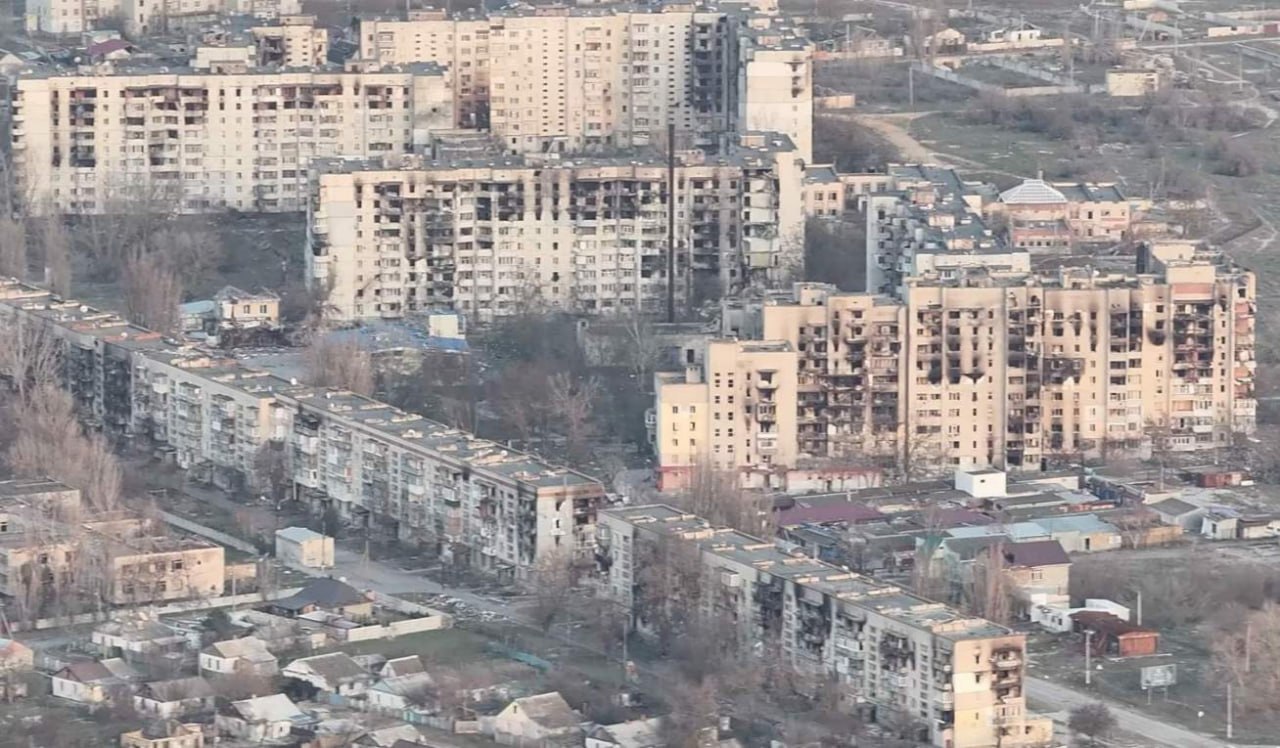
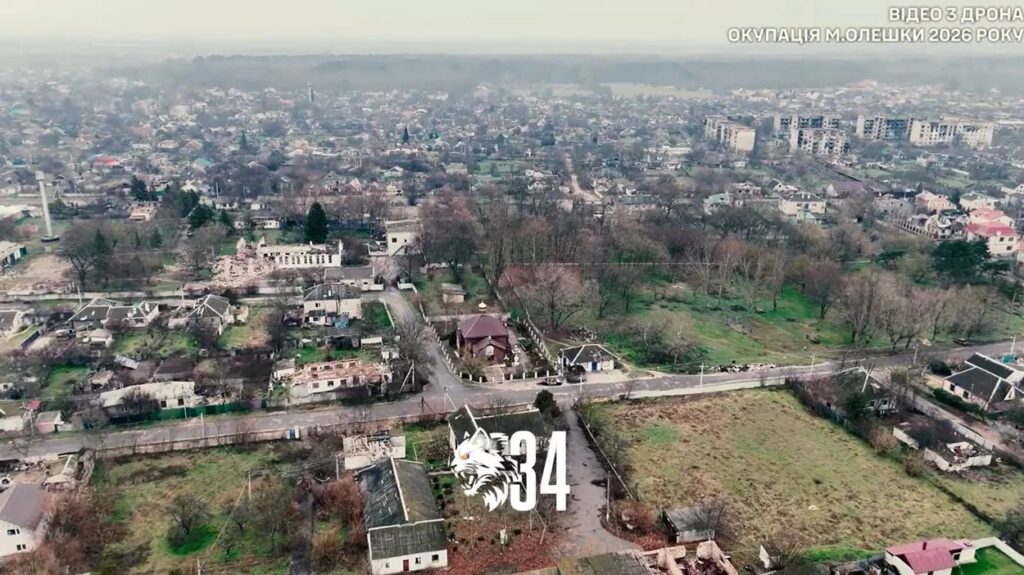
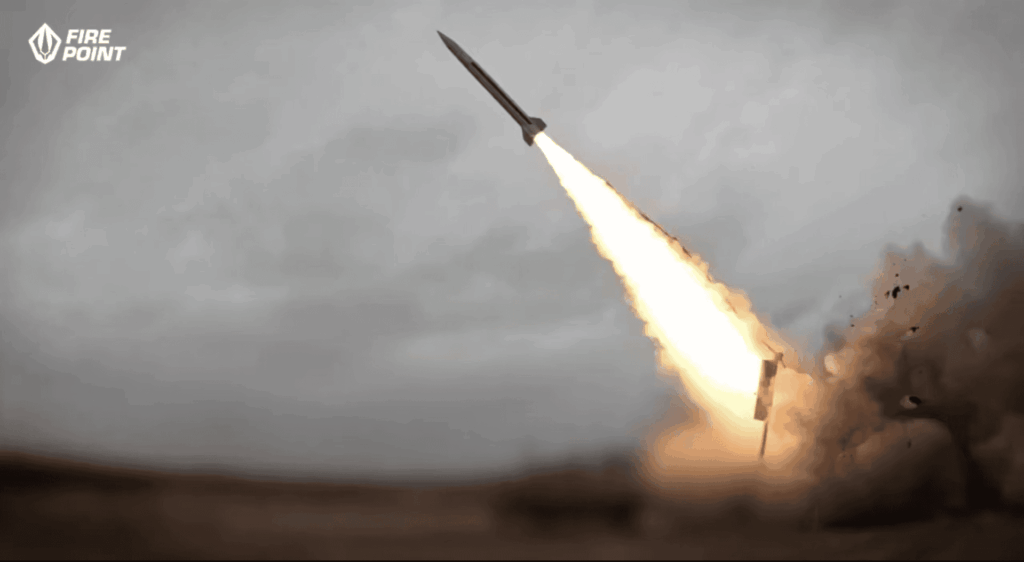
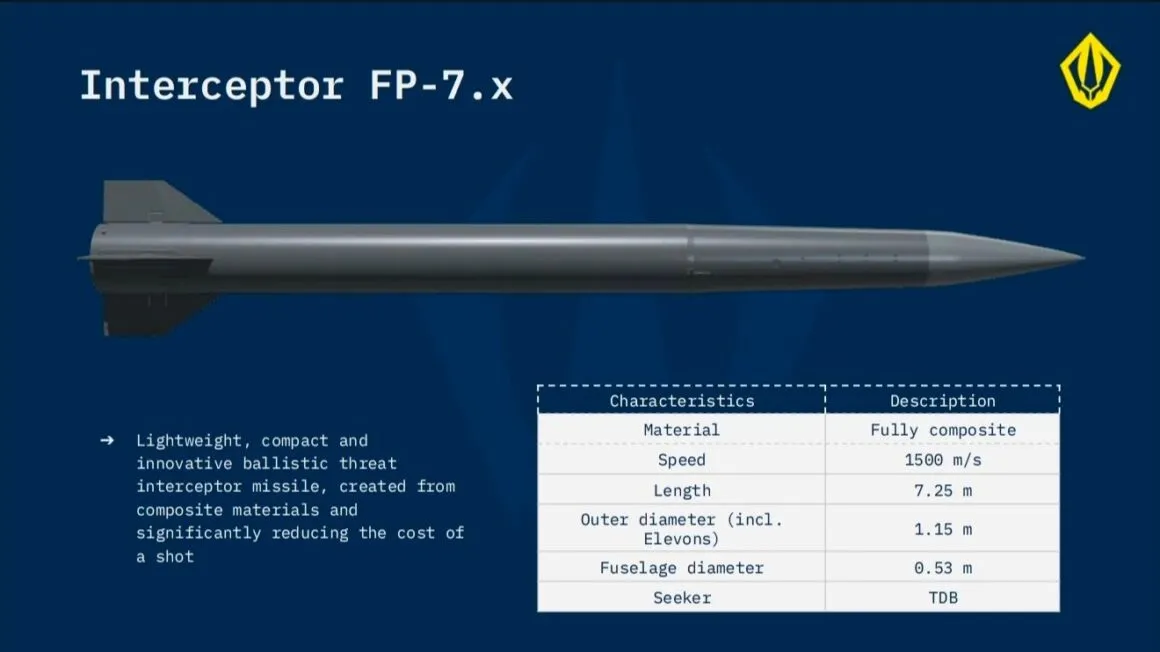
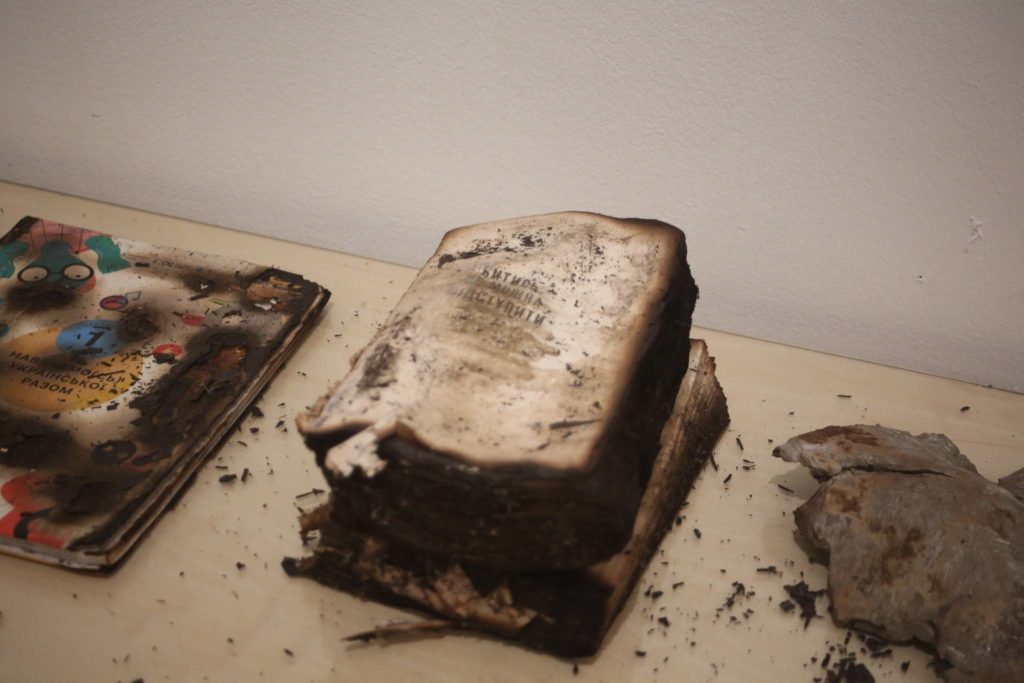
 Ukraine’s State Emergency Service