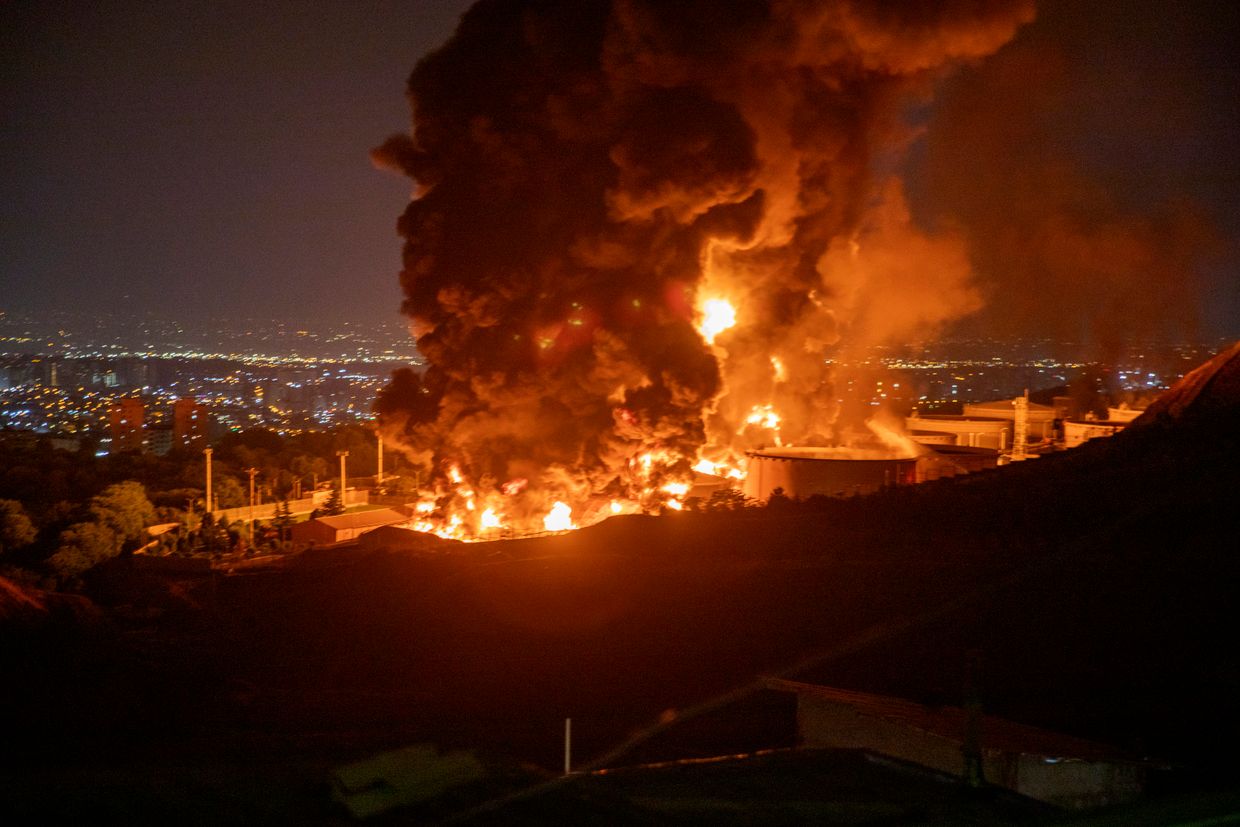
Journalists from 17 European public service broadcasters, coordinated by the European Broadcasting Union’s (EBU) Eurovision News Spotlight network, published an interactive map on 23 October 2026. It documents hybrid incidents linked to Russia across 17 European countries between 1 April and 15 October. Journalists compiled a database of hundreds of reported incidents, categorizing each by type and the source and strength of its alleged links to Russia, then verifying them through open-sou
Journalists from 17 European public service broadcasters, coordinated by the European Broadcasting Union’s (EBU) Eurovision News Spotlight network, published an interactive map on 23 October 2026. It documents hybrid incidents linked to Russia across 17 European countries between 1 April and 15 October. Journalists compiled a database of hundreds of reported incidents, categorizing each by type and the source and strength of its alleged links to Russia, then verifying them through open-source research.
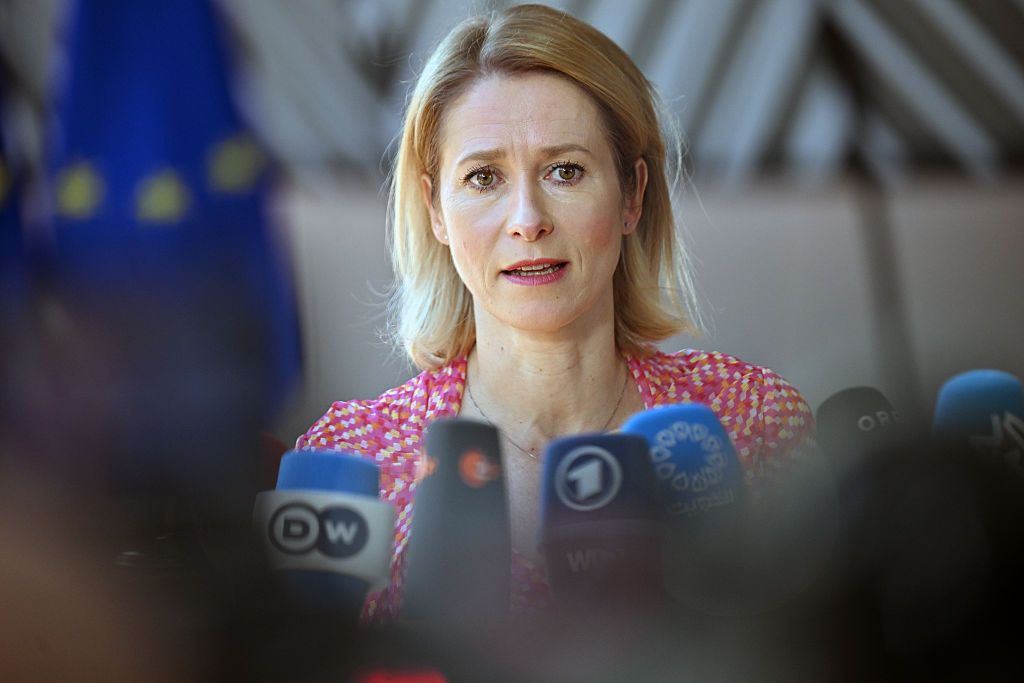
The map comes as officials warn the campaign is growing. On 28 September, EU foreign policy chief Kaja Kallas said in Brussels that Russia was planning more acts of sabotage to divide societies and intimidate them into abandoning their support for Ukraine. The points on the map represent an incomplete list of publicly known cases attributed to Russia or suspected of being linked to it, the report states.
The map covers airspace violations, sabotage attempts, “disposable” agents with no formal intelligence training, migration used as a weapon, and Russian military activity near or across European borders. It excludes cyberattacks, influence operations, and espionage by trained intelligence officers.
The EBU calls the result a very conservative estimate, not an official tally. Russia has consistently denied responsibility for the incidents. Many single points represent several incidents of the same type in one area or in quick succession. In Moldova, for example, Defense Minister Anatolie Nosatîi said on 30 September that the government had recorded 84 drone incursions.
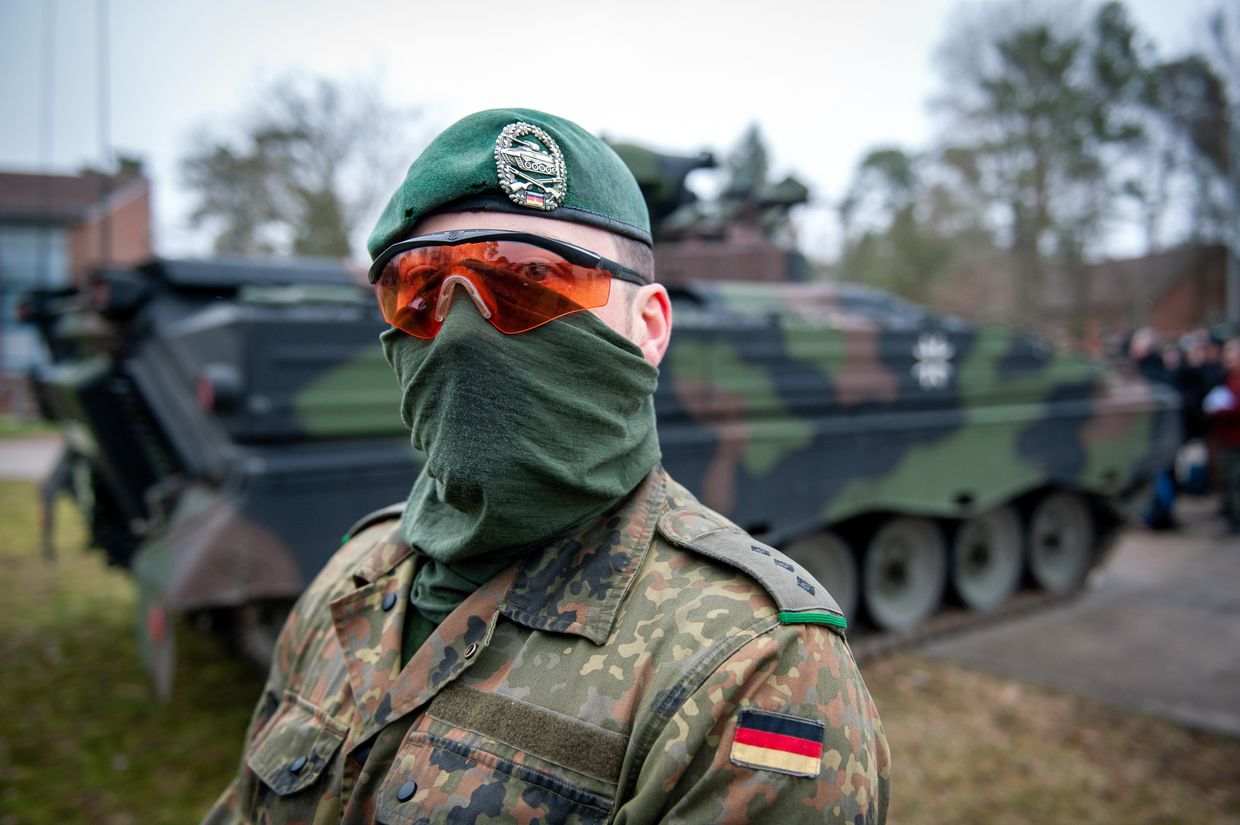
Four German incidents are on the map, out of many more
The map shows four incidents in Germany, according to BR.
The four incidents in Germany on the EBU hybrid war map, 2 August to 14 September 2026. Other dots mark Russia-linked incidents in neighboring countries. Map: Luc Martinon/EBU, Eurovision News Spotlight; edited by Euromaidan Press
On 2 August, German authorities arrested a 33-year-old Ukrainian man in Thuringia on suspicion of photographing a Bavarian weapons manufacturer for a foreign intelligence service as part of an alleged sabotage plot.
On 4 August, a drone carrying explosives and a detonator struck the wing of a Ukrainian An-124 cargo plane at Leipzig/Halle Airport but failed to explode.
On 3 September, attackers threw firebombs from a car onto a construction site next to defense firms in Munich, and German security authorities suspect Russian intelligence.
On 14 September, investigators learned of a crashed drone found near the Bundeswehr’s Wunstorf air base.
Internal papers from the new Joint Hybrid Defense Center, seen by Correctiv, record 163 suspected sabotage cases in 2026 up to 19 August. The targets included rail lines, military facilities, substations, and radio masts. The same papers record 1,034 drone overflights of critical infrastructure, military sites, and defense companies, and 25 espionage investigations. The papers cover possible attacks by Russia, China, and Iran, and media did not report a breakdown of the sabotage cases by country.
European leaders sound the alarm over Russian hybrid attacks
On 15 April, Swedish civil defense minister Carl-Oskar Bohlin said pro-Russian groups had moved from denial-of-service attacks to attempts at destructive cyberattacks, including one on a Swedish power plant in 2025. On 1 September, German Foreign Minister Johann Wadephul named Russia as the perpetrator of the Leipzig attack and accused Moscow of “blatant hostility” toward Germany.
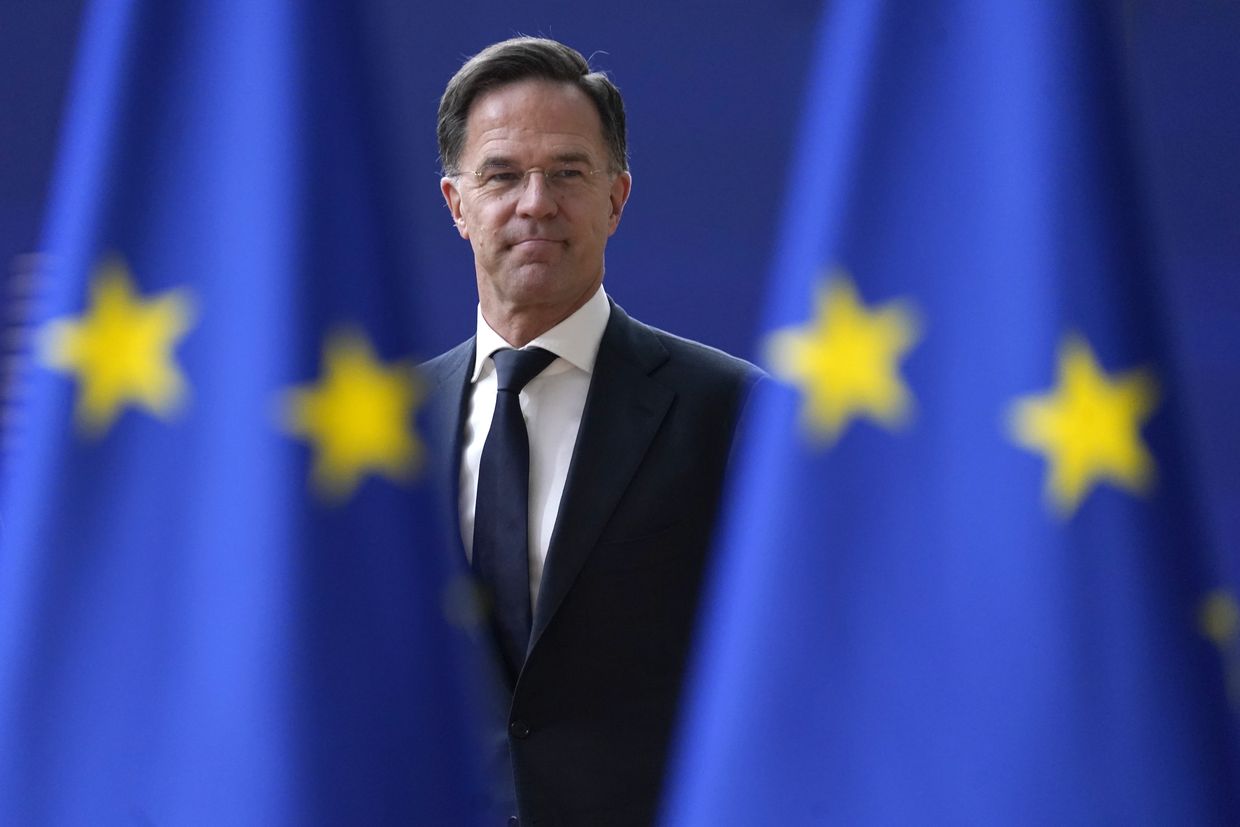
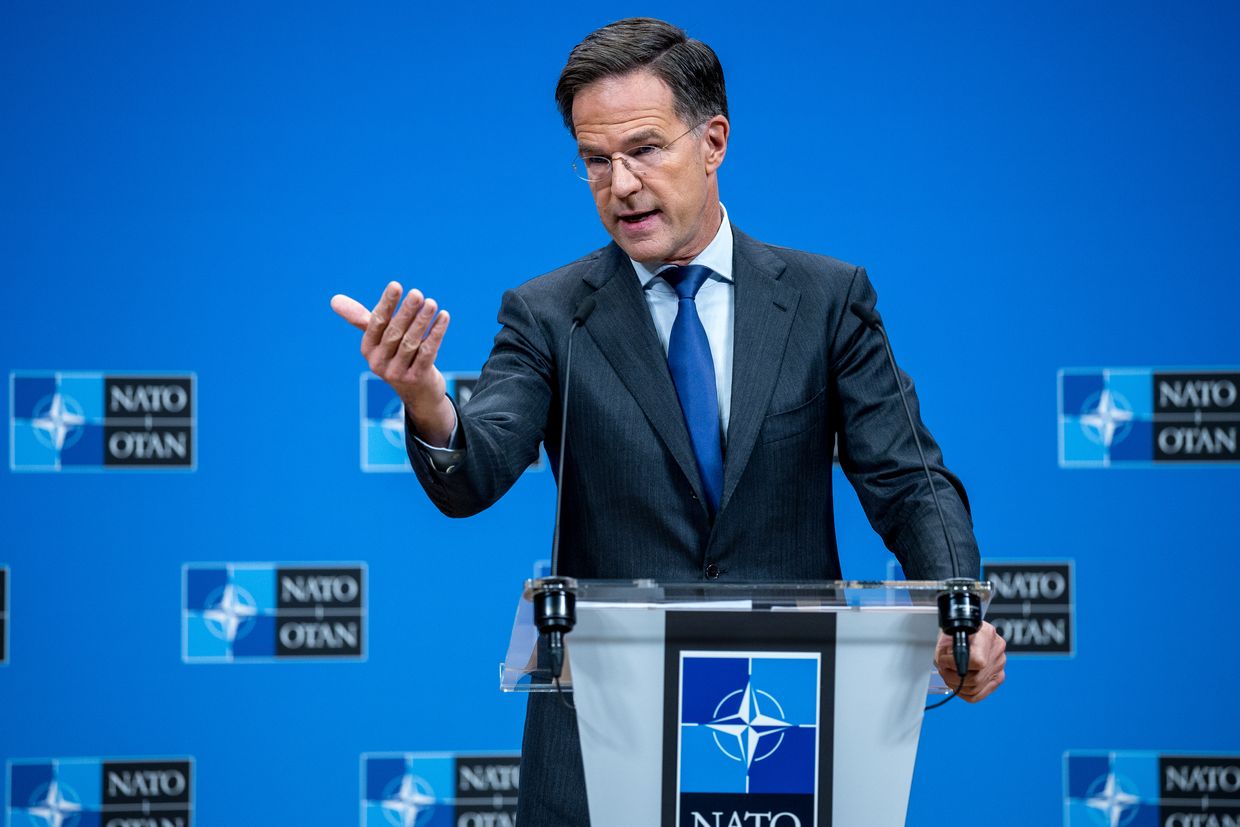
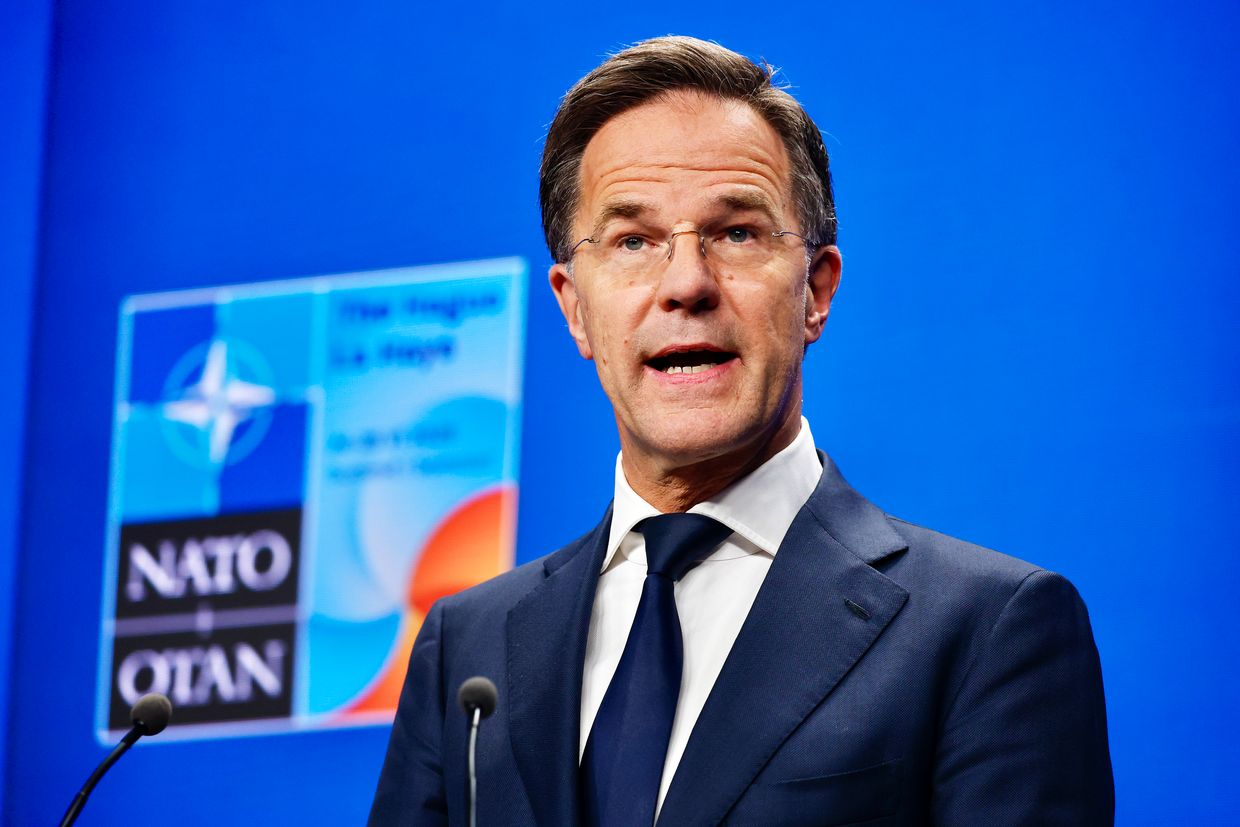
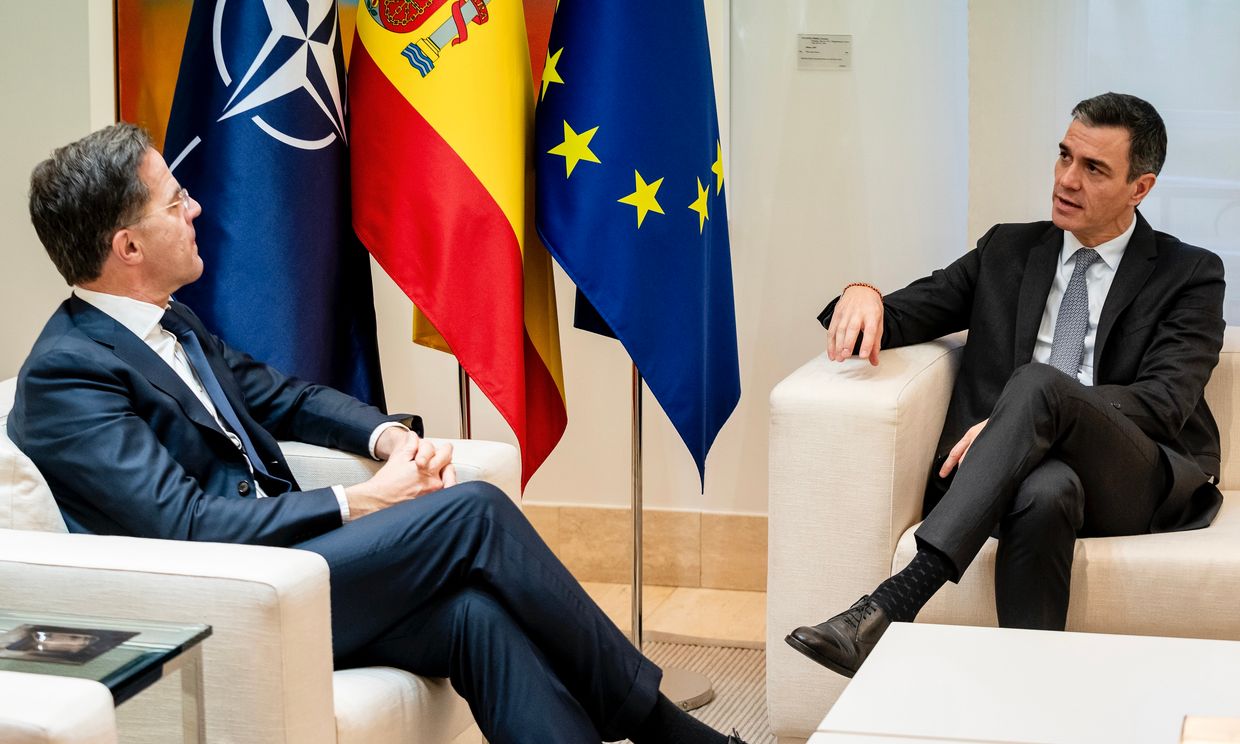
On 18 September, French President Emmanuel Macron said Russia’s hybrid attacks would not go unanswered and ordered a plan to protect France’s critical infrastructure. On 1 October, German Chancellor Friedrich Merz said Germany was preparing for new hybrid attacks, “including serious ones.” NATO Secretary General Mark Rutte on 14 October called the attacks a sign of Russian weakness at a press conference in Tallinn and said NATO would react where needed without being “rattled.”
Ukraine, the US, the EU, and NATO plan to meet in Brussels this week to discuss security for Ukraine, President Volodymyr Zelenskyy told Ukrainian TV. The meeting would follow last week’s talks in Oslo and a US envoy’s visit to Russian President Vladimir Putin.
Guarantees are what would oblige Ukraine’s allies to act if Russia attacks again. The Paris Declaration laid plans for that commitment in January. Kyiv had a briefing from the Americans, and now the partners want a broad discussi
Ukraine, the US, the EU, and NATO plan to meet in Brussels this week to discuss security for Ukraine, President Volodymyr Zelenskyy told Ukrainian TV. The meeting would follow last week’s talks in Oslo and a US envoy’s visit to Russian President Vladimir Putin.
Guarantees are what would oblige Ukraine’s allies to act if Russia attacks again. The Paris Declaration laid plans for that commitment in January. Kyiv had a briefing from the Americans, and now the partners want a broad discussion of security and guarantees, Zelenskyy said. Brussels comes ahead of three-way talks with Russia, which the Kremlin says Putin is ready in principle to resume in mid-November.
Zelenskyy: meeting planned for Tuesday or Wednesday
The meeting is planned for Tuesday or Wednesday, 27 or 28 October, Zelenskyy said in the interview, aired on 25 October. The EU would take part at the presidential level and NATO at the level of its secretary general. He did not know whether anyone else would join. He also said Ukraine’s neutrality and limits on its army are not up for discussion.
After Oslo, Witkoff briefed Putin in St. Petersburg
Earlier, on 20 October, Zelenskyy met US special envoy Steve Witkoff in Oslo, with Finnish President Alexander Stubb and Norwegian Prime Minister Jonas Gahr Støre present. According to Zelenskyy, a wider round there included national security advisers from Germany, the UK, France, and Italy, the chief of staff of the European Commission president, and NATO representatives.
A day later, Witkoff met Putin in St. Petersburg and said he had brought papers setting out possible paths to a settlement. He told Putin the Oslo talks had been productive. However, Kremlin aide Yuri Ushakov claimed the new ideas from the Europeans and Kyiv that Witkoff relayed held little of use for a settlement.
Europe’s leaders can no longer trust a word that comes out of Washington. No more slaps on the wrist – we need concrete steps to punish TrumpHistorical comparisons are always inexact. No one conflict precisely mirrors another. Yet Donald Trump’s shameless appeasement of Vladimir Putin carries more than a noxious whiff of Neville Chamberlain’s failed attempt in Munich in 1938 to head off war with Nazi Germany. To be fair to the former UK prime minister – and history largely hasn’t been – his peac
Europe’s leaders can no longer trust a word that comes out of Washington. No more slaps on the wrist – we need concrete steps to punish Trump
Historical comparisons are always inexact. No one conflict precisely mirrors another. Yet Donald Trump’s shameless appeasement of Vladimir Putin carries more than a noxious whiff of Neville Chamberlain’s failed attempt in Munich in 1938 to head off war with Nazi Germany. To be fair to the former UK prime minister – and history largely hasn’t been – his peacemaking efforts had the enthusiastic backing of most people in Britain and France who, like him, were desperate to avoid a repeat of the horrors of the first world war. Trump enjoys no equivalent public support for his treachery. Nor does he face the prospect of a US war with Russia. His betrayal of Ukraine is cynically self-interested, globally dangerous and utterly contemptible.
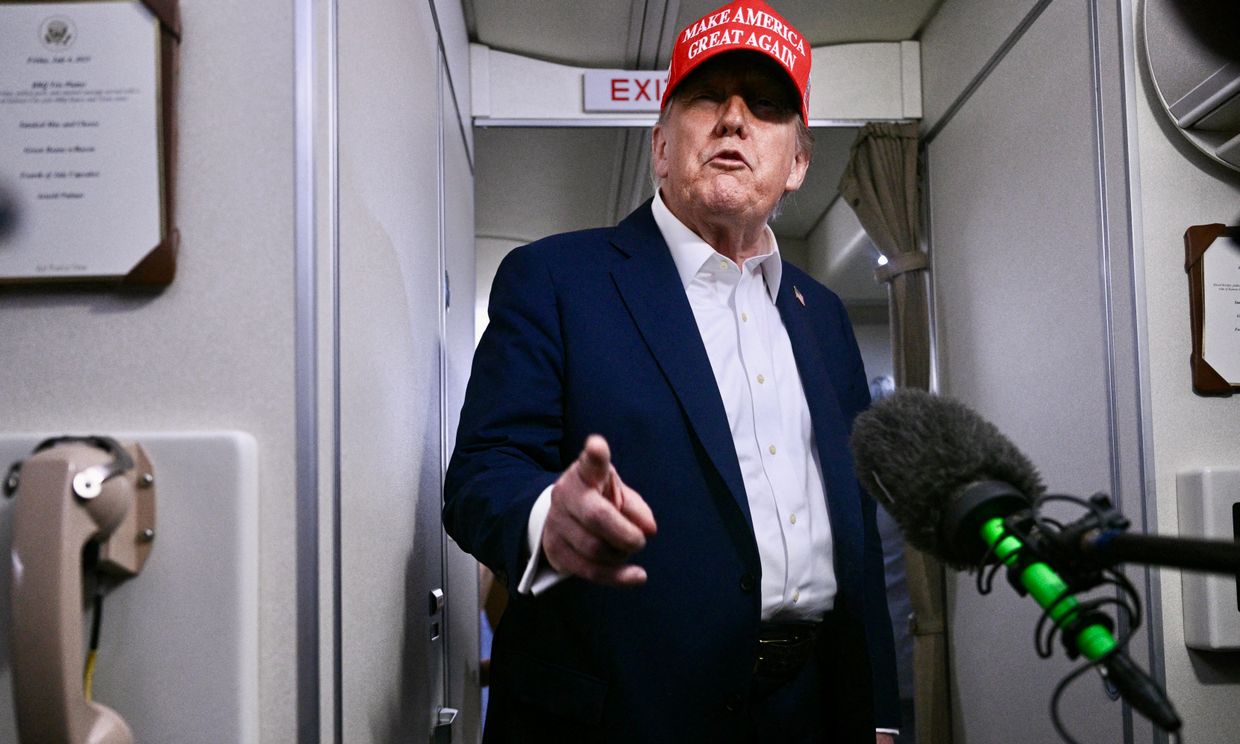
US-Russian talks on agreeing the shoddy terms of a precedent-setting American sell-out of Ukraine are at an advanced stage, after meetings in St Petersburg this week. Trump has zigzagged over the war ever since returning to office. Now, panicked by record-low poll ratings, he seems determined to scapegoat Ukraine and force its de facto capitulation. Recent steps – his shocking decision to fund Putin’s war machine by buying Russian diesel, his waiving of tougher sanctions, his mysterious, lethal interruptions in US satellite and intelligence sharing with Kyiv, and his renewed attempt to oust Ukraine’s president, Volodymyr Zelenskyy – mark Trump out as the skulking Judas, the craven Brutus of the modern age. He makes Chamberlain look like a man of iron principle. All that’s lacking is an umbrella.
Simon Tisdall is a Guardian foreign affairs commentator
In a direct confrontation with Russia, European NATO states would likely be even more vulnerable than Ukraine to swarms of Russia’s new jet-powered strike weapons, Fabian Hoffmann of the Norwegian Institute for Defence Studies (NIDS) argued in a 20 October op-ed for the Center for European Policy Analysis (CEPA). He calls them low-cost cruise missiles. Just three days earlier, Romania met what it believes were two of them over the Black Sea.
Romanian F-16 fighter jets shot down two jet-
In a direct confrontation with Russia, European NATO states would likely be even more vulnerable than Ukraine to swarms of Russia’s new jet-powered strike weapons, Fabian Hoffmann of the Norwegian Institute for Defence Studies (NIDS) argued in a 20 October op-ed for the Center for European Policy Analysis (CEPA). He calls them low-cost cruise missiles. Just three days earlier, Romania met what it believes were two of them over the Black Sea.
Romanian F-16 fighter jets shot down two jet-powered Geran-family drones over Romania’s territorial waters on 17 October, the Defense Ministry said. Interim Defense Minister Radu Miruță said they flew at about 450 km/h and were likely Geran-4s, the first of that type Romania had downed.
Faster drones for a faster war
Russia began using the Geran-4 in May in response to effective Ukrainian interceptor drones, Ukraine’s military intelligence (HUR) said, adding that it reaches up to 500 km/h. By June, those interceptors were downing about half of slower Shahed-type drones, defense adviser Serhii Beskrestnov estimated.
Hoffmann traces the shift to the Geran-3, a model Ukraine recovered intact in 2025. In his account, a Chinese JT80 turbojet roughly doubled its speed, from 185 to 350 km/h. However, he puts newer models, including the Geran-4, at 600 km/h or more, above HUR’s figure for that model.
By his estimate, each costs $150,000–$250,000, against about $50,000 for a long-range drone. Still, from Russia’s perspective, he wrote, that buys a significantly higher chance of getting through.
Explore further
Ukraine is testing four new drone interceptors as Russia floods its skies with faster Gerans
Engines are the bottleneck
Hoffmann argues defenses must match the threat’s speed, for example with jet-powered interceptor drones. Ukraine already fields some. On 4 October, President Zelenskyy said its Bars interceptors had shown the highest percentage among Ukrainian interceptors, about 30% of targets, according to Militarnyi. One unit destroyed five aerial targets with five Bars interceptors, Defense Minister Yevhenii Khmara later told journalists. He also called aviation one of the most effective tools against jet drones.
Hoffmann’s concern is scale. Jet engines are in short supply, he wrote, because too few European and US suppliers can meet demand. Ukraine’s Defense Industry Council flagged a shortage of such engines for its drones in April. In his view, gun systems and higher-end missile defenses are too scarce or too costly to fill the gap.
Ukraine is counting on buying part of Lockheed Martin’s growing output of ballistic missile interceptors, President Volodymyr Zelenskyy said. He met the US company’s team in Kyiv on 19 October and also raised servicing and repairing F-16 fighter jets inside Ukraine.
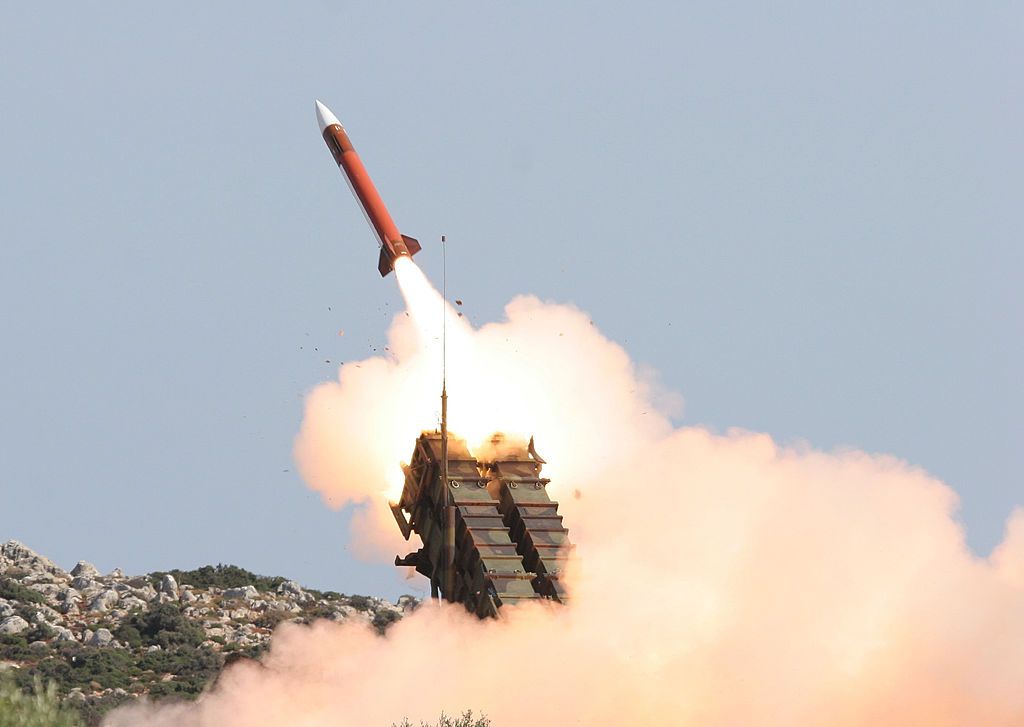
Russia keeps striking Ukraine’s power grid with ballistic missiles, and interceptor supplies fall short of that threat. Kyiv is working every route to more Patriot missiles, from US deliveries to allies’ stocks, and some hav
Ukraine is counting on buying part of Lockheed Martin’s growing output of ballistic missile interceptors, President Volodymyr Zelenskyy said. He met the US company’s team in Kyiv on 19 October and also raised servicing and repairing F-16 fighter jets inside Ukraine.
Russia keeps striking Ukraine’s power grid with ballistic missiles, and interceptor supplies fall short of that threat. Kyiv is working every route to more Patriot missiles, from US deliveries to allies’ stocks, and some have stalled. Greece, for one, has not confirmed it will hand any over, citing its own defense needs. A purchase from the missiles’ maker would add one more route.
Growing output, F-16 repairs in Ukraine
Lockheed Martin builds the PAC-3 MSE interceptors fired by Patriot air defense systems, as well as the F-16. Zelenskyy said both matter against Russian ballistic missiles and jet-powered Shahed drones. Neither area is easy right now, he added.
“We count on the opportunity to purchase some of them to protect more lives,” he wrote.
On 28 July, Zelenskyy met the company in Washington to discuss joint production. That came weeks after US President Donald Trump pledged Ukraine a license to manufacture Patriots.
A batch reportedly stuck in Washington
Meanwhile, US Defense Secretary Pete Hegseth has not signed off on a “significant” batch of Patriot missiles, Ukrainian officials told the Kyiv Independent. One official said allies had already paid for them. A US government official called the claims untrue, and the Pentagon did not respond. A NATO official said allied-funded deliveries, including air defense, continue. A second NATO official said some shipments could be delayed, but likely not for political reasons.
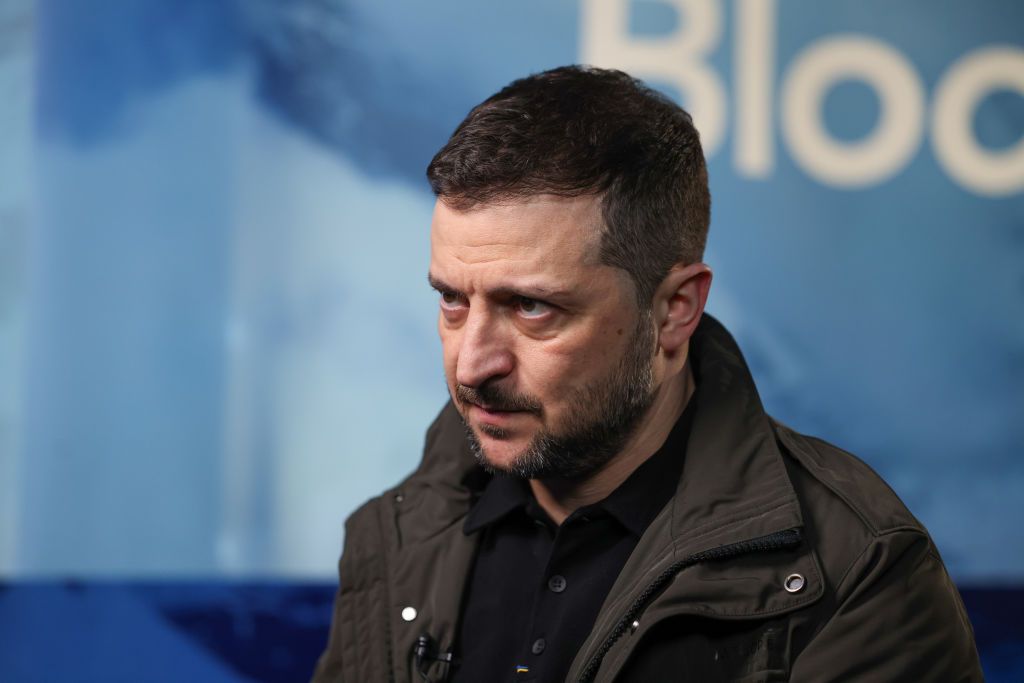
Zelenskyy told Bloomberg on 18 October that the US delivers only 12 Patriot interceptors a month. On 20 October, interceptors topped his list in a call with US Secretary of State Marco Rubio.
No purchase was announced, so new interceptors from this route remain a prospect. Meanwhile, partners’ early warnings of Russian ballistic launches have gone missing three times recently, Zelenskyy wrote. Those warnings give air defenses extra minutes to prepare.
Russia wants America and China to decide Ukraine’s future without Kyiv. Europe must challenge this dangerous return to diplomacy of the strong for the strongDoes Vladimir Putin know exactly how to play Donald Trump? The history of chummy phone calls, high-profile meetings and attempts to bring Russia in from the cold certainly suggests that Moscow’s thuggish ruler has a hold on this American president. If Mr Trump agrees to negotiate Ukraine’s future with Mr Putin and China’s Xi Jinping without
Russia wants America and China to decide Ukraine’s future without Kyiv. Europe must challenge this dangerous return to diplomacy of the strong for the strong
Does Vladimir Putin know exactly how to play Donald Trump? The history of chummy phone calls, high-profile meetings and attempts to bring Russia in from the cold certainly suggests that Moscow’s thuggish ruler has a hold on this American president. If Mr Trump agrees to negotiate Ukraine’s future with Mr Putin and China’s Xi Jinping without Ukraine at the table, he will have handed the Russian leader a victory before talks begin. The message will be that strongmen are ruling the world and determining the fate of weaker nations.
Ukraine has the right to determine its future. That right cannot be waved away by a self-serving Russian proposal, however much it indulges Mr Trump’s belief that world affairs should be settled by powerful men. The scales are falling from European eyes. Trumpian America is raising doubts about whether it will help deter aggression or even honour its Nato commitments. If Washington now rewards Moscow and pressures Ukraine to accept a raw deal, it would be a betrayal. European governments would wonder where America might be in the future when their own security is threatened.
Do you have an opinion on the issues raised in this article? If you would like to submit a response of up to 300 words by email to be considered for publication in our letters section, please click here.
Downing Street emphasises sacrifices of UK troops and reasserts ‘unwavering’ support for Ukraine amid softening US policy towards RussiaDowning Street has criticised Pete Hegseth for downplaying the role of Nato allies in helping the US with combat operations in Afghanistan, saying Donald Trump’s defence secretary had been wrong to do so.The direct condemnation came as No 10 more carefully distanced itself from Trump’s increasing willingness to engage with Russia, saying the UK’s backing for Ukr
Downing Street emphasises sacrifices of UK troops and reasserts ‘unwavering’ support for Ukraine amid softening US policy towards Russia
Downing Street has criticised Pete Hegseth for downplaying the role of Nato allies in helping the US with combat operations in Afghanistan, saying Donald Trump’s defence secretary had been wrong to do so.
The direct condemnation came as No 10 more carefully distanced itself from Trump’s increasing willingness to engage with Russia, saying the UK’s backing for Ukraine was “unwavering”.
Romania has proposed a joint NATO military command for the Black Sea, as drones hit four merchant ships in 24 hours, three of them off its coast, and its foreign minister said Russia "bears full responsibility." NATO ambassadors will discuss the attacks next week.
Russia’s strikes on merchant ships in the Black Sea have escalated this autumn and reached NATO shores. Drones have attacked at least eight merchant vessels near Romania and Bulgaria since 5 October, two of them inside Romania
Romania has proposed a joint NATO military command for the Black Sea, as drones hit four merchant ships in 24 hours, three of them off its coast, and its foreign minister said Russia "bears full responsibility." NATO ambassadors will discuss the attacks next week.
Russia’s strikes on merchant ships in the Black Sea have escalated this autumn and reached NATO shores. Drones have attacked at least eight merchant vessels near Romania and Bulgaria since 5 October, two of them inside Romania’s territorial waters. Until now, neither country had named the attacker, and Bulgaria still says it cannot prove who it was. Romania’s patience appears to have run out, and next week’s NATO meeting will show whether the alliance is ready to go further as Russia’s war spills beyond Ukraine’s borders.
Acting Defense Minister Radu Miruță wrote on Facebook on 14 October that "the Black Sea needs a joint military command of the NATO riparian states." "The Black Sea incidents, involving drones, sunk ships, and naval mines, oblige us to act, not wait," he wrote, after a call with his Bulgarian counterpart. Leadership and location would rotate among the member states. Romania is ready to host the command on its coast from 2028 and would accept a start on Türkiye's coast until then, he said. He proposed that Romania and Bulgaria send NATO a joint letter backing the idea.
The next day, Foreign Minister Oana Țoiu wrote on X that four commercial ships had been attacked over the previous day, including in Romania's territorial waters and exclusive economic zone, and that eight people had died. "Russia is turning the Black Sea into a dangerous area for civilian ships," she wrote. "Killing sailors from commercial ships, both in this region and anywhere in the world, is a crime. Russia bears full responsibility for these developments."
Earlier that day, as two tankers burned off Romania's coast, Bucharest had said it was still checking whether drones were involved.
Explore further
Two tankers burn off Romania’s Sulina as Bulgaria says it lacks proof Russia is behind the Black Sea ship attacks
Țoiu said NATO Secretary General Mark Rutte had agreed to convene the allies within days, after he met Romanian President Nicușor Dan and Bulgarian Prime Minister Rumen Radev in Brussels. NATO ambassadors will meet next week, France 24 reported. No date has been announced.
An escalating drone strike campaign
Map: Euromaidan Press
Drones have been hitting merchant ships for weeks on the route from Ukraine's Danube and Odesa ports to the Bosporus. Besides the latest strikes off Romania, Reuters counts at least five cargo ships hit near Romania and Bulgaria in the past 10 days, with 23 sailors dead or missing, most of them outside any NATO member's territorial waters. This week the strikes reached Romania's own waters.
The Comoros-flagged tanker Yara J was hit inside Romanian territorial waters late on 14 October, off Sulina, the port at the mouth of the Danube. Its crew was unharmed, and it was towed to the Romanian port of Constanța.
Early on 15 October drones struck the San Marino-flagged chemical tanker Wine Trader about a mile outside Romanian waters, also southeast of Sulina. Five of its 12 crew were rescued. Seven were still missing on 16 October, when rescuers returned to search the ship.
Two more ships were also targeted, Reuters reported: the Marshall Islands-flagged Sea Destiny, inside Romanian waters according to NATO, and the Tanzania-flagged Dania J, moored at the Ukrainian Danube port of Izmail.
Țoiu did not say which ships her eight dead were from, and Reuters still lists the Wine Trader's seven as missing. A NATO military source told Reuters the drones that hit both tankers came from Russia.
The chemical tanker Wine Trader. Photo: VesselFinder
Romania's president says too early to say
Romania's president has not gone as far as his foreign minister. Dan told reporters in Brussels it was "obvious" that the attacks were Russian attempts to destabilize Romania and Bulgaria and reduce support for Ukraine. But he also said it was too early to say definitively that Russia had launched the drones, according to Politico.
Bulgaria, Romania's partner on the command proposal, says it suspects Russia but cannot prove it. Two ships were hit off its coast on 13 October, and one, the HS Dignity, sank. The other, the Chelsea 3, is Ukrainian-owned.
Radev told parliament on 14 October that the attacks worked in Russia's favor and that "logic leads there." "The problem is that we cannot prove it," he told MPs. Sofia summoned the Russian ambassador. Radev also said EU leaders would discuss a moratorium on attacks on civilian ships in the Black Sea.
Bucharest has blamed Russia for drones before, though over its airspace, not its shipping. On 27 July it expelled a Russian diplomat after prosecutors confirmed that fragments of drones downed on Romanian territory were Russian. Russia, Romania's Foreign Ministry said then, "bears exclusive responsibility."
Ukraine ships most of its farm exports across the Black Sea. Euromaidan Press's David Axe has written on how the fight over shipping there has escalated.
Explore further
Russia is losing the Black Sea grain war it started. Its answer is to sink civilian ships off Romania and Bulgaria
Two tankers caught fire within about 12 hours off Sulina, Romania’s port at the mouth of the Danube, Romanian authorities reported. The crew of one said a drone hit it inside Romania’s territorial waters, while Bucharest says it is still checking whether drones were involved. Bulgaria, where drones sank ships in its economic zone this month, says it lacks proof that Russia launched them.
For months, Russia has struck civilian ships on the sea route that carries most of Ukraine’s farm ex
Two tankers caught fire within about 12 hours off Sulina, Romania’s port at the mouth of the Danube, Romanian authorities reported. The crew of one said a drone hit it inside Romania’s territorial waters, while Bucharest says it is still checking whether drones were involved. Bulgaria, where drones sank ships in its economic zone this month, says it lacks proof that Russia launched them.
For months, Russia has struck civilian ships on the sea route that carries most of Ukraine’s farm exports, while its drones have repeatedly crossed into Moldova and Romania during attacks on Ukraine. As long as Bucharest and Sofia wait for drone wreckage before naming anyone, Russia, the party Bulgaria’s own prime minister says the logic points to, pays no price for extending its war on Ukraine’s trade routes into NATO members’ waters.
Seven sailors missing after the second fire
The San Marino-flagged chemical tanker Wine Trader reported a fire in its superstructure around 07:00 on 15 October while anchored in Romanian territorial waters about 13 nautical miles southeast of Sulina, Romania’s Naval Authority said. By midday, five of its 12 crew had been recovered and seven were still missing.
The chemical tanker Wine Trader. Photo: VesselFinder
Hours earlier, at 01:34, a drone entered Romanian airspace over the country’s waters southeast of Sulina for about a minute before vanishing from radar, the Defense Ministry said. Authorities have not named a cause for the fire, though unnamed sources
Ukraine and NATO have unveiled two artificial intelligence (AI) tools in Vilnius, Lithuania, Ukraine’s Defense Ministry reported on 13 October. One forecasts Russian drone attacks near the front and is ready to join the Armed Forces’ situational awareness systems. The other helps plan artillery fire and is still in testing.
A forecast of where, when, and which drones will fly targets the main source of losses near the front. In March, Ukraine’s military put the share of front-line casua
Ukraine and NATO have unveiled two artificial intelligence (AI) tools in Vilnius, Lithuania, Ukraine’s Defense Ministry reported on 13 October. One forecasts Russian drone attacks near the front and is ready to join the Armed Forces’ situational awareness systems. The other helps plan artillery fire and is still in testing.
A forecast of where, when, and which drones will fly targets the main source of losses near the front. In March, Ukraine’s military put the share of front-line casualties caused by FPV drones at up to 80%. In May, Ukraine’s drone forces commander Robert Brovdi said Russia was copying Ukraine’s model to grow its drone forces. A month earlier, Presidential Office head Kyrylo Budanov wrote that adding more drones no longer fundamentally changes the battlefield. The next stage, he said, is full integration of AI.
Forecasting Russian drone attacks
The NATO-Ukraine Joint Analysis, Training and Education Center (JATEC) presented both at a three-day seminar in the Lithuanian capital. NATO’s Allied Command Transformation and Ukraine’s Armed Forces built the tools with JATEC’s support.
“The solution has already been validated using real-world datasets. It has been refined and is ready for integration into the Armed Forces of Ukraine's situational awareness systems,” the ministry said.
Model No. 13 works from past data, weather, and the current battlefield situation. The ministry said it can identify the intensity of attacks, the areas, the time windows, and the types of drones with a high probability.
Ranking artillery options
Model No. 32 is a decision-support module. It tests whether artillery plans can be generated automatically. It weighs the mission’s requirements and current operational data, including available weapons, ammunition, firing positions, and constraints.
Explore further
Ukraine’s new military AI does more than watch the battlefield—it helps commanders plan what comes next
First, it applies logistics, ballistics, and impact-zone parameters to throw out unworkable options. Then it scores and ranks the rest. That means less hand-based comparison, faster decisions, and a more efficient fire loop, the ministry said. The prototype is now with the Ukrainian military for trials. If the trials succeed and it is validated, it could be expanded to other units that strike Russian forces.
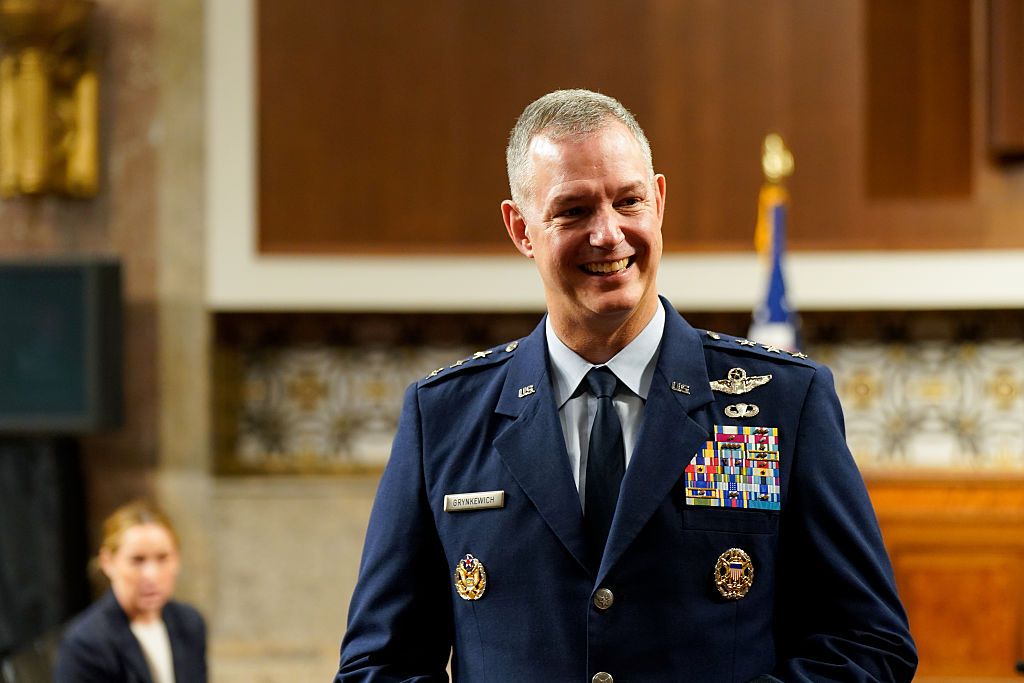
Russian sabotage assaults on Europe should end with more weapons flowing to Ukraine, NATO’s top commander in Europe says. NATO should respond to the attacks by increasing contributions to the alliance’s PURL weapons program or by sending Ukraine more air-defense interceptor missiles, Supreme Allied Commander Europe General Alexus Grynkewich said at the Warsaw Security Forum, Ukrinform reports.
The remark runs counter to a fresh scare. After US President Donald Trump’s diesel deal with R
Russian sabotage assaults on Europe should end with more weapons flowing to Ukraine, NATO’s top commander in Europe says. NATO should respond to the attacks by increasing contributions to the alliance’s PURL weapons program or by sending Ukraine more air-defense interceptor missiles, Supreme Allied Commander Europe General Alexus Grynkewich said at the Warsaw Security Forum, Ukrinform reports.
The remark runs counter to a fresh scare. After US President Donald Trump’s diesel deal with Russia, European officials said that Washington had threatened to halt weapons for Ukraine through PURL, the Financial Times reports, unless Kyiv stopped hitting Russian refineries. Grynkewich’s call to expand the program ran the other way.
One of the main goals of Russia’s hybrid operations, from airspace violations to sabotage and cyberattacks, is to break the West’s will to keep backing Ukraine, he stated. The sharpest answer is to prove that assumption wrong, he argued, turning each attack into a reason to send more.
The PURL program that lets allies fund US-made weapons for Ukraine, which drew nearly $5.5 billion in pledges before May.
Name the culprit out loud, and watch Moscow lose its cover
Once responsibility for a specific attack is established, countries should publicly name who did it, Grynkewich noted, so Russia understands it has been exposed and that its network was never as untraceable as it believed.
Moscow bets it can escape blame because the West cannot work out who is behind an attack, in his telling. The response, he urged, should be to show that the West can.
One voice, not thirty-two, is what Russia actually fears
Coordination is the other half. Allies must craft a joint response rather than send Moscow chaotic, uncoordinated signals from individual states, he stressed, and must spell out clearly where their red lines lie.
That unity is itself a deterrent. A single, agreed answer tells Russia the alliance is harder to split than its hybrid campaign assumes, and that attacks meant to divide the West only harden its resolve, he contends.
Russia suffered vastly more casualties than Ukraine in September, a senior NATO military official told Bloomberg. Ukraine’s General Staff put the month’s Russian toll only slightly lower.
September’s toll lands on a recruitment system that was already falling short. Ukraine’s military intelligence (HUR) estimated that Russian losses outran new contracts in June and July, when monthly losses ran lower. In August, Ukrainian President Volodymyr Zelenskyy, citing military intelligence, warn
Russia suffered vastly more casualties than Ukraine in September, a senior NATO military official told Bloomberg. Ukraine’s General Staff put the month’s Russian toll only slightly lower.
September’s toll lands on a recruitment system that was already falling short. Ukraine’s military intelligence (HUR) estimated that Russian losses outran new contracts in June and July, when monthly losses ran lower. In August, Ukrainian President Volodymyr Zelenskyy, citing military intelligence, warned that Russia is preparing a mass call-up after its parliamentary elections. That vote ended on 20 September.
Where the numbers come from
Russian casualties passed 50,000 in September, up to 28,000 of them killed, the official said. Ukraine’s losses over the same month came to about 5,000, according to the official, who spoke on condition of anonymity. Russia does not release casualty figures, Bloomberg noted. In late August, Pavlo Palisa, deputy head of Ukraine’s Presidential Office, put Russia’s July losses at 43,000 killed and wounded. Bloomberg could not confirm his figures.
To push forward, Russia keeps feeding troops into “kill zones,” the official said. These are stretches of ground saturated with armed drones, mines, and artillery fire. Maksym, call sign Rumyn, is a deputy company commander in the 46th Airmobile Brigade’s drone battalion. In April, he said the zone once ran 3–5 km deep and is now several times larger.
Explore further
Ukraine suffered 10 times fewer casualties than Russia in Vivaldi counteroffensive, veteran says. Ukraine’s innovations in drone and ground robot tactics are changing frontline warfare
Rising stakes for Moscow
Russia’s defense spending is expected to near $199 billion this year, Bloomberg reported, citing two sources close to the government. That is about 40% above the plan the government set in late 2025.
Russian President Vladimir Putin would struggle to wind down the invasion without a political cost, Martin Jäger said last week. He heads Germany’s Federal Intelligence Service (BND).
Montenegro has ordered the expulsion of Mikhail Zvynchuk, head of the pro-Kremlin military information network Rybar, and four other Russian citizens over national security concerns following a security operation targeting suspected Russian hybrid influence activities, Vijesti reported on 9 October.
Zvynchuk is the founder and head of Rybar, a prominent Russian military-focused information network known for its Telegram channels covering Russia's war against Ukraine. The network promote
Montenegro has ordered the expulsion of Mikhail Zvynchuk, head of the pro-Kremlin military information network Rybar, and four other Russian citizens over national security concerns following a security operation targeting suspected Russian hybrid influence activities, Vijesti reported on 9 October.
Zvynchuk is the founder and head of Rybar, a prominent Russian military-focused information network known for its Telegram channels covering Russia's war against Ukraine. The network promotes pro-Kremlin narratives and has been associated with Russian propaganda and influence operations.
Montenegrin police announced on 9 October that the five Russians had their residence rights revoked and were ordered to leave the country on national and internal security grounds.
Montenegro investigates suspected Russian hybrid activity
The operation involved Montenegro's police and National Security Agency (ANB), which seized drones, high-resolution recording equipment, cameras, and several mobile phones for further examination, according to Vijesti.
According to Montenegrin authorities, the five had arrived in the country less than two days before the operation. The investigation is being conducted with support from international partners.
Montenegrin police identified the five Russian citizens as Zvynchuk, his wife Valeria Zvynchuk, Sergei Belous, Pavel Lekatorchuk, and Kira Doroshenko. Authorities said the case had been referred to prosecutors in Podgorica and Kotor.
The European Union has sanctioned Zvynchuk over activities that undermine or threaten Ukraine's territorial integrity, sovereignty, and independence. He has also been sanctioned by the United Kingdom, Switzerland, Australia, and Ukraine, according to Vijesti.
Suspected influence operation targeting EU integration
Vijesti reported, citing security sources, that Montenegrin authorities suspected the group of planning a documentary intended to undermine public support for the country's European integration.
According to the outlet, the planned material would portray Montenegro's expected alignment of its visa policy with EU standards as a politically imposed measure that threatens tourism, economic stability, and national interests.
Security services had monitored the group's arrival before carrying out the operation in Risan, in the Bay of Kotor area, Vijesti reported. The equipment seized from the group will undergo expert analysis to establish its intended purpose and use in Montenegro.
Medvedev threatens imprisoning “European and American idiots” for prisoner exchanges
Former Russian President Dmitry Medvedev responded to the operation by suggesting Moscow might need to expand its pool of prisoners to exchange for Europeans and Americans to secure Zvynchuk's return.
“We will probably have to replenish our pool of prisoners for exchange with European and American idiots,” Medvedev said, according to Vijesti.
Montenegro, a NATO member and EU candidate, has aligned itself with EU sanctions against Russia following Moscow's full-scale invasion of Ukraine in 2022. The expulsion comes amid broader European concerns over Russian intelligence activity, propaganda, and other forms of hybrid interference.
Polish SIM cards were found inside some of the Russian drones that entered Polish airspace during a mass incursion in September 2025, Polish outlet RMF24 reported, citing findings from a Polish prosecution investigation.
SIM cards can allow drones to connect to local cellular networks for functions such as communications, data transmission, telemetry, or navigation-related services. However, investigators have not said what the Polish SIM cards found in the Russian drones were used for.
Polish SIM cards were found inside some of the Russian drones that entered Polish airspace during a mass incursion in September 2025, Polish outlet RMF24 reported, citing findings from a Polish prosecution investigation.
SIM cards can allow drones to connect to local cellular networks for functions such as communications, data transmission, telemetry, or navigation-related services. However, investigators have not said what the Polish SIM cards found in the Russian drones were used for. The details remain classified.
The SIM cards were discovered in some of the Russian Gerbera drones recovered after the incursion, RMF24 reported.
Investigators have not disclosed whether the SIM cards were stolen or obtained illegally.
The investigation into the September 9–10, 2025 incursion was ultimately closed after prosecutors failed to identify those responsible for violating Polish airspace.
More than 30 drones entered Poland
The incursion took place overnight on September 9–10, 2025, during a large Russian missile and drone attack on Ukraine. More than 30 Russian Gerbera drones entered Polish airspace from the east and came down at 27 locations across the country, according to RMF24.
Polish forces intercepted and shot down multiple drones, with the Territorial Defense Forces deployed to search for wreckage and other objects that came down on Polish territory. Poland also maintained contact with NATO command throughout the operation.
The incident prompted Poland to close four airports – Warsaw Chopin, Warsaw-Modlin, Rzeszów-Jasionka and Lublin – because of the military activity.
Polish officials described the airspace violations as unprecedented and a serious threat to national security. The incident marked the first time since Russia's full-scale invasion of Ukraine that Polish forces had used weapons against Russian aerial objects that entered the country's airspace.
The mass incursion subsequently became the subject of a criminal investigation into the violation of Polish airspace and the threat to public safety.
Investigation closed without identifying perpetrators
After months of investigation, Polish prosecutors closed the case because they were unable to identify the perpetrators, according to Lublin District Prosecutor’s Office spokesman Marcin Kozak, as cited by RMF24.
Most of the case files, including the justification for the decision, are classified.
Explore further
Last September, Poland downed four of 19 Russian drones. This September, drone reached NATO’s missile shield in Redzikowo, and troops guarding it called 112
Prosecutors cleared Poland's military response
Investigators also examined whether the Polish military had responded properly to the drone incursion.
According to RMF24, prosecutors concluded that the military acted in accordance with procedures. Polish troops had the right to use force and shoot down hostile objects, and prosecutors found no irregularities in their response.
The investigation was therefore closed both over the failure to identify the perpetrators and over the assessment of the Polish military's actions.
NATO's Military Committee, the Alliance's highest military body, visited Kyiv on 6 October to reaffirm support for Ukraine, its chair, Admiral Giuseppe Cavo Dragone, said. It was the committee's first official visit to Ukraine's capital in eight years. The officers came to hear how Ukraine is fighting Russia and to draw lessons for NATO's own defense, and Dragone used the visit to warn Moscow.
Russia's war no longer stays inside Ukraine: its drones, saboteurs, and pressure campaigns inc
NATO's Military Committee, the Alliance's highest military body, visited Kyiv on 6 October to reaffirm support for Ukraine, its chair, Admiral Giuseppe Cavo Dragone, said. It was the committee's first official visit to Ukraine's capital in eight years. The officers came to hear how Ukraine is fighting Russia and to draw lessons for NATO's own defense, and Dragone used the visit to warn Moscow.
Russia's war no longer stays inside Ukraine: its drones, saboteurs, and pressure campaigns increasingly reach NATO members. That turns Ukraine, the only European army facing Russia in combat, from a country the Alliance helps into one it learns from.
All 32 allies at the table
Dragone brought the military representatives of all 32 member states to hear the latest battlefield assessment directly from Ukraine's commander-in-chief, Mykhailo Drapatyi, and his staff. They also came to learn what more NATO can do to support Ukraine, he said in an address recorded in Kyiv.
"After eight years, the NATO Military Committee comes back to Kyiv for an official visit. But while we were not physically present here, Ukraine is in our thoughts, in our discussions, in our decisions and following action every single day," Dragone said.
The visit fulfilled a promise he made to Drapatyi during their last conversation in August, the admiral said. It also follows a June visit to Kyiv by the North Atlantic Council, NATO's main political decision-making body. "We are here in full strength with a clear message. The bond between NATO and Ukraine is stronger and stronger," he said.
With the whole NATO Military Committee, we visited Kyiv, yesterday, to reaffirm unwavering support for #Ukraine.
Discussions with Major General Drapatyi, Commander-in-Chief of the Armed Forces, focussed on Ukraine’s military priorities and lessons learned to strengthen… pic.twitter.com/kar2l1Xlq4
— Admiral Giuseppe CAVO DRAGONE - NATO CMC (@CMC_NATO) October 7, 2026
Lessons from Ukraine's commanders
The talks with Drapatyi focused on Ukraine's military priorities and lessons learned to strengthen Allied preparedness for current and future threats, Dragone wrote on X. The delegation also paid respects at the Wall of Remembrance of the Fallen for Ukraine in Kyiv.
Explore further
14 dead in Pryluky, two each in Kyiv, Kremenchuk, and Oleksandriia: Russia’s night of 70 missiles
In his address, Dragone said Ukraine's courageous and resilient spirit remains unbreakable and serves as an example to other nations.
"An example that combines with all the lessons we can learn from your commanders, from their experience, which will ultimately help our Alliance too to better face today's and tomorrow's threats," he said.
To Russia: "You are failing"
Dragone also addressed Russia directly. NATO stands unwavering with Ukraine in the face of Russia's continued aggression and its reckless hybrid activities in member countries, he said.
"To those who think that by perpetrating acts of sabotage, cyberattacks, and violation of the airspace in national NATO territory they will undermine this support and our resolve, I will respond: You are failing. NATO support for Ukraine continues to grow, and our unity is stronger than ever."
Commander-in-Chief of Ukraine's Armed Forces Mykhailo Drapatyi (right) speaks at talks with the NATO Military Committee as its chair, Admiral Giuseppe Cavo Dragone (center), listens, Kyiv, 6 October 2026. Photo: Admiral Giuseppe Cavo Dragone/X
Russia bears full responsibility for such dangerous and unacceptable behavior, and allies will keep sharpening their tools and strengthening deterrence and defense, the admiral added.
Drapatyi became Ukraine's commander-in-chief in July, when President Volodymyr Zelenskyy replaced Oleksandr Syrskyi after a week of political turmoil.
Kyiv under fire, Russian troops pushed back near Lyman
The day after the visit, Russia struck Kyiv and 12 oblasts with about 70 missiles. In recent weeks, Russian attacks have cratered the capital's bridges and hit a school, a café, and warehouses, as well as a maternity hospital. Ukrainian troops also retook ground near Lyman in the Vivaldi counteroffensive.
Drones sank two merchant ships and set a third on fire in the Black Sea economic zones of NATO members Romania and Bulgaria on 5 and 6 October, killing at least two seafarers, Romanian and Bulgarian authorities reported. Ukraine blamed Russia for the first attack. Neither Bucharest nor Sofia has said who launched the drones.
Russia has spent months striking ships bound to and from Ukrainian ports while denying responsibility or staying silent. Now merchant vessels are sinking inside NAT
Drones sank two merchant ships and set a third on fire in the Black Sea economic zones of NATO members Romania and Bulgaria on 5 and 6 October, killing at least two seafarers, Romanian and Bulgarian authorities reported. Ukraine blamed Russia for the first attack. Neither Bucharest nor Sofia has said who launched the drones.
Russia has spent months striking ships bound to and from Ukrainian ports while denying responsibility or staying silent. Now merchant vessels are sinking inside NATO members' economic zones without either government naming the attacker, so Moscow pays no political price for hitting allied waters.
Grain ship sinks off Romania
The Royad Mammadov, a Turkish-owned ship carrying grain from Ukraine's port of Izmail to Italy, sank on 5 October near Romania's Pescăruș offshore platform, 20 nautical miles from the Romanian coast, Digi24 reported. The Romanian Naval Authority described the incident as a fire on board. Romania's Interior Ministry said 11 crew members were rescued and two people died.
Three injured sailors aged 22 to 50 were taken to the Constanța county hospital, conscious and stable, with multiple injuries. Adrian Mihălcioiu, the leader of Romania's Free Seafarers' Union, said the ship was attacked by Russian sea and aerial drones in waters Romanians consider safe.
"It is a commercial ship, a ship that is not part of the war… people who have nothing to do with the war, it is not their war," he said.
Ukrainian President Volodymyr Zelenskyy blamed the attack on "two Russian drones" and said the ship was in neutral waters carrying corn. Citizens of Azerbaijan and India were on board, and the captain was killed, he said. Romanian authorities have not attributed the sinking to Russia.
The Togo-flagged cargo ship Alfa Watan, which sank after a drone attack in Bulgaria's exclusive economic zone on 6 October 2026. Illustrative photo: Capt. Mohammad Yassine/MarineTraffic via Militarnyi
Two more ships hit in Bulgaria's zone
A day later, drones struck two merchant ships in Bulgaria's exclusive economic zone east of the town of Byala, the first known attack on ships there, Maritime.bg reported. The Togo-flagged Alfa Watan, sailing from Al-Arish, Egypt, to Sulina, Romania, suffered critical hull damage and sank, Militarnyi said. The Bulgarian ferry Dioscuria found only an overturned lifeboat and life jackets at the scene, and the search for the crew continues, Euronews reported.
The Palau-flagged Able, sailing from Galați, Romania, to Istanbul, caught fire, and the Dioscuria rescued its 18 crew members. Both ships are Turkish-owned, Türkiye Today reported. Two sailors with severe injuries were flown to a hospital in Varna, Prime Minister Rumen Radev said, according to AP. Sea and aerial drones hit the ships at about 3 a.m., he said, calling the attack "a blatant violation of international law and maritime law."
Explore further
Ten dead as Russia strikes a Turkish-owned bulk carrier off Odesa
Radev called an emergency meeting of four ministries, the presidency, and the security services. No one from the Alfa Watan has been found, he said, warning that if the war is not ended in time, it "will continue to expand its spatial scope." The origin of the drones is still being clarified, Maritime.bg said. Several Bulgarian media outlets cited sources as saying the drones were Russian, Sofia Globe reported.
The last reported position of the Alfa Watan off Bulgaria's coast on its voyage from Al-Arish, Egypt, to Sulina, Romania, before it sank in a drone attack on 6 October 2026. Map: MarineTraffic via Militarnyi
Russia's war on Black Sea shipping
Russia had already killed the captain of a Tanzanian-flagged ship in September, and days later it struck another civilian vessel, killing its captain too. Ukraine says that route carries 90% of its farm exports.
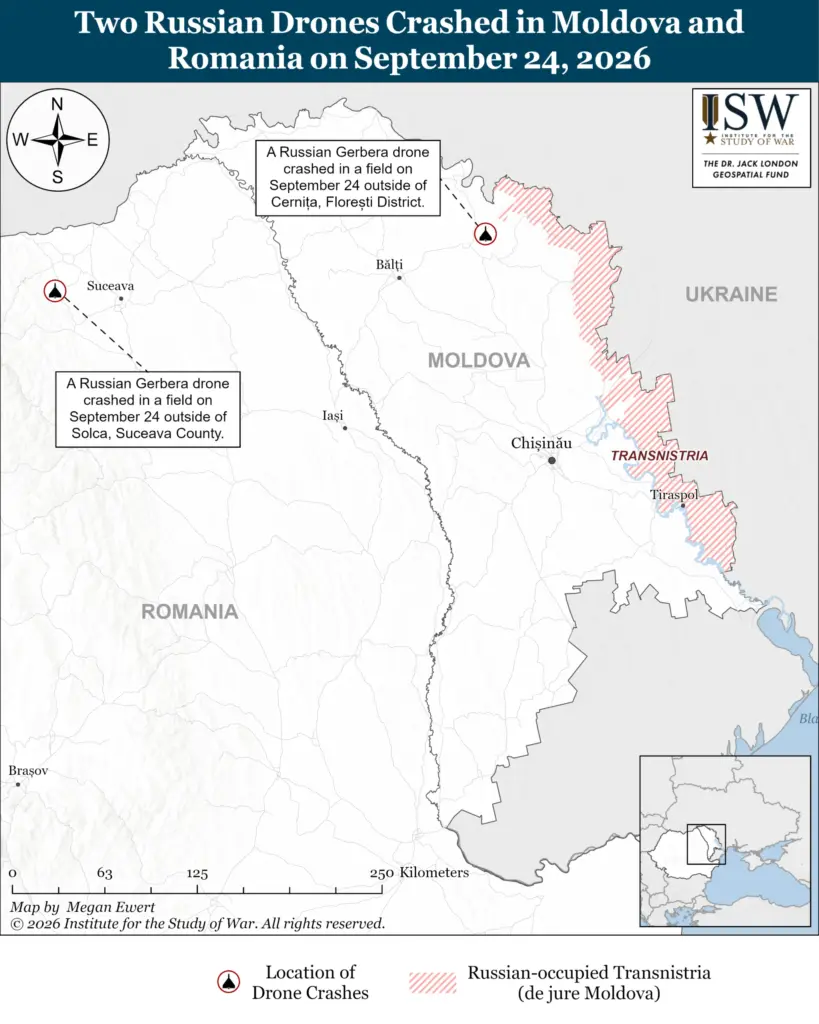
Romania has destroyed a sea drone near its Neptun Deep gas project and found Russian drones floating in its economic zone. In September, ISW linked drone crashes in Romania and Moldova to a wider Russian pattern of pressure on NATO.
EU foreign policy chief Kaja Kallas called for a moratorium on Black Sea attacks. Turkish President Recep Tayyip Erdoğan said Ankara was stepping up diplomacy to restore grain exports. Türkiye and the UN are organizing new Black Sea truce talks between Russia and Ukraine, Bloomberg reported, citing a diplomat. Russia earlier dismissed Kyiv's offer of a Black Sea ceasefire.
UFORCE, a Ukrainian defense company, says it fielded 11 crewless boats and eight drones at NATO's largest unmanned-systems exercise in Portugal, Militarnyi reported. The firm's crews acted as both mock enemy and allied forces alongside Ukraine's Navy during the 31 August–25 September drills. The turnout more than doubled the company's presence at last year's exercise, when it brought five vessels.
Ukraine began the all-out war without large warships, yet uncrewed boats drove Russia's Bl
UFORCE, a Ukrainian defense company, says it fielded 11 crewless boats and eight drones at NATO's largest unmanned-systems exercise in Portugal, Militarnyi reported. The firm's crews acted as both mock enemy and allied forces alongside Ukraine's Navy during the 31 August–25 September drills. The turnout more than doubled the company's presence at last year's exercise, when it brought five vessels.
Ukraine began the all-out war without large warships, yet uncrewed boats drove Russia's Black Sea Fleet out of its main base on the Black Sea—a result that now pulls far larger navies to the same ranges to test the weapon for themselves.
Ukraine brings its sea-drone playbook to Portugal's NATO exercise
UFORCE joined REPMUS 26, the Portuguese Navy's annual exercise, co-organized with NATO, where member states try out robots and drones built for combat at sea. This year the company widened its presence sharply, UFORCE said on LinkedIn. Across the scenarios, its crews ran strikes, reconnaissance, and defense.
At the center sat the MV7, an uncrewed boat UFORCE showed in every setup it offers. Across its configurations, the MV7 carried interceptors, FPV drones, other kinetic weapons, and electronic-warfare gear. Crews launched flying drones straight off the decks while the boats sat on the water, all run by a single control program.
The company brought three systems to REPMUS for the first time: the Nemesis SeaStrike drone, which launches from the MV7, the MV11 boat, and a supply vessel called L11. UFORCE teams worked beside Ukraine's Navy throughout. Portuguese President António José Seguro inspected the MV7 on the pier, the company said.
Not Ukraine's first visit
Ukraine was at REPMUS last year, too. At REPMUS 2025, a Ukrainian-led "enemy" team beat NATO's side across all five drill scenarios and, in one, landed enough mock strikes on a NATO frigate to have sunk it in a real battle. Ukraine also brought the upgraded Magura v7.2 to that year's drills.
Estonia says Russia ordered the August arson attack on Milrem Robotics’ Tallinn premises, an Estonian defense company supplying Ukraine with military ground robots.
Russian sabotage operations have been expanding across Europe in recent months, targeting companies, infrastructure and supply chains connected to Ukraine’s defense effort. European authorities have linked or investigated suspected Russian involvement in arson and other sabotage attempts in several countries, as Moscow seeks
Estonia says Russia ordered the August arson attack on Milrem Robotics’ Tallinn premises, an Estonian defense company supplying Ukraine with military ground robots.
Russian sabotage operations have been expanding across Europe in recent months, targeting companies, infrastructure and supply chains connected to Ukraine’s defense effort. European authorities have linked or investigated suspected Russian involvement in arson and other sabotage attempts in several countries, as Moscow seeks to disrupt support for Ukraine and intimidate its European backers.
Foreign Minister Margus Tsahkna said on 29 September that information gathered by Estonia’s Internal Security Service showed the fire at Milrem’s Tallinn premises on the night of 14–15 August was a Russian intelligence-directed sabotage operation. Estonia summoned Russia’s chargé d’affaires over the attack.
Three suspects detained
Estonian authorities had already detained three suspects in connection with the arson, with the suspects apprehended in Latvia. Tsahkna said the perpetrators had been taken into custody and no longer posed a threat to Estonia.
Russia’s attempts to divide, intimidate and sow confusion will fail.
Every act of sabotage only strengthens Allied resolve, increases pressure on Russia and reinforces support for Ukraine.
We will continue to expose, deter and respond. No stone will be left unturned. https://t.co/JfdSbAUGi1
When the investigation was first announced in August, Estonian authorities had not publicly established a Russian connection or disclosed evidence linking Moscow to the fire.
Milrem supplies robots to Ukraine
Milrem Robotics makes THeMIS unmanned ground vehicles, which have been used by Ukrainian forces since 2022 for tasks including transporting ammunition, food and other supplies, evacuating wounded troops, and mine clearance.
The company said in August that the fire had not disrupted its production or deliveries to Ukraine. More than 200 of its robotic systems are expected to be operating in Ukraine by the end of 2026, including more than 150 vehicles funded by the Netherlands.
The attack is part of a growing series of suspected sabotage operations targeting companies and facilities connected to Ukraine’s defense effort. In August, Slovak authorities foiled an attempted arson attack on a Ukrainian drone factory, while European investigations have also examined suspected Russian involvement in attacks on defense-related facilities in Czechia, Lithuania and Bulgaria.
Estonia says sabotage will not weaken Ukraine support
Tsahkna said Russia’s campaign is intended to intimidate European countries, divide allies and weaken their support for Ukraine.
“Russia’s sabotage campaign will not achieve its objectives,” the Estonian Foreign Ministry said, adding that Estonia and its allies would continue increasing pressure on Russia and supporting Ukraine.
Tsahkna said Estonia would respond to the attack by increasing both its support for Ukraine and pressure on Russia.
A Russian drone struck near the Yahodyn border crossing on the Ukrainian-Polish border, the Ukrainian Border Service and the Polish Armed Forces Operational Command reported on 28 September. Geolocated footage of the attack shows the jet-powered Geran-5 striking near the facility. Following the incident, Poland is reviewing its air security measures.
Russia systematically strikes Ukraine’s border crossings to complicate logistics. Russian strikes near the Ukrainian-Polish border have i
A Russian drone struck near the Yahodyn border crossing on the Ukrainian-Polish border, the Ukrainian Border Service and the Polish Armed Forces Operational Command reported on 28 September. Geolocated footage of the attack shows the jet-powered Geran-5 striking near the facility. Following the incident, Poland is reviewing its air security measures.
Russia systematically strikes Ukraine’s border crossings to complicate logistics. Russian strikes near the Ukrainian-Polish border have increased over the past month. Yahodyn is one of the largest border crossings with Poland, on a route leading, among other destinations, to Warsaw, and has repeatedly been used by senior foreign officials visiting Ukraine.
The blast wave damaged the checkpoint building at the terminal entrance, Ivan Romaniuk, head of the Volyn Regional Military Administration, reported on 28 September. It was a jet-powered drone, but there was “preliminarily no direct hit” on the border crossing, BBC Ukraine reported, citing its own sources in the State Border Guard Service of Ukraine.
Russian drone strikes near Yahodyn
On the afternoon of 28 September, Poland reported the involvement of Polish military aviation because of Russian drone attacks against Ukraine. That day, it was also reported that the airports in Rzeszów and Lublin suspended operations.
Jacek Horyszewski, a spokesperson for the Polish Armed Forces Operational Command, said on TVN24 that a Russian drone had struck near the Yahodyn border crossing in Volyn Oblast on the border with Poland.
Romaniuk confirmed the attack in the village of Starovoitove, Kovel district, Volyn Oblast, where the Yahodyn international border crossing is located.
“There have been no reports of injuries or fatalities,” he said.
Videos that appeared online show the drone falling in a forest near people and border infrastructure.
Момент удару «Герані-5» поблизу КПП «Ягодин», – місцеві канали.
BBC з посиланням на ДПСУ пише, що реактивний дрон вдарив неподалік кордону з Польщею: «Влучання у пункт пропуску «Ягодин» попередньо, не було». pic.twitter.com/VNq7QMy2Ly
The Russians carry out such attacks on Ukraine’s western regions using repeaters on Belarusian territory that amplify signals for Shahed- and Gerbera-type drones, BBC Ukraine reported, citing State Border Guard Service data.
Detonation of a Russian Geran-5 drone at the YAGODIN BORDER CORSSING, Ukraine. The explosion occurred ~1km from Polish territory.
Poland is already considering changes to its air security rules after the incident
The same day, Polish Deputy Defense Minister Cezary Tomczyk said Poland will change its engagement rules "in the coming days." Currently, helicopter and fighter jet pilots can use weapons only after visually identifying a target: the aircraft must approach the object and determine what it is. After the rules are changed, however, a pilot or operational commander will be able to make a decision to engage based solely on radar data.
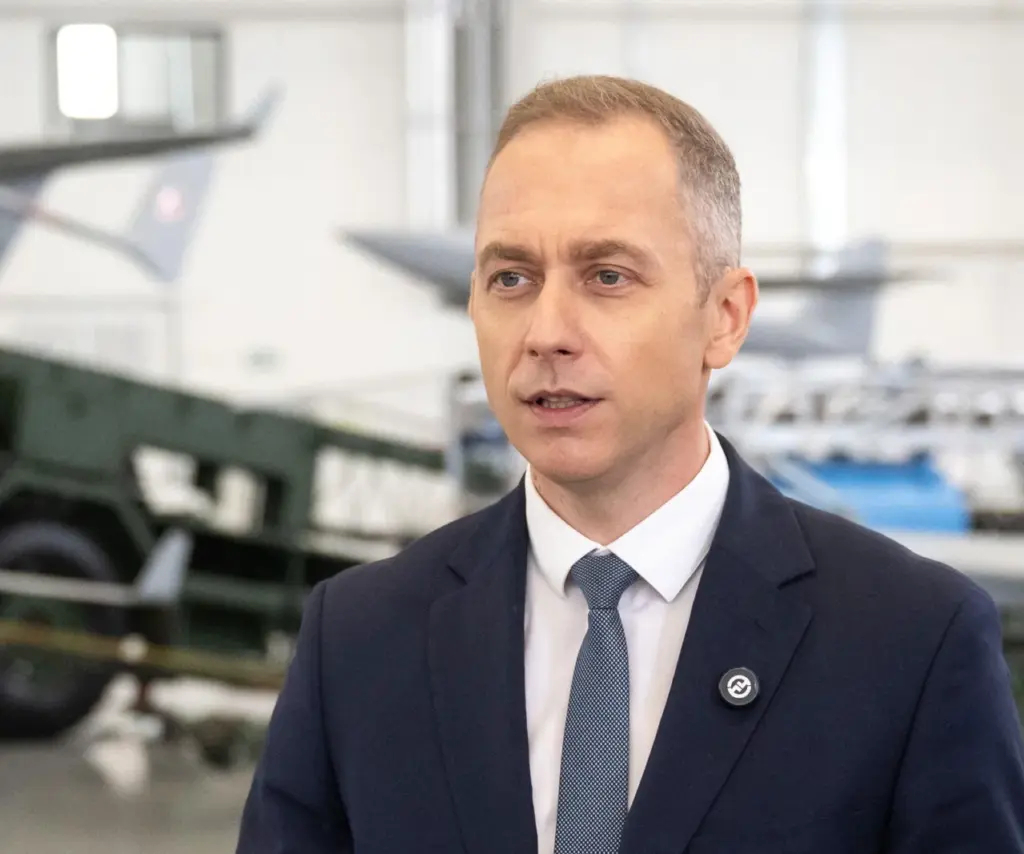
Cezary Tomczyk. Photo: Paweł Skraba / Super Express
“It is notable that Polish authorities have taken this step as NATO states attempt to find an adequate response to Russian drones nearing or entering their airspace from Ukraine, often leaving NATO air defense insufficient time to identify and target such threats before they have entered allied airspace,” the Institute for the Study of War noted in its 28 September report.
Recent strikes near the Polish border
On 10 September, Polish Prime Minister Donald Tusk said that Poland had prevented a threat to one of its border crossings with Ukraine overnight and expected its border crossings to be attacked as Moscow targets trade routes in an attempt to economically weaken Kyiv. He made the statement after drones struck a border crossing between Ukraine and Moldova on the previous day, killing two people.
On 13 September, Russian forces struck the locomotive of a passenger train two kilometers from the Polish border and hit a gas station near the Yahodyn international border crossing on the Ukrainian-Polish border.
На Волині внаслідок атаки РФ пошкоджено АЗС біля ПП «Ягодин» на кордоні з Польщею - речниця Волинської митниці Валентина Черниш.
Також на кордоні із Польщею рашисти атакували залізничну інфраструктуру - відео. pic.twitter.com/3XLc3B4FFw
The drone attack forced passengers on a train from Ukraine to leave the carriages for safety. Those evacuated included Boris Johnson, security advisers to European governments, German Bundestag lawmakers, diplomats, and academics.
After the Russian attacks, Poland deployed military units on the border with Ukraine and strengthened infrastructure near the border crossings, Polish Defense Minister Władysław Kosiniak-Kamysz said on 15 September.
On 17 September, Russian forces struck near the Yahodyn border crossing with a jet-powered drone.
For decades, Europe operated on a series of assumptions: that borders were essentially settled; that economic interdependence would constrain major-power conflict; that international law would increasingly regulate state behavior; that military force was becoming less relevant; and that, ultimately, the United States would guarantee European security.
Russia's invasion of Ukraine has shattered those norms, as Moscow attempts to change borders by force and reshape the European security o
For decades, Europe operated on a series of assumptions: that borders were essentially settled; that economic interdependence would constrain major-power conflict; that international law would increasingly regulate state behavior; that military force was becoming less relevant; and that, ultimately, the United States would guarantee European security.
Russia's invasion of Ukraine has shattered those norms, as Moscow attempts to change borders by force and reshape the European security order. NATO now describes Russia as the most significant and direct threat to Allied security, while also identifying sabotage, cyberattacks, disinformation, economic coercion, and other hybrid actions as part of the threat.
The foreign policy of the Trump administration is further undermining past postulations. It threatens to annex Canada, speaks of occupying Greenland by force, and ignores Spain's sovereignty. It disrespects European military contributions, then demands European support for operations of its own choosing, legal justification optional. It negotiates European security over Europe's head while resetting relations with the power that threatens the continent, calls European countries "decaying" and their leaders "weak," and has launched a trade war against its former allies while pursuing business with its former strategic opponent.
Discussing solutions without first agreeing on the problem is meaningless. Yet that is what Europe has done since the war started in 2014.
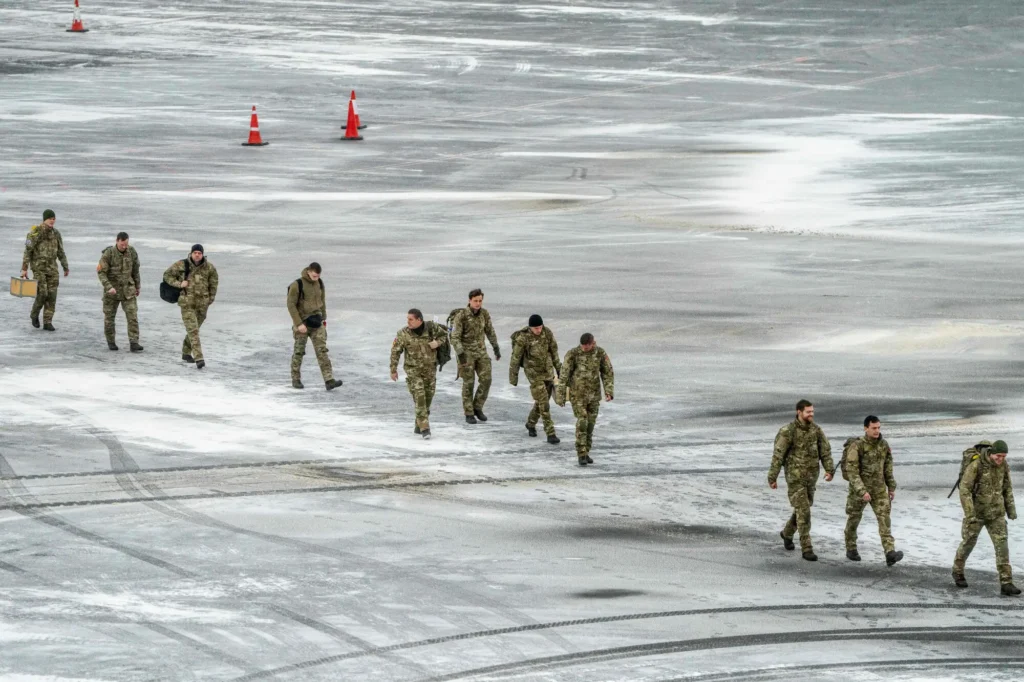
Danish soldiers walk across the frozen tarmac after arriving at Nuuk airport, Greenland, on 19 January 2026, following US President Trump's annexation threats. Photo by Mads Claus Rasmussen / Ritzau Scanpix / AFP) / Denmark OUT/Eastnews
Eight realities
Analyzing the security environment, before recommending solutions, I have identified eight fixed points that I regard as constants.
1. It was never a Russia/Ukraine war
Russia has offered the West four tales, all unpleasant, one designed to look like an "easy way out." The first calls on Ukraine to give up Crimea, Luhansk, Donetsk, Zaporizhzhia and Kherson, the lie Trump's plan is built on. But Putin's demands transcend Donbas, as his 2024 speech and Russia's operations show. The second, "Novorossiya," adds Kharkiv, Dnipropetrovsk, Mykolaiv and Odesa to the first lie.
The third, "one people, one nation," claims all of Ukraine. In the words of former US National Security Advisor Zbigniew Brzezinski: "Without Ukraine, Russia ceases to be an empire, but with Ukraine suborned and then subordinated, Russia automatically becomes an empire." The fourth, "the Russian World," is the only one formalized in Russian strategic documents, encompassing the "former territories of Kyivan Rus, the Kingdom of Muscovy, the Russian Empire, the Soviet Union, and the contemporary Russian Federation."
Ukraine's defeat is crucial to Russia's broader strategy. Integrated with Belarus, a subjugated Ukraine would give Russia the population, economy and technology to be seen as a near peer to the US and China, project power across the post-Soviet space, and ease its own demographic decline, while handing Moscow the country's defense industry, farmland and mineral, gas and oil deposits, and moving Russian military power nearly 900 km closer to London, Berlin and Paris.
It would create an aggressive, imperialist power on Europe's border, emboldened to force NATO's withdrawal to its 1997 borders and to deny the US the ability to deploy forces and nuclear weapons to Europe. The West, not Ukraine, has been defined as Russia's enemy.
2. A war is ongoing in Europe
Russia has been conducting an ever-escalating hybrid war against NATO's European member states since 2014. The EU Parliament acknowledged as much in September 2021. Its aggressions include sabotage against critical infrastructure, cyberattacks, disinformation, GPS jamming affecting civilian aviation, repeated airspace violations by strike drones, and attacks on Europe's defense-industrial base.
Russia's acts of violence against Western targets are becoming increasingly brazen. In August, Western intelligence sources reported a new wave of attacks on weapons factories in Europe under cover of "plausible deniability," The Telegraph reported. A CIA report shared with European governments warns Russia may attack Spain, France or Italy with Gerbera drones launched from ships, El Mundo reported, citing Lithuanian sources.
It is the same hybrid war Ukraine faced until 24 February 2022, one expected to turn open by 2029. Article 5 could, and probably should, have been triggered years ago. Having failed to respond, NATO has lost credibility, raising the risk of war.
Russian Ambassador Oleg Ozerov inspects a Gerbera drone recovered in Moldova after it entered the country’s airspace, at the Foreign Ministry in Chișinău, Nov. 26, 2025. (Elena Covalenco / AFP/Eastnews)
3. The tsunami of ripple effects is changing the political landscape in the West
In May 2022, I began using the term tsunami of ripple effects to describe the cost of not intervening in a war that threatens the security of the Alliance. It is the reverberations that raise the cost of living, undermine food and energy security, and spread famine, recession and inflation, raising the risk of unrest, extremism, and, ultimately, the fall of governments. Europe is living through the biggest refugee crisis since the Second World War.
The international security architecture is being dismantled, our institutions discredited, and NATO no longer deters Russia. Building on public frustration, the tsunami of ripple effects gave us Trump and the rise of right-wing parties across Europe.
4. NATO no longer deters Russia
If Russia were deterred, it would not have launched a full-scale invasion of Ukraine. NATO's strategic concept commits it to ending, by political and military means, conflicts that threaten Alliance security, including in Ukraine. Nor would Russia be conducting an ever-escalating hybrid war against NATO's European states, or preparing for a military conflict with the Alliance, as US and European intelligence services warn. Lack of deterrence raises the risk of Russian strategic miscalculation and war, especially since NATO was the only military power able to deny Russia its Great Power aspiration and its demand for a sphere of influence over the post-Soviet space.
NATO used to display readiness and capabilities. Today it has become a religion. Europe begs it is still almighty while Russia is a disbeliever.
Explore further
NATO no longer deters Russia. A new coalition could
5. The transatlantic rupture undermines NATO and European security
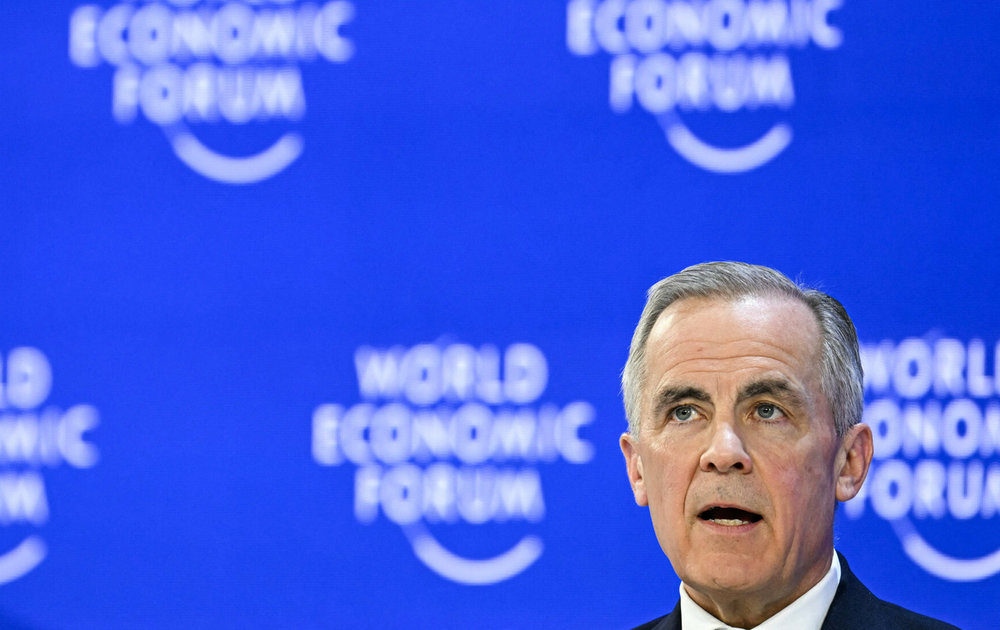
Canadian Prime Minister Mark Carney put it plainly at Davos on 20 January 2026: "We are in the midst of a rupture, not a transition." We "cannot live within the lie of mutual benefit through integration when integration becomes the source of your subordination," he said, calling for countries to organize in the face of great-power rivalry through different coalitions for different issues, based on common values and interests. As he told the World Economic Forum: "We actively take on the world as it is, not wait around for a world we wish to be."
Canada's Prime Minister Mark Carney delivers a speech during the World Economic Forum (WEF) annual meeting in Davos on January 20, 2026. The World Economic Forum takes place in Davos from January 19 to January 23, 2026. Source: Fabrice COFFRINI / AFP, via East News
6. The war is existential to both Ukraine and Russia
Ukraine is fighting for its right to exist. Russia is fighting for its Great Power status, strategic parity with the USA and China. If it is defeated in Ukraine, it will forever remain a pariah state, potentially imploding. For a negotiation to succeed, it must solve the cause of the war: Russia's Great Power ambitions, which cannot be negotiated away, only denied through military power.
7. Russia will never accept being defeated by Ukraine
Even with the tools to evict the Russian Armed Forces, Ukraine cannot expect Russia to accept defeat by a nation that, in its distorted narrative, "does not exist." Russia would only accept withdrawal from Ukraine if the alternative were to fight a far superior military power and thereby risk losing the means that secure the survival of the regime and the state.
8. Europe has very limited time to stop the war from escalating
Several European intelligence services warn of war by 2029;
French intelligence is preparing for large-scale Russian attacks by 2030, and autumn 2027 is now being discussed, France Télévisions reported;
US intelligence expects Russia may test NATO's resolve with a limited strike against a member state between this autumn and 2029, the Wall Street Journal reported in August;
Baltic intelligence chiefs told The Guardian on 20 September that an attack could come within "months, not years."
Worse still, Europe won't be ready until 2035, six to nine years too late, SACEUR warns.
Explore further
NATO’s generals warn of war by 2029. Europe won’t be ready until 2035.
Rules do not enforce themselves
International law, sovereignty, and territorial integrity remain fundamental principles. But without the capability and political will to defend them, principles become aspirations, not constraints on states prepared to use force. Acknowledging the world as it is means acknowledging that power still matters. It means accepting that deterrence requires more than statements of concern: ammunition, air and missile defense, long-range strike and counter-drone systems, secure communications, logistics, cyber resilience, and the industrial capacity to sustain a prolonged conflict.
Values mean nothing unless one is prepared to defend them.
This is where Carney's second formulation matters: countries must rely not only on "the strength of our values, but also the value of our strength." Values mean nothing unless one is prepared to defend them, as Canada is doing, raising defense spending and strengthening domestic industry. Europe needs to draw the same conclusion: strategic autonomy, not abandoning NATO, but ensuring Europe can defend itself and its interests even when an ally's priorities change.
The European Council already calls Russia's war an existential challenge and demands defense readiness be strengthened by 2030. But acknowledging reality means going further than setting targets.
It means recognizing that Ukraine is not merely the recipient of European security assistance. Ukraine is an integral part of Europe's security architecture. Its battlefield experience, defense industry, intelligence, and ability to absorb and defeat Russian attacks are crucial to European security.
Because individual member states refuse Ukraine as a member, NATO has made itself a liability, and some of the same countries are erecting hindrances to its EU membership too, letting national interest block common security.
The solution
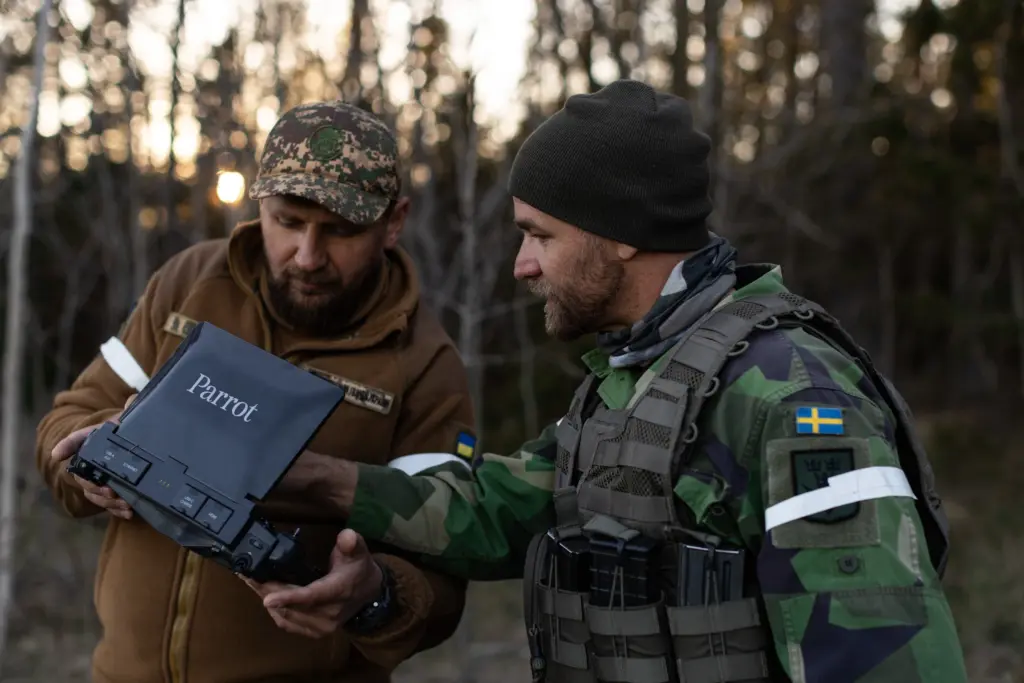
Swedish and Ukrainian drone operators check the feed from a reconnaissance drone on Gotland during Exercise Aurora 26. Ukraine sent operators to share lessons with NATO forces and to play a challenging opposing force. Photo: NATO/Flickr
The choice is not between idealism and realism. It is between pretending that the old assumptions still hold and building the capabilities required by the reality that has replaced them.
Acknowledging the world as it is means seeing the threats clearly; defending the world as it should be means acting on that knowledge, and the bridge between the two is strength.
Strength is not found in numbers, but in unity: agreeing on the enemy and a real will and capability to fight.
Accept those eight fixed points, and Europe's room for maneuver is gone, along with its present strategy. Europe cannot afford another 12 years of futile diplomacy while Russia exploits our naivety to prepare for war in the next two to three years, diplomacy that has undermined Europe's need to rearm and establish credible deterrence.
European governments have long acknowledged that their armed forces no longer provide credible defense, yet their security policy still assumes NATO guarantees collective security.
Acknowledge reality, and the illusion shatters.
Europe urgently needs a new strategy, one that looks beyond NATO and the EU's inherent weaknesses toward a military alliance credible enough to reshape the strategic environment. This is why I have long argued for a Coalition of Like-Minded European countries (CALM). It offers a path from recognition to action, from acknowledging NATO's failure to building something that works.
Strength is not found in numbers, but in unity: agreeing on the enemy, his aims and strategy, and committing to countermeasures that demonstrate real will and capability to fight.
Explore further
The alternative to NATO: A Coalition of Like-Minded European Countries
Unlike NATO or the EU, CALM does not have to wait for Europe's rearmament to reach 2035. It builds on existing NATO interoperability.
The force already exists: Ukraine's battle-hardened army, National Guard, Special Operations Forces, air defense, and Unmanned System Forces, combined with European fifth-generation aircraft and state-of-the-art navies, are credible, combat-proven, and in place.
Russia already struggles to fight Ukraine alone; it would face a different reality entirely if Ukraine formally joined a coalition of European military powers. That is why the declaration matters now, not after the capability is fully built: with the interoperability already proven, it changes Russia's strategic assessment immediately, not in 2035.
This is not only about physical capabilities. It is about changing Russia's perception of its strategic environment. It starts with a declaration; preparing for military intervention comes next. But it begins with the declaration.
Hans Petter Midttun, independent analyst on hybrid warfare, Non-Resident Fellow at the Centre for Defense Strategies, board member of the Ukrainian Institute for Security and Law of the Sea, former Defense Attaché of Norway to Ukraine, and officer (R) of the Norwegian Armed Forces.
Editor's note. The opinions expressed in our Opinion section belong to their authors. Euromaidan Press' editorial team may or may not share them.
Swiss voters overwhelmingly rejected a neutrality initiative that would have banned Switzerland from adopting sanctions against warring states and blocked cooperation with NATO, Swiss public broadcaster SRF reported. The measure failed by 70.2% to 29.8%, with zero cantons voting in favor.
Russia's full-scale war against Ukraine has expanded beyond the battlefield into a campaign of sabotage, political influence, and pressure on European institutions. Every European country that has adop
Swiss voters overwhelmingly rejected a neutrality initiative that would have banned Switzerland from adopting sanctions against warring states and blocked cooperation with NATO, Swiss public broadcaster SRF reported. The measure failed by 70.2% to 29.8%, with zero cantons voting in favor.
Russia's full-scale war against Ukraine has expanded beyond the battlefield into a campaign of sabotage, political influence, and pressure on European institutions. Every European country that has adopted sanctions or cooperated militarily with Ukraine faces some variant of the same push—to weaken the sanctions regime and fracture the coalition. Russia expressed sympathy for the initiative—which backfired. Opponents warned the measure would benefit Moscow.
What the initiative would have done
The initiative, formally titled "Safeguard Swiss Neutrality," sought to enshrine neutrality as "permanent, armed, and comprehensive," bar cooperation with military alliances unless Switzerland was under direct attack, and ban economic sanctions against warring states—with only UN-mandated measures exempted.
Switzerland currently adopts sanctions autonomously and has largely followed EU sanctions against Russia since the full-scale invasion in 2022. The Swiss government's own explanatory materials stated the initiative would affect sanctions against Russia, SRF reported.
Blocher's Russian connection
Former Federal Council member Christoph Blocher, 85, launched the initiative in autumn 2022—six months into the full-scale war and the same year his daughter Magdalena Martullo-Blocher, who controls Ems-Chemie, decided the two Russian plants would stay. He led the campaign through the organization Pro Schweiz.
Ems-Chemie produces plastics, adhesives, sealants, and technical fibers. Two subsidiaries, operating under the Eftec brand, continued working in Russia after the full-scale invasion, Swiss magazine Republik reported earlier this month. Company and government documents contain strong indications that Eftec products may have been purchased by KamAZ, UAZ, GAZ, and AvtoVAZ—sanctioned companies tied to military vehicle production and financial support for Russian soldiers deploying to Ukraine. Ems-Chemie denies supplying them.
The Federal Council and Parliament both recommended rejection. In the National Council, 124 members voted against and 65 in favor. In the Council of States, the vote was 29 to 10 against.
Explore further
Politico: Fico is first in line for Orbán’s disruptor crown — but Brussels has four more leaders to worry about
Drones over Swiss military bases
Unidentified drones were spotted over Swiss military installations this year. In about 20% of sightings over military sites, authorities cannot identify who is responsible, army chief Benedikt Roos said earlier this month. Asked whether Switzerland is a target for Moscow, he said yes—the country holds critical infrastructure vital to Europe that anyone seeking to destabilize the continent could target.
Across Europe, pro-Russian forces continue to push back against sanctions. Germany's far-right AfD won 43.8% in the Saxony-Anhalt state election on 6 September—its strongest result ever, though every other party refuses coalition. In France, Marine Le Pen leads first-round polling for the 2027 presidential election at 36%. Slovakia's Robert Fico earlier demanded the EU lift Russian energy sanctions.
Russia has combined kinetic and political pressure across Europe—drone incursions into NATO airspace, arson at defense-linked sites, and sabotage of critical infrastructure—alongside support for political forces that oppose sanctions and military cooperation with Ukraine. Switzerland's own intelligence service assessed earlier this year that Russia is waging a long war against the West and escalating it.
Ukraine, the country under daily Russian attack, is offering to help defend others from it. President Volodymyr Zelenskyy says Ukraine will share its drone-defense experience with partners facing Russia's hybrid and drone attacks, NATO members and non-members alike, through its "Drone Deal" agreements, according to UNIAN.
Russia's hybrid and drone attacks are spreading past Ukraine, to Moldova, Germany, and Romania, and Kyiv is casting itself as the country that knows how to counter the
Ukraine, the country under daily Russian attack, is offering to help defend others from it. President Volodymyr Zelenskyy says Ukraine will share its drone-defense experience with partners facing Russia's hybrid and drone attacks, NATO members and non-members alike, through its "Drone Deal" agreements, according to UNIAN.
Russia's hybrid and drone attacks are spreading past Ukraine, to Moldova, Germany, and Romania, and Kyiv is casting itself as the country that knows how to counter them.
Asked whether he would send Ukrainian troops to defend NATO members, Zelenskyy instead pointed to the drone agreements, bilateral pacts open to partners in or out of NATO, that pair weapons sales and joint production with the transfer of Ukraine's combat experience.
Ukraine had signed such deals with nine countries by early August and is negotiating more than a dozen others, becoming, as its officials put it, "a security provider for Europe."
The attacks spread past NATO
"Russia will continue hybrid attacks against various countries, and not only NATO members," Zelenskyy said, pointing to drone incursions over Moldova, which belongs to neither NATO nor the EU.
Those crossings have become routine: Moldova logged 39 Russian drone incursions in the first eight months of the year, and on 24 September, drones entered both Moldova and Romania as Poland scrambled fighters. Ukraine has offered help, Zelenskyy said, "above all to those countries that help us during the war."
The Drone Deal shares experience
The Drone Deal agreements cover the sale of drones and missiles and joint production, he added, "but also an exchange of experience."
He offered a precedent: "How we sent our specialists to the Middle East, how we helped protect critical infrastructure." Sharing how to defend against drones, he said, is "precisely part of this exchange."
Ukraine turns security provider
Zelenskyy did not answer the question on whether Ukraine would put troops into NATO countries under attack, steering instead to what Ukraine can already give, its hard-won experience of fighting the very weapons now reaching its neighbors' skies.
A drone-warfare course written by Ukrainian officers from real combat has earned NATO status. The English-language Drone Warfare Awareness Course, built on Ukraine's war experience, is now "NATO Selected" and has been taught to officers from more than 10 countries, the General Staff said.
Ukraine's combat experience is flowing into NATO's classrooms, and the alliance is starting to treat Kyiv as a teacher rather than only a recipient. It follows a broader shift of Ukrainian lessons into
A drone-warfare course written by Ukrainian officers from real combat has earned NATO status. The English-language Drone Warfare Awareness Course, built on Ukraine's war experience, is now "NATO Selected" and has been taught to officers from more than 10 countries, the General Staff said.
Ukraine's combat experience is flowing into NATO's classrooms, and the alliance is starting to treat Kyiv as a teacher rather than only a recipient. It follows a broader shift of Ukrainian lessons into allied curricula.
Combat lessons become a course
The course came out of Ukraine's International Peacekeeping and Security Center, whose instructors at its "Partnership for Peace" training center wrote the syllabus, formally titled "Fundamentals of the Combat Use of Unmanned Systems", based on the Armed Forces' own experience.
In November 2025, the Ukrainian team presented it at a seminar in Sweden attended by NATO commanders and analysts.
The next year, it passed international trials with officers from more than a dozen countries and earned its NATO Selected mark, a recognition that it meets Alliance standards and can be offered to member-state officers, short of the full accreditation the center is still pursuing.
Sweden and Finland lend a hand
Two Nordic partners helped get it there. Sweden's SWEDINT began working with the center in 2024, teaching international methods for course development and preparing courses for accreditation.
Finland's FINCENT joined in 2025, sharing insights on building a military education system and assessing training needs. In the fall of 2026, delegations from both countries visited the center and signed plans for further joint work.
Ukraine teaches the Alliance
The course is one piece of a wider reversal. Ukrainian officers have trained Polish and German counterparts in drone and electronic warfare, and at the joint NATO-Ukraine center in Poland, they have set their battlefield practice against NATO doctrine, exposing where the Alliance's assumptions no longer fit in a modern war.
Several recent incidents across Europe were conducted by Russia or are likely attributable to Russia, ISW assessed in its 24 September report, though authorities have not officially linked the Polish and German incidents to Moscow.
Russia's full-scale war against Ukraine has expanded into a parallel campaign of provocations against European defense and logistical infrastructure. The Kremlin is using drones, arson, and undersea cable sabotage to degrade Europe's will and ability to suppo
Several recent incidents across Europe were conducted by Russia or are likely attributable to Russia, ISW assessed in its 24 September report, though authorities have not officially linked the Polish and German incidents to Moscow.
Russia's full-scale war against Ukraine has expanded into a parallel campaign of provocations against European defense and logistical infrastructure. The Kremlin is using drones, arson, and undersea cable sabotage to degrade Europe's will and ability to support Ukraine, while deliberately intensifying the frequency of airspace violations to erode the boundary between hybrid and kinetic war.
Drones over Moldova and Romania
Four Russian drones flew over Bukovyna and targeted an energy facility and border crossings with Moldova and Romania, Chernivtsi Oblast Military Administration head Ruslan Osypenko reported. Ukrainian forces shot down three. The fourth flew toward Suceava County in northeastern Romania.
ISW map showing two Russian Gerbera drone crash sites in Moldova and Romania on 24 September 2026. Map: ISW
A drone crashed in Cernița, Florești district, Moldova—preliminarily identified as a Russian Gerbera type, the first such device found in the country. It carried an onboard camera, hit a tree, and exploded, Moldovan police said. Romania's Defense Ministry reported a second aerial vehicle entered Romanian airspace for four minutes and crashed near Solca in the same border region; geolocated footage confirmed it was also a Gerbera, ISW noted. Poland evacuated the Hrubieszów and Dorohusk border crossings for 30 minutes, Prime Minister Donald Tusk said. Three countries were put on alert by a single night of Russian strikes.
"Intentional and accidental Russian drone incursions into NATO and Moldovan airspaces are likely part of the Kremlin's efforts to normalize airspace violations by intensifying their frequency," ISW assessed.
Sabotage in Poland and Germany
A fire engulfed the power system and backup generator at a Starlink ground station in Wola Krobowska, central Poland, on the evening of 23 September. Deputy Prime Minister Krzysztof Gawkowski confirmed it was sabotage aimed at cutting internet access, including for Ukraine's military. Authorities have not identified who was responsible, but the act aligns with Russia's "new" doctrine of attacks, Gawkowski said. The station is now operating normally.
German authorities suspended operations at Berlin-Brandenburg airport for 45 minutes the same evening after staff reported a drone sighting, Die Zeit reported. Federal police could not confirm it. ISW assessed both incidents fit Russia's wider pattern of sabotage against European defense assets, though neither has been officially attributed to Russia.
Explore further
Russian attack puts three countries on alert as drones enter Moldova and Romania
Western intelligence warnings
A Lithuanian Defense Ministry source reported on 23 September that Russia could launch Gerbera drones from a shipping container in the Mediterranean against Spain, France, and Italy. Danish Defense Intelligence assessed on 24 September that Russia will intensify its hybrid war in coming months, including destructive cyber attacks and sabotage carrying a high risk of casualties, and that there is a low but growing risk of a limited Russian military attack on a NATO border state. It sees no indications of an outright invasion. The CIA reportedly warned Poland that Russia may sabotage underwater cables to disrupt its banking system, according to Newsweek Polska journalists.
NATO tracked and confronted Russian submersibles rehearsing deployment of a new cable-disabling weapon near Svalbard in spring 2026—no cables were damaged, but the operation demonstrated Moscow's intent, Reuters reported. Shadow fleet vessels likely served as drone-launch platforms for incursions into NATO airspace, ISW noted.
"The increasing frequency of such warnings suggests that Western intelligence agencies are picking up indicators that the Kremlin is looking to diversify its platforms and means for conducting attacks against NATO and European states and is considering conducting such attacks," ISW assessed.
ISW said it has not yet seen evidence that Russia has conducted the attacks the warnings describe.
Denmark's assessment—that a limited Russian military strike on a NATO border state could come in the coming months—suggests the boundary between hybrid provocations and military action is narrower than European policy has assumed. ISW's synthesis reframes what governments have treated as separate incidents into one campaign.
"Intentional and accidental Russian drone incursions into NATO and Moldovan airspaces are likely part of the Kremlin's efforts to normalize airspace violations by intensifying their frequency," ISW assessed.
"The increasing frequency of such warnings suggests that Western intelligence agencies are picking up indicators that the Kremlin is looking to diversify its platforms and means for conducting attacks against NATO and European states and is considering conducting such attacks," ISW assessed.
In anticipation of a potential war with Russia, the port of Rotterdam in the Netherlands has begun reserving space for NATO ships carrying military cargo and is mapping out logistics routes for weapons transfers, the Financial Times reported on July 8.The decision comes as NATO allies increasingly warn of the risk of a large-scale war with Russia within five years. Rotterdam has previously handled weapons shipments, but this marks the first time that it will designate a special berth for militar
In anticipation of a potential war with Russia, the port of Rotterdam in the Netherlands has begun reserving space for NATO ships carrying military cargo and is mapping out logistics routes for weapons transfers, the Financial Times reported on July 8.
The decision comes as NATO allies increasingly warn of the risk of a large-scale war with Russia within five years. Rotterdam has previously handled weapons shipments, but this marks the first time that it will designate a special berth for military use.
Part of the container terminal will be repurposed to ensure the safe transfer of ammunition and other equipment between vessels. Military supply logistics will be coordinated with the port of Antwerp in neighboring Belgium.
"We see each other less and less as competitors," Boudewijn Siemons, Chief Executive of the Port of Rotterdam Authority, said, referring to the port of Antwerp.
"If large volumes of military goods would have to be shipped, we'd look to Antwerp or other ports to take over some capacity and the other way around."
Siemons added that not all terminals are equipped to handle military-grade cargo, making the logistical coordination crucial, particularly for shipments from the U.S., U.K., and Canada.
In May, the Dutch Defense Ministry confirmed that space would be allocated for military supplies at NATO's request. The move is part of broader efforts by European allies to reduce dependence on the U.S. for defense logistics.
Russia's military spending has surged amid its full-scale invasion of Ukraine. According to the International Institute for Strategic Studies, Moscow's 2024 defense budget rose by 42% in real terms, reaching $462 billion, surpassing the combined total of all European countries.
NATO Secretary General Mark Rutte said on July 5 that a Chinese military move against Taiwan could prompt Beijing to encourage Russia to open a second front against NATO states.
Rutte has repeatedly warned that Russia could rebuild its military capabilities fast enough to pose a direct threat to NATO territory, urging allied governments to act swiftly and decisively.
If China attacks Taiwan, Beijing may ask Moscow to open a second front against NATO states, NATO Secretary General Mark Rutte said in an interview with The New York Times (NYT) published on July 5.Fears of escalating Chinese military intervention in Taiwan have risen sharply since Russia launched its full-scale invasion of Ukraine in February 2022. The war has served as a possible model of how both Taipei and the international community might respond if Beijing decides to invade."There's an incr
If China attacks Taiwan, Beijing may ask Moscow to open a second front against NATO states, NATO Secretary General Mark Rutte said in an interview with The New York Times (NYT) published on July 5.
Fears of escalating Chinese military intervention in Taiwan have risen sharply since Russia launched its full-scale invasion of Ukraine in February 2022. The war has served as a possible model of how both Taipei and the international community might respond if Beijing decides to invade.
"There's an increasing realization, and let's not be naive about this: If Xi Jinping would attack Taiwan, he would first make sure that he makes a call to his very junior partner in all of this, Vladimir Vladimirovich Putin, residing in Moscow, and telling him, 'Hey, I'm going to do this, and I need you to keep them busy in Europe by attacking NATO territory,'" Rutte said.
"That is most likely the way this will progress. And to deter them, we need to do two things. One is that NATO, collectively, being so strong that the Russians will never do this. And second, working together with the Indo-Pacific — something President (Donald) Trump is very much promoting," Rutte added.
Western officials and analysts point to Russia's surging military expenditures amid its ongoing full-scale invasion of Ukraine.
In 2024, Russia's defense budget reportedly rose 42% in real terms, reaching $462 billion, surpassing the combined spending of all European nations, according to the International Institute for Strategic Studies.
NATO allies have cited Russia's military buildup, sabotage campaigns, and continued aggression against Ukraine as reasons to accelerate defense investments.
Rutte previously warned that Russia could rebuild its military capacity to threaten NATO territory within five years, urging members to act with urgency.
Europe must dramatically ramp up its defenses against a resurgent Russia, NATO Secretary General Mark Rutte said in an interview with the New York Times published on July 5, crediting U.S. President Donald Trump for driving the alliance to unprecedented levels of commitment.Rutte, who assumed his role late last year after 14 years as Prime Minister of the Netherlands, has been navigating NATO through a period marked by Russia's expansionist ambitions and questions about the reliability of the Un
Europe must dramatically ramp up its defenses against a resurgent Russia, NATO Secretary General Mark Rutte said in an interview with the New York Times published on July 5, crediting U.S. President Donald Trump for driving the alliance to unprecedented levels of commitment.
Rutte, who assumed his role late last year after 14 years as Prime Minister of the Netherlands, has been navigating NATO through a period marked by Russia's expansionist ambitions and questions about the reliability of the United States as an ally.
"Russia is reconstituting itself at a pace and a speed which is unparalleled in recent history," he told the outlet, adding that "...they are now producing three times as much ammunition in three months as the whole of NATO is doing in a year. This is unsustainable, but the Russians are working together with the North Koreans, with the Chinese and Iranians, the mullahs, in fighting this unprovoked war of aggression against Ukraine."
He emphasized the interconnectedness of security across different regions, noting that a secure Arctic is vital due to increased Chinese and Russian activity, and a secure Atlantic is "crucial" for the U.S. "If the Arctic, if the Atlantic Ocean, if Europe is not secure, the U.S. has a big problem," Rutte said, arguing that Russia is ultimately aiming to attack the U.S.
The Secretary General strongly dismissed Russian Foreign Minister Sergey Lavrov's comments that NATO's new defense spending targets would "bankrupt" members.
"I know Sergey Lavrov very well. He has been foreign minister of Russia since the birth of Jesus Christ, and I’ve never taken him seriously. When you talk about fake news, listen to Sergey Lavrov," Rutte told the NYT. He believes Lavrov's comments are "clearly evidence that the deterrence is working."
Rutte acknowledged concerns about the defense industrial output across the alliance, adding that, "we simply lack the defense industrial base to produce the weapons we need to make sure that we can deter the Russians or the North Koreans or whoever to attack us." He underscored the importance of not just financial investment, but also having sufficient personnel and industrial capacity to effectively utilize weaponry.
On the subject of Ukraine, Rutte confirmed that European allies have significantly increased their financial commitment. "The Europeans have now cobbled together $35 billion in military aid this year to deliver to Ukraine, which is more than last year," he said. He viewed this as a logical and fair shift, with the U.S. expecting Europeans to "take more of the burden when it comes to the concrete support to Ukraine."
While acknowledging the complex discussions surrounding peace talks, Rutte recognized President Donald Trump's role in initiating dialogue with Russian President Vladimir Putin.
"He is the one who broke the deadlock with Putin. When he became president in January, he started these discussions with Putin, and he was the only one who was able to do this. This had to happen. A direct dialogue between the American president and the president of the Russian Federation."
However, Rutte admitted that subsequent peace talks in Istanbul involved Russia sending a less serious delegation, leading to the conclusion that "we are not there yet, and that means that in the meantime you have to make sure that Ukraine has what it needs to stay in the fight."
Despite some perceived divergences in approach between NATO and the U.S. regarding peace talks, Rutte insisted on the American administration's commitment to the conflict's importance.
"The American administration completely takes the view and shares it with the Europeans that this war in Ukraine is crucial for the defense of NATO territory going forward and that we have to make sure that Ukraine is in the strongest possible position to stop the Russians from taking more territory, and that when it comes to a cease-fire or, even better, a peace deal, that Ukraine with some help will be able to prevent Putin from ever attacking Ukraine again in the future."
U.S. Air Force General Alexus G. Grynkewich assumed command as the 21st Supreme Allied Commander Europe (SACEUR) on July 4 during a ceremony at Supreme Headquarters Allied Powers Europe.NATO Secretary General Mark Rutte presided over the handover, commending outgoing U.S. Army General Christopher G. Cavoli for his contributions to modernizing NATO's collective defense and bolstering support for Ukraine.Rutte highlighted Cavoli's efforts to strengthen NATO’s presence in the Baltic Sea in response
U.S. Air Force General Alexus G. Grynkewich assumed command as the 21st Supreme Allied Commander Europe (SACEUR) on July 4 during a ceremony at Supreme Headquarters Allied Powers Europe.
NATO Secretary General Mark Rutte presided over the handover, commending outgoing U.S. Army General Christopher G. Cavoli for his contributions to modernizing NATO's collective defense and bolstering support for Ukraine.
Rutte highlighted Cavoli's efforts to strengthen NATO’s presence in the Baltic Sea in response to threats to critical undersea infrastructure and credited him with conceiving and establishing NATO’s new command in Germany to enhance assistance to Ukraine. He also noted Cavoli's role in refocusing the Alliance on collective defense following the 2022 Madrid Summit, where NATO adopted a new Strategic Concept in response to Russia’s full-scale invasion of Ukraine.
Cavoli played a central role in developing and securing approval for NATO’s regional defense plans at the 2023 Vilnius Summit—a significant overhaul of the Alliance’s military posture since the Cold War.
His tenure also included the integration of Finland and Sweden into NATO’s military structures, expanding the Alliance’s strategic reach. In 2024, Cavoli oversaw "Steadfast Defender," NATO’s largest military exercise since the Cold War, involving approximately 90,000 troops practicing large-scale reinforcement across the eastern flank and validating a new high-readiness force model.
Rutte specifically acknowledged Cavoli's leadership in rapidly reinforcing NATO's Baltic Sea presence during threats to underwater infrastructure and for establishing the NATO Security Assistance and Training for Ukraine (NSATU), which continues to support Ukraine.
The secretary general welcomed General Grynkewich, noting that, as a former fighter pilot, he brings "a deep understanding of the threats we face from the skies, and across other domains." Rutte added that Grynkewich’s recent role as Director of Operations of the Joint Staff provides him with broad experience in advancing military and security priorities amid global challenges.
Allied Command Operations—responsible for planning and executing all NATO operations—now falls under General Grynkewich's command, a position first held by General Dwight D. Eisenhower.
NATO Secretary General Mark Rutte on July 4 called on the United States to show "flexibility" in its military aid to Ukraine, after Washington unexpectedly paused some weapon deliveries citing concerns over dwindling domestic stockpiles. The Pentagon's decision to halt transfers of artillery rounds and air defense systems coincides with a significant escalation in Russian attacks on Ukrainian cities, exposing critical vulnerabilities in Ukraine's air defense capabilities as current US funding ne
NATO Secretary General Mark Rutte on July 4 called on the United States to show "flexibility" in its military aid to Ukraine, after Washington unexpectedly paused some weapon deliveries citing concerns over dwindling domestic stockpiles.
The Pentagon's decision to halt transfers of artillery rounds and air defense systems coincides with a significant escalation in Russian attacks on Ukrainian cities, exposing critical vulnerabilities in Ukraine's air defense capabilities as current US funding nears expiration this summer.
"The US has to make sure that the stockpiles are at the level we need for the U.S. to have, because they are crucial for our collective defense," Rutte told reporters on July 4. "At the same time, of course, we hope for the flexibility, we have to make sure also that Ukraine can move forward."
The Pentagon announced the aid pause this week, citing a review of U.S. stockpiles as it assesses the need to conserve weapons for other potential security threats. This move comes as Russia intensified its air campaign, unleashing record drone and missile strikes on Kyiv and other major urban centers overnight.
President Volodymyr Zelensky spoke with U.S. President Donald Trump by phone Friday, aiming to persuade the U.S. leader to resume deliveries and increase weapon sales to the country. Trump expressed disappointment following his latest conversation with Russian counterpart Vladimir Putin, which produced no progress toward a ceasefire in Russia's war against Ukraine, now in its fourth-year.
Given Russia's apparent unwillingness to pursue a ceasefire, allies must "be sure" Ukraine "has what it needs to stay in the fight," Rutte emphasized. He spoke after a ceremony welcoming Air Force General Alexus Grynkewich, the new commander of U.S. military forces in Europe and top NATO military commander.
Grynkewich acknowledged the ongoing discussions, adding: "We’ll see more play out of the next week or two." He also announced a 90-day review of U.S. forces in Europe, examining potential future US posture in the region.
A broader US military review is expected later this summer, potentially outlining significant reductions in Europe. This prospect has already raised concerns among European NATO allies, who say they have received no prior information about these plans.
Germany is weighing a massive defense procurement plan worth up to 25 billion euros ($29.4 billion) to supply thousands of combat vehicles for NATO's expanding force structure, Bloomberg reported on July 4, citing unnamed sources familiar with the matter. The proposed purchases are part of a broader pan-European effort to boost deterrence against Russia, as Western leaders warn of the growing risk of a large-scale war within five years.Berlin is reportedly considering purchasing up to 2,500 GTK
Germany is weighing a massive defense procurement plan worth up to 25 billion euros ($29.4 billion) to supply thousands of combat vehicles for NATO's expanding force structure, Bloomberg reported on July 4, citing unnamed sources familiar with the matter.
The proposed purchases are part of a broader pan-European effort to boost deterrence against Russia, as Western leaders warn of the growing risk of a large-scale war within five years.
Berlin is reportedly considering purchasing up to 2,500 GTK Boxer armored vehicles and up to 1,000 Leopard 2 battle tanks. The purchase would equip up to seven new brigades that Germany has pledged to form under NATO's force generation plans for the next decade.
The Leopard 2 tanks are produced by KNDS Deutschland and Rheinmetall, while the Boxer is made by ARTEC, a joint venture of the same companies. Leopard 2 tanks have been supplied to Ukraine and tested in combat.
Final pricing and quantities are still under negotiation, and the projected cost could fall below 25 billion euros ($29.4 billion) depending on procurement timelines and contract terms.
German Defense Minister Boris Pistorius and top Bundeswehr officials are reviewing the plans, with legislative approval expected by the end of the year, Bloomberg reported.
Germany has faced pressure from NATO and Washington to meet its alliance commitments, including the newly adopted pledge to spend at least 5% of GDP on defense by 2035.
The initiative, endorsed on June 25 at the NATO summit, reflects concern over Russia's wartime economy, military buildup, and destabilization efforts across Europe.
NATO Secretary General Mark Rutte said on July 2 that he understands Washington's need to safeguard its own defense needs, but emphasized that Ukraine urgently requires sustained Western support."I totally understand that the U.S. always has to make sure its interests are covered," Rutte told Fox News. "When it comes to Ukraine, in the short term, Ukraine cannot do without all the support it can get."His remarks come as the U.S. Defense Department has halted deliveries of key weapons systems pre
NATO Secretary General Mark Rutte said on July 2 that he understands Washington's need to safeguard its own defense needs, but emphasized that Ukraine urgently requires sustained Western support.
"I totally understand that the U.S. always has to make sure its interests are covered," Rutte told Fox News. "When it comes to Ukraine, in the short term, Ukraine cannot do without all the support it can get."
His remarks come as the U.S. Defense Department has halted deliveries of key weapons systems previously promised to Kyiv, including Patriot missiles, precision-guided artillery shells, Hellfire missiles, and munitions compatible with F-16 fighter jets.
The White House confirmed the pause in shipments, citing a broader reassessment of U.S. military stockpiles. No new U.S. military aid packages have been approved since U.S. President Donald Trump took office in January.
"I understand the U.S. has to take care of its stockpiles, and at the same time, we have to allow for some flexibility here," Rutte said. "Europeans, in the meantime, are really stepping up."
During last week's NATO summit in The Hague, Trump and President Volodymyr Zelensky met behind closed doors. Rutte described the conversation as "a very good discussion, particularly focusing on air defense systems."
The reporting of paused deliveries comes as Ukraine faces one of the heaviest barrages of Russian drone and missile strikes since the start of the full-scale invasion.
Ukraine's Defense Ministry responded by saying it has not received formal notification of delays or cancellations and has requested urgent consultations with U.S. defense officials.
The Foreign Ministry summoned U.S. Charge d'Affaires John Ginkel the same day, warning that any hesitation in maintaining Ukraine's defense capabilities would embolden Russia.
The Kremlin welcomed the halt in arms shipments, saying it brings the war closer to an war.
"The fewer weapons that are supplied to Ukraine, the closer the end of the (war)," Kremlin spokesperson Dmitry Peskov said in response to the information.
U.S. Defense Secretary Pete Hegseth has previously indicated that the upcoming defense budget will scale back long-term military support for Ukraine, reflecting a shift in Washington's priorities.
Norway will send F-35 fighter jets to Poland in the fall to protect the Rzeszow-Yasenka airport, one of the key transportation hubs for NATO military aid to Ukraine, Norwegian Defense Ministry announced on June 30.The news came as Russia has escalated attacks against Ukrainian cities over the past weeks, launching record 400-500 unmanned aerial vehicles (UAVs) per night.Norway is thus strengthening its contribution to NATO's air and missile defense, while the main goal of the mission is to suppo
Norway will send F-35 fighter jets to Poland in the fall to protect the Rzeszow-Yasenka airport, one of the key transportation hubs for NATO military aid to Ukraine, Norwegian Defense Ministry announced on June 30.
The news came as Russia has escalated attacks against Ukrainian cities over the past weeks, launching record 400-500 unmanned aerial vehicles (UAVs) per night.
Norway is thus strengthening its contribution to NATO's air and missile defense, while the main goal of the mission is to support the protection of Polish airspace and a key logistics center for assistance to Ukraine, the statement read.
"This is a vital contribution. We are helping ensure that support to Ukraine reaches its destination, and that Ukraine can continue its fight for freedom," Norwegian Defense Minister Tore Sandvik said.
The Rzeszow-Jasionka airport is located less than 100 kilometers (62 miles) from the Ukrainian border and transports a significant percentage of Western materiel bound for the front lines in Ukraine. Polish Prime Minister Donald Tusk said that 90% of aid for Ukraine was going through the airport in Rzeszow as of Novermber 2024.
It is also a main stopover point for foreign leadership traveling to Kyiv on official visits.
In January, German Defense Minister Boris Pistorius announced that Berlin will deploy the promised Patriot air defenses around the Polish airport to protect it.
NATO's increased defense spending will lead to the "collapse" of the alliance, Russian Foreign Minister Sergei Lavrov said on June 30, despite Russian officials recently warning that Moscow's own military expenditure is driving the country towards recession.Lavrov's comments come after NATO leaders last week approved a new defense spending benchmark, committing members to spend at least 5% of GDP on defense and security-related expenditures by 2035, a goal long pushed by the U.S. and endorsed by
NATO's increased defense spending will lead to the "collapse" of the alliance, Russian Foreign Minister Sergei Lavrov said on June 30, despite Russian officials recently warning that Moscow's own military expenditure is driving the country towards recession.
Lavrov's comments come after NATO leaders last week approved a new defense spending benchmark, committing members to spend at least 5% of GDP on defense and security-related expenditures by 2035, a goal long pushed by the U.S. and endorsed by NATO Secretary General Mark Rutte.
The week previously, and in a rare public sign that all is not well in Russia, two high-ranking Moscow officials issued separate warnings about the state of the country's economy.
Russian Central Bank Governor Elvira Nabiullina and Economy Minister Maxim Reshetnikov both highlighted that amid the Kremlin's full-scale war against Ukraine, the tools Moscow once relied on to maintain wartime growth are nearly exhausted.
Polish Foreign Minister Radoslaw Sikorski on June 26 said an arms race between Russia and NATO could lead to Russian President Vladimir Putin's downfall.
"Since (Polish Foreign Minister Radoslaw Sikorski) is such a predictor, he probably foresees that a catastrophic increase in the budget of NATO countries, according to my estimates, will also lead to the collapse of this organization," Lavrov reportedly said.
Putin last week announced that Moscow plans to cut its military expenditure beginning next year, in a rebuke of NATO members' plans to increase defense spending to 5% of GDP.
"We are planning to reduce defence spending. For us, next year and the year after, over the next three-year period, we are planning for this," Putin said, though he did not provide concrete details.
"Europe is thinking about how to increase its spending, on the contrary. So, who is preparing for some kind of aggressive actions? Us or them?"
Western officials and analysts point to Russia's surging military expenditures amid its ongoing full-scale invasion of Ukraine. In 2024, Russia's defense budget reportedly rose 42% in real terms, reaching $462 billion, surpassing the combined spending of all European nations, according to the International Institute for Strategic Studies.
NATO allies have cited Russia's military buildup, sabotage campaigns, and continued aggression against Ukraine as reasons to accelerate defense investments. Rutte warned that Russia could rebuild its military capacity to threaten NATO territory within five years, urging members to act with urgency.
German fighter jets were scrambled to intercept a Russian Il-20 reconnaissance aircraft over the Baltic Sea near NATO airspace on the morning of June 27, the German tabloid Bild reported.The incident adds to a series of aerial provocations reported by NATO allies since the start of Russia's full-scale invasion of Ukraine in 2022 as Moscow is suspected of using the aircraft to spy on the alliance's positions.The Russian Il-20M, which took off from Kaliningrad with its transponder switched off, wa
German fighter jets were scrambled to intercept a Russian Il-20 reconnaissance aircraft over the Baltic Sea near NATO airspace on the morning of June 27, the German tabloid Bild reported.
The incident adds to a series of aerial provocations reported by NATO allies since the start of Russia's full-scale invasion of Ukraine in 2022 as Moscow is suspected of using the aircraft to spy on the alliance's positions.
The Russian Il-20M, which took off from Kaliningrad with its transponder switched off, was headed west toward international airspace near Poland and Germany when it was detected by NATO radar systems.
NATO alerted the German Armed Forces’ Quick Reaction Team (QRT), prompting the launch of two Eurofighter jets to intercept the aircraft.
The German jets made visual contact with the Russian plane approximately 100 kilometers off the German coast and took a photograph of it. Despite the interception, the Il-20M did not alter its course.
The Russian aircraft eventually veered north, just 40 kilometers from the Baltic Sea island of Usedom, avoiding a breach of German airspace.
According to Bild, this was the ninth such interception mission conducted by German forces in 2025.
As Russia continues its aggression against Ukraine and poses an increasing threat to NATO, German Chancellor Friedrich Merz said in an interview with Süddeutsche Zeitung published on June 27 that he would refrain from phone calls with Russian President Vladimir Putin given the intensified attacks on Ukraine.
Merz’s predecessor, Olaf Scholz, was the first EU leader from a country supporting Ukraine to resume direct contact with Putin since the start of the full-scale invasion, speaking with him by phone in November 2024.
Russian President Vladimir Putin claimed on June 27 that Moscow plans to cut its military expenditure beginning next year, in a rebuke of NATO members' plans to increase defense spending to 5% of GDP.Putin's claims will likely be met with harsh skepticism from Western officials as Russia's military spending has continued to increase throughout its ongoing invasion of Ukraine. The Kyiv Independent cannot verify claims made by Putin. The Russian president did not provide any specifics as to how Mo
Russian President Vladimir Putin claimed on June 27 that Moscow plans to cut its military expenditure beginning next year, in a rebuke of NATO members' plans to increase defense spending to 5% of GDP.
Putin's claims will likely be met with harsh skepticism from Western officials as Russia's military spending has continued to increase throughout its ongoing invasion of Ukraine.
The Kyiv Independent cannot verify claims made by Putin. The Russian president did not provide any specifics as to how Moscow plans to cut military spending, but added there has yet to be an agreement between ministries.
"We are planning to reduce defence spending. For us, next year and the year after, over the next three-year period, we are planning for this," Putin told reporters during a visit to Belarus. "Europe is thinking about how to increase its spending, on the contrary. So who is preparing for some kind of aggressive actions? Us or them?" Putin continued.
Putin's comments comes as NATO allies are increasingly concerned about Russia's military capabilities, including future threats to alliance members as well as ongoing sabotage efforts.
On June 25, NATO member states agreed to a new defense spending benchmark, committing to allocate 5% of their GDP annually to defense and security-related expenditures by 2035.
The decision comes as NATO allies increasingly believe Russia could rebuild sufficient military capacity to challenge the alliance within five years, with NATO Secretary General Mark Rutte warning that allies must act urgently to prepare for future threats.
"We see Russia's deadly terror from the skies over Ukraine every day. We must be able to defend ourselves from such attacks," Rutte said during a press briefing on June 23. "Our security environment has changed, and not for the better. The threats we face today demand that we do far more," he added.
Various European intelligence agencies as well as officials have increasingly delivered dire warnings about the threat emanating from Russia and Europe's current lack of preparedness. German intelligence chief Bruno Kahl told a parliamentary hearing in October that Russia will have the military capabilities to be able to attack NATO by 2030.
In 2024, Russia’s military spending surpassed the combined defense budgets of all European nations. Russia’s total defense expenditures surged by 42% in real terms amounting to $462 billion, according to the data by the International Institute for Strategic Studies (IISS).
By comparison, total defense spending across Europe, including the U.K. and EU member states, increased by nearly 12% last year to $457 billion, slightly trailing Moscow’s budget.
The Moscow Times reported in December that the Kremlin had spentan unprecedented $43 billion in the third quarter of 2024 alone.
U.S. President Donald Trump promised during the NATO summit in The Hague that Russia would never attack the alliance while he is in office, the Washington Post reported on June 26, citing three unnamed European officials.Speaking at a briefing in The Hague a day earlier, Trump, however, did not rule out that Russia has territorial ambitions beyond Ukraine."It's possible," he said. Still, the U.S. president immediately downplayed Moscow's threat and aggression against Ukraine, saying Russian Pres
U.S. President Donald Trump promised during the NATO summit in The Hague that Russia would never attack the alliance while he is in office, the Washington Post reported on June 26, citing three unnamed European officials.
Speaking at a briefing in The Hague a day earlier, Trump, however, did not rule out that Russia has territorial ambitions beyond Ukraine.
"It's possible," he said.
Still, the U.S. president immediately downplayed Moscow's threat and aggression against Ukraine, saying Russian President Vladimir Putin was "misguided."
Trump's remarks came days after President Volodymyr Zelensky said that Ukraine's intelligence has proof that Russia is preparing new military operations in Europe and just a week after Putin declared "all of Ukraine is ours."
During the summit, NATO Secretary General Mark Rutte called on alliance members to be realistic about the threats posed by Russia and China. Previously, he warned that Russia could be ready to launch an attack against the alliance within five years.
Amid rising threats from Russia, NATO member states have agreed to a new defense spending benchmark, committing to allocate 5% of their gross domestic product annually to defense and security-related expenditures by 2035.
In early June, German intelligence chief Bruno Kahl said Russia may try to test NATO’s unity with provocations beyond Ukraine, as some Russian officials believe that the alliance's collective defense principle no longer works.
United States Secretary of State Marco Rubio surprised NATO allies this week with conflicting messages on Russia sanctions, delivering a tougher stance in private than in his public remarks, Politico reported on June 25.Rubio met with NATO foreign ministers on June 25 during a private dinner at the alliance's annual summit. According to sources who spoke with Politico, Rubio acknowledged that Russia was the main obstacle preventing peace talks to end the war in Ukraine.He reportedly said the U.S
United States Secretary of State Marco Rubio surprised NATO allies this week with conflicting messages on Russia sanctions, delivering a tougher stance in private than in his public remarks, Politico reported on June 25.
Rubio met with NATO foreign ministers on June 25 during a private dinner at the alliance's annual summit. According to sources who spoke with Politico, Rubio acknowledged that Russia was the main obstacle preventing peace talks to end the war in Ukraine.
He reportedly said the U.S. Senate would likely consider new sanctions legislation after completing work on President Donald Trump's spending bill.
However, just hours later, Rubio softened his position on Russia during an exclusive interview with Politico, calling for a more cautious approach.
"If we did what everybody here wants us to do, and that is come in and crush them with more sanctions, we probably lose our ability to talk to them about the ceasefire and then who's talking to them?" Rubio said.
He also added that Trump would know the "time and place" to change course.
When asked about the apparent shift in tone, a senior U.S. official insisted Rubio's messaging has remained consistent in conversations with allies.
"The secretary has been very consistent in meeting and calls with his counterparts on three key point," the official said.
"One is that the president believes strongly that the only way this war ends is through negotiations; second, as soon as the U.S. imposes new sanctions on Russia the opportunity for the U.S. to be involved in those negotiations closes; and third, that the Senate, in America anyway, is an independent body that at some point is going to move on those sanctions,."
At the NATO dinner, Rubio reportedly faced criticism from Polish Foreign Minister Radoslaw Sikorski, who claimed that Russian President Vladimir Putin was disrespecting Trump by violating the ceasefire.
It has been more than 100 days since Ukraine agreed to a U.S.-backed complete ceasefire, while Russia continues to reject it.
Sikorski also reportedly denounced Moscow's repeated attacks on Kyiv and other Ukrainian cities, which have intensified in recent weeks, saying such strikes "should not come for free" — implying that the U.S. and Europe should do more to support Ukraine.
Meanwhile, Rubio has delivered different messages in public and behind closed doors. Despite the shifting rhetoric, Baltic and Nordic countries reportedly view him as a pragmatic ally within the Trump administration — one who has a realistic understanding of the threats posed by Russia and China, according to a second European official cited by POLITICO.
President Volodymyr Zelensky met with U.S. President Donald Trump at the NATO summit in The Hague on June 25.The meeting lasted approximately 50 minutes, according to Suspilne. In a post on X, Zelensky described the conversation as "long and substantive.""We covered all the truly important issues," he wrote. "We discussed how to achieve a ceasefire and a real peace. We spoke about how to protect our people. We appreciate the attention and the readiness to help bring peace closer."Zelensky said t
President Volodymyr Zelensky met with U.S. President Donald Trump at the NATO summit in The Hague on June 25.
The meeting lasted approximately 50 minutes, according to Suspilne. In a post on X, Zelensky described the conversation as "long and substantive."
"We covered all the truly important issues," he wrote. "We discussed how to achieve a ceasefire and a real peace. We spoke about how to protect our people. We appreciate the attention and the readiness to help bring peace closer."
Zelensky said that he briefed Trump about the situation on the battlefield.
"Putin is definitely not winning," Ukraine's president said.
The two leaders also discussed the purchase of American air defense systems as well as the potential for co-production of drones.
"Ukraine is ready to buy this equipment and support American weapons manufacturers," Zelensky added.
Speaking at a briefing, Trump was asked what he would be discussing during the meeting with Zelensky.
"Obviously we'll be discussing his difficulties, he's got a little difficulty," the U.S. president replied without elaborating on what he meant.
Andriy Yermak, Zelensky's chief of staff, said that the presidents discussed the future of global security, ways to end Russia's all-out war, and defense cooperation between Kyiv and Washington.
Speaking at a press conference following the meeting, Trump said that it "couldn’t have been nicer."
"I think it’s a great time to end it (war). I’m going to speak to Vladimir Putin, see if we can get it ended," Trump said. "He (Zelensky) is fighting a brave battle, it's a tough battle."
This is the first meeting between the two leaders since April, when they spoke briefly on the sidelines of Pope Francis' funeral in Rome.
A planned discussion at the G7 summit earlier this month fell through after both leaders left the event early, Trump due to escalating tensions in the Middle East, and Zelensky in response to drone and missile attack on Kyiv.
Upon arriving in The Hague, Andriy Yermak, head of the Ukrainian presidential office, said on June 24 that he had held "substantive" talks with U.S. Secretary of State Marco Rubio to prepare for the Zelensky-Trump meeting, including its structure and key topics.
Zelensky is also scheduled to meet with NATO Secretary-General Mark Rutte and European Commission President Ursula von der Leyen during the summit.
In a recent interview with Sky News, Zelensky expressed uncertainty about Trump's ties to Putin but said he believes Trump understands that Ukraine is a U.S. ally and that "the real existential enemy of America is Russia."
Editor's note: This story was updated with comments made by NATO Secretary General Mark Rutte.NATO member states have agreed to a new defense spending benchmark, committing to allocate 5% of their gross domestic product annually to defense and security-related expenditures by 2035, according to a joint statement released on June 25 by alliance leaders meeting in the Netherlands.The decision marks a significant increase from the current 2% guideline and reflects the alliance's response to the pus
Editor's note: This story was updated with comments made by NATO Secretary General Mark Rutte.
NATO member states have agreed to a new defense spending benchmark, committing to allocate 5% of their gross domestic product annually to defense and security-related expenditures by 2035, according to a joint statement released on June 25 by alliance leaders meeting in the Netherlands.
The decision marks a significant increase from the current 2% guideline and reflects the alliance's response to the push from the U.S. and growing security threats, particularly the long-term challenge posed by Russia.
"We remain united and steadfast in our resolve to protect our one billion citizens," the statement reads. "Allies commit to invest 5% of GDP annually on core defense requirements as well as defense and security related spending."
"The decision we make today makes NATO much stronger. It also makes NATO a much fairer alliance, with Europe and Canada stepping up," NATO Secretary General Mark Rutte said during a briefing on June 25.
Unlike in previous years, this year's NATO statement does not include a direct condemnation of Russia's actions, unlike the communique issued during the 2024 NATO summit in Washington, which explicitly condemned Russia's full-scale invasion of Ukraine.
But the leaders reaffirmed support for Ukraine, stating that direct contributions to Ukraine's defense and industrial capacity will be counted toward the 5% total.
When asked by a journalist whether the current trajectory of military aid from allies could help Ukraine "not only survive but win the war," Rutte said he is "optimistic."
"You can safely assume that the trajectory in the first almost six months now is really north of last year's," he said. "By the end of the year, it will end up north over $50 billion, which was pledged in 2024. I'm optimistic about that, but I won't make a concrete prediction."
He emphasized the importance of sustained and long-term support.
"We have to make sure Ukraine can stay in the fight, that it has what it needs... But we're also working to secure peace deal or a long-term ceasefire. And then we have to make sure that Ukraine has what it needs to prevent (Russian President) Vladimir Putin from effort ever trying this again in the future,” Rutte said.
Rutte added that part of the strategy includes supporting Ukraine's defense industrial base, which has an estimated $35 billion in spare capacity.
Rutte emphasized that NATO's immediate priority is to "keep (Ukraine) in the fight," noting that support includes "training, delivering military equipment, but also various streams of money going into Ukraine" to help it defend itself and lay the groundwork for a future peace deal or long-term ceasefire.
Politico earlier reported that the narrowed focus of the NATO summit in The Hague was designed to appease U.S. President Donald Trump.
"(Trump) has to get credit for the 5% — that's why we're having the summit," one unnamed European defense official told Politico.
Under the new framework, at least 3.5% of GDP will be directed toward core defense needs, including NATO capability targets, with the remaining 1.5% covering civil preparedness, infrastructure protection, innovation, and the defense industrial base.
Allies will submit annual plans outlining a credible path to reach the targets, with a mid-term review scheduled for 2029.
Trump has consistently accused NATO members of underfunding their militaries, pushing for raising defense spending target to 5% of GDP.
In 2024, only 23 alliance members met the 2% target, according to NATO estimates. Poland was ahead of all members with 4.12% of GDP allocated to defense, followed by Estonia (3.43%) and the U.S. (3.38%).
Rutte previously said on June 17 that all NATO countries are on track to meet the 2% threshold in 2025.
U.S. President Donald Trump has said President Volodymyr Zelensky is a "nice guy" ahead of a meeting at NATO summit in The Hague on June 25, saying they will be "discussing his difficulties."The White House confirmed the meeting on June 24 but did not release further details. According to a diplomatic source cited by AFP, the talks between Zelensky and Trump were scheduled for early afternoon, with both sides finalizing the agenda.The two leaders are expected to discuss Ukraine's planned purchas
U.S. President Donald Trump has said President Volodymyr Zelensky is a "nice guy" ahead of a meeting at NATO summit in The Hague on June 25, saying they will be "discussing his difficulties."
The White House confirmed the meeting on June 24 but did not release further details. According to a diplomatic source cited by AFP, the talks between Zelensky and Trump were scheduled for early afternoon, with both sides finalizing the agenda.
The two leaders are expected to discuss Ukraine's planned purchase of a new defense package, including air defense systems, as well as additional sanctions on Russia and an international price cap on Russian oil.
Speaking at a press briefing at The Hague on June 25, Trump was asked by a reporter what he would be discussing during the meeting with Zelensky.
"Obviously we'll be discussing his difficulties, he's got a little difficulty," Trump replied.
"Zelensky is a nice guy, I'm going to meet him today. I don't know, I assume we're going to be discussing Ukraine. It seems the most likely," he added.
Trump did not elaborate on what he meant by "difficulties" but the NATO summit comes at a time when U.S. support for Kyiv is waning, and just a week after Russian President Vladimir Putin declared "all of Ukraine is ours."
This will be the first meeting between Zelensky and Trump since April, when they spoke briefly on the sidelines of Pope Francis' funeral in Rome.
A planned discussion at the G7 summit earlier this month fell through after both leaders left the event early, Trump due to escalating tensions in the Middle East, and Zelensky in response to drone and missile attack on Kyiv.
Upon arriving in The Hague on Monday, Andriy Yermak, head of the Ukrainian presidential office, said he held "substantive" talks with U.S. Secretary of State Marco Rubio to prepare for the Zelensky-Trump meeting, including its structure and key topics.
Zelensky is also scheduled to meet with NATO Secretary-General Mark Rutte and European Commission President Ursula von der Leyen during the summit.
In a recent interview with Sky News, Zelensky expressed uncertainty about Trump's ties to Putin but said he believes Trump understands that Ukraine is a U.S. ally and that "the real existential enemy of America is Russia."
European Commission President Ursula von der Leyen reiterated the EU's ongoing support for Ukraine at a NATO summit in The Hague on June 24."We have designed a funding program of 50 billion euros, we call it Safe, where member states, but also Ukraine and other partners, can take these loans to invest in the (Ukrainian) defense industry," she said, addressing President Volodymyr Zelensky."We are integrating our defense industries as if Ukraine was in the EU. This is good for Ukraine. And just as
European Commission President Ursula von der Leyen reiterated the EU's ongoing support for Ukraine at a NATO summit in The Hague on June 24.
"We have designed a funding program of 50 billion euros, we call it Safe, where member states, but also Ukraine and other partners, can take these loans to invest in the (Ukrainian) defense industry," she said, addressing President Volodymyr Zelensky.
"We are integrating our defense industries as if Ukraine was in the EU. This is good for Ukraine. And just as good for Europe, as Ukraine is now home to extraordinary innovation," von der Leyen later said in a post to social media.
NATO is holding a summit in The Hague from June 24-25 with world leaders, including Zelensky and U.S. President Donald Trump present.
"(M)y dear friend Volodymyr, you're here among friends and we stand by Ukraine from the very first day on and you can count on us also for the future," von der Leyen said.
The leader described the EU's 18th sanctions package as a "biting one" to apply pressure on Moscow and Russian President Vladimir Putin.
"Secondly, of course, there's constant financial support to Ukraine because we know you're fighting a war that is also protecting our values and our principles, and thirdly, indeed, we have to put pressure on President Putin (so) that he comes to the negotiation table," von der Leyen said.
She noted that members of the Group of Seven (G7) will also be implementing additional sanctions against Russia.
"All this shows you are among friends, you can count on us, we stand by your side," von der Leyen said.
The White House has confirmed that Trump and Zelensky will hold a meeting at the NATO summit.
Lithuania has signed a memorandum with American defense firm Northrop Grumman and Norwegian Nammo to secure the production of ammunition amid Russia's war against Ukraine, the Lithuanian Defense Ministry announced on June 24."By strengthening our national defense industry, we are investing in both technological capabilities and Lithuania’s resilience to crises. This Memorandum of Understanding will allow us to better equip our armed forces and help Lithuania become an important link in internati
Lithuania has signed a memorandum with American defense firm Northrop Grumman and Norwegian Nammo to secure the production of ammunition amid Russia's war against Ukraine, the Lithuanian Defense Ministry announced on June 24.
"By strengthening our national defense industry, we are investing in both technological capabilities and Lithuania’s resilience to crises. This Memorandum of Understanding will allow us to better equip our armed forces and help Lithuania become an important link in international supply chains," Lithuanian Vice Minister of National Defense Loreta Maskalioviene said.
"The investment and expertise of our allies... will significantly contribute to strengthening of the national defense industry and security not only in Lithuania, but also in the entire region, including Ukraine. The development of the defense industry and investment in production must come without delay," Lithuanian Finance Minister Rimantas Sadzius said.
Russia's full-scale war against Ukraine has sparked concern in Europe that Russia could attack NATO's eastern flank, including Poland, the Baltic countries, and Finland.
Ukrainian intelligence has evidence that Russia is preparing new military operations in Europe, President Volodymyr Zelensky said on June 22.
The partnership will be implemented at the state-owned Giraite Armament Factory, the announcement said, adding that the factory is set to be integrated into Northrop Grumman’s international supply chains.
Northrop Grumman will supply ammunition produced in the Lithuanian defense factory to the international market.
Nammo, as a subcontractor, will provide Northrop Grumman with the 35 mm ammunition production technology.
"It will enhance national strategic autonomy in defense and deepen partnerships with NATO allies, the United States, and Norway. The planned production of ammunition is of critical importance to the Lithuanian Armed Forces, our allies, and Ukraine," Lithuanian Defense Minister Dovile Sakaliene said.
The memorandum will initiate negotiations for the production of medium caliber ammunition, ranging in size from 20-50 mm.
The Giraite Armament Factory will be provided with 35 mm ammunition production technology from the two defense firms, the announcement said.
Sakaliene noted that the new partnership will ensure an uninterrupted supply of ammunition to Lithuania's Armed Forces.
NATO is holding a summit in The Hague from June 24-25 with world leaders, including Zelensky and U.S. President Donald Trump present.
The White House has confirmed that Trump and Zelensky will hold a meeting at the NATO summit.
President Volodymyr Zelensky said during NATO summit on June 24 that Ukraine has the capacity to produce over 8 million drones of various types each year, but lacks the financial backing to reach that potential, a shortfall he said must be urgently addressed to defeat Russia's growing military network."Our defense production potential has surpassed $35 billion,” Zelensky said during a speech at the NATO Defense Industry Forum in The Hague. "This includes nearly 1,000 types of products... but aro
President Volodymyr Zelensky said during NATO summit on June 24 that Ukraine has the capacity to produce over 8 million drones of various types each year, but lacks the financial backing to reach that potential, a shortfall he said must be urgently addressed to defeat Russia's growing military network.
"Our defense production potential has surpassed $35 billion,” Zelensky said during a speech at the NATO Defense Industry Forum in The Hague. "This includes nearly 1,000 types of products... but around 40% of this potential lacks proper funding. For example, we can produce over 8 million drones of different types each year, but the financing allows for far fewer."
Zelensky urged allies to scale up investments in joint weapons production, including drone technologies, artillery, and interceptors. He argued that Ukraine's defense capabilities are not only key to defending its own territory, but essential to strengthening NATO's long-term security.
"We must lead in the drone race, both in strike drones and interceptors," he said. "Please increase your investments in Ukraine and joint weapons production. All the weapons we produce become part of a new, stronger European defense and security system."
The Ukrainian president emphasized that Russia is not acting alone, but as part of a broader network of state and non-state actors, including North Korea, Iran, and Chinese companies, which support its war effort against Ukraine and pose a long-term threat to Europe.
"The source of this war and the long-term threat to Europe is Russia," Zelensky said. "But in reality, we are not just facing Russia alone. We are facing a network of state and non-state actors."
Zelensky also called on NATO members to increase defense spending to 5% of GDP and to dedicate at least 0.25% of GDP to support Ukraine's military needs directly. He thanked countries such as Germany, Norway, Sweden, and the Netherlands for their elevated commitments, but urged others to follow suit.
Zelensky warned that Russia is planning "new military operations on NATO territory" and that the war in Ukraine must be stopped now to prevent broader European conflict.
"There are no signs that Putin wants to stop this war," Zelensky said. "So long as he kills, he lives. And our intelligence confirms this."
He also appealed for a crackdown on the supply chains that allow Russia to sustain its weapons manufacturing, referring to Western-origin components found in Russian missiles, drones, and armored vehicles.
"It's not just China, also Taiwan. Some of these parts come from European countries and from the United States," Zelensky said. "Every single tool delivered to Russia's defense sector helps prolong the war and is a crime against peace."
Zelensky's speech comes as NATO leaders gather in The Hague for a high-level summit on June 24-25. NATO leaders are expected to discuss raising the alliance's defensespending target to 5% of the GDP, a proposal the U.S. has championed but from which it considers itself exempt.
U.S. airstrikes on Iranian nuclear facilities demonstrated how precision military action can achieve rapid peace, U.S. Ambassador to NATO Matthew Whitaker said on June 24, speaking at the NATO Public Forum held alongside the alliance summit in The Hague."(The U.S. attack on Iran's nuclear facilities) shows how you get that peace through that strength, and that strength is amplified and enhanced by this alliance (NATO)," Whitaker said, referring to the June 21 American strikes on Iran's Fordow, N
U.S. airstrikes on Iranian nuclear facilities demonstrated how precision military action can achieve rapid peace, U.S. Ambassador to NATO Matthew Whitaker said on June 24, speaking at the NATO Public Forum held alongside the alliance summit in The Hague.
"(The U.S. attack on Iran's nuclear facilities) shows how you get that peace through that strength, and that strength is amplified and enhanced by this alliance (NATO)," Whitaker said, referring to the June 21 American strikes on Iran's Fordow, Natanz and Esfahan nuclear sites, which U.S. President Donald Trump called a "spectacular success."
Whitaker emphasized that the U.S. remains a reliable ally and a cornerstone of NATO's deterrence. "The U.S. isn't going anywhere," he said. "The U.S. has certain capabilities that you want an alliance to have."
He added that recent U.S. military operations underscore the importance of defense investments by all member states. "If all of (NATO) countries elevate investments in their defense, I think we will have peace for generations,” Whitaker said.
The U.S. strikes on Iran came amid escalating tensions between Israel and Tehran. Trump said the strikes were intended to push Iran toward negotiations, warning that the alternative would be "tragedy for Iran far greater than we have witnessed."
Trump claimed that a ceasefire between Iran and Israel was achieved on June 24. Just hours later, Israel accused Tehran of launching missiles toward its territory — an allegation Iran denied.
Whitaker said the White House hopes the U.S. will also bring to an end Russia's war in Ukraine. He added that there is "no purely military solution" to the war in Ukraine.
Unlike past U.S. administrations, Trump has not introduced new sanctions against Russia despite increasing Russian missile and drone attacks on civilians.
On June 24, the first day of the NATO summit, Russia launched a ballistic missile strike on the Ukrainian city of Dnipro, killing at least three people and injuring more than 20, including two children, according to regional officials.
President Volodymyr Zelensky met outgoing Dutch Prime Minister Dick Schoof on June 24 in The Hagueon the first day of the NATO summit.Welcoming Zelensky at the Catshuis official residence, Schoof presented a new military aid package for Ukraine, including 100 drone radar systems, front-line vehicles for evacuating the wounded, and 80 million euros (over $90 million) for the drone initiative. The Netherlands will also start producing drones for Ukraine, according to Ukrainian specifications.Zelen
President Volodymyr Zelensky met outgoing Dutch Prime Minister Dick Schoof on June 24 in The Hagueon the first day of the NATO summit.
Welcoming Zelensky at the Catshuis official residence, Schoof presented a new military aid package for Ukraine, including 100 drone radar systems, front-line vehicles for evacuating the wounded, and 80 million euros (over $90 million) for the drone initiative. The Netherlands will also start producing drones for Ukraine, according to Ukrainian specifications.
Zelensky arrived in the Netherlands on the evening of June 23, planning to meet allied leaders – including U.S. President Donald Trump – to discuss NATO's response to Russia's war against Ukraine during the annual summit.
"Let me be clear: Ukraine is part of the family that we call the Euro-Atlantic family," Schoof told Zelensky in front of reporters.
The new aid package is valued at 175 million euros ($200 million) and comes after a 500 million euros ($580 million) agreement to produce 600,000 drones with the Ukrainian defense industry, Dutch Defense Minister Ruben Brekelmans said separately at the summit.
"We have these technologies, we want to share them with our partners. In The Hague, we begin to work with some countries on co-production," Zelensky said when talking about Ukraine's drone manufacturing capabilities.
Calling The Hague the "city of justice," Zelensky also said he counts on allied support in "holding Russia accountable for its crimes" and named the Netherlands among Ukraine's leading European supporters.
Zelensky's arrival was preceded by rumors that he might skip the event if Trump does not attend either. Nevertheless, the Ukrainian president later confirmed he plans to meet the U.S. leader on June 25, potentially marking their third meeting since Trump took office after the expected talks at the G7 summit in Canada fell through.
This year's NATO summit is taking place as Russia continues to launch large-scale deadly attacks on Ukrainian cities, disregarding calls by Kyiv and its Western partners for a ceasefire.
Allied leaders also face growing uncertainty about the Trump administration's commitment to both Ukraine and NATO's collective security as new conflicts emerge in the Middle East.
Speaking on the sidelines of the NATO summit in The Hague on June 24, NATO Secretary General Mark Rutte called on alliance members to be realistic about the threats posed by Russia and China, and urging them to stay the course in supporting Ukraine."Let's not be naive," Rutte said. "You see what China, North Korea and Iran are doing in supporting the war effort of Russia ... So this is all interconnected."Rutte emphasized that while NATO faces multiple global challenges, from the war in Ukraine
Speaking on the sidelines of the NATO summit in The Hague on June 24, NATO Secretary General Mark Rutte called on alliance members to be realistic about the threats posed by Russia and China, and urging them to stay the course in supporting Ukraine.
"Let's not be naive," Rutte said. "You see what China, North Korea and Iran are doing in supporting the war effort of Russia ... So this is all interconnected."
Rutte emphasized that while NATO faces multiple global challenges, from the war in Ukraine to tensions in the Middle East and Russian influence in Africa, the alliance must be able to focus on more than one crisis at a time.
"If you can only deal with one issue at a time, you should not be in politics or defense," he said.
Rutte said NATO's role is to ensure Ukraine has the military means to stay in the fight until "serious" peace negotiations begin.
"We have to make sure that Ukraine is in the strongest possible position when real talks start," he said. "I'm not talking about these talks led by some Russian historian (Vladimir Medinsky) who wants to go back 1,000 years... That's not serious business.”
The talks he referenced, led by Russian presidential aide Vladimir Medinsky and held in Istanbul in May-June, have yielded prisoner exchange agreements but no progress toward a ceasefire or settlement. Ukraine has offered a comprehensive roadmap, but Rutte said Russia had not come to the table with serious intent.
Instead, Russia continues to reject U.S. proposed comprehensive ceasefire, and insists on its longstanding maximalist demands.
"When the time comes for serious talks, we must ensure any long-term ceasefire or peace deal is durable — so that (Russian President) Vladimir Putin will never again try to seize even one square kilometer of Ukrainian territory," Rutte said.
Rutte also stressed that Ukraine is evolving from a security consumer into a security producer. He noted that the country's "largely untapped" defense industrial base, with a potential value of up to $35 billion, is increasingly attracting European investment.
"Ukraine has one of the largest defense industries in Europe," Rutte said, adding that many countries, including Norway, Denmark, and Lithuania, are now investing in it. "That helps Ukraine, and it helps us.”
Responding to concerns over Europe's reliance on the United States, Rutte said NATO must stop "worrying so much" about U.S. commitment and instead ramp up its own military capabilities.
"There is total commitment by the U.S. President and U.S. senior leadership," Rutte said, dismissing doubts about Washington's future role in NATO. "However, it comes with an expectation that we will finally deal with this huge bubbling issue, which is that we are not spending enough as Europeans and Canadians."
Rutte strongly backed the alliance's new 5% GDP defense investment benchmark, saying increased spending must translate into ammunition stockpiles, troop recruitment, and industrial output. "The Russians are producing in three months what NATO produces in a year," he said.
Earlier, U.S. President Donald Trump accused NATO members of underfunding their militaries, pushing for raising defense spending benchmark to 5% of GDP.
In 2024, only 23 alliance members met the 2% target, according to NATO estimates. Poland was ahead of all members with 4.12% of GDP allocated to defense, followed by Estonia (3.43%) and the U.S. (3.38%).
NATO Secretary General Mark Rutte said during a press briefing on June 23 that Russia remains the main threat to the alliance, citing Moscow's cooperation with China, North Korea, Iran, and Belarus. "Moscow continues to wage war against Ukraine, with support of North Korea, Iran, and China, as well as Belarus," Rutte said.The Secretary General told reporters that the alliance leaders are set to adopt a historic defense investment plan at the summit in The Hague on June 24-25, including a new ben
NATO Secretary General Mark Rutte said during a press briefing on June 23 that Russia remains the main threat to the alliance, citing Moscow's cooperation with China, North Korea, Iran, and Belarus.
"Moscow continues to wage war against Ukraine, with support of North Korea, Iran, and China, as well as Belarus," Rutte said.
The Secretary General told reporters that the alliance leaders are set to adopt a historic defense investment plan at the summit in The Hague on June 24-25, including a new benchmark of 5% of GDP for defense spending and a strengthened commitment to Ukraine.
"All leaders will take bold decisions to strengthen our collective defense, making NATO a stronger, fairer, and more lethal alliance," Rutte said at a press conference before the summit. “This is a leap that is ambitious, historic, and fundamental to securing our future.”
Rutte said the plan includes major increases in air defense systems, tanks, armored vehicles, and artillery, a response to the evolving threat landscape, particularly Russia's war against Ukraine.
"We see Russia's deadly terror from the skies over Ukraine every day. We must be able to defend ourselves from such attacks," Rutte added.
The Secretary General warned that NATO must act urgently to prepare for future threats, citing assessments that Russia could rebuild sufficient military capacity to challenge NATO within five years. "Our security environment has changed, and not for the better. The threats we face today demand that we do far more," he said.
Rutte emphasized that the new defense investment plan will be reviewed in 2029, with annual reporting to ensure credibility.
He stressed that NATO remains committed to supporting Kyiv and reaffirmed the alliance's long-standing position that "Ukraine's path to NATO membership is irreversible." According to Rutte, the allies have pledged over 35 billion euros ($40,6 billions) in military aid to Ukraine for the first half of 2025, up from 20 billion announced earlier this year.
President Volodymyr Zelensky is attending the summit and will hold multiple meetings with NATO leaders. However, NATO's Ukraine Council will not convene, a decision seen as part of efforts to keep the summit's focus narrow, a move aimed at appeasing U.S. President Donald Trump, according to Politico.
The summit, shortened to 24 hours, has only one major session on defense spending. European officials cited by Politicosaid the format was designed to deliver a clear win to Trump, who is expected to tout the 5% spending pledge as a personal success. The U.S. is reportedly exempting itself from the new benchmark.
While recent summits have centered on Russia's invasion of Ukraine, this year's joint communique may omit references to the war.
During the briefing, Rutte said that the final communique, agreed by NATO ambassadors, has "important language" about Ukraine, including defense spending up until 2035.
"This is a clear commitment by allies," Rutte said.
The narrowed focus of the upcoming NATO summit in The Hague — which will have only a single session devoted to defense spending — is designed to appease U.S. President Donald Trump, Politico reported on June 21, citing European defense officials. NATO leaders will convene in The Hague June 24-25 to discuss raising the alliance's defense spending target to 5% of the GDP — a proposal the U.S. has championed but from whcih it considers itself exempt. "(Trump) has to get credit for the 5% — that's w
The narrowed focus of the upcoming NATO summit in The Hague — which will have only a single session devoted to defense spending — is designed to appease U.S. President Donald Trump, Politico reported on June 21, citing European defense officials.
NATO leaders will convene in The Hague June 24-25 to discuss raising the alliance's defense spending target to 5% of the GDP — a proposal the U.S. has championed but from whcih it considers itself exempt.
"(Trump) has to get credit for the 5% — that's why we're having the summit," one unnamed European defense official told Politico.
"Everything else is being streamlined to minimize risk."
The organizers of the summit have shortened the meeting from the typical two-day schedule to 24 hours in the hopes of keeping the focus on Trump and deliver a victory to the U.S. president. Trump plans to give an speech at the end of the summit celebrating the new spending benchmark and his own contributions to the pledge.
There will be no meeting of NATO's Ukraine council at the summit.
The European Council confirmed on June 20 that President Volodymyr Zelensky will attend the summit in The Hague, despite media reports that Zelensky was considering skipping the event altogether. The reports followed Zelensky's disappointing venture at the G7 summit in Canada.
While Zelensky hoped to reset relations with the U.S. in a third face-to-face meeting with Trump, he never got the chance. Trump abruptly left the G7 summit, claiming he had to focus on the escalating conflict between Israel and Iran.
The Ukraine council's absence from the upcoming summit represents another concession to Trump, whose attention has shifted to the Middle East and who continues to refuse to impose sanctions on Russia.
Trump has also been unable to fulfill his promises to end the war in Ukraine. Six months of U.S. peacekeeping efforts under the Trump administration have brought a ceasefire no closer, as Russia escalates attacks and the civilian death toll climbs.
Convening NATO's Ukraine council could draw attention to Trump's ongoing failure, Politico reported.
"The priority is really to announce success in The Hague," a European official said. "The longer-term perspective is less important."
Trump's "America First" doctrine has repeatedly cast doubt on Washington's commitment to transatlantic alliances, especially NATO. In recent years, Trump has alarmed member states by questioning whether the U.S. should defend alliance members that do not meet military spending benchmarks.
Trump has also signaled that the U.S. will no longer be Ukraine's main ally in its defense against Russia and has called on European countries to shoulder the burden of supporting Ukraine.
While NATO summits in recent years have focused heavily on Russia's full-scale war in Ukraine, this year's joint communique may exclude references to the war altogether. NATO Secretary General Mark Rutte on June 9 admitted that the language may not be included in the statement, but insisted the alliance remained committed to Ukraine's future membership.
"The irreversible path of Ukraine into NATO is there, and it is my assumption that it is still there after the summit," Rutte said. "Whether it is again in the communique or not, I think that's not relevant, because all the language we previously agreed on is there — until we decide it is no longer there."
President Volodymyr Zelensky is set to attend a NATO summit in The Hague next week, the European Council confirmed on June 20.European Commission President Ursula von der Leyen and NATO Secretary-General Mark Rutte are set to meet Zelensky on June 24.Zelensky was reportedly reconsidering attending the NATO summit, as questions remain over U.S. President Donald Trump's participation, the Guardian reported on June 17, citing unnamed Ukrainian officials.A schedule released by the European Council o
President Volodymyr Zelensky is set to attend a NATO summit in The Hague next week, the European Council confirmed on June 20.
European Commission President Ursula von der Leyen and NATO Secretary-General Mark Rutte are set to meet Zelensky on June 24.
Zelensky was reportedly reconsidering attending the NATO summit, as questions remain over U.S. President Donald Trump's participation, the Guardian reported on June 17, citing unnamed Ukrainian officials.
A schedule released by the European Council on June 20 confirms Zelensky's planned participation at the event.
A Ukrainian official told the Guardian that Kyiv is in a "permanent hazard" of becoming a victim of "Trump's short attention span," adding that Russia has exploited this uncertainty with fresh aerial attacks.
There were "all sorts of promises for this summit," including U.S. arms, the source said.
Zelensky was scheduled to meet U.S. President Donald Trump at the Group of Seven (G7) Summit, held June 15-17.
Trump left the multilateral event early due to the renewed conflict between Israel and Iran.
Zelensky met with various leaders, including French President Emmanuel Macron and Canadian Prime Minister Mark Carney.
Zelensky left the summit early, citing Russia's mass drone and missile attack on Kyiv.
On June 17, a Russian drone and missile attack on Kyiv killed 30 people and injured another 172. The nearly nine-hour-long strike saw Moscow's forces launch large numbers of drones and missiles at Ukraine's capital.
Foreign Minister Andrii Sybiha condemned the attack, describing it as a "massive and brutal strike" timed deliberately to coincide with the G7 summit.
Spain has rejected a U.S.-backed proposal for NATO members to raise defense spending to 5% of GDP, becoming the first alliance country to oppose the plan, Reuters reported on June 19.The rejection adds pressure to the transatlantic debate ahead of the NATO summit in The Hague on June 24–25, which has beenreduced to a single session focused on defense spending and alliance capabilities. In a letter to NATO Secretary General Mark Rutte, Spanish Prime Minister Pedro Sanchez called the proposed tar
Spain has rejected a U.S.-backed proposal for NATO members to raise defense spending to 5% of GDP, becoming the first alliance country to oppose the plan, Reuters reported on June 19.
The rejection adds pressure to the transatlantic debate ahead of the NATO summit in The Hague on June 24–25, which has beenreduced to a single session focused on defense spending and alliance capabilities.
In a letter to NATO Secretary General Mark Rutte, Spanish Prime Minister Pedro Sanchez called the proposed target "unreasonable" and warned it would undermine broader European efforts to build an integrated defense ecosystem.
"Committing to a 5% target would not only be unreasonable, but also counterproductive," Sanchez wrote, arguing it would "move Spain further away from optimal spending."
Spain estimates that its armed forces require spending equal to 2.1% of GDP to meet national military objectives, below the U.S.-endorsed threshold but above NATO's 2% benchmark.
U.S. President Donald Trump has repeatedly accused NATO members of underfunding their militaries, pushing for raising defense spending benchmark to 5% of GDP.
While no other NATO members have formally rejected the proposal, most have remained noncommittal. Poland, the Netherlands, and Sweden have expressed willingness to consider the 5% target.
In 2024, only 23 alliance members met the 2% target, according to NATO estimates. Poland was ahead of all members with 4.12% of GDP allocated to defense, followed by Estonia (3.43%) and the U.S. (3.38%).
Rutte said on June 17 that all NATO countries are on track to meet the 2% threshold in 2025.
Spain, governed by a Socialist-led coalition, maintains a sharply different defense posture than the U.S. administration.
While Madrid supports Ukraine, it has taken a more cautious stance on the Middle East, including distancing itself from U.S. policy on Israel.

 Connexion


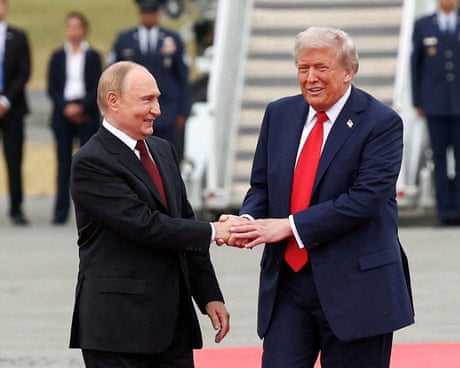
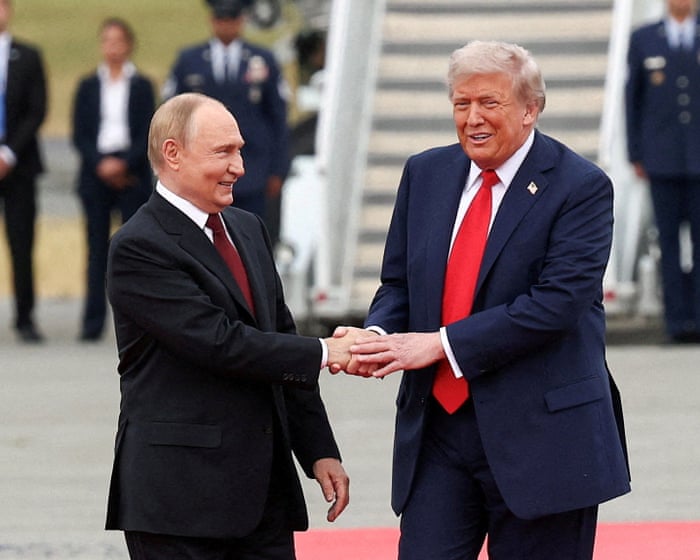
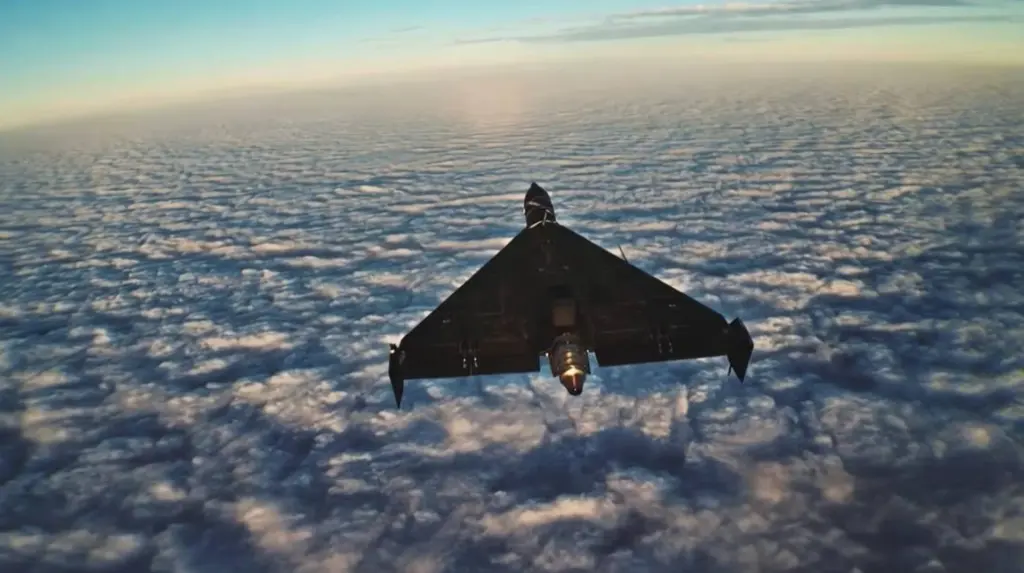
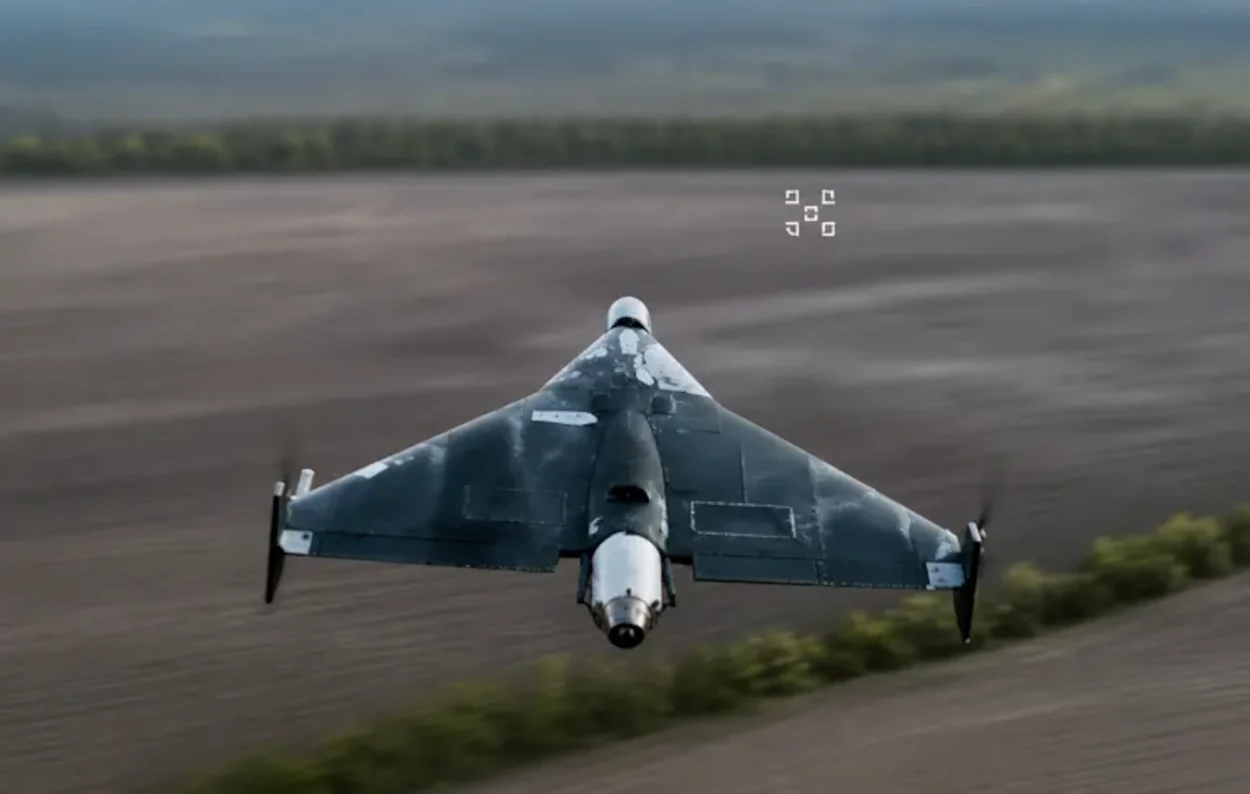
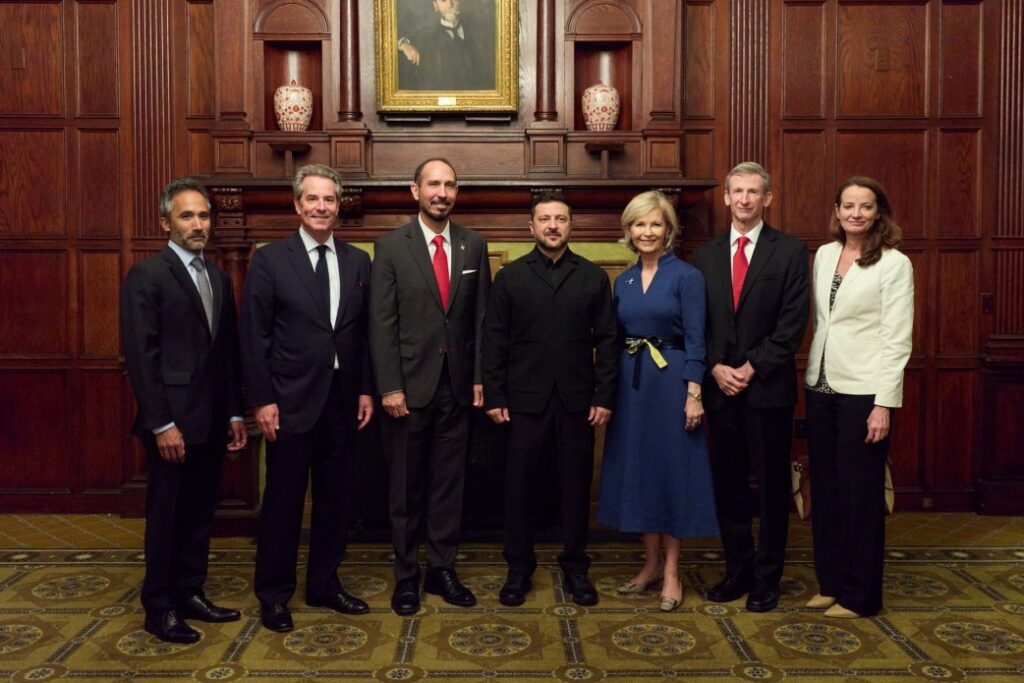
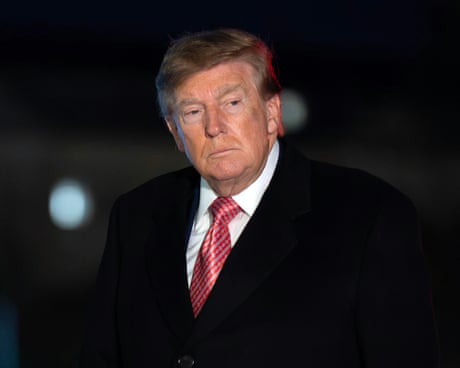
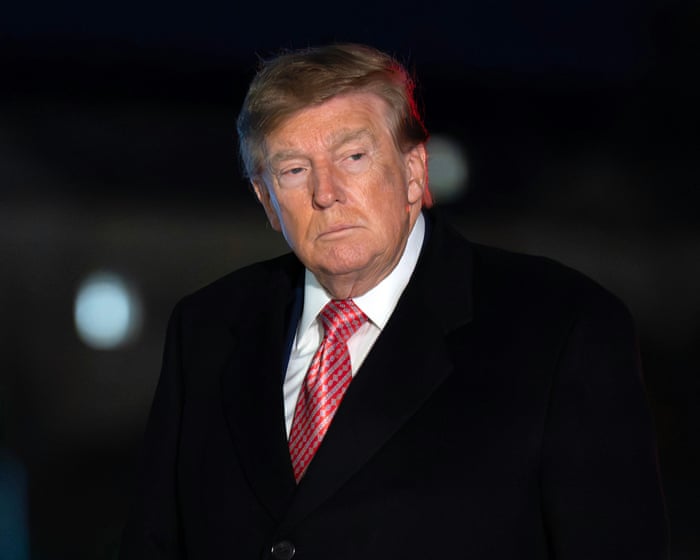

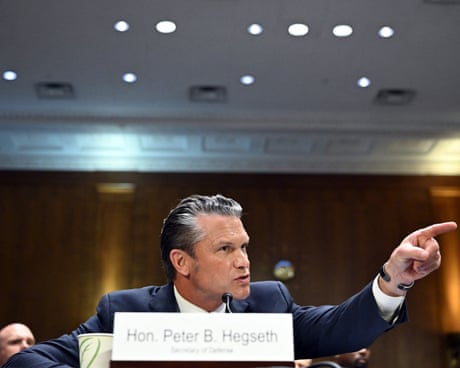
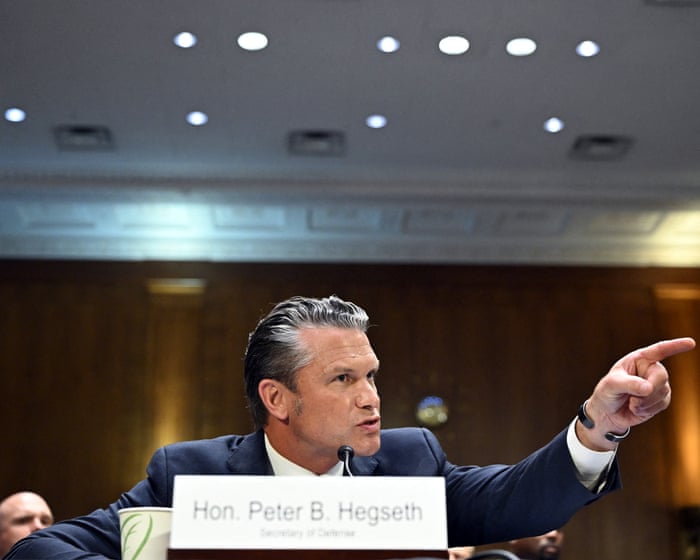


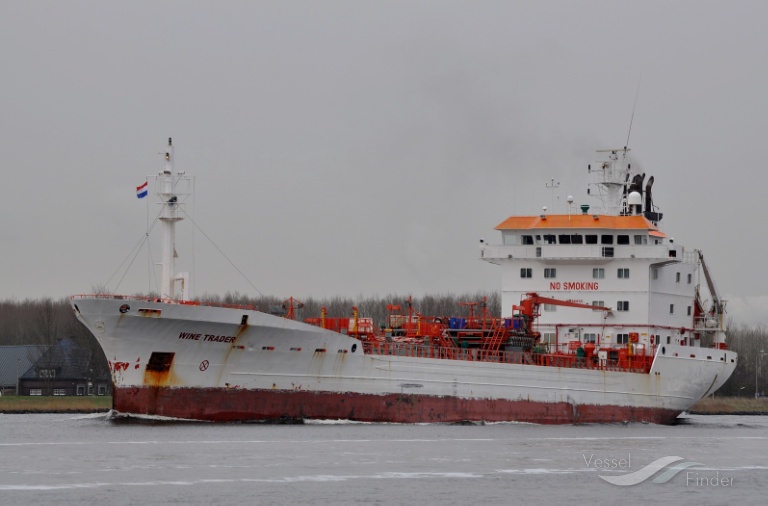


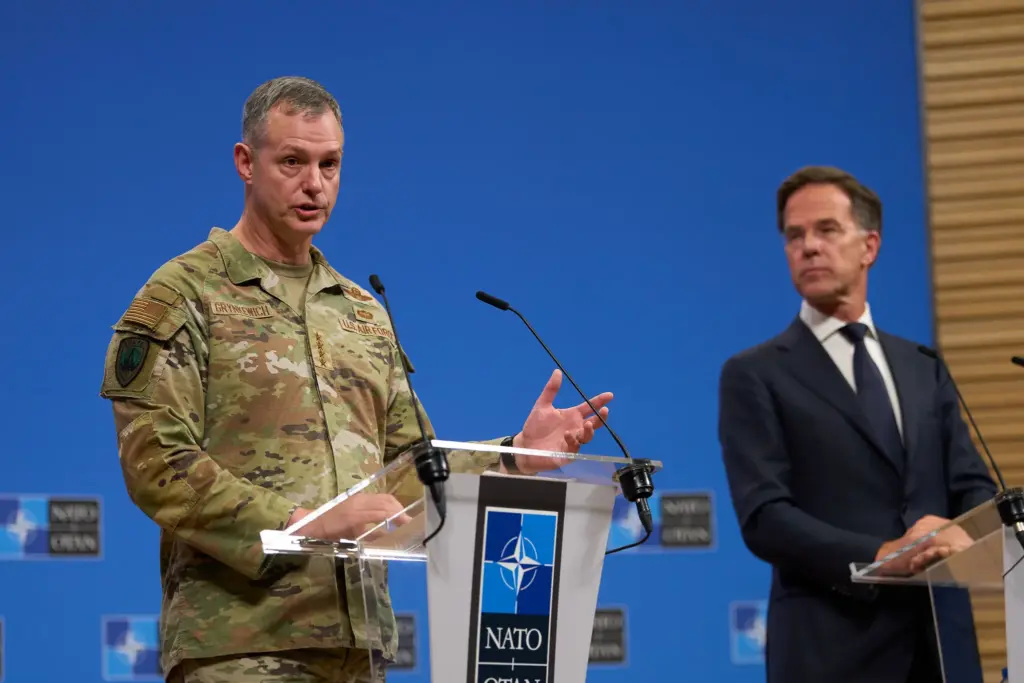


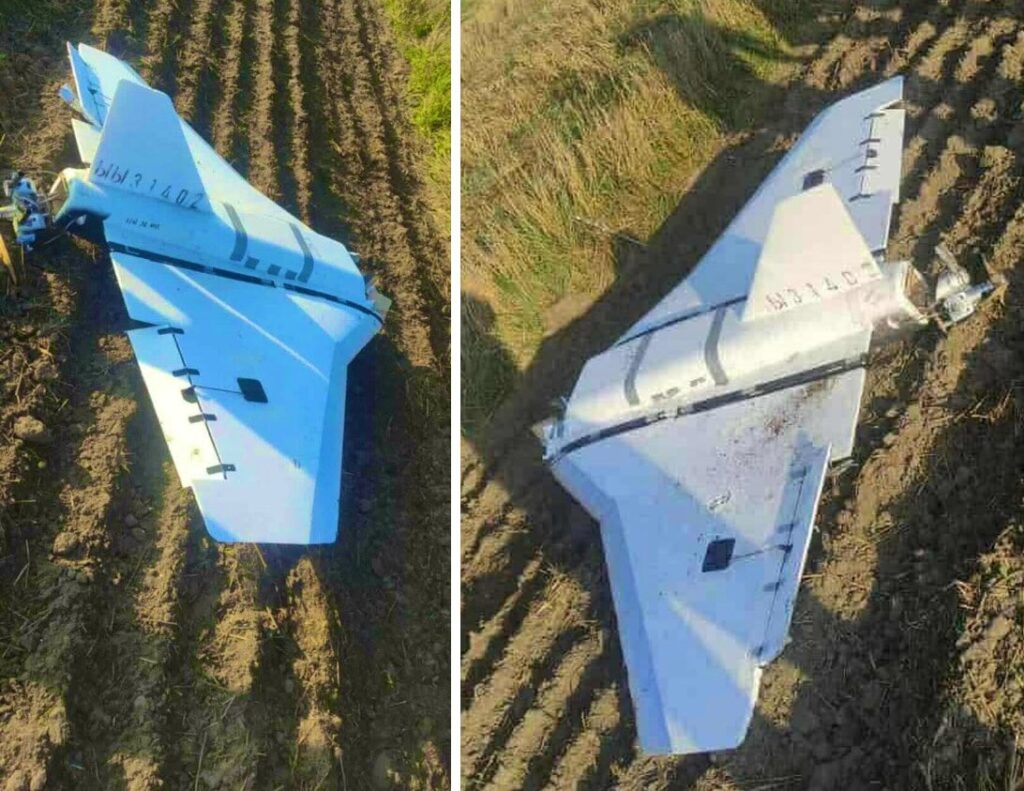
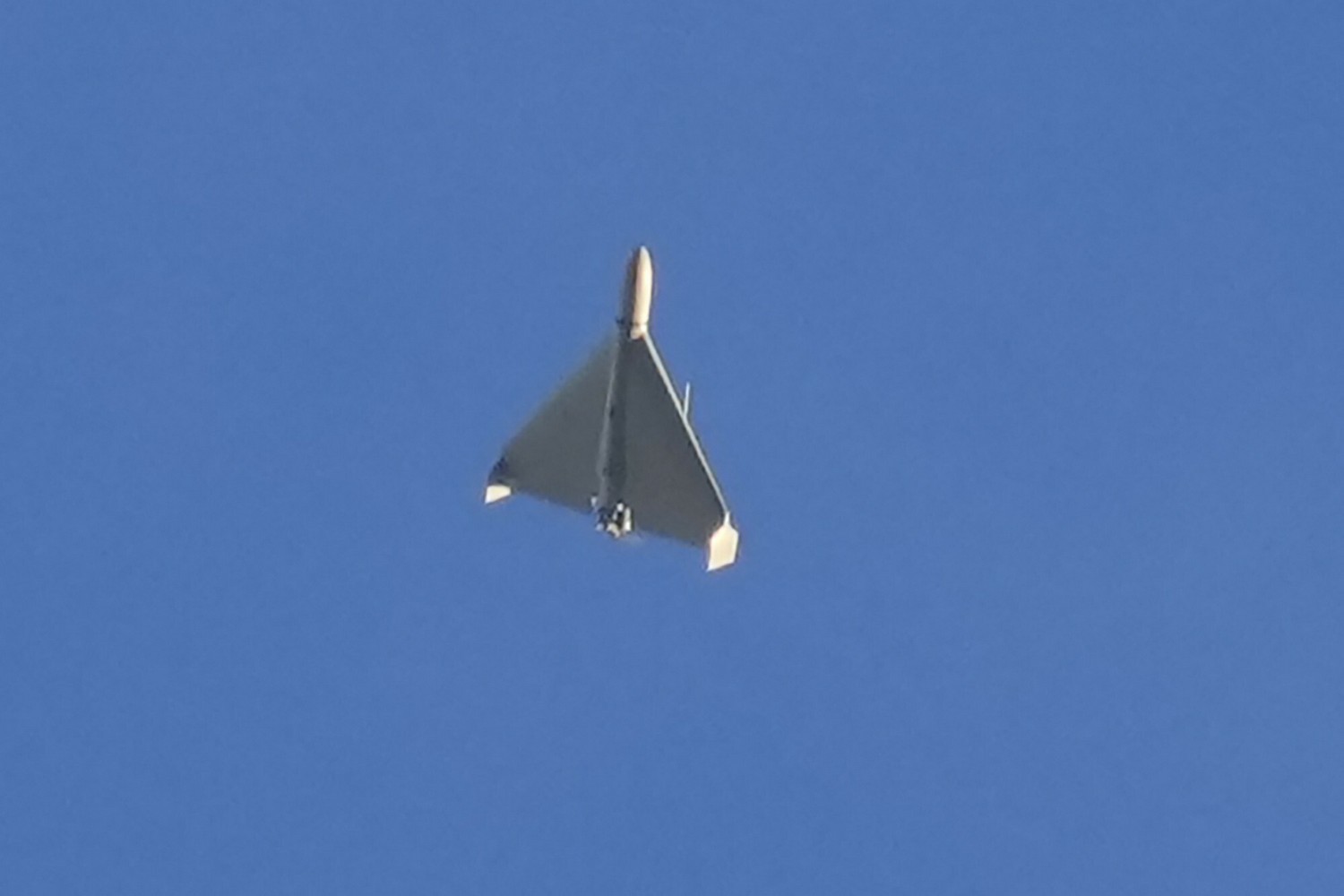
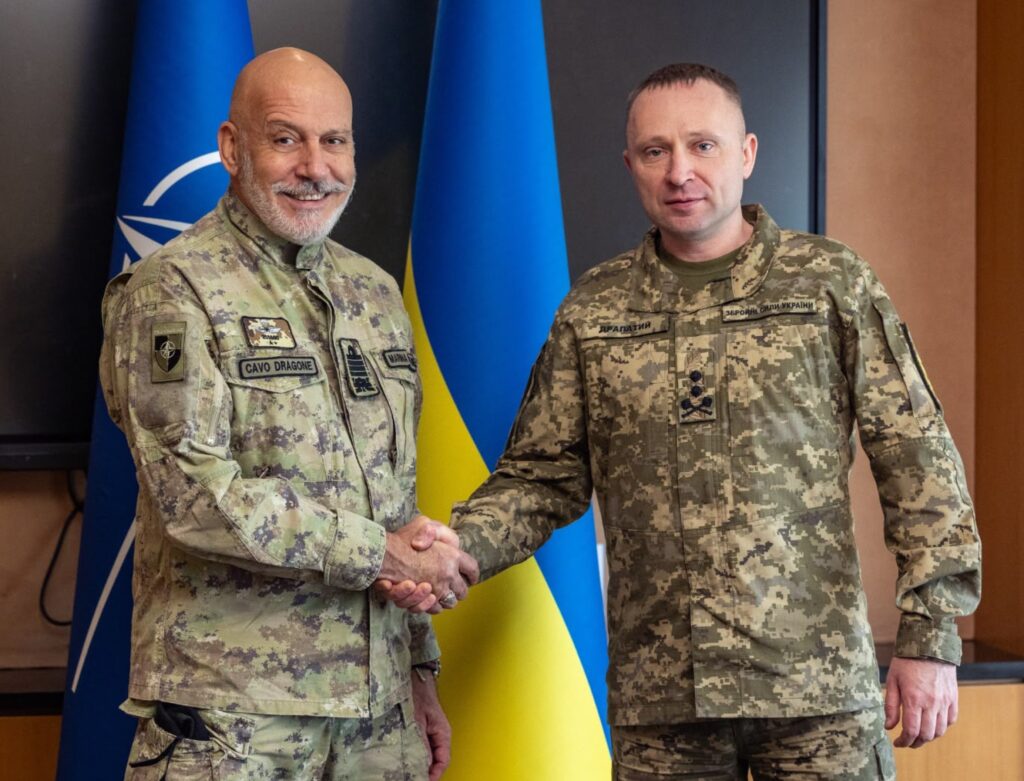
 Armed Forces, focussed on Ukraine’s military priorities and lessons learned to strengthen…


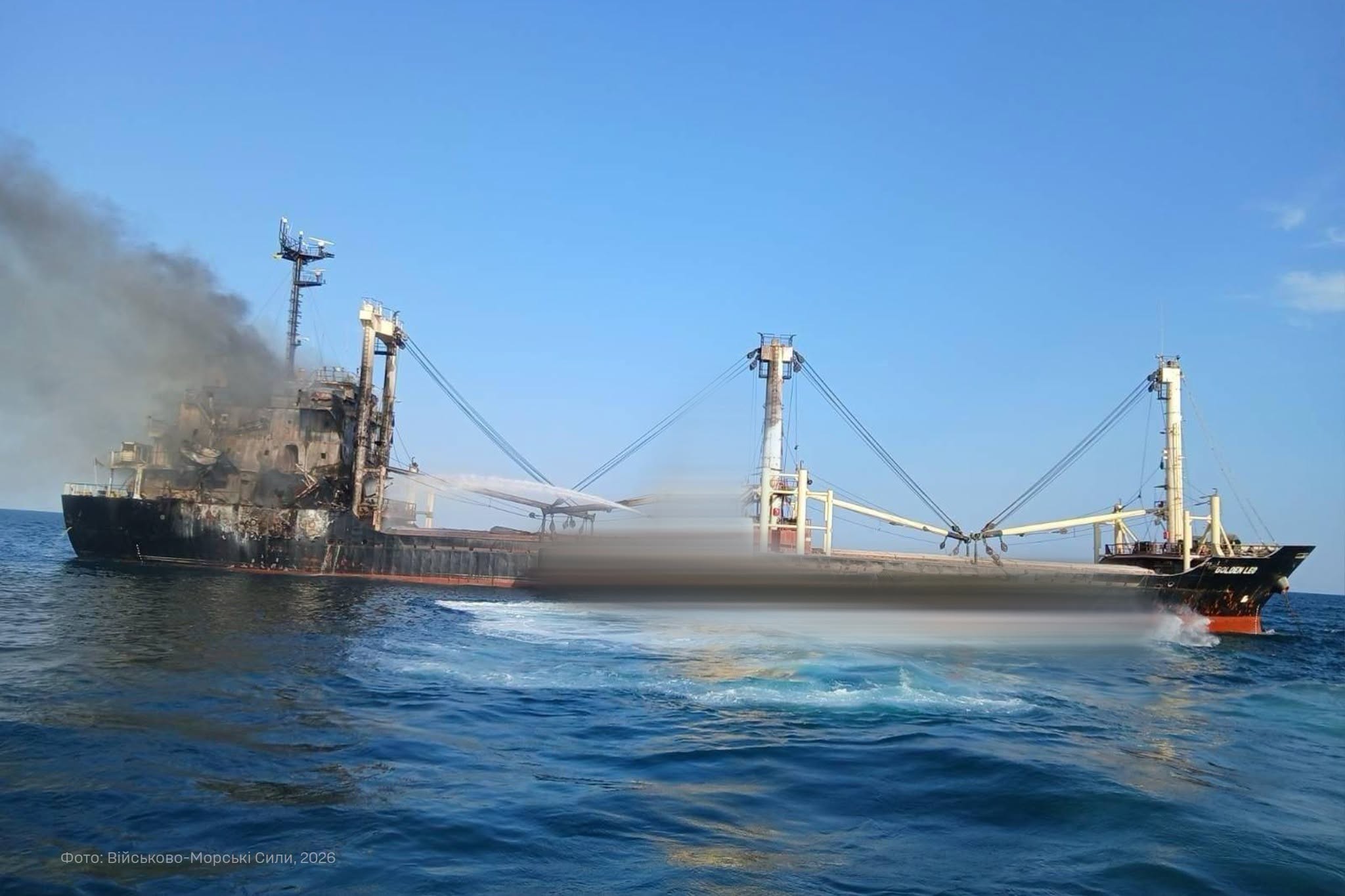
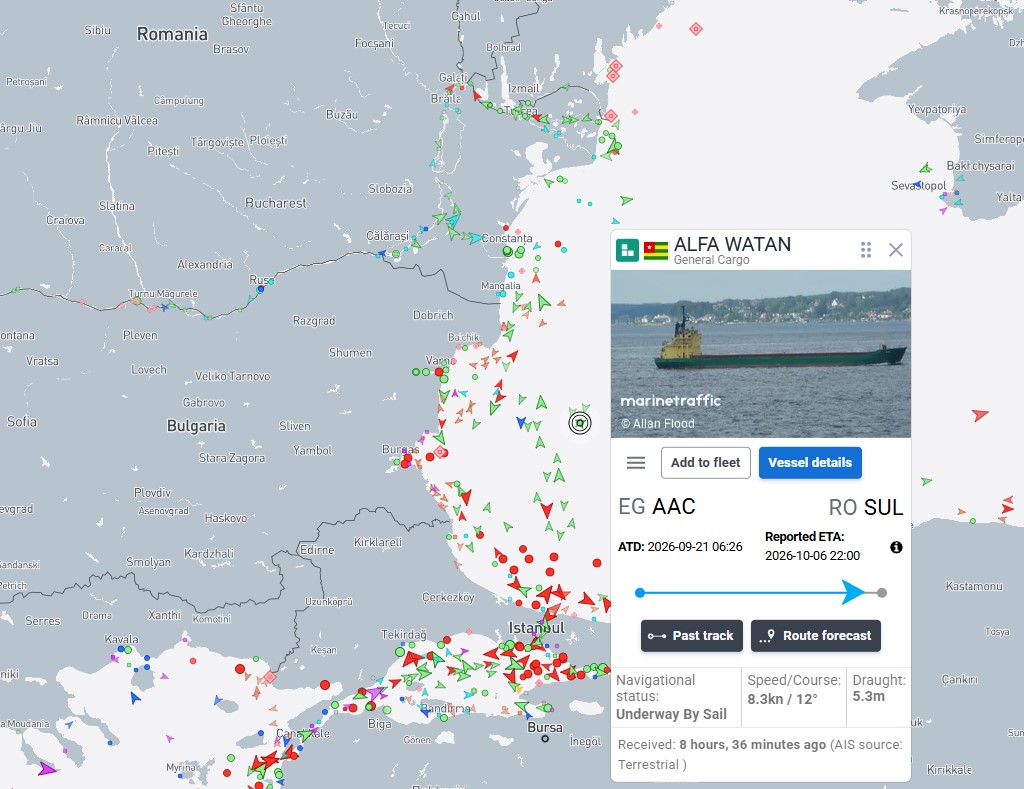
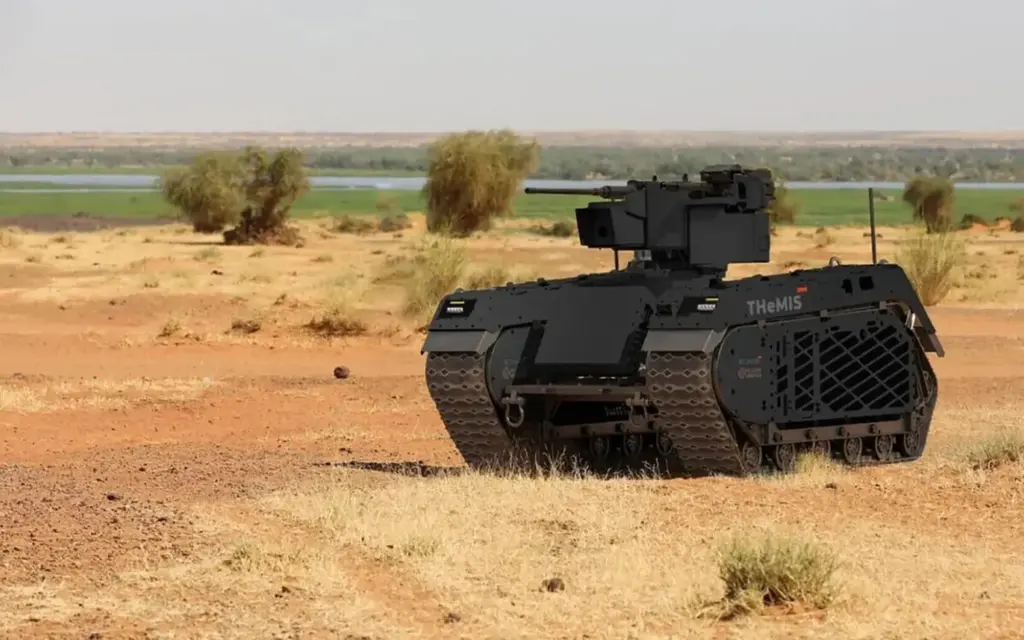

 Момент удару «Герані-5» поблизу КПП «Ягодин», – місцеві канали.