Connexion

Russia may not give Oleshky evacuees a free choice to return to Ukraine, ISW warns, after Putin called the town a “Russian settlement”
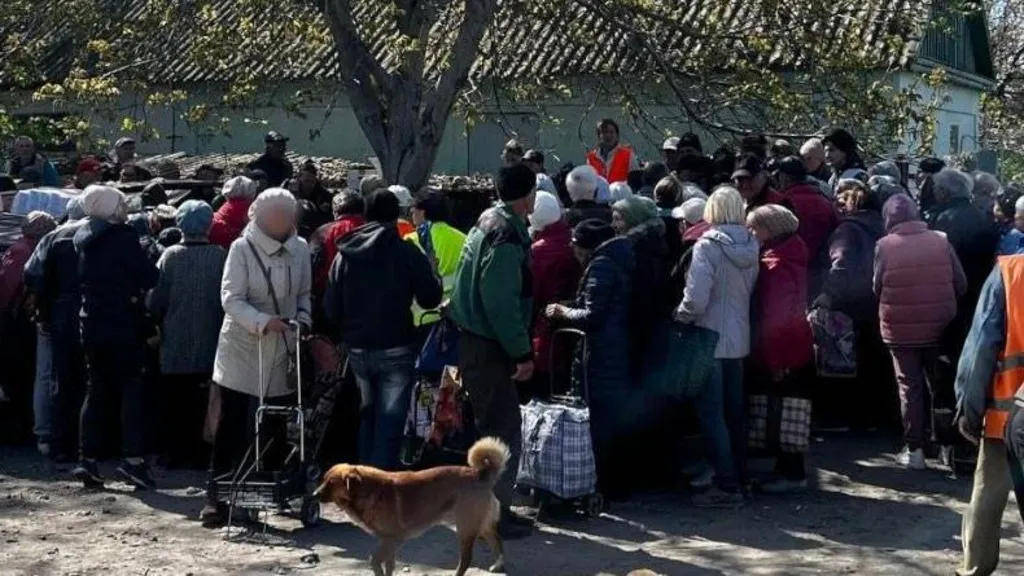
Civilians in Russian-occupied Oleshky, Kherson Oblast, are to be evacuated from the town hospital on the morning of 30 October, Oleksandr Tolokonnikov, deputy head of the Kherson Oblast Military Administration, told DW on 27 October. The date could still change, he said.
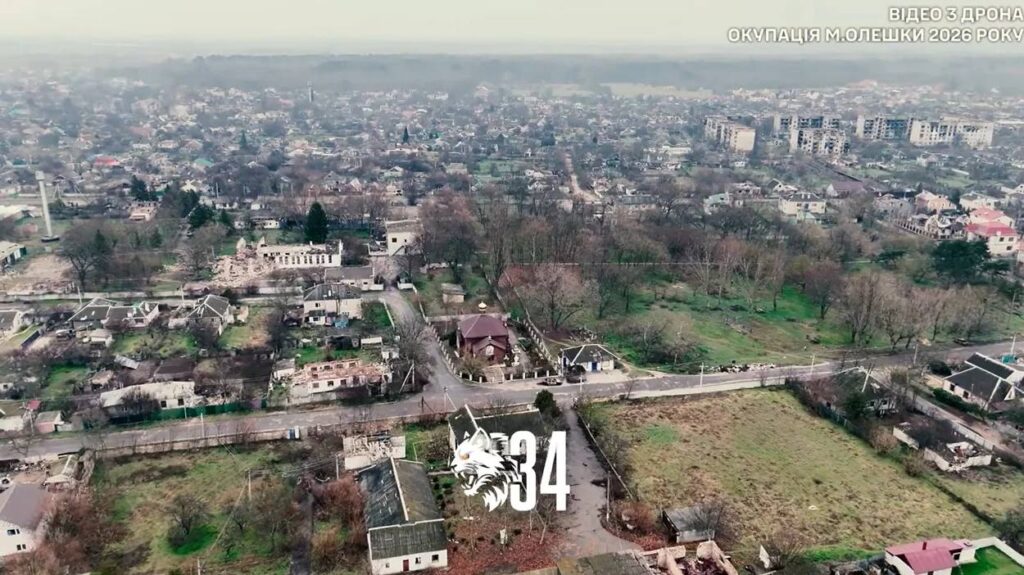
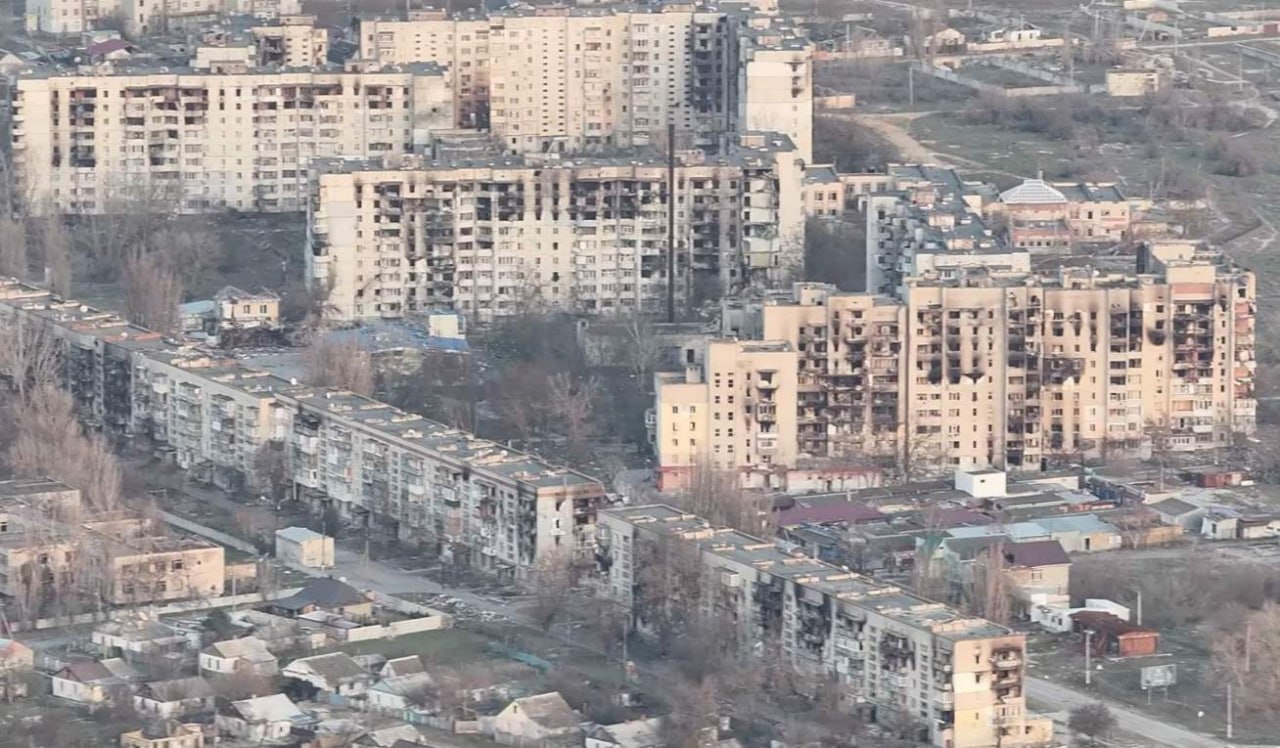
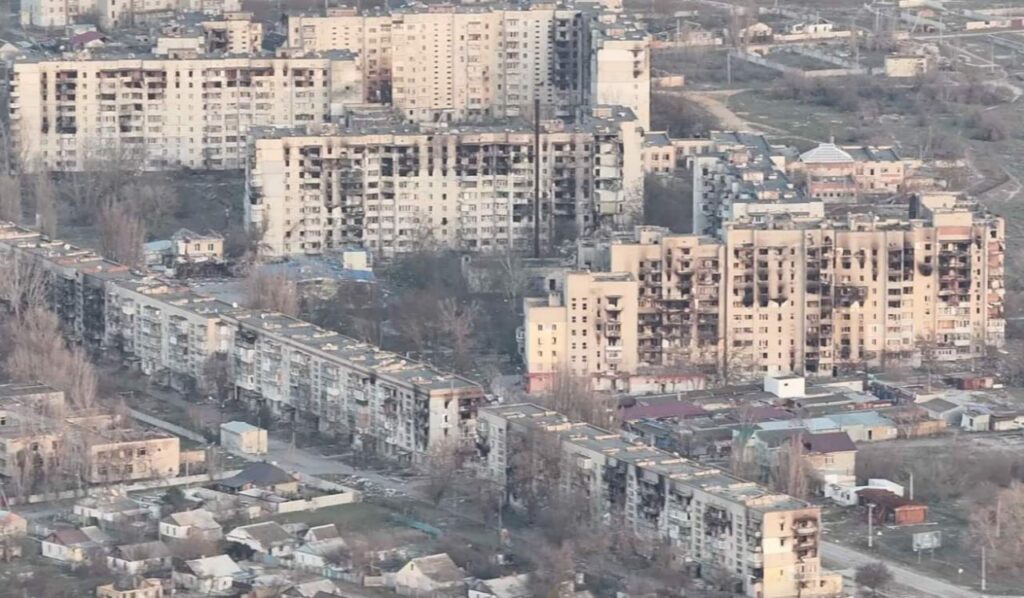
Oleshky, a town on the Dnipro’s left bank across from Kherson, has been occupied by Russia since February 2022 and has gone short of food and medicine for months. Of about 24,000 pre-war residents, 1,700 to 2,000 remain, mostly elderly, the White House estimates. Drone strikes and mines have cut the town off from the rest of the region, the Financial Times reported. The evacuation would give them an organized way out, and test whether Russia lets those who choose Ukraine actually leave.
The route for those who want to go to Ukrainian-controlled territory is not yet set and will likely pass through Russia, Tolokonnikov said. “There will be two paths,” he added: one for those who want to stay in occupied territory or in Russia, and one for those who want to leave.
Putin calls Oleshky a “Russian settlement”
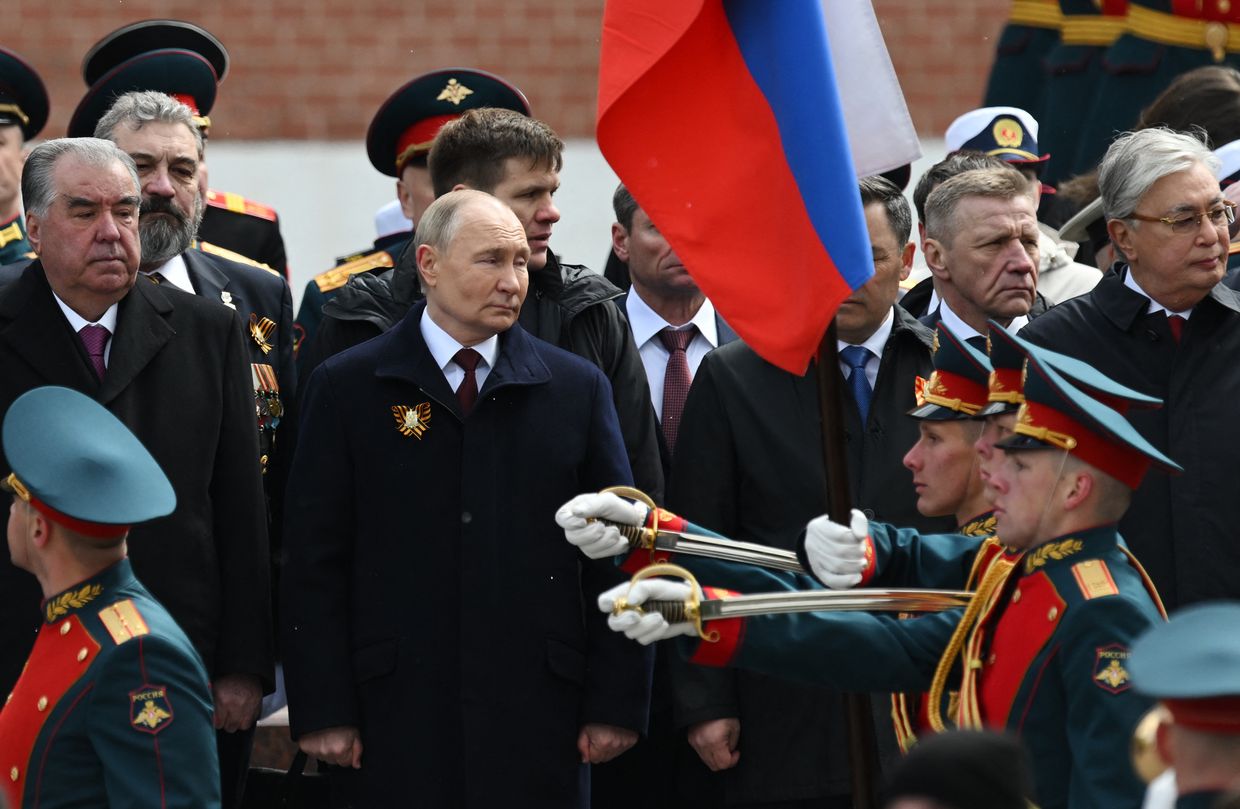
On 27 October, Russian President Vladimir Putin described Oleshky as a “Russian settlement” in a call with the leaders of Finland and Norway, the Institute for the Study of War (ISW) reported. ISW said it remains unclear whether occupation authorities will give residents “a legitimate and duress-free choice” to return to Ukraine. It warned that Moscow may treat holders of Russian passports as Russian citizens with no legal recourse to return.
People with knowledge of the talks told the Financial Times that residents who agree to leave would first be taken to occupied Crimea or Russia. The paper also reported that buses would take people out on Thursday morning, 29 October, a day earlier than the date Tolokonnikov gave.
President Volodymyr Zelenskyy warned in a television interview on 25 October, the FT reported, that Russia would “de-mine in such a way that these people go towards Russia and remain there.”
Truce holds into a second day
The ceasefire took effect at 03:00 Kyiv time on 27 October and runs until 22:59 on 1 November, Ukraine’s human rights commissioner Dmytro Lubinets said on X. A day later, he wrote that Oleshky had gone 30 hours without an incident, crediting his contact with Russia’s human rights commissioner Yana Lantratova. The goal, he wrote, is to “create the conditions for the safe departure of those who need it.”
Ceasefire in Oleshky: Agreement Being Fully Honored
— Dmytro Lubinets (@lubinetzs) October 27, 2026As of 5:30 p.m. on October 27, Ukraine and Russia are adhering to the ceasefire agreement in designated areas related to the humanitarian mission.
The ceasefire came into effect today at 3:00 a.m. Kyiv time and 4:00 a.m.… pic.twitter.com/2dzMIXRANX
The truce also covers Kherson Oblast’s coast, and Kherson city has gone quiet, Tolokonnikov told DW. The city has “literally come alive,” Lubinets wrote on 28 October, adding that both sides were still fully complying as of 12:00. On the truce’s first day, Volodymyr Obertas, an Oleshky-born press officer of Ukraine’s 34th Marine Brigade, was killed in central Kherson while escorting journalists. The brigade’s communications chief told Suspilne he stepped on an unidentified explosive device. The Defense Ministry’s Army TV said Russian forces detonated it remotely.
The deal reaches beyond Oleshky. Under terms both sides signed, Russia and Ukraine are to organize aid deliveries and repatriation in Kherson Oblast settlements as needed, at least once a month, after the Oleshky mission, Fox News reported.
The White House announced the ceasefire on 23 October, crediting First Lady Melania Trump with brokering it.
“I anticipate some will want to go to Russia, and some to Ukraine,” she said.
Drone-dropped aid and warning of staged Russian videos
Ukraine’s 34th Marine Brigade, working with National Guard and border guard units in Joint Forces South, delivered about 4 tons of food and medicine to Oleshky by drone, the command said on 25 October. According to intelligence, Russia is preparing dozens of staged videos in the town, in which residents would be forced to say on camera that they are well fed and grateful to the occupiers, it added.
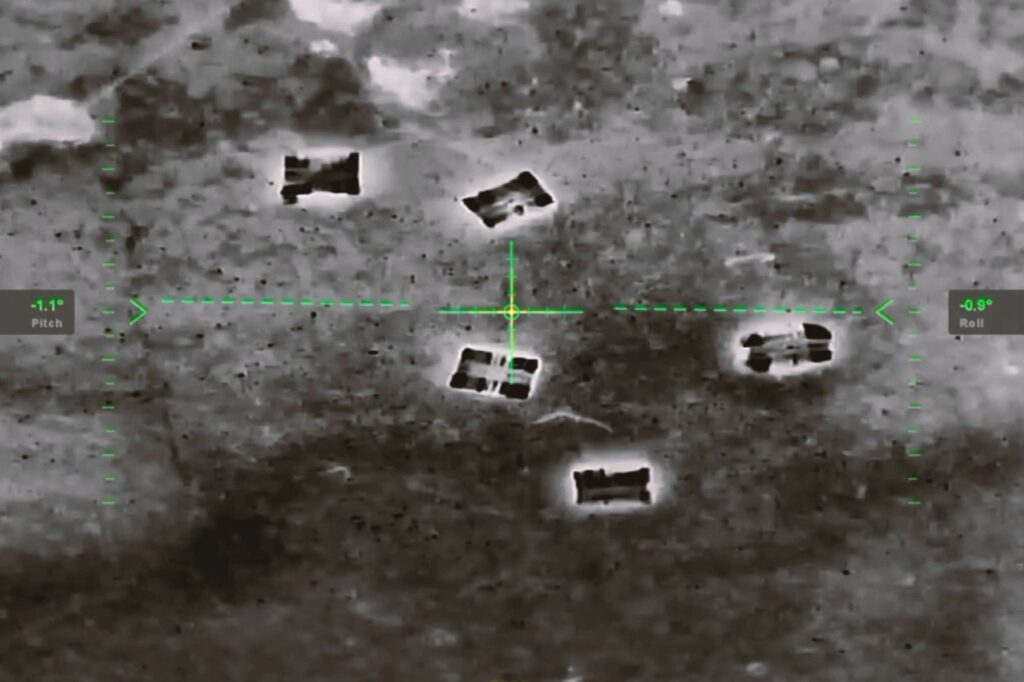
Residents who try to leave the front-line town on their own cross mined ground, and Russian troops have seized food that Ukraine dropped in by drone.
Read also
-
Oleshky ceasefire expands beyond occupied town as truce holds without reported violations
-
International monitors confirm Russia’s blockade of occupied Oleshky, where the living starve and the dead go unburied
-
European Parliament vice president launches hunger strike demanding a truce and evacuation for Russian-occupied Oleshky