Vue normale

  • ✇Euromaidan Press
  • Russia weaponizes Ukrainian children in occupied territories. Ukraine singles out those responsible
    Ukraine’s military intelligence (HUR) has named 10 people and two institutions it says are teaching Ukrainian children under occupation to handle weapons—and preparing them to serve Russia. HUR says those named use youth groups, occupation education authorities, and schools to erase children’s Ukrainian identity and prepare them for Russian military service. Publishing their names supports Ukraine’s efforts to document the system and hold its organizers accountable, but
     

Russia weaponizes Ukrainian children in occupied territories. Ukraine singles out those responsible

18 août 2026 à 13:47

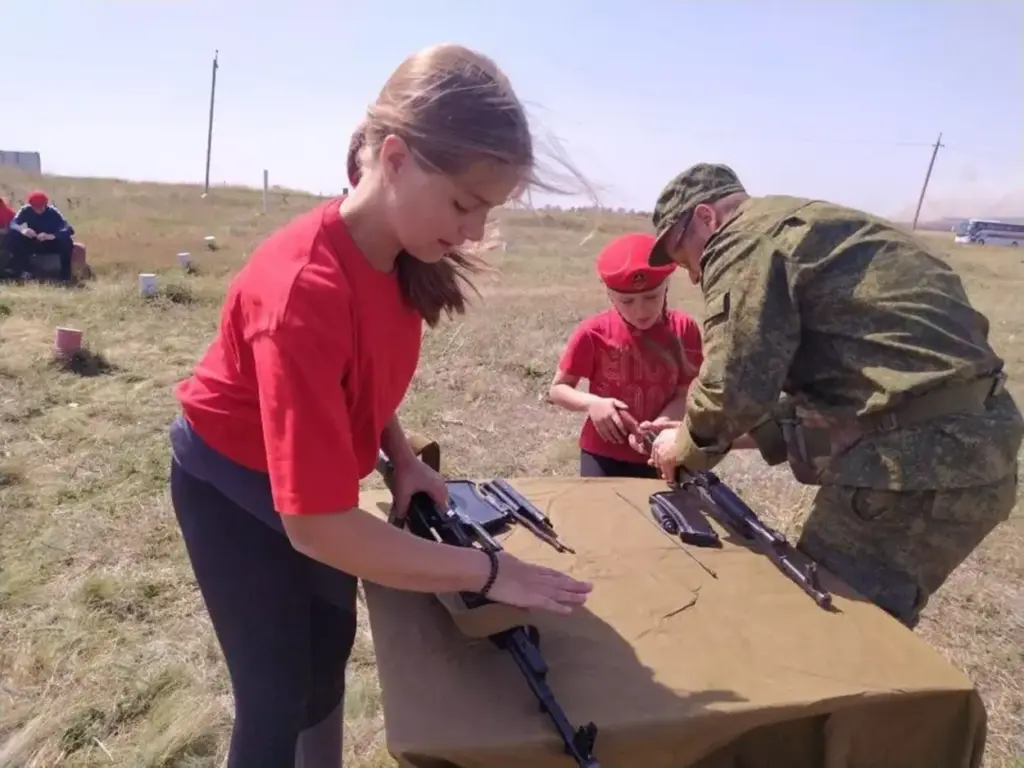
Two children handle rifles as a uniformed man demonstrates a weapon on a table outdoors.

Ukraine’s military intelligence (HUR) has named 10 people and two institutions it says are teaching Ukrainian children under occupation to handle weapons—and preparing them to serve Russia.

HUR says those named use youth groups, occupation education authorities, and schools to erase children’s Ukrainian identity and prepare them for Russian military service. Publishing their names supports Ukraine’s efforts to document the system and hold its organizers accountable, but HUR announced no charges or sanctions with the update.

How Russia militarizes Ukrainian youth in occupied territory

At a May 2026 “Zarnitsa 2.0” competition, the Kremlin-backed Movement of the First taught children to handle weapons and explosives and operate drones, HUR said.

At the competition’s stage in occupied Zaporizhzhia Oblast, regional organizer Viktoria Kostromina stated those skills would provide children with a “reliable foundation in life.”

The training sits inside a much larger school system. From 1 September, occupation schools will add a separate basic military-training track alongside a new Russian ideology class and behavior grades. More than 582,000 children across nearly 2,000 schools study under the imposed Russian curriculum, according to the Almenda Center of Civil Education.

Russia is also embedding combat preparation more deeply. “Cossack classes” will make ideological and combat-related drills compulsory for fifth-graders in four occupied Donbas cities. In Crimea, occupation authorities say they have built a pipeline that selects schoolchildren for drone training and ultimately for the Russian military reserve.

The policy has a long horizon. Putin’s 2025 strategy set a 95% “Russian civic identity” target for occupied populations by 2036.

Who HUR says is behind the indoctrination

HUR linked the individuals to the Movement of the First, Yunarmia, occupation education bodies, and a school in Simferopol.

Whom the HUR identified

  • Artur Orlov: chairman of the Kremlin-backed Movement of the First.
  • Oleksii Lavrentiev, Marina Tsvetinskaya, Ruyal Aliyev, Ekaterina Kozyr, Viktoria Kostromina and Kateryna Popova: regional Movement of the First organizers in occupied Ukraine.
  • Svitlana Bespalova: occupation deputy education minister in Crimea.
  • Nikita Polyakov: Yunarmia organizer in occupied Kherson Oblast.
  • Dmytro Pryvidion: director of School No. 5 in occupied Simferopol.

HUR also identified two institutions: Pryvidion’s School No. 5 and the Selet–Ak Bars youth center in Foros. It says the school holds militaristic activities and produces devices for loading rifle magazines, while the center stages pro-war events for children.

All 12 entries now appear in the “Child Kidnappers” section of HUR’s War&Sanctions database.

Ukraine has previously pursued individual organizers through criminal cases. In 2024, the SBU accused a Crimea occupation official of using schools and military camps to indoctrinate pupils and encourage enlistment in Russia’s forces.

Ukraine’s ombudsman later asked the ICC and Ukrainian law enforcement to recognize systematic child militarization as a crime against humanity.
  • ✇Euromaidan Press
  • Russians are buying seaside apartments built on the ruins of the Mariupol homes Russia bombed—DW
    Russians moving into occupied Mariupol are buying apartments built over Ukrainian homes destroyed during Russia’s 2022 siege, German broadcaster Deutsche Welle (DW) reported on 15 August 2026. Ukrainians who lived on the sites received none of the new units, a source told the outlet. The construction is part of Russia’s wider Russification of occupied Mariupol. Occupation authorities have separately listed nearly 900 apartments for redistribution, including properties b
     

Russians are buying seaside apartments built on the ruins of the Mariupol homes Russia bombed—DW

17 août 2026 à 11:53

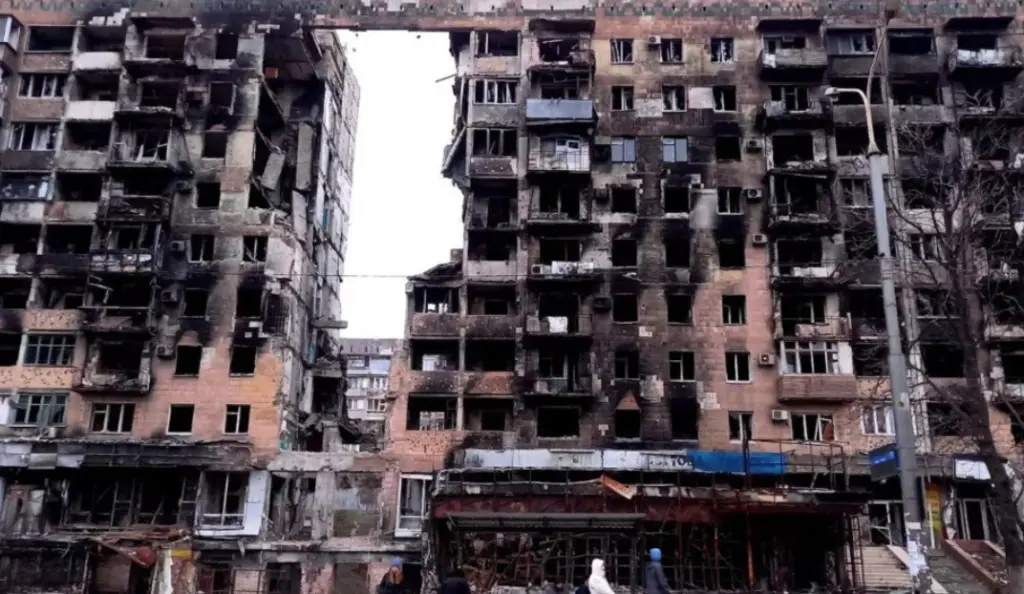
War-damaged apartment blocks in Mariupol with burned facades, shattered windows and exposed interiors.

Russians moving into occupied Mariupol are buying apartments built over Ukrainian homes destroyed during Russia’s 2022 siege, German broadcaster Deutsche Welle (DW) reported on 15 August 2026. Ukrainians who lived on the sites received none of the new units, a source told the outlet.

The construction is part of Russia’s wider Russification of occupied Mariupol. Occupation authorities have separately listed nearly 900 apartments for redistribution, including properties belonging to residents forced out by the siege.

Economist Vyacheslav Shiryaev said the new apartments are being bought primarily by newcomers, including Russian security personnel, officials, and military logistics workers. Some simply want to live by the sea but cannot afford property in occupied Crimea or Sochi, a Russian Black Sea resort, he said.

In Russia-occupied regions, borrowers with Russian citizenship are offered mortgages at 2% annual interest, DW reported.

Occupation authorities also ordered some residents out of apartments that had survived the attacks. Some were sent to hostels or accommodation on Mariupol’s outskirts instead of receiving replacement apartments, a source told DW.

Unable to enter occupied Mariupol, DW based its investigation on former residents’ accounts, satellite imagery, and online research.

Homes erased, residents pushed out

For former residents, homes destroyed in the siege are being replaced with apartments for newcomers.

Halyna Artemova, an English teacher, lived in one of the demolished apartment blocks for almost 40 years. A Russian missile struck the building in March 2022. Wounded by shrapnel, she escaped with her mother and son. A new high-rise now stands where her home once did.

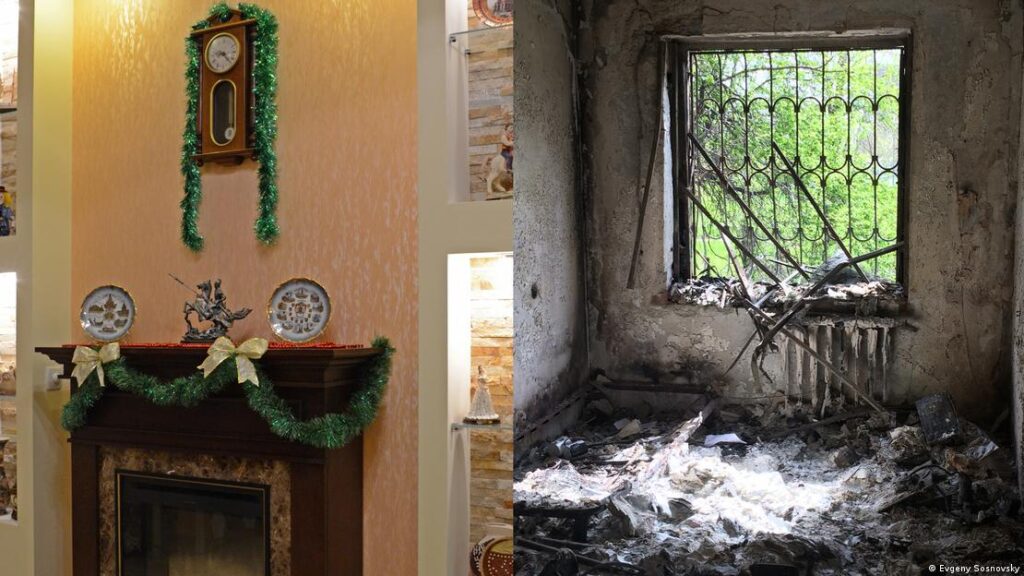
Yevhen Sosnovskyi, a photographer, and his wife had lived in a neighboring building for 20 years. It caught fire during the attack, and Russian troops drove residents out without allowing them to take food or clothes.

Sosnovsky photographed his apartment before and after the attack, preserving a record of the home they lost. A parking lot now covers the site.

They’re building on human bones, and fast, to eradicate the traces of their crimes,” Sosnovsky told DW.

Photographer Yevhen Sosnovskyi documented his apartment before and after the Russian attack. Photo: Yevhen Sosnovskyi via DW.

Russia remakes a city it destroyed

The new housing is part of a wider Russian effort to reshape Mariupol after its forces destroyed and occupied the city. The UN assessed that up to 90% of the city’s residential buildings were damaged or destroyed.

On 16 March 2022, Russia bombed the Mariupol Drama Theater, where civilians sheltered beneath a large “CHILDREN” sign. An eyewitness described chaos, blood, and survivors using torn blankets as bandages.

In the wake of its destruction of the city, Moscow plans to move about 114,000 of its citizens into occupied Ukraine, with Mariupol as one of the main destinations.

  • ✇Euromaidan Press
  • One tower linked two Russian regiments near Kharkiv border. Ukrainian partisans say they disabled it 
    On 13 August, the Ukrainian-Crimean Tatar partisan movement ATESH said its agents had disabled a communications tower near Pylna in northern Kharkiv Oblast. The group said the damage disrupted links between two Russian motor rifle regiments near the border. Pylna lies on the Russian border and was among the villages seized when Moscow opened the northern Kharkiv front in May 2024. The claimed tower attack is part of a wider Ukrainian resistance effort behind Russian li
     

One tower linked two Russian regiments near Kharkiv border. Ukrainian partisans say they disabled it 

13 août 2026 à 12:00

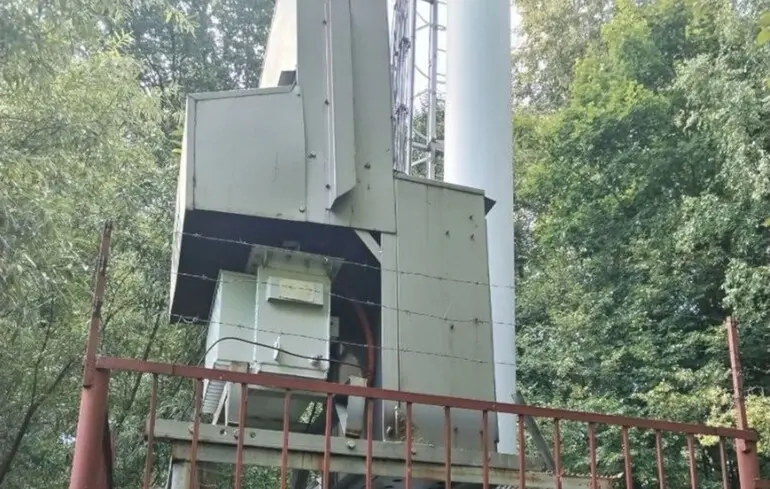
Close-up of equipment at the base of a communications tower behind a metal fence in a wooded area.

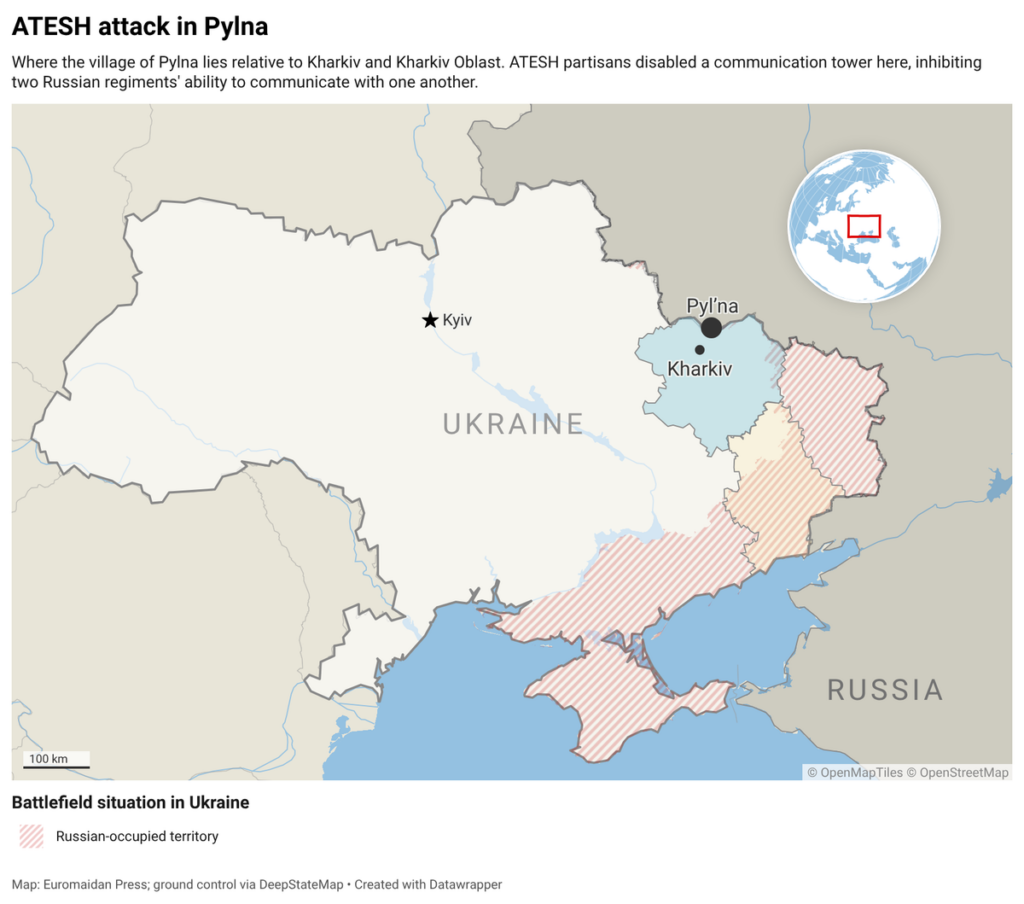
On 13 August, the Ukrainian-Crimean Tatar partisan movement ATESH said its agents had disabled a communications tower near Pylna in northern Kharkiv Oblast. The group said the damage disrupted links between two Russian motor rifle regiments near the border.

Pylna lies on the Russian border and was among the villages seized when Moscow opened the northern Kharkiv front in May 2024. The claimed tower attack is part of a wider Ukrainian resistance effort behind Russian lines. Moscow's forces still depend on infrastructure in occupied territory to communicate, move supplies, and hold the line. Ukraine’s underground fighters exploit that dependence from within, targeting communications, transport, and fuel supplies to create problems for Russian units at the front.

ATESH said the tower carried data between Russian command posts and coordinated units in the area. The movement said its loss disrupted command channels and delayed border-zone mobile groups. It did not say how agents disabled the tower or how long the interruption would last.

The partisans stated that the communications between Russia’s 345th and 380th motor rifle regiments were hit hardest. The regiments operate in neighboring sectors and rely on stable links for joint action and rapid responses, according to the group. ATESH claimed their offensive tempo and ability to support each other had fallen.

Neither the claimed ATESH sabotage nor its reported effects have been independently verified.

ATESH attacks on Russian supply lines

The tower claim follows ATESH’s 10 August account of sabotaging an electric locomotive near Voronezh. The group said it carried military supplies toward the Kupiansk front in Kharkiv Oblast. In June, ATESH also said agents damaged power and rail equipment near Russia’s Novomoskovsk Azot plant, whose output feeds explosives production.

ATESH has also reported intelligence work inside Russian forces. In July, the group said an agent reported a Ukrainian strike on five military fuel trucks in occupied Luhansk. Together, the claims describe a campaign against transport, fuel, and communications behind the front.

Ukrainian resistance works behind the front

The claimed tower operation is one part of the Ukrainian resistance behind Russian lines. Underground networks also gather intelligence and sustain civil defiance. 

A Euromaidan Press investigation documented groups planting explosives, tracking Russian positions, distributing leaflets, and painting Ukrainian symbols despite the threat of imprisonment and torture.

ATESH says its network includes Ukrainians, Crimean Tatars, anti-war Russians, and sources inside Russia’s military and occupation administrations. Its claims are often impossible to verify independently. Taken together, they portray a campaign to make Russia’s rear less secure while other groups preserve Ukrainian identity under occupation.

A 12-year-old dies in occupied Kherson Oblast where no hospital or ambulance is left, Ukrainian official says

13 août 2026 à 07:34

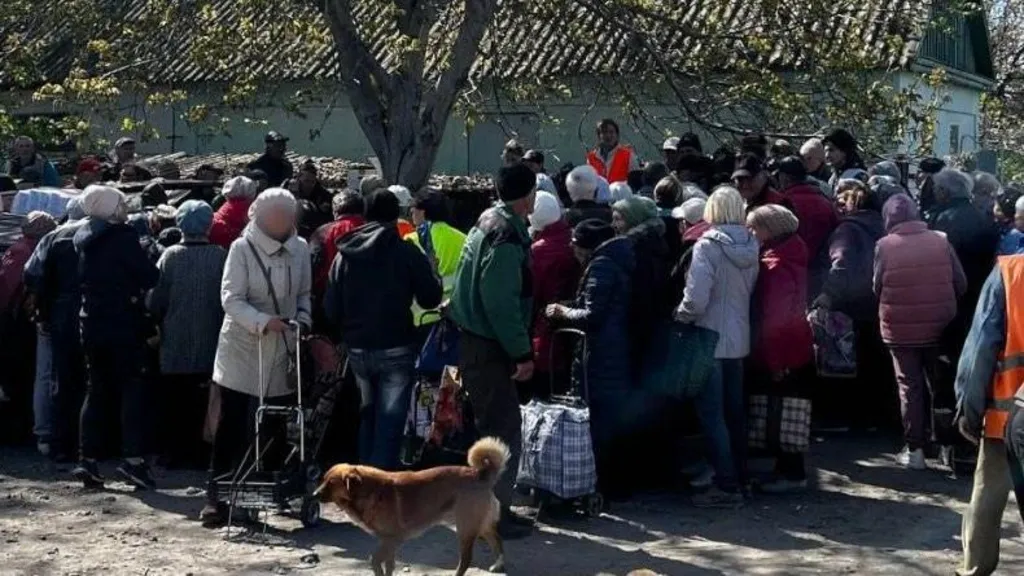
Residents, many elderly and carrying shopping trolleys, gather outdoors in occupied Oleshky, Kherson Oblast.

A 12-year-old with a high fever died without medical care in Russian-occupied Kherson Oblast, Hola Prystan official in exile Svitlana Linnyk told Ukrinform on 13 August 2026.

No medicine or medical worker was available locally, and the child’s mother could not reach an ambulance pickup point, she said.

The child's reported death comes amid a wider humanitarian crisis in Russian-occupied Kherson Oblast. UN and OSCE monitors found drone attacks, mines, and movement restrictions obstructing medical aid and evacuations around Oleshky and Hola Prystan, two occupied communities across the Dnipro from Kherson city. About 6,000 civilians, including 200 children, remained in and around the two communities as of May. Similar medical shortages span occupied Ukraine, while access to free medicines has been tied to having a Russian passport.

The Hola Prystan community where the child died has no operating hospital or rural medical post, Linnyk said. Only two pharmacies remain: one in the city of Hola Prystan and another in the nearby village of Nova Zburivka. Both are selling their remaining supplies.

The nearest hospital is in Skadovsk, an occupied Black Sea port about 60 kilometers by road from Hola Prystan. Nova Zburivka’s ambulance has not operated since 2025. 

Russian occupation authorities have distributed no humanitarian aid for at least eight months to villages surrounding Hola Prystan, or for over a year in the city itself, Linnyk said. 

Linnyk said a Moscow Patriarchate priest occasionally brought supplies but gave them only to Russian passport holders. This reflects a broader pattern of tying basic services in occupied Ukraine to accepting Russian citizenship.

Ukrainian children face a medical system stripped bare 

The medical dangers surrounding the 12-year-old’s death are not confined to Hola Prystan.

In April 2025, Ukraine’s National Resistance Center reported that occupation officials were administering vaccines to children under six in Luhansk Oblast. It described the vaccines as uncertified and of unknown origin.

That November, the Center said a Russian inspection found Crimea’s main children’s hospital lacked breathing bags and cardiac monitors. It said infant mortality on the occupied peninsula had risen 9% over the previous year.

Aid comes with a Russian passport

Hola Prystan is not the only occupied community where access to care has depended on Russian citizenship.

In 2023, Russian-installed officials in occupied Zaporizhzhia Oblast threatened to deny medical care to residents without Russian passports. A 2025 Kremlin policy later tied free medicines for chronic illnesses to Russian citizenship.

Ukraine’s Health Ministry reported in July 2024 that Russian forces had destroyed 214 medical facilities. It said the full toll remained unknown because authorities had limited access to occupied territories. 

Russia’s education minister calls it “objective.” A new textbook teaches Ukrainian children that their occupied region is historically Russian

11 août 2026 à 10:00

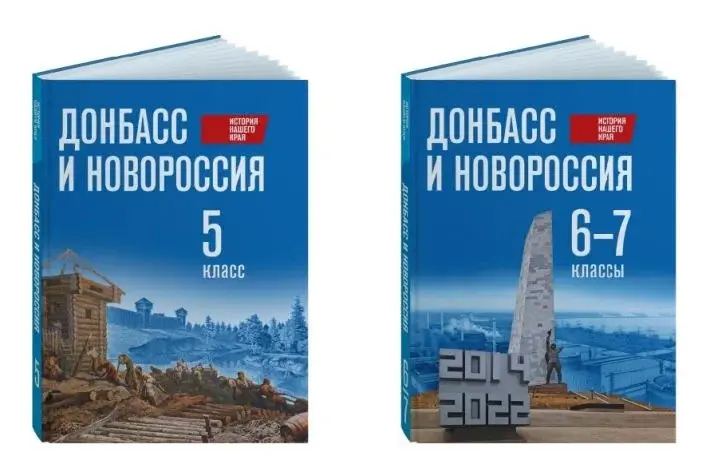
Covers of Russian “Donbas and Novorossiya” history textbooks for students in grades 5–7.

Russia will introduce two editions of a new regional history textbook series in occupied Ukrainian schools on 1 September 2026. The books present the occupied Ukrainian regions as historically Russian, MOST, a Kherson-based outlet, reported on 10 August.

The new textbooks bring Russia's campaign to erase Ukrainian identity into occupied classrooms, where authorities remove Ukrainian from curricula and replace lessons with Russian ideology, military drills, and firing-range visits. Moscow's Russification campaign extends beyond schools to efforts to change the demographics of occupied Ukrainian territory and re-educate forcibly transferred Ukrainian children.

The new textbook series, entitled "History of Our Region: Donbas and Novorossiya," comprises one edition for grade 5 and another for grades 6–7. The course attached to the books will be compulsory throughout Russia's so-called "new regions," according to the Ukrainian human rights center ZMINA.

"Novorossiya" is an imperial term Moscow uses to claim southern and eastern Ukraine. 

Russia's Education Ministry calls the course "objective" and part of a "unified history of Russia," Meduza reports. Minister Sergei Kravtsov claimed it contains "objective information, rather than the lies that appeared in Ukrainian textbooks."

Replacing the curriculum, then the population

The "Novorossiya" textbook forms part of a broader Kremlin campaign to Russify occupied Ukraine's education, culture, and demographics. 

Since occupying Melitopol, Russian authorities have systematically replaced Ukrainian curricula and textbooks. Older Russian textbooks, issued after Moscow's full-scale war, already depicted occupied Melitopol as part of Russia. 

A 2025 Kremlin strategy requires occupied regions to enter Russia's educational, cultural, and information space. The policy also sets a nationwide target for “All-Russian civic identity” to reach at least 95% by 2036.

35,000 Ukrainian children still missing

Meanwhile, experts estimate that about 35,000 Ukrainian children remain missing and are likely held in Russia or Russian-occupied territory. Yale's Humanitarian Research Lab identified at least 210 facilities used to hold children from Ukraine. The lab found that at least 130 facilities subjected Ukrainian children to pro-Russian cultural, patriotic, or military programs. 

One case shows where such indoctrination can lead. Once listed as missing under occupation, Ukrainian boy Oleksandr Mustiatse later appeared online in a Russian uniform bearing the “Z” invasion symbol, Save Ukraine reported.

Clashes ongoing in eastern Ukrainian village near lithium deposits, as military rejects claims of Russian capture

27 juin 2025 à 12:18
Clashes ongoing in eastern Ukrainian village near lithium deposits, as military rejects claims of Russian capture

Active fighting is still taking place around the village of Shevchenko in Donetsk Oblast, home to one of Ukraine's largest lithium deposits, a spokesperson for Ukraine's Khortytsia group of forces told the Kyiv Independent on June 27, denying reports Russia had occupied the village.

Earlier on June 26, Russia'a Defense Ministry said it had captured Shevchenko along with another other small settlements in the Velyka Novosilka region of the oblast, as Russian troops continue to push along all areas of the front line.

The spokesperson said that while Russian forces had pushed out Ukrainian soldiers on June 26, the situation is constantly evolving and subject to change several times a day.

"This is one of the two most intense directions right now," Viktor Trehubov, the spokesperson, told the Kyiv Independent.

According to the Ukrainian Geological Survey, the Shevchenkivske deposit covers nearly 40 hectares (98 acres) on the eastern outskirts of Shevchenko. Exact data on the Shevchenkivske deposit's lithium reserves are classified, but it's considered one of the most promising.

The deposit's main reserves consist of lithium ores, but it also contains other rare elements such as rubidium, cesium, tantalum, niobium, beryllium, and tin.

Ukraine is home to 20 of the world's critical minerals and metals like titanium used in the aerospace and defense industries and lithium, an essential component of electric vehicle batteries.

The U.S.-Ukraine minerals deal, signed April 30, specifically mentions lithium as one of the mineral resources that both parties could profit from extracting.

Despite the deposit's relatively small size, it could be operated by a single mine, which could make extraction more efficient, according to a Ukrainian Geological Survey data.

The survey classifies the deposit in the highest complexity category of three possible levels, which could complicate development.

According to KSE, Ukraine holds one-third of the European Union's lithium reserves and approximately 3% of global lithium reserves.

Putin under pressure to declare war on Ukraine, but experts say Russia isn’t ready
Despite suffering over 1 million casualties, pounding Ukrainian cities nightly with missiles and drones, and committing countless war crimes, one startling fact about Russia’s full-scale invasion remains — Moscow has yet to officially declare war on Ukraine. In February 2022, Russian President Vladimir Putin described what he believed was going to be a swift victory and the capture of Kyiv within days as a “special military operation.” Nearly three-and-a-half years later, the Kremlin is stuck
Clashes ongoing in eastern Ukrainian village near lithium deposits, as military rejects claims of Russian captureThe Kyiv IndependentChris York
Clashes ongoing in eastern Ukrainian village near lithium deposits, as military rejects claims of Russian capture
  • ✇The Kyiv Independent
  • Ukraine to seek EU sanctions against Bangladesh over Russia-stolen grain import
    Ukraine is preparing to request European Union sanctions against Bangladeshi entities over importing wheat stolen from Russian-occupied Ukrainian territories, Ukraine's ambassador to India told Reuters.In comments for Reuters published on June 27, Oleksandr Polishchuk said that Bangladesh had failed to respond to Ukrainian diplomatic appeals to stop the trade, prompting Kyiv to escalate the matter to the EU level."It's a crime," Polishchuk told Reuters. "We will share our investigation with our
     

Ukraine to seek EU sanctions against Bangladesh over Russia-stolen grain import

27 juin 2025 à 08:08
Ukraine to seek EU sanctions against Bangladesh over Russia-stolen grain import

Ukraine is preparing to request European Union sanctions against Bangladeshi entities over importing wheat stolen from Russian-occupied Ukrainian territories, Ukraine's ambassador to India told Reuters.

In comments for Reuters published on June 27, Oleksandr Polishchuk said that Bangladesh had failed to respond to Ukrainian diplomatic appeals to stop the trade, prompting Kyiv to escalate the matter to the EU level.

"It's a crime," Polishchuk told Reuters. "We will share our investigation with our European Union colleagues, and we will kindly ask them to take the appropriate measures."

Russian forces have seized millions of tons of Ukrainian grain from occupied areas, with at least 180,000 tons looted through the port of Mariupol alone, Ukrainian Prime Minister Denys Shmyhal said in October 2024.

The grain theft from occupied territories began in 2014 when Russia first invaded Ukraine and continued after the full-scale invasion launched in 2022.

The Ukrainian Embassy in New Delhi sent multiple letters to Bangladesh's Foreign Ministry this year, requesting rejection of more than 150,000 tonnes of grain allegedly stolen and shipped from the Russian port of Kavkaz, according to documents reviewed by Reuters, shared by people familiar with the matter.

According to Polishchuk, Ukrainian intelligence showed that entities in Russia mask grain obtained from occupied Ukrainian territories by mixing it with Russian wheat before shipping it to other countries.

Bangladesh's Food Ministry, in comments to Reuters, denied the imports, saying that they banned grain deliveries originating from occupied Ukrainian territory.

Ukraine's agricultural sector has suffered approximately $80 billion in losses due to Russia's full-scale invasion, Agriculture Minister Vitalii Koval said in February.

The losses include direct damage, disrupted logistics, higher fertilizer and fuel costs, land reclamation expenses, demining costs, and impacts from occupied territories.

Amid relentless Russian strikes, Ukraine’s businesses rebuild alone
It took firefighters two days to extinguish the flames at Oleksiy Tarnopolskiy’s warehouse in Kyiv after a Russian attack on June 10. Nothing inside could be saved from his tea and coffee business. Tarnopolskiy arrived on site to an “apocalyptic” scene at 5 a.m., one hour after a Russian
Ukraine to seek EU sanctions against Bangladesh over Russia-stolen grain importThe Kyiv IndependentDominic Culverwell
Ukraine to seek EU sanctions against Bangladesh over Russia-stolen grain import
  • ✇The Kyiv Independent
  • Ukrainian drones strike Russian S-400 air defense system in occupied Crimea, HUR says
    Ukrainian drones struck air defense equipment in Russian-occupied Crimea, damaging radar units and components of the S-400 Triumph system, Ukraine's military intelligence agency (HUR) claimed on June 26. The drone strike was carried out by the agency's "Ghosts" unit, HUR said. Video footage of the operation published on HUR's official Telegram channel shows the trajectory of multiple drones as they approach and hit their targets. The attack damaged "critical and expensive components" of Russia's
     

Ukrainian drones strike Russian S-400 air defense system in occupied Crimea, HUR says

26 juin 2025 à 16:22
Ukrainian drones strike Russian S-400 air defense system in occupied Crimea, HUR says

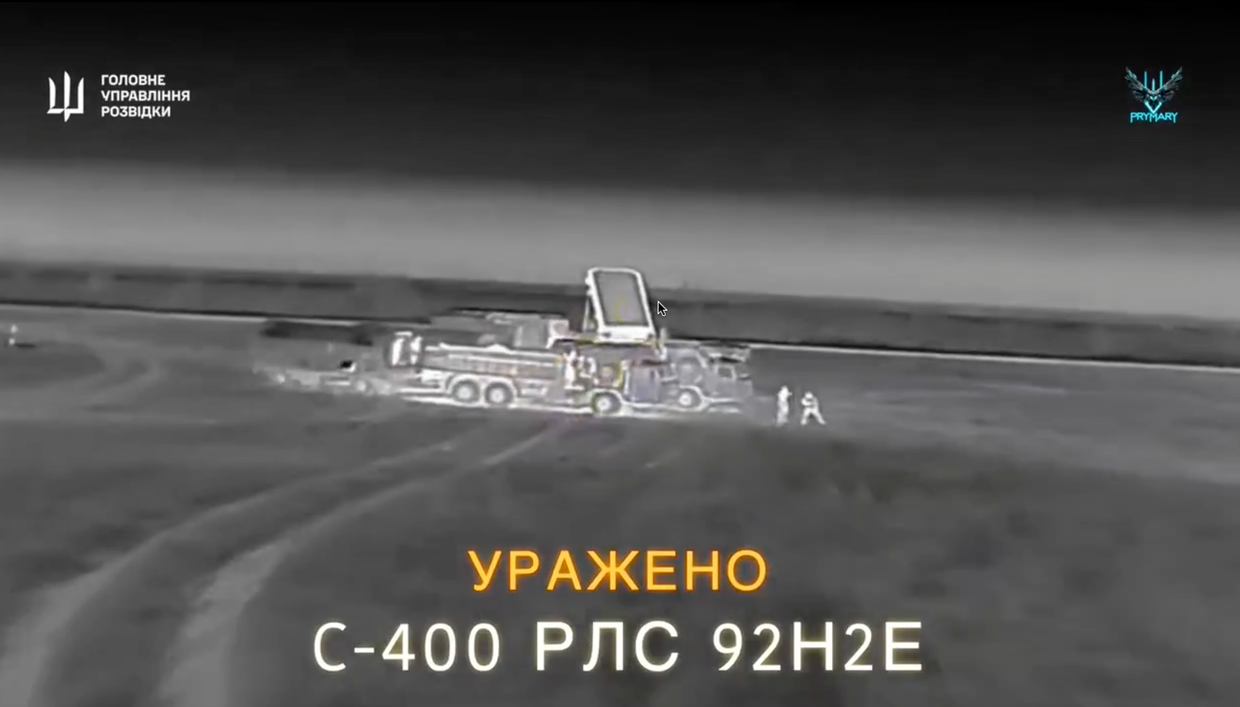
Ukrainian drones struck air defense equipment in Russian-occupied Crimea, damaging radar units and components of the S-400 Triumph system, Ukraine's military intelligence agency (HUR) claimed on June 26.

The drone strike was carried out by the agency's "Ghosts" unit, HUR said. Video footage of the operation published on HUR's official Telegram channel shows the trajectory of multiple drones as they approach and hit their targets.

The attack damaged "critical and expensive components" of Russia's S-400 Triumph air defense system, including two 92N2E multifunctional control radars, two 91N6E detection radars, and an S-400 launcher, according to HUR.

"Radars are the 'eyes' of the enemy's air defense system. Without them, anti-aircraft systems become combat ineffective," HUR wrote.

The Kyiv Independent could not verify these claims.

0:00
/
Video footage of an alleged Ukrainian drone strike on a Russian S-400 air defense radar system in occupied Crimea, June 2025. (Ukraine's military intelligence agency / Telegram) 

Earlier this month, the Atesh partisan group reported that a Ukrainian drone attack hit Russian military facilities near Simferopol. The group claimed on June 13 that Ukrainian drone attacks likely hit a Russian air defense system.

Ukraine has previously carried out successful attacks on S-400 radar systems in Crimea and other regions, including Russia's Belgorod Oblast. Kyiv regularly launches strikes on military and industrial targets in both Russia and Russian-occupied regions of Ukraine.

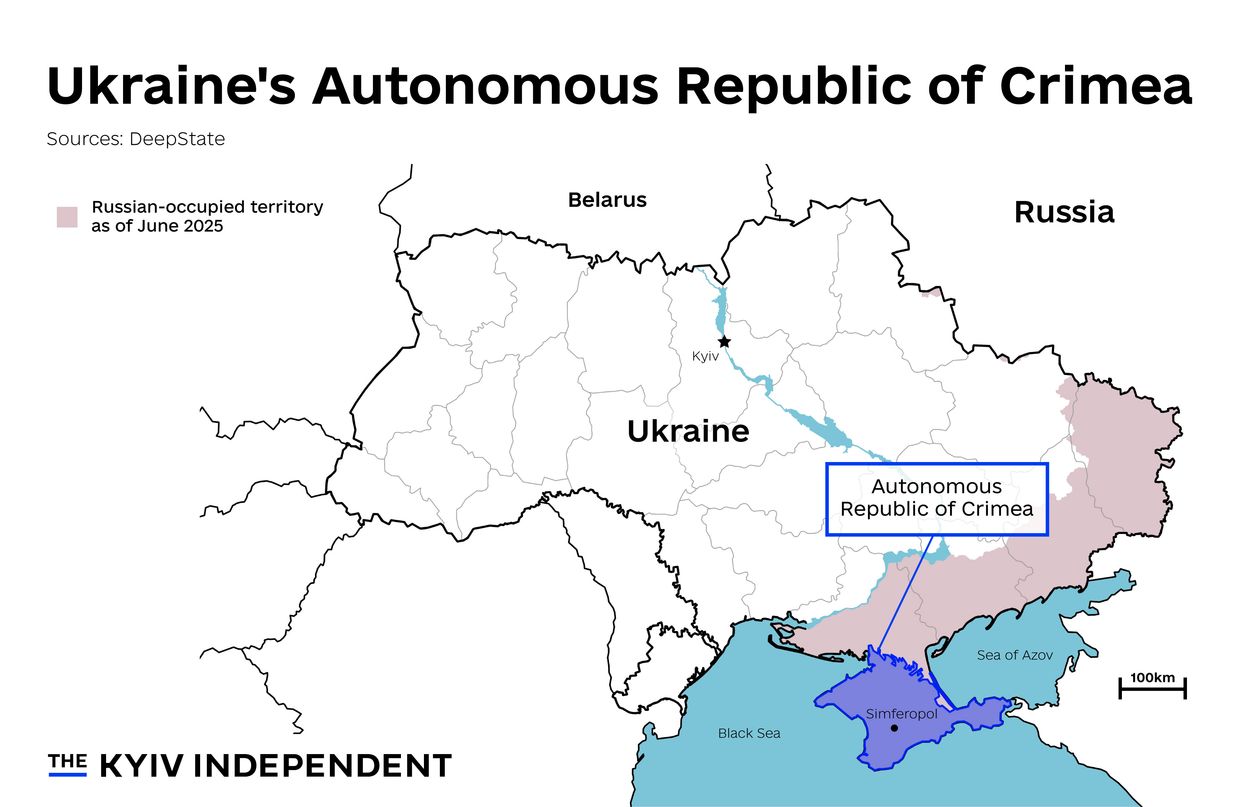
Russia has illegally occupied Crimea since 2014, transforming the peninsula into a heavily militarized stronghold. Moscow uses the region to support its war in Ukraine, launching missiles from the Black Sea and exploiting the peninsula as a key logistics and transport hub.

The Kerch Airport in Crimea has also been repurposed from civilian to military use, with Moscow-backed proxies transferring part of the airport's land to the Russian Defense Ministry in spring 2025, according to an investigation by Radio Liberty/Radio Free Europe.

Ukrainian drones strike Russian S-400 air defense system in occupied Crimea, HUR says
Ukraine's Autonomous Republic of Crimea (Nizar al-Rifai/The Kyiv Independent)

Ukraine war latest: Russia’s advance in Sumy Oblast ‘halted’; Kyiv, Moscow carry out POW swap
Key developments on June 26: * “50,000 Russian troops pinned down” — Ukraine halts advance in Sumy Oblast, summer offensive “faltering,” Syrskyi says * Ukraine, Russia conduct new POW swap under Istanbul deal * North Korea likely to send more troops to Russia by August, South Korea says * Explosions reported in Moscow, Russia
Ukrainian drones strike Russian S-400 air defense system in occupied Crimea, HUR saysThe Kyiv IndependentThe Kyiv Independent news desk
Ukrainian drones strike Russian S-400 air defense system in occupied Crimea, HUR says
  • ✇The Kyiv Independent
  • Lion attacks collaborator at safari park in Russian-occupied Crimea
    A lion has attacked collaborator Oleg Zubkov at the Taigan Safari Park he founded in Russian-occupied Crimea, the Crimean Wind Telegram channel reported on June 22.Zubkov is a businessman who renounced his Ukrainian citizenship and began cooperating with the Russian authorities following Moscow's illegal annexation of Crimea in 2014He also smuggled animals from zoos in the partially occupied Zaporizhzhia and Kherson oblasts after the full-scale invasion of Ukraine in 2022.During an evening feedi
     

Lion attacks collaborator at safari park in Russian-occupied Crimea

23 juin 2025 à 10:18
Lion attacks collaborator at safari park in Russian-occupied Crimea

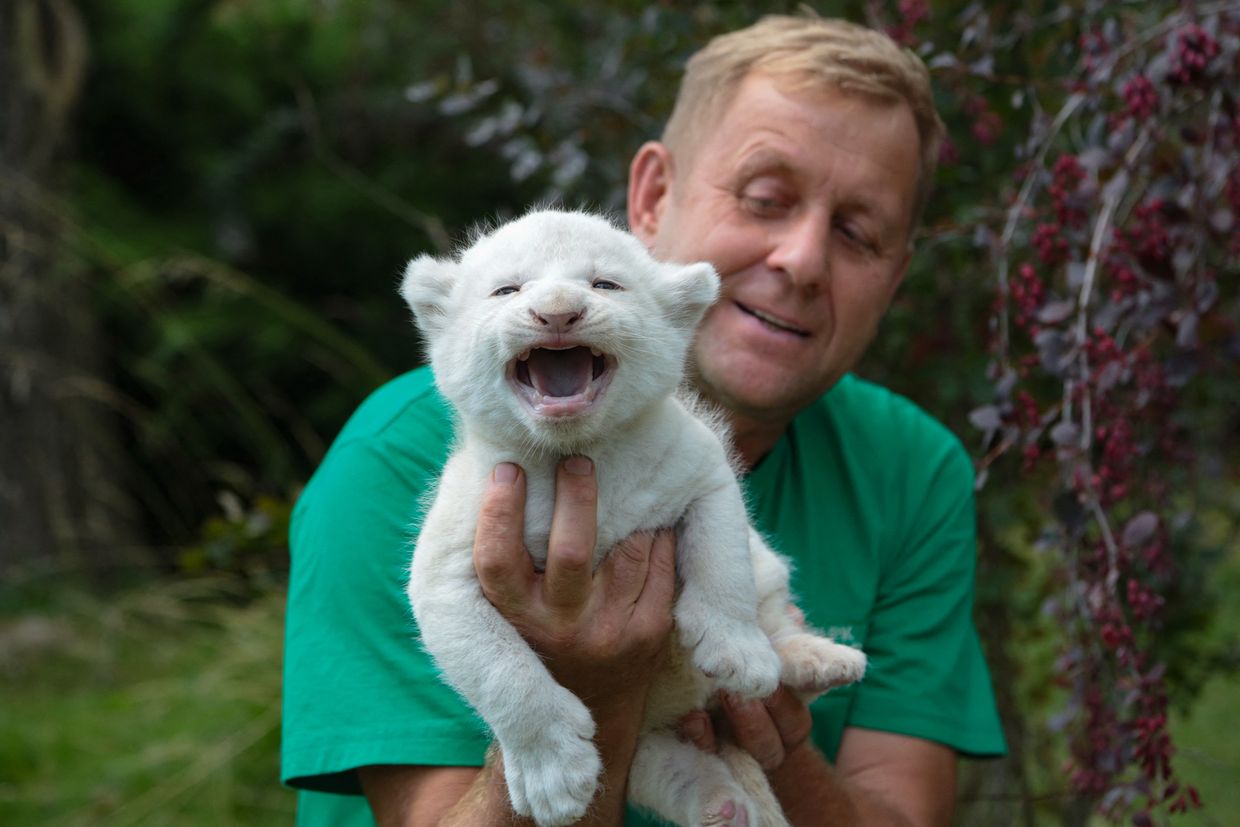
A lion has attacked collaborator Oleg Zubkov at the Taigan Safari Park he founded in Russian-occupied Crimea, the Crimean Wind Telegram channel reported on June 22.

Zubkov is a businessman who renounced his Ukrainian citizenship and began cooperating with the Russian authorities following Moscow's illegal annexation of Crimea in 2014

He also smuggled animals from zoos in the partially occupied Zaporizhzhia and Kherson oblasts after the full-scale invasion of Ukraine in 2022.

During an evening feeding, Zubkov was attacked by a lion which tore his trachea, neck, and chest muscles with its claws. He managed to leave the lion's enclosure but then lost consciousness.

As a result of the attack, Zubkov lost a significant amount of blood and was transported by helicopter to a hospital in Simferopol, Crimea.

Zubkov regained consciousness on June 23 after surgery, and his condition is described as stable.

This is not the first time lions at the Taigan Safari Park have attacked its staff. In 2024, three lions killed Leokadia Perevalova while she was cleaning an enclosure. Perevalova had worked at the park for 17 years.

Russia pulls its scientists out of Iranian nuclear plant, as Israeli strikes threaten decades of collaboration
Israel’s strikes on Iranian nuclear facilities have alarmed none more than Russia, the country that first brought nuclear power to Iran in defiance of Western objections. We’re “millimeters from catastrophe,” said Kremlin spokeswoman Maria Zakharova on June 18 in response to a bombing campaign that Israel launched against Iran on June 13. Decades of conflict with the West have united Iran and Russia, despite a cultural gulf between the two nations that dwarfs the Caspian Sea that physically di
Lion attacks collaborator at safari park in Russian-occupied CrimeaThe Kyiv IndependentKollen Post
Lion attacks collaborator at safari park in Russian-occupied Crimea
  • ✇The Kyiv Independent
  • Russia's prison chief sentenced in absentia for torture chambers in Kherson Oblast
    Arkady Gostev, head of Russia's Federal Penitentiary Service, was sentenced in absentia to 10 years in prison for creating a network of torture chambers in the Russian-occupied part of Kherson Oblast, Ukraine's Security Service (SBU) announced on June 19.Gostev was found guilty of orchestrating the transformation of captured Ukrainian prisons into torture sites used to detain and brutalize members of the local resistance. The SBU said victims were subjected to "brutal torture" intended to break
     

Russia's prison chief sentenced in absentia for torture chambers in Kherson Oblast

19 juin 2025 à 12:46
Russia's prison chief sentenced in absentia for torture chambers in Kherson Oblast

Arkady Gostev, head of Russia's Federal Penitentiary Service, was sentenced in absentia to 10 years in prison for creating a network of torture chambers in the Russian-occupied part of Kherson Oblast, Ukraine's Security Service (SBU) announced on June 19.

Gostev was found guilty of orchestrating the transformation of captured Ukrainian prisons into torture sites used to detain and brutalize members of the local resistance. The SBU said victims were subjected to "brutal torture" intended to break their will and force submission to the Kremlin rule.

According to investigators, Gostev personally oversaw the establishment of torture facilities and pushed for their inclusion in Russia's national prison registry through the Justice Ministry.

The court ruled he committed "actions aimed at violently changing or overthrowing the constitutional order or seizing state power."

"Comprehensive measures are being taken to bring him to justice for crimes against our state," the SBU said, noting that Gostev remains in Russia.

Kherson Oblast, which stretches from the Dnipro River to the Black Sea, remains partially occupied, with the east-bank territories still under Russian control.

Gostev joins a growing list of senior Russian officials charged in absentia with war crimes, crimes against humanity, and the administration of occupied territories.

Ukraine has also targeted collaborators working with the occupation authorities.

On June 18, Ukraine's military intelligence (HUR) confirmed the assassination of Mykhailo Hrytsai, a Russian-appointed deputy mayor in Berdiansk, Zaporizhzhia Oblast, for his role in organizing repression and torture of Ukrainian prisoners of war.

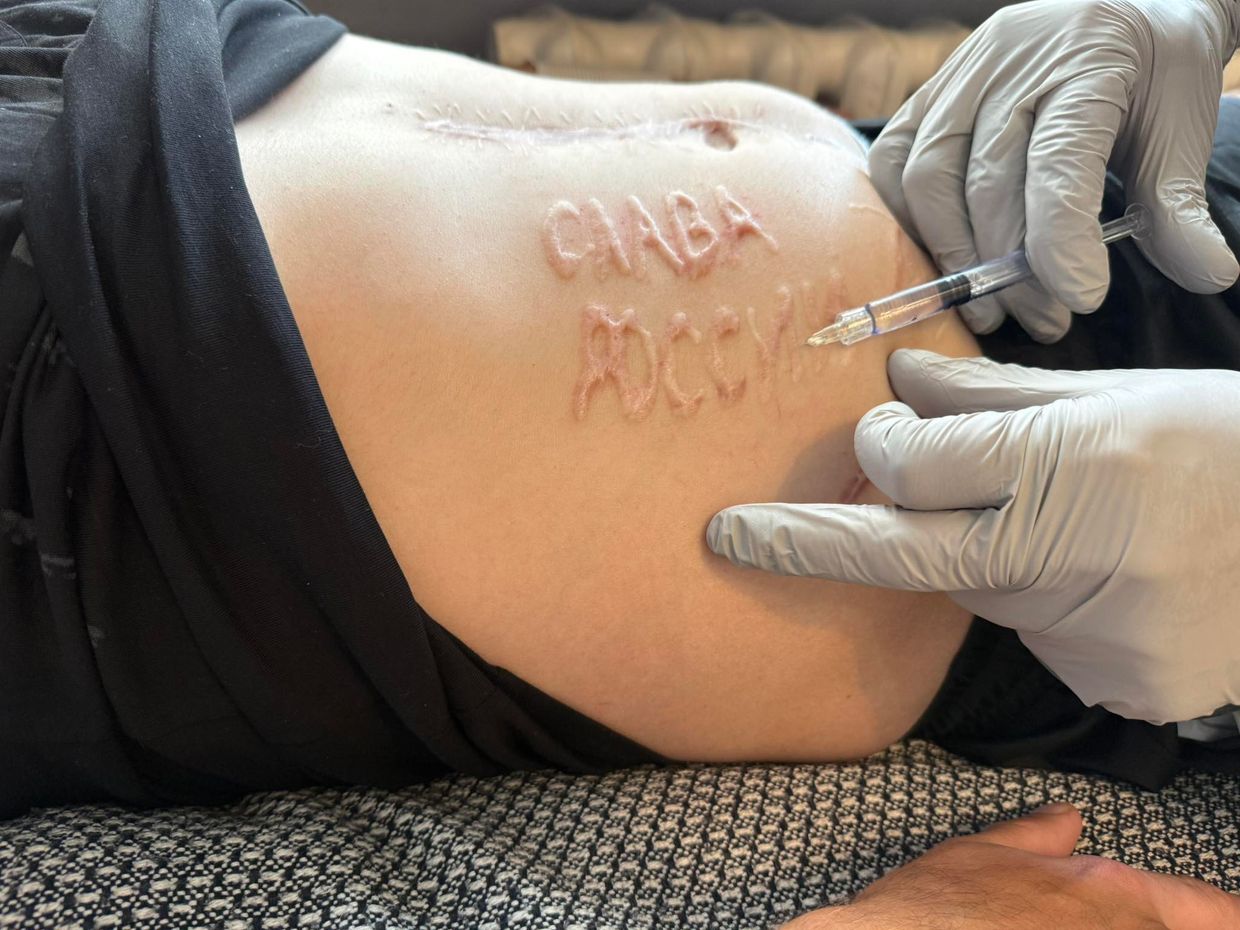
‘Beyond cynical’ – Russian doctor carved ‘Glory to Russia’ scar on POW during operation, Ukraine says
After more than three years of Russia’s full-scale invasion, each new revelation of cruel treatment of Ukrainians in Russian captivity hardly surprises anyone. But when a photo recently emerged online, showing a “Glory to Russia” scar on the body of a Ukrainian prisoner of war (POW), it sent shockwaves
Russia's prison chief sentenced in absentia for torture chambers in Kherson OblastThe Kyiv IndependentDaria Shulzhenko
Russia's prison chief sentenced in absentia for torture chambers in Kherson Oblast
❌