Vue normale

  • ✇Euromaidan Press
  • Ukraine warns Russia could exploit upcoming Independence Day for attacks and sabotage
    Ukraine's Security Service (SBU) urged Ukrainians to remain particularly vigilant ahead of Independence Day on 24 August, warning of potential Russian attacks and other security threats around the holiday. Security threats are often heightened around major national holidays in Ukraine during the full-scale war with Russia, when large public gatherings can create opportunities for attacks and Russia has an added incentive to use symbolic dates to spread fear and disrupti
     

Ukraine warns Russia could exploit upcoming Independence Day for attacks and sabotage

21 août 2026 à 11:47

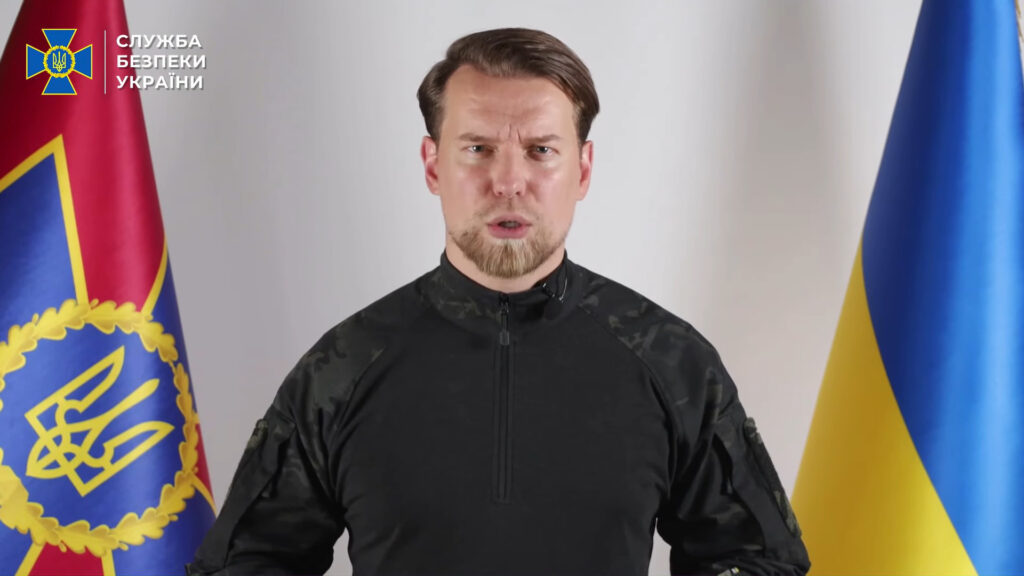
SBU spokesperson Artem Dekhtiarenko warned of potential Russian attacks and sabotage ahead of Ukraine’s Independence Day on 24 August. 21 August 2026. Screenshot from video: SBU

Ukraine's Security Service (SBU) urged Ukrainians to remain particularly vigilant ahead of Independence Day on 24 August, warning of potential Russian attacks and other security threats around the holiday.

Security threats are often heightened around major national holidays in Ukraine during the full-scale war with Russia, when large public gatherings can create opportunities for attacks and Russia has an added incentive to use symbolic dates to spread fear and disruption.

The SBU said Russia could exploit Independence Day gatherings for attacks, provocations, sabotage, cyberattacks, or other crimes.

Russia may recruit Ukrainians for sabotage

The SBU specifically warned about attempts by Russian intelligence services to recruit Ukrainians to carry out attacks inside the country.

According to the agency, Ukrainians could be offered money to set fires, damage property, plant suspicious objects, collect information about military facilities, or carry out other illegal activities.

The SBU urged people not to accept such offers and to immediately report attempts at recruitment.

It also warned that recruiters may disguise requests as ordinary tasks. People could be asked to photograph a particular location, deliver a package, or leave an object somewhere without being told the real purpose of the task.

The SBU said people should be especially cautious about requests from unknown individuals, including those claiming to represent law enforcement.

Russia has repeatedly sought to recruit Ukrainians for sabotage and other activities inside Ukraine during the full-scale war. Ukrainian authorities have previously reported cases in which people were offered money to carry out arson attacks, damage infrastructure, gather intelligence, or perform other tasks on behalf of Russian handlers.
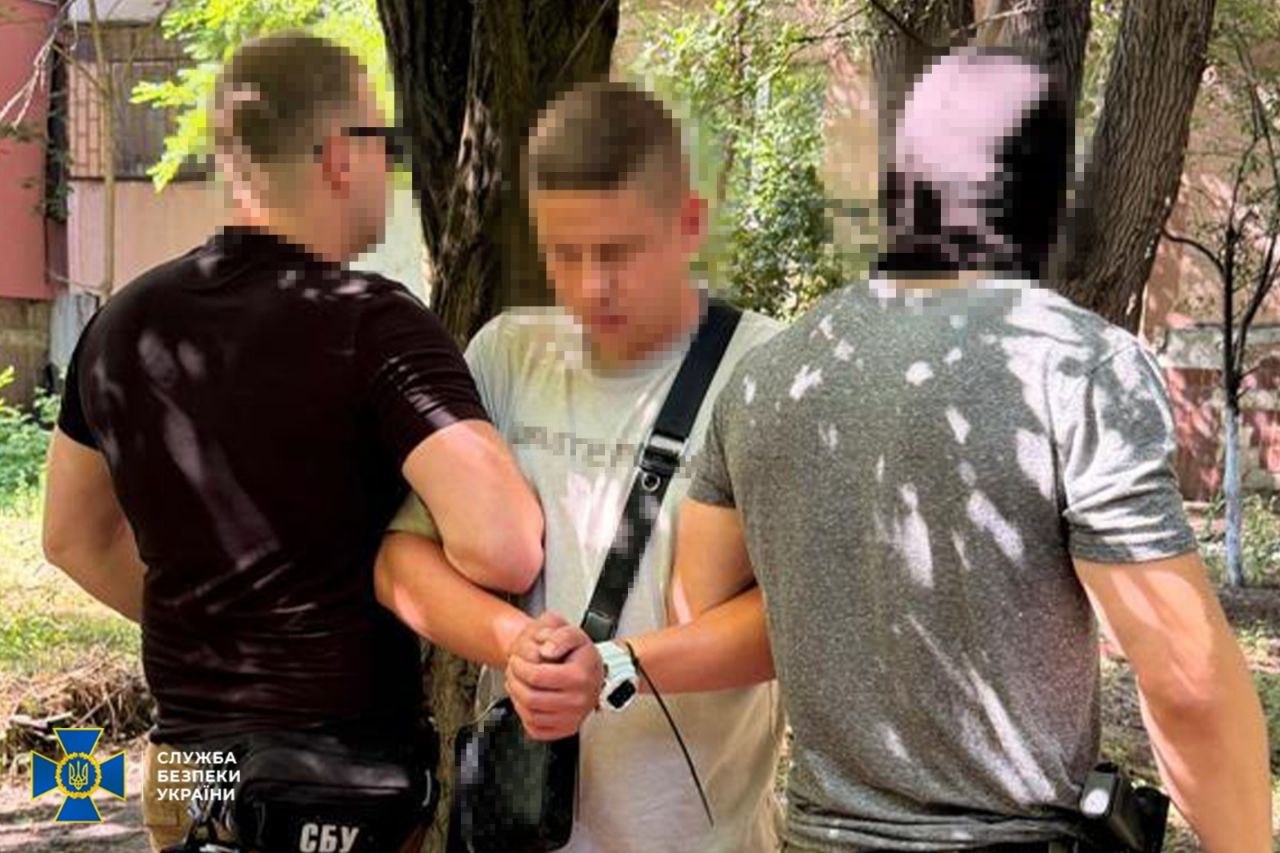
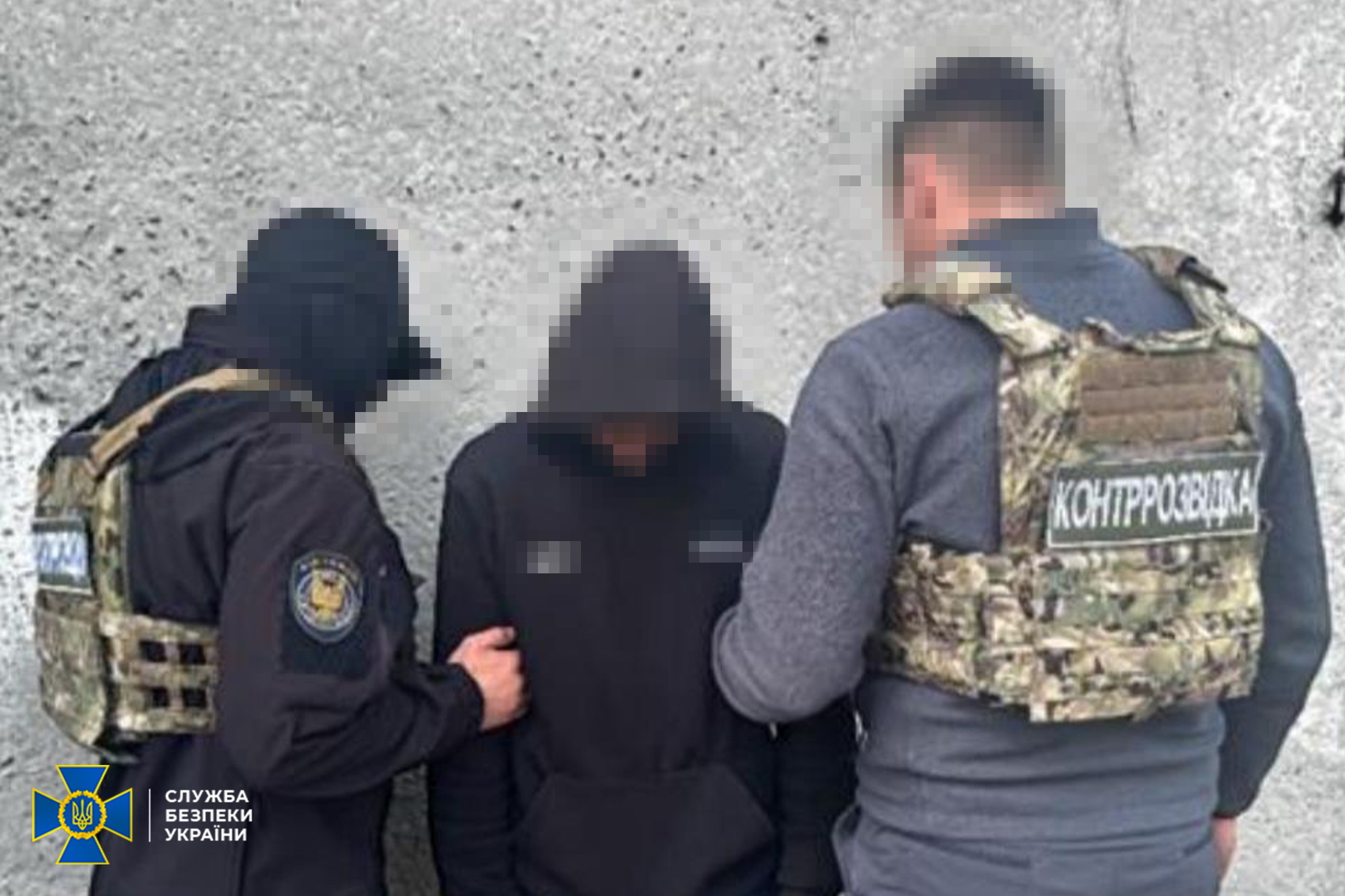
Ukraine's Security Service says it detained a suspected Russian agent accused of activating more than 1,000 Starlink terminals for Russian forces. Photo: SBU
Explore further

Alleged Russian agent arrested in Dnipro, accused of activating 1,000+ Starlink communications terminals to support Russian forces

Warning over information that could help Russia

The agency also urged Ukrainians to avoid sharing information that could help Russia identify military targets or assess the results of its attacks.

That includes photos and videos showing the locations of Ukrainian troops, critical infrastructure, checkpoints, and air defense systems.

The SBU also told people not to publish information about the consequences of Russian strikes, Ukrainian air defense operations, or the movement of Ukrainian military personnel.

Such information can reveal the location and activity of Ukrainian forces or help Russia assess the effectiveness of its strikes.

Independence Day under wartime threats

Ukraine will mark its 35th Independence Day on 24 August, more than four years after Russia launched its full-scale invasion.

The holiday comes as Russia continues to use missiles and drones to attack Ukrainian cities and infrastructure, while Ukrainian authorities remain concerned about Russian intelligence activity and sabotage inside the country.

The SBU urged Ukrainians to remain particularly vigilant before and during Independence Day and to report suspected recruitment, preparations for sabotage or terrorism, and other activity that could threaten national security.

Germany charged a Ukrainian for the Nord Stream blasts—Kyiv is now investigating if Russia staged the attack to frame Ukrainians

19 août 2026 à 06:12

germany suspects ukrainian diving instructor russia's nord stream pipelines blast gas bubbles from 2 leak reaching surface baltic sea 27 september 2022 newsskycom skynews-gas-bubbles-nord-stream-27-sep-2022-2_5912415

Ukraine has opened its own criminal investigation into the 2022 destruction of the Nord Stream gas pipelines, months after Germany charged a Ukrainian over the blasts, Suspilne reported. Prosecutors in Kyiv registered the case on war-crimes grounds and say they will test whether Russia staged the sabotage to discredit Ukraine. Serhii Kuznietsov is due to stand trial in Germany in October.

The undersea link was built to carry Russian gas around Ukraine and tie Europe more tightly to Moscow, a dependence Europe scrambled to shed after Russia's 2022 invasion.

Kyiv will test a Russian false-flag version

Ukraine's Security Service, under the Prosecutor General's Office, opened proceedings on 9 July under the article on violations of the laws and customs of war. Kuznietsov's Ukrainian lawyer, Mykola Katerynchuk, told Suspilne about the case.

The Prosecutor General's Office confirmed it is supervising a probe into the "possible commission in September 2022, amid the international armed conflict between Russia and Ukraine, by citizens of Ukraine, of actions connected to the undermining" of both pipelines in the Baltic Sea. It said the case was registered after the "independent discovery in the media" that Germany had charged a Ukrainian citizen.

Given Russia's use of hybrid methods, investigators will also examine whether Russians organized the explosions as a "false flag" operation, using Ukrainian citizens or imitating their participation to discredit Ukraine.

The office said it used the laws-and-customs-of-war charge because it matches the qualification chosen by Germany's Federal Prosecutor's Office.

Nord Stream sign (Photo: kommersant.ru)
Explore further

Russia laid Nord Stream to bypass Ukraine amid preparations for war. Four years after it exploded, Kyiv says it had nothing to do with blasts

The case against Serhii Kuznietsov

The pipelines exploded on 26 September 2022. On 8 August 2025, Germany's Federal Court of Justice issued an arrest warrant for Kuznietsov, alleging he led a group of six who mined the pipelines and detonated them remotely.

Italian police arrested him on 21 August 2025, and Italy's Supreme Court later confirmed his extradition to Germany. A Polish court, by contrast, refused a German request for another Ukrainian suspect, Volodymyr Zhuravlov.

On 2 July 2026, Germany's Federal Prosecutor's Office published its charges — an attack on civilian objects, causing an explosion, and destroying structures. Kuznietsov denies guilt.

  • ✇Euromaidan Press
  • Russian agent who set fires in Kyiv receives 15-year prison sentence
    A Kyiv court has sentenced an unemployed man to 15 years in prison with confiscation of his property for carrying out arson attacks on behalf of Russian intelligence, Ukraine's Security Service (SBU) said on 13 August. The man was recruited while looking for "easy money" on Telegram channels and carried out two arson attacks in Kyiv before fleeing to Odesa, the SBU reported. Russian intelligence increasingly recruits Ukrainians through Telegram for arson and sabotag
     

Russian agent who set fires in Kyiv receives 15-year prison sentence

14 août 2026 à 09:54

Illustrative photo. Source: Depositphotos

A Kyiv court has sentenced an unemployed man to 15 years in prison with confiscation of his property for carrying out arson attacks on behalf of Russian intelligence, Ukraine's Security Service (SBU) said on 13 August. The man was recruited while looking for "easy money" on Telegram channels and carried out two arson attacks in Kyiv before fleeing to Odesa, the SBU reported.

Russian intelligence increasingly recruits Ukrainians through Telegram for arson and sabotage. It targets people seeking quick money and treats them as disposable operatives, paying small sums for a single task and discarding them once they are caught.

The Russian agent carried out two arson attacks

According to the SBU, the man first set fire to a relay cabinet belonging to a railway signaling system. Russia intended the attack to disrupt freight logistics, including supplies to areas near the front.

The agent later burned a volunteer’s SUV used to deliver humanitarian aid and evacuate civilians from areas affected by Russia’s war. He carried out the attacks at night, using a flammable mixture and filming each incident on his smartphone before sending the footage to his Russian handler.

The SBU arrested him in Odesa in July 2025, where he had attempted to hide after carrying out the attacks. Investigators seized his phone, which contained evidence of his cooperation with Russia.

A court found him guilty on two counts — sabotage committed under martial law, and intentional destruction of property by arson — both carried out as part of a group acting on prior conspiracy. He was sentenced to 15 years in prison with confiscation of his property.

ukraine detains six suspected russian agents including teen arsonist one russian-paid detained sbu fsb saboteur arrested says suspects were recruited telegram ordered target railway military infrastructure 22 security service (sbu)
Explore further

From “easy money” to murder: Russia escalates recruitment of Ukrainians for terrorist attacks inside Ukraine, police warn

Easy money, hard time: other Telegram recruits jailed too

The case follows several similar convictions. In a May case, an agent received 15 years for burning a railway relay cabinet near a Dnipro station in an attempt to disrupt frontline logistics. The SBU said the unemployed local, recruited through Telegram, filmed the arson and reported it to his handler, then was caught before he could carry out a planned series of attacks on the city's critical infrastructure.

In June 2026, another agent was sentenced to 15 years for preparing to burn an electrical substation in Kropyvnytskyi.

In July, SBU investigators reported that a GRU agent in Zaporizhzhia received 15 years for preparing explosives for Russian-organized attacks.

From “easy money” to murder: Russia escalates recruitment of Ukrainians for terrorist attacks inside Ukraine, police warn

13 août 2026 à 15:09

ukraine detains six suspected russian agents including teen arsonist one russian-paid detained sbu fsb saboteur arrested says suspects were recruited telegram ordered target railway military infrastructure 22 security service (sbu)

Russian security services are increasingly recruiting Ukrainians to carry out sabotage, terrorist attacks, and killings, with police reporting a sharp rise in attacks linked to such recruitment since 2024, according to independent Ukrainian outlet Babel.

Since the start of 2026, Ukraine’s National Police and Security Service have registered 31 terrorist attacks, 80% of which have been solved, while another 14 were prevented during preparation.

Authorities have also registered 11 cases of military personnel being poisoned that are being investigated for links to Russian recruitment.

From simple tasks to terrorism

Andrii Niebytov, deputy head of the National Police and chief of criminal police, said Russian recruitment became systematic in early 2024, Babel reported.

Russian handlers typically approach people through Telegram channels and chats where users seek work, easy money, or drugs. The first assignment may appear harmless: photographing a location, passing information, moving a package, or delivering an item.

The tasks can then escalate into property damage, arson, terrorist attacks, and killings. Police say handlers can gradually involve recruits in more serious crimes before using threats or blackmail to keep them under control.

The increase is reflected in police figures. Russian operatives used Ukrainian recruits to carry out nine terrorist attacks in 2024, according to data cited by Babel. The figure rose to 61 in 2025, including 27 attacks that police stopped during preparation. Authorities solved 52 terrorist cases that year.

Military personnel targeted through poisoning

One increasingly dangerous part of the recruitment campaign involves attempts to target Ukrainian service members.

Police have registered 11 poisoning cases since the beginning of 2026 in which investigators are examining or have established links to Russian recruitment, Babel reported.

In some cases, Russian handlers have used young women to establish contact with soldiers, arrange meetings, or deliver poisoned items.

In late July, police detained a 20-year-old woman in Poltava who is suspected of poisoning two soldiers with drugs allegedly provided to her by mail.

In Rivne, investigators are examining the death of a soldier allegedly poisoned by a minor girl with a drug mixed with alcohol. The Russian handler reportedly installed tracking software on the girl’s phone and remotely monitored her actions.

A toolkit built around vulnerability

Russian operatives use different entry points depending on the target. Some recruits are drawn in by promises of easy money or drugs, while others are manipulated through personal relationships or threatened with supposed criminal prosecution.

One scheme involves fraudulent call centers operating in Russian-occupied Ukrainian territories. Callers impersonate Security Service of Ukraine officials and accuse targets of offenses such as buying Russian-made goods or financing Russia.

Police are investigating 449 fraud cases involving this scheme. But according to Babel, the same tactic is now also being used for recruitment.

After intimidating targets, callers send fake summonses, notices of suspicion, or other documents through messaging apps. They then offer to help the person avoid prosecution in exchange for carrying out criminal assignments.

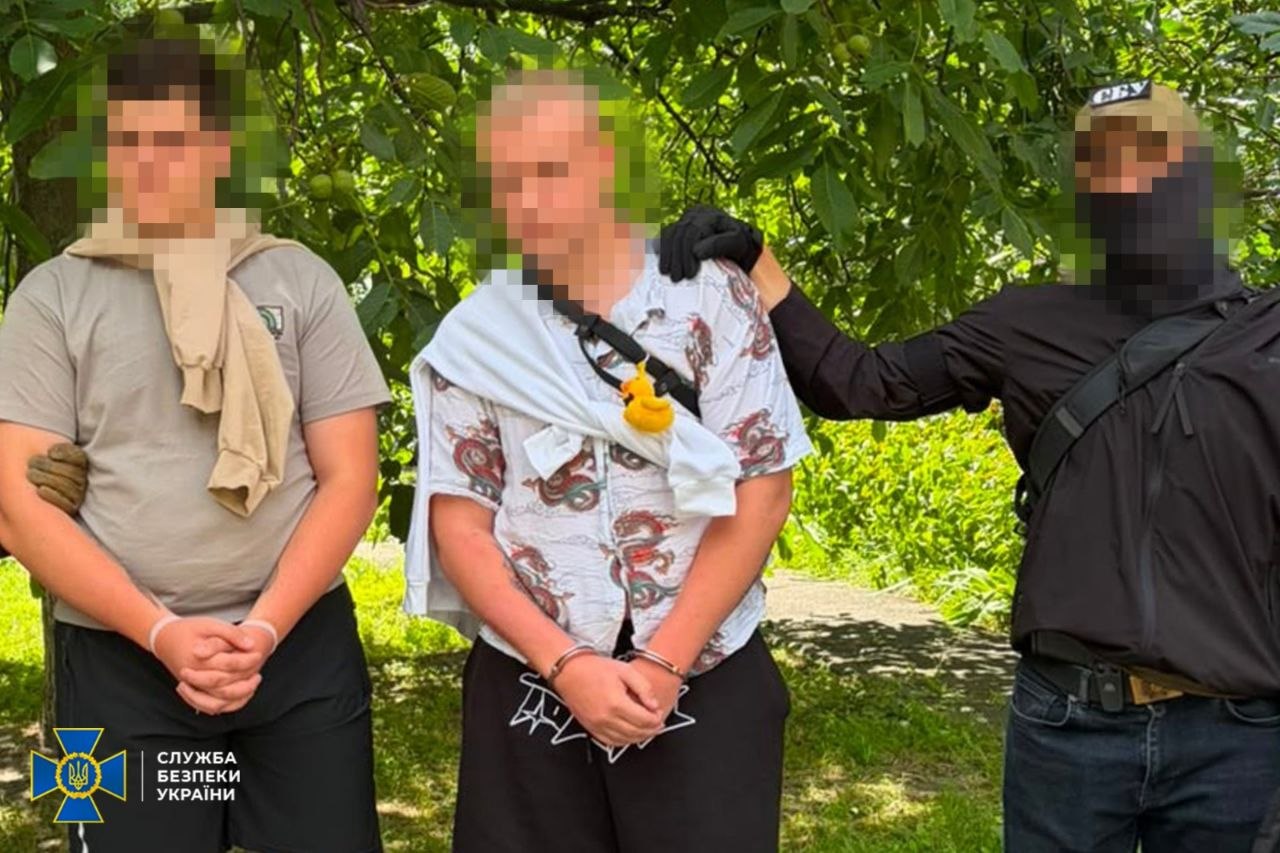
SBU officers detained two suspects accused of illegally registering 76 Starlink satellite internet terminals for Russian forces, according to Ukraine's Security Service. Photo: SBU
Explore further

Ukraine arrests two alleged Russian agents in Kyiv accused of activating Starlink terminals to support Russian missile and drone strikes

Children used as disposable operatives

Russian handlers have also targeted minors, who can be easier to manipulate and may be used as intermediaries or perpetrators.

The National Police said 260 children have independently contacted authorities after being approached by Russian recruiters, according to Babel. Their reports helped prevent terrorist attacks in which minors were allegedly intended to be used as perpetrators.

Police say Russian intelligence services are constantly changing their methods, while the basic pattern remains consistent: identify a vulnerability, offer or impose an initial task, and gradually draw the recruit into more serious criminal activity.

Ukrainian authorities are urging people approached with suspicious offers or assignments to stop contact and report the recruitment attempt immediately.

Russia starves most Ukrainian POWs, then “fattens” a few for exchange so they look normal, Ukrainian official says

12 août 2026 à 16:28

Ukranian POW returning from Russian captivity, 5 February 2026. Photo: Coordination Headquarters for the Treatment of Prisoners of War

Russia is forcing Ukrainian prisoners into its own army and starving others while "fattening" a few for show, Andrii Pasternak of the SBU's Joint Center for coordinating the search and release of prisoners says. Ukrainian intelligence also has information about Moscow creating battalions from Ukrainian prisoners of war (POWs), UkrInform reports.

As of May 2026, approximately 7,000 Ukrainian service members were held in Russian captivity, while the number of civilian detainees is estimated at between 10,000 and 20,000, according to Vice Speaker of the Ukrainian Parliament Olena Kondratiuk.

Russia is forming units from Ukrainian prisoners

Pasternak described the POW battalions as confirmed and monitored.

"We know about such battalions. Together with our colleagues from foreign intelligence and military intelligence, we track and record this. Such facts exist," he stated.

Forcing prisoners of war to serve in the captor's forces is itself a war crime. The Geneva Conventions prohibit compelling a POW to fight against their own country, and turning captured Ukrainian soldiers into Russian units, if confirmed at scale, would be a grave violation on top of the coercion required to make men fight the country they were defending.

Russia feeds up some prisoners and starves others

The coordinator also pointed to a practice of staging appearances before exchanges. Knowing whom it will hand over, Russia brings those prisoners, including civilians, into "normal form" through a process he called "fattening," drawing on testimony from released Ukrainian defenders and returned civilians.

The starvation behind it is deliberate and selective. Pasternak characterized it as an element of torture: some prisoners are deliberately not fed, while others are fed up so they look more or less normal for the swap. Ukraine's negotiators note at every meeting that the two sides' prisoners differ starkly, he added. The returning Ukrainians are almost all very thin, with only a few in decent condition, while the Russian POWs Ukraine hands back are genuinely well-fed.

  • ✇Euromaidan Press
  • A Ukrainian railway engineer spied on Lyman’s defenses for Russia using Google Maps
    A Ukrainian court sentenced the former chief engineer of Lyman’s locomotive depot to 15 years in prison with property confiscation for helping Russia target the frontline city, Ukraine’s Security Service (SBU) said on 11 August. Investigators report he sent a Russian handler the locations of Ukrainian positions intended for guided-bomb and artillery strikes. Lyman blocks Russia’s northern route toward Sloviansk and Kramatorsk, which are part of Ukraine's fortress belt i
     

A Ukrainian railway engineer spied on Lyman’s defenses for Russia using Google Maps

12 août 2026 à 14:01

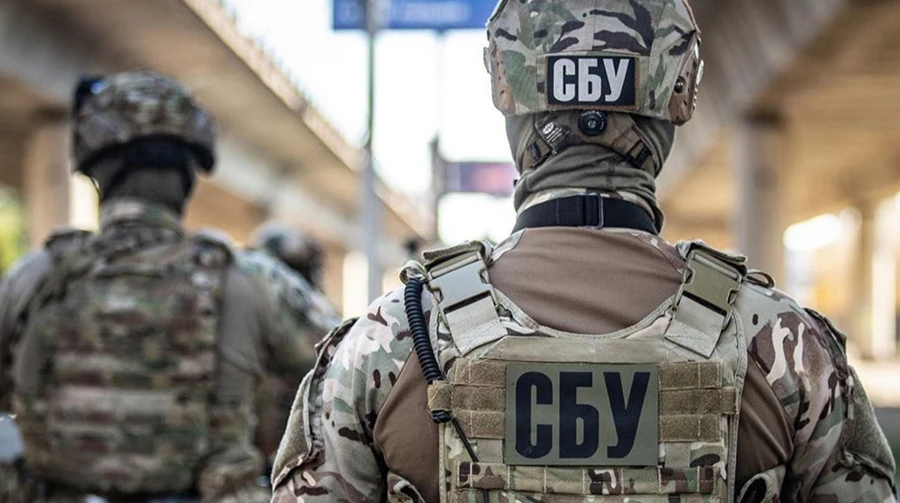
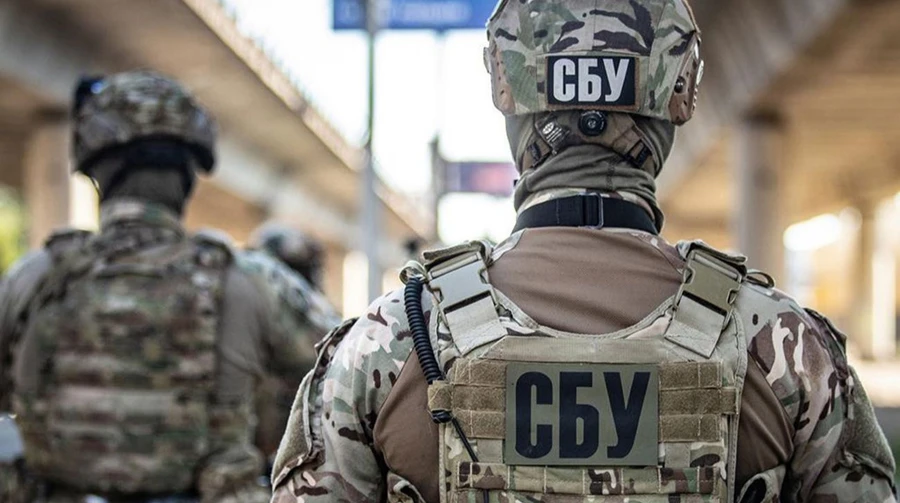
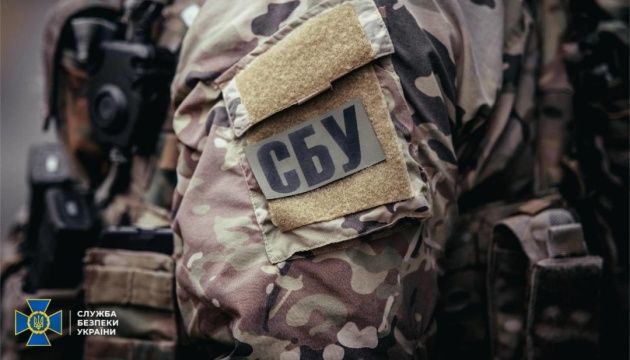
SBU officers in camouflage and tactical gear, seen from behind during an operation.

A Ukrainian court sentenced the former chief engineer of Lyman’s locomotive depot to 15 years in prison with property confiscation for helping Russia target the frontline city, Ukraine’s Security Service (SBU) said on 11 August. Investigators report he sent a Russian handler the locations of Ukrainian positions intended for guided-bomb and artillery strikes.

Lyman blocks Russia’s northern route toward Sloviansk and Kramatorsk, which are part of Ukraine's fortress belt in the Donbas. As attacks on supply lines intensify, information about Ukrainian positions can help Russia direct bombs and artillery. The case fits a broader pattern of Russian intelligence recruiting people inside Ukraine to locate targets. Russian services have used money and blackmail, including threats against recruits’ families, to secure their cooperation.

According to the SBU, the former engineer traveled around Lyman and its outskirts to record Ukrainian military bases. He marked possible targets on Google Maps, then sent screenshots to a handler in Russia through a messaging app.

The collaborator operated from basement

The agency said an acquaintance whom it described as a “DNR deputy” in occupied Donetsk Oblast connected him with Russian intelligence. The SBU said the man moved into an apartment building’s basement to shelter himself while directing Russian strikes on the community.

SBU officers detained him in Sloviansk in May 2026. The agency said a seized smartphone contained evidence of his reconnaissance and contacts with the Russian side.

The SBU did not identify the man, the court, or any specific strike enabled by his information.

How Russia turns locals into spotters 

The Lyman case involved an acquaintance of the former engineer, but Russian services also use money, blackmail, and online platforms to find recruits. The SBU says minors may initially receive simple assignments, such as taking photographs or painting graffiti, before being directed toward more serious sabotage.

Other recruits have allegedly answered Telegram offers of “easy money.” These include a Zaporizhzhia man later convicted of building bombs and a Dnipro suspect accused of activating more than 1,000 Starlink terminals for Russian forces.

Ukraine has prosecuted similar cases before. In November 2024, a court sentenced another Russian agent to 15 years for guiding missile and drone strikes in Zhytomyr Oblast.

More recent cases remain at the allegation stage. The SBU has accused a Kharkiv Oblast man of installing hidden cameras near military sites and a Poltava student of mapping energy facilities while filming air-defense units.

  • ✇Euromaidan Press
  • Third one down: Ukraine keeps destroying Russia’s $1.8 million Starlink jammers
    Satellite imagery has confirmed that Ukraine's Defense Forces destroyed a Russian electronic-warfare system built to jam Starlink at Gelendzhik in southern Russia, the Ukrainian defense outlet Militarnyi reported. Ukrainian drones hit the machine on the grounds of a Russian border-guard base during their sweep of the Black Sea coast. It is one more of these costly jammers Russia has lost, even as Ukraine's long-range drones cannot use Starlink over Russia. Ukraine's
     

Third one down: Ukraine keeps destroying Russia’s $1.8 million Starlink jammers

9 août 2026 à 07:59

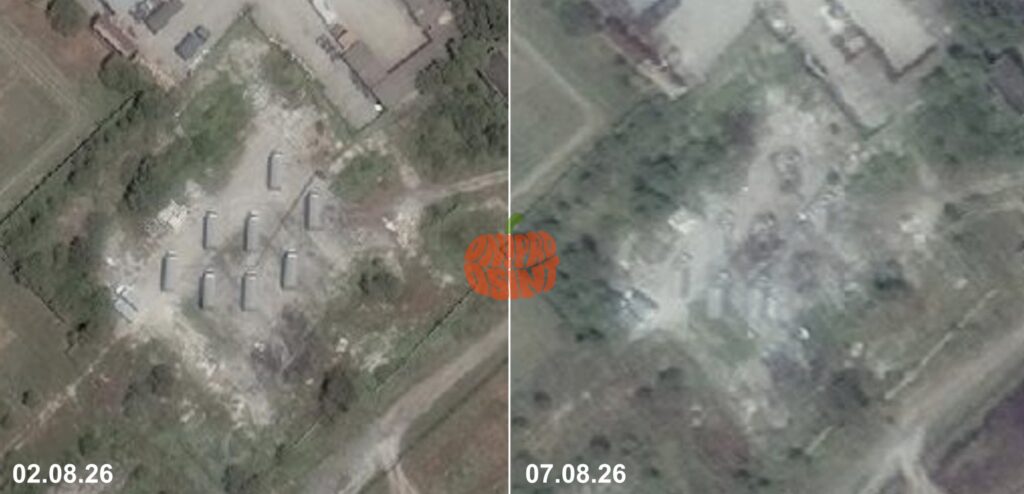
third one down ukraine keeps destroying russia's $18 million starlink jammers · post satellite images russian volna kupol garant starlink-jamming site gelendzhik krasnodar krai russia 2 (left) 7 2026 (right)

Satellite imagery has confirmed that Ukraine's Defense Forces destroyed a Russian electronic-warfare system built to jam Starlink at Gelendzhik in southern Russia, the Ukrainian defense outlet Militarnyi reported. Ukrainian drones hit the machine on the grounds of a Russian border-guard base during their sweep of the Black Sea coast. It is one more of these costly jammers Russia has lost, even as Ukraine's long-range drones cannot use Starlink over Russia.

Ukraine's deep strikes, targeting oil production, e-commerce, and military production, now reach hundreds to thousands of kilometers into Russia. At the same time, Ukrainian drone crews increasingly aim at the air-defense batteries, radars, and jammers in the occupied territory and the adjacent Russian regions — the hardware Moscow relies on to keep those drones out. Such attacks make subsequent Ukrainian strikes more successful.

Satellites caught the before and after

Satellite images published by the OSINT community Dnipro Osint show the site cleared at Gelendzhik, in Russia's Krasnodar Krai. The Volna Kupol Garant complex is gone. Researchers called it the third destruction of this jammer recorded in open sources. The strike landed on the grounds of military unit 2156, the Novorossiysk border detachment of Russia's FSB Border Service.

Ukrainian drones likely hit it alongside a 7 August strike on cargo ships near Novorossiysk and Gelendzhik. Geolocated photos from residents point to a repeat strike on the base on 8 August.

A Volna Kupol Garant system burns.
Explore further

Ukraine’s newest drones don’t need Starlink. Russia spends $1.5 million to jam it anyway.

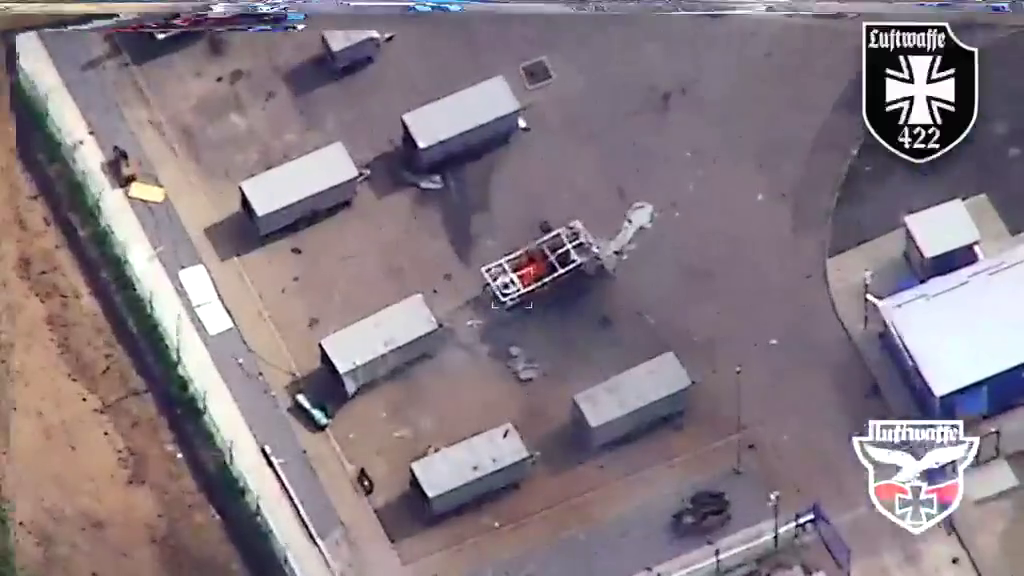
The Volna Kupol Garant is built from trailers carrying satellite antennas. It tracks a passing Starlink satellite and beams a strong signal that scrambles the terminals below across up to 20 km². Starlink is the SpaceX satellite-internet network that Ukrainian drones rely on to reach their operators. Each unit costs about $1.8 million. A same-named firm registered in occupied Simferopol builds it. The developer also makes the Volna 3M jammer that Russia has fitted to Mi-8AMTSh helicopters to block drone satellite navigation.

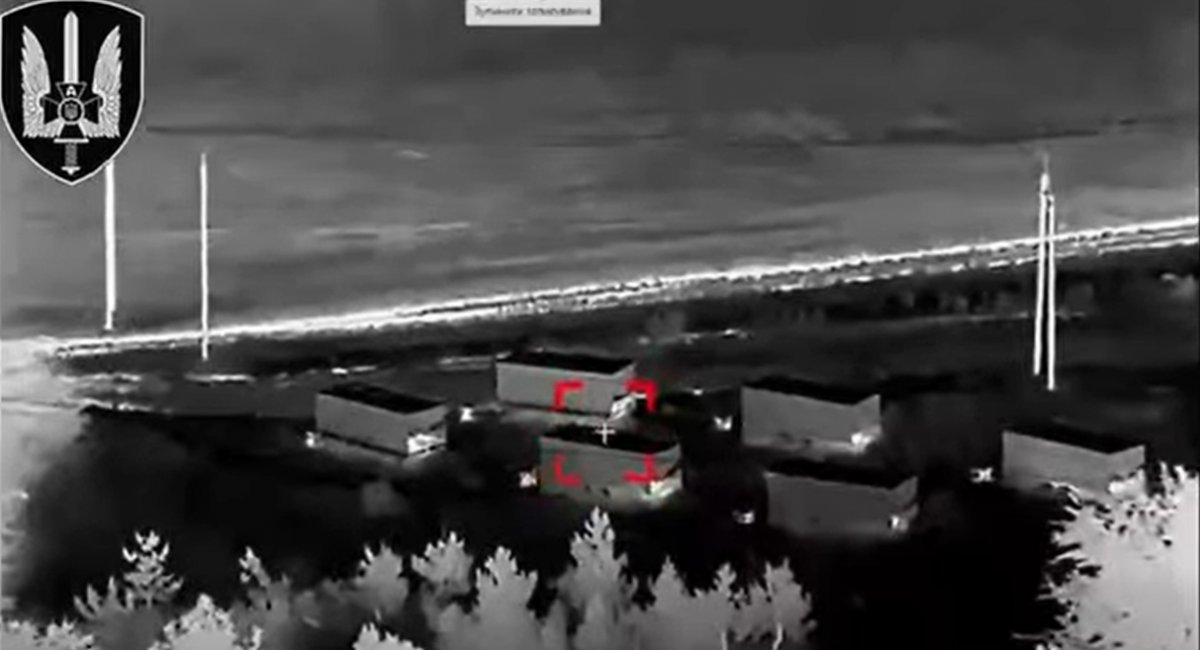
Ukraine has knocked out these jammers before. The 422nd Unmanned Systems Regiment, the Security Service of Ukraine's (SBU) Alpha special-operations center, and other Ukrainian units have struck such systems, including in occupied Crimea. The complex's weakness is its own power: beaming enough energy to reach a satellite makes it loud and easy to find. 

Russian Volna Kupol Garant system, meant to jam Starlink signals in a 20-kilometer area, shortly before being struck by a Ukrainian attack drone. (Video Still: 422nd Separate Unmanned Systems Battalion "Luftwaffe")
Explore further

Russians deploy massive $1.5M Starlink jammers, Ukrainians are blowing them up

And deep inside Russia, there is little Ukrainian Starlink to jam — SpaceX geofences the network to Ukrainian territory, and Elon Musk has refused Kyiv's push to use it for strikes into Russia so far.

The wider hunt

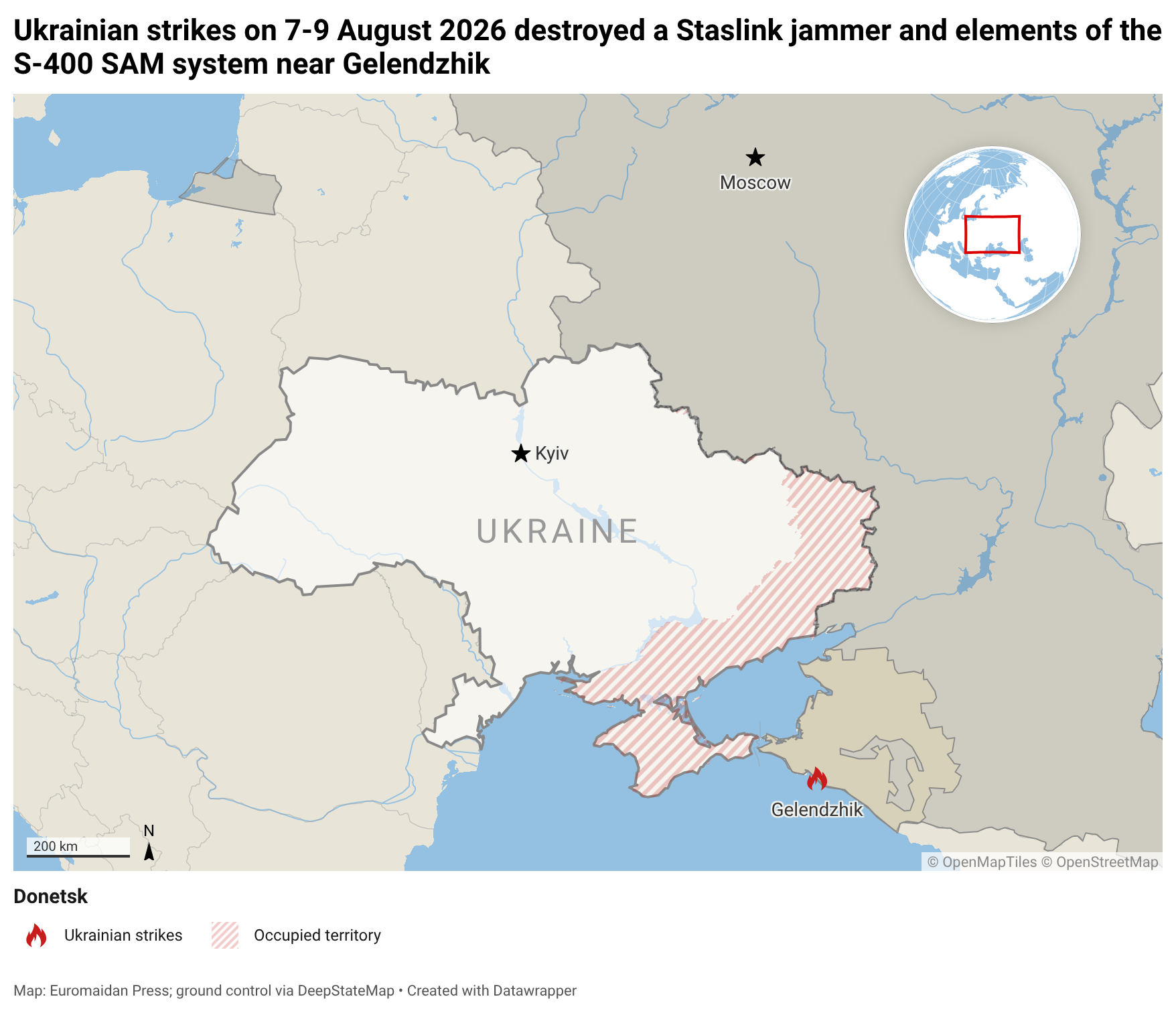
Ukraine's drone crews have spent 2026 tearing into Russia's air defenses and rear. The same run of Black Sea strikes that wrecked this jammer also burned a Russian S-400 air-defense system on the Gelendzhik coast. 

  • ✇Euromaidan Press
  • Six explosions, four fires: Ukraine hit one of Russia’s five largest refineries, 700 km from border
    Ukraine reached one of Russia's largest refineries and hit its coast guard in occupied Crimea in one operation. The Security Service of Ukraine (SBU), together with the Defense Forces, struck the Slavneft-YANOS refinery in Yaroslavl, over 700 kilometers from Ukraine's border, the SBU reported. The refinery is a major node in Russia's fuel supply to its capital region. The Yaroslavl refinery is one of the five largest oil-refining enterprises in Russia, with a capacity o
     

Six explosions, four fires: Ukraine hit one of Russia’s five largest refineries, 700 km from border

6 août 2026 à 11:46

10% russia's refining half siberia's fuel omsk plant just lost its 2500-km protection · post smoke rises over yaroslavl russia after ukrainian drone strike slavneft-yanos refinery 6 2026 supernova+ ukraine

Ukraine reached one of Russia's largest refineries and hit its coast guard in occupied Crimea in one operation. The Security Service of Ukraine (SBU), together with the Defense Forces, struck the Slavneft-YANOS refinery in Yaroslavl, over 700 kilometers from Ukraine's border, the SBU reported.

The refinery is a major node in Russia's fuel supply to its capital region. The Yaroslavl refinery is one of the five largest oil-refining enterprises in Russia, with a capacity of nearly 15 million tons of oil per year, producing gasoline, diesel, aviation kerosene, and other strategically important products for central Russia and the Moscow metropolitan area.

The refinery took multiple hits

The strike set several parts of the plant on fire. At least six explosions were heard on the refinery's grounds, and fires broke out in four different parts of the plant.

The damage hit both storage and processing. According to preliminary information, four crude oil tanks were damaged, resulting in a spill. Two tanks were engulfed in fire, and key processing units were also damaged and set alight. Striking both the tanks that hold the crude and the units that refine it degrades the plant's ability to produce fuel, not just store it.

The Kerch strike hit FSB coast guard ships

The second target was in occupied Crimea. Drone strikes on the port in Kerch damaged two Project 10410 "Svetlyak" patrol ships of the FSB coast guard, the "Balaklava" and the "Kerch".

Hitting the FSB's patrol vessels chips at Russia's ability to guard the waters around occupied Crimea and the Kerch Strait, the same maritime chokepoint Ukraine's shadow-fleet campaign has targeted.

The strikes fit the campaign against Russia's war economy

The operation extends Ukraine's sustained effort to drain Russia's fuel revenue and military logistics. The SBU said it consistently works to reduce Russia's military-economic potential, and that military sites, fuel-and-energy enterprises, and other legitimate targets working for Russia's aggression will keep coming under fire.

  • ✇Euromaidan Press
  • Over 100 strategic targets struck in Ukraine’s 40-day campaign against Russia’s war machine
    Ukraine's Security Service (SBU) says it has struck more than 100 strategic military and industrial targets inside Russia and occupied Ukrainian territories during a 40-day campaign approved by President Volodymyr Zelenskyy. The coordinated 40-day campaign combined long-range strikes deep inside Russia with frontline operations, aiming to simultaneously erode Moscow's military production, logistics, fuel supplies, air defenses, and combat capabilities rather than focusi
     

Over 100 strategic targets struck in Ukraine’s 40-day campaign against Russia’s war machine

4 août 2026 à 12:51

drones found fsb where felt safest—a seaside resort deep occupied kherson · post explosion coordination center oblast security service ukraine strike site 20 2026 earlier sbu news ukrainian reports

Ukraine's Security Service (SBU) says it has struck more than 100 strategic military and industrial targets inside Russia and occupied Ukrainian territories during a 40-day campaign approved by President Volodymyr Zelenskyy.

The coordinated 40-day campaign combined long-range strikes deep inside Russia with frontline operations, aiming to simultaneously erode Moscow's military production, logistics, fuel supplies, air defenses, and combat capabilities rather than focusing on a single target set. 

In a statement on 4 August, the SBU said the operation targeted Russia's military-industrial complex, air bases, air defense systems, command posts, oil refineries, transport and military logistics infrastructure, as well as vessels from Russia's sanctions-evading "shadow fleet."

The agency said Zelenskyy has also approved a new series of operations proposed by SBU chief Maj. Gen. Oleksandr Poklad.

Campaign targeted air bases, oil facilities, and shadow fleet

According to the SBU, one of the campaign's main objectives was degrading Russia's military aviation and air defense capabilities.

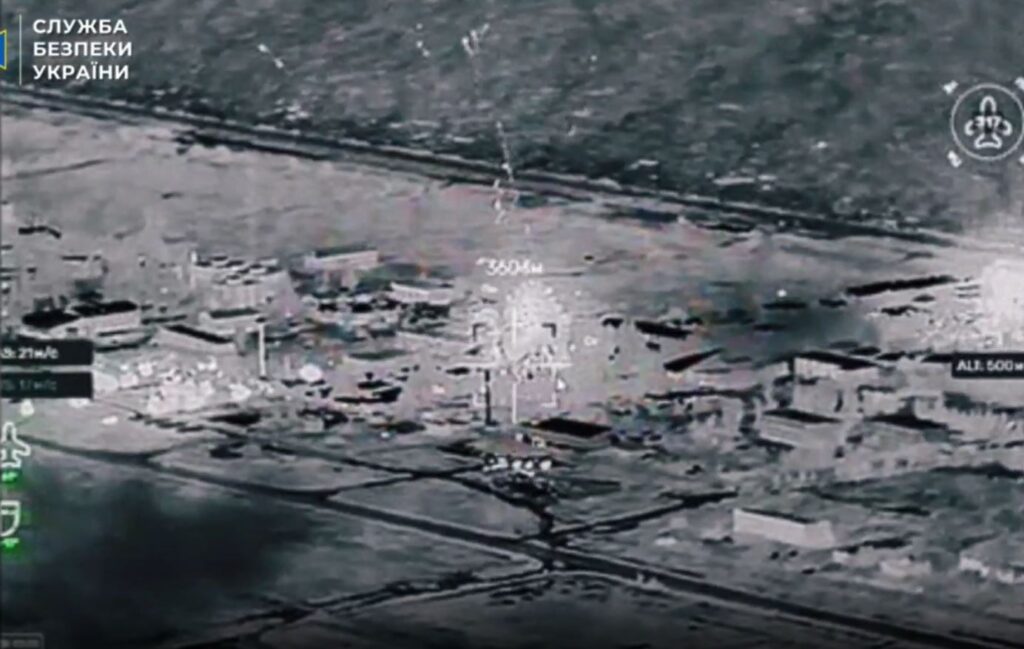
The agency said it struck the Saky, Hvardiiske, Belbek, Bagerovo, Engels, and Khanskaya air bases, as well as the Yevpatoria aviation plant. It claimed the attacks destroyed one Tu-95MS strategic bomber, damaged two Su-35 fighter jets and two L-39 trainer aircraft, and hit hangars housing Su-24, Su-30, and Su-30SM aircraft, Shahed drone storage facilities, and airfield fuel infrastructure.

The SBU also reported strikes on Russian air defense assets, including a Nebo-U radar, the 92N6E engagement radar of an S-400 system, Tor-M2 and Pantsir-S2 air defense systems, a Pole-21 electronic warfare system, and several Podlyot-K1 and Kasta-2E2 radar stations.

The agency said it also struck 14 oil refineries, dozens of oil depots, pumping stations, terminals, and storage facilities, naming refineries in St. Petersburg, Yaroslavl, Nizhny Novgorod, Perm, Volgograd, and Ufa among the targets.

It further claimed attacks on the tankers Blue, Louise 1, Banda, and Avero, along with two cargo vessels already under international sanctions, as part of efforts to disrupt Russia's "shadow fleet."

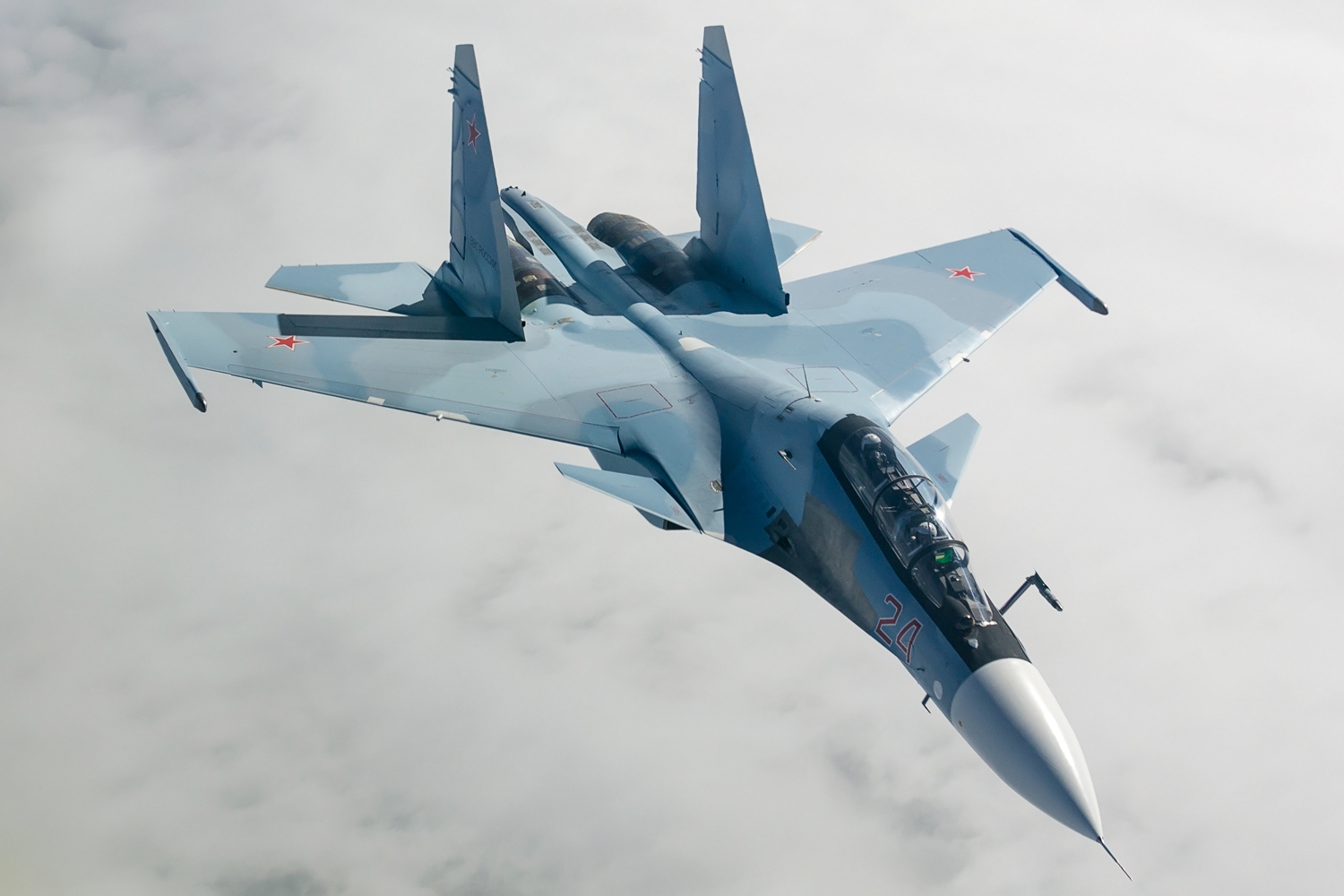
ukrainian manpads takes down russian su-30sm jet over black sea air force's sukhoi sukhoi_su-30sm_in_flight_2014
Explore further

Ukraine hits at least seven Russian warplanes in second strike on Crimea’s Saky airbase this week, SBU says

SBU reports thousands of battlefield targets hit

Alongside its long-range operations, the SBU said its frontline units struck more than 21,000 items of Russian military equipment, weapons, and infrastructure during the same 40-day period, while killing nearly 5,000 Russian troops.

According to the statement, those strikes included 24 tanks, 63 armored vehicles, 124 artillery systems, 22 multiple-launch rocket systems, 40 air defense systems, and 14 aircraft and helicopters.

The agency also said it destroyed more than 11,000 enemy drones and ground robotic systems, including 176 Shahed attack drones, and struck 712 drone crews together with their launch sites and equipment.

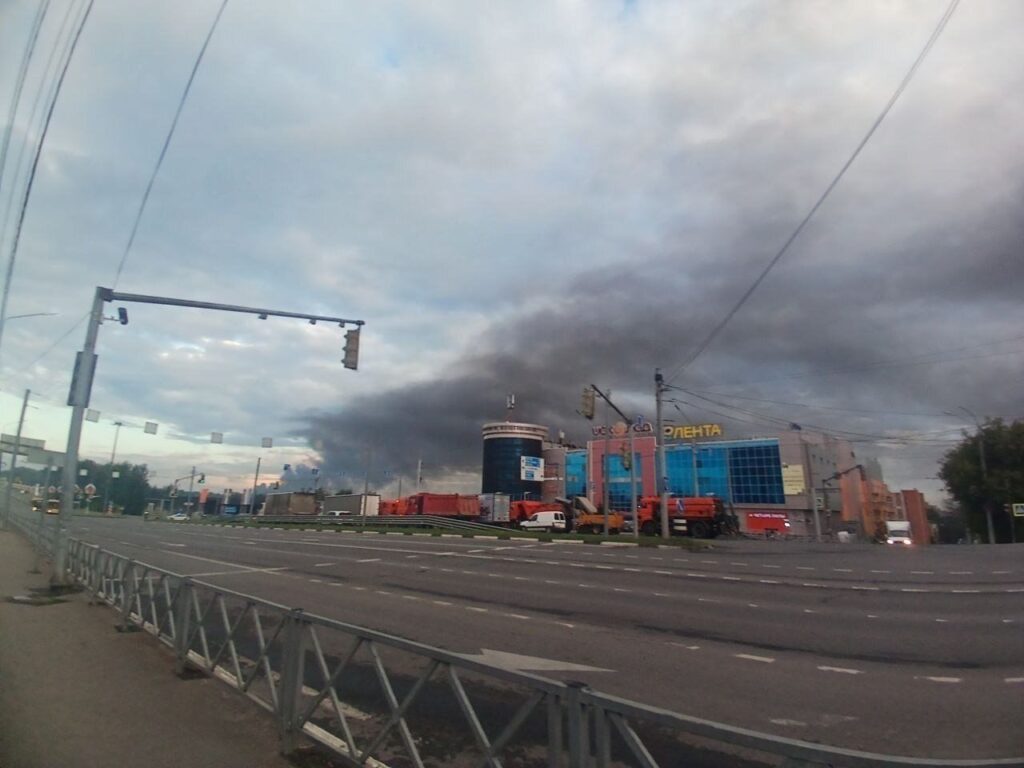
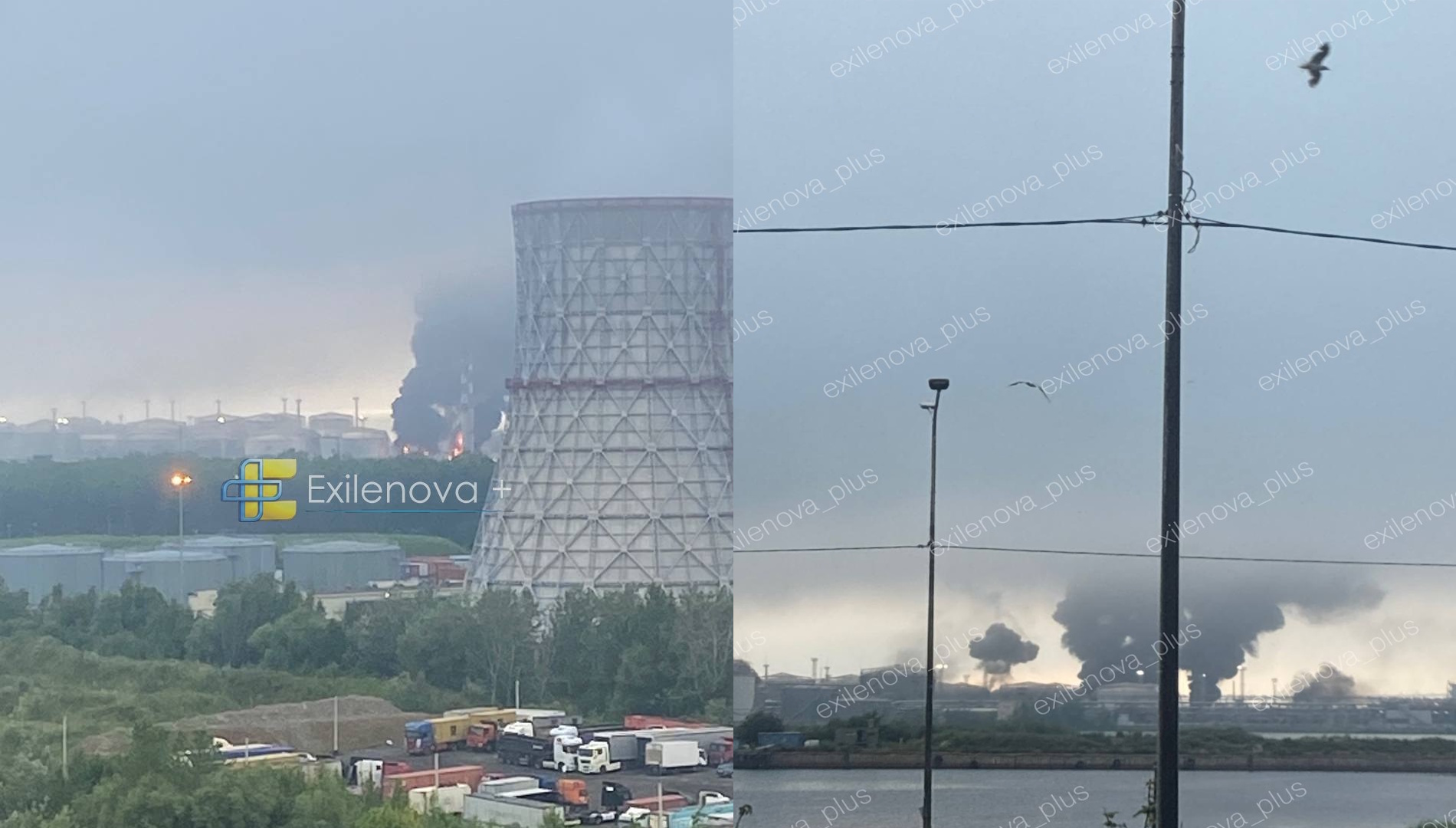
The image shows fire and smoke emanating from a St. Petersburg-area maritime petroleum products transshipment terminal. Source: OSINT Telegram channel Exilenova+
Explore further

Ukraine is ten days into campaign to pressure Moscow toward peace: Russia’s Baltic oil gateway took hit overnight

Part of Ukraine's broader deep-strike campaign

The figures add to a series of increasingly ambitious Ukrainian long-range strikes targeting Russia's military infrastructure, oil industry, and logistics network.

Over recent months, Ukraine has claimed attacks on strategic bomber bases, air defense systems, oil refineries, and vessels involved in transporting Russian oil despite Western sanctions. 

Kyiv says the campaign aims to reduce Russia's ability to sustain its war against Ukraine by degrading both its military capabilities and the economic infrastructure supporting them.

Russia uses old KGB trick to get rid of Ukrainian soldiers not on battlefield. It’s already tried more than 50 times this year

4 août 2026 à 10:02

bomb-maker working russia's military intelligence zaporizhzhia loses freedom 15 years · post security service ukraine officers during operation sbu news ukrainian reports

Russia is trying to kill Ukrainian soldiers by offering them dates with women who do not exist. Ukraine's Security Service (SBU) has warned that the occupiers have begun actively using "honey traps" to try to kill Ukrainian military personnel, luring soldiers through online dating and staged meetings.

Honey traps were a classic method of the Soviet security services, the NKVD, MGB, and KGB, which used romantic or sexual relationships to recruit or gather compromising material on foreign diplomats, journalists, politicians, and military officers.

Russia has now revived the technique for a deadlier purpose: not to compromise Ukrainian soldiers but to kill them, and since the start of 2026, the SBU has prevented more than 50 such attempts.

It is a lethal variant of the Telegram-based recruitment and assassination campaign Russia has run throughout the war, which Ukraine has documented in bomb plots and forged-document schemes against soldiers.

How the trap works

The method starts on dating platforms. Russian agents work from fake accounts on dating sites and themed messenger chats, offering soldiers close relationships, then Russian special services arrange a meeting at a prepared location for the soldier's murder, according to the SBU.

The killers use bombs and poison. Most often, the attackers plant improvised bombs at the planned attack site, and they also use lethal poisons synthesized from narcotic, psychotropic, and other chemical substances.

The documented cases

The SBU described specific attempts it stopped. In March 2025, in Kharkiv Oblast, an FSB agent posing as a volunteer gave a soldier medicine and food laced with poison, and another agent sent a soldier a bottle of drink spiked with a lethal dose of methadone, proposing they drink the "gift" together over a video date. SBU officers intercepted the package, and chemical analysis confirmed the poison.

In January 2026, counterintelligence detained an FSB killer who lured a soldier to a Zaporizhzhia industrial zone for a "date," where a masked attacker stabbed him six times in the neck, chest, abdomen, and leg. The SBU detained the attacker and identified the woman who had baited the soldier from a fake account. The soldier survived.

  • ✇The Kyiv Independent
  • Ukrainian Air Force officer acting as 'FSB mole' arrested, SBU says
    Ukraine's Security Service (SBU) detained a Ukrainian Air Force major suspected of spying for Russian Federal Security Service (FSB), the agency reported on July 3.The alleged spy, arrested during a special operation in Lviv Oblast, was reportedly recruited through his ex-wife, a former military officer now cooperating with Russian forces in occupied Melitopol.According to the SBU, the officer was gathering coordinates of operational airfields, logistics hubs, and maintenance centers used by Ukr
     

Ukrainian Air Force officer acting as 'FSB mole' arrested, SBU says

3 juillet 2025 à 08:53
Ukrainian Air Force officer acting as 'FSB mole' arrested, SBU says

Ukraine's Security Service (SBU) detained a Ukrainian Air Force major suspected of spying for Russian Federal Security Service (FSB), the agency reported on July 3.

The alleged spy, arrested during a special operation in Lviv Oblast, was reportedly recruited through his ex-wife, a former military officer now cooperating with Russian forces in occupied Melitopol.

According to the SBU, the officer was gathering coordinates of operational airfields, logistics hubs, and maintenance centers used by Ukrainian combat aircraft. If successful, Russia intended to launch missile and drone strikes on those locations.

The SBU said the operation was coordinated with Ukraine's Commander-in-Chief and that the agent was supervised by Aleksandr Belodedov, an officer in the FSB's Alpha special operations unit.

Authorities said they intercepted the agent before any damage was done, documenting his communication with Russian intelligence and securing military sites at risk.

The suspect has been charged with high treason committed during wartime by a group of individuals under Ukraine's Criminal Code. He remains in custody and faces life imprisonment with asset seizure.

His ex-wife was also charged in absentia for treason during wartime.

‘Major casualties among civilians’ — US freeze on air defense missiles is terrible news for Ukraine
The halting of deliveries of air defense missiles from the U.S. will lead to“major casualties among civilians,” a deputy commander in Ukraine’s air defense told the Kyiv Independent. Politico reported on July 1 that the U.S. Defense Department (DOD) had halted shipments of some weapons previously
Ukrainian Air Force officer acting as 'FSB mole' arrested, SBU saysThe Kyiv IndependentKollen Post
Ukrainian Air Force officer acting as 'FSB mole' arrested, SBU says

'A powerful secondary explosion' — Ukrainian drones destroy Russian ammunition depot in Donetsk Oblast, SBU says

3 juillet 2025 à 06:26
'A powerful secondary explosion' — Ukrainian drones destroy Russian ammunition depot in Donetsk Oblast, SBU says

Ukrainian drones struck a Russian ammunition depot in occupied Donetsk Oblast overnight on July 3, setting off a series of huge explosions, Ukraine's State Security Service said on July 3.

"Starting at 10 p.m., explosions rang out at the depots, followed by a powerful secondary detonation of ammunition and a fire," the SBU said in a post on social media.

According to the SBU, the ammunition depot is located in the occupied Ukrainian city of Khartsyzsk, near Donetsk, which is "of important strategic importance, as it is used by the Russians as a rear base."

"The enemy has placed command posts, logistics centers, and ammunition depots there. All of them are legitimate military targets," the statement added.

Unconfirmed videos posted to social media show a fire already burning followed by a large explosion and shockwave.

Meanwhile in Russian-occupied Khartsyzsk.

- 1 major Russian munitions depot. pic.twitter.com/uAhnqQONYw

— Illia Ponomarenko 🇺🇦 (@IAPonomarenko) July 2, 2025

Elsewhere on July 3, Ukraine confirmed strikes on the Energia factory in Russia's Lipetsk Oblast overnight, a facility that produces components for missiles and drones, including batteries for the Iskander missile system and cruise missiles.

Andrii Kovalenko, head of the Counter-Disinformation Center at Ukraine's National Security and Defense Council, confirmed the strike, calling Energia "one of the most critical targets for Russia."

'A powerful secondary explosion' — Ukrainian drones destroy Russian ammunition depot in Donetsk Oblast, SBU says
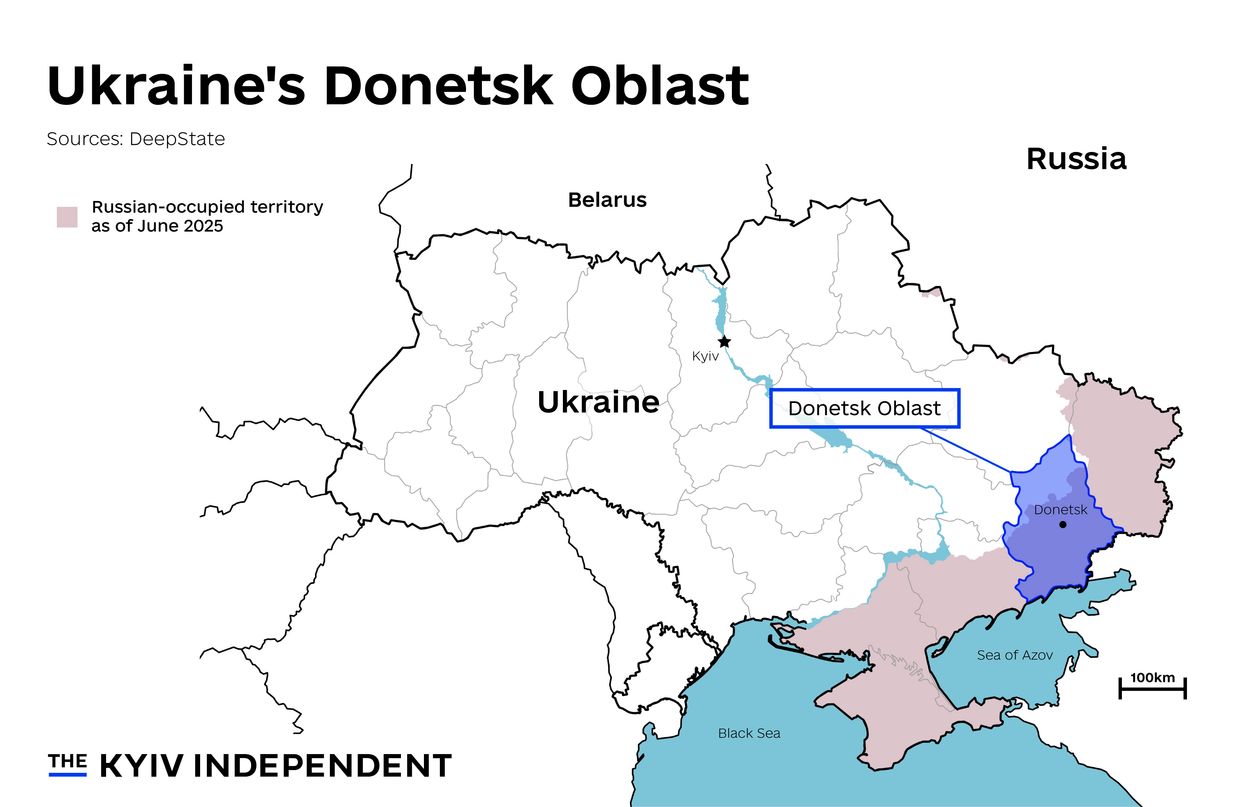
Ukraine's Donetsk Oblast (Nizar al-Rifai/The Kyiv Independent)

According to Kovalenko, the facility manufactures batteries for missile guidance and glider modules, including for the Iskander system and cruise missiles.

Ukraine's military regularly strikes military targets in Russian-occupied territories and deep within Russia in an attempt to diminish Moscow's fighting power as it continues its war against Ukraine.
On the evening of June 30, Ukraine similarly struck a command post of the 8th Combined Arms Army of the Russian Armed Forces in the Russian-occupied part of Donetsk Oblast.

Russia has for months focused its offensive efforts on the embattled town of Pokrovsk in Donetsk Oblast and has recently been escalating attempts to break through to neighboring Dnipropetrovsk Oblast, a region that has not yet seen combat.

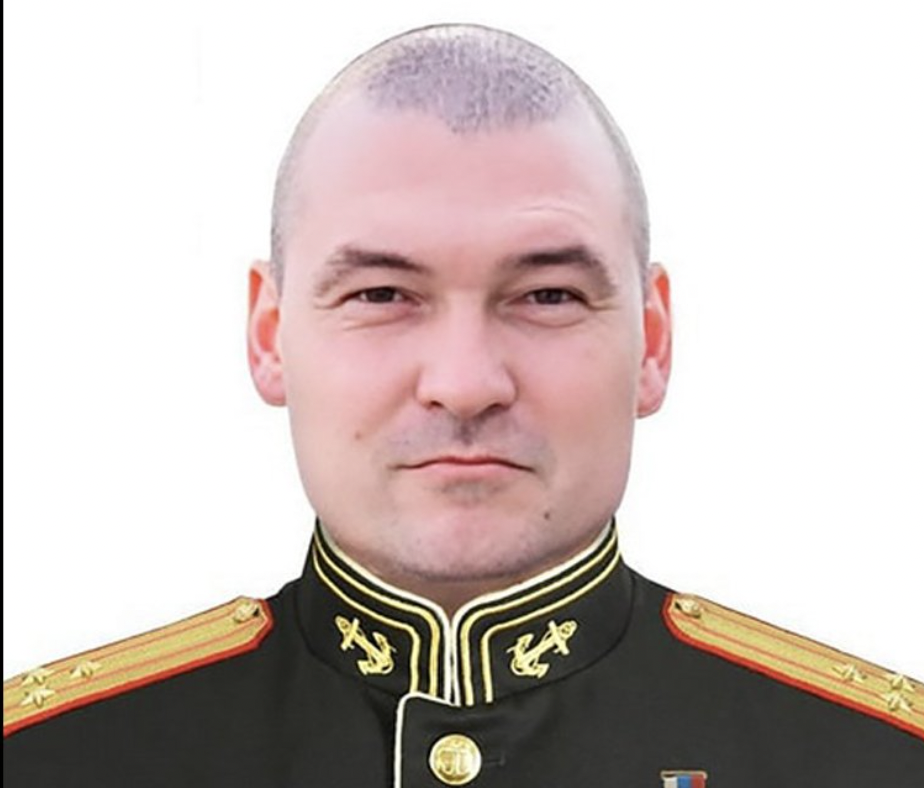
BREAKING: Deputy commander of Russian Navy killed in Ukrainian strike in Kursk, Russian official confirms
Major General Mikhail Gudkov also led a brigade involved in combat operations against Ukraine. His death reportedly occurred during a Ukrainian attack on a Russian command post.
'A powerful secondary explosion' — Ukrainian drones destroy Russian ammunition depot in Donetsk Oblast, SBU saysThe Kyiv IndependentAnna Fratsyvir
'A powerful secondary explosion' — Ukrainian drones destroy Russian ammunition depot in Donetsk Oblast, SBU says
  • ✇The Kyiv Independent
  • Ukrainian drone strike on Crimea air base destroys 3 Russian helicopters, SBU claims
    Editor's note: The previously published footage, provided by an SBU source, was allegedly related to a different operation and was deleted after the mistake was identified.Drones operated by the Security Service of Ukraine (SBU) struck the Kirovske military airfield in occupied Crimea overnight on June 28, the SBU told the Kyiv Independent.The attack destroyed Mi-8, Mi-26 and Mi-28 attack helicopters, and a Pantsyr-S1 self-propelled anti-aircraft missile and gun system, the SBU claimed.According
     

Ukrainian drone strike on Crimea air base destroys 3 Russian helicopters, SBU claims

28 juin 2025 à 08:37
Ukrainian drone strike on Crimea air base destroys 3 Russian helicopters, SBU claims

Editor's note: The previously published footage, provided by an SBU source, was allegedly related to a different operation and was deleted after the mistake was identified.

Drones operated by the Security Service of Ukraine (SBU) struck the Kirovske military airfield in occupied Crimea overnight on June 28, the SBU told the Kyiv Independent.

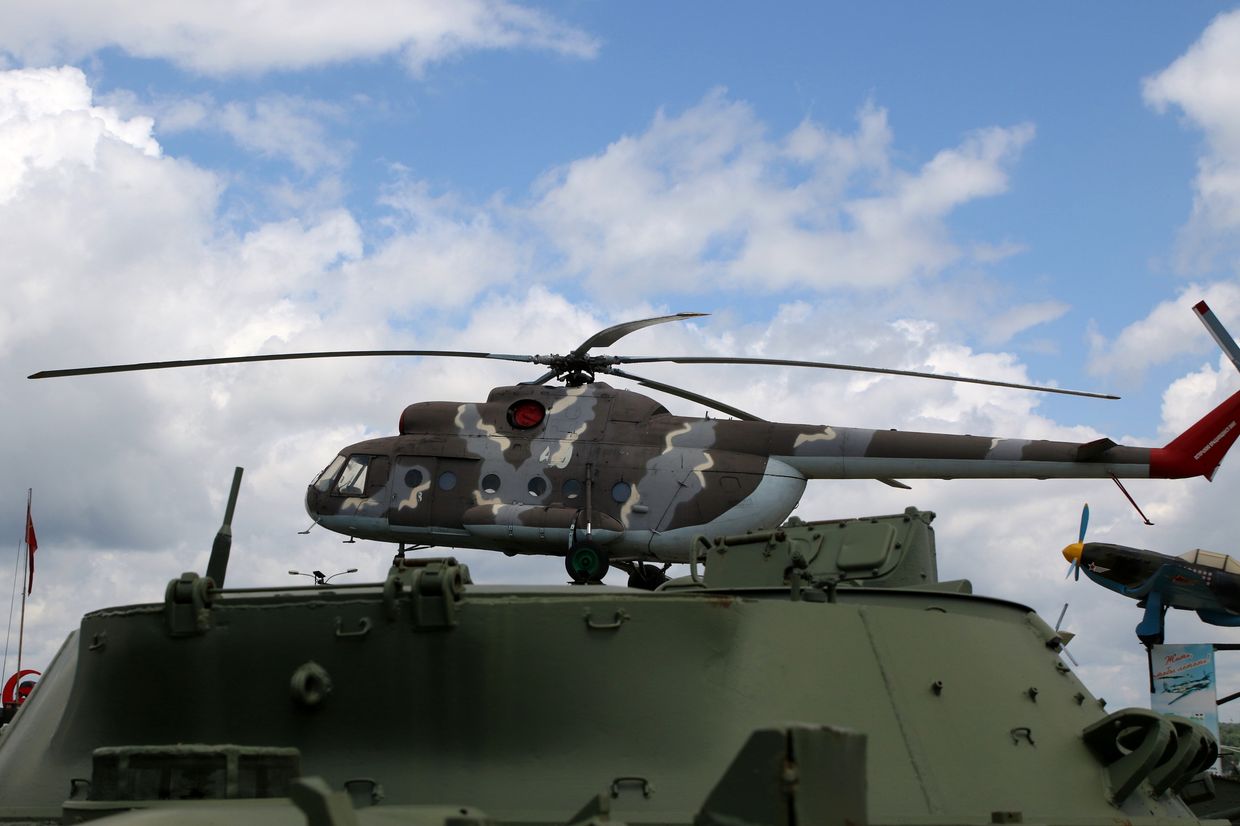
The attack destroyed Mi-8, Mi-26 and Mi-28 attack helicopters, and a Pantsyr-S1 self-propelled anti-aircraft missile and gun system, the SBU claimed.

According to the SBU, Ukraine targeted Russian aviation, air defense systems, as well as ammunition, reconnaissance and attack drones storage facilities.

Secondary explosions were heard at the airfield during the night.

The Kyiv Independent could not verify these claims.

As Russia intensifies aerial attacks on Ukraine and the civilian death toll climbs, Ukraine has stepped up its drone attacks on Russian territory too.

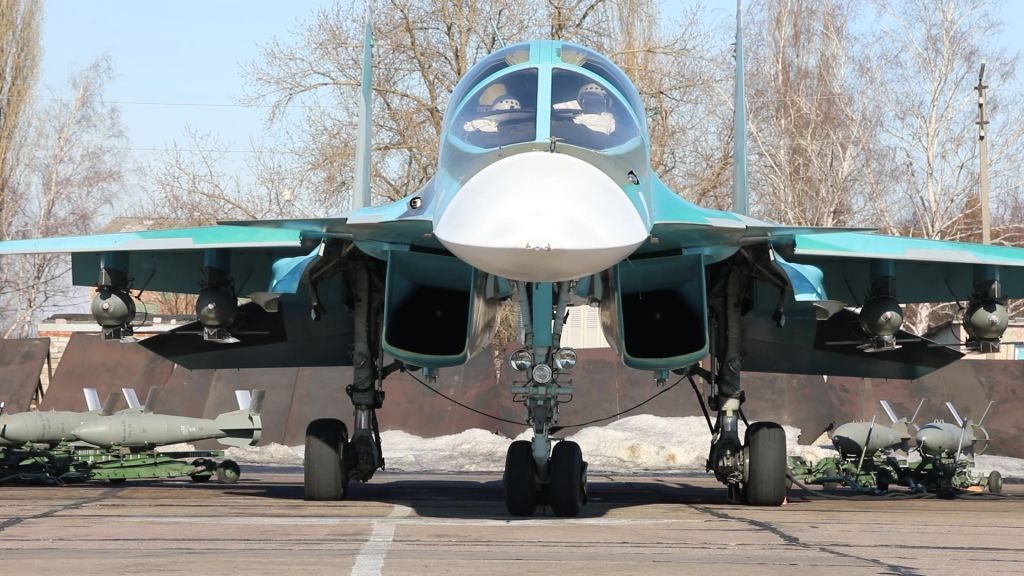
Earlier on June 27, Ukrainian drones struck four Su-34 fighter jets at the Marinovka airfield in Russia's Volgograd Oblast, according to the military.

Preliminary reports indicate that two Russian fighter jets were destroyed in the June 27 attack, and the other two were damaged. Russia uses the aircraft to bomb Ukraine.

Since the start of its full-scale war in February 2022, Russia has lost 420 airplanes and 337 helicopters, Ukraine's General Staff said in its latest update on June 28. The Kyiv Independent could not verify these figures.

Ukraine war latest: Ukrainian drones reportedly strike 4 fighter jets in Russia
Key developments on June 27: * Ukraine war latest: Ukrainian drones reportedly strike 4 fighter jets in Russia * North Korea deployed 20% of Kim’s elite ‘personal reserve’ to fight against Ukraine in Russia, Umerov says * Pro-Palestinian activists reportedly destroy military equipment intended for Ukraine * Zelensky signs decree to synchronize Russia sanctions
Ukrainian drone strike on Crimea air base destroys 3 Russian helicopters, SBU claimsThe Kyiv IndependentThe Kyiv Independent news desk
Ukrainian drone strike on Crimea air base destroys 3 Russian helicopters, SBU claims
  • ✇The Kyiv Independent
  • Ukrainian ‘traitor’ behind Russian missile guidance system charged with treason, SBU says
    Ukraine's security service (SBU) has charged in absentia a former defense engineer with treason, accusing him of helping Russia target Ukrainian cities by developing navigation systems for cruise and ballistic missiles, the SBU said on June 25.According to the agency, Oleh Borsuk, a 61-year-old Ukrainian national, fled to Russia in 2009 after resigning from a defense plant in Cherkasy Oblast. He later became deputy general director of Moscow-based design bureau "Navis," a major player in Russia'
     

Ukrainian ‘traitor’ behind Russian missile guidance system charged with treason, SBU says

25 juin 2025 à 08:03
Ukrainian ‘traitor’ behind Russian missile guidance system charged with treason, SBU says

Ukraine's security service (SBU) has charged in absentia a former defense engineer with treason, accusing him of helping Russia target Ukrainian cities by developing navigation systems for cruise and ballistic missiles, the SBU said on June 25.

According to the agency, Oleh Borsuk, a 61-year-old Ukrainian national, fled to Russia in 2009 after resigning from a defense plant in Cherkasy Oblast. He later became deputy general director of Moscow-based design bureau "Navis," a major player in Russia's military-industrial complex.

Borsuk allegedly oversaw the development and modernization of satellite guidance systems (GPS/GLONASS) used in Russian missiles. In 2023 alone, under his leadership, nearly 3,200 satellite navigation units were produced, including those for Iskander tactical missile systems, the SBU said.

These systems are also used in missiles like the Kh-101, Kh-59, and Kalibr — weapons frequently deployed in Russian airstrikes against Ukrainian civilian infrastructure.

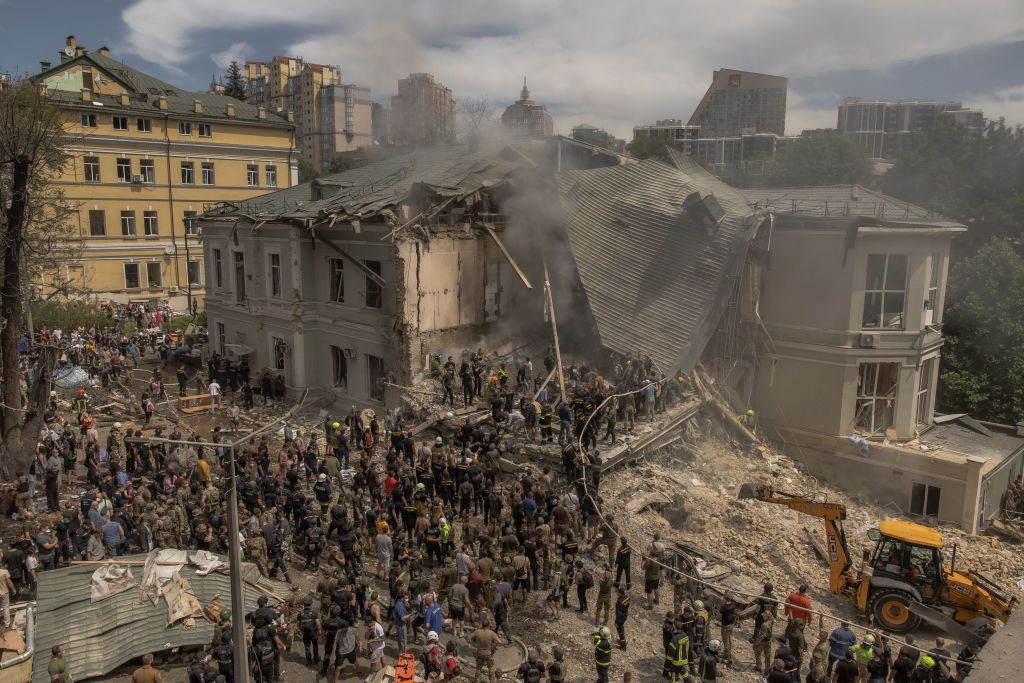
The deadliest attacks include the July 8, 2024, strike on the Okhmatdyt children hospital in Kyiv, which killed two adults, including a doctor, and injured more than 50 people, including children. The hospital was hit by a Kh-101 cruise missile in accordance with a programmed route.

Another devastating strike occurred on June 17, when a massive missile and drone assault on Kyiv killed 30 people and injured 172 others. One of the deadliest impacts was a direct hit on a residential building by a Russian Kh-101 cruise missile, which caused the complete collapse of an entire section of the nine-story residential building.

According to a spokesperson for Ukraine's Air Force Yurii Ihnat, the building was struck by a Kh-101 missile.

The SBU has charged Borsuk in absentia under Ukraine's Criminal Code for treason committed under martial law.

"Since the perpetrator is hiding in the territory of the Russian Federation, comprehensive measures are underway to bring him to justice for crimes against our state," the SBU said.

Investigation: How Russia prepares its strategic missile plant for ‘eternal war’
Key findings: * Despite international sanctions, Russia’s strategic missile plant was able to import complex machinery to dramatically increase missile production. * The Kyiv Independent has identified the equipment supplied to the plant, as well as the supply chains, mostly from China. * We located the plant’s new premises, built to house the
Ukrainian ‘traitor’ behind Russian missile guidance system charged with treason, SBU saysThe Kyiv IndependentAlisa Yurchenko
Ukrainian ‘traitor’ behind Russian missile guidance system charged with treason, SBU says
  • ✇The Kyiv Independent
  • Russia ordered 2 assassination attempts on popular journalist Dmytro Gordon, Ukraine security service says
    Russian President Vladimir Putin in 2023 authorized the ordering of at least two attempts to assassinate Ukrainian journalist Dmytro Gordon, Security Service of Ukraine (SBU) head Vasyl Maliuk told media on June 23,  RBC-Ukraine reports.Gordon is a prominent journalist and media personality popular in both Ukraine and other post-Soviet countries, known for his sharp criticism of Russian aggression. His YouTube channel has 4.5 million subscribers. "Gordon triggers Russians. He has a large audienc
     

Russia ordered 2 assassination attempts on popular journalist Dmytro Gordon, Ukraine security service says

23 juin 2025 à 11:08
Russia ordered 2 assassination attempts on popular journalist Dmytro Gordon, Ukraine security service says

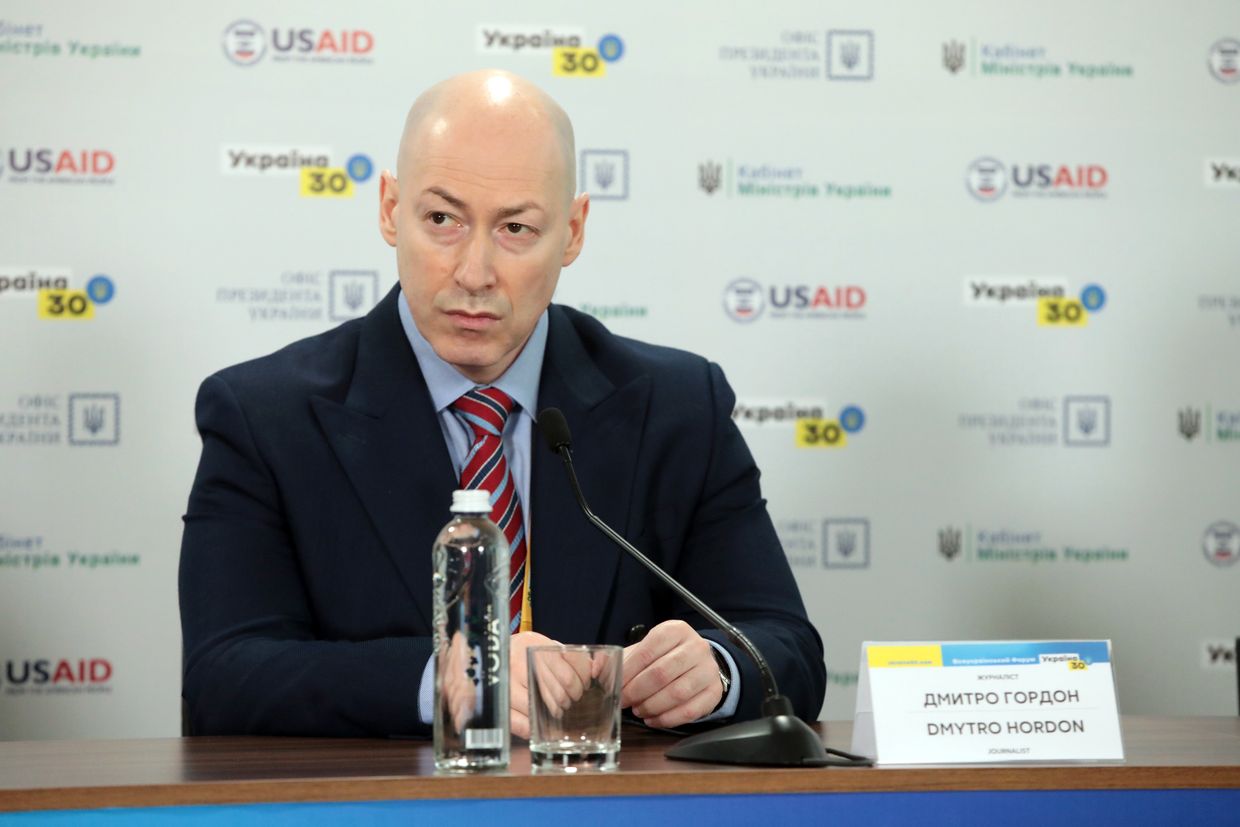
Russian President Vladimir Putin in 2023 authorized the ordering of at least two attempts to assassinate Ukrainian journalist Dmytro Gordon, Security Service of Ukraine (SBU) head Vasyl Maliuk told media on June 23,  RBC-Ukraine reports.

Gordon is a prominent journalist and media personality popular in both Ukraine and other post-Soviet countries, known for his sharp criticism of Russian aggression. His YouTube channel has 4.5 million subscribers.

"Gordon triggers Russians. He has a large audience in Russia and in the (Russian) occupied territories (of Ukraine)," Maliuk said. "There are two networks that worked on Gordon that we can speak (publicly) about."

According to the SBU, the first network was led by a former lawmaker from the now-banned pro-Russian Party of Regions, originally from Poltava Oblast. The agency did not name the lawmaker.

The former MP was allegedly tasked by Russia's Federal Security Service (FSB) with coordinating surveillance and preparations for a strike that would kill Gordon.

"The plan was to use a homemade explosive device or coordinate a missile or a drone strike — but only if Gordon's presence in the targeted house was confirmed," Maliuk said.

The SBU had already been investigating the ex-lawmaker for involvement in a separate railway bombing case in Poltava Oblast when the assassination plot was uncovered. The group was arrested before executing the plan.

The second assassination team, Maliuk said, was a criminal group from Dagestan working secretly for the FSB under the cover of being fugitives from Russian law enforcement.

"They sent this individual here long before the full-scale war. He carried out FSB tasks all the time — very professionally, very covertly," Maliuk said.

The group monitored Gordon's movements and residence, planning to assassinate him either with a short-barreled weapon if he was alone, or with a rifle and follow-up pistol shot if accompanied by a bodyguard.

The SBU detained the group, and its leader confessed to preparing the hit on Moscow's orders. He said he had been promised $400,000 for the killing.

Gordon, who has become a high-profile figure on Ukraine's information front, regularly uses his platform to expose Russian disinformation and advocate for Ukrainian sovereignty.

Lion attacks collaborator at safari park in Russian-occupied Crimea
Following Russia’s illegal annexation of Crimea in 2014, Oleg Zubkov renounced his Ukrainian citizenship and began cooperating with the Russian authorities.
Russia ordered 2 assassination attempts on popular journalist Dmytro Gordon, Ukraine security service saysThe Kyiv IndependentKateryna Hodunova
Russia ordered 2 assassination attempts on popular journalist Dmytro Gordon, Ukraine security service says
  • ✇The Kyiv Independent
  • Ukraine's security service is teaching teenagers how to avoid recruitment by Russian intelligence
    Ukraine's security service (SBU) is teaching teenagers how to avoid recruitment by Russian intelligence online, the New York Times (NYT) reported on June 21."Maybe not all of these special operations are reported in the media — but believe me, the enemy is not sleeping... They are working actively and carrying out illegal activities, as strange as it may sound, directly inside your phones," SBU spokesperson Roksolana Yavorska-Isaienko told students.Approximately 22% of Ukrainians recruited by Ru
     

Ukraine's security service is teaching teenagers how to avoid recruitment by Russian intelligence

22 juin 2025 à 01:00
Ukraine's security service is teaching teenagers how to avoid recruitment by Russian intelligence

Ukraine's security service (SBU) is teaching teenagers how to avoid recruitment by Russian intelligence online, the New York Times (NYT) reported on June 21.

"Maybe not all of these special operations are reported in the media — but believe me, the enemy is not sleeping... They are working actively and carrying out illegal activities, as strange as it may sound, directly inside your phones," SBU spokesperson Roksolana Yavorska-Isaienko told students.

Approximately 22% of Ukrainians recruited by Russian intelligence to conduct sabotage or terrorist attacks are minors, Artem Dekhtiarenko, SBU spokesperson, said on April 2.

Russian intelligence attempts to recruit Ukrainian civilians online, offering easy money in return for sharing sensitive data or preparing sabotage or terrorist acts.

Russian intelligence finds its recruits using social platforms, including Telegram, Discord, and TikTok.

Unsuspecting teenagers are often offered hundreds or even thousands of dollars to conduct simpler tasks such as delivering packages or taking photos of energy sites, the NYT reports.

More serious tasks are commonly assigned to teenagers once they have been blackmailed for conducting less serious operations beforehand or when their phones are hacked to reveal compromising photos.

Russian intelligence is actively attempting to recruit Ukrainian nationals for illegal operations across the EU, Ukraine's military intelligence agency (HUR) said on June 2.

"The recruitment of Ukrainians for hostile operations in Europe is yet another tool of hybrid aggression that the Russian Federation is waging against Ukraine and the entire European community," HUR said.

The SBU caught a Russian agent as he was filming a military airfield in preparation for a Russian strike, the agency reported on June 15.

The Russian Federal Security Service (FSB) recruited the unemployed 24-year-old via the Telegram messaging app to collect coordinates for air attacks on airfields and logistic depots, the SBU said.

The Russian FSB allegedly offered "easy money" and instructed the recruit to find military facilities and carry out reconnaissance on the ground.

Love, sex, survival — Ukrainian author on how war shapes intimacy in Ukraine
In Ukraine, Russia’s war of aggression has upended not just borders but the country’s cultural landscape. Conversations about identity, gender, and sexuality have gained new urgency. Women are increasingly stepping into combat roles once dominated by men, while relationships can dissolve as quickly as they form. Many people
Ukraine's security service is teaching teenagers how to avoid recruitment by Russian intelligenceThe Kyiv IndependentKate Tsurkan
Ukraine's security service is teaching teenagers how to avoid recruitment by Russian intelligence
  • ✇The Kyiv Independent
  • Russia's prison chief sentenced in absentia for torture chambers in Kherson Oblast
    Arkady Gostev, head of Russia's Federal Penitentiary Service, was sentenced in absentia to 10 years in prison for creating a network of torture chambers in the Russian-occupied part of Kherson Oblast, Ukraine's Security Service (SBU) announced on June 19.Gostev was found guilty of orchestrating the transformation of captured Ukrainian prisons into torture sites used to detain and brutalize members of the local resistance. The SBU said victims were subjected to "brutal torture" intended to break
     

Russia's prison chief sentenced in absentia for torture chambers in Kherson Oblast

19 juin 2025 à 12:46
Russia's prison chief sentenced in absentia for torture chambers in Kherson Oblast

Arkady Gostev, head of Russia's Federal Penitentiary Service, was sentenced in absentia to 10 years in prison for creating a network of torture chambers in the Russian-occupied part of Kherson Oblast, Ukraine's Security Service (SBU) announced on June 19.

Gostev was found guilty of orchestrating the transformation of captured Ukrainian prisons into torture sites used to detain and brutalize members of the local resistance. The SBU said victims were subjected to "brutal torture" intended to break their will and force submission to the Kremlin rule.

According to investigators, Gostev personally oversaw the establishment of torture facilities and pushed for their inclusion in Russia's national prison registry through the Justice Ministry.

The court ruled he committed "actions aimed at violently changing or overthrowing the constitutional order or seizing state power."

"Comprehensive measures are being taken to bring him to justice for crimes against our state," the SBU said, noting that Gostev remains in Russia.

Kherson Oblast, which stretches from the Dnipro River to the Black Sea, remains partially occupied, with the east-bank territories still under Russian control.

Gostev joins a growing list of senior Russian officials charged in absentia with war crimes, crimes against humanity, and the administration of occupied territories.

Ukraine has also targeted collaborators working with the occupation authorities.

On June 18, Ukraine's military intelligence (HUR) confirmed the assassination of Mykhailo Hrytsai, a Russian-appointed deputy mayor in Berdiansk, Zaporizhzhia Oblast, for his role in organizing repression and torture of Ukrainian prisoners of war.

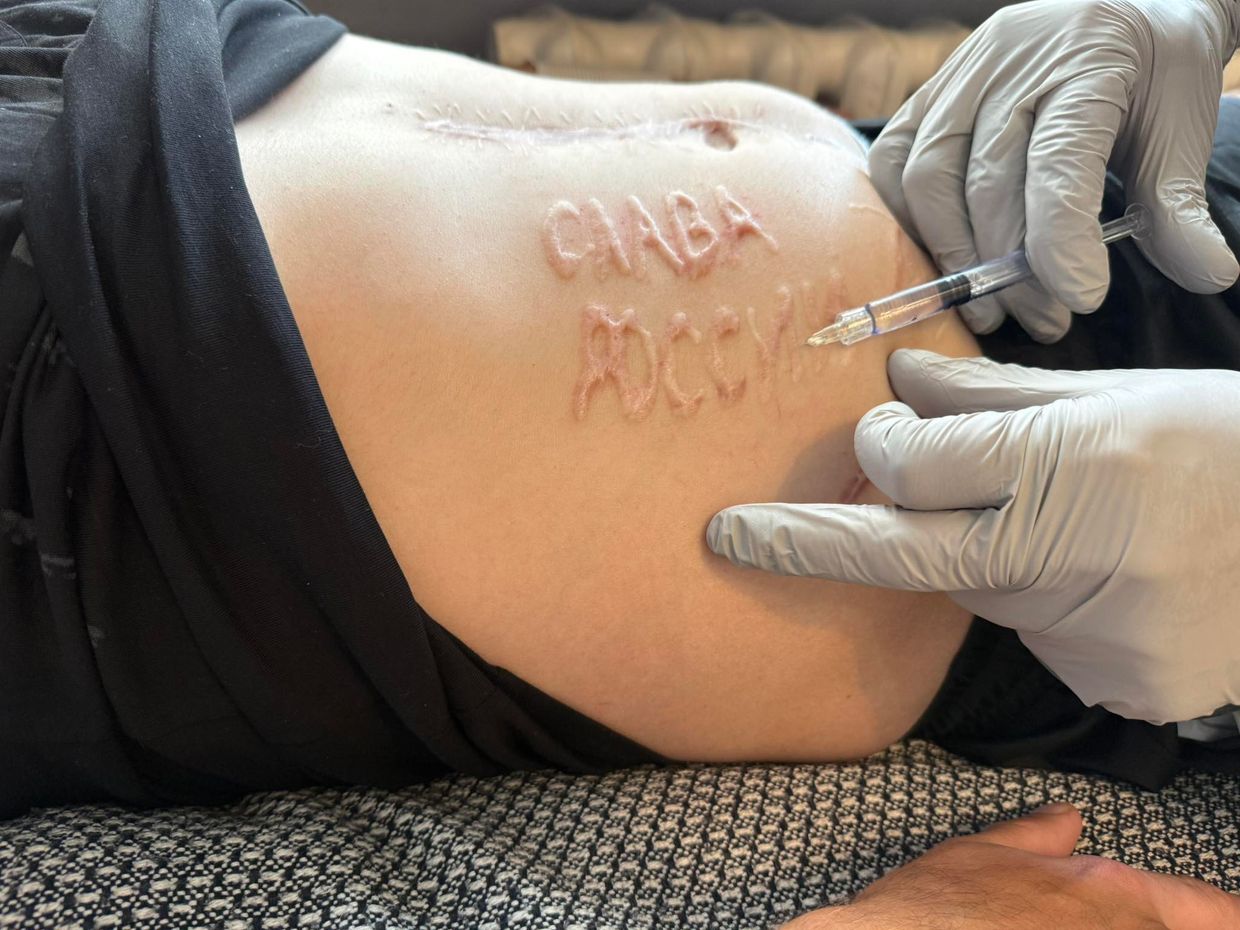
‘Beyond cynical’ – Russian doctor carved ‘Glory to Russia’ scar on POW during operation, Ukraine says
After more than three years of Russia’s full-scale invasion, each new revelation of cruel treatment of Ukrainians in Russian captivity hardly surprises anyone. But when a photo recently emerged online, showing a “Glory to Russia” scar on the body of a Ukrainian prisoner of war (POW), it sent shockwaves
Russia's prison chief sentenced in absentia for torture chambers in Kherson OblastThe Kyiv IndependentDaria Shulzhenko
Russia's prison chief sentenced in absentia for torture chambers in Kherson Oblast
  • ✇The Kyiv Independent
  • Ukraine catches Russian agent secretly filming airfield, Ukrainian Security Service says
    Ukraine’s Security Service (SBU) caught a Russian agent red-handed as he was filming a military airfield in preparation for a Russian strike, the agency reported on June 15. According to the SBU, the Russian Federal Security Service (FSB) recruited the unemployed 24-year-old via the Telegram messaging app to collect coordinates for air attacks on airfields and logistic depots. The FSB had allegedly instructed him to find military facilities and carry out reconnaissance on the ground in exchange
     

Ukraine catches Russian agent secretly filming airfield, Ukrainian Security Service says

15 juin 2025 à 07:19
Ukraine catches Russian agent secretly filming airfield, Ukrainian Security Service says

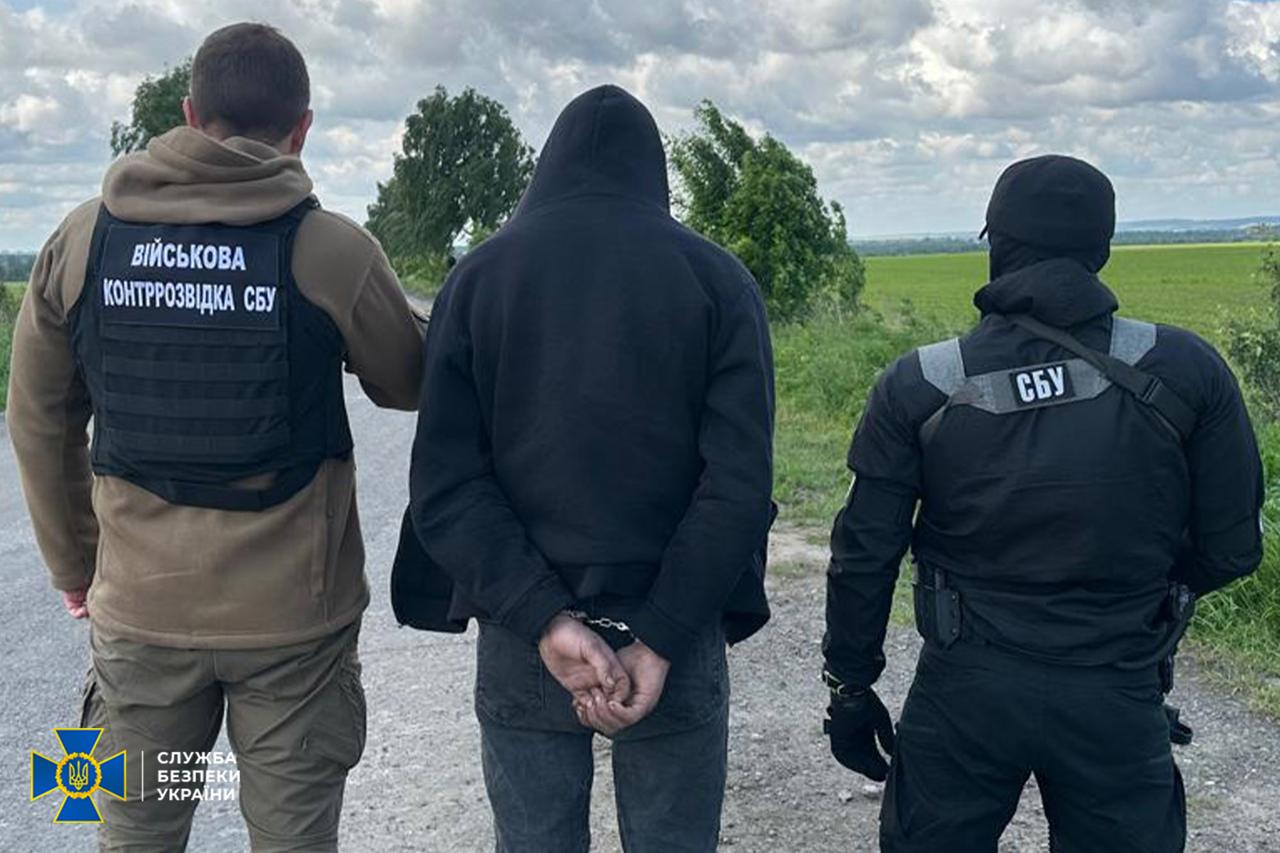
Ukraine’s Security Service (SBU) caught a Russian agent red-handed as he was filming a military airfield in preparation for a Russian strike, the agency reported on June 15.

According to the SBU, the Russian Federal Security Service (FSB) recruited the unemployed 24-year-old via the Telegram messaging app to collect coordinates for air attacks on airfields and logistic depots.

The FSB had allegedly instructed him to find military facilities and carry out reconnaissance on the ground in exchange for “easy money.”

The man was detained outside an airfield in Rivne Oblast while filming its outer perimeter with a hidden camera in his car. The SBU seized a phone and the camera on the scene, while other evidence was taken from the agent’s apartment.

If found guilty, he faces life imprisonment for high treason.

The SBU regularly announces it has foiled Russian agents and terrorist plots against military and civilian targets. The FSB usually targets unemployed people, those with criminal records, or addicts, according to the SBU's data.

In April, the SBU detained an instructor at a training center in Lviv Oblast who was planning to assassinate the base's commanders. That same month, the SBU detained nine FSB agents, including five minors, for plotting terrorist attacks in central and eastern Ukraine.

More than a fifth of FSB recruits in Ukraine are minors.

Power cut off in Russia’s Kaliningrad in sabotage operation, Ukrainian military intelligence says
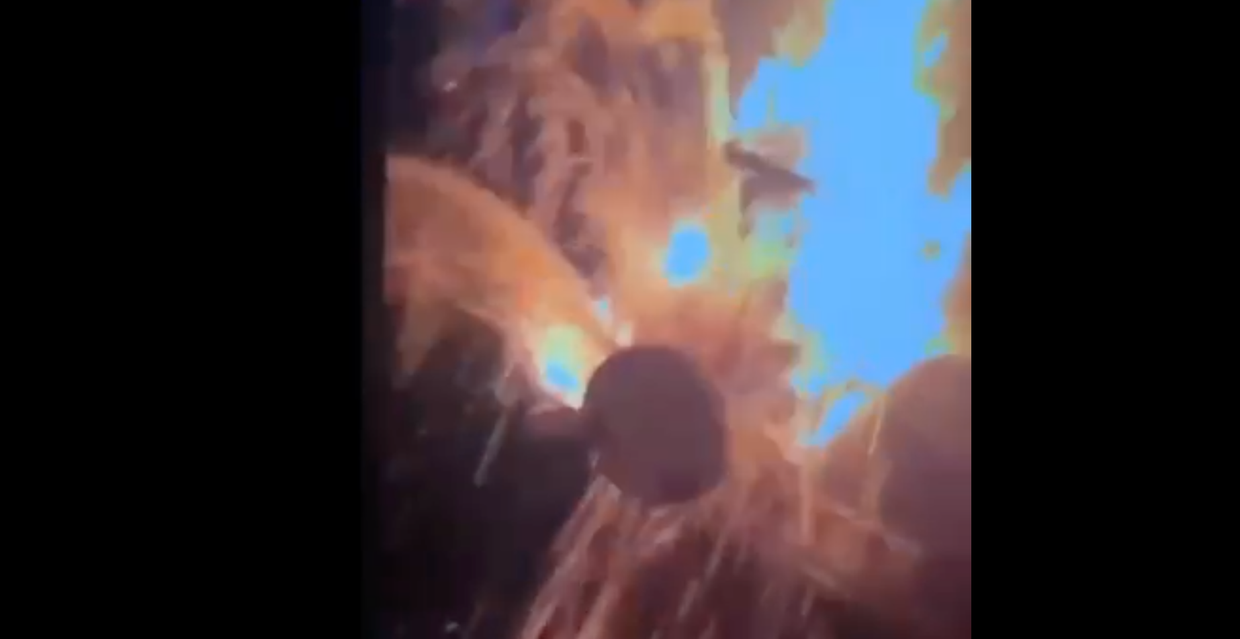
In the early hours of June 14, Ukrainian agents drained the coolant from the substation’s power transformer before setting the facility on fire.
Ukraine catches Russian agent secretly filming airfield, Ukrainian Security Service saysThe Kyiv IndependentDominic Culverwell
Ukraine catches Russian agent secretly filming airfield, Ukrainian Security Service says
  • ✇The Kyiv Independent
  • Ukraine arrests two suspects accused of extorting foreign defense supplier
    The Security Service of Ukraine (SBU) has arrested two individuals in Kyiv accused of attempting to extort $200,000 from a European defense company, potentially jeopardizing the delivery of electronic warfare (EW) systems to Ukraine's military, the SBU reported on June 14.The suspects allegedly demanded the payment in exchange for facilitating the successful testing and adoption of five radio electronic warfare systems provided to Ukraine at no cost, according to statements released by the SBU a
     

Ukraine arrests two suspects accused of extorting foreign defense supplier

14 juin 2025 à 11:01
Ukraine arrests two suspects accused of extorting foreign defense supplier

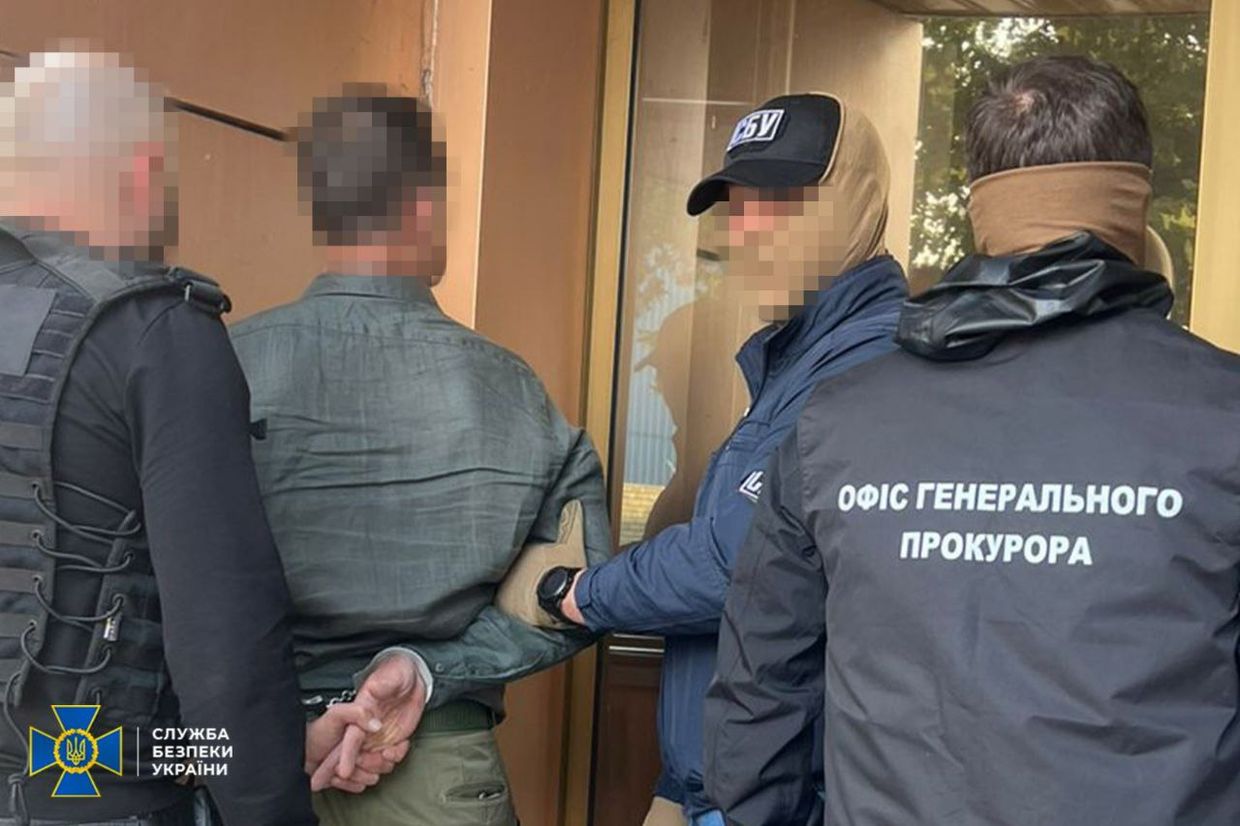
The Security Service of Ukraine (SBU) has arrested two individuals in Kyiv accused of attempting to extort $200,000 from a European defense company, potentially jeopardizing the delivery of electronic warfare (EW) systems to Ukraine's military, the SBU reported on June 14.

The suspects allegedly demanded the payment in exchange for facilitating the successful testing and adoption of five radio electronic warfare systems provided to Ukraine at no cost, according to statements released by the SBU and the Prosecutor General's Office.

The devices, supplied by a private foreign manufacturer, were financed by Ukraine's international partners. The producer had already delivered five systems to Ukraine, with additional contracts possible if the equipment performed well in combat conditions, the SBU said.

According to investigators, the suspects falsely claimed to have influence within Ukraine's Defense Ministry and promised to use their connections to ensure positive evaluations of the equipment.

"Under the guise of having contacts within the ministry, the men demanded $200,000 from the company in exchange for ensuring no obstacles during official trials of the equipment," the Prosecutor General's Office said in a statement.

Both men have been formally charged under Ukraine's Criminal Code for alleged obstruction of the Armed Forces and receiving unlawful benefits through influence peddling. The charges carry a possible sentence of up to eight years in prison and asset confiscation.

The arrests were made as part of a broader investigation led by the SBU and conducted under the procedural oversight of the Specialized Defense Prosecutor's Office. Authorities say the investigation is ongoing to identify all individuals involved.

Ukraine continues to rely heavily on international military assistance as it defends against Russia's full-scale invasion, now in its fourth year. Ukraine uses EW systems during Russian attacks on its cities and on the front line.

Kyiv and its Western partners launched an electronic warfare coalition in April, which consists of 11 countries and comes on top of other eight Western coalitions to support Ukraine. Other similar initiatives include an artillery coalition, a fighter jet coalition, and a demining coalition, organized within the framework of the Ramstein format.

From buffer zone to new front: Russia pushes deeper into Sumy Oblast
In March 2025, as Ukrainian forces made their final retreat from Sudzha in Russia’s Kursk Oblast, new grey spots began to appear on open-source maps on the other side of the state border, in Ukraine’s Sumy Oblast. For the first time since 2022, when Moscow’s forces retreated
Ukraine arrests two suspects accused of extorting foreign defense supplierThe Kyiv IndependentFrancis Farrell
Ukraine arrests two suspects accused of extorting foreign defense supplier
❌