Vue normale

Ukraine says it hit an Iskander launcher near the border—part of a dedicated hunt for Russia’s ballistic launch sites
23 août 2026 à 06:44

ukraine says hit iskander launcher near border—part dedicated hunt russia’s ballistic launch sites · post russian missile under ukrainian drone attack taganrog russia 30 2026 1st separate center unmanned systems

Ukraine has struck a Russian Iskander launcher near its border as part of a dedicated operation against nearby ballistic-missile launch positions, Ukrainian President Volodymyr Zelenskyy told journalists, according to Ukrinform

Russia continues using ballistic missiles against Ukrainian cities while Ukraine has rationed Patriot interceptors and warned of acute shortages, pushing Kyiv to combine interception with strikes on the systems and positions used to launch those missiles.

President says Ukraine hit an Iskander launcher

President Zelenskyy described the strike as a success but said the sensitivity of the operation prevented him from providing many details.

We struck an Iskander launcher near our borders,” he said. “I am grateful to our warriors who are carrying this out. This is our operation to hunt their systems positioned nearby.”

The president, however, didn't disclose where the launcher was located or what weapon Ukrainian forces used to hit it.

Zelenskyy said strikes on launchers are one way Ukraine is trying to counter Russian ballistic attacks when anti-ballistic interceptor stocks are limited.

When our anti-ballistic missile stocks are at a minimum, there is another tactic. It is more difficult, and we developed it,” he said. “It is hunting their nearby positions from which ballistic missiles are launched.

He described the effort as a separate program and operation. Euromaidan Press could not independently verify the reported strike.
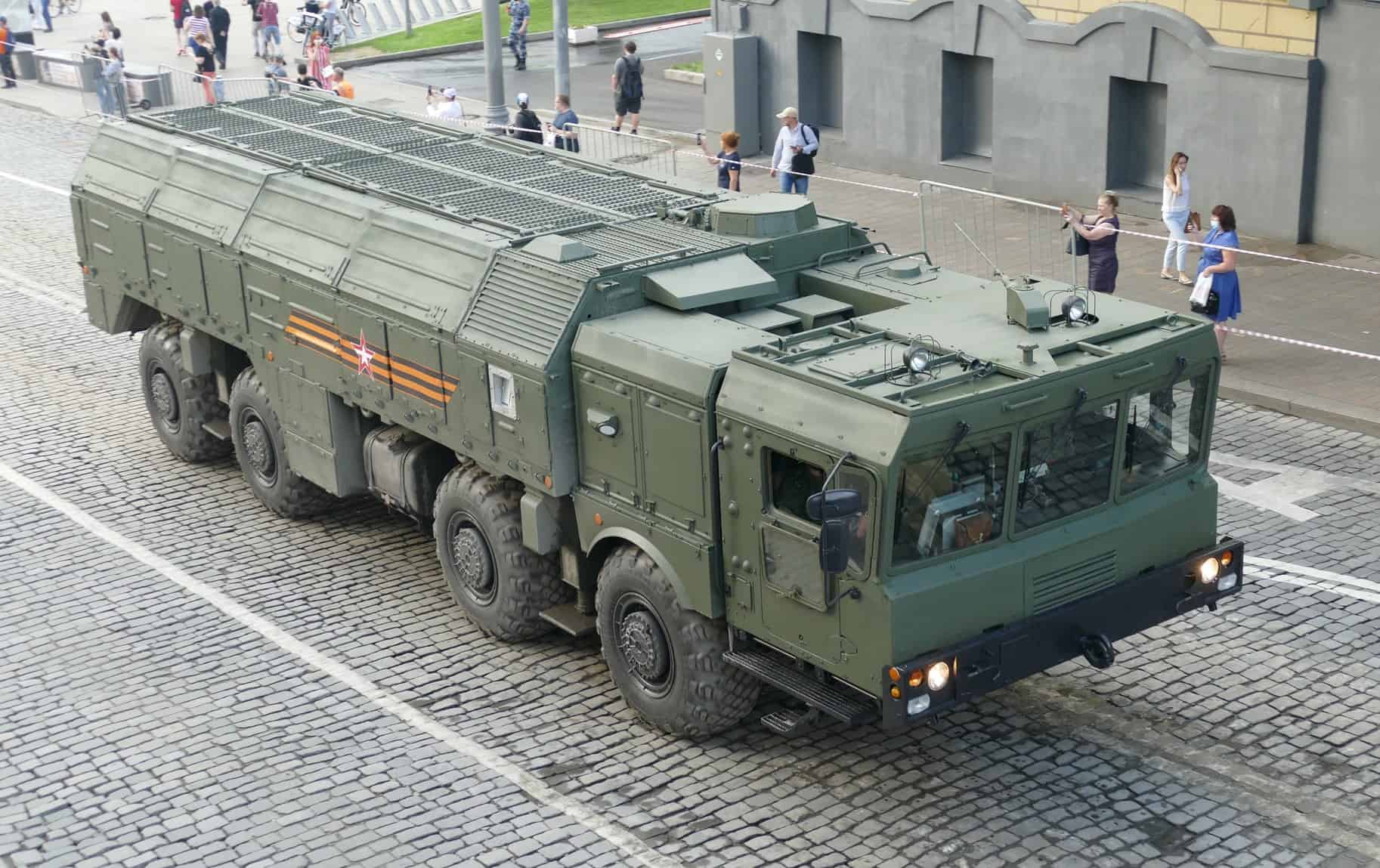
Russian Iskander-M missile system, 2020. Illustrative photo. Photo from Russian government sources via Militarnyi

Ukraine has already targeted Russian ballistic missile infrastructure in several operations this year. In April, Ukrainian drone forces reported strikes on two bases linked to Iskander systems in occupied Crimea.

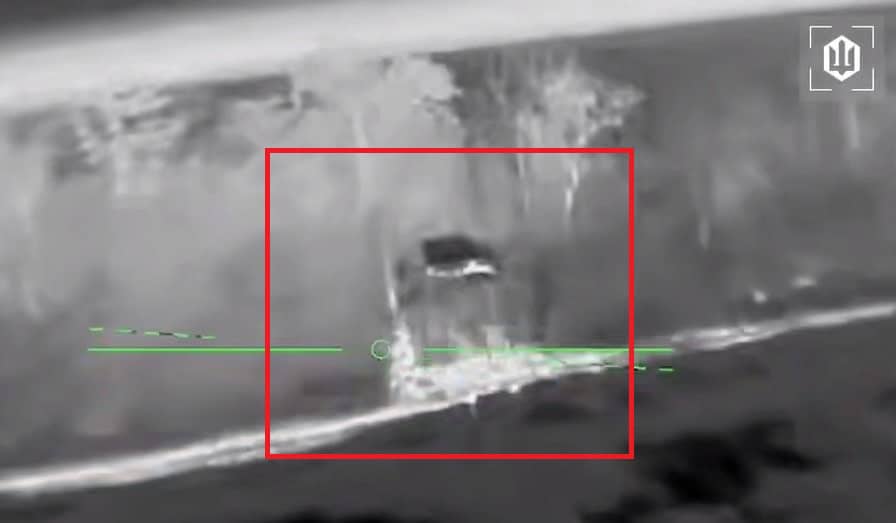
On 30 May, Ukraine’s Unmanned Systems Forces said they destroyed an Iskander system at a launch position near Taganrog in Russia’s Rostov Oblast.
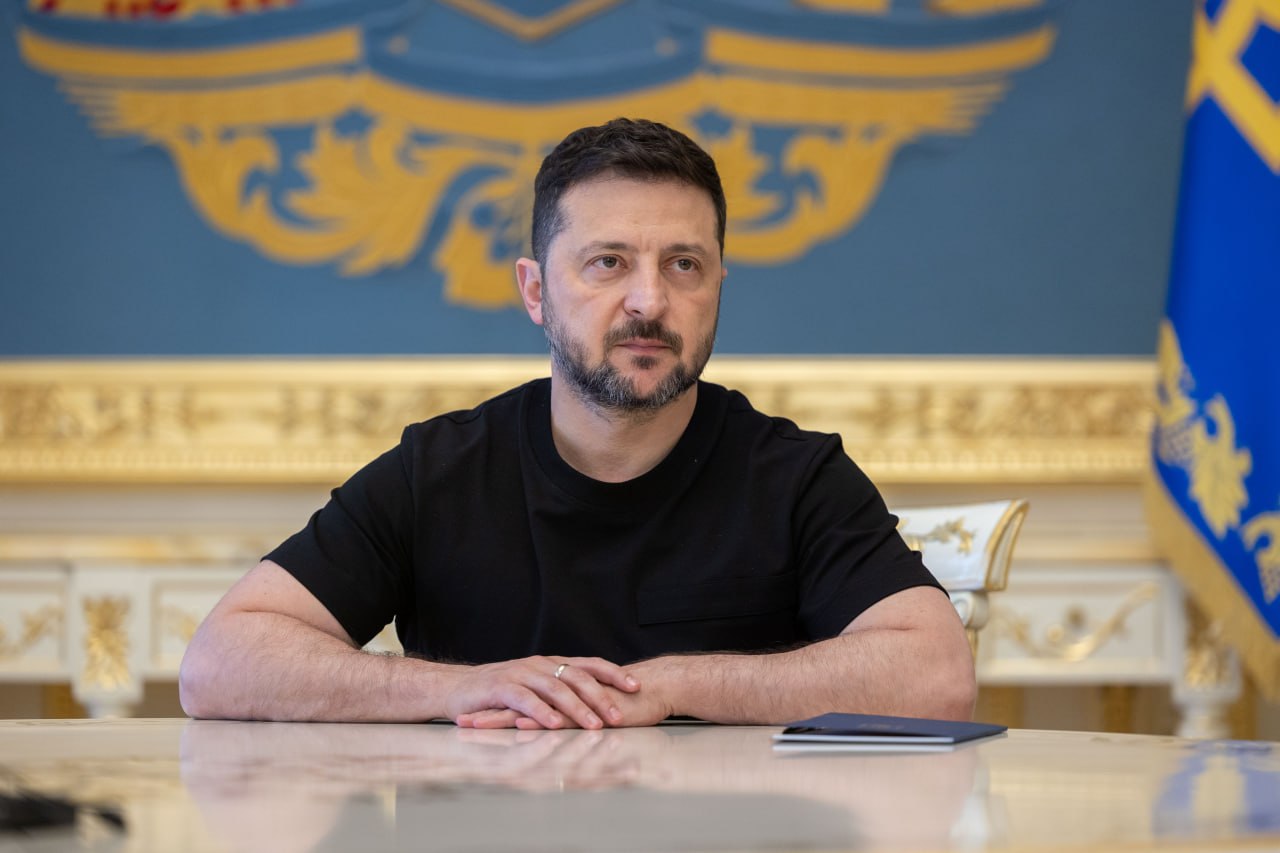
Ukrainian President Volodymyr Zelenskyy, 7 July 2026. Photo: Zelenskyy / Telegram
Explore further

5% of US Patriot stocks gets Ukraine through winter, 10% ends the ballistic threat — and Zelenskyy has just 1%, he tells CNN

SpaceX rejected Ukraine’s request to use Starlink inside Russia

The launcher strike comes as Ukraine is also looking for better ways to operate long-range drones against military targets in Russia. Zelenskyy said SpaceX ultimately refused to let Ukraine use Starlink inside Russia because of escalation concerns.

Kyiv had wanted Starlink to work over Russian territory for defense operations, including drone strikes on Russian ballistic-missile launchers near the border. The Defense Ministry asked him in the first half of 2026 to raise the issue with US President Donald Trump, Zelenskyy said. Zelenskyy said Trump relayed that decision to him at a later meeting. Ukraine continues discussing the issue with the US side.

Ukraine and European partners are separately developing the FREYJA anti-ballistic system, with Kyiv seeking a prototype capable of demonstrating practical results by mid-2027. The project is intended to combine Ukrainian missile technology with European radars, sensors, and command systems.

  • ✇Euromaidan Press
  • Ukraine planned 1,000 AI-guided drones a night to shut Moscow airports, Atlantic reports
    President Volodymyr Zelenskyy allowed preparations for an AI-guided drone campaign against Moscow-area airports, The Atlantic reported on 20 August, citing two anonymous sources with direct knowledge of the proposal. The reported plan sought to keep civilian flights grounded long enough to pressure Russia’s elite. Had it proceeded, it would have moved Ukraine toward large-scale autonomous strikes, raising questions under the laws of war about attacks without human confi
     

Ukraine planned 1,000 AI-guided drones a night to shut Moscow airports, Atlantic reports

21 août 2026 à 09:11

Smoke rises behind illuminated apartment buildings in Moscow at night following a reported Ukrainian drone attack.

President Volodymyr Zelenskyy allowed preparations for an AI-guided drone campaign against Moscow-area airports, The Atlantic reported on 20 August, citing two anonymous sources with direct knowledge of the proposal.

The reported plan sought to keep civilian flights grounded long enough to pressure Russia’s elite. Had it proceeded, it would have moved Ukraine toward large-scale autonomous strikes, raising questions under the laws of war about attacks without human confirmation. The Atlantic's disclosure follows months of reported Ukrainian attacks that repeatedly forced Moscow-area airport closures and sent increasingly large drone swarms toward the capital.

How the drone operation would have worked

Code-named M&Ms, the operation called for as many as 1,000 drones to fly toward Moscow-area airports each night and overwhelm Russian air defenses, one source said.

Onboard cameras would compare live views with preloaded maps and target images. They would also allow the drones to strike without pilot confirmation and to navigate without a remote-control link that is vulnerable to Russian electronic jamming, the sources said.

One source said prolonged airport closures were intended to pressure Kremlin-linked elites and push Vladimir Putin toward negotiations.

The plan was presented to Zelenskyy during the winter of 2025–26, The Atlantic reported. Preparations stopped after Zelenskyy dismissed Defense Minister Mykhailo Fedorov, whom The Atlantic described as the operation’s mastermind, in July, both sources said. One source said another team could revive the project within about three months.

Both sources said Zelenskyy allowed preparations despite concerns that a drone could hit a civilian airliner. Planners proposed warning airlines, according to one source.

A Zelenskyy spokesperson declined to comment. Another unnamed presidential office official called the report “total nonsense,” saying Ukraine lacked long-range weapons reliable enough to strike the airports without posing undue risks to civilians.

Previous Ukrainian strikes on Moscow

The alleged M&Ms operation never launched, but other reported Ukrainian drone attacks repeatedly disrupted Moscow’s airports.

From 5 to 7 May 2026, restrictions imposed amid reported Ukrainian drone attacks delayed more than 450 flights at Moscow airports. Limits at Vnukovo remained in place for nearly 18 hours, EP reported, citing the independent Russian investigative outlet Agentstvo.

Earlier this week, Russian authorities claimed that 620 drones flew toward Moscow in one night, EP reported. The Atlantic placed Russia’s nationwide interception claim for that night at 791 drones. Ukraine’s military did not claim the attack.

Russia warns UK of “consequences” over British-made drones in Ukraine’s deep strikes. London vows to continue supporting Kyiv

18 août 2026 à 12:23

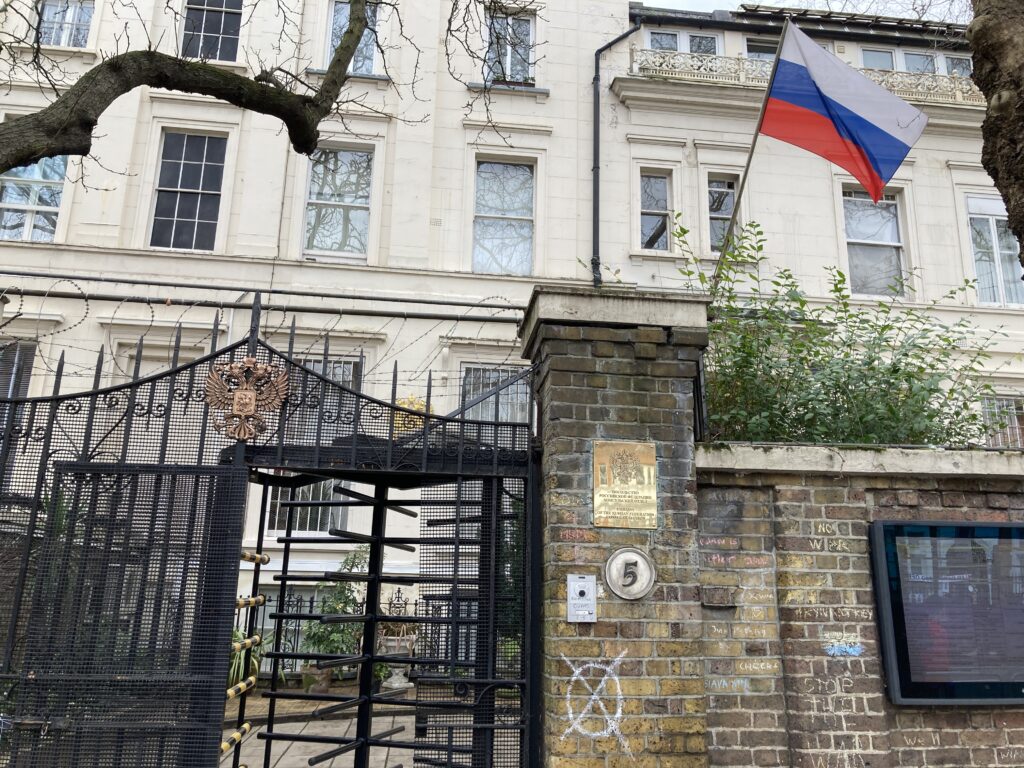
Russian Embassy in London, 2022. Photo via Wikimedia Commons.

Russia has threatened Britain with “consequences” over reports that Ukrainian forces used drones manufactured by UK companies to carry out strikes inside Russia.

The Russian Embassy in London accused the UK of deliberately escalating the war by supporting Ukraine’s long-range strike campaign, saying Britain was seeking to “contain Russia and inflict maximum damage on it by proxy.” It warned that the deeper Britain becomes involved, “the higher the price it will pay.”

The threat followed news that Ukrainian forces had used two British-built drone systems to strike targets inside Russia for the first time. The Sunday Times, citing Ukrainian military sources, reported that the drones had been used against targets including oil refineries in Volgograd and Yaroslavl over the past six months.

Moscow warns Britain of “consequences”

The Russian Embassy said in a statement that the reported use of British-made drones “confirms that London is deliberately opting for an escalation of the Ukraine crisis.”

It warned that British actions would “inevitably carry consequences for which it will have to answer,” without specifying what form those consequences could take.

The warning comes as Ukraine has significantly expanded its long-range strike campaign against Russian military and energy targets. Kyiv has increasingly used large drone swarms to hit targets deep inside Russia, seeking to disrupt military production, logistics, and energy revenues while forcing Moscow to spread its air defenses across a much larger area.

Burnham says UK will continue backing Ukraine

UK Prime Minister Andy Burnham rejected Moscow’s warning, saying Britain would continue supporting Ukraine despite Russian threats, The Independent reported on Tuesday.

“This is the UK doing what it has long said it would do, which is to support Ukraine 100 per cent against this illegal war led by Vladimir Putin,” Burnham said during a visit to Wolverhampton.

“We are providing support so that Ukraine can defend itself,” he said, adding: “We are not fair weather friends. We will be there in Ukraine’s hour of need, and that won’t change.”

UK Work and Pensions Minister Lilian Greenwood similarly said Britain’s resolve to support Ukraine remained “completely steadfast” and that the country would continue providing the military equipment Kyiv needs.

The UK Ministry of Defence also said Russia should have “no doubt” about the government's resolve to oppose Russian aggression in Ukraine and against Britain and its allies.

UK Prime Minister Andy Burnham and Ukrainian President Volodymyr Zelenskyy aboard the Ukrainian Navy’s Cherkasy minehunter at Portsmouth Naval Base, UK, 27 July 2026. Photo: Zelenskyy

British drones expand Ukraine’s deep-strike capabilities

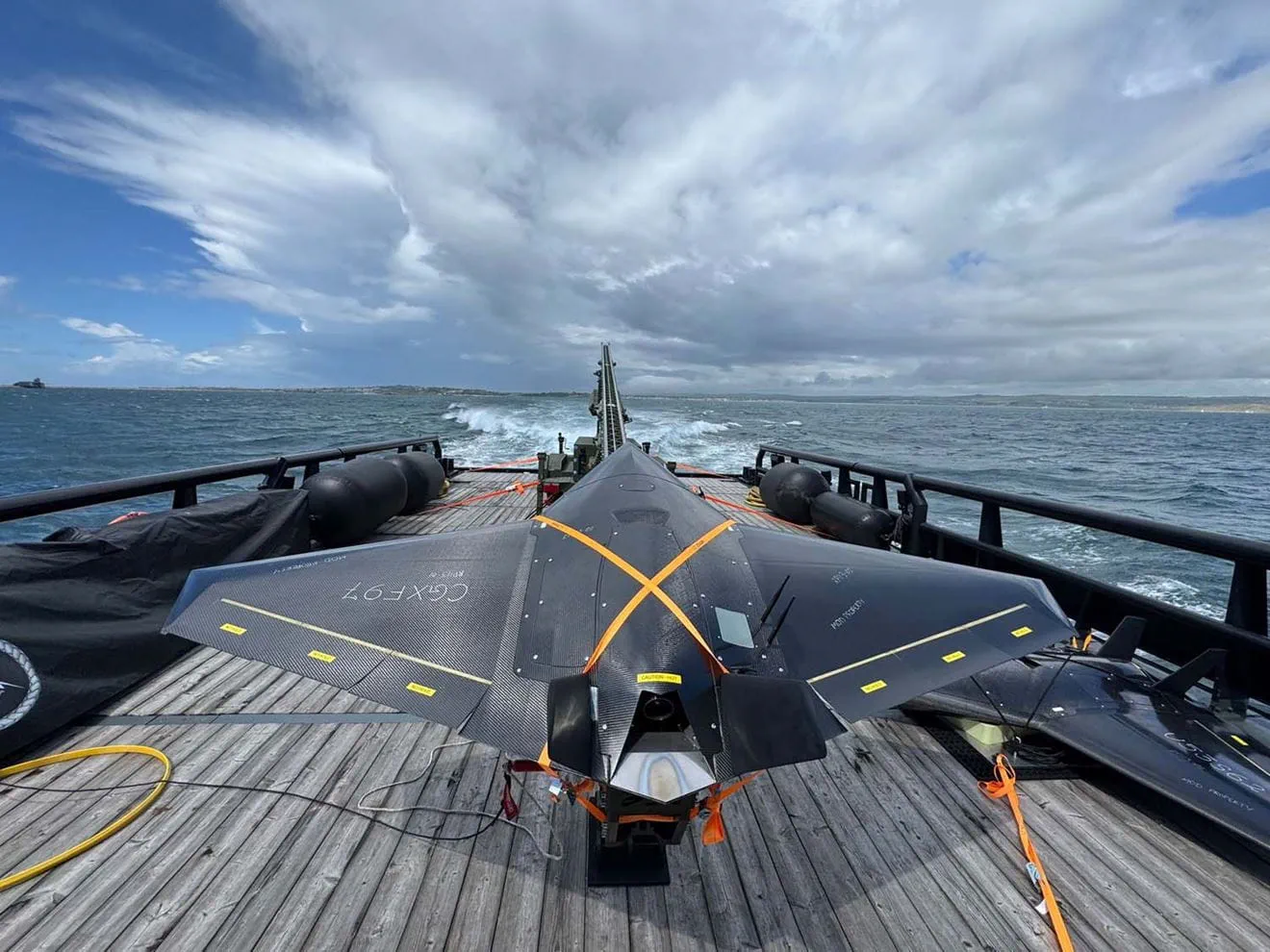
According to The Sunday Times, one of the British systems used by Ukraine is the Nyan, a jet-powered one-way attack drone produced by BAE Systems subsidiary Callen-Lenz, with a reported range of more than 150 miles.

The second system has a reported range exceeding 600 miles, although its manufacturer was not identified for security reasons. The drones provide Ukraine with additional long-range strike capacity that can be produced and deployed in larger numbers than more expensive Western cruise missiles.

Black Nyan one-way attack drone secured to a launcher on the deck of a Royal Navy vessel at sea.
Explore further

British drones hit Russia for first time in Ukraine’s deep-strike campaign – The Sunday Times

The reported deployment marks a further expansion of UK military support for Ukraine as Kyiv increasingly takes the fight to Russian military and energy infrastructure inside Russia.

  • ✇Euromaidan Press
  • Russia’s most-used map app is erasing a Baltic missile site that Western maps still show
    Russia's most-used mapping service has digitally hidden a military missile site near Finland by copying a fake forest over it on satellite imagery, Finnish public broadcaster Yle reported. Western map services still show the same position, and a Finnish military analyst called the concealment careless and self-defeating. The clumsy edit points to Moscow's growing fear of Ukrainian drones. Ukraine's drones now reach thousands of kilometers into Russia, striking refin
     

Russia’s most-used map app is erasing a Baltic missile site that Western maps still show

17 août 2026 à 07:51

berlin weighs closing russian house spying yet federal ministry just moved beside · post left yandex maps right planet labs pbc imagery 4 2026 undated yle uses because societal significance

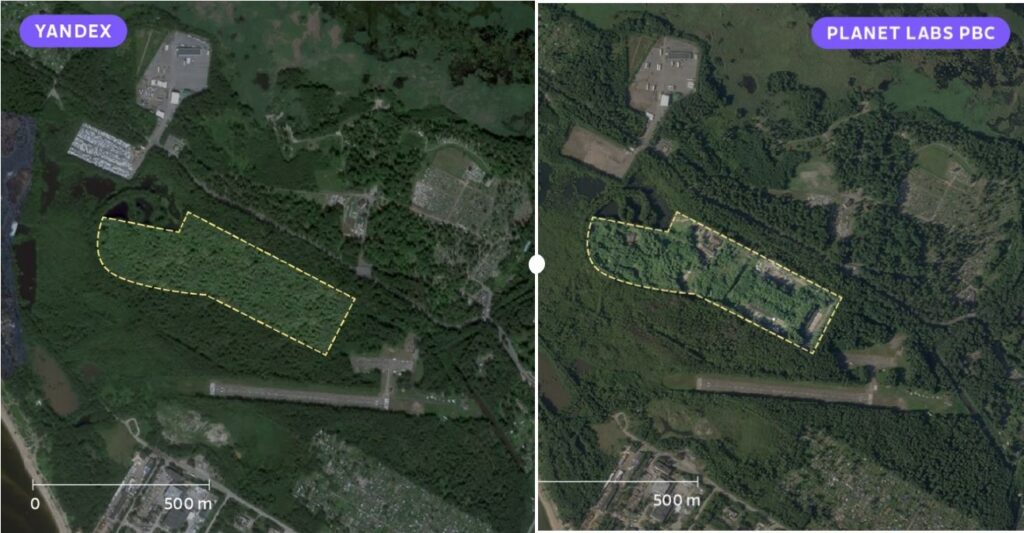
Russia's most-used mapping service has digitally hidden a military missile site near Finland by copying a fake forest over it on satellite imagery, Finnish public broadcaster Yle reported. Western map services still show the same position, and a Finnish military analyst called the concealment careless and self-defeating. The clumsy edit points to Moscow's growing fear of Ukrainian drones.

Ukraine's drones now reach thousands of kilometers into Russia, striking refineries, defense plants, and naval yards once thought safe. That expanding reach has upended Moscow's sense of a protected rear across the war.

What Yandex tried to erase

The concealed site sits beside the Kronstadt naval base, on Kotlin Island off St. Petersburg in the Gulf of Finland. Editing software copied trees from another image and laid them over the missile position. Until now, Russia mostly blurred sensitive locations rather than deleting them, but this edit tries to hide the target's existence outright. The same battery still appears on Google, Apple, and Microsoft satellite maps. In the covered zone, Russia has previously kept Bastion anti-ship missiles and their radar and reconnaissance systems.

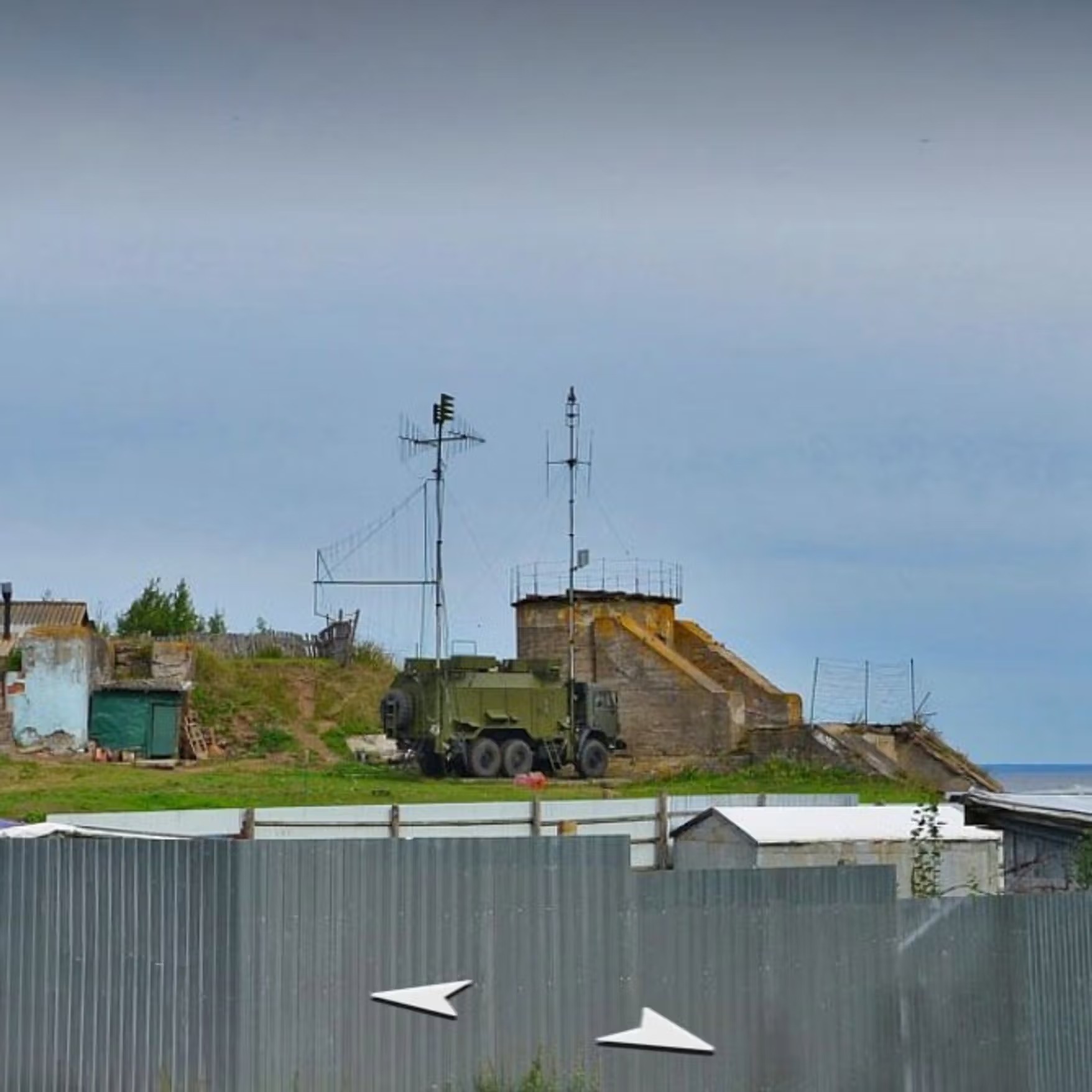
berlin weighs closing russian house spying yet federal ministry just moved beside · post yandex's service electronic warfare base near kronstadt kuvakaappaus yandexin karttapalvelusta kronstadtin lähellä sijaitsevasta elektronisen sodankäynnin tukikohdasta
A screenshot from Yandex's map service showing an electronic warfare base near Kronstadt. Photo: Yandex

A cover-up that gives itself away

Marko Eklund, a military expert and former Finnish intelligence officer, called the secrecy pointless. Western and Ukrainian analysts read their own satellite images, not Yandex, so the edit protects nothing in practice. He believes an administrative order drove it, and that the work was done sloppily. Anyone who knows what to look for can spot the seams and repeating patterns. 

Ukrainian drones struck Russia's Baltic Fleet base at Kronstadt near St. Petersburg overnight, flying nearly 1,000 km. Source: Zelenskiy
Explore further

Kronstadt, Russia’s major naval Base after Black Sea Fleet losses, gets hit by Ukrainian drones (VIDEO)

A pattern set by Ukraine's drones

Russia's map cover-ups have tracked Ukraine's deep strikes. A Moscow court ordered Yandex to mask an oil refinery in Ryazan in 2024 after repeated Ukrainian strikes, and a Nordic-Baltic investigation later counted 119 blurred sites near Russia's northwestern border. Blurring shows up at once, while cloned forest hides the tampering itself.

Kronstadt gives Russia one of its main Baltic Fleet bases, and Ukraine's drones have already reached it. In early June, they set a Russian missile corvette ablaze in dry dock there.

  • ✇Euromaidan Press
  • “One of the most massive” Ukrainian drone attacks hits Moscow Oblast: two major warehouses ablaze
    A drone hit a major Wildberries warehouse at Koledino near Moscow overnight on 16 August 2026 and set it ablaze, Moscow Oblast Governor Andrey Vorobyov said. Vorobyov described the overnight swarm as “one of the most massive drone attacks in recent times.” It comes amid an expanding Ukrainian campaign against Wildberries, Russia's largest online retailer with a vast network of warehouses and logistics centers, that has reached warehouses from Moscow Oblast to the Urals.
     

“One of the most massive” Ukrainian drone attacks hits Moscow Oblast: two major warehouses ablaze

16 août 2026 à 08:15

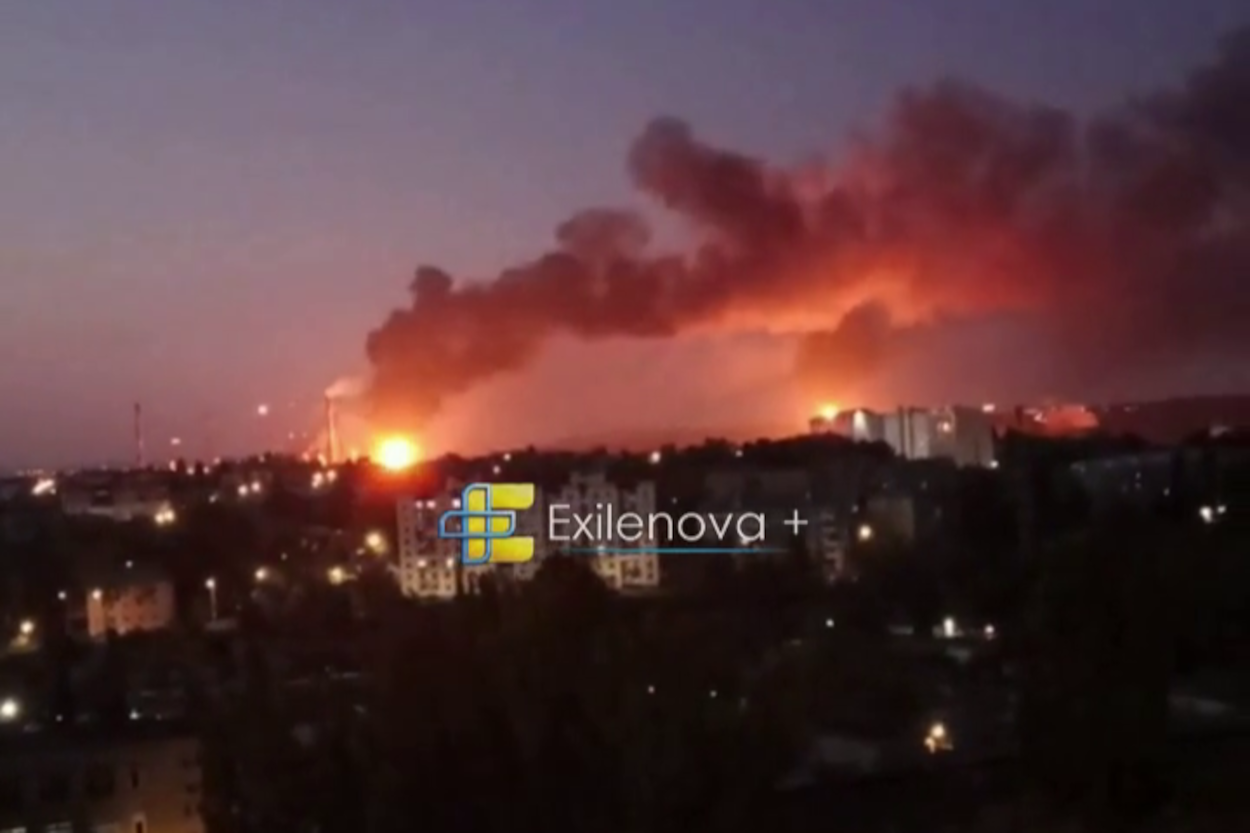
Wildberries warehouse burning in Russia's Koledino following a Ukrainian drone strike, 16 August 2026. Photo: Exilenova+

A drone hit a major Wildberries warehouse at Koledino near Moscow overnight on 16 August 2026 and set it ablaze, Moscow Oblast Governor Andrey Vorobyov said. Vorobyov described the overnight swarm as “one of the most massive drone attacks in recent times.”

It comes amid an expanding Ukrainian campaign against Wildberries, Russia's largest online retailer with a vast network of warehouses and logistics centers, that has reached warehouses from Moscow Oblast to the Urals. Ukrainian authorities say Wildberries facilities are used to supply components for Russian drone production and navigation equipment, making them part of Russia’s wartime logistics network.

The Koledino fire puts a major part of Wildberries’ storage and sorting capacity at risk. At about 250,000 square meters, the complex is one of the retailer’s largest logistics hubs. Ukrainian sources say the marketplace has moved drone parts and other military-linked goods. Wildberries denies supporting Russia’s military. 

Wildberries’ parent company, RWB, confirmed the fire, saying workers had been evacuated and deliveries rerouted. 

Unlike the 28 July fire at Koledino industrial park, the latest blaze was confirmed at Wildberries’ own Koledino warehouse. Initial reports in July had also pointed to Wildberries, but open-source investigators later identified the burning building as a neighboring warehouse run by a third-party logistics company.

The entire Wildberries logistics hub in Koledino, Moscow Oblast, is engulfed in flames following today’s attack.

The complex covers around 250,000 m² and has long been one of Wildberries’ largest and most important logistics centers. https://t.co/qqrrsLFB3Y pic.twitter.com/YivkijfyeT

— Special Kherson Cat 🐈🇺🇦 (@bayraktar_1love) August 16, 2026

A second fire broke out at Warehouse No. 15 in MLP Severnoye Domodedovo, a multimodal logistics complex near one of Moscow’s main airports. Vorobyov said the warehouse stores medications.

Vorobyov claimed an 83-year-old man was killed after a drone fell on a private home in the Ramenskoye district, while at least six other people were injured across the region.

Moscow Mayor Sergei Sobyanin claimed that Russian air defenses destroyed 201 drones approaching the region.

Ukraine confirms Wildberries warehouse was targeted

Ukraine’s Defense Ministry confirmed that the Wildberries logistics hub in the Koledino industrial park was put out of operation during the overnight drone attack.

The ministry said the facility, which covered 250,000 square meters, was Wildberries’ largest warehouse by area. It also said Ukraine has now disabled seven of the company’s 10 largest logistics centers.

Ukraine’s campaign against Wildberries keeps growing

Ukraine’s campaign against Wildberries began on 18 July 2026, when drones struck warehouses in Elektrostal and Kotovsk. Reported attacks have since reached the retailer’s sites across Russia, including a newly opened hub near Voronezh and a warehouse in Tver targeted three times in two weeks.

By 14 August, Agentstvo had counted fires at more than 20 Wildberries sites. The sustained attacks had already prompted Wildberries to prohibit warehouse workers from bringing smartphones to work, citing concerns that photos and videos taken during drone alerts could pose a security risk. 

The effects on Russia’s economy

The number and geographic spread of Ukraine’s strikes have put sustained pressure on the retailer’s nationwide warehouse network and Russia’s economy at large. 

Earlier fires destroyed goods belonging to independent sellers, The Moscow Times reported. Wildberries said it was considering compensation, although its contracts do not require the company to cover losses caused by drone attacks. 

In response to Ukraine’s strikes, the company has also reportedly sought additional storage in Kazakhstan, giving local warehouse operators greater leverage as it tries to replace capacity lost in Russia.

The physical disruption was followed on 15 August by a Ukrainian cyberattack targeting Wildberries’ payment and customer service systems. The hackers said customers could not make payments or reach the company through its main online support channel. 

  • ✇Euromaidan Press
  • This Russian refinery makes the jet fuel for Moscow’s warplanes—and Ukraine keeps setting it on fire
    Ukrainian drones struck across four Russian regions before dawn on 4 August, setting fires at a Rosneft oil refinery and targeting two logistics hubs of Russia's largest online retailer, Militarnyi reported. The raid reached Samara, Leningrad, Moscow, and Nizhny Novgorod oblasts, hitting both the fuel that powers Russia's military and the warehouses that Kyiv says supply its army. Russian regional officials confirmed damage while claiming air defenses repelled much of t
     

This Russian refinery makes the jet fuel for Moscow’s warplanes—and Ukraine keeps setting it on fire

4 août 2026 à 04:28

russian refinery makes jet fuel moscow's warplanes—and ukraine keeps setting fire · post column black smoke over syzran after drone strike city's oil samara oblast 12 2026 пожежа на території

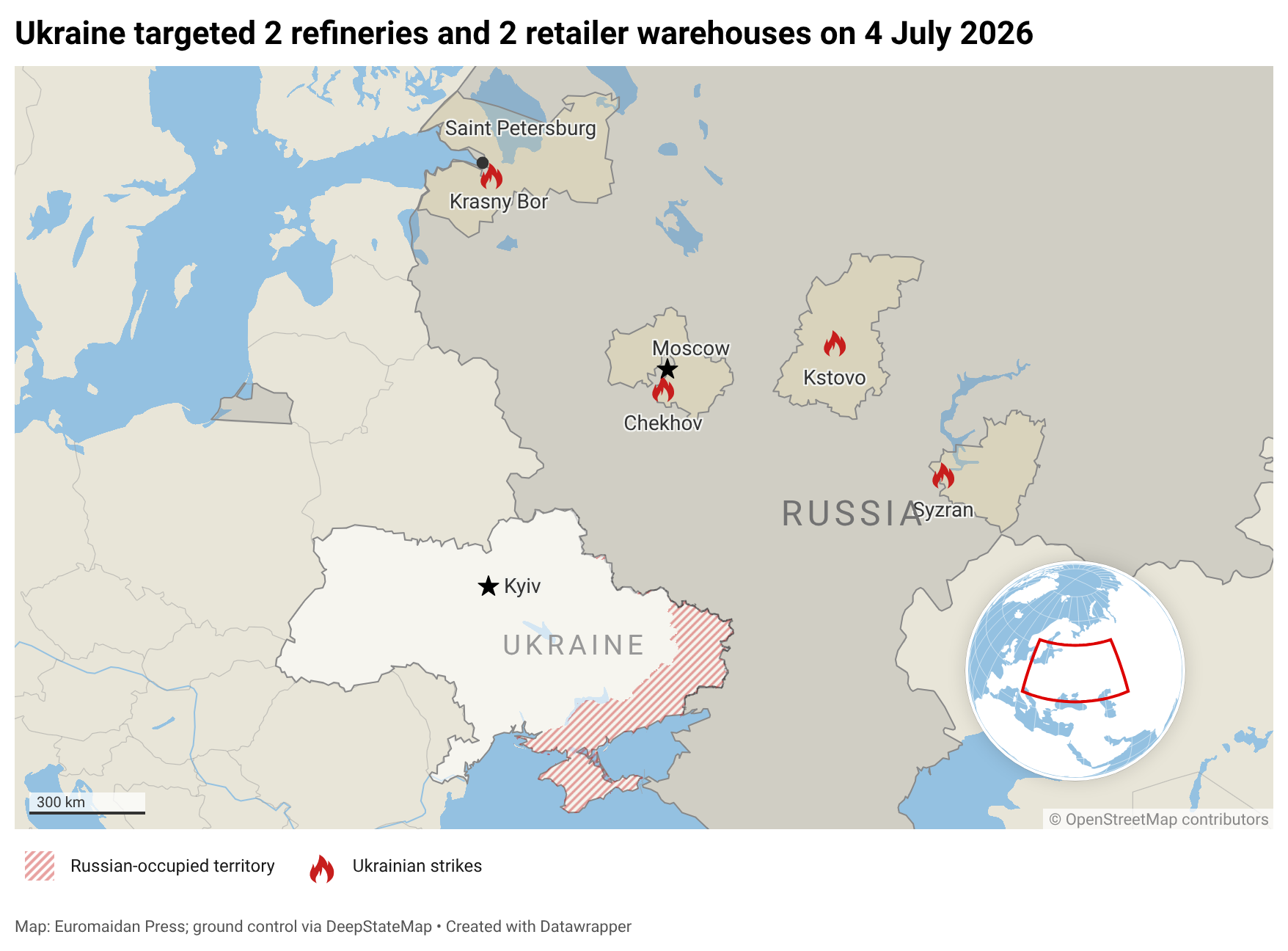
Ukrainian drones struck across four Russian regions before dawn on 4 August, setting fires at a Rosneft oil refinery and targeting two logistics hubs of Russia's largest online retailer, Militarnyi reported. The raid reached Samara, Leningrad, Moscow, and Nizhny Novgorod oblasts, hitting both the fuel that powers Russia's military and the warehouses that Kyiv says supply its army. Russian regional officials confirmed damage while claiming air defenses repelled much of the attack.

Oil sales and a functioning supply chain keep Russia's war effort moving, and Ukraine has spent 2026 pushing its drones far past the front to reach both — the plants that turn crude into military fuel and the logistics that carry equipment to the army. Each fuel plant forced offline narrows the repair window Russia has left, and every hub burned pushes the retailer to guard, disperse, or replace space it treated as safe rear. Widening the target set from refineries to warehouses stretches Russian air defense across more ground than it can fully cover.

Syzran refinery burns again

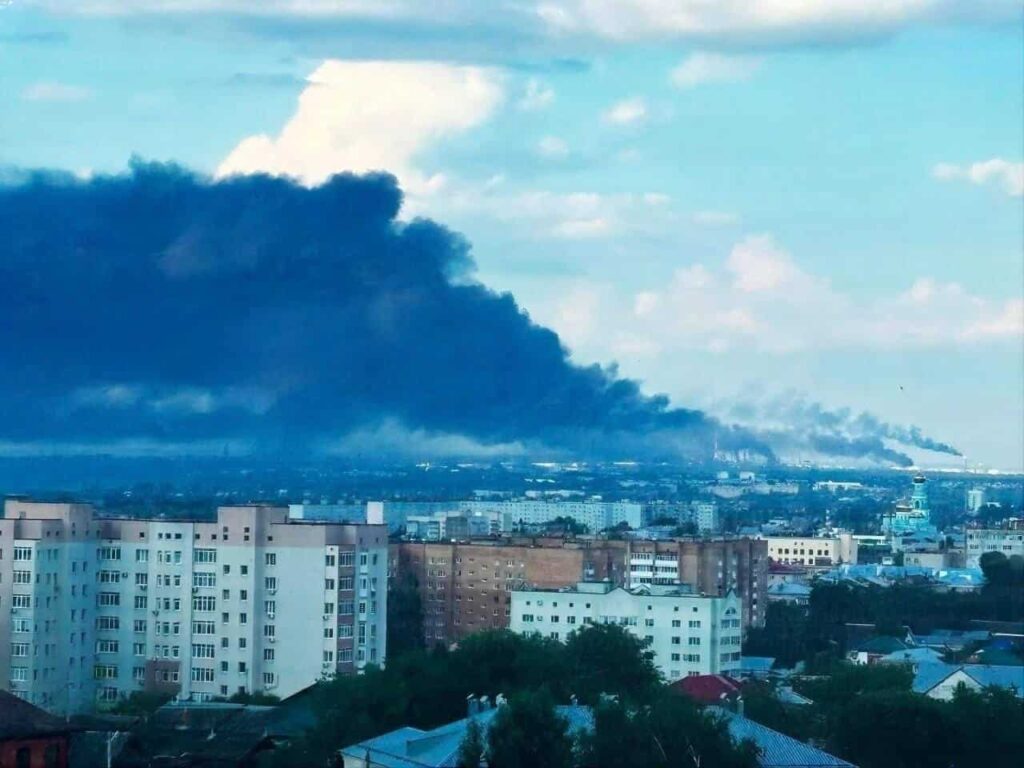
Ukrainian drones attacked the Syzran oil refinery in Samara Oblast overnight more than 800 km from the war zone in Ukraine, and Militarnyi geolocated the rising smoke to the plant. A drone-danger alert went up in the region after 1 a.m., and residents then reported explosions in the city before a column of smoke climbed over the refinery.

The plant belongs to Rosneft and processes more than 8.5 million tons of crude a year, more than 3% of Russia's national total. It turns out gasoline, diesel, aviation kerosene, and bitumen, and supplies fuel to Samara, Saratov, and Penza oblasts as well as parts of central Russia. It also feeds airfields and military units of Russia's Central and Southern military districts. The refinery sits more than 800 km from Ukraine's border.

russian refinery makes jet fuel moscow's warplanes—and ukraine keeps setting fire · post geolocation analysis marking drone's path toward syzran oil samara oblast 4 2026 задимлення на нпз в сизрані
A geolocation analysis marking the drone's path toward the Syzran oil refinery, Samara Oblast, 4 August 2026. Source: Militarnyi

Ukraine's Defense Forces have hit this refinery many times before. Drones struck it overnight on 11-12 July, starting a large fire that analysts assessed reached every primary crude-processing unit. Samara Oblast Governor Vyacheslav Fedorishchev said a fire from the attack in the region was being extinguished.

Astra says residents of Kstovo in Nizhny Novgorod Oblast reported a fire after the attack, though the struck object there stayed unclear. The city is home to a Lukoil oil refinery about 800 km from Ukraine.

Warehouses near St. Petersburg and Moscow

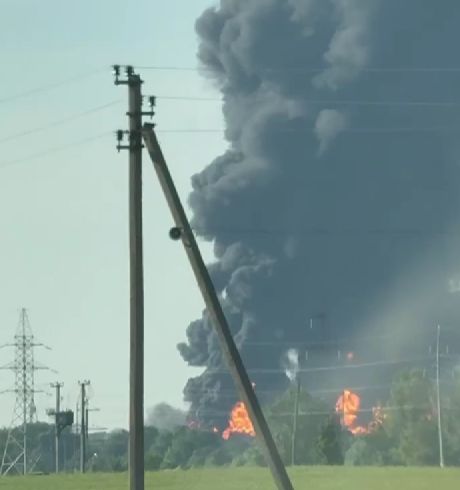
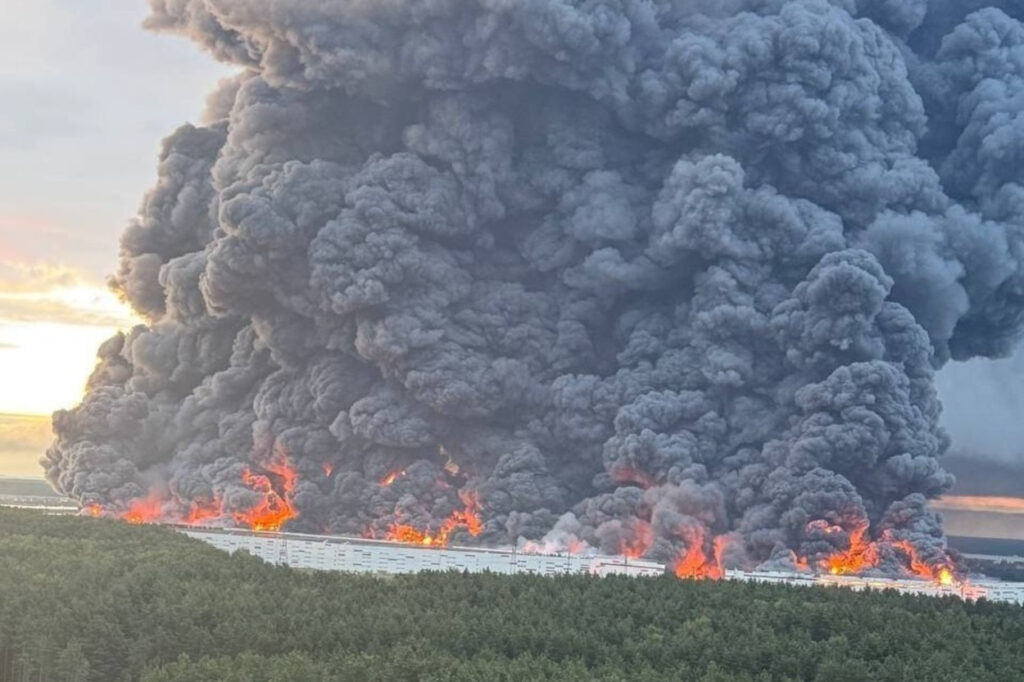
In the morning, Ukrainian drones hit a logistics compound near Krasny Bor in the Tosnensky district of Leningrad Oblast, roughly 820 km from Ukraine's northern border. Eyewitnesses filmed a heavy fire, and Wildberries confirmed a blaze at its facility there.

russian refinery makes jet fuel moscow's warplanes—and ukraine keeps setting fire · post black smoke rises over burning wildberries logistics complex leningrad oblast after ukrainian drone strike 4 2026 5445360929345313906
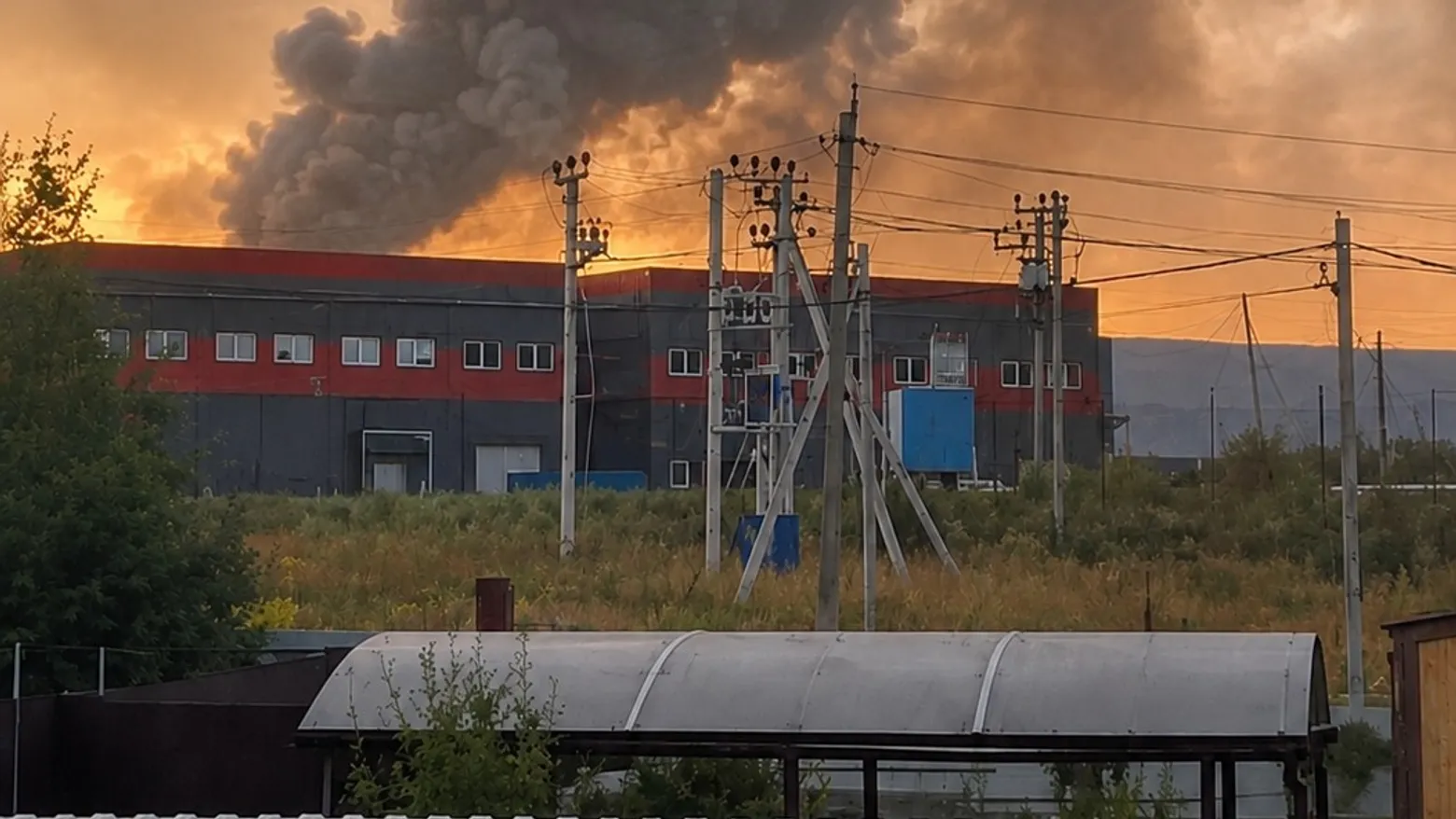
Black smoke rises over the burning Wildberries logistics complex in Leningrad Oblast after the Ukrainian drone strike, 4 August 2026. Photo: Exilenova+

Its Krasny Bor site covers 154,000 square meters, one of the retailer's largest surviving logistics hubs in the region. Ukrainian drones burned two others in Leningrad Oblast on 24 July.

Leningrad Oblast Governor Alexander Drozdenko claimed air defenses downed 17 drones overnight and confirmed damage to the warehouse zone near Krasny Bor. An OSINT analyst at the Russian Telegram channel Astra, reviewing eyewitness video, placed the smoke over a site holding two complexes: the Wildberries hub and a Lenta depot of 70,000 square meters. The analyst said the damaged complex could belong to either.

Flames at Russia's Saratov Oil Refinery after reported Ukrainian drone strike, 2 August 2026. Screenshot from video: Exilenova+
Explore further

Oil refinery, strategic airbase, and drone facilities: Overnight strikes hit key pillars of Russia’s war effort

Ukraine's drones hit a Wildberries warehouse near St. Petersburg

Ukrainian drones struck the logistics site at Krasny Bor, in Leningrad Oblast southeast of St. Petersburg, and a large fire broke out. Bystanders filmed thick black smoke rising over the area. The site holds a… pic.twitter.com/mCPjEk3Y1N

— Euromaidan Press (@EuromaidanPress) August 4, 2026

Drones also struck Chekhov near Moscow, about 400 km from Ukraine, where Astra identified the likely target as a Wildberries warehouse. Moscow Oblast Governor Andrei Vorobyov confirmed the strike and claimed five people were killed and six injured. 

russian refinery makes jet fuel moscow's warplanes—and ukraine keeps setting fire · post smoke rises over warehouse moscow oblast after ukrainian drone strike 4 2026 video supernova+ влучання у московській
Smoke rises over a warehouse in Moscow Oblast after a Ukrainian drone strike, 4 August 2026. Screenshot from video: Supernova+

Why the warehouses

President Volodymyr Zelenskyy has previously explained that Ukraine strikes what he calls "Russia's AliExpress" because the marketplace supplies occupying forces with sanctioned components for drones and navigation equipment. Ukraine's military command lists Wildberries among its long-range targets as a retailer that also moves non-lethal military gear.

Ukraine's Defense Forces began striking Wildberries logistics sites on 18 July. The company tightened rules on 3 August, allowing warehouse staff only button phones without cameras, after employees filmed the strikes and shared the footage.

  • ✇Euromaidan Press
  • A Russian warehouse built to hold 120 million items is burning east of Moscow region
    Ukrainian drones set fire to one of the largest warehouses of Russia's biggest online retailer on the morning of 3 August, according to the Ukrainian monitoring Telegram channel Exilenova+ and local authorities. The strike hit a Wildberries logistics hub in Russia's Vladimir Oblast, hundreds of kilometers from Ukraine, and touched off a fire that Russian officials and the company confirmed.  It widened a two-week Ukrainian campaign against the retail network that helps
     

A Russian warehouse built to hold 120 million items is burning east of Moscow region

3 août 2026 à 04:25

russian warehouse built hold 120 million items burning east moscow region · post smoke drifts over warehouses khryastovo vladimir oblast russia following ukrainian fp-1 drone strike wildberries logistics hub 3

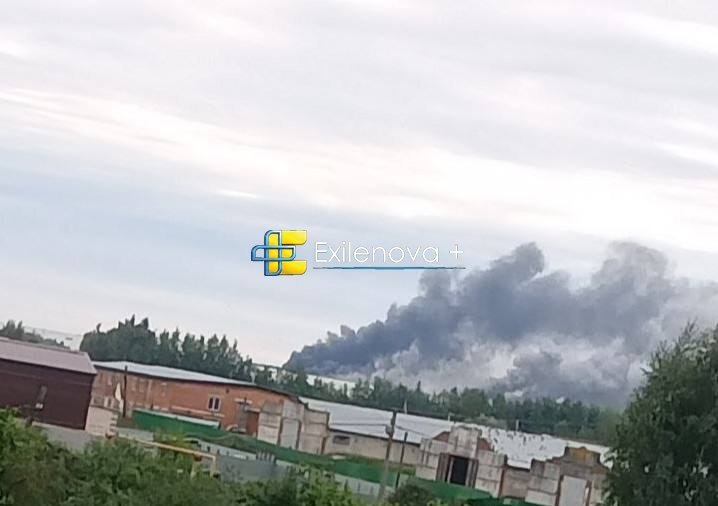
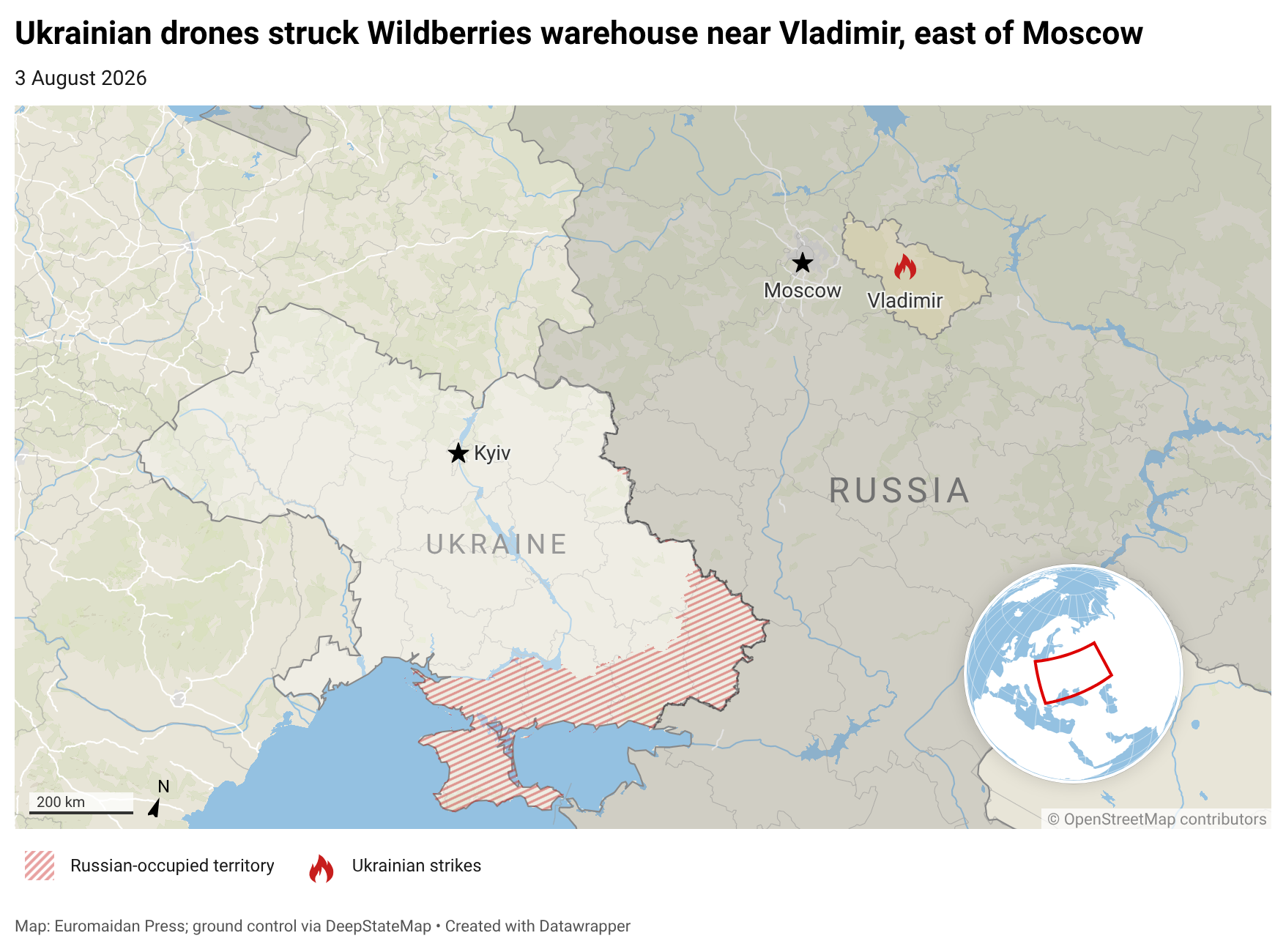
Ukrainian drones set fire to one of the largest warehouses of Russia's biggest online retailer on the morning of 3 August, according to the Ukrainian monitoring Telegram channel Exilenova+ and local authorities. The strike hit a Wildberries logistics hub in Russia's Vladimir Oblast, hundreds of kilometers from Ukraine, and touched off a fire that Russian officials and the company confirmed. 

It widened a two-week Ukrainian campaign against the retail network that helps keep Russia's war economy running. For the first years of its invasion, Russia treated its interior as a safe rear. Ukraine's long-range drones have turned that rear into a target set, striking the fuel and freight networks hundreds of kilometers from the front that keep the war supplied.

Ukrainian drones burned a hub built to hold 120 million items

Ukrainian FP-1 attack drones struck the Wildberries logistics center in the village of Khryastovo, in Vladimir Oblast's Sobinsky district, on the morning of 3 August. Exilenova+ began reporting an ongoing attack around 07:00 local time, then geolocated videos and photos of the fire. The site sits about 580 kilometers from Ukraine's border.

The complex is one of Wildberries' largest. It spans 171,900 square meters and moves goods between the Moscow region and central, northwestern, and northern parts of European Russia. Built for more than 120 million items, it was meant to reach roughly 175,000 square meters at full capacity.

russian warehouse built hold 120 million items burning east moscow region · post column black smoke towers over khryastovo vladimir oblast russia seen roadside after ukrainian drone strike set wildberries
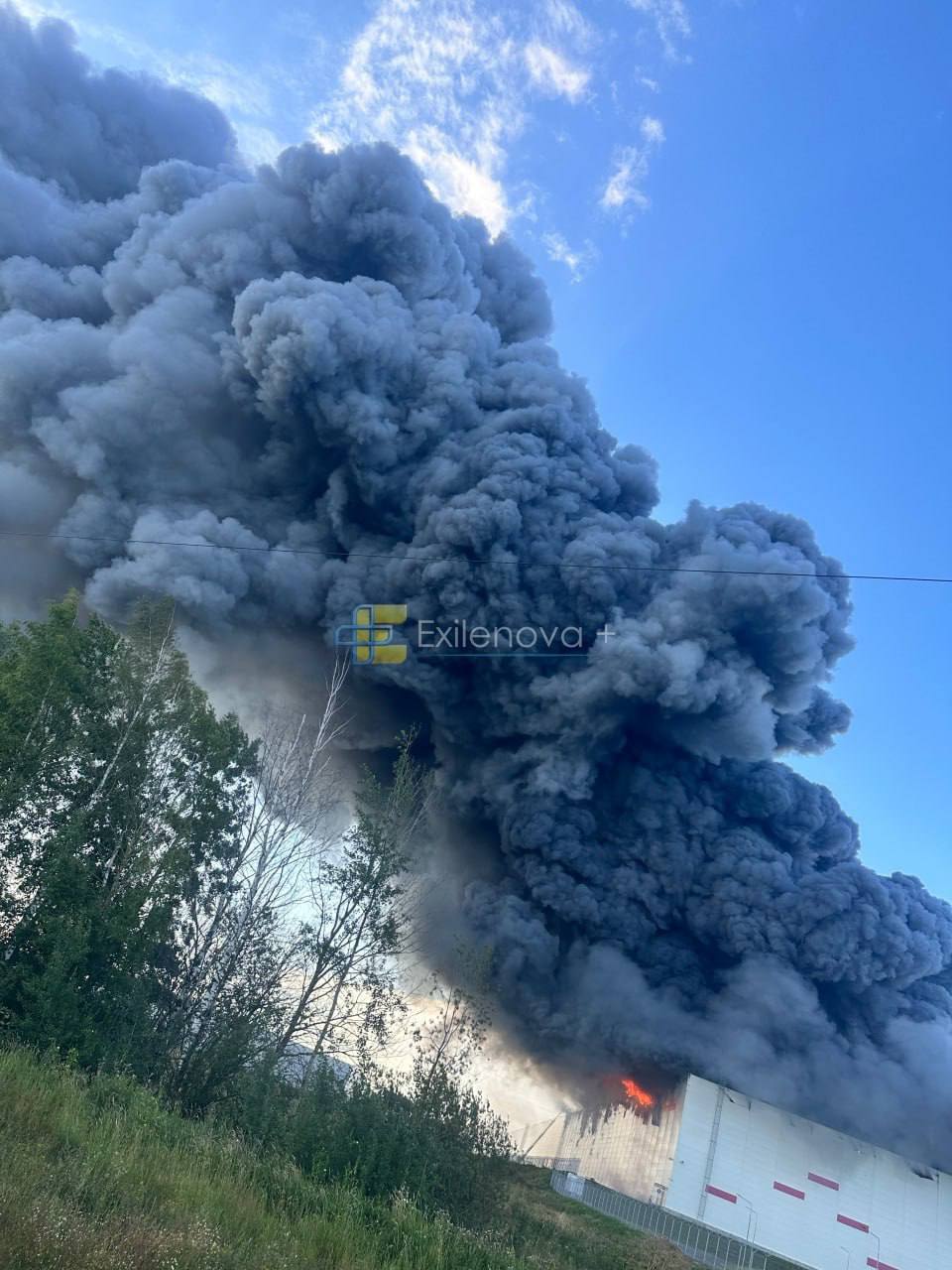
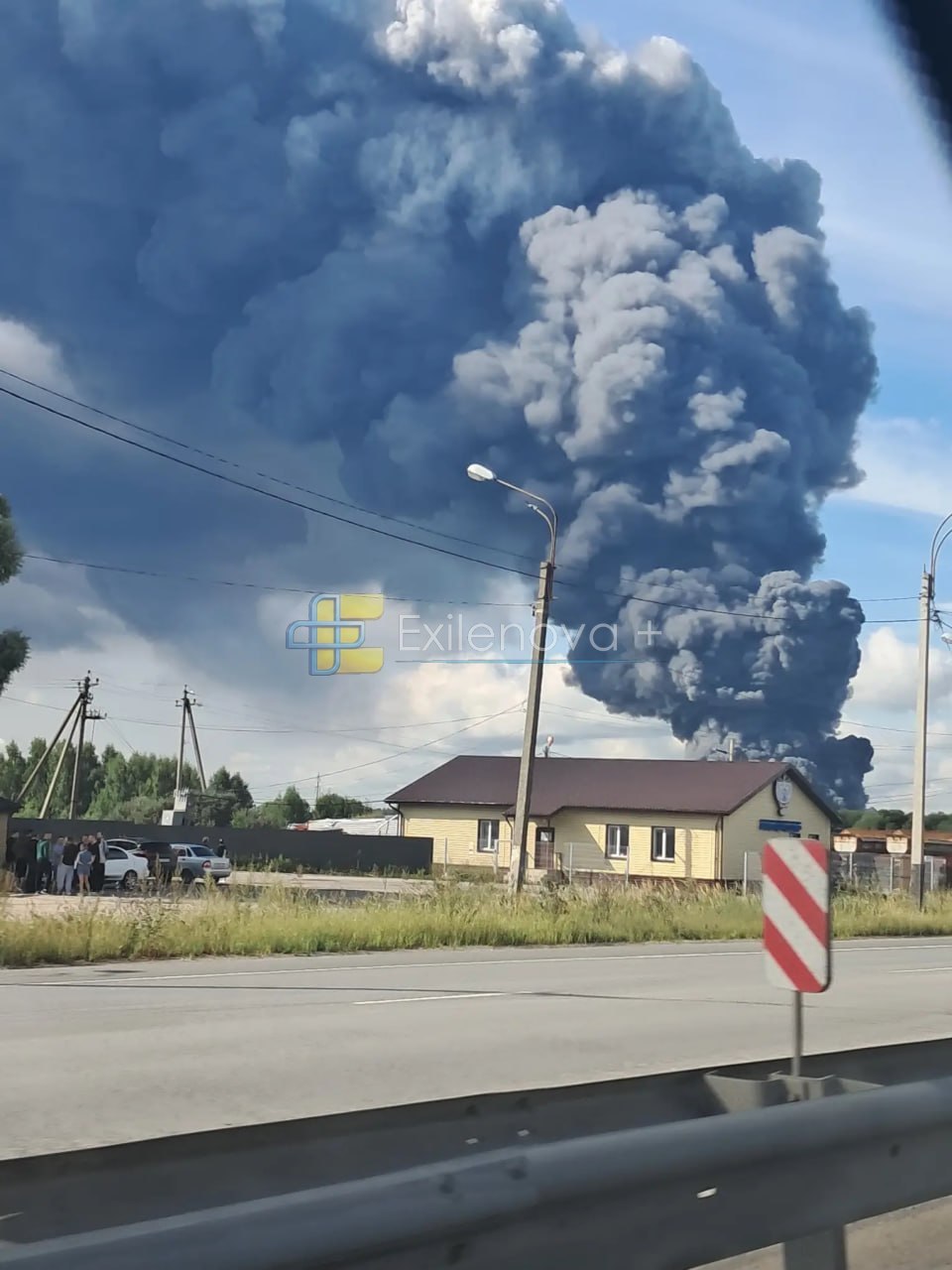
A column of black smoke towers over Khryastovo, Vladimir Oblast, Russia, seen from a roadside after a Ukrainian drone strike set a Wildberries logistics center ablaze, 3 August 2026. Photo: Exilenova+

Footage captured the moment an FP-1 drone slammed into the warehouse. The smoke rose over the site and was visible for tens of kilometers. The Ukrainian firm Fire Point, which makes the FP-1 long-range strike drone, said Ukraine's Defense Forces hit the hub with its drones. Vladimir Oblast Governor Alexander Avdeyev confirmed the strike.

Vladimir's Wildberries ablaze

This morning, drones struck another warehouse of Russia's e-commerce giant in Khryastovo, Vladimir Oblast, about 150 km east of Moscow and 580 km northeast of Ukraine.

📹Exilenova+ pic.twitter.com/CPCO1WKoME

— Euromaidan Press (@EuromaidanPress) August 3, 2026

Wildberries also confirmed a fire at the logistics center and said it had moved order intake and shipping to other sites. The Russian news Telegram channel Astra reported that one of Wildberries' largest warehouses in Vladimir Oblast halted operations after the attack and fire.

The strike extends a campaign against Russia's Amazon clone

Ukraine has spent two weeks burning the warehouses of Wildberries, Russia's biggest online retailer and its answer to Amazon. The campaign began on 18 July with strikes on hubs in Elektrostal near Moscow and Kotovsk in Tambov Oblast.

The day before the Khryastovo strike, on 2 August, Ukrainian drones hit another Wildberries hub in Samara Oblast. Ukrainian drones destroyed eight of the retailer's warehouses in July, about 15.4% of its storage, and later raids hit sites in Volgograd and Tatarstan.

❌