❌

Vue normale

Fog blinds Ukrainian drones. Russia resumes mechanized assaults in the south after months-long pause, military officials say
22 octobre 2026 à 07:39

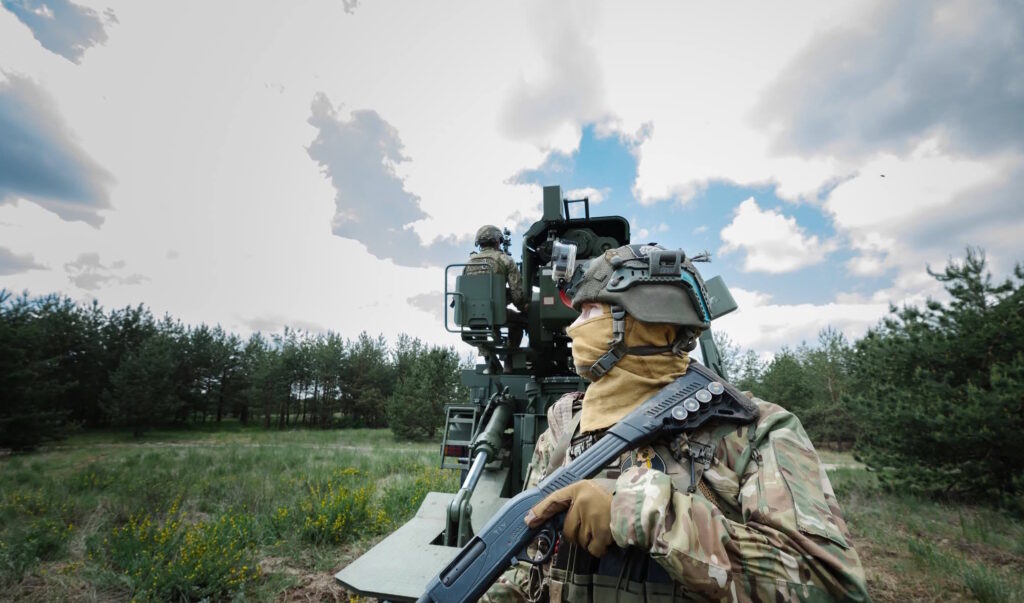
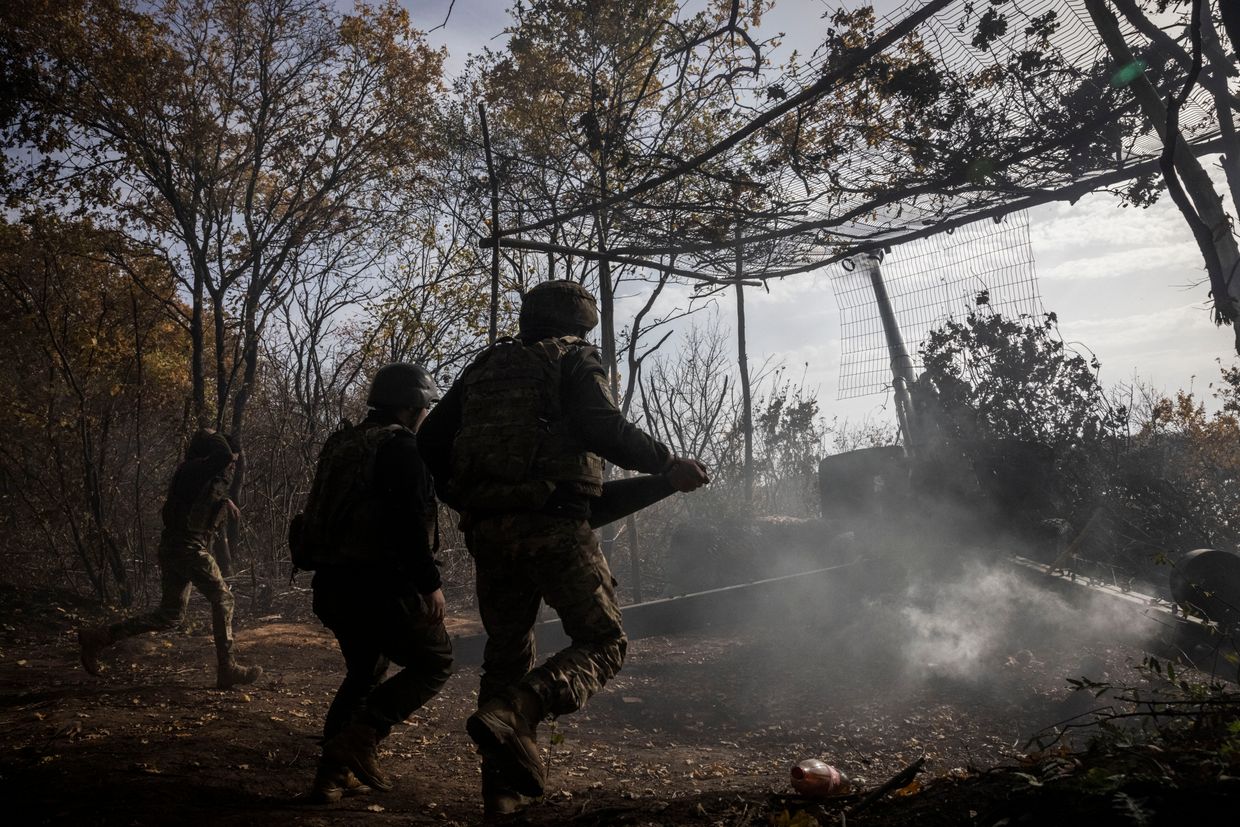
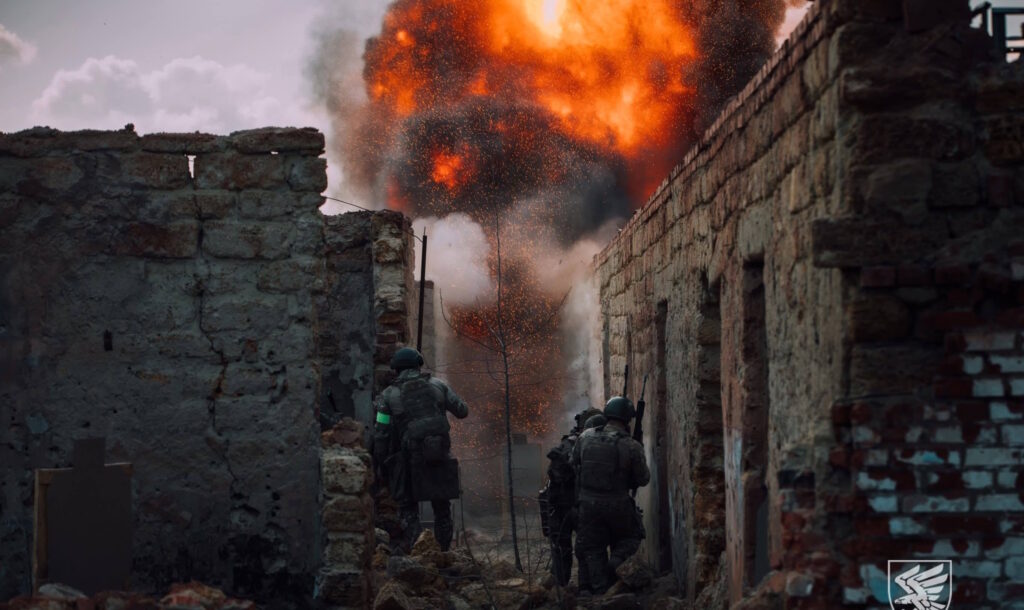
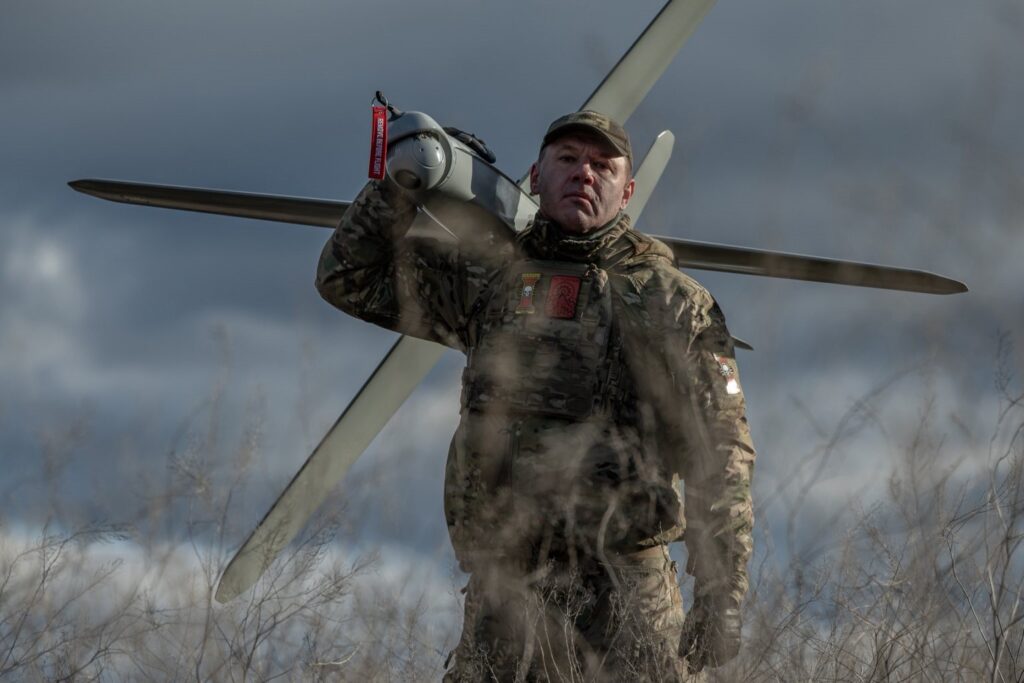
Ukrainian soldiers. Source: 95th Separate Airborne Assault Polissya Brigade

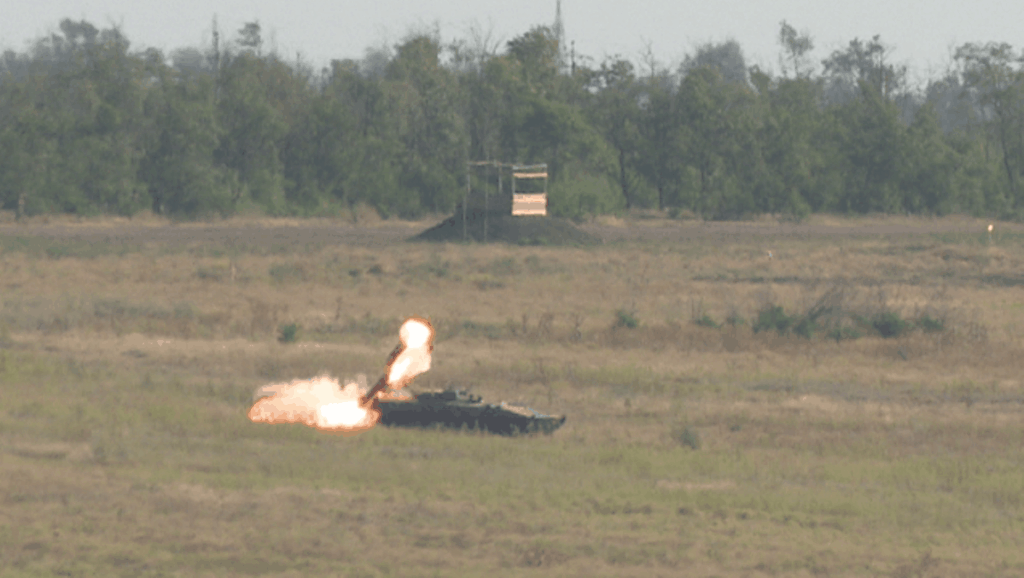
Russian forces are preparing to resume mechanized assaults in southern Ukraine after a pause of several months and are moving armored vehicles toward areas where they plan to launch offensives, Anastasiia Shevchenko, deputy spokesperson for the Southern Forces Grouping, told Ukrinform on 22 October. The Huliaipole axis remains the hottest in the Southern grouping’s zone, with 10 to 20 combat engagements reported on an average day, she said.

On the Huliaipole axis, one of Russia’s largest force groupings is fighting Ukrainian forces, comprising units from several Russian combined-arms armies, the spokesperson says. Over the past week, as the weather worsened, Russian forces began local assaults there with infantry, motorcycles, and armored vehicles, seeking to break through toward Zaporizhzhia and blockade the city, Ukraine’s 7th Air Assault Corps reported, adding that the area is one of Russia’s key priorities in southern Ukraine. Russia has used fog this way before: last November, Russian troops moved under its cover to avoid detection by Ukrainian drones as they advanced on Huliaipole, the Institute for the Study of War assessed.

Russian forces have abandoned large-scale assaults across a broad front and are attempting to infiltrate Ukrainian positions in small groups. They periodically use motorcycles and quad bikes for assaults, Shevchenko said, adding that these vehicles are fast and maneuverable.

However, Russian forces should not expect to advance unimpeded, the spokesperson noted. Ukrainian units control Russian supply routes and systematically detect and strike Russian personnel and equipment while they are still moving toward their launch positions, she added.

“Specifically, speaking in numbers, since the beginning of October alone, units of the Southern Forces Grouping (Forces) have destroyed more than 3,000 occupiers and 1,300 pieces of weapons and military equipment. Thus, the enemy is suffering significant losses in the operational zone of the Southern Forces Grouping (Forces),” the spokesperson concluded.

Ukrainian drones disrupt Russian logistics

Russian forces had stopped using military vehicles because Ukraine’s unmanned systems forces controlled their logistics, Shevchenko said in comments to Ukrinform on 16 September. Ukrainian drones spotted Russian troops and equipment in time and struck them mostly on their routes of advance, she said.

Ukrainian air strikes destroyed bridges near Polohy in Zaporizhzhia Oblast, complicating Russian supply operations along the Huliaipole axis, Ukraine’s 7th Air Assault Corps reported on 21 September. Russian forces had used these bridges to move personnel, heavy equipment, and ammunition for their offensive toward Orikhiv. Disruptions to logistics have forced Russian units to rely more on motorcycles, which are more vulnerable to Ukrainian strikes, the corps said.
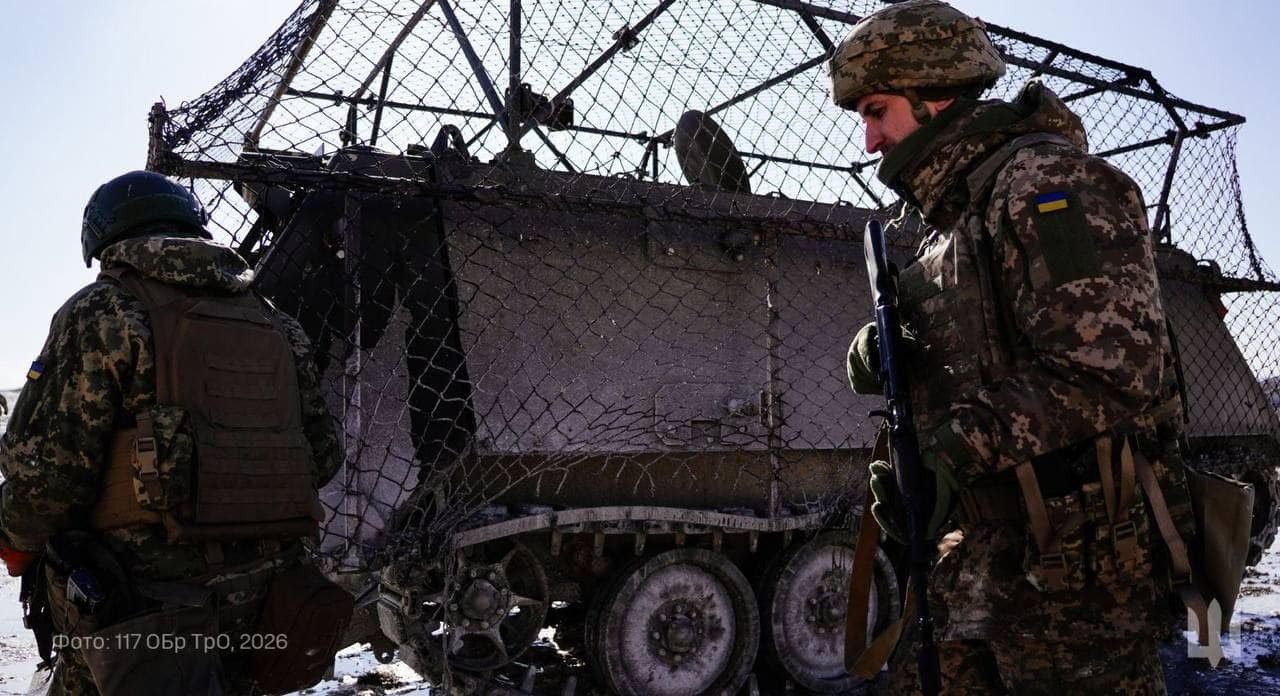
before russia's all-out war ukraine imported almost weapons four years later buys more than any country earth · post ukrainian soldiers 117th separate territorial defense brigade beside armored vehicle fitted
Explore further

Ukraine timed its Huliaipole operation around the weather — and it worked. Here’s why that won’t happen again soon

Russian forces are also expected to use fog and rain as cover for assaults, Mykola Zinko, deputy commander of the unmanned systems battalion of the 5th Assault Brigade, said on 19 October. Russia has brought up reserves, and its heavy equipment will move out under the fog, he said.

“Operation to strike Russian targets deep in swamps continues”: Ukrainian Commander Madiar says his unit hits 7,306 Russian troops in first half of October, up 59% on August

15 octobre 2026 à 10:52

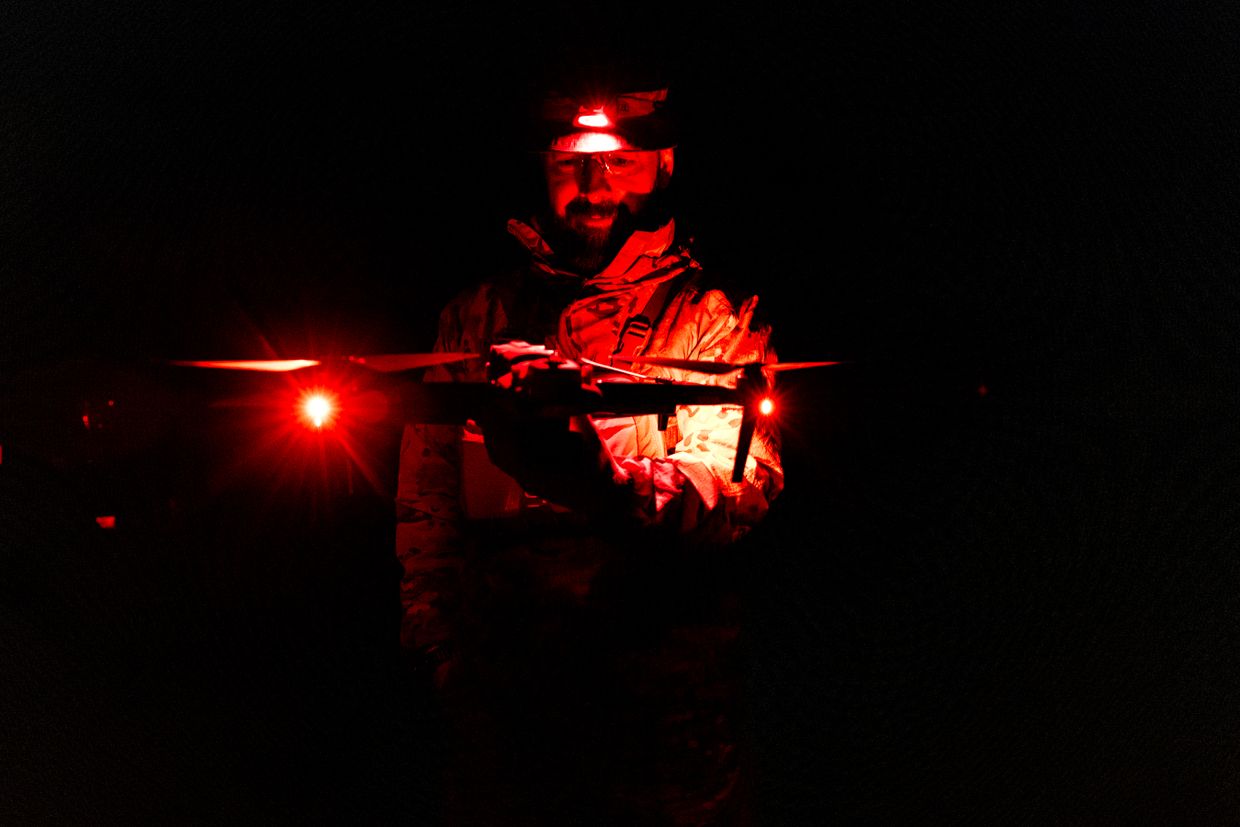
A Ukrainian drone operator.

Ukraine’s operation to strike Russian targets at operational and strategic depth is continuing, Unmanned Systems Forces Commander Robert “Madiar” Brovdi said. He listed data centers, military and strategic sites, and energy hubs “deep in the swamps,” his usual name for Russia.

The fresh statement lands amid fears that a Starlink disruption could break front-line operations.

Overnight into 14 October, the 7th Air Assault Corps said the faster StarShield military package, an advanced version of Starlink that its units depend on, had been throttled, halting a series of missions. Against that backdrop, Brovdi says his branch’s strikes are not falling.

“A serious brawl is underway in conditions of significantly worse weather, drizzle, fog, and precipitation,” Brovdi says, underscoring that the pace held through conditions that usually ground drones.

Over the first two weeks of October, the drone branch verified 7,306 Russian soldiers killed or wounded, up 59.45% on the same period in August and 24.65% in September, he writes on his Telegram page, calling the trend the opposite of de-escalation.

Where the killing climbs fastest, and who is doing it

One sector stands out above the rest. On the Dobropillia-Pokrovsk axis, in the zone of the Azov group, the branch’s drones accounted for 3,221 Russian losses in the first two weeks of October, a 102% jump on August and 42.5 percent on September, Brovdi reports.

The figures cover only the drone branch and are verified in the military’s Delta, the video fixation system, he stresses, so the full count of Russian losses across all Ukrainian forces can be much higher.

The scale of a campaign that will not slow down

The numbers behind the claim are large. Over the first two weeks of October, the branch flew 124,500 combat missions, strike and reconnaissance, and hit 32,172 Russian targets, of which manpower was 22.7%, by his count.

That works out to about 2,298 Russian targets a day, he adds, the kind of tempo that makes any talk of a lull on the front hard to square with what his drones are recording. The deep-strike half of that campaign has grown 1,150% over 2026, reaching military-industrial and energy sites far inside Russia, according to Euromaidan Press.

Drones now cause about 96% of Russia’s battlefield losses. Ukraine’s drone force says it has hit more than 100,000 Russian troops this year alone

11 octobre 2026 à 15:57

A Ukrainian soldier of the Unmanned Systems Forces with a drone. Photo: Ukraine’s Unmanned Systems Forces

Units of Ukraine’s Unmanned Systems Forces have killed or wounded more than 100,000 Russian troops since the start of 2026. That is more than 150,000 since the force was created on 11 June 2025, the force said on Telegram.

Drones have become the deadliest weapon of this war, accounting for about 96% of Russia’s battlefield casualties earlier this year. These hits are verified on video in the military’s Delta system, which is how the force counts only the losses its own pilots confirm.

“Behind these figures is the daily combat work of our soldiers, thousands of sorties, precise strikes, and the constant improvement of unmanned technologies,” Ukraine’s Unmanned Systems Forces said.

Each strike reduces Russia's combat potential and reflects the coordinated work of the force’s units, it added.

A toll that keeps climbing

Overall, drone branches of the Ukrainian Army had carried out more than 1 million verified strikes on enemy targets since January, killing or seriously wounding about 193,500 Russian troops, Ukraine’s Defense Ministry reported in July.

Those strikes roughly doubled over the first half of the year, from about 105,800 in January to more than 200,000 in June, the ministry noted.

Meanwhile, Commander of the separate Ukrainian Unmanned Systems Forces Robert “Madiar” Brovdi says the numbers are still growing. In the first five days of October, the force’s pilots killed or wounded 2,699 Russian soldiers, 39.7 percent more than in the same period of September.

He tied the rising number to Russia's assaults in Donbas, as the offensives for the fortress-belt cities that have been Ukraine's protection against full region's occupation since 2014, were ongoing.

Why the drone branch matters

The force fields are the cheap, fast weapons that now do most of the killing on the front. Interceptor and strike drones let Ukraine hit troops, logistics, and command posts while keeping its own soldiers farther from the fight.

  • ✇Euromaidan Press
  • It was built to shield Russian crops from hail. Now it’s being pitched as a drone interceptor
    Russia has shown a drone interceptor built on the Alazan, a civilian anti-hail rocket, Militarnyi reported. The sample went on display at a weapons exhibition that Russian dictator Vladimir Putin toured at the Chebarkul training range in the Urals on 2 October. Ukraine now sends drones at Russia by the hundreds, by Moscow's own count. Russia's Defense Ministry claimed its air defenses intercepted nearly 900 overnight into 6 October. Russia's missile-based air defense was built to repel
     

It was built to shield Russian crops from hail. Now it’s being pitched as a drone interceptor

8 octobre 2026 à 03:31

Alazan-6 anti-hail rockets

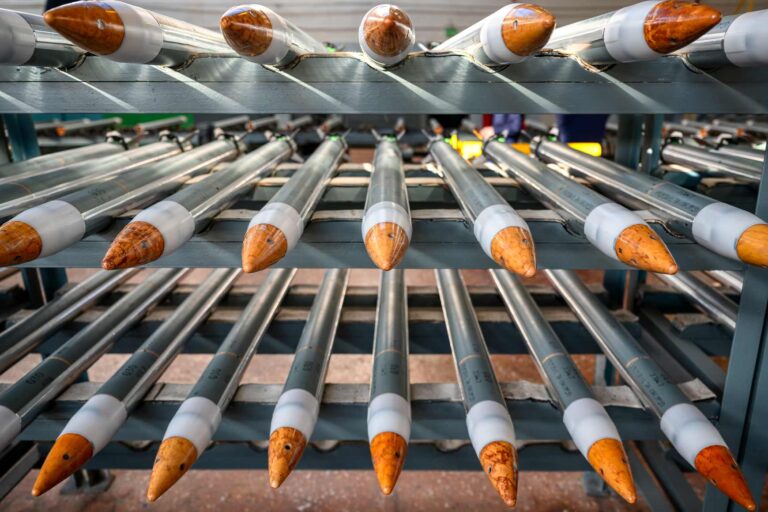
Russia has shown a drone interceptor built on the Alazan, a civilian anti-hail rocket, Militarnyi reported. The sample went on display at a weapons exhibition that Russian dictator Vladimir Putin toured at the Chebarkul training range in the Urals on 2 October.

Ukraine now sends drones at Russia by the hundreds, by Moscow's own count. Russia's Defense Ministry claimed its air defenses intercepted nearly 900 overnight into 6 October. Russia's missile-based air defense was built to repel aircraft raids and a few cruise missiles, not swarms of low-flying drones.

In May, Ukrainian intelligence said Russia was adding four regiments, 24 battalions, and 162 batteries to counter Ukrainian strike drones. The converted Alazan, which Militarnyi calls an anti-drone system, is one more piece of that search. Meanwhile, the commander of Ukraine's Unmanned Systems Forces, Robert Brovdi, said his forces struck 300 Russian air-defense assets between January and 19 September.

From hail reagent to shrapnel

Based on the size of the sample on display, the interceptor builds on the Alazan-2M or Alazan-6 series, Militarnyi assessed. The outlet put the stated cost at up to $12,000 per unit but did not say who named the figure. In civilian service, the rocket flies about 10 km, climbs up to 8 km, and carries about 0.5 kg of reagent. For air defense, the developers plan to replace that reagent with a fragmentation warhead.

Militarnyi's analysis of the published photos describes the front end as a steering assembly: four cruciform deflector fins, probably paired with a seeker or a fuze. At the rear sit folding stabilizers and the open nozzle of a solid-fuel motor, held in a metal cradle.

Anti-drone missile based on the Alazan, 2 October 2026
Anti-drone missile based on the Alazan, 2 October 2026. Photo: kremlin.ru

One sample among 300 exhibits

The Kremlin's account of the visit lists more than 300 weapons on display, including interceptor drones, but does not mention the rocket. Propaganda channel Russia 1 aired the interceptor in its report from the visit, and the Kremlin pool of state news agency RIA posted photos.

Ukraine’s drone pilot calls it his proudest strike: cheap FPV drone detonating over two tons of explosives packed inside Russian mine-clearer

7 octobre 2026 à 18:25

A UR-77 mine-clearing vehicle. Photo: Ukraine's Defense Ministry

"Skipper", an FPV company commander in Ukraine's 413th Raid Unmanned Systems Regiment, has described destroying a Russian UR-77 mine-clearing vehicle with drones during the 2023 counteroffensive as the strike he is proudest of, according to Army TV.

The UR-77, nicknamed "Zmiy Horynych" after a fire-breathing serpent of Slavic folklore, carries a rocket-fired line charge to blow paths through minefields, as per Militarnyi. Each charge carries more than two tons of explosives, which is why a cheap FPV hit can trigger a blast far larger than the drone itself.

"It exploded so hard that I thought it was a small nuclear blast. There are more than two tons of plastic explosive inside, and when it went off after the second hit, it was something unbelievable," Skipper says.

Skipper joined the army at the start of the full-scale invasion and moved from infantry and aerial reconnaissance to commanding an FPV unit. His regiment now operates on the Zaporizhzhia front, where FPV drones conduct combat missions.

From sailing yachts to FPV drones

In civilian life, Skipper was a sailing instructor, and he says the sport partly helps in military work, especially his knowledge of navigation and radio communication. He is convinced that a technological edge can be one of the keys to victory.

He counts the UR-77 strike among his unit's early work, from a time when few Ukrainian units were using FPV drones at all, he says. The hit came during hard fighting in the counteroffensive, when his crews were among the first to work the FPV niche.

Russia turns a mine-clearer into a wrecking tool

The UR-77 was built in the 1970s for a different war, one of fast tank thrusts that needed enemy minefields cleared quickly. Its base rides on the chassis of the 2S1 Gvozdika self-propelled howitzer, and its charge can cut a lane six meters wide, with some anti-personnel mines detonated across a band up to 15 meters wide.

Modern combat changed that role. The classic mine-clearing use remains, but Russia now more often turns these machines on Ukrainian fortifications, using the line charge to flatten defenses rather than open a path.

Ukraine says it struck plant making parts for Russian military aircraft engines—a Snizhne factory Russia has used since 2014

7 octobre 2026 à 10:39

snizhne_map_dark

Ukraine's 413th Separate Raid Regiment of the Unmanned Systems Forces struck the Snizhne Machine-Building Plant in occupied Donetsk Oblast in September, working with other Defense Forces units, the regiment posted on 6 October, sharing a video of the strike. The General Staff reported the strike on the plant on 11 September, saying that the extent of the damage was being clarified.

The strike adds to Ukraine's campaign of long-range attacks on Russian military targets as Russia has begun its winter campaign of strikes against Ukraine's energy infrastructure. Hitting the suppliers of aircraft parts goes after Russia's ability to keep its attack jets and helicopters flying.

The regiment said the plant works for Russia's military industry, producing engine components for attack aircraft and combat helicopters.

A former Motor Sich plant in occupied Snizhne

The Snizhne plant was a separate division of Motor Sich, a Ukrainian aircraft-engine maker based in Zaporizhzhia, a city that remains under Ukrainian control. Snizhne has been under Russian occupation since 2014. The plant specializes in producing parts for gas-turbine engines, including compressor and turbine discs and blades, the General Staff said. It never built whole engines. In September 2014, months into the occupation, it was machining blanks from Motor Sich's Zaporizhzhia plant into turbine blades and was one of only two plants in the former Soviet Union making such blades for helicopters, a plant worker said.

Motor Sich said in December 2017 that it had lost control of the plant. Weeks later, Viacheslav Bohuslaiev, then Motor Sich's honorary president and a member of parliament, told RFE/RL's Donbas.Realii that Motor Sich still owned the plant and had handed its management to a foreign company, while keeping it under the company's "full control."

In February 2023, Ukraine's Prosecutor General's Office served Bohuslaiev a notice of suspicion of aiding a terrorist organization, alleging that Motor Sich shipped blanks to the Snizhne plant and received finished engine parts through foreign-registered companies. The case went to court in October 2023, and Bohuslaiev, who denies the charges, has been in pretrial detention since October 2022 as the trial continues.

Snizhne, which Russia uses as a rear base, has been hit before. In May, Ukraine's Unmanned Systems Forces and the Security Service of Ukraine struck a Russian training center for drone pilots in the city, and in September, a strike on energy infrastructure cut power across Snizhne.

Ukraine’s drone pilots hit 76.5% more Russian infantry than two months ago: 2,699 in first five days of October

6 octobre 2026 à 10:03

The image shows Ukrainian soldiers. Source: The 80th Separate Air Assault Halytska Brigade

Ukraine's drone pilots are killing and wounding far more Russian infantry than they did a month ago. Ukraine's Unmanned Systems Forces confirmed that their pilots took out 2,699 Russian infantry from 1 to 5 October, 39.7% more than in the first five days of September, Commander Robert "Madiar" Brovdi wrote on Telegram on 6 October.

The Unmanned Systems Forces, the branch of Ukraine's military that fights with drones, count only losses verified by their own pilots in the military's Delta system, so the full picture of Russian losses is larger, Brovdi stressed. Compared with the first five days of August, the rise is 76.5%, from 1,529 losses, which he ties to denser and more frequent Russian assaults.

The sharpest growth occurred in the area of the 1st Azov Corps of Ukraine's National Guard on the Dobropillia-Pokrovsk axis in Donetsk Oblast, as fighting for fortress-belt cities continues. Drone pilots recorded 1,268 Russian losses there, 43% more than the 884 of early September and 91% more than the 664 of early August.

"Russia's hidden mobilization is in action. This is the beginning," Brovdi said ironically.

Russia doubles its monthly recruitment pace

Russian recruitment, mobilization, and contracts run at about 70,000 people a month, twice the 35,000 monthly average from January to August 2026, Brovdi noted on 16 September, when he forecast 12,500 losses for his pilots in September.

He expected the toll to keep climbing. Bigger records still lie ahead because of Russia's unannounced mobilization, Brovdi added on 24 September.

Drone pilots outpaced August by a quarter

September was completed above that forecast. The pilots logged 13,358 Russians killed or wounded, 25.35% more than the 11,010 of August, an average of 445 a day against 355, Brovdi reported. By his count, that equals the full assault infantry of one battalion every day, and his pilots hit a Russian target every 42 seconds.

Two sets of axes took the heaviest toll. In the first 24 days of September, the Dobropillia and Pokrovsk axes accounted for 4,018 losses, and the Oleksandrivka and Huliaipole axes for 3,021, according to Brovdi. The first of those groups covers the same Dobropillia-Pokrovsk axis where the Azov corps zone recorded the sharpest October rise.

  • ✇The Kyiv Independent
  • Ukraine unites Unmanned Systems Forces with top 'Drone Line' units under new command group
    Ukraine's Unmanned Systems Forces (USF) announced on June 20 the establishment of a new command group that will unite the branch with other top drone units in the country's military.Drones have become one of the defining tools of the full-scale war, used extensively by both Ukraine and Russia for surveillance, long-range strikes, and tactical battlefield firepower.The new formation will unite all military units of the USF with the Drone Line, a project launched by President Volodymyr Zelensky in
     

Ukraine unites Unmanned Systems Forces with top 'Drone Line' units under new command group

20 juin 2025 à 13:58
Ukraine unites Unmanned Systems Forces with top 'Drone Line' units under new command group

Ukraine's Unmanned Systems Forces (USF) announced on June 20 the establishment of a new command group that will unite the branch with other top drone units in the country's military.

Drones have become one of the defining tools of the full-scale war, used extensively by both Ukraine and Russia for surveillance, long-range strikes, and tactical battlefield firepower.

The new formation will unite all military units of the USF with the Drone Line, a project launched by President Volodymyr Zelensky in February this year to coordinate and expand five of the country's strongest drone units.

The new command umbrella was created to "improve the efficiency of management, transform the Forces, and adapt to the requirements of modern warfare," according to the statement.

The units will operate within a single chain of command, with a defined structure and a common vision of unmanned aerial vehicle (UAV) tactics in order to harmonize approaches, establish joint work, and use unmanned systems more effectively in combat, the USF said.

The Unmanned Systems Forces were created as a separate branch of Ukraine's military in June 2024.

At that time, Ukraine's strongest existing drone units served in other branches of the defense forces, including the Ground Forces, National Guard, and the Security Service of Ukraine.

The newly-created group will be led by Major Robert Brovdi, better known by his callsign Magyar, whom Zelensky appointed as the commander of the USF in early June.

Brovdi had previously served as commander of the eponymous Magyar's Birds Unmanned Systems Brigade, a founding member of the Drone Line initiative and one of the most consistently high-performing drone units in the Ukrainian military.

A world-first phenomenon, Ukraine's Unmanned Systems Forces works to improve the country's drone operations, creating drone-specific units, ramping up training, increasing drone production, and advancing innovation.

The USF has also carried out hundreds of operations deep within Russian territory.

Following in Ukraine's footsteps, Russian President Vladimir Putin announced the creation of his country's own individual drone branch on June 12.

Colonel Vadym Sukharevskyi, previously deputy commander-in-chief of Ukraine's Armed Forces, was named the first commander of the USF on June 10, 2024.

Brovdi replaced Sukharevskyi, who was dismissed on June 3.

According to military personnel who spoke anonymously to Ukrainian news outlet Suspilne, Sukharevskyi's relationship with Commander-in-Chief Oleksandr Syrskyi was tense from the beginning of the USF's formation.

Sukharevskyi's appointment was a decision by president Zelensky, not Syrskyi, sources said.

People close to both Syrskyi and Sukharevskyi also claimed the two men avoided face-to-face interactions.

Not content with waging war inside Ukraine, Russia has now taken it into the virtual world
The new game is the first to focus on Russia’s war in Ukraine, featuring real battles and characters.
Ukraine unites Unmanned Systems Forces with top 'Drone Line' units under new command groupThe Kyiv IndependentKateryna Hodunova
Ukraine unites Unmanned Systems Forces with top 'Drone Line' units under new command group
  • ✇The Kyiv Independent
  • Ukrainian drone brigade distances itself from ex-volunteer commander's criticism
    Ukraine's 59th Brigade of the Unmanned Systems Forces said on June 17 that former fighter Ryan O'Leary no longer has access to current information about the unit's operations and cannot speak on its behalf.The statement follows public criticism from O'Leary, an American volunteer and former commander of the Chosen Company, who alleged widespread leadership failures within Ukraine's Armed Forces. On June 14, O'Leary said mismanagement within the military, rather than Russia's action, was responsi
     

Ukrainian drone brigade distances itself from ex-volunteer commander's criticism

17 juin 2025 à 16:53
Ukrainian drone brigade distances itself from ex-volunteer commander's criticism

Ukraine's 59th Brigade of the Unmanned Systems Forces said on June 17 that former fighter Ryan O'Leary no longer has access to current information about the unit's operations and cannot speak on its behalf.

The statement follows public criticism from O'Leary, an American volunteer and former commander of the Chosen Company, who alleged widespread leadership failures within Ukraine's Armed Forces.

On June 14, O'Leary said mismanagement within the military, rather than Russia's action, was responsible for "more deaths," accusing commanders of prioritizing personal power over troop welfare.

"The officer corps behaves like a caste system of untouchables or 'army lords,'" he wrote on X.

Chosen Company, originally formed as the 312 Swedish Volunteer Company at the start of Russia's full-scale invasion in 2022, has drawn members from more than 31 countries.

Its first commander, Swedish veteran Edvard Selander Patrignani, was killed in action in July 2022. O'Leary took command afterward, and the unit was integrated into the 59th Brigade in early 2023.

O'Leary accused the former commander of the 59th Brigade, Lieutenant Colonel Bohdan Shevchuk, of sending intelligence officers into reckless assaults, resulting in avoidable casualties. Shevchuk was recently removed from command after being accused of submitting false reports.

"In the first two months of his command, he sent soldiers into unattainable positions with no hope of reinforcement or survival," O'Leary claimed.

In response, the 59th Brigade, deployed in the Pokrovsk sector in Donetsk Oblast, said O'Leary voluntarily resigned from service on Feb. 8, 2024, and has not taken part in any operations or internal decisions since.

"He does not have up-to-date information on the state of affairs in the unit and cannot comment on it," the brigade said. "The dissemination of unfounded accusations and misinformation undermines morale and negatively affects the unit's combat readiness."

The 59th Brigade emphasized that its soldiers continue to perform combat missions under challenging conditions and "maintain high efficiency and effectiveness."

O'Leary had announced the disbandment of the Chosen Company on May 26, but said he would wait to discuss details until his contract officially ended.

‘A brutal strike’ — Massive Russian missile and drone attack hits Kyiv, killing 10, injuring at least 124
Russian drones and ballistic missiles targeted the capital overnight, killing 15 people and injuring at least 114, local authorities reported. Damage to civilian infrastructure has also been reported throughout the city.
Ukrainian drone brigade distances itself from ex-volunteer commander's criticismThe Kyiv IndependentOlena Goncharova
Ukrainian drone brigade distances itself from ex-volunteer commander's criticism
❌