Vue normale

  • ✇Euromaidan Press
  • $3,032 to kill a soldier on whom Russia spends $65,000: Ukraine’s new system puts a price on every strike
    Ukraine can now measure how cost-effectively it kills, and the math favors it. Every dollar Ukraine's Defense Forces spend on striking a target inflicts several times more losses on Russia, as confirmed by the Mission Control module in the DELTA battle system, Ukraine's Defense Ministry reported. Mission Control, launched six months ago, now processes 50,000 missions a week and over 230,000 reports, allowing Ukraine to track not just what it hits but also what each stri
     

$3,032 to kill a soldier on whom Russia spends $65,000: Ukraine’s new system puts a price on every strike

17 août 2026 à 13:08

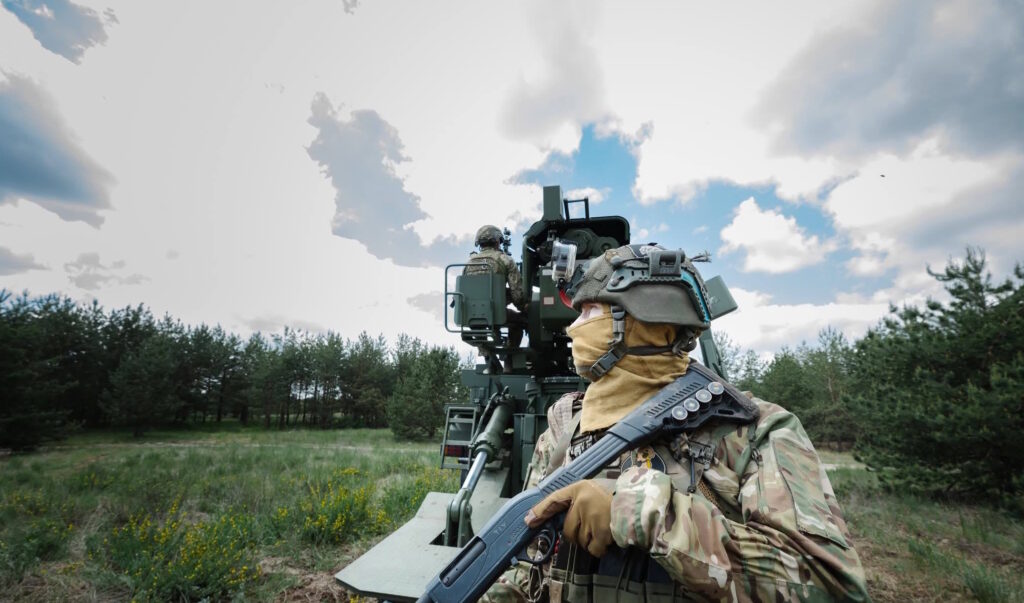
The image shows Ukrainian soldiers. Source: Ukraine's General Staff

Ukraine can now measure how cost-effectively it kills, and the math favors it. Every dollar Ukraine's Defense Forces spend on striking a target inflicts several times more losses on Russia, as confirmed by the Mission Control module in the DELTA battle system, Ukraine's Defense Ministry reported.

Mission Control, launched six months ago, now processes 50,000 missions a week and over 230,000 reports, allowing Ukraine to track not just what it hits but also what each strike costs relative to the damage it causes. In June, every dollar Ukraine spent on a strike cost Russia nearly five times as much.

The economics favor Ukraine's strikes

The system prices both sides of every strike. Mission Control records the cost of what Russia loses, ranging from a few hundred dollars for telecommunications equipment to hundreds of thousands of dollars for air-defense systems and other high-value targets.

The June figures show the gap. Hitting one enemy soldier costs Ukraine $3,032, compared with roughly $65,000 that Russia spends to maintain one. Meanwhile, hitting a piece of equipment costs $2,674, and targeting an infrastructure object costs $1,487.

Every mission feeds the next

Mission Control logs each mission to sharpen the next. The military analyzes what worked, what did not, and why to adjust tactics for the next mission rather than blindly repeating mistakes, according to the Defense Ministry.

The data breaks down by mission type and depth. It sorts missions into reconnaissance, strike, logistics, and evacuation, and by range, 20-plus and 50-plus kilometers, showing for each unit what it strikes, how effectively, at what cost, and what economic damage it inflicts, while also tracking which Ukrainian equipment is lost, at what depth, and under what circumstances.

The goal is fewer Ukrainian lives spent

The measurement serves a purpose beyond economics. The Defense Ministry said it continues implementing technologies so each mission makes the next more precise and helps preserve the lives of Ukrainian soldiers, gradually shifting the most dangerous battlefield tasks to robotic systems.

  • ✇Euromaidan Press
  • From 27,711 to 40,438 in two months: Ukraine’s drone kill rate is climbing fast
    Ukraine is shooting down drones at a fast-rising rate. Ukraine's Defense Forces destroyed 40,438 Russian fixed-wing drones, or "wings", in July 2026, Ukraine's Defense Ministry reported on 11 August. The July figures mark a defense scaling up as fast as the threat it counters. Since the start of the year, Ukraine's Defense Forces have destroyed 195,000 Russian "wings" and 66,000 copters. A counter-drone effort is growing month by month against a Russian drone campaign t
     

From 27,711 to 40,438 in two months: Ukraine’s drone kill rate is climbing fast

11 août 2026 à 11:04

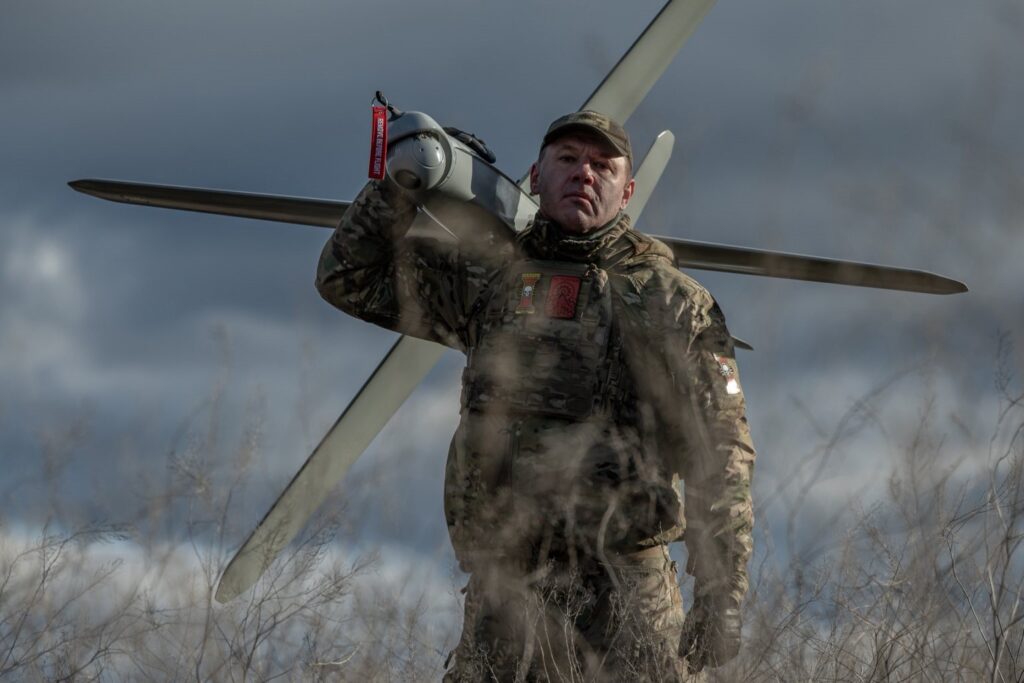
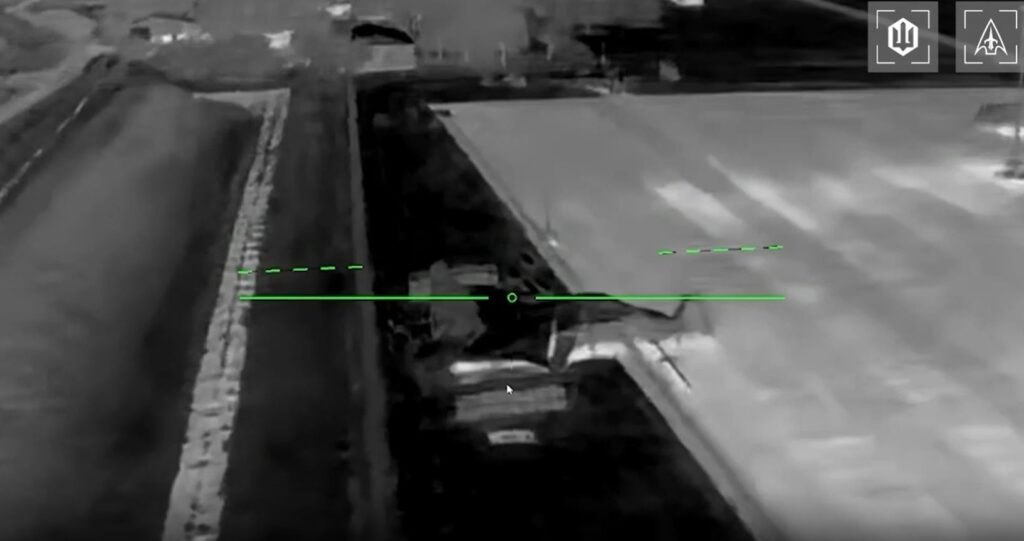
A Ukrainian drone is approaching a Russian target. Source: The Ukrainian Defense Ministry

Ukraine is shooting down drones at a fast-rising rate. Ukraine's Defense Forces destroyed 40,438 Russian fixed-wing drones, or "wings", in July 2026, Ukraine's Defense Ministry reported on 11 August.

The July figures mark a defense scaling up as fast as the threat it counters. Since the start of the year, Ukraine's Defense Forces have destroyed 195,000 Russian "wings" and 66,000 copters. A counter-drone effort is growing month by month against a Russian drone campaign that has itself expanded relentlessly.

The numbers climbed across drone types

Both categories of drone kills rose sharply. Fixed-wing "wings," the category that includes long-range attack drones like Shaheds, climbed from 27,711 in May to 40,438 in July, according to the ministry.

Copter kills rose even faster in proportion. The number of destroyed copters grew 42% in a single month, from 14,071 in June to 19,945 in July. The parallel rise in both types reflects a Russian drone offensive attacking on multiple fronts at once, from deep-strike Shaheds to short-range quadcopters over the trenches, and a Ukrainian defense expanding to meet each.

DELTA confirms every kill

Every strike has been confirmed by the DELTA system, and video recording of the shootdowns helps identify the most effective counter-drone tools for development and scaling, the Ukrainian Defense Ministry said.

That verification matters for a claimed tally. Rather than a bare count, the numbers are tied to Ukraine's battle-management system, which logs and video-confirms each kill, the same DELTA platform whose combat data now trains Ukraine's target-detection AI.

The count is one side of the drone war

The figures capture only Ukraine's defensive half of a war fought increasingly by drones. Russia has expanded its drone production and nightly launches throughout 2026, aiming to overwhelm Ukrainian defenses with mass, and the rising Ukrainian kill counts are the answer to that escalation, not a sign it has eased.

Ukraine’s new AI platform trains weapons on five million frames of drone footage. Partner countries can use it too

10 août 2026 à 17:16

another russian shadow fleet tanker wrecked sea baby drones black · post drone video moment explosion strikes dashan untitlesd-1 ukraine news ukrainian reports

Ukraine is turning millions of hours of battlefield footage into fuel for its defense industry's AI. Ukraine's Defense Ministry has announced that it has opened Avengers Labs, a platform for training artificial intelligence models, to Ukrainian defense companies.

The platform is a new piece of the defense-tech ecosystem Ukraine has built around its war. Alongside the Brave1 cluster that funds and codifies weapons and the Test in Ukraine framework that trials them in combat, Avengers Labs supplies the raw material for AI, a vast, curated dataset of Russian military targets that a single private company could never assemble on its own.

The data comes from the battlefield

Avengers Labs was developed by the Center for Innovation and Development of Defense Technologies, the team behind the DELTA battle-management system, and most of its data comes from DELTA and is constantly expanded.

The dataset captures the enemy in detail. It contains images of tanks, artillery, air-defense systems, infantry, and aerial targets, including Shahed drones and reconnaissance UAVs, a labeled library of what Russian forces look like from a drone's camera. According to the ministry, the system can significantly speed up the development of AI solutions for unmanned systems.

The AI already works in combat

A system trained on Avengers data is already in the field, analyzing over 100,000 drone video streams a month and detecting about 70% of enemy targets in real time, day and night.

The models enable more autonomous drones. Trained on Avengers data, they support automatic trajectory correction after an operator marks a target, and independent target detection by a drone in a defined area according to set mission logic, steps toward drones that find and strike targets with less human input, according to the ministry.

Partner-country firms can join too

Access extends beyond Ukraine, under vetting. The first Ukrainian defense companies have signed licensing agreements to use Avengers Labs, and companies from Ukraine's partner countries can also join, per the ministry.

The screening guards against leakage to the enemy. To gain access, companies must pass checks confirming no ties to the aggressor state, no business in Russia, no sanctions, and no activity in occupied territories.

❌