❌

Vue normale

Guns fall silent around Russian-occupied Oleshky so its starving residents can get aid, but Russia’s guarantees remain secret
27 octobre 2026 à 06:40

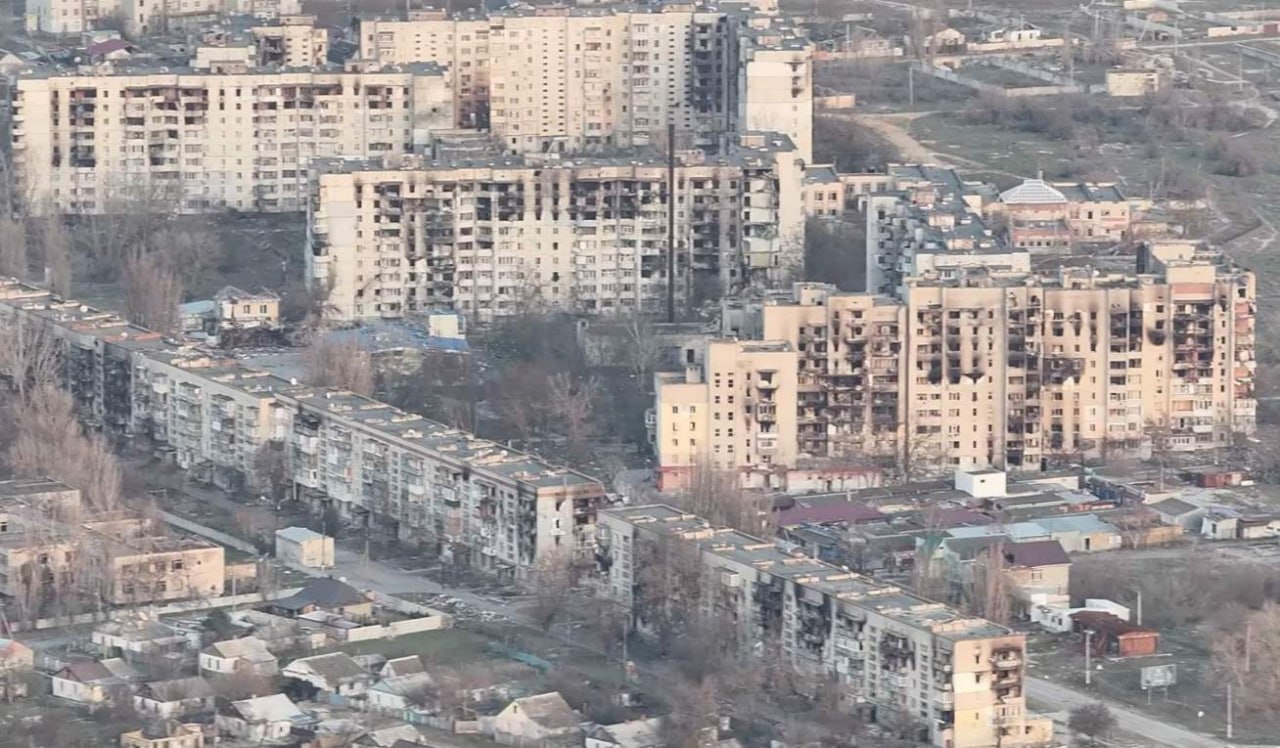
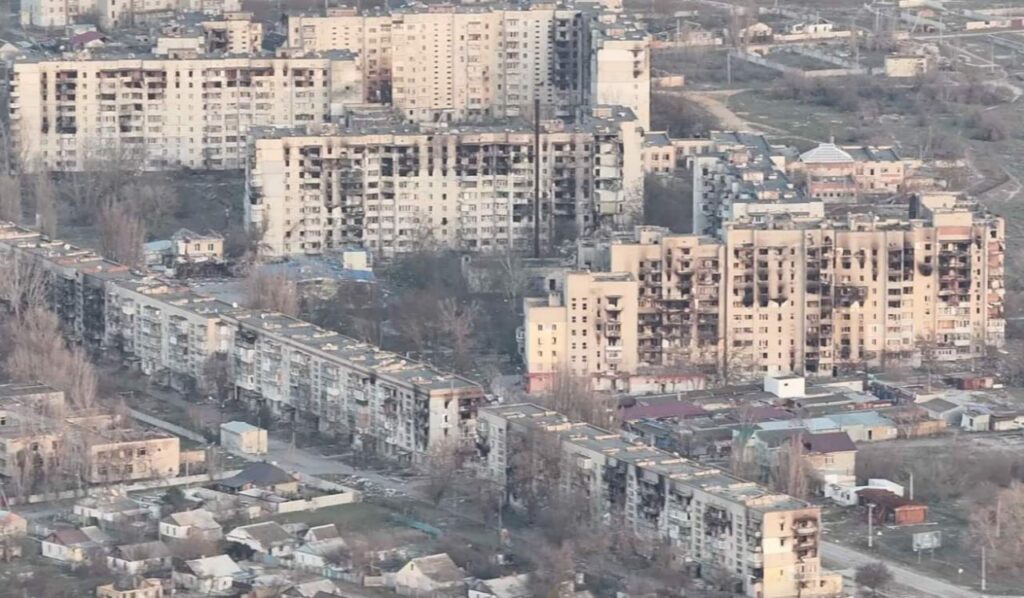
Oleshky, Kherson Oblast, has been under Russian occupation since 2022, following Russia’s capture of the city during the initial phase of its full-scale invasion of Ukraine.

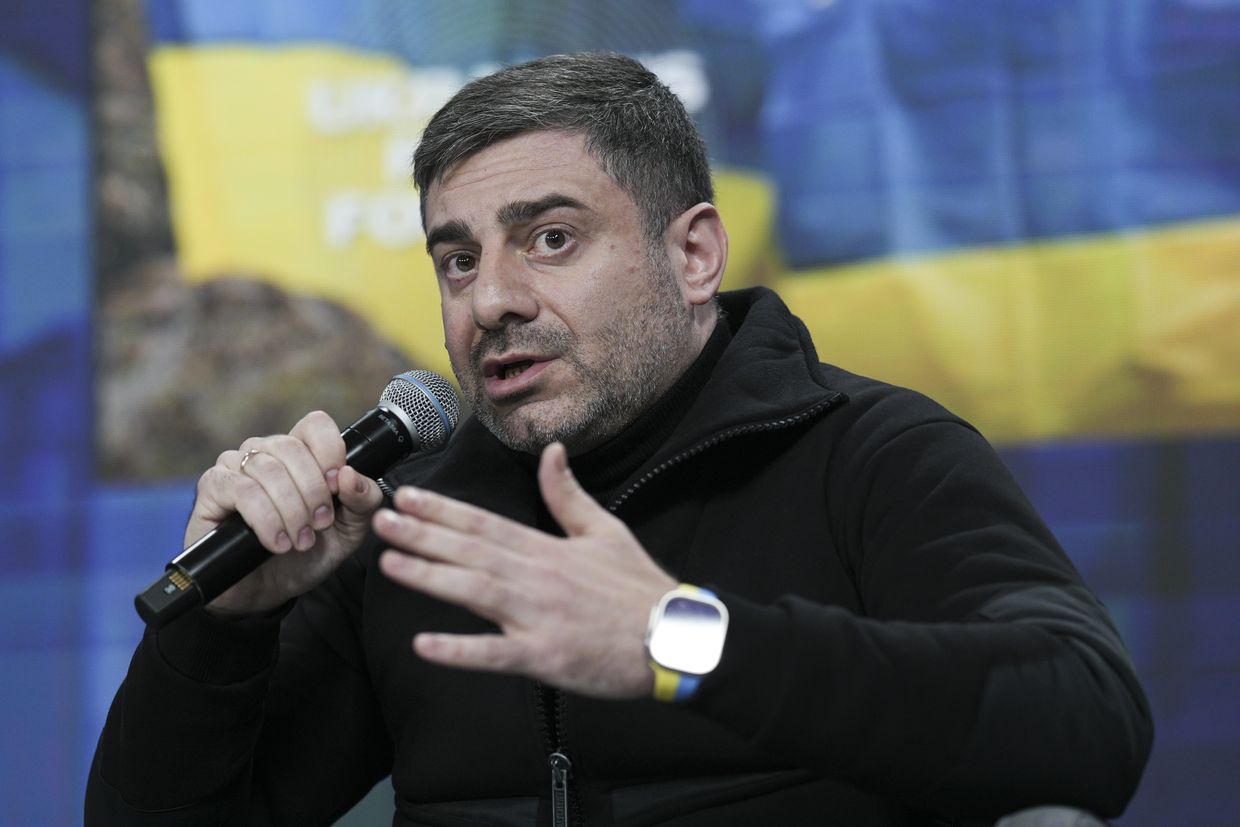
A ceasefire around Russian-occupied Oleshky in Kherson Oblast took effect at 03:00 on 27 October Kyiv time, and both sides were complying with the agreements, Ukraine’s human rights ombudsman Dmytro Lubinets said. Russia’s Defense Ministry reported that its forces had stopped firing on the Kherson axis at 04:00 Moscow time, at the same moment.

Russia has kept Oleshky cut off for months. In June, the UN Human Rights Monitoring Mission in Ukraine documented worsening shortages of food, medicine, and medical care there and in neighboring Hola Prystan. As of 8 October, Lubinets’ office still saw no practical breakthrough toward an organized evacuation, with 358 residents verified as needing help to leave. The ceasefire is the first step that has to hold before aid can go in and residents can leave, an operation Marc Beckman, the first lady’s chief adviser, expects to take five to seven days.

By 09:00 on 27 October, Russian forces were still observing the ceasefire, according to Pavlo Drohal, spokesperson for Ukraine’s 30th Marine Corps. Kyrylo Budanov, head of the Presidential Office, announced that the mission had begun and that Lubinets had gone to the site to coordinate it.

Ceasefire brought forward by two days

The White House announced on 23 October that First Lady Melania Trump had secured a localized ceasefire, set to begin on 29 October. The same evening, Russia’s chief of General Staff Valery Gerasimov announced a ceasefire on the Kherson axis from 27 October, with engineering reconnaissance and a secured route for a humanitarian convoy. Ukraine’s General Staff followed, introducing a ceasefire in a designated area from the same hour.

Beckman told Ukrinform on 26 October that Russia had moved the ceasefire two days earlier and extended it beyond Oleshky into Kherson Oblast. Lubinets said on 23 October that the mission should effectively begin on 29 October, after demining, adding that the date was not a matter of principle for either side.
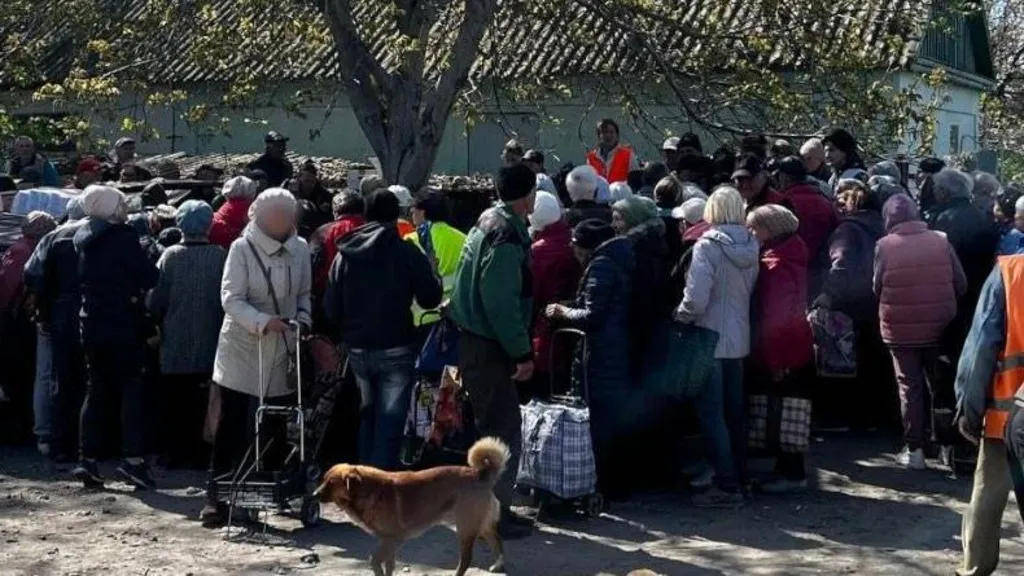
People in Oleshky wait for food supplies
People in Oleshky wait for food supplies. Photo: BBC

A day after the announcement, Lubinets and his Russian counterpart Yana Lantratova, who lead the two negotiating groups, confirmed the timing in an online meeting, he said. According to Lubinets, the agreement covers demining the road to Oleshky, delivering food, water, medicine, and hospital equipment, and safe movement for civilians.

Newsmax to document the operation

Meanwhile, Melania Trump said she had secured an “impartial American media organization” to accompany the Russian and Ukrainian teams. Beckman named it as Newsmax. He said he had worked directly with the channel’s owner, and that its journalists would record testimony as what he called neutral American observers.

Residents could leave for Ukraine or Russia, or stay, Beckman said. He added that Russia had assured Kyiv and Washington it would respect their choice of destination. Both governments asked him not to disclose what guarantees Russia gave or how violations would be handled, he said. He expects the operation to take five to seven days after 29 October, with an extension possible if both sides agree.

Diplomat doubts the truce will move peace talks

At the same time, Kostiantyn Yelisieiev, Ukraine’s ambassador to the EU in 2010–2015, told Radio NV the truce became possible only through the personal involvement of Donald and Melania Trump. The US president, he said, sees it as a way to show Americans he is bringing peace closer. He said he expects Russia to attempt provocations aimed at pushing residents toward the Russian side.

Yelisieiev said he does not share the optimism of those who think Oleshky could push the wider peace process forward. He compared it to the Black Sea grain corridor, a one-off arrangement that no longer works. He warned of a “diplomatic smokescreen”: Russia imitates negotiations while it keeps fighting, hoping Ukraine and its partners weaken over time.

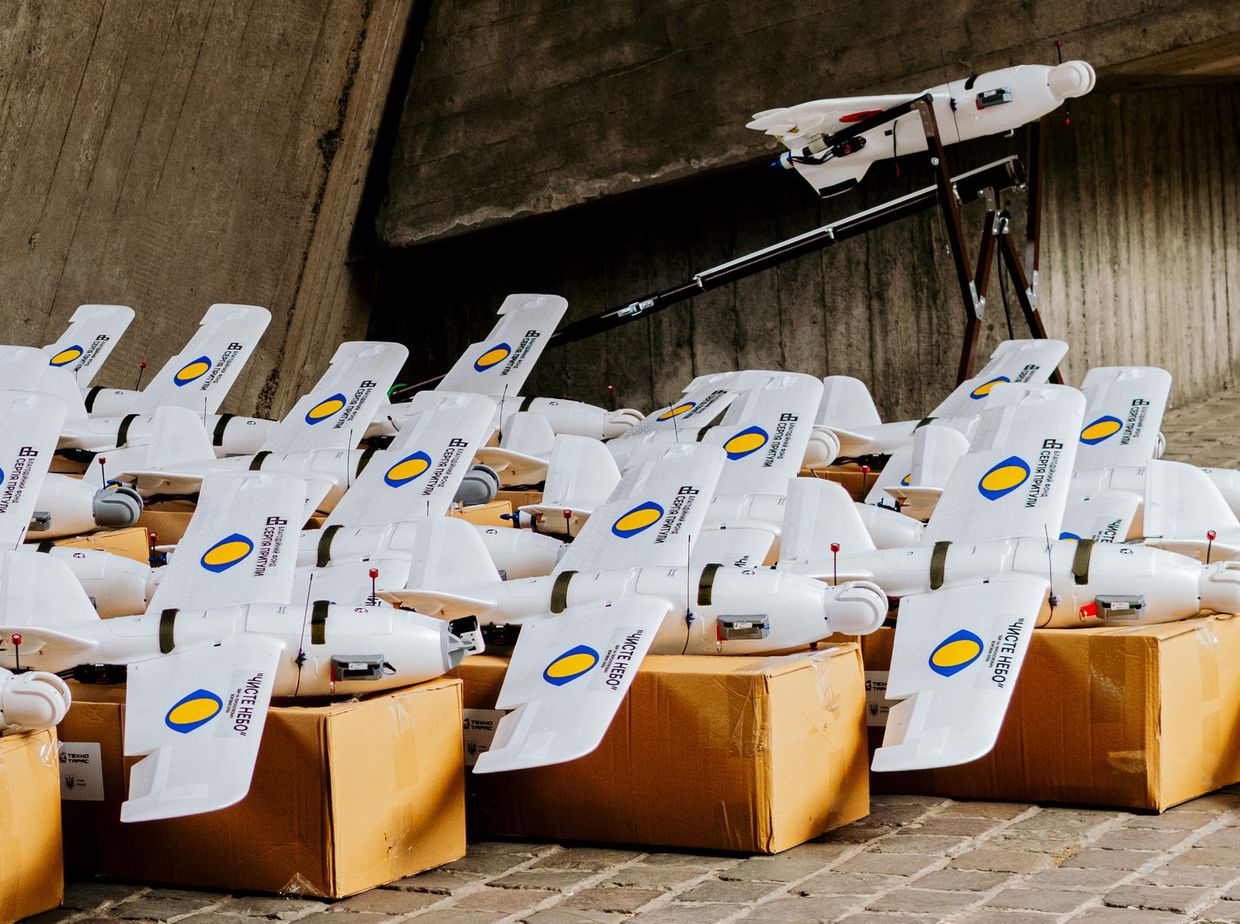
Ukrainian drone delivering aid to occupied Oleshky on the night of 4 October
Ukrainian drone delivering aid to occupied Oleshky on the night of 4 October. Screenshot from video: Ivan Vyhivskyi / Facebook

A town under blockade

Oleshky lies on the left bank of the Dnipro, about 4 km from Kherson, and has been occupied since February 2022, Radio Svoboda reported. The White House says it had about 24,000 residents before the war and estimates 1,700 to 2,000 remain, mostly elderly, including about 50 children. Russian troops have also seized food dropped by Ukrainian drones, a local official said.

  • ✇Euromaidan Press
  • Pope’s envoy becomes first foreign representative to gain access to Ukrainian POWs held by Russia since 2022
    Ukraine’s human rights ombudsman Dmytro Lubinets said a foreign representative was allowed to physically visit Ukrainian prisoners of war held by Russia for the first time since Russia’s full-scale invasion began in 2022. The visit by Cardinal Matteo Zuppi, Pope Leo XIV’s special envoy, marks a potential step toward greater access to Ukrainian captives, whom Russia has largely kept inaccessible to international humanitarian organizations. Cardinal Zuppi visits Ukrainian POWs Lubin
     

Pope’s envoy becomes first foreign representative to gain access to Ukrainian POWs held by Russia since 2022

25 octobre 2026 à 09:16

Cardinal Matteo Zuppi in 2023. Photo: Vatican Media

Ukraine’s human rights ombudsman Dmytro Lubinets said a foreign representative was allowed to physically visit Ukrainian prisoners of war held by Russia for the first time since Russia’s full-scale invasion began in 2022.

The visit by Cardinal Matteo Zuppi, Pope Leo XIV’s special envoy, marks a potential step toward greater access to Ukrainian captives, whom Russia has largely kept inaccessible to international humanitarian organizations.

Cardinal Zuppi visits Ukrainian POWs

Lubinets said he had been informed that Zuppi was allowed to meet Ukrainian servicemembers held in Russian captivity. The prisoners also confirmed that representatives of Russia’s human rights ombudsman had begun visiting them.

Lubinets said he regularly meets with Russia’s human rights commissioner, Yana Lantratova. At their latest meeting, the two discussed further steps toward returning Ukrainian citizens held by Russia.

“Every exchange is negotiations,” Lubinets said, adding that each one offers a chance to make progress on returning both prisoners of war and civilians.

During his three-day Moscow visit in September, Zuppi also met with Russian President Vladimir Putin’s foreign policy adviser Yuri Ushakov, Russia’s human rights commissioner Yana Lantratova, and children’s rights commissioner Maria Lvova-Belova, according to Vatican News. 

The discussions covered missing persons, family reunification, and the return of Ukrainian children, with Zuppi calling for faster checks to help families reunite.

Lubinets said he hoped the new access would continue and pledged to keep working toward the return of all Ukrainian citizens held in Russian places of detention.

Russia blocks access to Ukrainian captives

Russia has kept the International Committee of the Red Cross (ICRC) from accessing Ukrainian prisoners of war since 2024. The ICRC is mandated under the Geneva Conventions to visit prisoners of war and monitor their treatment.

Around 1,500 Ukrainians held by Russia have never had their status as prisoners confirmed by the ICRC and face prosecution, according to Ukraine. Without confirmation of their captivity, their families may lack official acknowledgment of their whereabouts and status.

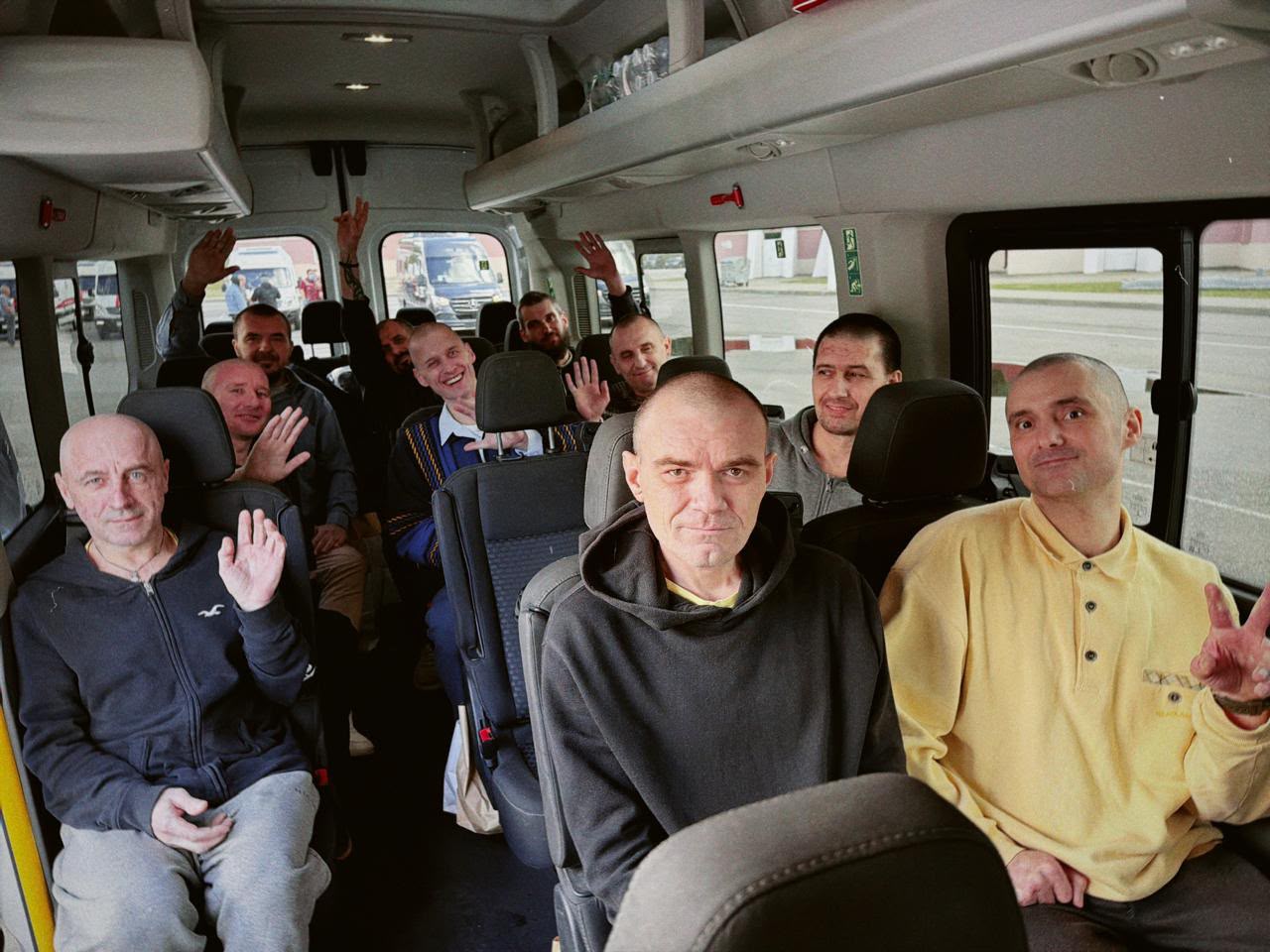
red cross has had access ukrainian pows russia since 2024 around 1500 captives face prosecution without having status confirmed—ukraine’s coordination headquarters · post returned servicemen inside minibus day release 24
Explore further

Russia has kept the Red Cross away from Ukrainian POWs since 2024. Now about 1,500 captives it never confirmed as prisoners face prosecution

On 23 October, Ukraine returned 270 people from Russian captivity, including 261 military personnel and nine civilians. The released captives included five survivors of Russia’s July 2022 attack on the Olenivka prison barracks, as well as Ukrainian defenders held since 2018.

European Parliament vice president launches hunger strike demanding a truce and evacuation for Russian-occupied Oleshky

21 octobre 2026 à 03:07

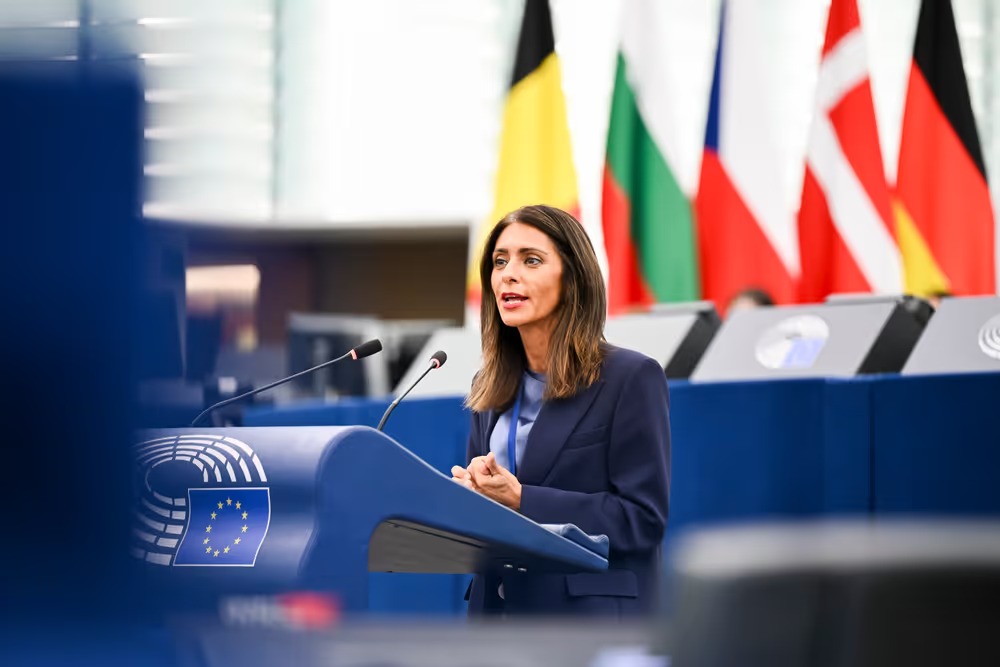
european parliament vice president launches hunger strike demanding truce evacuation russian-occupied oleshky · post pina picierno speaks during plenary debate strasbourg 6 2026 20261006_ep-211404g_vz2_pst_079-preview ukraine news ukrainian reports

European Parliament Vice President Pina Picierno has announced a hunger strike to draw international attention to the humanitarian disaster in Russian-occupied Oleshky in Ukraine’s Kherson Oblast, she wrote on X on 20 October. The Italian lawmaker called on associations, citizens, and institutions to join her and demand a humanitarian truce, food and medicine for residents, and safe evacuation for those who want to leave.

Russia has occupied the left bank of the Dnipro in Kherson Oblast since 2022. Its forces have cut Oleshky off, leaving its remaining residents short of food and medicine, Ukrainian officials and UN monitors say. Oleshky had about 24,000 residents before the full-scale invasion. About 1,700 remain, including 47 children, Danielle Bell, head of the UN Human Rights Monitoring Mission in Ukraine, said. Picierno’s protest adds to growing international pressure after Pope Leo XIV asked Russian leader Vladimir Putin for a truce to help the town.

“This battle cannot be mine alone”

In Oleshky, thousands of people are trapped in territory occupied by the Russian army, without regular access to food and medicine, Picierno wrote. Mined areas make escape extremely dangerous, she added.

“Those who stay risk dying of hunger, those who try to leave risk their lives,” she wrote. “To draw international attention to this emergency, I have announced a hunger strike. But this battle cannot be mine alone.”

She said the campaign is meant to support the efforts of Pope Leo XIV and others trying to avert a humanitarian tragedy. By the morning of 21 October, 277 people had joined the initiative, Liga reported.

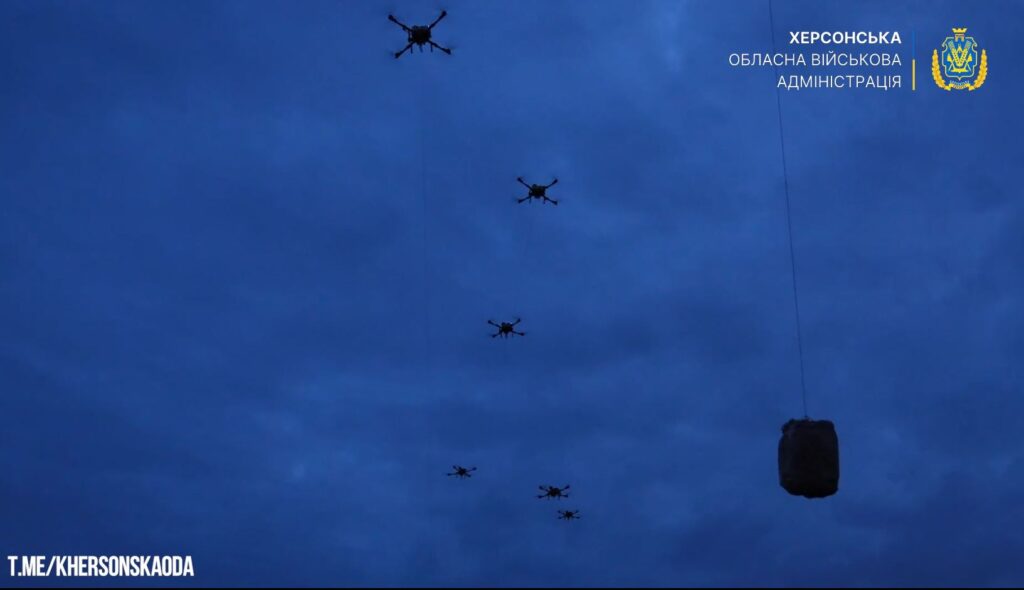
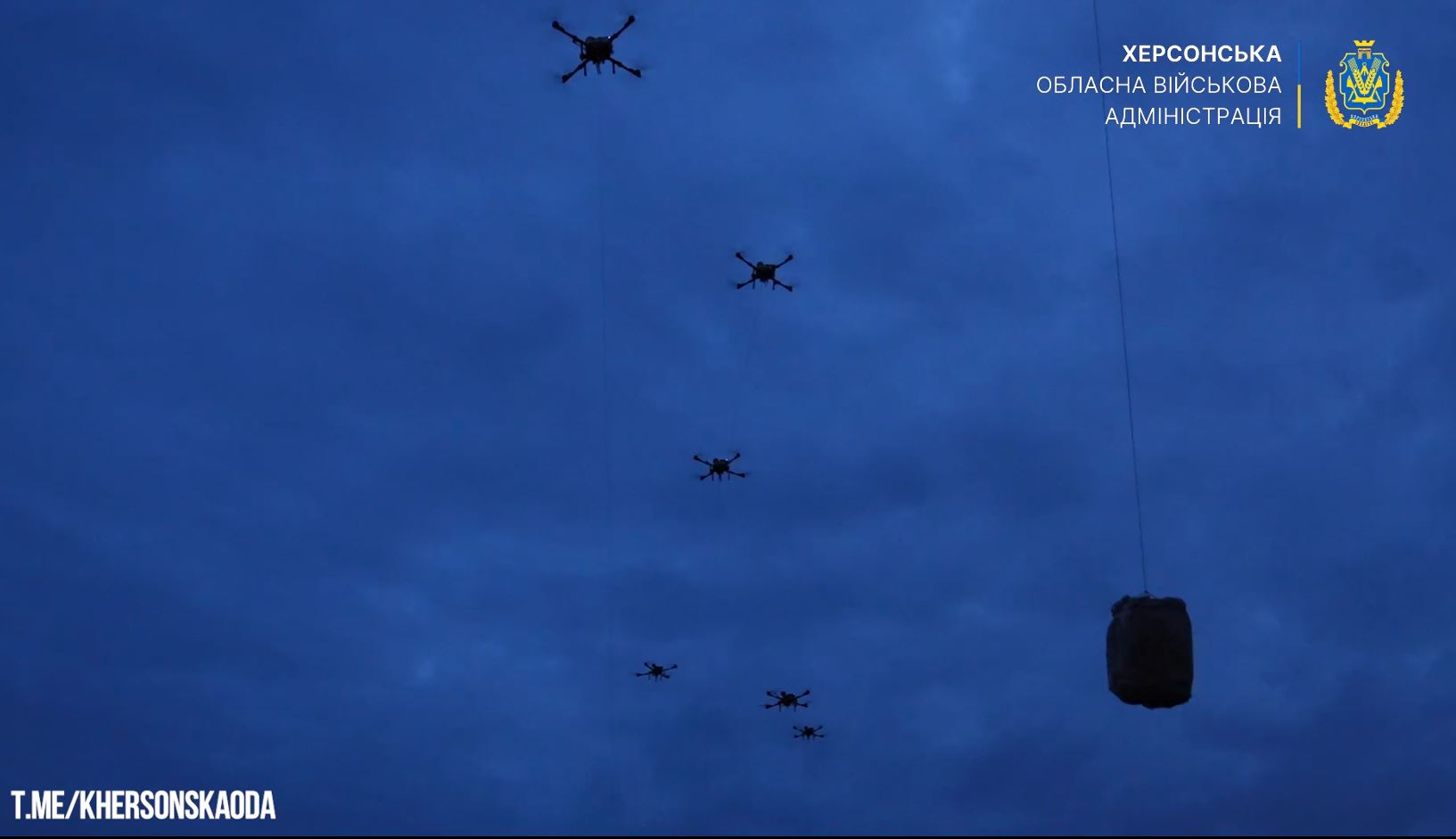
Drones carry food packages across the Dnipro to starving residents of Russian-occupied Oleshky, Kherson Oblast, September 2026.
Drones carry food packages across the Dnipro to starving residents of Russian-occupied Oleshky, Kherson Oblast, September 2026. Screenshot: Kherson Oblast Military Administration via Telegram

Picierno, who left Italy’s Democratic Party in June and joined the Renew Europe group, has backed military aid to Ukraine, tougher sanctions on Russia, and Ukraine’s bid to join the EU, according to Liga.

A town Kyiv calls a “death trap”

On 16 October, Pope Leo XIV expressed deep concern to Putin about the situation in Oleshky. He asked for a truce so that food and medical aid could be delivered and civilians could leave voluntarily and safely.

Oleshky, Kherson Oblast, has been under Russian occupation since 2022, following Russia’s capture of the city during the initial phase of its full-scale invasion of Ukraine.
Oleshky, Kherson Oblast, has been under Russian occupation since 2022, following Russia’s capture of the city during the initial phase of its full-scale invasion of Ukraine. Photo: Dmytro Lubinets

A day later, Ukraine’s Foreign Minister Andrii Sybiha urged the UN and the International Committee of the Red Cross to help evacuate residents.

“Russians are trying to turn the Ukrainian town of Oleshky into a death trap,” Sybiha wrote. “Dozens of bodies lie in the streets or in homes, as Russians forbid residents from burying them.”

Ukraine has flown tons of food into the town by drone. Russian troops seize some of the parcels and accuse the people who receive them of cooperating with Ukraine, local officials say. A resident said eggs there cost nearly 20 times the US price.

Drones carry food packages across the Dnipro to starving residents of Russian-occupied Oleshky, Kherson Oblast, September 2026.
Explore further

Russia holds 2,000 people hostage in Oleshky without food or water—Ukraine flew 4,000 kg of food to locals across the Dnipro

Evacuation talks “moved forward”

Talks with Russia on a ceasefire and evacuation are at the stage of “agreeing the final details,” Ukraine’s human rights ombudsman Dmytro Lubinets said on 18 October. He estimated that about 6,000 civilians, including up to 200 children, remain in Oleshky and six nearby settlements. He gave no timeline.

On 20 October, President of Ukraine Volodymyr Zelenskyy said Ukraine was doing everything it could to help people in Oleshky, calling the situation there “simply terrible.”

41 Ukrainians made the long journey from occupation to Ukrainian-controlled territory after enduring Russian pressure, detention and control

2 octobre 2026 à 14:31

Ukrainians who were brought from Russian-occupied territories to Ukrainian-controlled territory, August-September 2026. Photo: Dmytro Lubinets

Ukraine helped 41 citizens escape from Russian-occupied territories into Ukrainian-controlled territory in August and September, including four children and five teenagers, Ukrainian Ombudsman Dmytro Lubinets said.

For many, the crossing marked the end of months or years under Russian occupation and the beginning of their return to life in government-controlled Ukraine.

They returned to Ukraine via Belarus through the Mokrany-Domanove crossing in Ukraine's Volyn Oblast.

From occupation to safety

Lubinets described several cases among those who returned.

One family was able to leave after the father was released from Russian captivity. Their older son remains in captivity, while the woman and her younger son had been under the control of occupation authorities and, according to their account, were previously taken to a detention facility under the pretext of providing medical care and subjected to forced treatment.

A young medical worker was evacuated shortly before she could have been mobilized into Russia’s armed formations, according to Lubinets.

Another returned man had been detained several times in occupied territory and held in basements. His Ukrainian passport had also been confiscated.

Help continues after the crossing

For those returning, reaching Ukrainian-controlled territory is only the first step. The Ombudsman’s Office and partner organizations provide assistance with restoring documents, financial support, temporary accommodation, psychological and social services, and onward travel.

The office said that, in August and September, its joint project with Caritas Ukraine provided assistance to 1,140 people, including people evacuated from occupied territory.

Ukraine’s efforts to facilitate returns are taking place against a broader problem of displacement from occupied territory. A 2026 UN report documented forcible transfers and deportations from areas occupied by Russia, as well as barriers that make it difficult for displaced Ukrainians to return.

The Mokrany-Domanove crossing is one of the routes through which Ukrainians can return to government-controlled territory, making it a key part of Ukraine’s effort to bring civilians home from occupation.

Others are still waiting to leave

Lubinets said his office continues receiving requests from people seeking to leave occupied territory and works with Ukrainian, international and third-country partners to find routes out.

Lubinets noted that the situation remains particularly difficult in Oleshky and surrounding settlements in Kherson Oblast, where Ukrainian authorities say elderly people, people with disabilities, sick residents and families remain without reliable access to food, water, medicine, healthcare and communications. Recent reporting has put the number of civilians still in Oleshky at around 2,000, including about 50 children.

Oleshky, Kherson Oblast, has been under Russian occupation since 2022, following Russia’s capture of the city during the initial phase of its full-scale invasion of Ukraine. Photo: Dmyto Lubinets
Explore further

Thousands are starving in occupied Oleshky. People have no food, no way out, and Russian forces bomb incoming aid

  • ✇The Kyiv Independent
  • 'Tied to a motorcycle and dragged' — Russia likely executed another Ukrainian POW, ombudsman says
    Russian forces likely executed another Ukrainian prisoner of war (POW), Ombudsman Dmytro Lubinets said on July 1, referring to a recent video that appears to show the captive tied to a motorcycle and dragged along a road.The alleged execution adds to growing evidence that Russian forces are systematically violating the Geneva Conventions by killing Ukrainian captives."A video is circulating on social media showing a man being tied to a motorcycle and dragged along the road," Lubinets said in a s
     

'Tied to a motorcycle and dragged' — Russia likely executed another Ukrainian POW, ombudsman says

2 juillet 2025 à 02:06
'Tied to a motorcycle and dragged' — Russia likely executed another Ukrainian POW, ombudsman says

Russian forces likely executed another Ukrainian prisoner of war (POW), Ombudsman Dmytro Lubinets said on July 1, referring to a recent video that appears to show the captive tied to a motorcycle and dragged along a road.

The alleged execution adds to growing evidence that Russian forces are systematically violating the Geneva Conventions by killing Ukrainian captives.

"A video is circulating on social media showing a man being tied to a motorcycle and dragged along the road," Lubinets said in a statement.

"It is a clear act of demonstrative cruelty and yet another war crime by the Russian Federation."

Lubinets said he has sent official letters regarding the suspected war crime to the United Nations and the International Committee of the Red Cross (ICRC).

"Russia is acting as a terrorist state. And it must be held fairly accountable for every crime," he added.

Ukraine's military intelligence agency (HUR) alone reported in May that it had documented more than 150 cases of Ukrainian soldiers being executed after surrendering to Russian forces. Officials noted that these were only the confirmed incidents, and the real number is likely higher.

HUR and other agencies say such executions are not isolated but part of a broader, deliberate policy directed by Russia's military leadership. Multiple intelligence reports suggest that Russian soldiers have received explicit orders to kill prisoners of war.

The United Nations Independent International Commission of Inquiry on Ukraine confirmed in March growing numbers of incidents in which Russian forces killed or maimed surrendering Ukrainian troops.

The commission cited testimony from Russian deserters who said they were instructed not to take prisoners but to shoot them on sight.

Earlier this year, the U.N. Human Rights Monitoring Mission in Ukraine reported a sharp increase in POW executions, documenting 79 killings across 24 incidents since August 2024. In many cases, the victims were unarmed or wounded, and some were killed in groups.

Ukraine’s new interceptor UAVs are starting to knock Russia’s long-range Shahed drones out of the sky
Russia’s Shahed drone swarms are pummeling Ukraine on a nightly basis, inflicting ever more death and destruction in cities that had managed to carve out some sense of normalcy amid wartime. Civilian alarm has grown. With traditional air defense stockpiles running low, the government is banking on newly created
'Tied to a motorcycle and dragged' — Russia likely executed another Ukrainian POW, ombudsman saysThe Kyiv IndependentKollen Post
'Tied to a motorcycle and dragged' — Russia likely executed another Ukrainian POW, ombudsman says

UN analysis finds Russia responsible for 2022 Olenivka prison explosion killing Ukrainian POWs, ombudsman says

30 juin 2025 à 23:24
UN analysis finds Russia responsible for 2022 Olenivka prison explosion killing Ukrainian POWs, ombudsman says

An internal U.N. analysis has found Russia responsible for a 2022 explosion at Olenivka prison, which killed over 50 Ukrainian prisoners of war (POWs), Ombudsman Dmytro Lubinets said on June 30.

"(A)n internal analysis of the U.N. showed that it was the Russian Federation that planned and carried out the attack," he said in a post to social media.

Lubinets referred to a report by the Center for Human Rights in Armed Conflict, whose website features only the investigation into the Olenivka explosion.

The investigation, published on June 26, reads that an "internal U.N. analysis concluded that it was the Russian Federation who planned and executed the attack," though the U.N. did not publicly acknowledge Russia's responsibility.

Russia has denied being responsible for the attack but prevented efforts by the international community to independently investigate the attack and contaminated evidence at the site, according to a report published by the U.N.

Kyiv has said that days before the July 2022 attack, Russia deliberately put Ukrainian members of the Azov Regiment, who were awaiting a prisoner exchange, in a separate part of the Olenivka prison building that was later destroyed in the explosion.

"The report identifies the weapons and ammunition that the Russian Armed Forces used to kill Ukrainian prisoners of war, and also examines in detail the planning, organization, and execution of the murder," Lubinets said.

The ombudsman noted that the U.N. fact-finding mission on Olenivka was disbanded due to a lack of security guarantees, adding that the mission has previously refused to review evidence provided by Ukraine.

Russia has repeatedly violated international conventions protecting the rights of POWs as it continues to carry out its war against Ukraine.

A Russian military court has convicted 184 Ukrainian POWs captured in Kursk Oblast of acts of terrorism, Mediazona reported on June 25.

The POWs captured in Kursk were charged with carrying out a grave terrorist act by a group of individuals, as outlined by the Russian Criminal Code.

Junior Lieutenant Yevhen Hoch was convicted of allegedly carrying out an act of terrorism by taking part in Ukraine's Kursk Oblast incursion.

Smashing previous monthly record, Russia launches 5,337 kamikaze drones against Ukraine during June
Russia launched a record 5,337 Shahed-type drones against Ukraine in June, according to data from the Ukrainian Air Force and Dragon Capital, smashing the previous record of 4,198 set in March. Russia’s bombardments, a fact of life after three years of full-scale war, have intensified dramatically in May
UN analysis finds Russia responsible for 2022 Olenivka prison explosion killing Ukrainian POWs, ombudsman saysThe Kyiv IndependentYuliia Taradiuk
UN analysis finds Russia responsible for 2022 Olenivka prison explosion killing Ukrainian POWs, ombudsman says
❌