Connexion
A 4-watt video link passed Ukraine’s state tests, its maker says, and could stretch STING interceptors’ radius from 20 km to 30 km

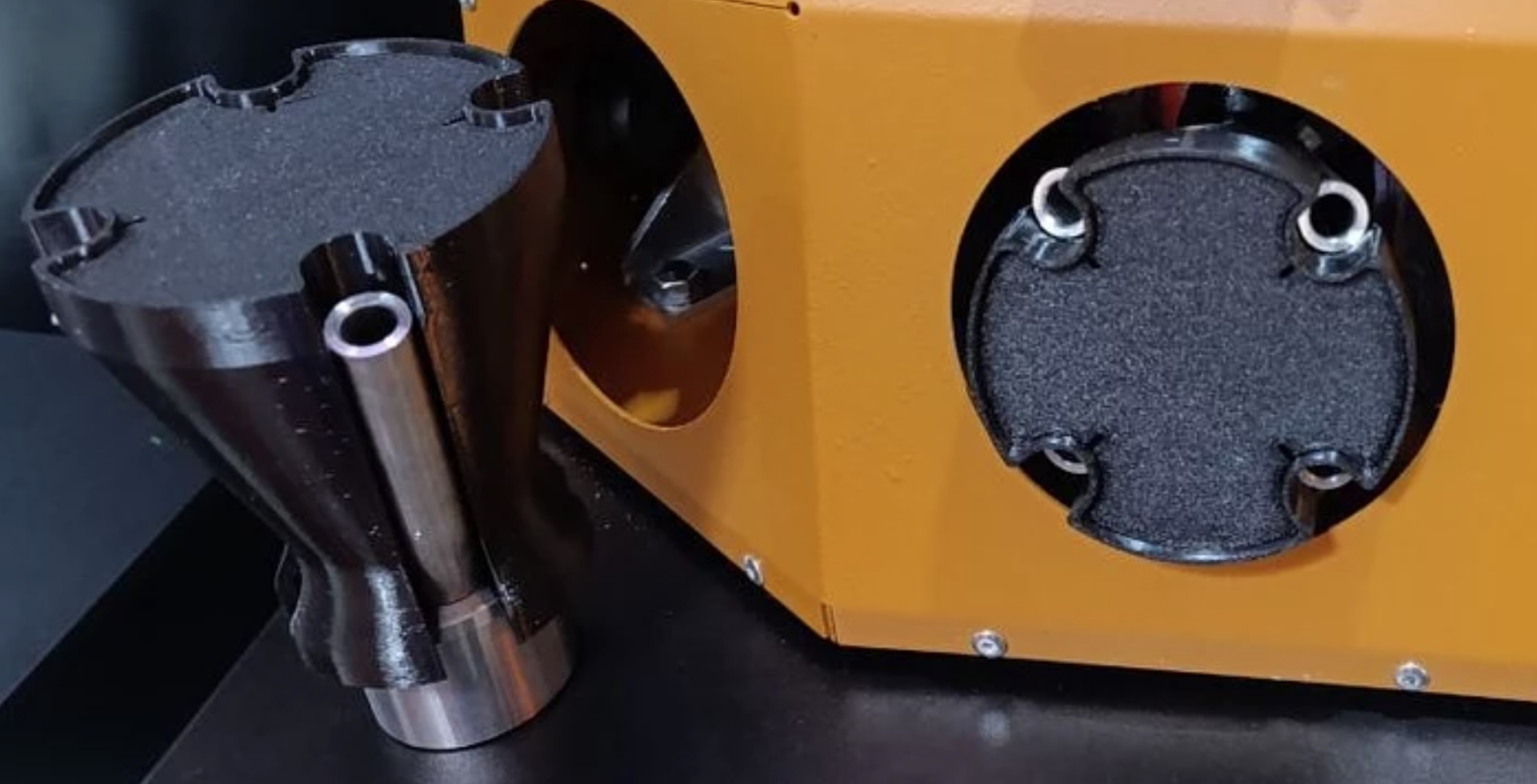
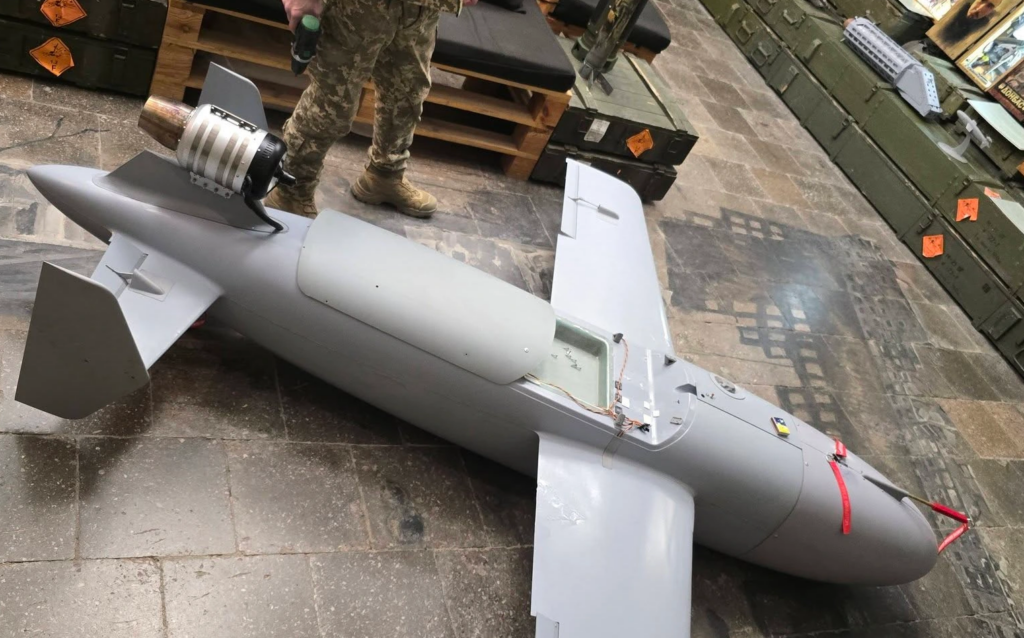
A new video transmitter for Wild Hornets’ drones, including its STING interceptors, has passed state tests, the Ukrainian drone maker told Militarnyi. The module sends a drone’s camera feed to its pilot. The company expects it to widen its interceptors’ operating radius.
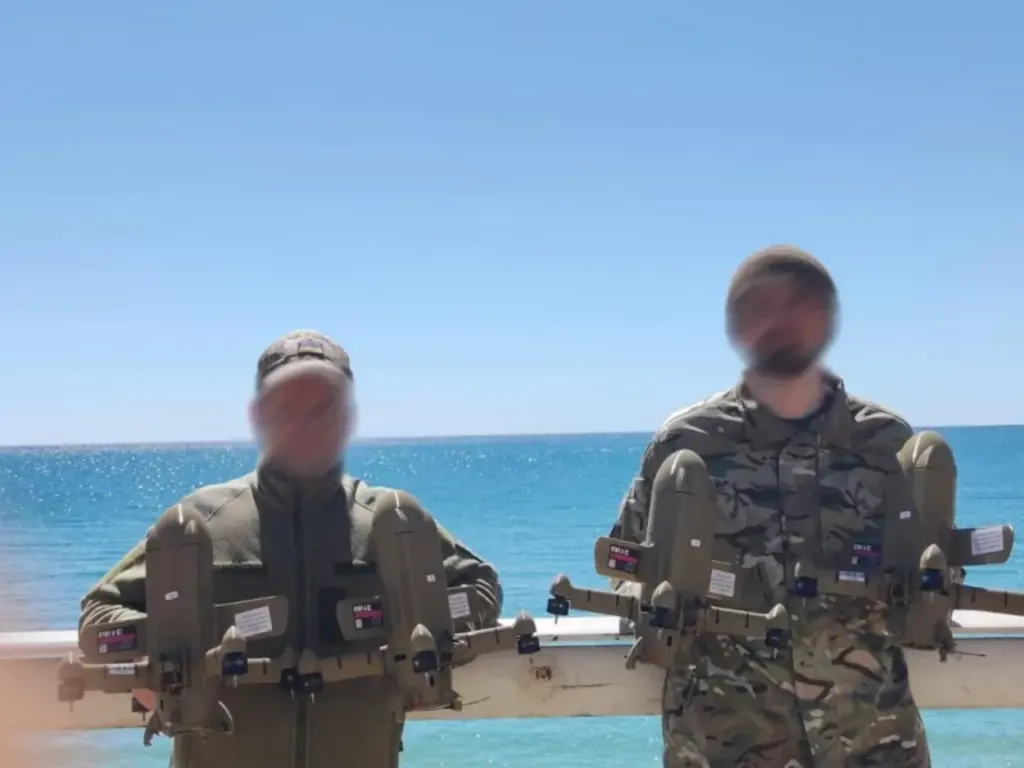
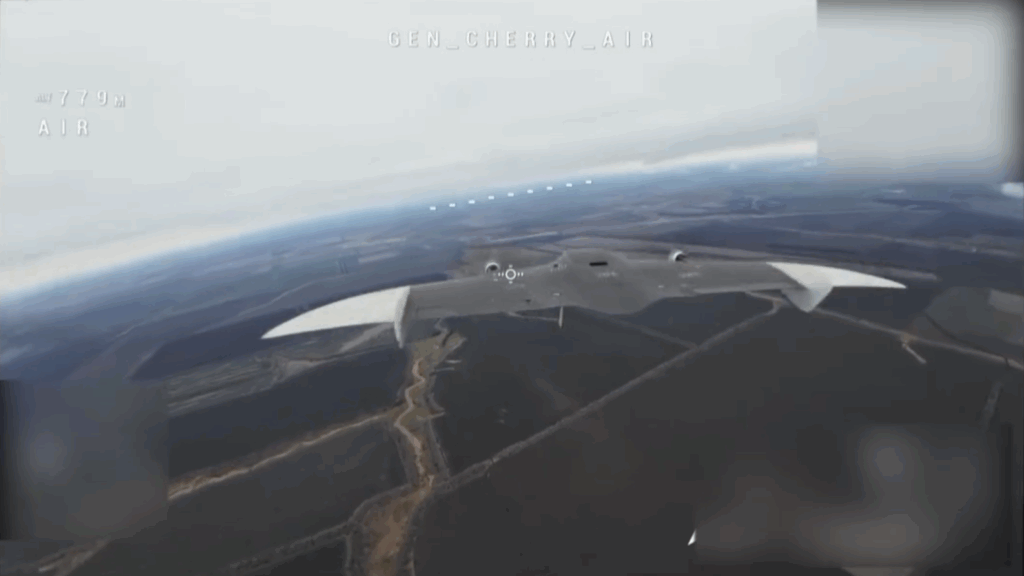
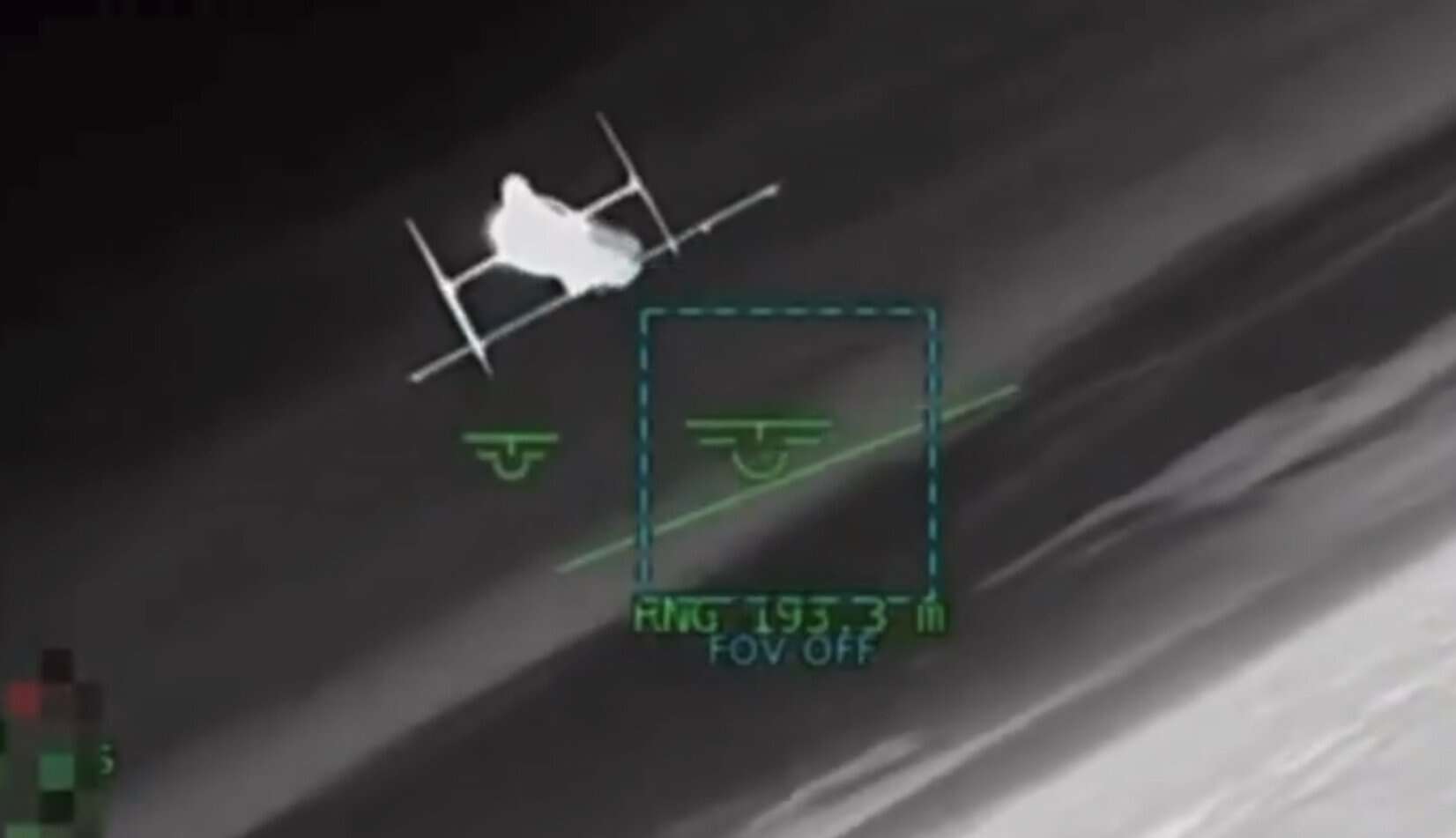
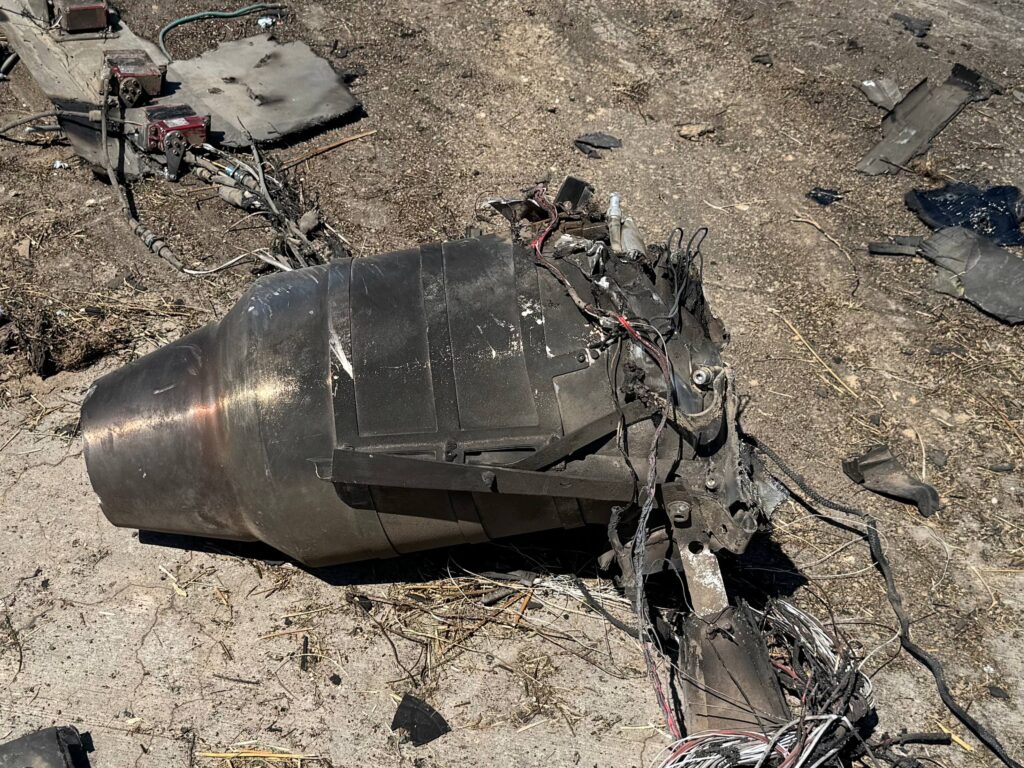
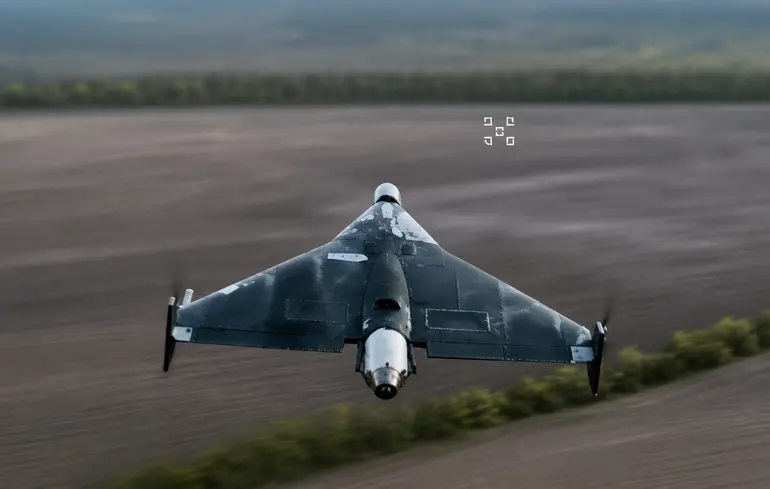
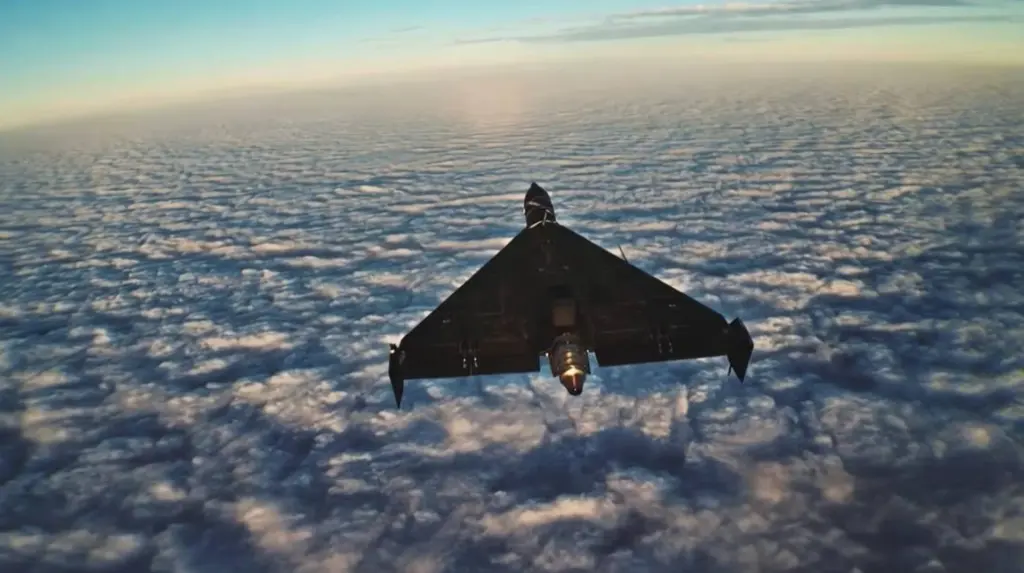
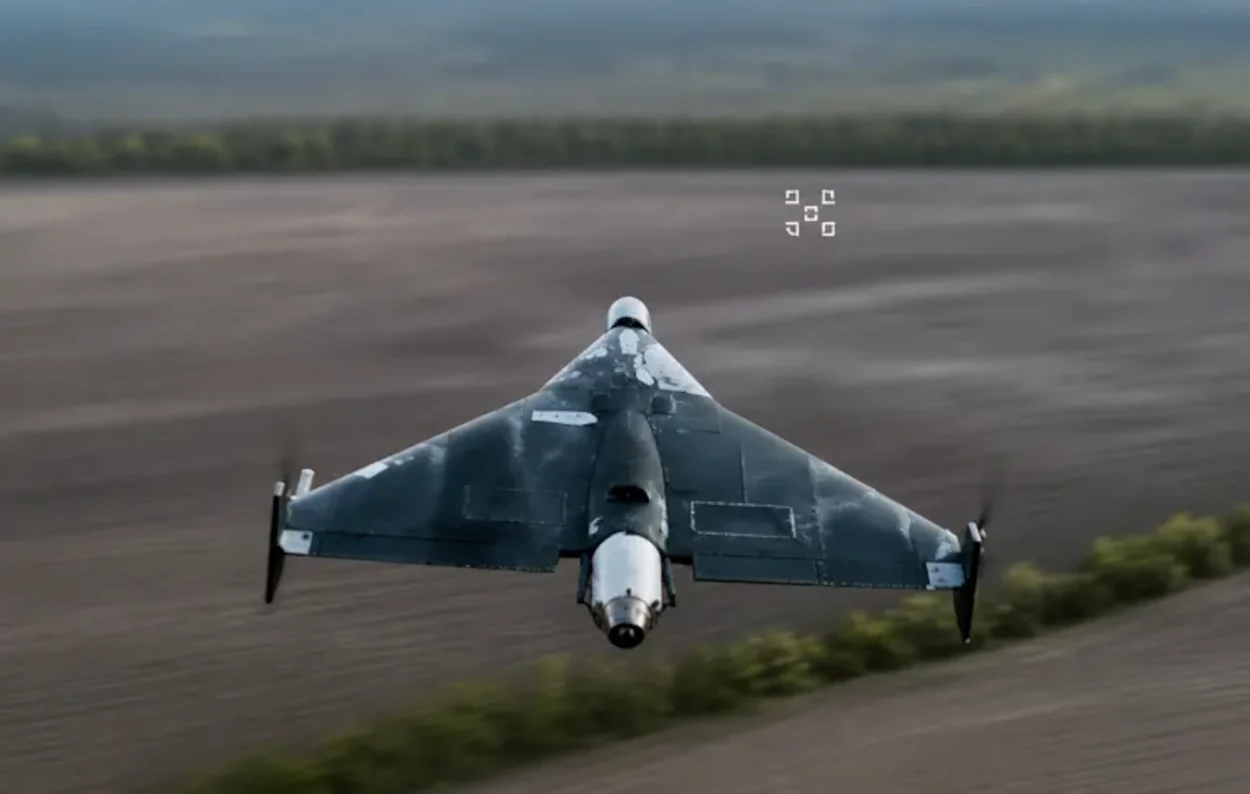
Russia launched 140 Shahed-type drones at Ukraine overnight on 26 October and 280 the next night, when its main target was Kyiv, Air Force figures as of the morning show. Interceptor drones, which cost dozens of times less than the Shaheds they hunt, are one of Ukraine’s answers. The STING alone downed more than 3,000 drones in its first seven months of use, Wild Hornets says. If the company’s estimate holds, a 30 km radius would let each ground station cover more than twice the area it covers at 20 km.
What the testers checked
Specialists from the State Research Institute for Testing and Certification of Arms and Military Equipment and the Defense Ministry’s State Quality Assurance Directorate confirmed the module’s declared characteristics on three drone types, the company said. The three were the STING interceptor, the Queen of Hornets cargo platform, and the 10-inch Wild Hornets Digital anti-aircraft drone.
Some of the drones’ figures exceeded the values the company had set for them, Wild Hornets told Ukrainian defense outlet Oboronka, without saying which ones. Those figures will enter the official specifications after further field tests, it said.
More than double the power
The module, called HV VTX Pro, is part of an upgrade to Wild Hornets’ Hornet Vision digital video system. It more than doubles the transmitter’s maximum power, to 4 W. That sends a clear picture farther and makes the feed steadier in crowded airwaves and under electronic jamming, the company said.

Wild Hornets first described the module in August, when it was already in serial production. Its interceptors’ operating radius would grow from around 20 km to 30 km, the company said at the time. That estimate assumed good line of sight and the 360-degree antenna on its ground stations, according to a company statement Interfax-Ukraine quoted. Interception could also become at least 20% more effective against targets flying extremely low, the statement said.
Wild Hornets is a Ukrainian company that designs and builds drones, from strike FPV drones and cargo platforms to the STING, which the company says flies at up to 280 km/h to hunt Shaheds. Its drones serve with more than 100 units of Ukraine’s Defense Forces, from the army and the National Guard to military intelligence, the Air Force, and the border guard, according to Interfax-Ukraine.
Read also
-
Ukrainian intelligence says Russia’s missile makers use gear from seven countries—and the Chinese machines run on European, Japanese, and Taiwanese parts
-
Ukraine’s last two EU negotiation blocks stay shut as Hungary’s new government keeps Orbán’s veto
-
He drove a taxi in Jakarta and once worked in the US. Russia trained him as a machine gunner for a week and a half, then sent him into his first and last battle




 (@bayraktar_1love)