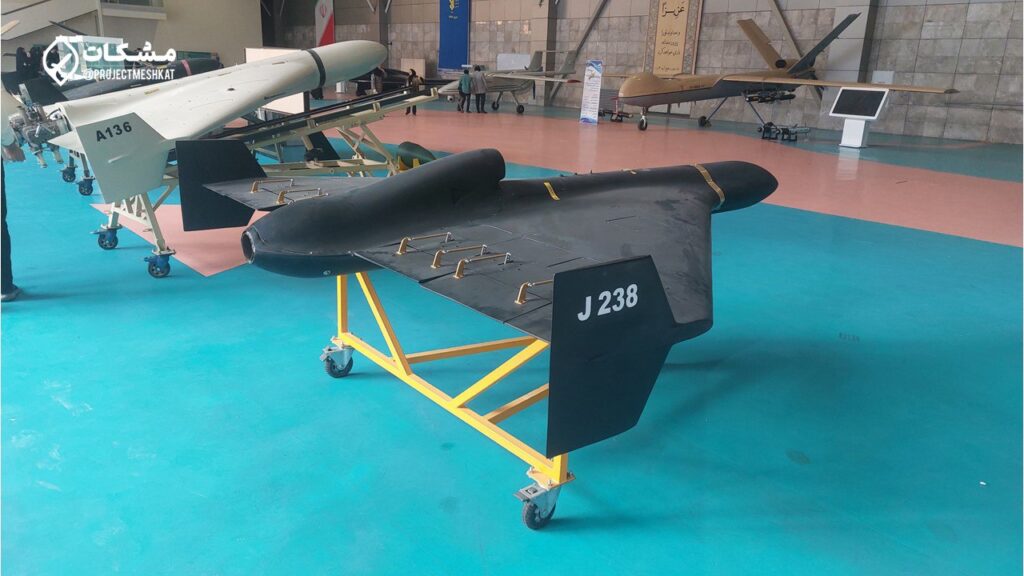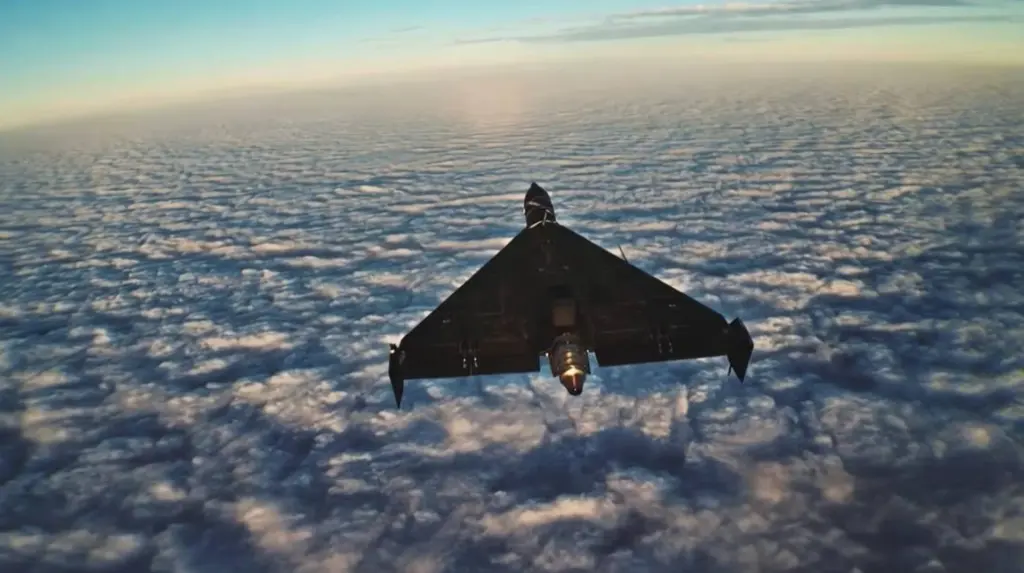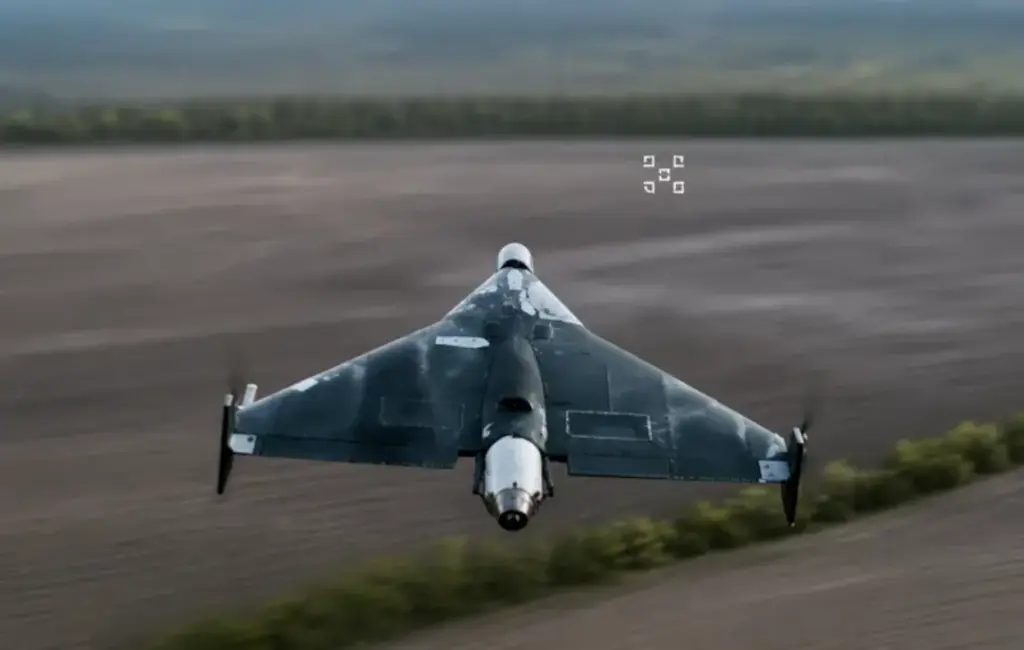
China is helping Russia build a faster Shahed. Russia has begun using upgraded Shahed drones with Chinese-made turbojet engines that fly at speeds close to three times those of earlier versions, the Wall Street Journal reported.
The Shahed jet is designed to beat Ukraine's air defenses. Ukrainian interceptors have downed about 90 percent of the older piston-engine drones, which cruise at roughly 180 kilometers per hour, so Russia switched to the jet-powered Geran-4, whi
China is helping Russia build a faster Shahed. Russia has begun using upgraded Shahed drones with Chinese-made turbojet engines that fly at speeds close to three times those of earlier versions, the Wall Street Journal reported.
The Shahed jet is designed to beat Ukraine's air defenses. Ukrainian interceptors have downed about 90 percent of the older piston-engine drones, which cruise at roughly 180 kilometers per hour, so Russia switched to the jet-powered Geran-4, which cruises at around 500 kilometers per hour.
The engines come from one Shenzhen firm
The turbojets come from Telefly Telecommunications Equipment, founded in Shenzhen in 2010. The company chiefly makes computer hardware and communications equipment, but also sells its own line of micro-turbojets for drones.
China has long been the main clearinghouse for Shahed parts, including engine components, servomotors, and gyroscopes, the newspaper reported.
The company scrubbed its own website
After Ukraine publicized the discovery of Telefly engines in Russian drones, the turbojet section disappeared from the English-language pages of the company's website. The pages in Chinese and other languages still carry them.
China's foreign ministry, which did not respond either, has previously said it strictly regulates exports of dual-use components and rejects unilateral US sanctions on such trade.
Western parts fade as Chinese parts arrive
Downed Shaheds once carried microcontrollers from Texas Instruments in the US and linear regulators from STMicroelectronics, which the newspaper lists as being based in Switzerland. Over time, the Western components are disappearing even as the drones gain better navigation and attack systems, because US Treasury investigations found nearly all the Western parts were being diverted through Chinese intermediaries, often shell companies in Hong Kong.
Ukrainian government researcher Colonel Oleksandr Zaruba said in June that Shaheds now hold more antennas, modems, and SIM cards to correct their flight paths through local mobile networks, and that the components increasingly come from China.
To match Ukraine's drone strikes on Russian logistics, the Russians need a lot more drones
The "Seeker" attack Gerbera could be just the thing
The Seeker modification adds AI-assisted terminal guidance to the inexpensive explosive drone
Russia's cheap Gerbera drones are getting a little more expensive—and a lot more capable. And that's bad news for Ukrainian forces as both sides in Russia's 53-month wider war on Ukraine escalate their attacks on the enemy's lo
To match Ukraine's drone strikes on Russian logistics, the Russians need a lot more drones
The "Seeker" attack Gerbera could be just the thing
The Seeker modification adds AI-assisted terminal guidance to the inexpensive explosive drone
Russia's cheap Gerbera drones are getting a little more expensive—and a lot more capable. And that's bad news for Ukrainian forces as both sides in Russia's 53-month wider war on Ukraine escalate their attacks on the enemy's logistics.
The upgrade is AI-assisted targeting, and it gives the $10,000 Gerbera the same machine vision Russia put on its far pricier Geran strike drones. In the same way Ukrainian drone units are relentlessly bombarding Russian supply lines with their AI-assisted "middle strike" drones, Russian drone units can now bombard Ukrainian supply lines, potentially weakening Ukrainian units before Russian units even make contact with them.
In recent days, the first Gerberas have appeared with AI-assisted targeting. It's the same "Seeker" modification the Russians recently added to their long-range Geran attack drones—Russia's licensed copy of the Iranian Shahed-136: forward-looking cameras feeding a Raspberry Pi microcomputer that runs machine vision software.
On the Gerans, the operator picks out a target—a truck, a locomotive—from around a kilometer away and locks the drone onto it. From there the machine vision flies the rest of the run, holding the lock through the Ukrainian jamming that would otherwise break the operator's radio link in the final seconds. Russia has standardized the guidance, communications and navigation components across the Gerbera Seeker and the Geran Seeker, the Hudson Institute reported on 29 July, so the 18-kg Gerbera should finish its attacks the same way. The Gerbera Seeker also picks up an inertial navigation unit and a jam-resistant Kometa-M satellite antenna carried over from the Geran-2.
The Russian “Seeker” system has reportedly been extended from Gerans to “Gerbera” UAVs. The cameras, mesh communication for an operator, and autonomous terminal guidance are the same as those recently used with Geran “Seeker” strike UAVs. 1/ https://t.co/Rovkg4q2vlpic.twitter.com/5MPHTyCJcu
Greater autonomy via the Seeker mod helps the propeller-driven, plywood-and-foam Gerberas strike more widely within their range of up to 600 km—less when they're carrying a warhead. As it happens, 600 km is just enough to hold at risk all the main supply lines for Ukraine's front-line brigades and regiments. Russian crews have already been hunting Ukrainian trains with cruder versions of the same idea.
Ukraine's Defense Intelligence says Russian robotic-warfare formations have been tasked with striking fuel stations and civilian vehicles—trucks, buses and passenger cars—in front-line and border areas, with the Gerbera Seeker among the systems earmarked for the job, according to the same Hudson assessment.
Gerberas in their hangars. Via Russian social media
Decoys, scouts and relays
The Gerbera wasn't always an AI attack drone. The Chinese-designed, Russian-manufactured drone—Ukraine's Defense Intelligence names the developer as the Chinese model-aircraft maker Skywalker Technology Co., Ltd., which ships kits and Chinese components to the Alabuga plant for assembly—started out as a decoy for bigger, pricier drones. Where a Geran might cost between $50,000 and $100,000 depending on the exact model and its features, a Gerbera is priced to move at just $10,000 or so.
Before launching Gerans, the Russians would send in Gerberas in order to distract Ukrainian air defenses and force them to expend their limited supply of ammunition. Gerberas can function as simple reconnaissance systems, relaying video back to their operators. It's likely the Gerans also serve as relays in mesh radio networks, passing radio signals back and forth on behalf of a wider wave of drones.
Transforming a basic Gerbera into a Seeker Gerbera adds cost and weight. At tens of dollars per unit, a Raspberry Pi isn't exactly expensive. It's unclear how much the warhead and software cost, however. In any event, a Seeker Gerbera is still much cheaper than a Seeker Geran is. Adding Seeker Gerberas could allow the Russians to focus their Seeker Gerans at the toughest and most distant targets: ships and port infrastructure, for example.
Low cost is a prerequisite for saturation middle strikes across the logistical zone. The targets—trucks, trains, warehouses and depots—are numerous, after all. Ukrainian drone units launch hundreds of middle strike drones every day, many of them with AI targeting. The defense ministry in Kyiv hopes to expand the strikes by procuring 100,000 middle strike drones for 2027.
The Seeker Gerbera could help Russia begin to catch up.
Explore further
For first time, Russia merged two separate drone types onto one Mesh network. Ukraine already has answer
If the Russians do indeed scale up Seeker Gerbera raids, the Ukrainians may have to counter the drones the same way the Russians counter Ukraine's own middle strike drones. The Russians spread their supply vehicles along more secondary roads and also attach air defense gun teams to more convoys. The same tactics could blunt Seeker Gerbera attacks.