Vue normale

  • ✇Euromaidan Press
  • One pilot, five bombers: Ukraine’s Lasar’s Group ties whole raid to single operator to save manpower
    Ukraine's army doesn't have as extensive human resources as Russia, so it is teaching its machines to do more of the work on their own. Ukrainian developers are building autonomy into aerial and ground drones so the systems take over tasks the operator once did, the defense outlet Oboronka reported. Across reconnaissance, bombing, interception, and ground robots, Ukrainian firms are automating the steps that once tied up a pilot, allowing a single operator to run multip
     

One pilot, five bombers: Ukraine’s Lasar’s Group ties whole raid to single operator to save manpower

22 août 2026 à 16:51

The Droid TW 12.7. Credti: Devdroid

Ukraine's army doesn't have as extensive human resources as Russia, so it is teaching its machines to do more of the work on their own. Ukrainian developers are building autonomy into aerial and ground drones so the systems take over tasks the operator once did, the defense outlet Oboronka reported.

Across reconnaissance, bombing, interception, and ground robots, Ukrainian firms are automating the steps that once tied up a pilot, allowing a single operator to run multiple drones at once.

Automating reconnaissance and mission planning

The heaviest early demand for autonomy is in reconnaissance. Farsight Vision's FSV Platform builds real-time 3D terrain maps from drone imagery for planning assaults and strikes, and models where enemy electronic warfare and radio dead zones lie, so FPV pilots can avoid losing their link.

Meanwhile, Sine Engineering offers "autonomy modules" that let a drone navigate on its own. A Mavic flies to an observation point, works for 30 to 40 minutes, and returns, with the pilot only turning the camera, so one operator can run several drones.

"70 to 80% of the need for autonomy right now is reconnaissance," Sine Engineering CEO Andrii Chulyk said.

Autonomy for bombers and FPVs

Heavy bomber drones waste most of a pilot's time in transit. A bomber's target can sit 35 to 60 kilometers from launch, over 25 minutes each way, and a mass raid needs a pilot per drone, so Lasar's Group uses route-planning software to tie up to five bombers to one pilot, who connects for a few minutes to line up each strike.

A single pilot can carry out bombing runs one after another with a group of bombers, preserving personnel for other missions.

Autonomous FPVs are pricier but far more capable: Chulyk estimated an AI drone that finds and destroys a target in a swarm would cost $2,000 to $3,000, against about $700 for a pilot-flown night FPV with auto-capture.

Sine Engineering argues one automated FPV can replace up to ten simpler drones in hard missions, while The Fourth Law's Maksym Savanevskyi favors adding auto-capture to cheap existing drones, which he says makes a radio-controlled drone two to four times more effective.

"Fire and forget" for interceptors and robots

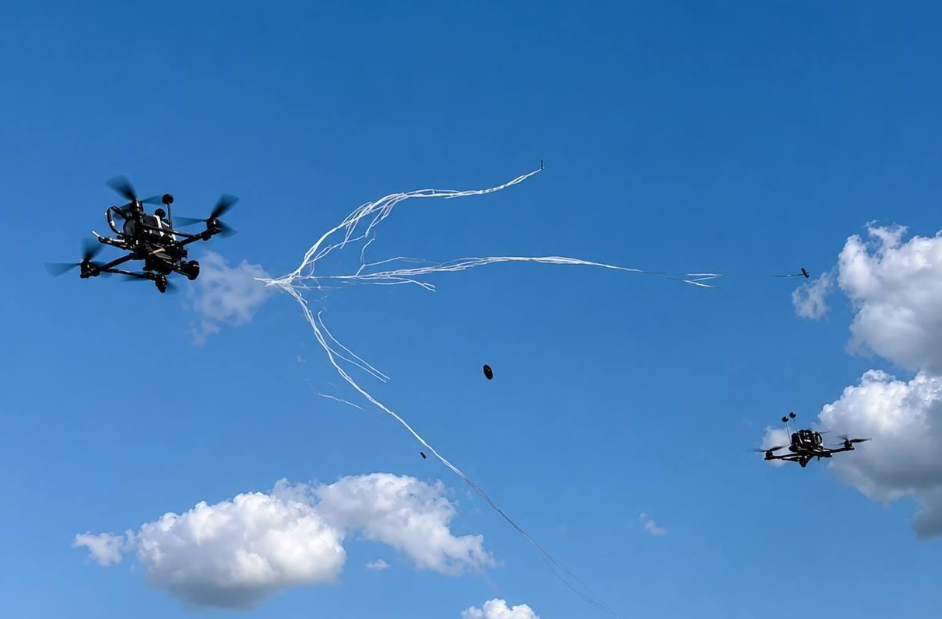
The hardest problem for interceptor drones is the "last mile", spotting a small target against open sky. The Fourth Law's TFL Anti-Shahed module scans the sky and detects targets at twice the range of the human eye, marking a Shahed so the pilot knows where to fly.

Savanevskyi predicts Ukrainian makers will field automatic Shahed-killing solutions by year's end. That points toward "fire and forget" interception, said Yevhen Lesin of the 412th Nemesis unmanned-systems brigade, though he warned against autonomy for its own sake, noting automated launch from ground robots creates technical problems and needs more people, not fewer.

Ground-robot autopilots remain among the field's hardest tasks: DevDroid's Oleh Fedoryshyn noted it took Tesla ten years to make the car autopilot work. At the same time, frontline dirt roads, cratered and unmarked, are nothing like marked highways, so DevDroid's robots now cross only short link-dead stretches on their own before the operator resumes control.

Russia struck Kyiv and Boryspil, its main airport hub, twice in 24 hours with ballistics Ukraine can’t stop without US Patriots, days before Independence Day

22 août 2026 à 07:51

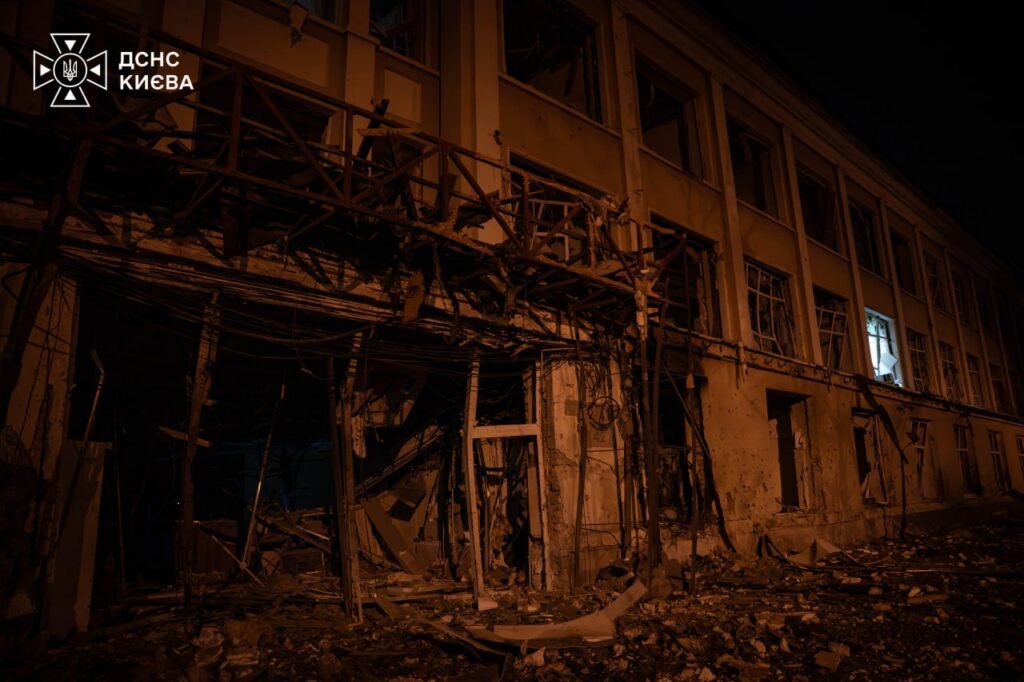
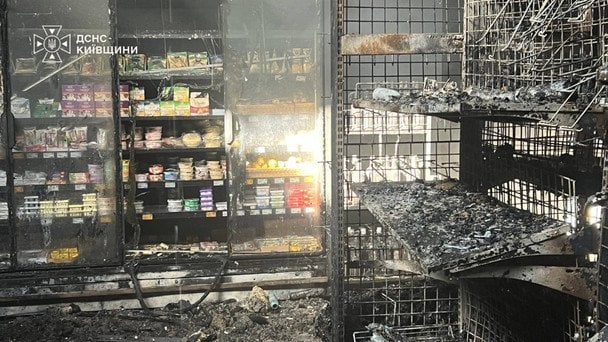
Ukrainian firefighters are extinguishing fire that errupted after a Russian ballistic missile attack on Kyiv Oblast on 22 August 2026. Source: The State Emergency Service

Russia has struck Kyiv and its suburbs with ballistic missiles for a second consecutive day, killing civilians. Meanwhile, Ukraine lacks enough interceptors to stop them because deliveries from the US have halted.

The strikes land at a moment when Ukraine's ability to shoot ballistic missiles down has been cut off at the source. Ukraine intercepts ballistic missiles mainly with US-made Patriot systems. During the recent Oval Office meeting, President Donald Trump declined President Volodymyr Zelenskyy's request for hundreds of additional Patriot interceptors, according to the Financial Times.

At the same time, when Ukraine sought to destroy Russia's ballistic launchers on Russian territory, US billionaire Elon Musk did not allow Ukraine to use Starlink to guide strikes on those launchers, The Atlantic reported. Ukraine can neither shoot the missiles down at the rate it needs nor freely strike the launchers that fire them.

A railway worker was killed in Kyiv

The overnight attack hit Ukraine's railway. On the night of 22 August, a Russian ballistic missile struck a railway enterprise in Kyiv's Darnytsia area, killing a Ukrzaliznytsia worker, the railway's board chairman Oleksandr Pertsovskyi said.

He described a strike timed to the threat.

"In Darnytsia, ballistic strikes hit one of the railway enterprises, at the same moment as, or even a second before, the ballistic threat appeared. One of our workers, a foreman, was killed on the spot. The rest we managed to evacuate quickly after the first strike," Pertsovskyi reported.

Russia launched about six ballistic missiles, with launches recorded from three directions, Kursk, Bryansk, and Millerovo, according to monitoring channels.

A morning strike on Boryspil killed two civilians

Russia struck again in daylight. In the morning, six to eight ballistic missiles attacked the Boryspil area in the Kyiv agglomeration, likely with cluster warheads, according to monitoring channels. Boryspil city is home to the Boryspil International Airport, Ukraine’s main and largest international passenger airport.

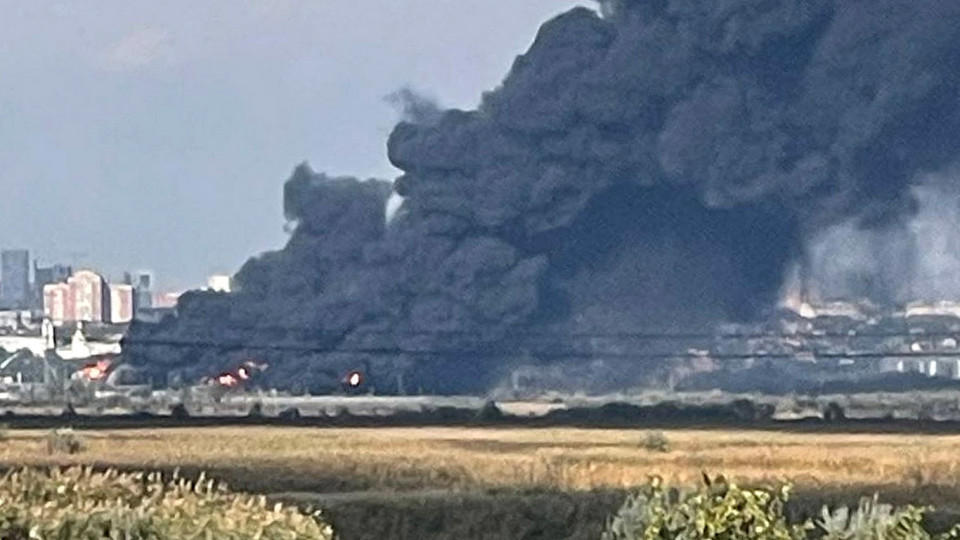
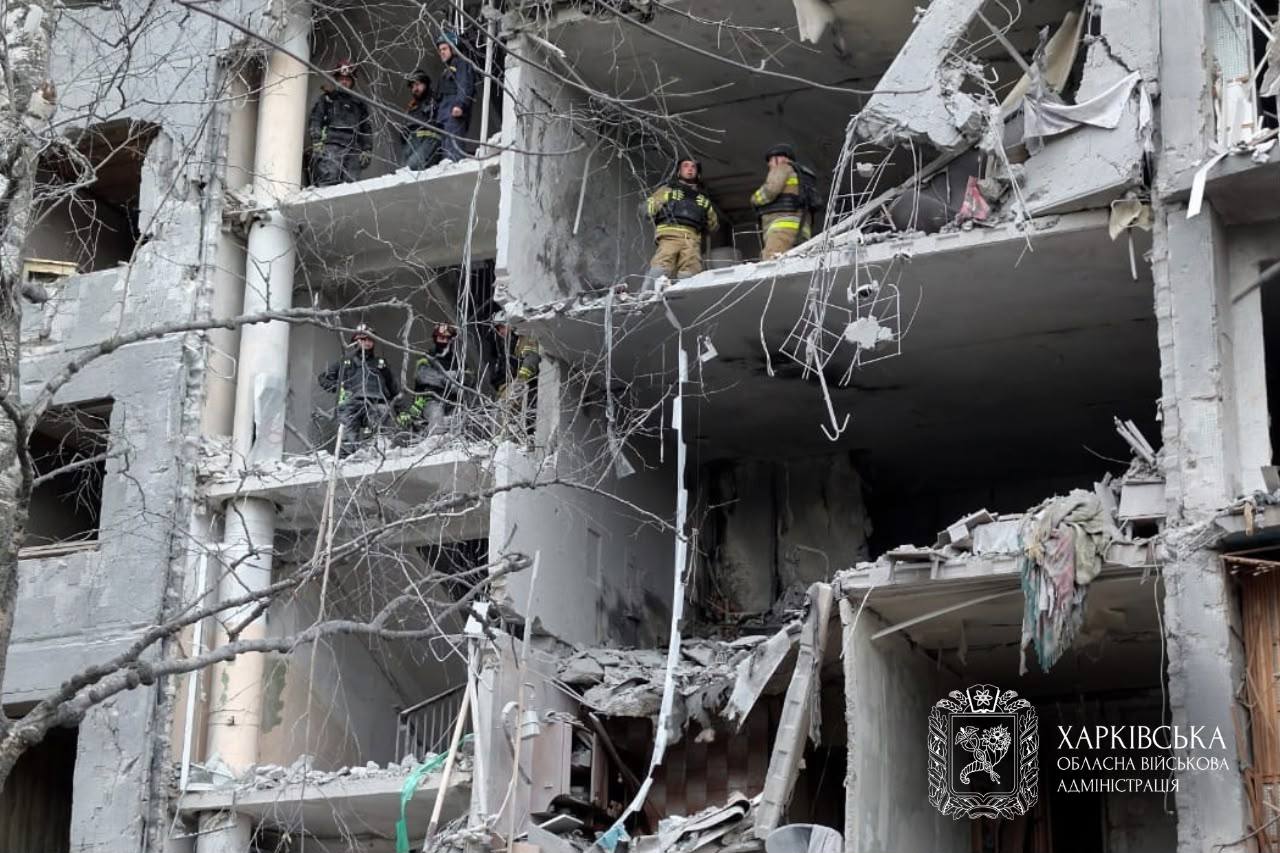
The strike killed civilians and hit infrastructure. Two civilians, a man and a woman, were killed, and the number of wounded rose to eight, including a child, with the daytime strike hitting a truck parking lot along with warehouses, a fuel station, a private household, and vehicles. Two trucks caught fire, and a blaze spread across 700 square meters of open ground, the State Emergency Service (DSNS) said.

The strikes come days before Independence Day

The attacks landed two days before Ukraine marks its Independence Day. The Security Service (SBU) has already urged citizens to be especially vigilant before and during the 24 August holiday because of the threat of attacks, warning that in wartime, Russia may use mass events for strikes, provocations, sabotage, cyberattacks, and other crimes.

The service has also warned against recruitment. It reminded Ukrainians not to publish photos or videos of military objects, critical infrastructure, checkpoints, or air-defense systems, nor to share information on the consequences of strikes or the movement of Ukrainian forces.

Russian special services may try to recruit Ukrainians to prepare attacks and sabotage, the SBU said, urging anyone offered money for arson, property damage, planting unknown objects, or collecting information on military sites to report it immediately.

A jet-powered BM-35 can now hit 350 km/h. Russia says that’s specifically to outrun Ukraine’s interceptors

15 août 2026 à 14:04

A Russian drone is flying at Ukraine. Source: NTV

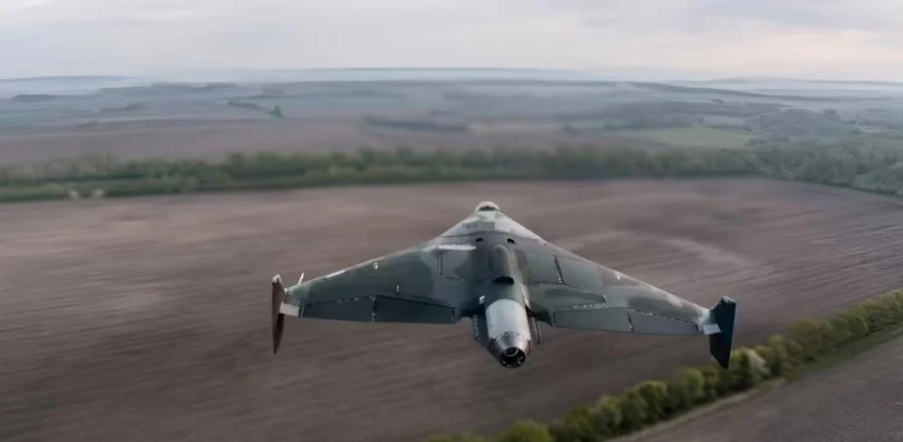
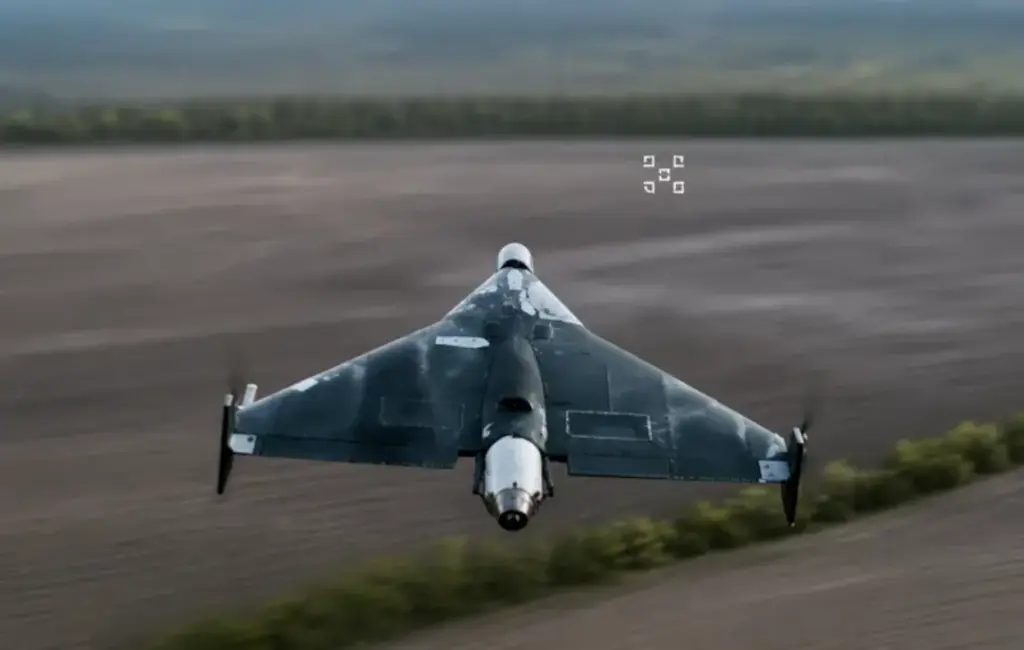
Russia is upgrading more of its drones to escape Ukraine's drone hunters. Russia has begun fitting jet engines to another attack drone model, the BM-35, presidential adviser Serhii "Flash" Beskrestnov reported.

The move is a direct answer to Ukraine's interceptors, and it is spreading across Russia's drone fleet. As Ukraine's interceptors have improved, the Russians are replacing their engines with jet engines not only on long-range Geran drones but also on budget mid-strike drones.

Each Ukrainian advance in shooting drones down pushes Russia to make them faster, Beskrestnov says.

The jet BM-35 is built to be harder to catch

Beskrestnov shared a Russian report showing the jet version of the BM-35 and its claimed characteristics. According to the Russian segment, the jet BM-35 can reach over 350 kilometers per hour, has a range of over 200 kilometers, and carries a 10-kilogram warhead.

The speed is the whole point. Russian fighters claim the increased speed is intended to make the drone harder for Ukrainian interceptors to catch, according to the Russian report. A faster drone gives Ukraine's interceptors less time to close and strike, which is exactly the problem the jet engine is designed to create.

The change is driven by Ukraine's own success

Ukraine has scaled up cheap interceptor drones that take down tens of thousands of Russian drones a month, and that success is what forces Russia to respond, swapping propeller engines for jets to fly above the speed interceptors can reliably catch.

The result is a cost-and-speed contest. Jet engines make each drone more expensive and complex than the cheap propeller models Russia has relied on for mass attacks. So by making its interceptors effective, Ukraine has pushed Russia toward pricier, faster drones, the same dynamic seen with the jet Gerans that now strike Ukrainian cities.

Russia's war is driving advances in weapons technology without limits. This means that soon Ukraine will have to find more ways to protect itself from new weapons, as well as its allies, who have also come under Russia's attacks, such as Poland, Romania, and the Baltic States.

  • ✇Euromaidan Press
  • From 27,711 to 40,438 in two months: Ukraine’s drone kill rate is climbing fast
    Ukraine is shooting down drones at a fast-rising rate. Ukraine's Defense Forces destroyed 40,438 Russian fixed-wing drones, or "wings", in July 2026, Ukraine's Defense Ministry reported on 11 August. The July figures mark a defense scaling up as fast as the threat it counters. Since the start of the year, Ukraine's Defense Forces have destroyed 195,000 Russian "wings" and 66,000 copters. A counter-drone effort is growing month by month against a Russian drone campaign t
     

From 27,711 to 40,438 in two months: Ukraine’s drone kill rate is climbing fast

11 août 2026 à 11:04

A Ukrainian drone is approaching a Russian target. Source: The Ukrainian Defense Ministry

Ukraine is shooting down drones at a fast-rising rate. Ukraine's Defense Forces destroyed 40,438 Russian fixed-wing drones, or "wings", in July 2026, Ukraine's Defense Ministry reported on 11 August.

The July figures mark a defense scaling up as fast as the threat it counters. Since the start of the year, Ukraine's Defense Forces have destroyed 195,000 Russian "wings" and 66,000 copters. A counter-drone effort is growing month by month against a Russian drone campaign that has itself expanded relentlessly.

The numbers climbed across drone types

Both categories of drone kills rose sharply. Fixed-wing "wings," the category that includes long-range attack drones like Shaheds, climbed from 27,711 in May to 40,438 in July, according to the ministry.

Copter kills rose even faster in proportion. The number of destroyed copters grew 42% in a single month, from 14,071 in June to 19,945 in July. The parallel rise in both types reflects a Russian drone offensive attacking on multiple fronts at once, from deep-strike Shaheds to short-range quadcopters over the trenches, and a Ukrainian defense expanding to meet each.

DELTA confirms every kill

Every strike has been confirmed by the DELTA system, and video recording of the shootdowns helps identify the most effective counter-drone tools for development and scaling, the Ukrainian Defense Ministry said.

That verification matters for a claimed tally. Rather than a bare count, the numbers are tied to Ukraine's battle-management system, which logs and video-confirms each kill, the same DELTA platform whose combat data now trains Ukraine's target-detection AI.

The count is one side of the drone war

The figures capture only Ukraine's defensive half of a war fought increasingly by drones. Russia has expanded its drone production and nightly launches throughout 2026, aiming to overwhelm Ukrainian defenses with mass, and the rising Ukrainian kill counts are the answer to that escalation, not a sign it has eased.

  • ✇Euromaidan Press
  • Reuters: The Patriot deal Trump denied is quietly still alive
    US negotiators have quietly kept a deal to let Ukraine help build Patriot interceptor missiles alive, even after US President Donald Trump publicly cast doubt on it, Reuters reported. Four people familiar with the talks said Washington never ordered them stopped. Ukraine, running low on air defenses, urgently wants the missiles to blunt Russia's growing ballistic strikes. Russian daily drone attacks forced Kyiv to chase air defense from every direction at once, includin
     

Reuters: The Patriot deal Trump denied is quietly still alive

6 août 2026 à 09:07

nato send ukraine $5 billion weapons year’s end — focus air defense · post american patriot missile systems patriots final weeks 2025 set receive large batch us-supplied worth about deputy

US negotiators have quietly kept a deal to let Ukraine help build Patriot interceptor missiles alive, even after US President Donald Trump publicly cast doubt on it, Reuters reported. Four people familiar with the talks said Washington never ordered them stopped. Ukraine, running low on air defenses, urgently wants the missiles to blunt Russia's growing ballistic strikes.

Russian daily drone attacks forced Kyiv to chase air defense from every direction at once, including home-grown interceptors. But this year, Moscow has increasingly turned to ballistic missiles, the hardest weapons for Ukraine to stop. US-supplied PAC-3 interceptors fired by Patriot systems are among the few weapons that can reliably shoot them down, and Ukraine has now run out.

President Donald Trump greets Ukraine's President Volodymyr Zelenskyy at his Mar-a-Lago club, Sunday, Dec. 28, 2025, in Palm Beach, Fla. AP Photo/Alex Brandon/Eastnews

The talks Trump seemed to kill

Last week, Trump appeared to reverse course, telling reporters the US had not agreed to let Ukraine build Patriots and must be "very careful about letting somebody build them." 

According to Reuters, two sources tied that to a tense White House meeting with Zelenskyy. Yet the negotiations pressed on. 

"No order was given to halt the discussions," one source said, adding that talks continued with US arms makers and military officials.

Matthew Whitaker, Washington's envoy to NATO, is leading the drive for a deal. He visited Kyiv last month to weigh options with Ukrainian officials and weapons executives. His spokesperson framed the trip around drone collaboration that would benefit US forces, without naming the Patriot plan. 

A senior administration official told Reuters that any agreement must protect US technology. 

nato send ukraine $5 billion weapons year’s end — focus air defense · post american patriot missile systems patriots final weeks 2025 set receive large batch us-supplied worth about deputy

Reuters: The Patriot deal Trump denied is quietly still alive

What Ukraine could build

The options include making Patriot components in Ukraine and shipping them to Germany for final assembly, the sources said. A US official called that the most feasible route. Germany already produces an older Patriot model, and the advanced PAC-3, the newest Patriot interceptor, is expected to follow.

Ukraine could instead join an existing US-European Patriot program, or build a cheaper version of the PAC-3. 

It might also tap Lockheed Martin's new lower-cost interceptor, the PAC-3 ACE, unveiled last month.

A promise made, then pulled back

During a meeting with Zelenskyy in Ankara last month, Trump said the US would license Ukraine to make PAC-3s. His later reversal caught many off guard, including Zelenskyy. In a follow-up call, US Vice President JD Vance assured him that deals between presidents would hold, one source said.

nato send ukraine $5 billion weapons year’s end — focus air defense · post american patriot missile systems patriots final weeks 2025 set receive large batch us-supplied worth about deputy
Explore further

Reuters: The Patriot deal Trump denied is quietly still alive

Ukraine's clock is running

Even with a deal, Ukraine would not receive newly built interceptors for a year or more. So Kyiv is urging allies to hand over some of theirs and exploring swaps to get missiles sooner. 

Earlier, Zelenskyy warned that Ukraine had run out of Patriots. That day, it intercepted just one of 27 ballistic missiles Russia fired. 

Global stocks of high-end interceptors have shrunk since the Iran war, with Patriots once bound for Ukraine diverted to US forces and Gulf allies.

❌