Vue normale

5% of US Patriot stocks gets Ukraine through winter, 10% ends the ballistic threat — and Zelenskyy has just 1%, he tells CNN

13 août 2026 à 05:37

Ukrainian President Volodymyr Zelenskyy, 7 July 2026. Photo: Zelenskyy / Telegram

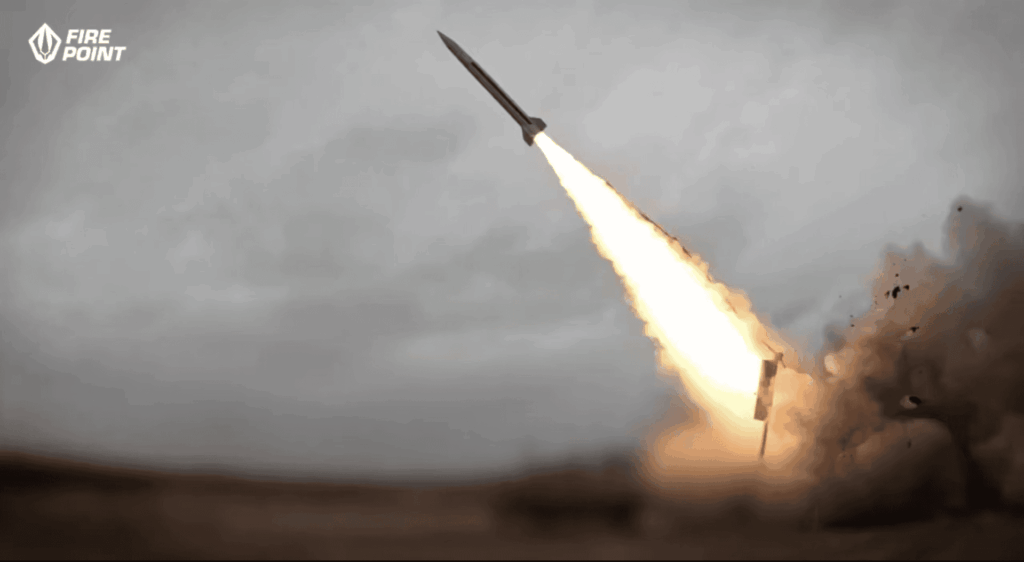
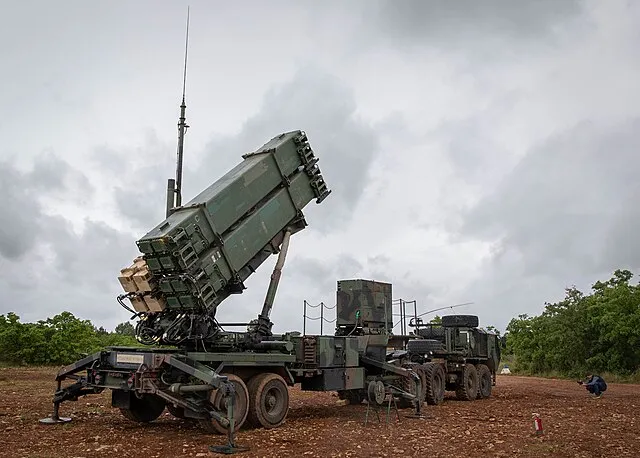
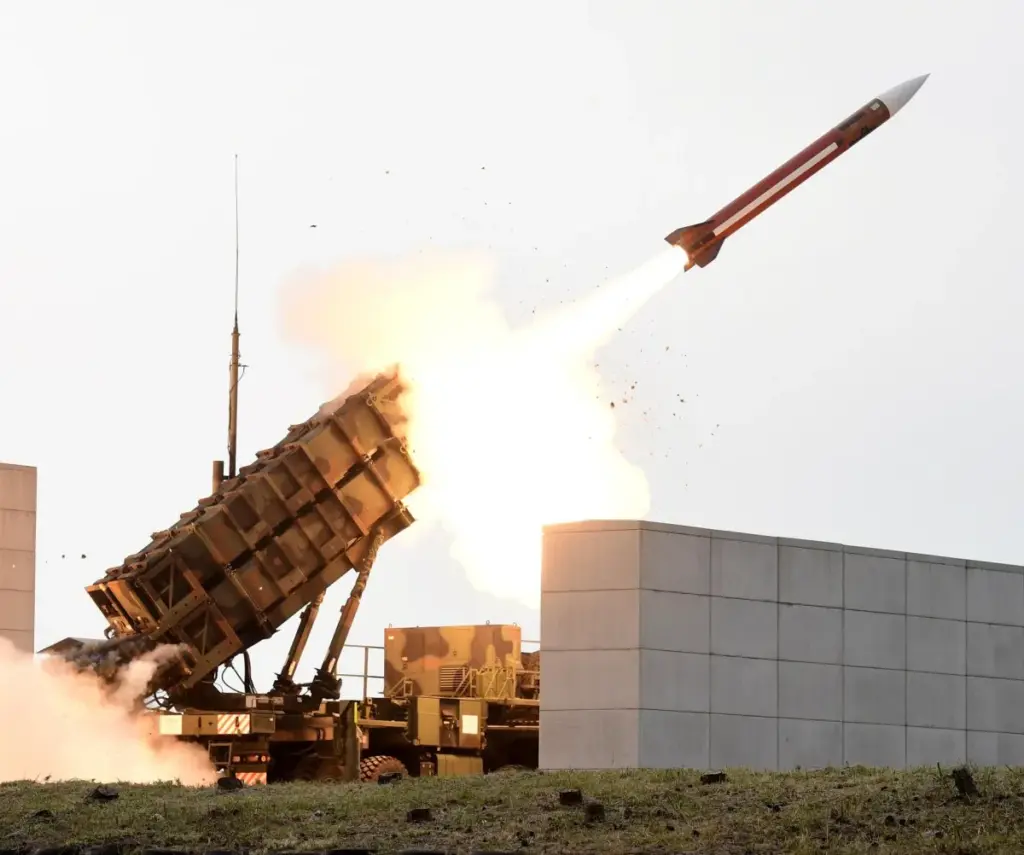
Ukraine holds only about a tenth of the Patriot interceptor missiles it needs from the United States to stop Russia's surging ballistic strikes, President Volodymyr Zelenskyy told CNN. Selling Kyiv 5% of the current US stockpile would carry the country through winter, he said, and 10% would let it "destroy all the Russians' ballistic missiles" — but he holds 1%.

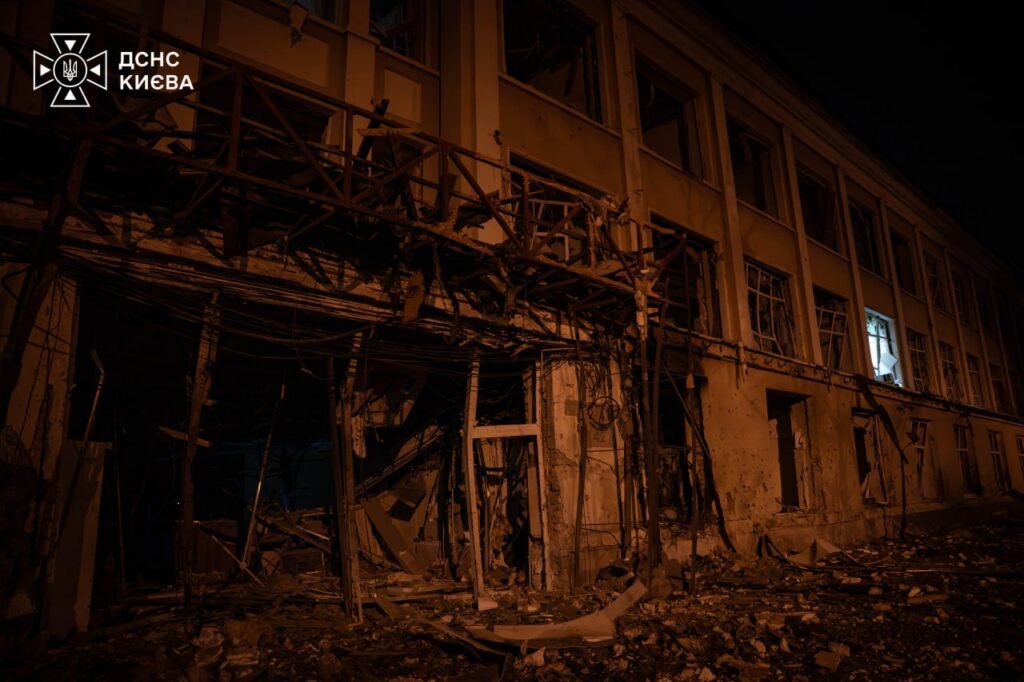
The plea puts a number on a shortage that has run through Ukraine's diplomacy all summer and left its cities increasingly exposed. It is the concrete cost of near-empty interceptor stocks: on 5 August, Russia fired 28 ballistic and anti-ship missiles at Kyiv and Ukraine intercepted none of them, killing 17 people, and four days earlier launched 27 ballistic missiles with only one stopped. July was the deadliest month for Ukrainian civilians since April 2022, according to the UN.

The arithmetic of a losing race

"This year we have two and a half times less interceptors than we had in 2025," Zelenskyy said, while "Russia has two times more ballistic missiles per month than they had before."

The interceptor that most reliably stops those missiles, the US-made Patriot's PAC-3, is scarce worldwide: the war between the United States and Iran drained stocks as American and Gulf forces spent dozens against Iranian missiles and drones, and the shortage has fallen hardest on Ukraine.

The bottleneck is structural, not budgetary. Only five or six countries build interceptors capable of stopping ballistic missiles, the US makes around 600 Patriots a year, and orders are placed years in advance — so money alone cannot close the gap before winter, defense expert Marc DeVore told Euromaidan Press in June.

A home-built Patriot, still uncertain

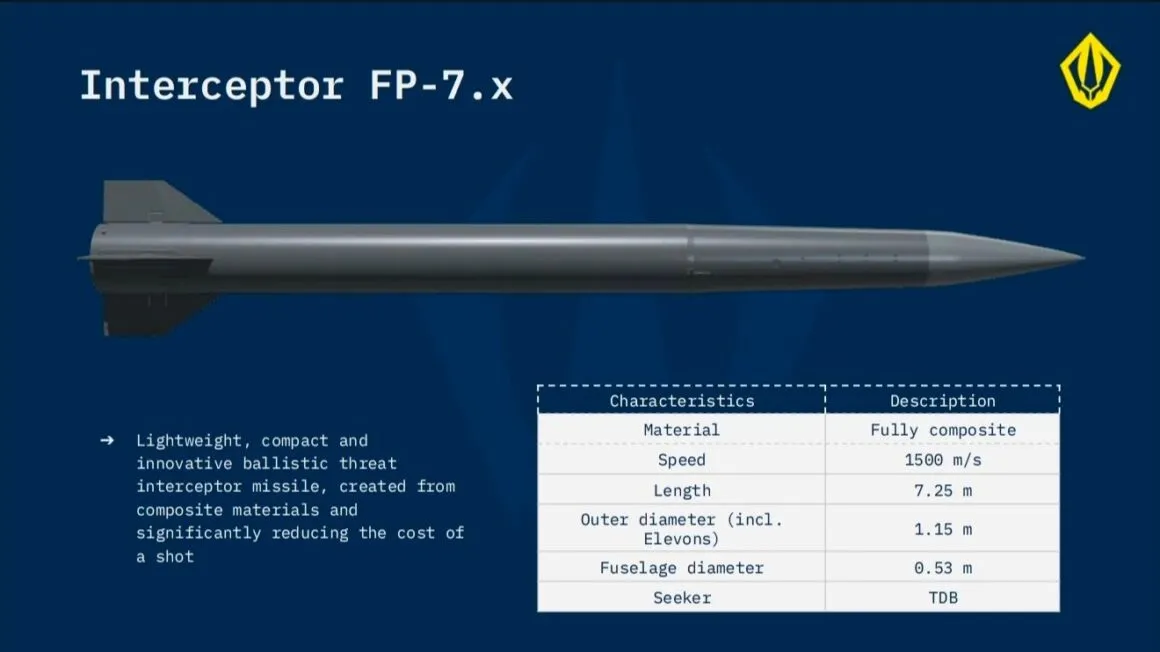
Zelenskyy said doubts remain over whether US President Donald Trump's apparent offer to let Ukraine manufacture its own Patriot interceptors will materialize. At the NATO summit in Ankara, Trump said he would license Ukraine to build the missiles, then days later said he was unsure; the Patriot makers have since sent officials to Kyiv, without result so far. "I hope that I will get it," Zelenskyy said, calling it "one of the biggest [challenges] I had from the very beginning of this war."

He described daily, largely private deal-making to close the gap: "million phone calls ... I try to exchange something to missiles ... I do some things which I can't even share. It doesn't mean that it's outside of the law. But I can't speak about it."

Putin, the Donbas, and the next war

On the stalled peace process, Zelenskyy said Kyiv had put new proposals to the Trump administration and needed "more involvement of the American side," adding that Vladimir Putin "doesn't want to stop this war now and (there's) not enough pressure on him now." He rejected ceding the rest of the Donbas that Putin seeks, arguing security guarantees matter more: "Why he will not come again ... to occupy us?"

He confirmed a recent call with Vice President JD Vance but declined to say whether Vance had asked Ukraine to halt strikes on a Russian Black Sea oil port that were hurting US firms and threatening a spike in global energy prices, as the Financial Times reported. Zelenskyy also endorsed Western assessments that Putin could widen the war toward a smaller NATO state, likely in the Baltics: "He wants quick victory ... occupy or destroy or control."

Fewer air-defense missiles from partners may be attempt to make Ukraine more compliant, Zelenskyy says after Russia’s attack killed 17 civilians

5 août 2026 à 12:47

A Ukrainian helicopter is seen at the site of Russia's ballistic missile impact on 5 August 2026, in Kyiv Oblast. Source: State Emergency Service of Kyiv Oblast

Ukraine's president has aired a pointed suspicion about why its air-defense missiles are running short. On 5 August, Volodymyr Zelenskyy said political motives may be one reason for the reduced supply of anti-ballistic missiles, including a wish to make Ukraine more compliant, he said at a meeting of the National Security and Defense Council.

The claim points a finger at Ukraine's partners over a shortage now measured in civilian deaths. Since the start of 2026, Ukraine has begun receiving three times fewer anti-ballistic missiles, Zelenskyy said.

The deficit left Ukraine without the possibility to down any of Russia's missiles on 5 August, leading to the deaths of 17 people in Kyiv Oblast.

His suggestion that the cut may be deliberate leverage escalates a supply problem into a question about his allies' intentions.

The official reason is the Middle East

Zelenskyy first cited the explanation Ukraine has been given. The reduction was connected to war, or today it would be fair to say hostilities and wars in the Middle East, the official reason received from partners, primarily the US and also European partners, he said.

But he did not treat that as the whole story. He suggested the cut may have other causes beyond the diversion of missiles to the Middle East, where US air-defense stocks have been drawn down through the war involving Iran.

The suggestion of political pressure

Zelenskyy then made the pointed claim.

"Maybe these are also political steps to make Ukraine more compliant. In my view, not without that," he said, stating that Ukraine is in a situation of shortage of missiles able to intercept ballistics.

It is a notable accusation to level publicly, implying that a partner may be throttling the weapons Ukraine needs to survive Russian strikes in order to pressure Kyiv at the negotiating table. Zelenskyy offered it as his own view, hedged with "maybe," rather than as an established fact.

The response is to build and to beg

Zelenskyy turned the complaint into instructions. He urged the Defense Ministry and Foreign Ministry to do everything possible to ensure that partners increase supplies of relevant air-defense missiles, and told defense-industry enterprises to speed up work on Ukraine's own anti-ballistic project.

❌