❌

Vue normale

Russian drone cuts down unique energy line tower over Dnipro River in Kyiv. It can’t be rebuilt, and world is queuing for more power equipment

15 octobre 2026 à 12:41

Kyiv's Northern Bridge connecting the city's two sides across the Dnipro River. Photo via Wikimedia Commons

Russia has found a way to cut Ukraine’s power lines that no repair crew can undo. A unique power transmission tower that a Russian drone cut down at the Dnipro River crossing in Kyiv cannot be restored,  Ukrenergo board chairman Vitaliy Zaichenko says, as the grid operator rushes to build alternative ways to keep electricity flowing, Interfax reports.

Russia has spent the war trying to switch off Ukraine’s lights. Now, it is widening the campaign before winter with a new tactic: drones that slice through the steel towers carrying high-voltage lines.

“Everyone has seen the video showing the destruction of one of the unique power transmission towers at the crossing over the Dnipro in Kyiv. It was severed, and it is impossible to restore it,” Zaichenko continues.

He adds that now the company is developing new technical solutions "on the fly, and very fast." It will start the procedures for those solutions from 15 October, he notes. Russia’s use of drones able to sever metal towers is a new and serious challenge for Ukraine’s power engineers.

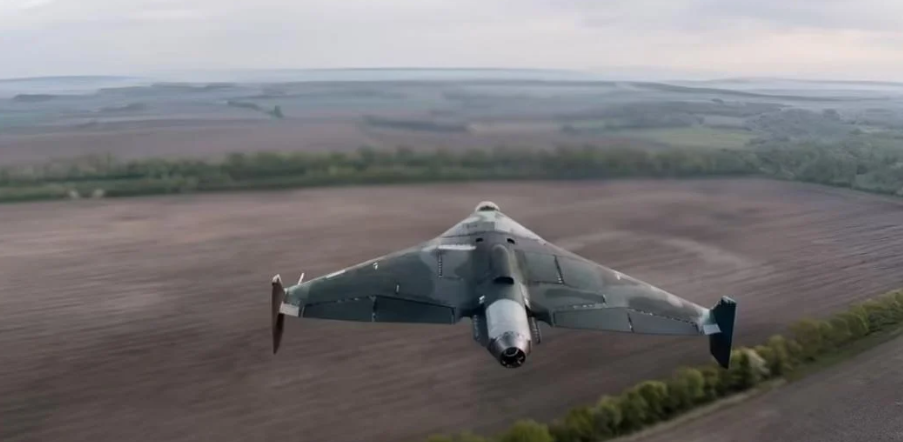
Zaichenko did not say when the tower was hit. On 30 September, Russia first used a jet-powered drone carrying a 40-kilogram charge built to cut steel towers, and that evening an eyewitness filmed one striking a power line tower in Kyiv, which cut electricity in parts of three districts, Informator reported.

When the spare parts are as scarce as the targets are plentiful

Rebuilding is colliding with a global shortage. Ukrenergo faces serious difficulties getting backup equipment, Zaichenko explains, because the whole world’s energy system is expanding at once and everyone needs the same hardware.

“There is a real problem with equipment. The global power system is expanding, and everyone needs energy equipment. There is a tough queue,” Zaichenko says.

Ukraine has faced such challenges since August 2026, when Russia began launching its jet-powered drones. Kyiv still has no effective solution against them and relies more on a mix of air defenses, such as automated turrets and interceptor drones.

Kyiv has also engaged over 100 private air defense system brigades to protect its enterprises in the ranks of the Ukrainian Air Forces.

  • ✇Euromaidan Press
  • Ukraine finds US-made navigation sensor inside Russia’s new jet-powered drone
    Ukraine has found the US component in a Russian jet-powered drone targeting civilians, supermarkets, medical warehouses, and bridges. According to its Defense Intelligence, the new weapon contains a PNI5GA magneto-inductive sensor made by the US company PNI Sensor. The US-made navigation component adds to evidence that Western technology continues to appear in Russia's strike drones. HUR had already identified US-made chips in the Geran-4 in May, but the newly reported PNI5GA is a navi
     

Ukraine finds US-made navigation sensor inside Russia’s new jet-powered drone

7 octobre 2026 à 00:37

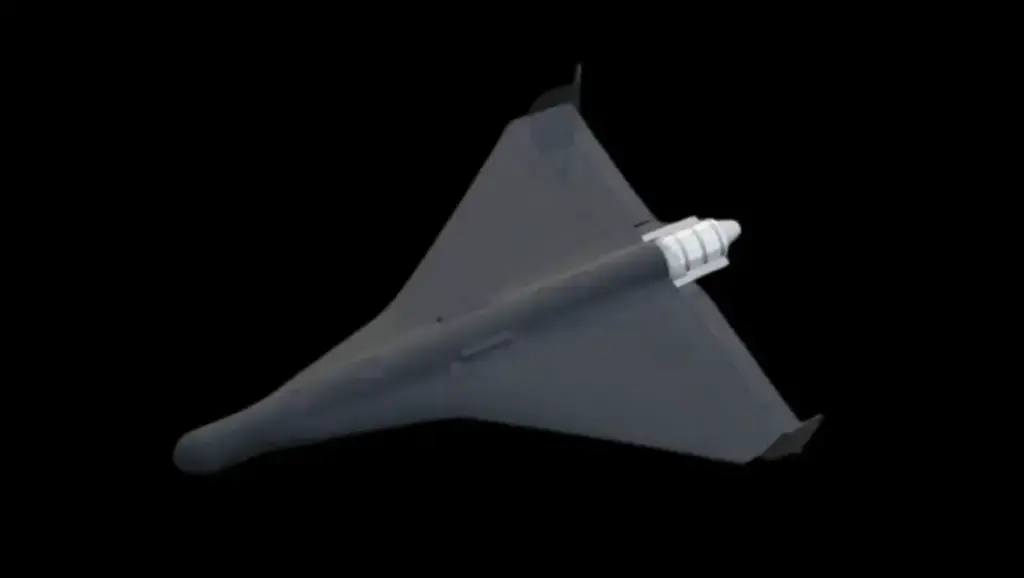
A 3D rendering of Russia's jet-powered Geran-4 strike drone.

Ukraine has found the US component in a Russian jet-powered drone targeting civilians, supermarkets, medical warehouses, and bridges. According to its Defense Intelligence, the new weapon contains a PNI5GA magneto-inductive sensor made by the US company PNI Sensor.

The US-made navigation component adds to evidence that Western technology continues to appear in Russia's strike drones. HUR had already identified US-made chips in the Geran-4 in May, but the newly reported PNI5GA is a navigation sensor in a modified version of the drone that Institute for the Study of War (ISW) says Russia may seek to field ahead of winter.

A Russian engine replaces the Chinese one

Russia has also replaced the drone's Chinese-made Telefly turbojet engine with a Russian-made equivalent produced in Alabuga. Russia is using the Alabuga zone to bring more of its drone production home rather than importing Iranian or Chinese parts, according to the ISW.

"The remaining electronic units and components are unchanged and identical to those used in previous Geran UAVs," HUR said.

What the warhead is built to cut

The modified drone also carries a specialized KRSN warhead designed to cut through bridge structures and power-line supports. Presidential adviser Serhii Beskrestnov described the warhead on 30 September, saying it consists of a 40-kilogram main charge and four strike modules. Its warhead is meant to destroy hardened targets made of steel and concrete and to damage cable-stayed bridges.

Russia has stepped up strikes on Kyiv's Northern and Southern bridges across the Dnipro in recent days with such drones.

However, Russia may try to field more resilient and more dangerous versions of its strike drones before Ukraine has effective countermeasures in place. Russia could use them to degrade Ukraine's energy infrastructure and logistics ahead of a winter strike campaign that it said will very likely be brutal.

Russia adds new weapon to its jet-powered drones, even more dangerous: 40-kilogram charge made to sever high-voltage pylons and iron bridges

30 septembre 2026 à 11:21

Russia's new "Geran-4 Siker" Shahed variant uses machine-vision AI for targeting. Source: Warhronika

Russia has a new warhead for its drones, and it is built to cut down power lines. For the first time, a jet drone has carried a shaped "cumulative-cutting" charge designed to sever high-voltage pylons and iron bridges, Serhii Beskrestnov, presidential adviser, known as Flash, said, as Russia opened its heaviest assault on Ukraine's power grid since last winter.

On 30 September, Russia launched its massed fall-winter campaign on Ukraine's energy infrastructure since the last heating season, hitting power sites across 11 regions overnight with missiles and drones, Prime Minister Serhii Koretskyi said.

The new warhead fits the aim: Flash says it is meant to bring down the high-voltage lines that carry the country's electricity. And Ukraine enters the winter exposed, with its energy resilience plans less than half complete.

A new charge targets the pylons

The device, which Flash calls a cumulative-cutting special load, is designed specifically to bring down high-voltage pylons and iron bridge structures.

"It consists of a main charge weighing 40 kilograms and four strike modules," he says.

In his reading, Russia intends to go after the major transmission lines that move power across the country, the backbone of the grid, rather than the substations it has struck before.

The campaign builds toward November

On 29 September, two senior Ukrainian officials told The Economist that Russia launched a three-part campaign of attacks on Kyiv, combining massive bombardments, sabotage, and the creation of political chaos. These efforts aimed at destabilizing the Ukrainian capital would peak by November, they said.

According to a representative of the Security Service of Ukraine, Russia has "thousands" of drones in its arsenal and is simultaneously expanding its stockpile of ballistic missiles. The plan is to "deploy the entire arsenal over the next two months," given that Ukraine lacks an effective weapon against jet-powered drones.

❌