
❌

Vue normale

  • ✇Euromaidan Press
  • Ukraine finds US-made navigation sensor inside Russia’s new jet-powered drone
    Ukraine has found the US component in a Russian jet-powered drone targeting civilians, supermarkets, medical warehouses, and bridges. According to its Defense Intelligence, the new weapon contains a PNI5GA magneto-inductive sensor made by the US company PNI Sensor. The US-made navigation component adds to evidence that Western technology continues to appear in Russia's strike drones. HUR had already identified US-made chips in the Geran-4 in May, but the newly reported PNI5GA is a navi
     

Ukraine finds US-made navigation sensor inside Russia’s new jet-powered drone

7 octobre 2026 à 00:37

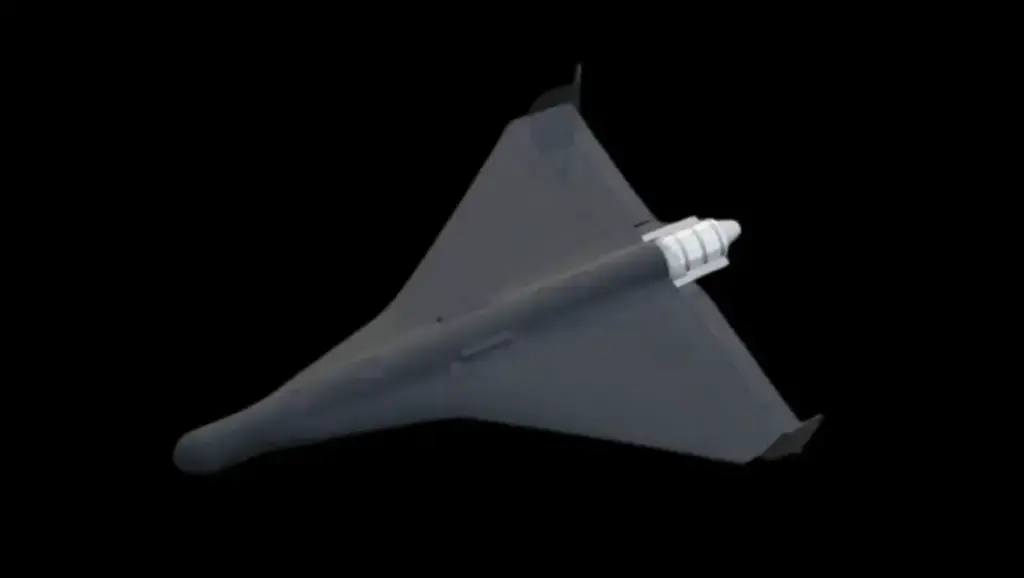
A 3D rendering of Russia's jet-powered Geran-4 strike drone.

Ukraine has found the US component in a Russian jet-powered drone targeting civilians, supermarkets, medical warehouses, and bridges. According to its Defense Intelligence, the new weapon contains a PNI5GA magneto-inductive sensor made by the US company PNI Sensor.

The US-made navigation component adds to evidence that Western technology continues to appear in Russia's strike drones. HUR had already identified US-made chips in the Geran-4 in May, but the newly reported PNI5GA is a navigation sensor in a modified version of the drone that Institute for the Study of War (ISW) says Russia may seek to field ahead of winter.

A Russian engine replaces the Chinese one

Russia has also replaced the drone's Chinese-made Telefly turbojet engine with a Russian-made equivalent produced in Alabuga. Russia is using the Alabuga zone to bring more of its drone production home rather than importing Iranian or Chinese parts, according to the ISW.

"The remaining electronic units and components are unchanged and identical to those used in previous Geran UAVs," HUR said.

What the warhead is built to cut

The modified drone also carries a specialized KRSN warhead designed to cut through bridge structures and power-line supports. Presidential adviser Serhii Beskrestnov described the warhead on 30 September, saying it consists of a 40-kilogram main charge and four strike modules. Its warhead is meant to destroy hardened targets made of steel and concrete and to damage cable-stayed bridges.

Russia has stepped up strikes on Kyiv's Northern and Southern bridges across the Dnipro in recent days with such drones.

However, Russia may try to field more resilient and more dangerous versions of its strike drones before Ukraine has effective countermeasures in place. Russia could use them to degrade Ukraine's energy infrastructure and logistics ahead of a winter strike campaign that it said will very likely be brutal.

  • ✇Euromaidan Press
  • Ukraine solves riddle of metal “whiskers” on new Russia’s drones. They aren’t clever sensor
    Ukraine has cracked the riddle of strange metal "whiskers" that appeared on Russian jet-powered drones striking Kyiv, and they don't appear to be some clever new sensor. They are a simple mechanical detonator, a metal tube, and a rod that, on impact, closes a circuit to set off the warhead, Serhii "Flash" Beskrestnov, presidential adviser, says, ending online guessing about the strange devices. Photos of Russian drones with long metal prongs jutting from the nose had set off speculation
     

Ukraine solves riddle of metal “whiskers” on new Russia’s drones. They aren’t clever sensor

1 octobre 2026 à 10:43

A Russian jet-powered drone. Source: Flash

Ukraine has cracked the riddle of strange metal "whiskers" that appeared on Russian jet-powered drones striking Kyiv, and they don't appear to be some clever new sensor. They are a simple mechanical detonator, a metal tube, and a rod that, on impact, closes a circuit to set off the warhead, Serhii "Flash" Beskrestnov, presidential adviser, says, ending online guessing about the strange devices.

Photos of Russian drones with long metal prongs jutting from the nose had set off speculation about what they were for. The answer, Flash explains, is low-tech: when the prong hits something, the contact closes, and the charge goes off, with no sensors or electronics.

That simplicity sits against a more worrying trend: Russia is steadily upgrading what its drones carry, from the mix of warheads on the jet-powered Geran-4 and Geran-5 to a new charge designed to sever power pylons.

A contact closes the circuit

"It's all mechanically simple, no sensors or complex detectors," Flash says, commenting on the "whiskers".

It is the kind of crude, cheap fuze that suits a weapon meant to be built and spent in the thousands, where cost matters more than finesse.

Russia upgrades the warheads

Russia's jet drones, now built at roughly 3,000 a month, have become the dominant threat in its nightly campaign. The day when Flash published his "whiskers" post, Russia hit Kyiv with another round of drone strikes, hitting a school, a café, and warehouse buildings across the capital. The children inside the school were in its shelter. Fires broke out across two districts, and one person in the city was wounded.

On 28 September, Russia struck Kyiv's Academy of Sciences, which has a century-old history.

On the same day, Dmitry Peskov, Kremlin spokesperson, said Ukraine must "pay a price" for its actions in recent months and calls Russia's intensified strikes "part of this price."

❌