❌

Vue normale

Full speed returned to Ukraine’s satellite links on Saturday morning. “We simply enforced our terms,” Musk claims after blaming Washington for 10 days

25 octobre 2026 à 04:03

STING S interceptor

Ukraine's military satellite links work at full speed again after a cap that hobbled its drones, Ukraine's Defense Ministry said on 24 October. Hours later, SpaceX owner Elon Musk, who earlier pointed at Washington, said his company had enforced its own rules. A Ukrainian presidential adviser and a drone volunteer replied that civilian Starlink could not fly such missions.

Ukraine holds off Russia with American tools it doesn't control, so any pause decided abroad, like stalled Patriot deliveries or the Starlink cap, opens gaps in its defense. With no stated rule on what Ukraine's forces may do, the next cutoff could again come unannounced and unexplained.

Kyiv records full speed again

The ministry recorded stable connections above 400 km/h (250 mph). Before, Kyiv said, links on Starlink and its military version, Starshield, cut out above 161 km/h (100 mph).

Ukrainian President Volodymyr Zelenskyy said the restoration began overnight. "The speeds are now where they need to be," he said, citing defense against jet-powered Shahed drones. He thanked US lawmakers, the media, the State Department, and the US President, but not Musk or SpaceX.
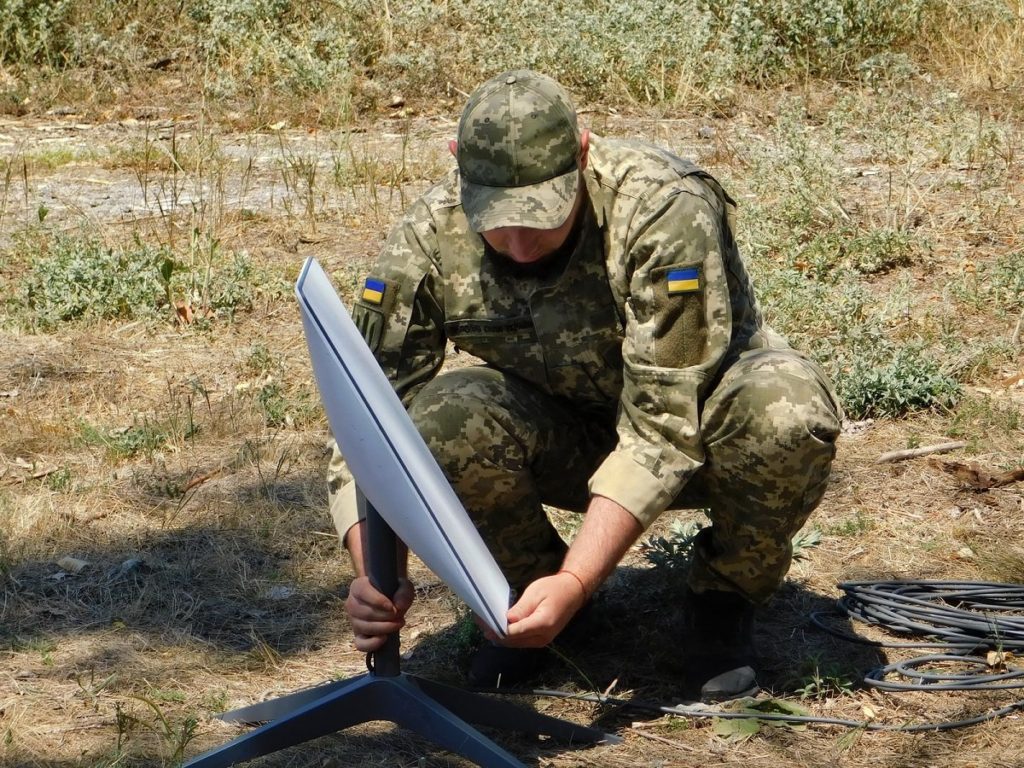
A Ukrainian soldier installs a Starlink terminal
A Ukrainian soldier installs a Starlink terminal. Illustrative photo: Armed Forces of Ukraine

Musk: "That loophole was closed last week"

Musk replied "Correct" to an X user who called Starlink "not a weapons system." "Ukraine military violated Starlink terms of service and used it for offensive drone strikes to kill people. That loophole was closed last week," he wrote.

Correct.

Using Starlink, a civilian commercial service, for offensive drone strikes to kill people has never been allowed, nor should it be.

Starshield, a different system, is controlled by the US government. What they decide to do is up to them.

Ukraine military violated… https://t.co/ZXBB8bYfPn

— Elon Musk (@elonmusk) October 24, 2026

He called Starshield "a different system" the US government controls, and warned: "Were Starlink to be turned off, the Ukrainian front line would collapse immediately. This is NOT a threat, it is simply a statement of fact."

Musk named no evidence, cases, or time frames. Overnight, he answered a headline on the US financial blog ZeroHedge saying he "admits" SpaceX throttled Starlink.

"We simply enforced our terms of service when they were bypassed. There has been no change to our terms of service," Musk wrote.
musk, trump
Explore further

Who capped Ukraine’s Starlink? “Ultimately POTUS,” Musk said. Ultimately Musk, reports now say

When the cap hit on 14 October, Musk wrote that the US government owns and controls Starshield and that the US military and "ultimately POTUS" decide any limits. US President Donald Trump, who credited Musk with the fix while Kyiv still saw the cap, said on 24 October he had spoken to Musk about Ukraine but gave no details.

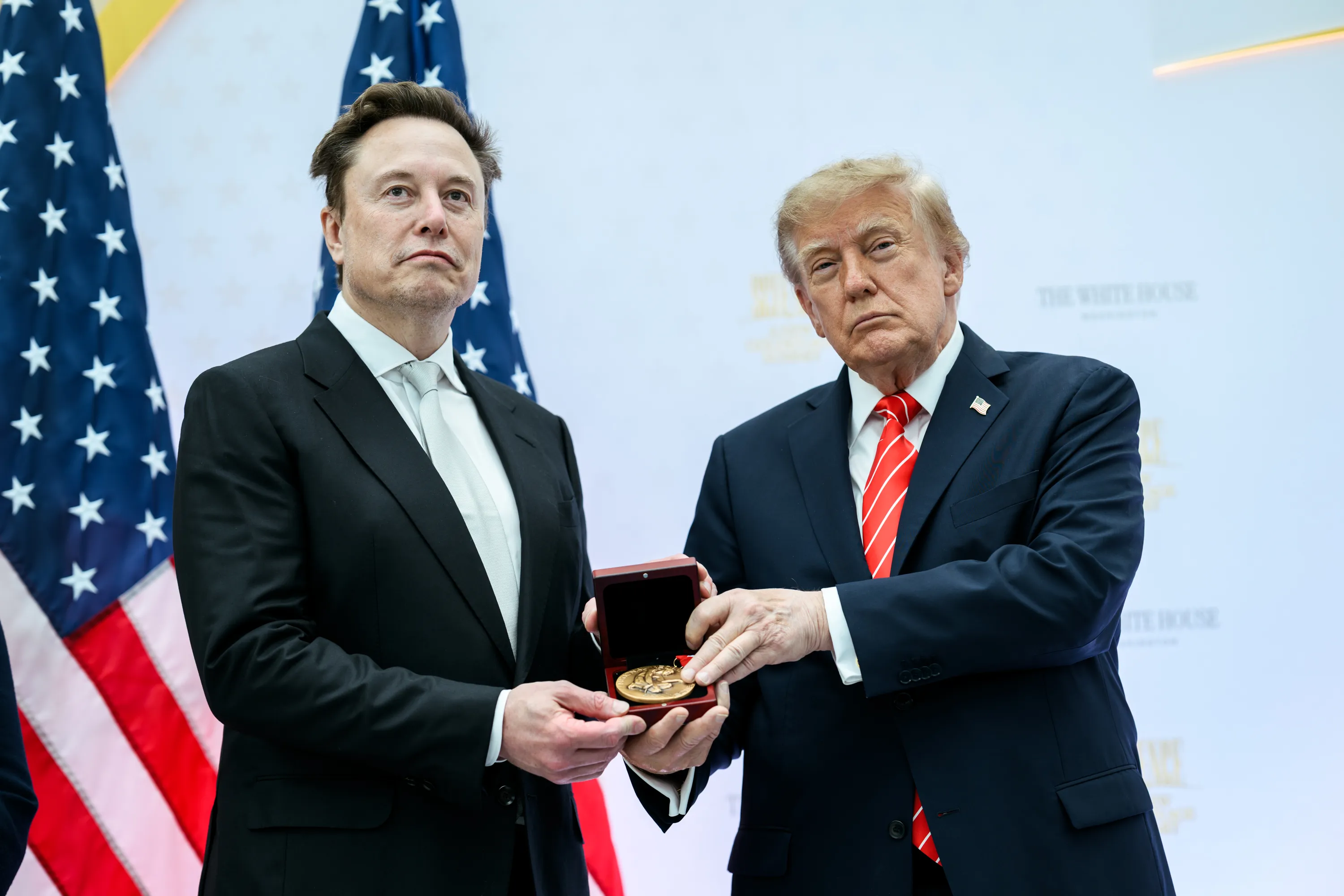
US President Donald Trump and Elon Musk in the Oval Office on 11 February 2025
US President Donald Trump and Elon Musk in the Oval Office on 11 February 2025. Photo: White House / Daniel Torok

Ukrainians note contradiction to reality

Ukrainian presidential adviser on defense technology Serhii Beskrestnov, known by the callsign Flash, wrote:

"It is very strange that Elon Musk doesn't know about the restrictions on Starlink operations in Ukraine."

Since winter 2026, every Starlink terminal over Ukraine, occupied areas included, has been limited to 70–90 km/h (43–56 mph), he said, and over Russia, Starlink does not work. "So we PHYSICALLY CANNOT USE COMMERCIAL STARLINK for deep strikes and mid-range strikes," Beskrestnov wrote. Deep strikes hit targets far inside Russia, mid-range ones targets closer to the front.

Ukrainian activist and drone fundraiser Serhii Sternenko called Musk's claim untrue. He said Ukraine introduced whitelists of terminals in February, and any terminal used on the move had to be listed and connected to Starshield.

"So using civilian Starlink for drone missions was technically impossible. All drone missions that needed satellite communication could be carried out only with Starshield," Sternenko added.

European governments help pay for Ukraine's Starlink service. Germany funds it under a contract that runs until April 2027. Polish Foreign Minister Radosław Sikorski, whose country pays around $50 million a year for the service, said on 23 October: "Mixing business with politics usually ends badly, especially when we talk about Elon Musk."

Russia keeps hitting Ukraine’s arms plants. Now private developers can dig them space underground—and sell or rent it to them

23 octobre 2026 à 06:55

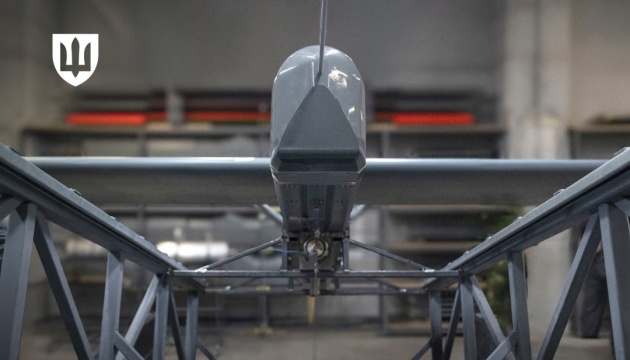
The FP-1 "Deep Strike" kamikaze drone at the factory.

Ukraine's Cabinet has opened the construction of underground arms production space to private investors, Prime Minister Serhii Koretskyi announced on 22 October, saying the rule applies from that day. A second decision eases imports for partner-funded weapons production.

Koretskyi said the change would add more of the space arms makers need, especially as Russian strikes intensify. On 9 December 2025, the Defense Ministry reported that more than UAH 1.5 billion (about $36 million) in budget support had let war-damaged defense firms restore operations. At the time, the ministry planned to relocate or duplicate the most critical plants, and underground complexes were under construction. The new model puts no additional burden on the state budget, Deputy Defense Minister Hanna Hvozdiar said. The bill still lands somewhere, though. Defense firms will buy, lease, or take the space for use, and companies working on state contracts are among those eligible. If they pay developers out of state-contract revenue, part of the cost could come back to the budget.

Developers build, arms makers move in

The changes to Cabinet resolution No. 1494 give private investors a simplified route to construction and permits, the ministry said. Developers can build protected facilities with their own or raised funds. Deadlines, terms of use, and the handover are set in a contract between investor and defense firm. The mechanism covers new sites as well as moving or expanding existing production. If a firm gets only part of a facility, that part must be at least 25% of the facility's total area and fit for production.

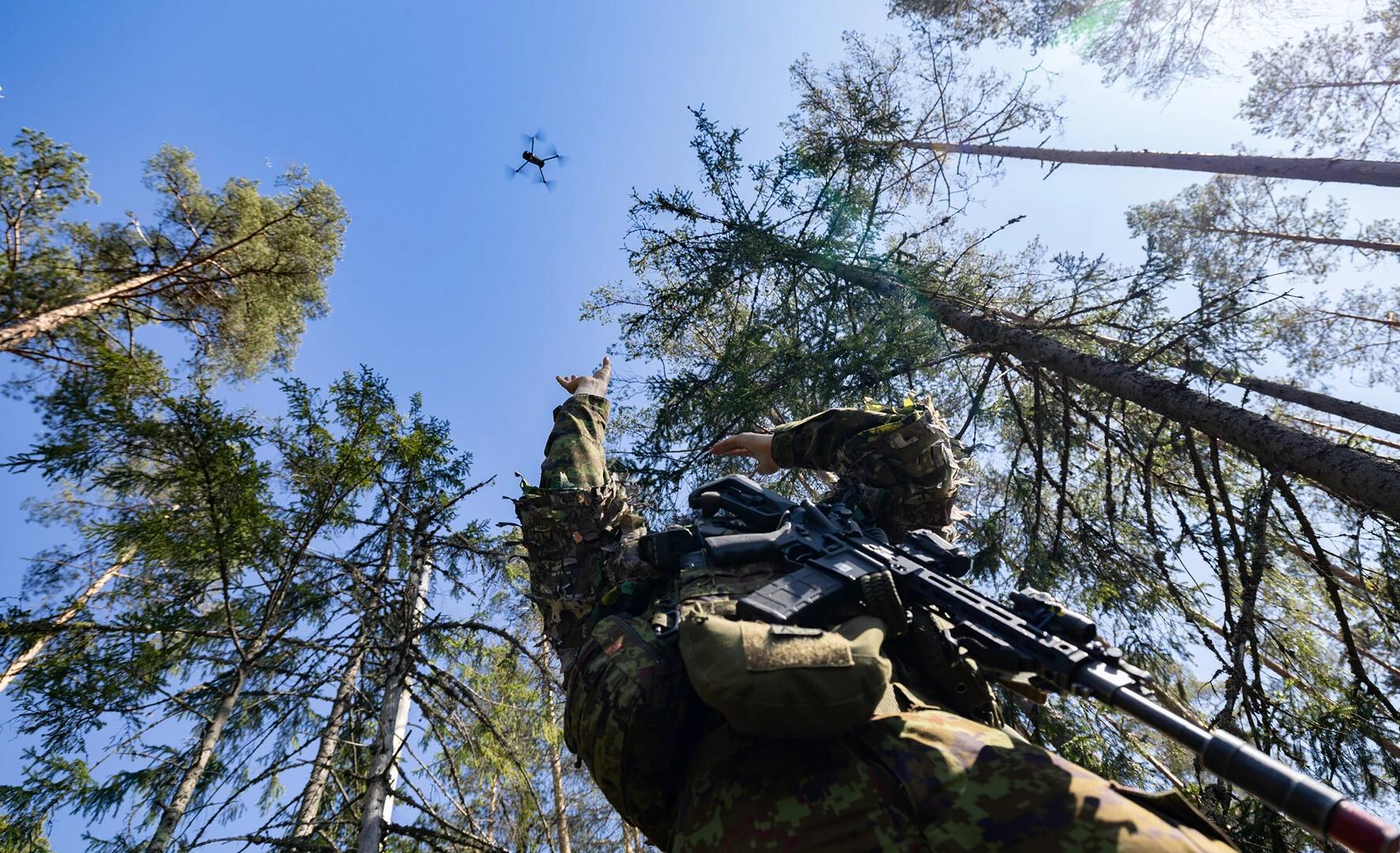
Estonian and Ukrainian soldiers fly drones together during Exercise Hedgehog 2025 in Estonia, where Ukrainian operators were credited with knocking out two battalions in a simulated engagement. Photo: vbl/OR-7 Ardi Hallismaa/ERR
Explore further

One year of Ukrainian arms exports, and industry has questions: how much army gained, where Berlin office is, who joins joint ventures

Developers must sign deals with, among others, residents of Defence City, Ukraine's special legal regime for arms makers, holders of state defense contracts, and firms the ministry designates as critical.

Tax break for partner-funded arms production

Components for weapons production that international partners pay for will enter Ukraine free of import duty and VAT, Koretskyi said. He added that customs inspection and clearance would be simplified and sharply shortened through a "single window."

Ukraine-NATO AI built to forecast Russia’s front-line drone attacks from past data and weather is ready to plug into the army

14 octobre 2026 à 08:07

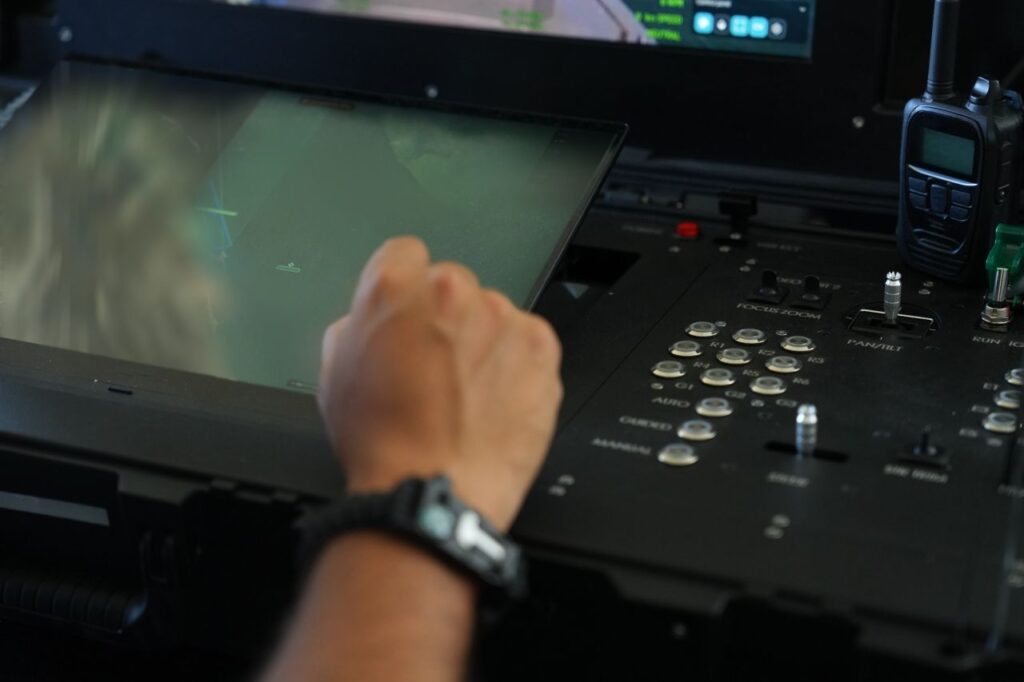
UFORCE drone control station. September 2026.

Ukraine and NATO have unveiled two artificial intelligence (AI) tools in Vilnius, Lithuania, Ukraine’s Defense Ministry reported on 13 October. One forecasts Russian drone attacks near the front and is ready to join the Armed Forces’ situational awareness systems. The other helps plan artillery fire and is still in testing.

A forecast of where, when, and which drones will fly targets the main source of losses near the front. In March, Ukraine’s military put the share of front-line casualties caused by FPV drones at up to 80%. In May, Ukraine’s drone forces commander Robert Brovdi said Russia was copying Ukraine’s model to grow its drone forces. A month earlier, Presidential Office head Kyrylo Budanov wrote that adding more drones no longer fundamentally changes the battlefield. The next stage, he said, is full integration of AI.

Forecasting Russian drone attacks

The NATO-Ukraine Joint Analysis, Training and Education Center (JATEC) presented both at a three-day seminar in the Lithuanian capital. NATO’s Allied Command Transformation and Ukraine’s Armed Forces built the tools with JATEC’s support.

“The solution has already been validated using real-world datasets. It has been refined and is ready for integration into the Armed Forces of Ukraine's situational awareness systems,” the ministry said.

Model No. 13 works from past data, weather, and the current battlefield situation. The ministry said it can identify the intensity of attacks, the areas, the time windows, and the types of drones with a high probability.

Ranking artillery options

Model No. 32 is a decision-support module. It tests whether artillery plans can be generated automatically. It weighs the mission’s requirements and current operational data, including available weapons, ammunition, firing positions, and constraints.

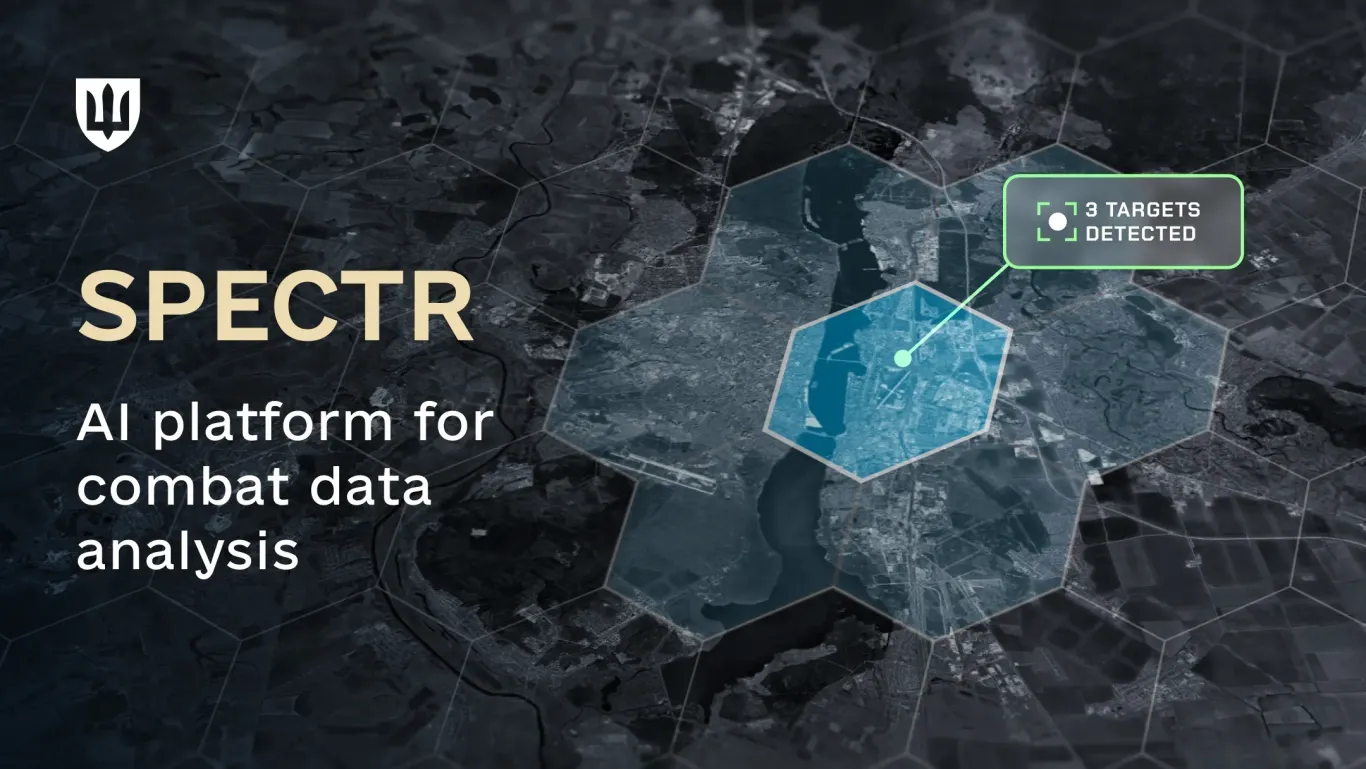
SPECTR.
Explore further

Ukraine’s new military AI does more than watch the battlefield—it helps commanders plan what comes next

First, it applies logistics, ballistics, and impact-zone parameters to throw out unworkable options. Then it scores and ranks the rest. That means less hand-based comparison, faster decisions, and a more efficient fire loop, the ministry said. The prototype is now with the Ukrainian military for trials. If the trials succeed and it is validated, it could be expanded to other units that strike Russian forces.

❌