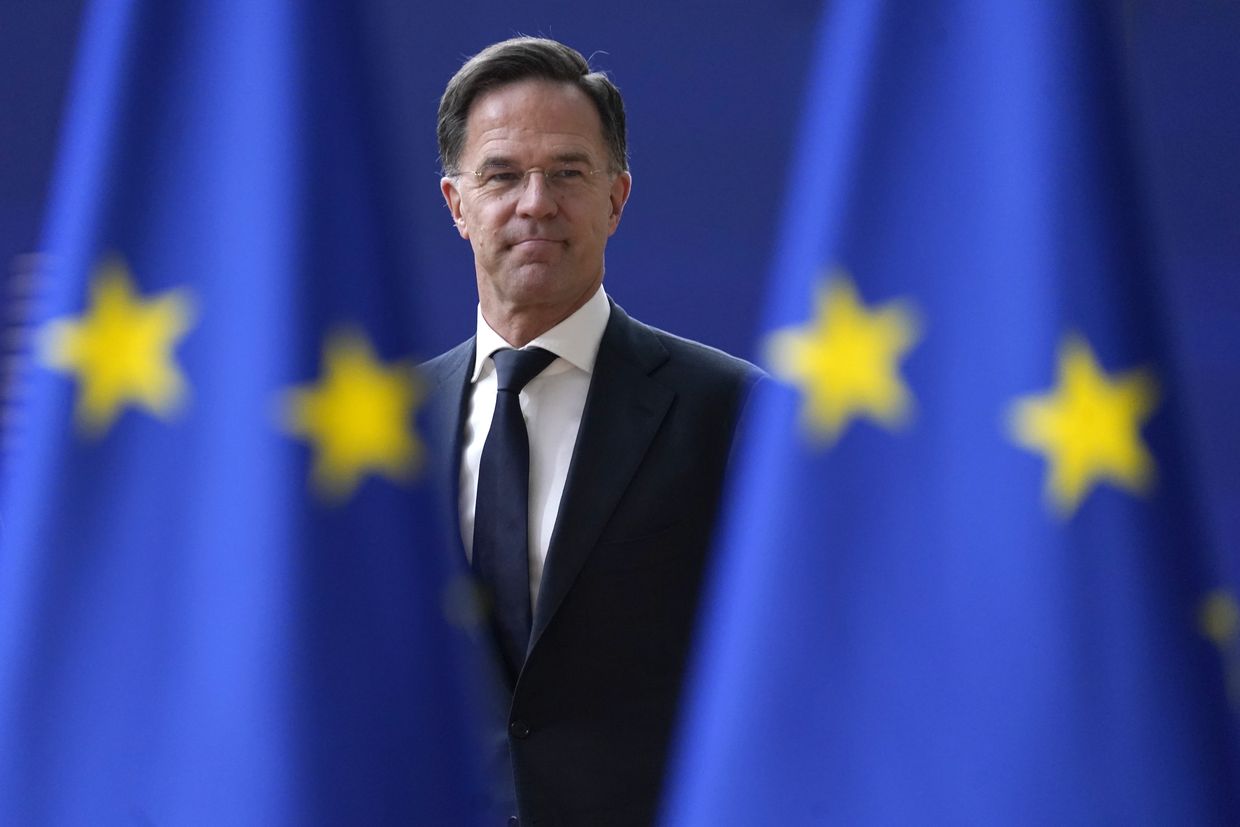
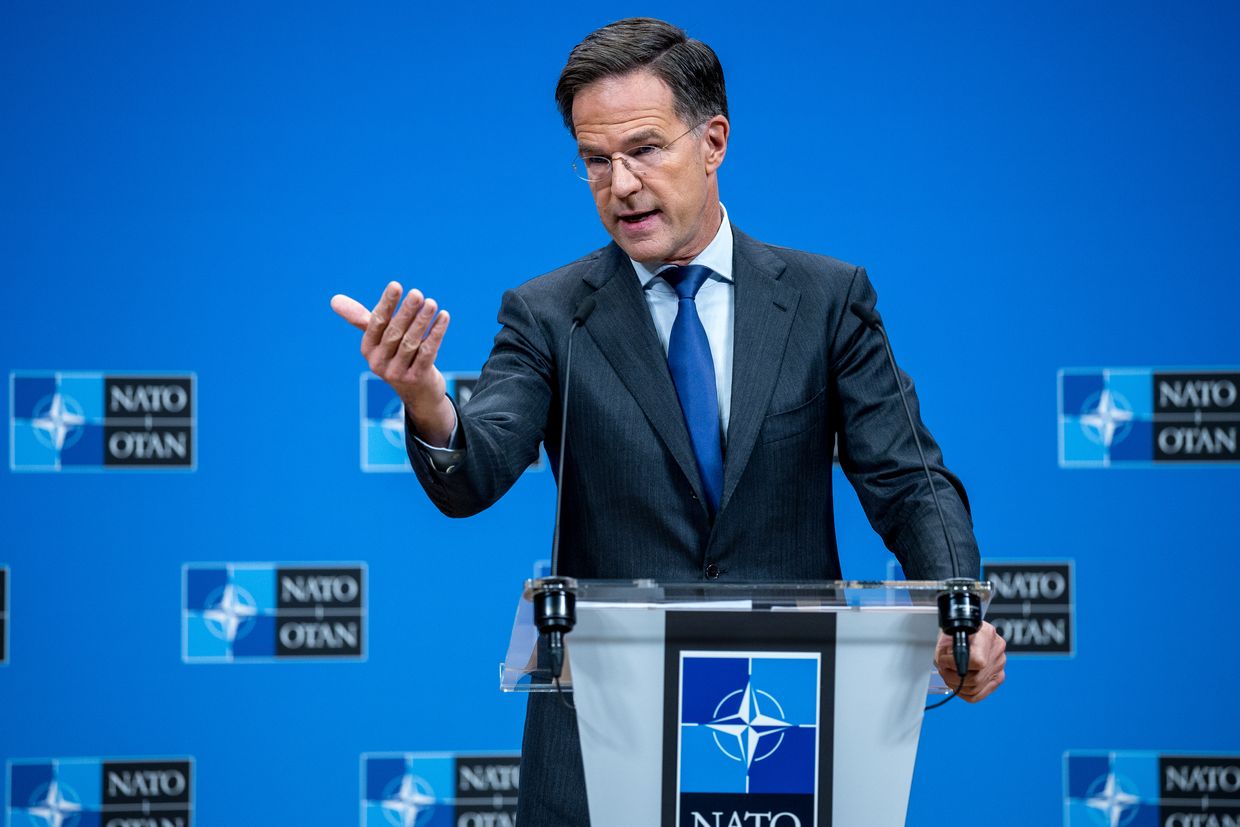
If China attacks Taiwan, Beijing may ask Moscow to open a second front against NATO states, NATO Secretary General Mark Rutte said in an interview with The New York Times (NYT) published on July 5.Fears of escalating Chinese military intervention in Taiwan have risen sharply since Russia launched its full-scale invasion of Ukraine in February 2022. The war has served as a possible model of how both Taipei and the international community might respond if Beijing decides to invade."There's an incr
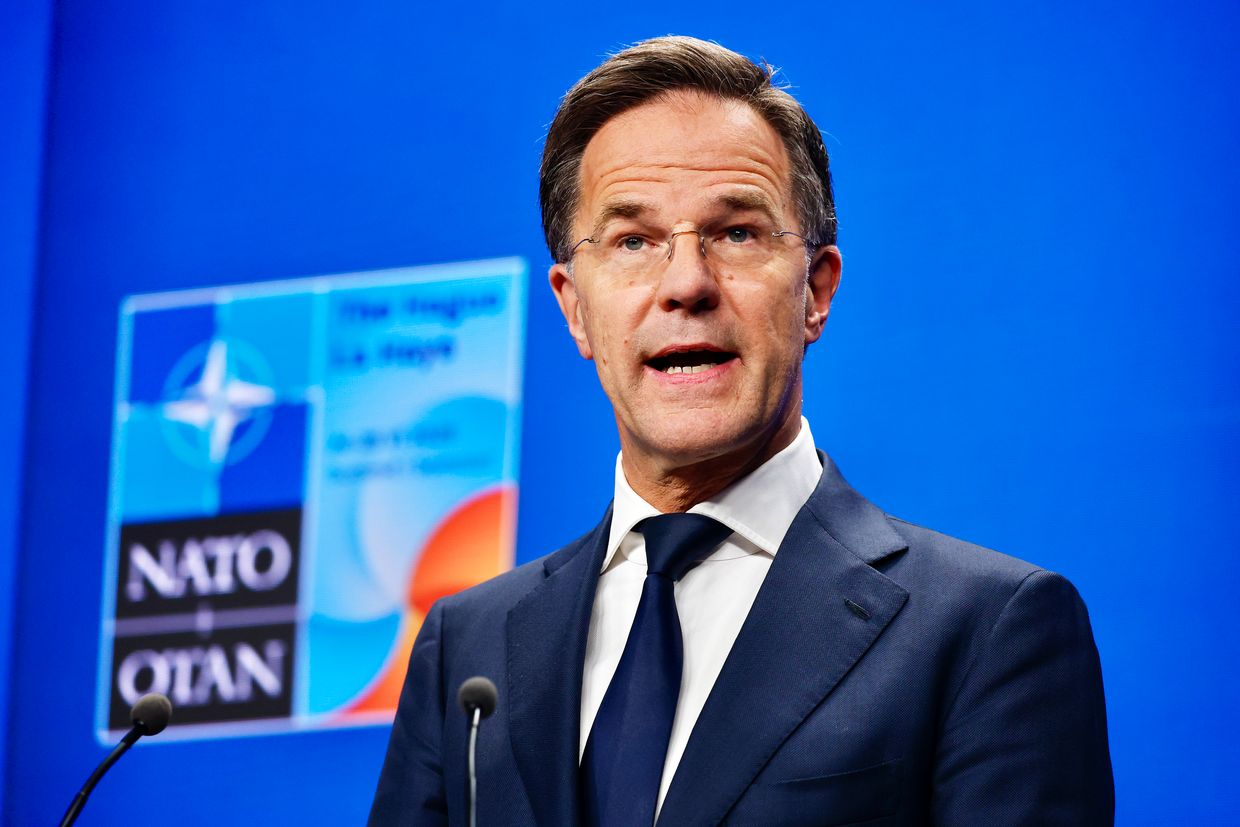
If China attacks Taiwan, Beijing may ask Moscow to open a second front against NATO states, NATO Secretary General Mark Rutte said in an interview with The New York Times (NYT) published on July 5.
Fears of escalating Chinese military intervention in Taiwan have risen sharply since Russia launched its full-scale invasion of Ukraine in February 2022. The war has served as a possible model of how both Taipei and the international community might respond if Beijing decides to invade.
"There's an increasing realization, and let's not be naive about this: If Xi Jinping would attack Taiwan, he would first make sure that he makes a call to his very junior partner in all of this, Vladimir Vladimirovich Putin, residing in Moscow, and telling him, 'Hey, I'm going to do this, and I need you to keep them busy in Europe by attacking NATO territory,'" Rutte said.
"That is most likely the way this will progress. And to deter them, we need to do two things. One is that NATO, collectively, being so strong that the Russians will never do this. And second, working together with the Indo-Pacific — something President (Donald) Trump is very much promoting," Rutte added.
Western officials and analysts point to Russia's surging military expenditures amid its ongoing full-scale invasion of Ukraine.
In 2024, Russia's defense budget reportedly rose 42% in real terms, reaching $462 billion, surpassing the combined spending of all European nations, according to the International Institute for Strategic Studies.
NATO allies have cited Russia's military buildup, sabotage campaigns, and continued aggression against Ukraine as reasons to accelerate defense investments.
Rutte previously warned that Russia could rebuild its military capacity to threaten NATO territory within five years, urging members to act with urgency.
Europe must dramatically ramp up its defenses against a resurgent Russia, NATO Secretary General Mark Rutte said in an interview with the New York Times published on July 5, crediting U.S. President Donald Trump for driving the alliance to unprecedented levels of commitment.Rutte, who assumed his role late last year after 14 years as Prime Minister of the Netherlands, has been navigating NATO through a period marked by Russia's expansionist ambitions and questions about the reliability of the Un
Europe must dramatically ramp up its defenses against a resurgent Russia, NATO Secretary General Mark Rutte said in an interview with the New York Times published on July 5, crediting U.S. President Donald Trump for driving the alliance to unprecedented levels of commitment.
Rutte, who assumed his role late last year after 14 years as Prime Minister of the Netherlands, has been navigating NATO through a period marked by Russia's expansionist ambitions and questions about the reliability of the United States as an ally.
"Russia is reconstituting itself at a pace and a speed which is unparalleled in recent history," he told the outlet, adding that "...they are now producing three times as much ammunition in three months as the whole of NATO is doing in a year. This is unsustainable, but the Russians are working together with the North Koreans, with the Chinese and Iranians, the mullahs, in fighting this unprovoked war of aggression against Ukraine."
He emphasized the interconnectedness of security across different regions, noting that a secure Arctic is vital due to increased Chinese and Russian activity, and a secure Atlantic is "crucial" for the U.S. "If the Arctic, if the Atlantic Ocean, if Europe is not secure, the U.S. has a big problem," Rutte said, arguing that Russia is ultimately aiming to attack the U.S.
The Secretary General strongly dismissed Russian Foreign Minister Sergey Lavrov's comments that NATO's new defense spending targets would "bankrupt" members.
"I know Sergey Lavrov very well. He has been foreign minister of Russia since the birth of Jesus Christ, and I’ve never taken him seriously. When you talk about fake news, listen to Sergey Lavrov," Rutte told the NYT. He believes Lavrov's comments are "clearly evidence that the deterrence is working."
Rutte acknowledged concerns about the defense industrial output across the alliance, adding that, "we simply lack the defense industrial base to produce the weapons we need to make sure that we can deter the Russians or the North Koreans or whoever to attack us." He underscored the importance of not just financial investment, but also having sufficient personnel and industrial capacity to effectively utilize weaponry.
On the subject of Ukraine, Rutte confirmed that European allies have significantly increased their financial commitment. "The Europeans have now cobbled together $35 billion in military aid this year to deliver to Ukraine, which is more than last year," he said. He viewed this as a logical and fair shift, with the U.S. expecting Europeans to "take more of the burden when it comes to the concrete support to Ukraine."
While acknowledging the complex discussions surrounding peace talks, Rutte recognized President Donald Trump's role in initiating dialogue with Russian President Vladimir Putin.
"He is the one who broke the deadlock with Putin. When he became president in January, he started these discussions with Putin, and he was the only one who was able to do this. This had to happen. A direct dialogue between the American president and the president of the Russian Federation."
However, Rutte admitted that subsequent peace talks in Istanbul involved Russia sending a less serious delegation, leading to the conclusion that "we are not there yet, and that means that in the meantime you have to make sure that Ukraine has what it needs to stay in the fight."
Despite some perceived divergences in approach between NATO and the U.S. regarding peace talks, Rutte insisted on the American administration's commitment to the conflict's importance.
"The American administration completely takes the view and shares it with the Europeans that this war in Ukraine is crucial for the defense of NATO territory going forward and that we have to make sure that Ukraine is in the strongest possible position to stop the Russians from taking more territory, and that when it comes to a cease-fire or, even better, a peace deal, that Ukraine with some help will be able to prevent Putin from ever attacking Ukraine again in the future."
NATO Secretary General Mark Rutte on July 4 called on the United States to show "flexibility" in its military aid to Ukraine, after Washington unexpectedly paused some weapon deliveries citing concerns over dwindling domestic stockpiles. The Pentagon's decision to halt transfers of artillery rounds and air defense systems coincides with a significant escalation in Russian attacks on Ukrainian cities, exposing critical vulnerabilities in Ukraine's air defense capabilities as current US funding ne
NATO Secretary General Mark Rutte on July 4 called on the United States to show "flexibility" in its military aid to Ukraine, after Washington unexpectedly paused some weapon deliveries citing concerns over dwindling domestic stockpiles.
The Pentagon's decision to halt transfers of artillery rounds and air defense systems coincides with a significant escalation in Russian attacks on Ukrainian cities, exposing critical vulnerabilities in Ukraine's air defense capabilities as current US funding nears expiration this summer.
"The US has to make sure that the stockpiles are at the level we need for the U.S. to have, because they are crucial for our collective defense," Rutte told reporters on July 4. "At the same time, of course, we hope for the flexibility, we have to make sure also that Ukraine can move forward."
The Pentagon announced the aid pause this week, citing a review of U.S. stockpiles as it assesses the need to conserve weapons for other potential security threats. This move comes as Russia intensified its air campaign, unleashing record drone and missile strikes on Kyiv and other major urban centers overnight.
President Volodymyr Zelensky spoke with U.S. President Donald Trump by phone Friday, aiming to persuade the U.S. leader to resume deliveries and increase weapon sales to the country. Trump expressed disappointment following his latest conversation with Russian counterpart Vladimir Putin, which produced no progress toward a ceasefire in Russia's war against Ukraine, now in its fourth-year.
Given Russia's apparent unwillingness to pursue a ceasefire, allies must "be sure" Ukraine "has what it needs to stay in the fight," Rutte emphasized. He spoke after a ceremony welcoming Air Force General Alexus Grynkewich, the new commander of U.S. military forces in Europe and top NATO military commander.
Grynkewich acknowledged the ongoing discussions, adding: "We’ll see more play out of the next week or two." He also announced a 90-day review of U.S. forces in Europe, examining potential future US posture in the region.
A broader US military review is expected later this summer, potentially outlining significant reductions in Europe. This prospect has already raised concerns among European NATO allies, who say they have received no prior information about these plans.
NATO Secretary General Mark Rutte said on July 2 that he understands Washington's need to safeguard its own defense needs, but emphasized that Ukraine urgently requires sustained Western support."I totally understand that the U.S. always has to make sure its interests are covered," Rutte told Fox News. "When it comes to Ukraine, in the short term, Ukraine cannot do without all the support it can get."His remarks come as the U.S. Defense Department has halted deliveries of key weapons systems pre
NATO Secretary General Mark Rutte said on July 2 that he understands Washington's need to safeguard its own defense needs, but emphasized that Ukraine urgently requires sustained Western support.
"I totally understand that the U.S. always has to make sure its interests are covered," Rutte told Fox News. "When it comes to Ukraine, in the short term, Ukraine cannot do without all the support it can get."
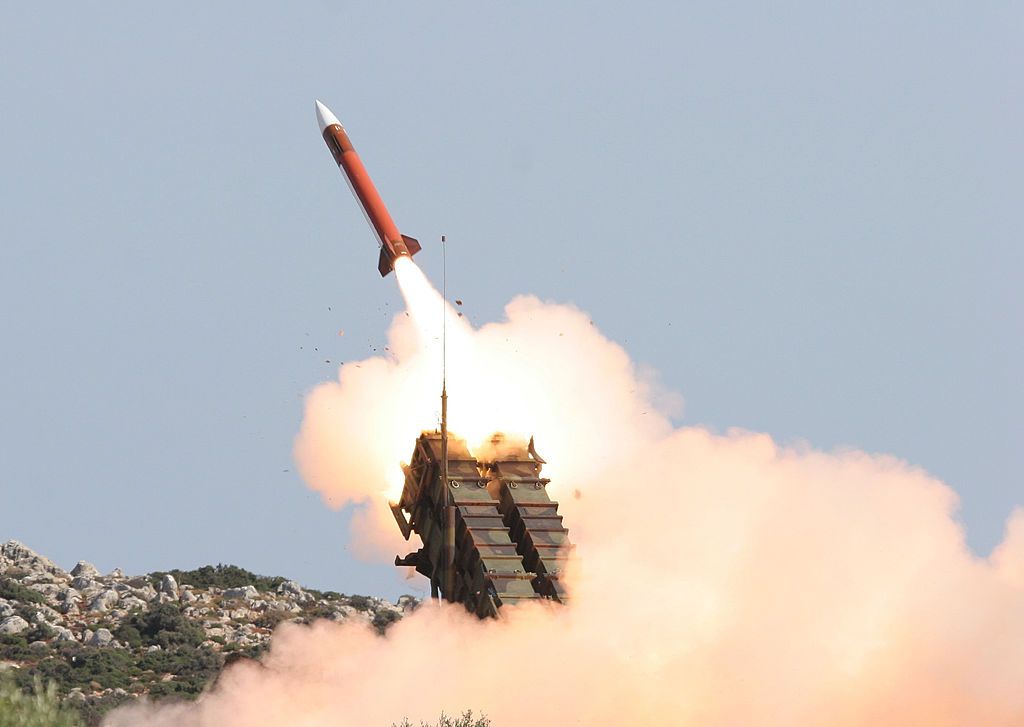
His remarks come as the U.S. Defense Department has halted deliveries of key weapons systems previously promised to Kyiv, including Patriot missiles, precision-guided artillery shells, Hellfire missiles, and munitions compatible with F-16 fighter jets.
The White House confirmed the pause in shipments, citing a broader reassessment of U.S. military stockpiles. No new U.S. military aid packages have been approved since U.S. President Donald Trump took office in January.
"I understand the U.S. has to take care of its stockpiles, and at the same time, we have to allow for some flexibility here," Rutte said. "Europeans, in the meantime, are really stepping up."
During last week's NATO summit in The Hague, Trump and President Volodymyr Zelensky met behind closed doors. Rutte described the conversation as "a very good discussion, particularly focusing on air defense systems."
The reporting of paused deliveries comes as Ukraine faces one of the heaviest barrages of Russian drone and missile strikes since the start of the full-scale invasion.
Ukraine's Defense Ministry responded by saying it has not received formal notification of delays or cancellations and has requested urgent consultations with U.S. defense officials.
The Foreign Ministry summoned U.S. Charge d'Affaires John Ginkel the same day, warning that any hesitation in maintaining Ukraine's defense capabilities would embolden Russia.
The Kremlin welcomed the halt in arms shipments, saying it brings the war closer to an war.
"The fewer weapons that are supplied to Ukraine, the closer the end of the (war)," Kremlin spokesperson Dmitry Peskov said in response to the information.
U.S. Defense Secretary Pete Hegseth has previously indicated that the upcoming defense budget will scale back long-term military support for Ukraine, reflecting a shift in Washington's priorities.
Speaking on the sidelines of the NATO summit in The Hague on June 24, NATO Secretary General Mark Rutte called on alliance members to be realistic about the threats posed by Russia and China, and urging them to stay the course in supporting Ukraine."Let's not be naive," Rutte said. "You see what China, North Korea and Iran are doing in supporting the war effort of Russia ... So this is all interconnected."Rutte emphasized that while NATO faces multiple global challenges, from the war in Ukraine
Speaking on the sidelines of the NATO summit in The Hague on June 24, NATO Secretary General Mark Rutte called on alliance members to be realistic about the threats posed by Russia and China, and urging them to stay the course in supporting Ukraine.
"Let's not be naive," Rutte said. "You see what China, North Korea and Iran are doing in supporting the war effort of Russia ... So this is all interconnected."
Rutte emphasized that while NATO faces multiple global challenges, from the war in Ukraine to tensions in the Middle East and Russian influence in Africa, the alliance must be able to focus on more than one crisis at a time.
"If you can only deal with one issue at a time, you should not be in politics or defense," he said.
Rutte said NATO's role is to ensure Ukraine has the military means to stay in the fight until "serious" peace negotiations begin.
"We have to make sure that Ukraine is in the strongest possible position when real talks start," he said. "I'm not talking about these talks led by some Russian historian (Vladimir Medinsky) who wants to go back 1,000 years... That's not serious business.”
The talks he referenced, led by Russian presidential aide Vladimir Medinsky and held in Istanbul in May-June, have yielded prisoner exchange agreements but no progress toward a ceasefire or settlement. Ukraine has offered a comprehensive roadmap, but Rutte said Russia had not come to the table with serious intent.
Instead, Russia continues to reject U.S. proposed comprehensive ceasefire, and insists on its longstanding maximalist demands.
"When the time comes for serious talks, we must ensure any long-term ceasefire or peace deal is durable — so that (Russian President) Vladimir Putin will never again try to seize even one square kilometer of Ukrainian territory," Rutte said.
Rutte also stressed that Ukraine is evolving from a security consumer into a security producer. He noted that the country's "largely untapped" defense industrial base, with a potential value of up to $35 billion, is increasingly attracting European investment.
"Ukraine has one of the largest defense industries in Europe," Rutte said, adding that many countries, including Norway, Denmark, and Lithuania, are now investing in it. "That helps Ukraine, and it helps us.”
Responding to concerns over Europe's reliance on the United States, Rutte said NATO must stop "worrying so much" about U.S. commitment and instead ramp up its own military capabilities.
"There is total commitment by the U.S. President and U.S. senior leadership," Rutte said, dismissing doubts about Washington's future role in NATO. "However, it comes with an expectation that we will finally deal with this huge bubbling issue, which is that we are not spending enough as Europeans and Canadians."
Rutte strongly backed the alliance's new 5% GDP defense investment benchmark, saying increased spending must translate into ammunition stockpiles, troop recruitment, and industrial output. "The Russians are producing in three months what NATO produces in a year," he said.
Earlier, U.S. President Donald Trump accused NATO members of underfunding their militaries, pushing for raising defense spending benchmark to 5% of GDP.
In 2024, only 23 alliance members met the 2% target, according to NATO estimates. Poland was ahead of all members with 4.12% of GDP allocated to defense, followed by Estonia (3.43%) and the U.S. (3.38%).
NATO Secretary General Mark Rutte said during a press briefing on June 23 that Russia remains the main threat to the alliance, citing Moscow's cooperation with China, North Korea, Iran, and Belarus. "Moscow continues to wage war against Ukraine, with support of North Korea, Iran, and China, as well as Belarus," Rutte said.The Secretary General told reporters that the alliance leaders are set to adopt a historic defense investment plan at the summit in The Hague on June 24-25, including a new ben
NATO Secretary General Mark Rutte said during a press briefing on June 23 that Russia remains the main threat to the alliance, citing Moscow's cooperation with China, North Korea, Iran, and Belarus.
"Moscow continues to wage war against Ukraine, with support of North Korea, Iran, and China, as well as Belarus," Rutte said.
The Secretary General told reporters that the alliance leaders are set to adopt a historic defense investment plan at the summit in The Hague on June 24-25, including a new benchmark of 5% of GDP for defense spending and a strengthened commitment to Ukraine.
"All leaders will take bold decisions to strengthen our collective defense, making NATO a stronger, fairer, and more lethal alliance," Rutte said at a press conference before the summit. “This is a leap that is ambitious, historic, and fundamental to securing our future.”
Rutte said the plan includes major increases in air defense systems, tanks, armored vehicles, and artillery, a response to the evolving threat landscape, particularly Russia's war against Ukraine.
"We see Russia's deadly terror from the skies over Ukraine every day. We must be able to defend ourselves from such attacks," Rutte added.
The Secretary General warned that NATO must act urgently to prepare for future threats, citing assessments that Russia could rebuild sufficient military capacity to challenge NATO within five years. "Our security environment has changed, and not for the better. The threats we face today demand that we do far more," he said.
Rutte emphasized that the new defense investment plan will be reviewed in 2029, with annual reporting to ensure credibility.
He stressed that NATO remains committed to supporting Kyiv and reaffirmed the alliance's long-standing position that "Ukraine's path to NATO membership is irreversible." According to Rutte, the allies have pledged over 35 billion euros ($40,6 billions) in military aid to Ukraine for the first half of 2025, up from 20 billion announced earlier this year.
President Volodymyr Zelensky is attending the summit and will hold multiple meetings with NATO leaders. However, NATO's Ukraine Council will not convene, a decision seen as part of efforts to keep the summit's focus narrow, a move aimed at appeasing U.S. President Donald Trump, according to Politico.
The summit, shortened to 24 hours, has only one major session on defense spending. European officials cited by Politicosaid the format was designed to deliver a clear win to Trump, who is expected to tout the 5% spending pledge as a personal success. The U.S. is reportedly exempting itself from the new benchmark.
While recent summits have centered on Russia's invasion of Ukraine, this year's joint communique may omit references to the war.
During the briefing, Rutte said that the final communique, agreed by NATO ambassadors, has "important language" about Ukraine, including defense spending up until 2035.
"This is a clear commitment by allies," Rutte said.
President Volodymyr Zelensky is set to attend a NATO summit in The Hague next week, the European Council confirmed on June 20.European Commission President Ursula von der Leyen and NATO Secretary-General Mark Rutte are set to meet Zelensky on June 24.Zelensky was reportedly reconsidering attending the NATO summit, as questions remain over U.S. President Donald Trump's participation, the Guardian reported on June 17, citing unnamed Ukrainian officials.A schedule released by the European Council o
President Volodymyr Zelensky is set to attend a NATO summit in The Hague next week, the European Council confirmed on June 20.
European Commission President Ursula von der Leyen and NATO Secretary-General Mark Rutte are set to meet Zelensky on June 24.
Zelensky was reportedly reconsidering attending the NATO summit, as questions remain over U.S. President Donald Trump's participation, the Guardian reported on June 17, citing unnamed Ukrainian officials.
A schedule released by the European Council on June 20 confirms Zelensky's planned participation at the event.
A Ukrainian official told the Guardian that Kyiv is in a "permanent hazard" of becoming a victim of "Trump's short attention span," adding that Russia has exploited this uncertainty with fresh aerial attacks.
There were "all sorts of promises for this summit," including U.S. arms, the source said.
Zelensky was scheduled to meet U.S. President Donald Trump at the Group of Seven (G7) Summit, held June 15-17.
Trump left the multilateral event early due to the renewed conflict between Israel and Iran.
Zelensky met with various leaders, including French President Emmanuel Macron and Canadian Prime Minister Mark Carney.
Zelensky left the summit early, citing Russia's mass drone and missile attack on Kyiv.
On June 17, a Russian drone and missile attack on Kyiv killed 30 people and injured another 172. The nearly nine-hour-long strike saw Moscow's forces launch large numbers of drones and missiles at Ukraine's capital.
Foreign Minister Andrii Sybiha condemned the attack, describing it as a "massive and brutal strike" timed deliberately to coincide with the G7 summit.
Spain has rejected a U.S.-backed proposal for NATO members to raise defense spending to 5% of GDP, becoming the first alliance country to oppose the plan, Reuters reported on June 19.The rejection adds pressure to the transatlantic debate ahead of the NATO summit in The Hague on June 24–25, which has beenreduced to a single session focused on defense spending and alliance capabilities. In a letter to NATO Secretary General Mark Rutte, Spanish Prime Minister Pedro Sanchez called the proposed tar
Spain has rejected a U.S.-backed proposal for NATO members to raise defense spending to 5% of GDP, becoming the first alliance country to oppose the plan, Reuters reported on June 19.
The rejection adds pressure to the transatlantic debate ahead of the NATO summit in The Hague on June 24–25, which has beenreduced to a single session focused on defense spending and alliance capabilities.
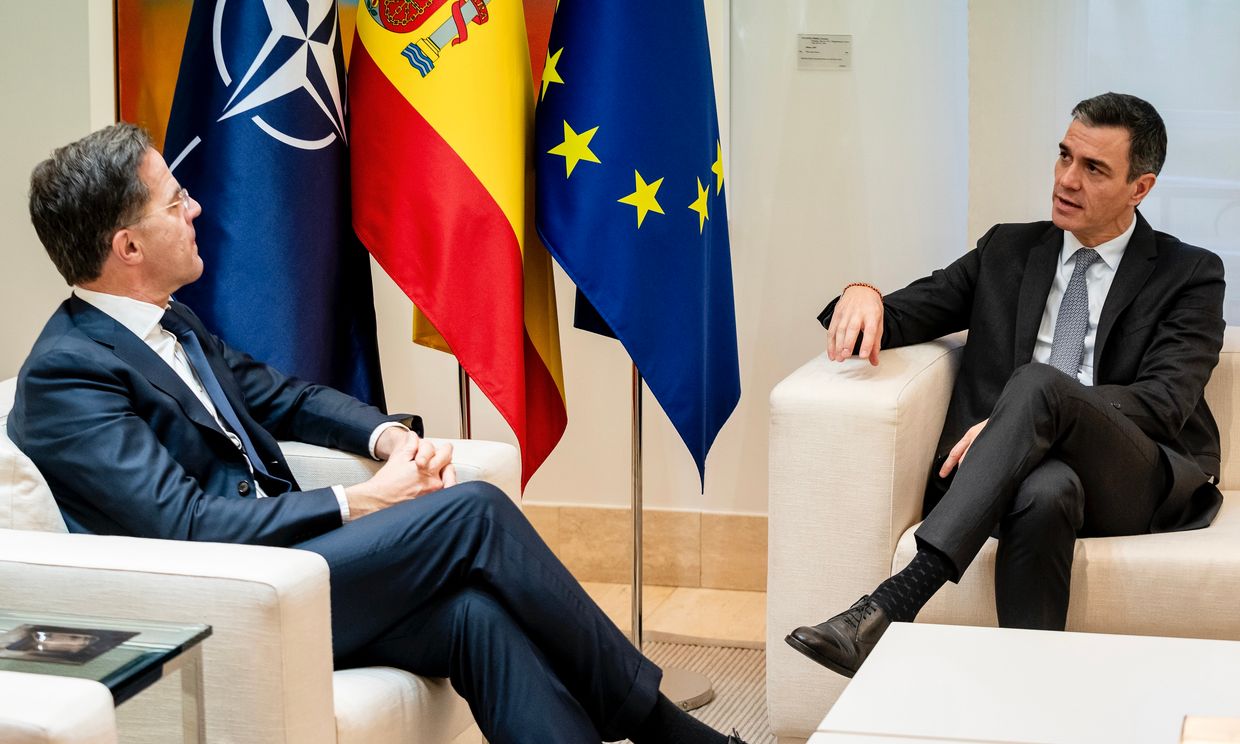
In a letter to NATO Secretary General Mark Rutte, Spanish Prime Minister Pedro Sanchez called the proposed target "unreasonable" and warned it would undermine broader European efforts to build an integrated defense ecosystem.
"Committing to a 5% target would not only be unreasonable, but also counterproductive," Sanchez wrote, arguing it would "move Spain further away from optimal spending."
Spain estimates that its armed forces require spending equal to 2.1% of GDP to meet national military objectives, below the U.S.-endorsed threshold but above NATO's 2% benchmark.
U.S. President Donald Trump has repeatedly accused NATO members of underfunding their militaries, pushing for raising defense spending benchmark to 5% of GDP.
While no other NATO members have formally rejected the proposal, most have remained noncommittal. Poland, the Netherlands, and Sweden have expressed willingness to consider the 5% target.
In 2024, only 23 alliance members met the 2% target, according to NATO estimates. Poland was ahead of all members with 4.12% of GDP allocated to defense, followed by Estonia (3.43%) and the U.S. (3.38%).
Rutte said on June 17 that all NATO countries are on track to meet the 2% threshold in 2025.
Spain, governed by a Socialist-led coalition, maintains a sharply different defense posture than the U.S. administration.
While Madrid supports Ukraine, it has taken a more cautious stance on the Middle East, including distancing itself from U.S. policy on Israel.
All 32 NATO member states are on track to meet the alliance's 2% GDP defense spending benchmark in 2025, Secretary General Mark Rutte said on June 17 at the G7 summit in Canada.The announcement marks a major shift for the alliance, which has faced repeated criticism from U.S. President Donald Trump for failing to meet spending commitments. The U.S. president has long pushed NATO members to spend more on defense, at one point suggesting the threshold be raised to 5% of GDP."This is really great n
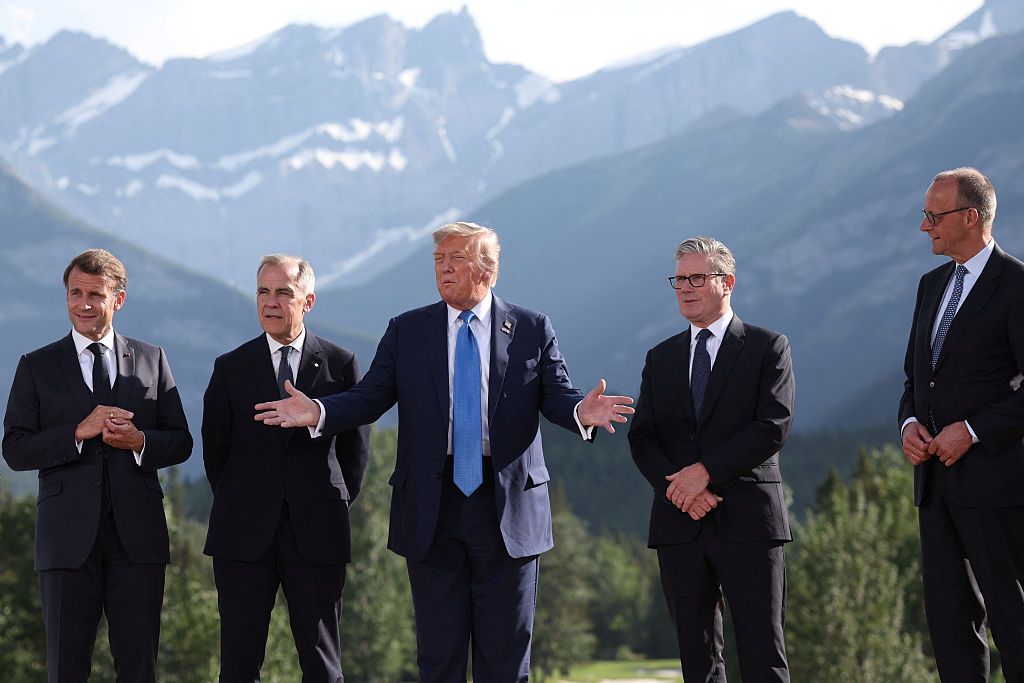
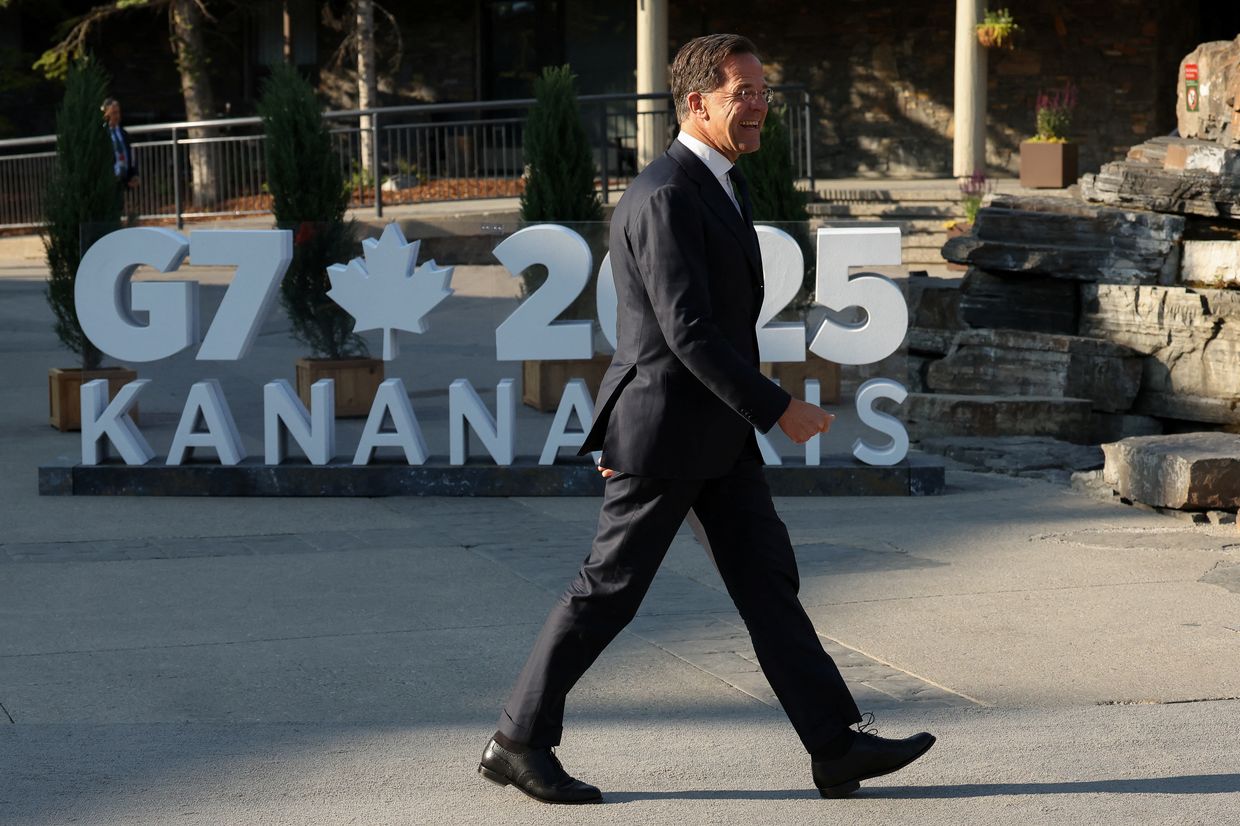
All 32 NATO member states are on track to meet the alliance's 2% GDP defense spending benchmark in 2025, Secretary General Mark Rutte said on June 17 at the G7 summit in Canada.
The announcement marks a major shift for the alliance, which has faced repeated criticism from U.S. President Donald Trump for failing to meet spending commitments.
The U.S. president has long pushed NATO members to spend more on defense, at one point suggesting the threshold be raised to 5% of GDP.
"This is really great news," Rutte said, praising announcements from Canada and Portugal, the last two holdouts. "The fact that you decided to bring Canada to the 2% spending when it comes to NATO this year is really fantastic," he told Canadian Prime Minister Mark Carney.
In 2024, only 23 alliance members met the 2% target, according to NATO estimates. Poland led all members with 4.12% of GDP allocated to defense, followed by Estonia (3.43%) and the U.S. (3.38%).
Rutte's comments come ahead of the June 24–25 NATO summit in The Hague, which has been reportedly scaled back to a single working session on defense spending and alliance capabilities.
The move, according to Italian outlet ANSA, is designed to avoid friction with Trump, whose presence at the summit remains unconfirmed.
Ukraine has been invited to the summit, but President Volodymyr Zelensky may reconsider his attendance amid uncertainty over the U.S. delegation, the Guardian reported on June 17.
According to the outlet, some in Kyiv are questioning whether Zelensky's presence at the summit would be worthwhile without a confirmed meeting with Trump.
Many NATO members have cited Russia's ongoing war against Ukraine and Trump's isolationist rhetoric as reasons to accelerate defense spending and prepare for potential future threats.

 Connexion

 The Kyiv IndependentAsami Terajima