❌

Vue normale

Russia has kept the Red Cross away from Ukrainian POWs since 2024. Now about 1,500 captives it never confirmed as prisoners face prosecution
23 octobre 2026 à 07:20

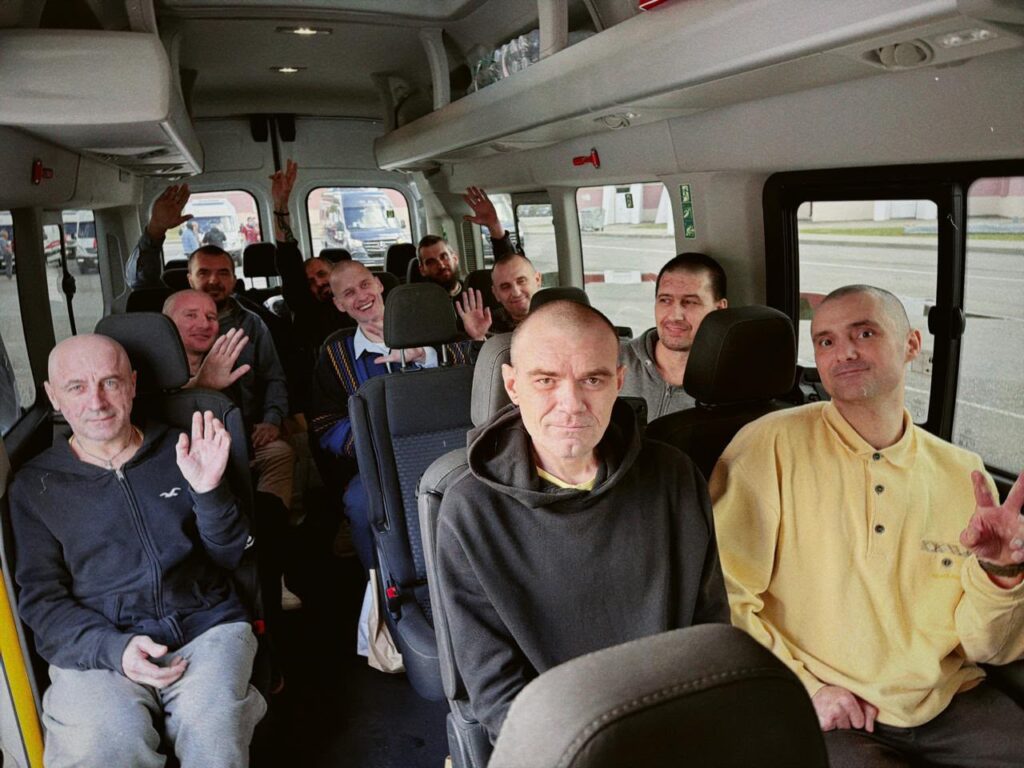
red cross has had access ukrainian pows russia since 2024 around 1500 captives face prosecution without having status confirmed—ukraine’s coordination headquarters · post returned servicemen inside minibus day release 24

About 1,500 Ukrainians held in Russia and occupied Ukraine are facing criminal prosecution even though the International Committee of the Red Cross (ICRC) has never confirmed them as prisoners, Petro Yatsenko, representative of Ukraine's Coordination Headquarters for the Treatment of Prisoners of War, said on 19 October at an event on missing persons at UN headquarters in New York. The event was organized by the permanent missions of Ukraine and Poland to the UN.

Without ICRC confirmation, there is no official record that a person is alive or held, which leaves captives without proper protection, the headquarters said. Amnesty International calls this enforced disappearance, a practice that puts people outside the protection of the law. The ICRC itself has been shut out. Under the Geneva Conventions it is supposed to visit prisoners of war, but on 18 September it told Reuters that Russia has given it no access to Ukrainian POWs since 2024. UN investigators have gathered evidence of systematic torture in the detention centers where they are held. Russia denies torturing or mistreating POWs.

Families lose track of captives as Russia moves them between prisons

Kateryna Nazarii, who coordinates families of the 24th Mechanized Brigade, is the wife of a Ukrainian serviceman held by Russia. The ICRC has not been able to confirm his status as a prisoner of war. Russia does not let the ICRC or other humanitarian organizations into the prisons where Ukrainians are held, and does not hand over complete lists of prisoners, Nazarii said at the event. When families do find out where a relative is held, she said, that person is moved to another prison, and contact is lost again.

Many of those whose captivity Russia has not confirmed are civilians. Among them, Yatsenko said, are about 200 young people born after 2000 and nearly 400 people over 60. None of them has been confirmed through the ICRC, according to the headquarters.

Secrecy and torture in Russian captivity

Most Ukrainian POWs are cut off from the outside world. In a March 2025 report, Amnesty International found that 24 of the 43 families of confirmed POWs it interviewed had received no word at all from their relative. Counting prisoners allowed only one brief call or text at the start of captivity, 72% of those 43 were held incommunicado. The UN monitoring mission found that only 21 of 174 former POWs it interviewed had been able to correspond with their families, Amnesty noted.

Silence is what makes the abuse possible, Amnesty argues. The UN monitoring mission found that 97% of former POWs it interviewed had been tortured or ill-treated, the report notes, and methods include beatings, electric shocks, burns, and sexual violence. A UN commission of inquiry concluded in 2024 that the torture amounted to a "coordinated state policy," the report adds.
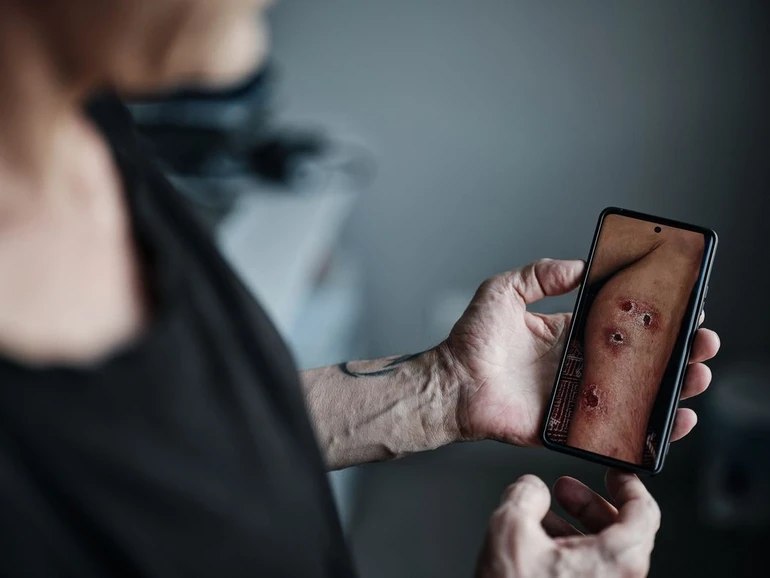
A Ukrainian defender who returned from Russian captivity shows the effects of his detention. June 2023
A Ukrainian defender who returned from Russian captivity shows the effects of his detention. June 2023. Photo: libkos/Instagram

When the Red Cross did get in, it saw what Russia chose to show. An OSCE expert mission reported in September 2025 that, according to former prisoners, Russian staff presented only prisoners in relatively good physical condition during ICRC visits and kept the sick and tortured out of sight. The experts also found that Russia blocked visits to some facilities and gave incomplete prisoner lists.

The unconfirmed are not a small group. A quarter of the 3,767 POWs who returned to Ukraine by November 2024 had never been confirmed by Russia as captives, the Coordination Headquarters said, as cited by Amnesty. Hundreds or possibly thousands more may still be held without Russia notifying the ICRC, Amnesty concluded.

Those who come back describe the conditions. Anatolii Zemlianyi, a soldier of the 2nd Assault Brigade released in the May 2025 exchange, told Frontliner that he spent eight months in a hospital in occupied Donetsk with a grenade wound in his leg and got no proper treatment. In captivity, he said, prisoners drank water from puddles.
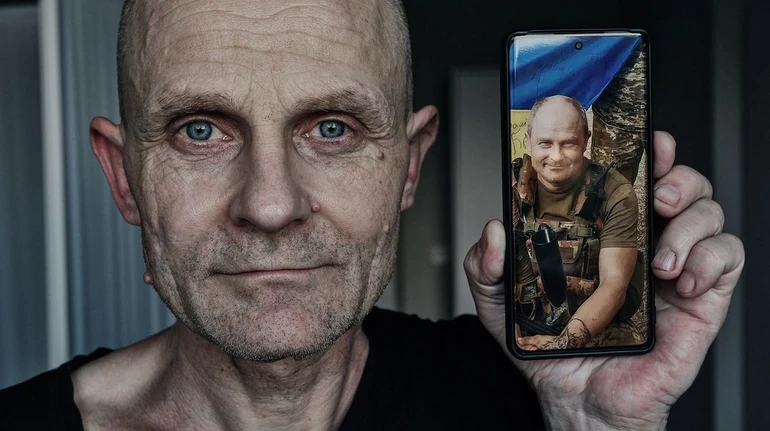
A Ukrainian service member who returned from captivity compares his current appearance with a photo taken before his detention. June 2023
A Ukrainian service member who returned from captivity compares his current appearance with a photo taken before his detention. June 2023. Photo: libkos/Instagram

Russia continues to hold Ukrainian civilians unlawfully

Nobody knows how many Ukrainian civilians Russia holds. "It is not known," the UN human rights office said in a September 2025 report, which cites Ukraine's Prosecutor General's Office as having identified 15,250 civilians detained by Russia between February 2022 and August 2025. Exchanges bring very few of them back: of 5,941 people released from Russian captivity between February 2022 and 14 August 2025, 352 were civilians, Ukraine's human rights commissioner Dmytro Lubinets told The Week.

Under the Fourth Geneva Convention, an occupying power may intern civilians only for imperative reasons of security, and only under a regular procedure with periodic review, the same UN report notes. Russia instead treats detained civilians as criminals, Oleksandr Kononenko, a representative of Ukraine's human rights commissioner, told relatives of civilian hostages in 2023.

"This convention clearly states that civilian hostages should not be detained. They should be released. What is Russia doing? It 'makes all these people criminals' and accuses them of terrorism, opposition to a special military operation, and assistance to the Ukrainian Armed Forces, which is completely absurd from the point of view of an independent state and those people who are patriots of their state," Kononenko said.

Kyiv believes Russia detains civilians partly to trade them. Regular civilian swaps risk signaling to Russia that by detaining more Ukrainians it could get more Russians released, so it may seize more people to replenish its "exchange fund," Lubinets said. Ukraine therefore demands that civilians be released unconditionally. Amnesty sees a second motive. It concluded that Russia has long used arbitrary arrest, torture, and enforced disappearance to intimidate civilians in areas it controls.

  • ✇The Kyiv Independent
  • Ukrainian journalist Vladyslav Yesypenko released after four years of Russian detention
    Ukrainian journalist Vladyslav Yesypenko was released on June 20 after more than four years of detention in Russian-occupied Crimea, Radio Free Europe/Radio Liberty reported.Yesypenko, a freelance contributor to Crimea.Realities, a regional project of RFE/RL's Ukrainian Service, reported on various issues in Crimea before being detained by Russia’s FSB in March 2021.He was accused of espionage and possession of explosives, charges he denied, and later sentenced to five years in prison by a Russi
     

Ukrainian journalist Vladyslav Yesypenko released after four years of Russian detention

22 juin 2025 à 16:14
Ukrainian journalist Vladyslav Yesypenko released after four years of Russian detention

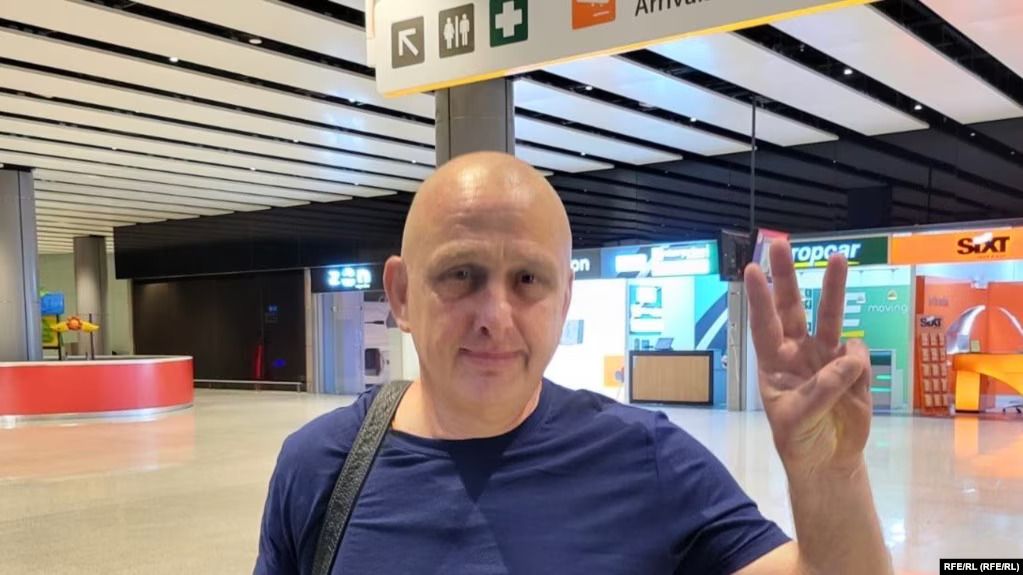
Ukrainian journalist Vladyslav Yesypenko was released on June 20 after more than four years of detention in Russian-occupied Crimea, Radio Free Europe/Radio Liberty reported.

Yesypenko, a freelance contributor to Crimea.Realities, a regional project of RFE/RL's Ukrainian Service, reported on various issues in Crimea before being detained by Russia’s FSB in March 2021.

He was accused of espionage and possession of explosives, charges he denied, and later sentenced to five years in prison by a Russian-controlled court.

Yesypenko said he was tortured, including with electric shocks, to force a confession, and was denied access to independent lawyers for nearly a month after his arrest.

RFE/RL welcomed his release, thanking the U.S. and Ukrainian governments for their efforts. Yesypenko has since left Russian-occupied Crimea.

“Vlad was arbitrarily punished for a crime he didn’t commit… he paid too high a price for telling the truth about occupied Crimea,” said RFE/RL President Steven Kapus.

During his imprisonment, Yesypenko became a symbol of press freedom, receiving several prestigious awards, including the Free Media Award and PEN America’s Freedom to Write Award.

His case drew support from human rights groups, the National Union of Journalists of Ukraine, and international advocates for media freedom.

Russia invaded and unlawfully annexed Crimea in 2014, cracking down violently on any opposition to its regime.

Following Russia's full-scale invasion of Ukraine in February 2022, the Kremlin toughened its grip on dissent, passing laws in March 2022 that prohibit what authorities label as "false" criticism of Russia's war.

Crimean Tatar freed from Russian captivity: ‘Recognizing Russia’s control of Crimea would legitimize crime’
For nearly two years in Russian captivity, Leniie Umerova clung to a single hope: that one day, she would return home — to Crimea. “I thought about Crimea all the time,” Umerova told the Kyiv Independent. “I dreamed of going there without the permission of the occupying forces, without going through
Ukrainian journalist Vladyslav Yesypenko released after four years of Russian detentionThe Kyiv IndependentDaria Shulzhenko
Ukrainian journalist Vladyslav Yesypenko released after four years of Russian detention
  • ✇The Kyiv Independent
  • Ukrainians forcibly deported by Russia held in basement without food, water, media reports
    Over 45 Ukrainians forcibly deported by Russia from Ukraine's occupied territories are being held in a basement at Russia's border with Georgia without food, water, and basic healthcare, independent media outlet Astra reported on June 21."We are in a basement without utilities: there is no shower or toilet, they don't feed us. Volunteers bring humanitarian aid, but it lasts for a couple of days and not for everyone," one of the held Ukrainians told Astra.A decree by Russian President Vladimir Pu
     

Ukrainians forcibly deported by Russia held in basement without food, water, media reports

21 juin 2025 à 18:54
Ukrainians forcibly deported by Russia held in basement without food, water, media reports

Over 45 Ukrainians forcibly deported by Russia from Ukraine's occupied territories are being held in a basement at Russia's border with Georgia without food, water, and basic healthcare, independent media outlet Astra reported on June 21.

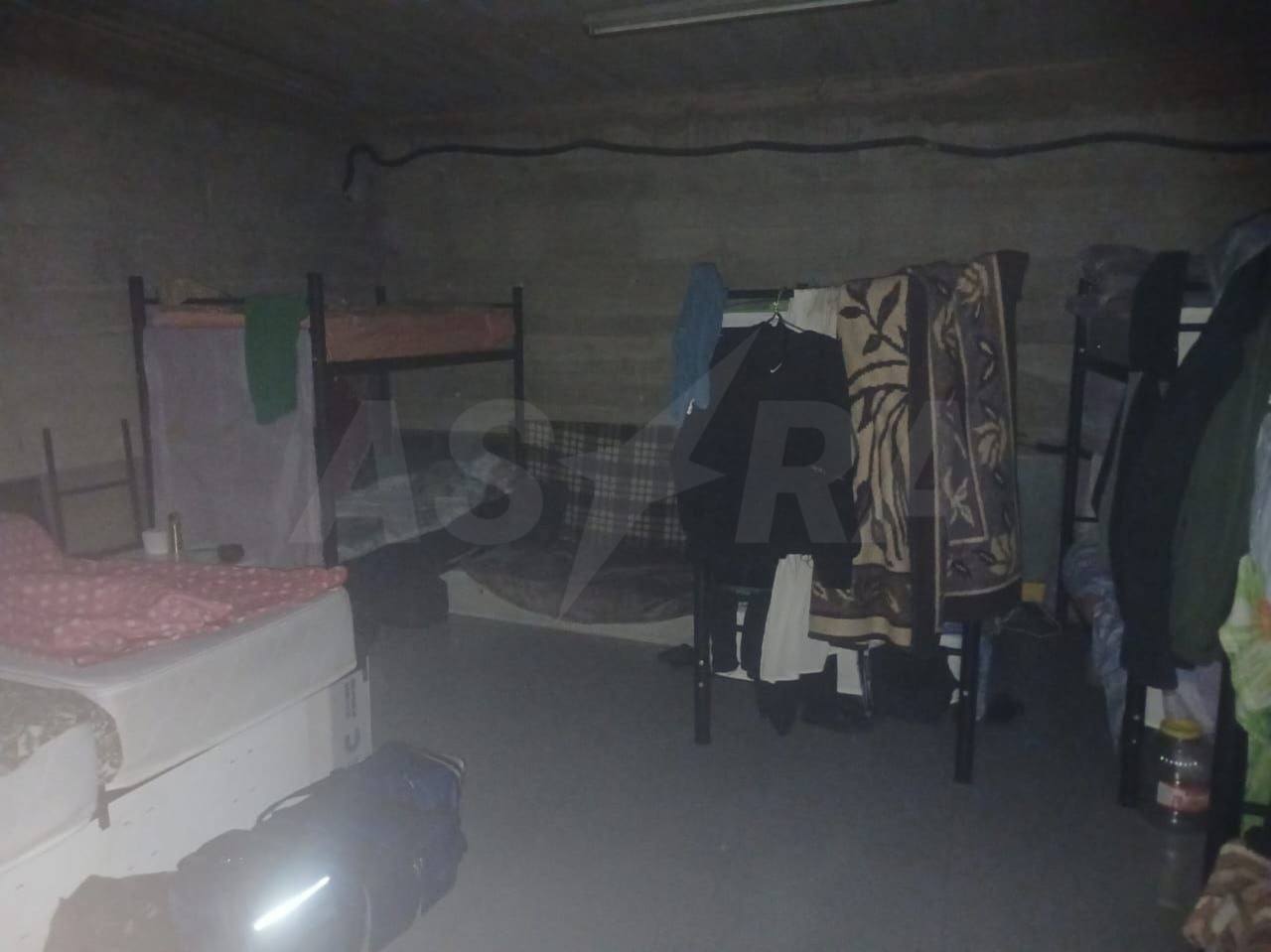
"We are in a basement without utilities: there is no shower or toilet, they don't feed us. Volunteers bring humanitarian aid, but it lasts for a couple of days and not for everyone," one of the held Ukrainians told Astra.

A decree by Russian President Vladimir Putin has ordered Ukrainians still living in occupied territories to leave unless they "regulate their legal status," namely, obtaining Russian citizenship.

"We emphasize that these systematic deportations and persecutions are part of Russia's genocide policy against the Ukrainian people," Foreign Ministry spokesperson Heorhii Tykhyi said on March 21.

At least 45 Ukrainians have been held at the Verkhniy Lars border checkpoint between Georgia and Russia for several days.

One of the deported Ukrainians has been hospitalized as they await passage out of Russia and into Georgia.

"There were 8 of us, 3 days ago. Every day, more people are brought here and the number is growing. Now there are 45 people, some have been here for a month. There are disabled people and people with serious illnesses," one of the held Ukrainians said.

The basement facility has since 2023 held deported Ukrainians barred from entering the Russian Federation and the Ukrainian territories it occupies.

The held Ukrainians were denied entry into Georgia. Most did not have the necessary travel documents, but 16 Ukrainians with passports were denied entry as well, Astra reported, citing the non-profit organization Tbilisi Volunteers Organization.

"The basement is damp, there are drops of water on the ceiling, (it's hard) to breathe, everyone smokes, they don't let us outside. We sleep for four hours, taking turns. Some sleep on the floor," one of the deported Ukrainians said.

The basement only houses 17 sleeping spaces, but another 100 deported Ukrainians are expected to arrive at the facility, a volunteer told Astra.

Following a pause in deportations to Georgia in 2024, Russia has resumed deportations as Georgia prepares new immigration legislation, the Tbilisi Volunteers Organization says.

Serhiy Serdiuk, a resident of occupied Zaporizhzhia Oblast, was deported and banned from re-entering Russia and Ukraine's occupied territories for 40 years, the Guardian reported on June 21.

Russian authorities pressed Serdiuk, an educator, to continue work under Russia's imposed school curriculum.

Serdiuk and other staff at a school in Zaporizhzhia Oblast's Komysh-Zoria town refused and were met with threats.

Serdiuk was similarly deported to Georgia, from where he flew to Moldova and crossed back into Ukraine.

Due to Russia's illegal and unrecognized annexation of Ukraine's occupied territories, Ukrainian citizens are pressured to obtain Russian citizenship or face deportation and entry bans.

Pro-Russian ‘peace protestors’ set to descend on NATO summit
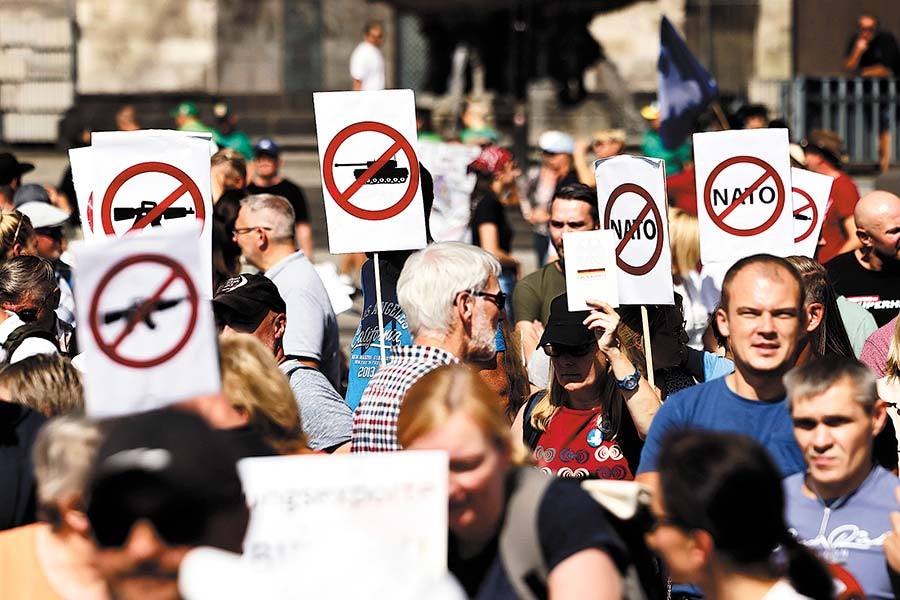
Dutch protesters who regularly call for an end to military aid to Ukraine will descend on The Hague next week to protest the upcoming NATO summit, which is set to take place on June 24-25. The group will protest against NATO alongside several other organizations and has urged supporters on
Ukrainians forcibly deported by Russia held in basement without food, water, media reportsThe Kyiv IndependentLinda Hourani
Ukrainians forcibly deported by Russia held in basement without food, water, media reports
  • ✇The Kyiv Independent
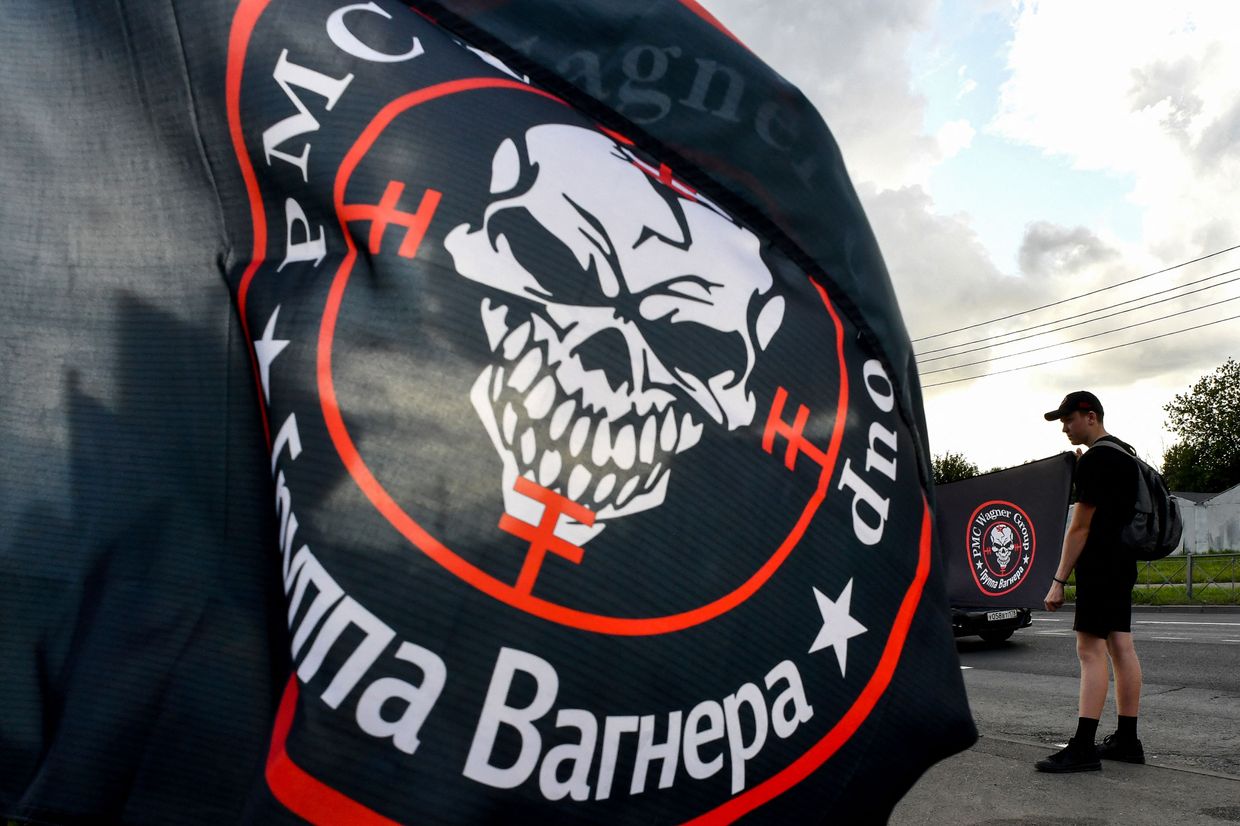
  • Russia's Wagner Group abused civilians in secret prisons in Mali, investigation finds
    Since 2021, Russian Wagner mercenaries have detained, tortured, and forcibly disappeared hundreds of civilians in secret prisons across Mali, according to a joint investigation published on June 12 by Forbidden Stories, France 24, Le Monde, and IStories.The investigation found that mercenaries with Russia's Wagner Group, working alongside Malian government forces, had systematically abducted and detained civilians, holding them in prisons at former United Nations bases and military bases across
     

Russia's Wagner Group abused civilians in secret prisons in Mali, investigation finds

12 juin 2025 à 17:17
Russia's Wagner Group abused civilians in secret prisons in Mali, investigation finds

Since 2021, Russian Wagner mercenaries have detained, tortured, and forcibly disappeared hundreds of civilians in secret prisons across Mali, according to a joint investigation published on June 12 by Forbidden Stories, France 24, Le Monde, and IStories.

The investigation found that mercenaries with Russia's Wagner Group, working alongside Malian government forces, had systematically abducted and detained civilians, holding them in prisons at former United Nations bases and military bases across Mali.

Drawing on eyewitness accounts and satellite imagery, the investigation identified six detention centers where Wagner held civilians between 2022 and 2024. The total number of Wagner detention centers in Mali is likely to be much higher.

Prisoners were subjected to systematic torture – including beatings, waterboarding, electric shocks, starvation, and confinement in sweltering metal containers.

The investigation was carried out as part of the Viktoriia project, in memory of Ukrainian journalist Viktoriia Roshchyna, who was captured by Russian forces in 2023 while investigating the illegal detention of civilians in Russian-occupied territories of Ukraine. She was killed in Russian captivity in 2024.

The Russian mercenary group, known for its deployment in Ukraine and short-lived rebellion against the Kremlin in 2023, has a strong presence across the African continent, backing Russian business interests and Moscow-friendly regimes.

The mercenaries have been particularly active in Mali since late 2021 and have been accused of perpetrating war crimes. In December 2024, Human Rights Watch accused Wagner mercenaries and Malian government forces of deliberately killing 32 civilians.

The Wagner Group recently announced its withdrawal from Mali, where it fought alongside Malian government forces to fend off Islamist insurgents. Wagner has been active across the African continent for years and has been previously accused of committing human rights abuses.

Ukraine war latest: Ukraine strikes targets in Russia, including gunpowder plant
Key developments on June 11: * Ukrainian drones strike targets in Russia, including gunpowder plant, General Staff says * Zelensky urges ‘stronger’ EU sanctions on Russia, lower oil price cap * Ukraine repatriates bodies of 1,212 fallen soldiers * Ukraine’s SBU releases fresh video of Operation Spiderweb, teases ‘new surprises’ * NATO summit statement
Russia's Wagner Group abused civilians in secret prisons in Mali, investigation findsThe Kyiv IndependentThe Kyiv Independent news desk
Russia's Wagner Group abused civilians in secret prisons in Mali, investigation finds
❌