❌

Vue normale

  • ✇Euromaidan Press
  • Russia may stage sabotage in Eastern Europe, but wants Kyiv blamed, Ukraine’s Intelligence warns
    Ukraine’s Defense Intelligence (HUR) warned that Russia may stage sabotage in Central and Eastern Europe, including the Baltic states, and blame Ukraine for the attacks, in a Telegram post on 23 October. The warning comes three days after The Wall Street Journal reported that US intelligence traces Europe’s sabotage wave to Putin’s personal order. If Russia stages new attacks and pins them on Ukraine, as HUR warns, European anger could turn on Kyiv rather than the Kremlin. This goes fur
     

Russia may stage sabotage in Eastern Europe, but wants Kyiv blamed, Ukraine’s Intelligence warns

23 octobre 2026 à 10:02

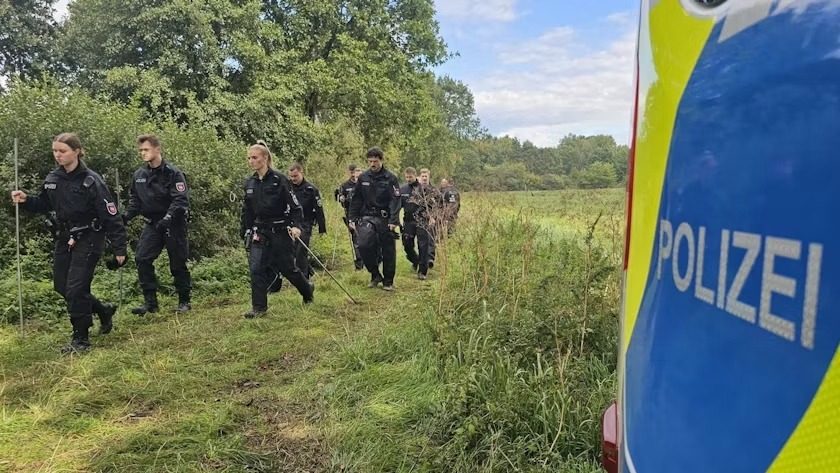
explosives found meters drone crashed near bundeswehr air base—investigators say matches gru's leipzig attack devices · post police officers search debris wunstorf base lower saxony germany 15 2026 german dpa

Ukraine’s Defense Intelligence (HUR) warned that Russia may stage sabotage in Central and Eastern Europe, including the Baltic states, and blame Ukraine for the attacks, in a Telegram post on 23 October.

The warning comes three days after The Wall Street Journal reported that US intelligence traces Europe’s sabotage wave to Putin’s personal order. If Russia stages new attacks and pins them on Ukraine, as HUR warns, European anger could turn on Kyiv rather than the Kremlin. This goes further than HUR’s statement on 2 October, which named potential Russian targets in Europe but did not mention a plan to blame Ukraine for attacks.

HUR says Moscow wants to discredit Ukraine’s army

Russia is stepping up its hybrid strategy to destabilize the European Union, according to HUR. The agency identified two aims: reducing foreign support for Ukraine by discrediting its Defense Forces, and intimidating European governments and societies.

The accusations would be spread through Russian propaganda channels and international platforms accessible to the Kremlin.

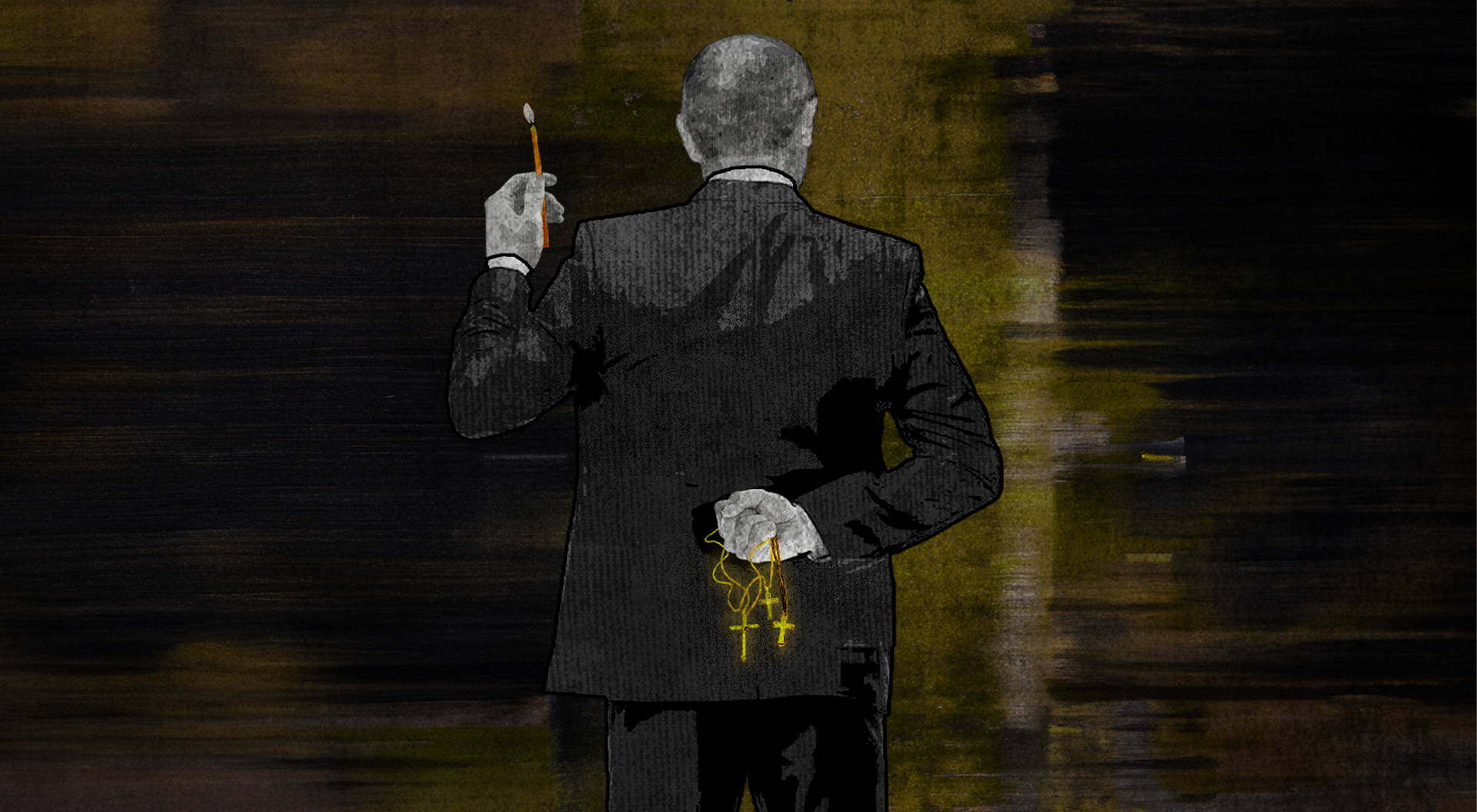
Potential targets include infrastructure and Russian Orthodox Church sites

HUR listed several potential targets for Russian provocations:

  • critical infrastructure and areas bordering Russia;
  • the Kaliningrad exclave;
  • areas of EU countries with Russian-speaking populations;
  • Kremlin-controlled sites, including properties belonging to the Russian Orthodox Church network;
  • historical sites associated with Russia.

The list reflects HUR’s assessment of potential targets, not confirmation that attacks at these locations are planned.

Earlier warnings and reported sabotage

On 2 October, HUR said Russian intelligence services had been ordered to increase activity in EU and NATO countries. It named military facilities, critical infrastructure, communications systems, and Starlink ground stations as potential targets and said it had alerted partners.

Warnings of Russian false flags on NATO’s eastern flank predate HUR’s. In August, Bloomberg reported, citing an unnamed European intelligence official, that Russia might expand hybrid attacks against Poland and the Baltic states, including false-flag attacks. A European government official separately told the agency that the CIA had warned countries in the region of a possible Russian attack. Lithuania’s military intelligence had warned earlier in August that Moscow might reassemble captured Ukrainian drones for false-flag strikes on critical infrastructure in the Baltic region.

Meanwhile, The Wall Street Journal reported on 20 October that US intelligence agencies believe the attempted drone attack on Leipzig-Halle Airport in Germany in early August was among the opening shots of a sabotage campaign ordered by Russian President Vladimir Putin. The Journal cited European officials briefed on the intelligence findings.

According to the newspaper, at least three drones carrying military-grade Semtex explosives were involved. One struck an Antonov cargo plane used to transport military aid to Ukraine but failed to explode. Another collided with a different aircraft, while a third detonated near the airport perimeter. German newspaper Welt am Sonntag has since named two suspects, citing German investigation files. Earlier German media reports described the sequence differently.

The Journal also reported sabotage attacks on Starlink stations in Poland, Lithuania, and Bulgaria in recent weeks. In August, Slovak authorities said they had foiled a planned arson attack on a Ukrainian drone factory, the Journal reported.

Russia denies involvement in sabotage in Europe. Responding to Berlin’s accusations over the Leipzig incident in early September, Putin asked where the evidence was.

  • ✇The Kyiv Independent
  • Ukraine suspends citizenship of Moscow-linked church head
    Metropolitan Onufrii of Kyiv, the primate of the Ukrainian Orthodox Church of the Moscow Patriarchate, has had his Ukrainian citizenship suspended by a presidential decree, the Security Service of Ukraine (SBU) announced on July 2.The SBU said it had established that Onufrii, also known by his secular name, Orest Berezovskyi, voluntarily received Russian citizenship in 2002 and failed to inform Ukrainian authorities of the fact. The new Ukrainian law on multiple citizenship lists holding a Russi
     

Ukraine suspends citizenship of Moscow-linked church head

2 juillet 2025 à 09:11
Ukraine suspends citizenship of Moscow-linked church head

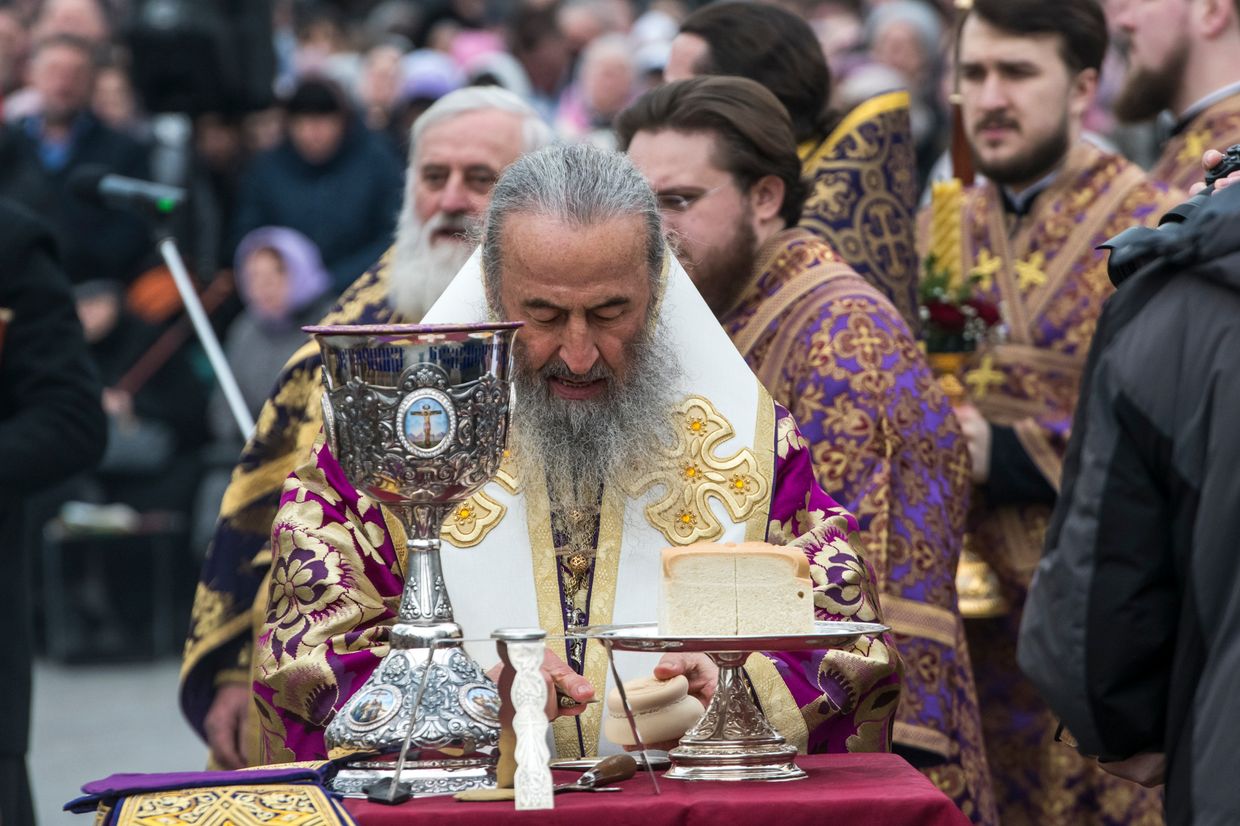
Metropolitan Onufrii of Kyiv, the primate of the Ukrainian Orthodox Church of the Moscow Patriarchate, has had his Ukrainian citizenship suspended by a presidential decree, the Security Service of Ukraine (SBU) announced on July 2.

The SBU said it had established that Onufrii, also known by his secular name, Orest Berezovskyi, voluntarily received Russian citizenship in 2002 and failed to inform Ukrainian authorities of the fact. The new Ukrainian law on multiple citizenship lists holding a Russian passport as grounds for the removal of Ukrainian citizenship.

The security agency also said Onufrii has maintained ties with the Russian Orthodox Church (ROC) and actively resisted Ukraine's efforts to secure ecclesiastical independence from Moscow and its leader, Patriarch Kirill.

The Ukrainian Orthodox Church of the Moscow Patriarchate (UOC-MP) has faced growing scrutiny and public criticism in Ukraine since the start of Russia's full-scale invasion in 2022, with many officials accusing it of maintaining loyalty to Moscow and undermining Ukraine's sovereignty.

The Moscow-linked church is separate from the Orthodox Church of Ukraine, which was granted autocephaly (autonomy) by Ecumenical Patriarch Bartholomew I of Constantinople in 2019.

"Despite the full-scale invasion, Berezovsky (Onufrii) continues to support the policies of the Russian Orthodox Church and its leadership, particularly Patriarch Kirill (Gundyaev)," the SBU said in a statement.

Zelensky signed a law in 2024 banning the activities of religious organizations affiliated with Russia. The law was widely seen as targeting the UOC-MP, which remains legally subordinate to the Moscow-based ROC despite its claim to have severed ties.

Since the start of the full-scale invasion in February 2022, over 100 UOC-MP clergy members have come under criminal investigation for alleged collaboration with Russian forces or spreading pro-Kremlin propaganda, according to the SBU. Nearly 50 have been charged, and courts have issued verdicts in 26 cases.

The UOC-MP continues to insist that it operates within Ukrainian law and that its 2022 declaration of independence from Moscow was genuine, though many in Ukraine view it as purely symbolic and lacking credibility.

No God But Theirs
Ukraine suspends citizenship of Moscow-linked church headThe Kyiv IndependentDanylo Mokryk
Ukraine suspends citizenship of Moscow-linked church head
  • ✇The Kyiv Independent
  • Clashes erupt in southwestern Ukraine over church control amid shift away from Moscow-affiliated clergy
    Violent clashes broke out on June 17 outside the Holy Spirit Cathedral in Chernivtsi, a city in southwestern Ukraine, as hundreds of people attempted to force their way into the church following a long-running dispute over its religious affiliation, Suspilne reported. The unrest reflects Ukraine's broader struggle to sever ties with the Russian-affiliated Ukrainian Orthodox Church of the Moscow Patriarchate (UOC-MP) amid the ongoing war, which was extensively used by Moscow as a propaganda tool.
     

Clashes erupt in southwestern Ukraine over church control amid shift away from Moscow-affiliated clergy

18 juin 2025 à 04:51
Clashes erupt in southwestern Ukraine over church control amid shift away from Moscow-affiliated clergy

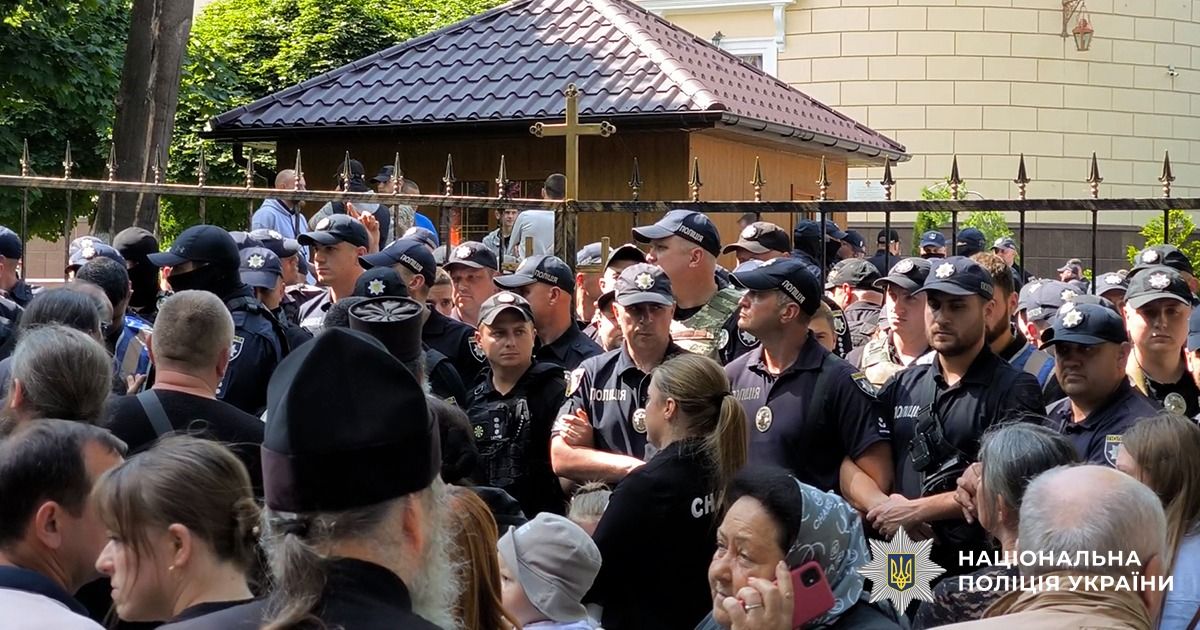
Violent clashes broke out on June 17 outside the Holy Spirit Cathedral in Chernivtsi, a city in southwestern Ukraine, as hundreds of people attempted to force their way into the church following a long-running dispute over its religious affiliation, Suspilne reported.

The unrest reflects Ukraine's broader struggle to sever ties with the Russian-affiliated Ukrainian Orthodox Church of the Moscow Patriarchate (UOC-MP) amid the ongoing war, which was extensively used by Moscow as a propaganda tool.

According to public broadcaster Suspilne, the crowd gathered to assert control over the church, which had recently voted to switch allegiance from the UOC-MP to the Orthodox Church of Ukraine (OCU) — an autocephalous (autonomous) Ukrainian church not affiliated with Moscow.

The police were reportedly deployed to prevent escalation but were eventually overwhelmed as protesters breached the church fence and entered the grounds. Officers deployed tear gas, and medics reported treating around 30 people for injuries.

The confrontation came after local authorities re-registered the Holy Spirit Cathedral and two other major parishes in Chernivtsi under the jurisdiction of the OCU earlier this year. Bishop Feognost of the OCU confirmed to Suspilne that the day marked the first Ukrainian-language prayer service in the cathedral, a significant symbol of the national church’s growing influence.

The dispute stems from decades of tension between Orthodox churches in Ukraine and has intensified since Russia launched its full-scale invasion in 2022. The UOC-MP, while claiming to have severed ties with Moscow, remains legally subordinate to the Russian Orthodox Church, which is seen as a close ally of the Kremlin.

Ukrainian lawmakers passed legislation in August 2024 banning religious organizations with ties to Russia. The law, signed by President Volodymyr Zelensky, gave such organizations nine months to cut all legal and institutional connections with Moscow. Over 100 UOC-MP clergymen have been investigated for suspected collaboration with Russian forces, with dozens facing criminal charges.

Local media say the scene outside the cathedral grew tense as both UOC-MP and OCU supporters gathered. Some attempted to tear down gates while chanting "shame!" and others blocked roads, disrupting traffic. The police temporarily restricted access to the site and launched an investigation.

Suspilne reported that Metropolitan Meletii of the UOC-MP later entered the cathedral after the gates were forced open. Worshippers not aligned with the OCU began a service inside, prompting further clashes. Fire extinguishers were reportedly used inside the building to push back demonstrators.

Chernivtsi Mayor Roman Klichuk initially welcomed the transition of the church to the OCU as a "historic day" for Ukraine's national church, but later deleted the post from his social media page, Suspilne said.

The Moscow-linked church claims it is the victim of religious persecution and insists that it operates lawfully. Critics argue its claims of independence are symbolic and that it remains deeply tied to Russia's religious and political structures.

While Orthodox Christianity remains freely practiced and the most widespread religion in Ukraine, the government and a growing number of citizens view the UOC-MP as a potential security threat.

US Pastor in Ukraine on Russia’s threats, pressure against Christians in occupied territories
Dmytro Bodyu, a U.S. citizen and the pastor of the “Word of Life” Pentecostal Church in Russian-occupied Melitopol, was detained by Russians in March 2022. During his detention, he was accused of working for the CIA and received death threats from the Russian military. Only an intervention by the
Clashes erupt in southwestern Ukraine over church control amid shift away from Moscow-affiliated clergyThe Kyiv IndependentDanylo Mokryk
Clashes erupt in southwestern Ukraine over church control amid shift away from Moscow-affiliated clergy
❌