Vue normale

  • ✇The Kyiv Independent
  • Russia offers cash to teachers to Russify occupied Ukraine, report says
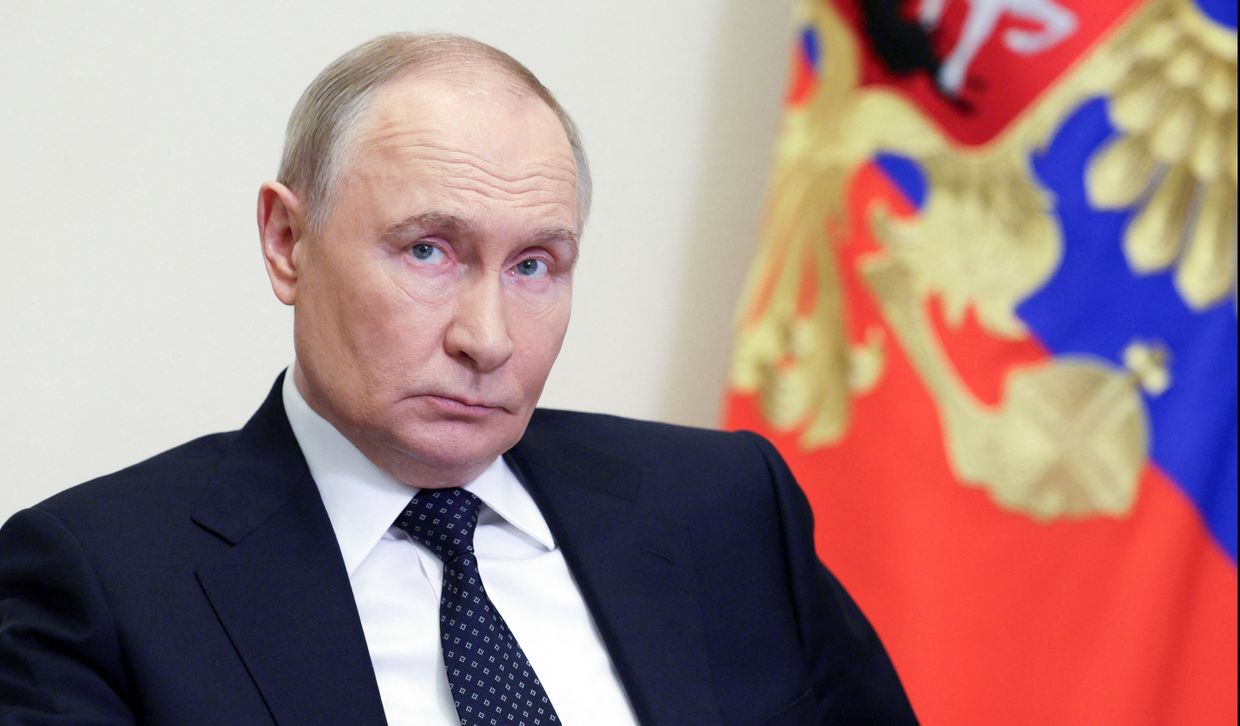
    Russia is using financial incentives to recruit teachers, cultural workers, and coaches to work in occupied parts of Ukraine in a campaign aimed at reshaping local identity and fostering loyalty to Moscow’s regime, according to a report published by the Center for European Policy Analysis (CEPA) on June 26. The Kremlin is offering up to two million rubles (around $22,000) to Russian teachers who agree to work for five years in occupied areas of Donetsk, Luhansk, Zaporizhzhia, and Kherson oblasts
     

Russia offers cash to teachers to Russify occupied Ukraine, report says

26 juin 2025 à 20:49
Russia offers cash to teachers to Russify occupied Ukraine, report says

Russia is using financial incentives to recruit teachers, cultural workers, and coaches to work in occupied parts of Ukraine in a campaign aimed at reshaping local identity and fostering loyalty to Moscow’s regime, according to a report published by the Center for European Policy Analysis (CEPA) on June 26.

The Kremlin is offering up to two million rubles (around $22,000) to Russian teachers who agree to work for five years in occupied areas of Donetsk, Luhansk, Zaporizhzhia, and Kherson oblasts, and one million rubles for positions in Crimea.

The initiative, an extension of Russia’s “Zemskyi Uchitel” (Rural Teacher) program, which originally targeted underserved regions in Russia, was formally launched in the newly occupied Ukrainian territories in 2024 — though Russian educators began arriving as early as 2022.

Over 100 teachers have relocated to Crimea through the program, according to Ukraine’s Regional Center for Human Rights/ Most of them arrived from regions including Krasnodar, Altai Krai, Tomsk, Novosibirsk, Saratov, Tyumen, Ivanovo, and the Republic of Udmurtia.

“We have documented cases of teachers — and people assigned to managerial roles, such as school principals and deputy heads — arriving as early as 2022,” said Kateryna Rashevska of Ukraine’s Regional Center for Human Rights. “The first group came from Dagestan, arriving in the occupied Zaporizhzhia region, and by 2024, there were already 37 teachers from Dagestan working there.”

According to Rashevska, these teachers often lead courses in Russian language, history, and “basics of life safety and defense of the Motherland” — classes focused on conscription and military training. “These people are also involved in reprogramming Ukrainian children, attempting to raise them as Russian patriots and future members of the Russian armed forces,” she added.

In parallel, Russia is also exerting pressure on Ukrainian teachers in occupied areas to adopt the Russian curriculum. Those who refuse face serious consequences. "In Berdiansk, a school principal was deported for refusing to open the school under Russian standards," said Mariia Sulialina, head of Ukrainian NGO Almenda. Sulialina noted that teachers are now required to praise President Vladimir Putin and report "extremist behavior" among students — often defined as pro-Ukrainian views.

Human rights experts say these efforts amount to colonization and are violations of international law, including Article 49 of the Geneva Convention and Article 8 of the Rome Statute.

“Russia plans to move another 100 teachers into occupied areas in 2025 — a clear example of colonization,” Rashevska said. Despite existing legal tools, she added, “The International Criminal Court still doesn’t prioritize colonization… even though these federally coordinated programs involving teachers, cultural workers, and coaches create a clear chain of command.”

Putin under pressure to declare war on Ukraine, but experts say Russia isn’t ready
Despite suffering over 1 million casualties, pounding Ukrainian cities nightly with missiles and drones, and committing countless war crimes, one startling fact about Russia’s full-scale invasion remains — Moscow has yet to officially declare war on Ukraine. In February 2022, Russian President Vladimir Putin described what he believed was going to be a swift victory and the capture of Kyiv within days as a “special military operation.” Nearly three-and-a-half years later, the Kremlin is stuck
Russia offers cash to teachers to Russify occupied Ukraine, report saysThe Kyiv IndependentChris York
Russia offers cash to teachers to Russify occupied Ukraine, report says
  • ✇The Kyiv Independent
  • Russia transfers 50 Ukrainian children to so-called 'rehab camp' in Kalmykia, Kyiv says
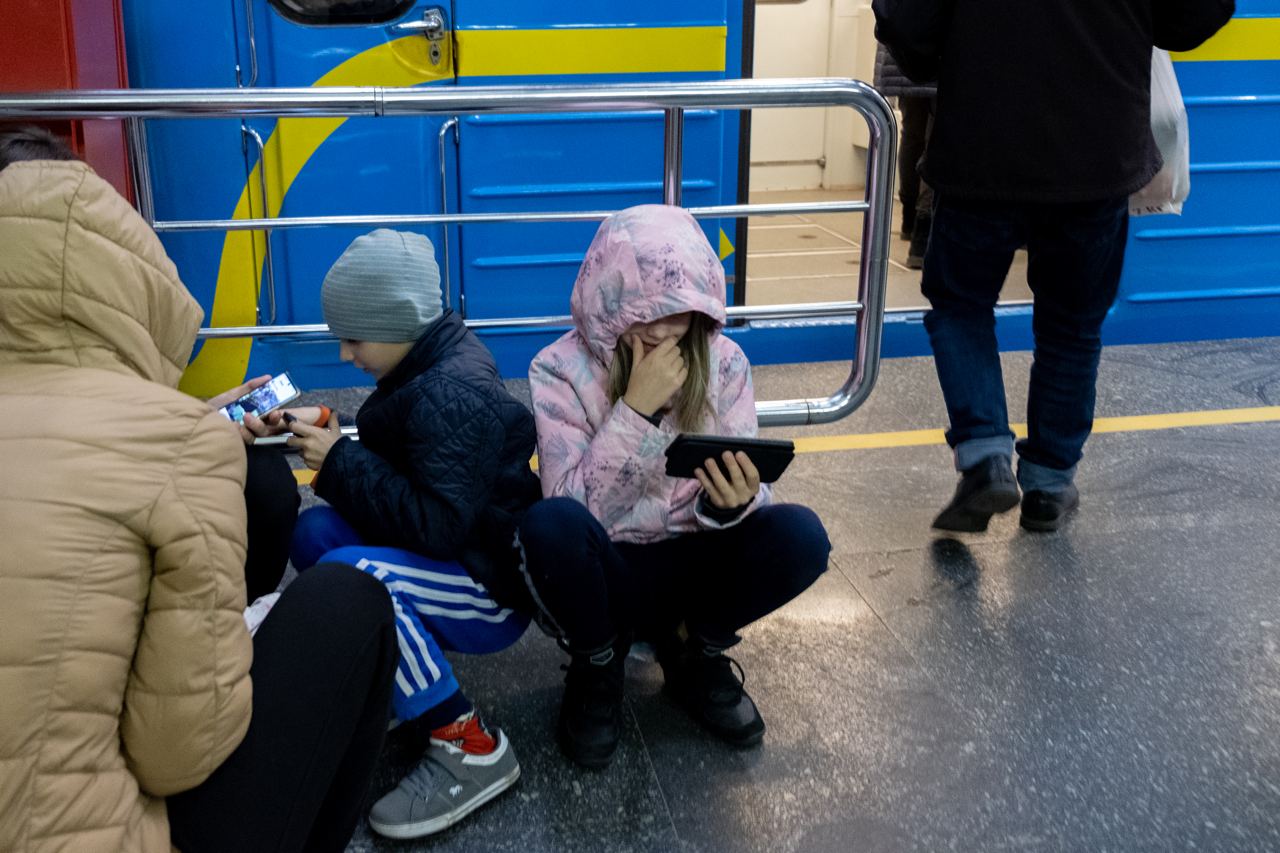
    Russia has transferred 50 children from the occupied Antratsyt district of Luhansk Oblast to a so-called rehabilitation camp in Kalmykia, Ukraine’s Center for Countering Disinformation (CCD) reported on June 14.Kalmykia is about 1,170 km (726 miles) by air from Moscow, and its western border lies roughly 300 km (186 miles) from the nearest point on the Russia–Ukraine border. According to the center, while the "Lesnaya Skazka" ("Forest Fairy Tale") camp is officially described as hosting sports a
     

Russia transfers 50 Ukrainian children to so-called 'rehab camp' in Kalmykia, Kyiv says

14 juin 2025 à 20:55
Russia transfers 50 Ukrainian children to so-called 'rehab camp' in Kalmykia, Kyiv says

Russia has transferred 50 children from the occupied Antratsyt district of Luhansk Oblast to a so-called rehabilitation camp in Kalmykia, Ukraine’s Center for Countering Disinformation (CCD) reported on June 14.

Kalmykia is about 1,170 km (726 miles) by air from Moscow, and its western border lies roughly 300 km (186 miles) from the nearest point on the Russia–Ukraine border.

According to the center, while the "Lesnaya Skazka" ("Forest Fairy Tale") camp is officially described as hosting sports and creative activities, in fact, it functions as a site of "round-the-clock ideological brainwashing, systemic Russification, and an attempt to erase Ukrainian identity."

Since February 2022, at least 20,000 Ukrainian children have been abducted from Russian-occupied territories and sent to other Russian-controlled areas of Ukraine or to Russia itself, according to a Ukrainian national database, "Children of War." Only 1,359 children have been returned thus far.

The center compared the camp in Kalmykia to "Krasnaya Gvozdika," ("Red Carnation") a facility in occupied Zaporizhzhia Oblast, saying both are used not for recreation, but as tools of Russia’s war strategy.

“These camps have become instruments of assimilation where Ukrainian children are taught distorted history, exposed to Russian propaganda, and conditioned to show loyalty to the Putin regime,” the center said. “War and hostility are normalized, with children being groomed as human resources for future conflicts.”

The watchdog emphasized that separating children from their families, culture, and language places them under the full control of the occupying power — a practice it says constitutes a violation of international humanitarian law and forms part of Russia’s broader genocidal policy toward Ukraine.

In response to Russia’s efforts to indoctrinate Ukrainian children, President Volodymyr Zelensky on June 10 imposed sanctions on 48 individuals and nine organizations associated with the deportation of Ukrainian children, according to a decision of Ukraine's National Security and Defense Council (NSDC).

Growing up under missiles — Ukrainian childhoods shaped by war (Photos)
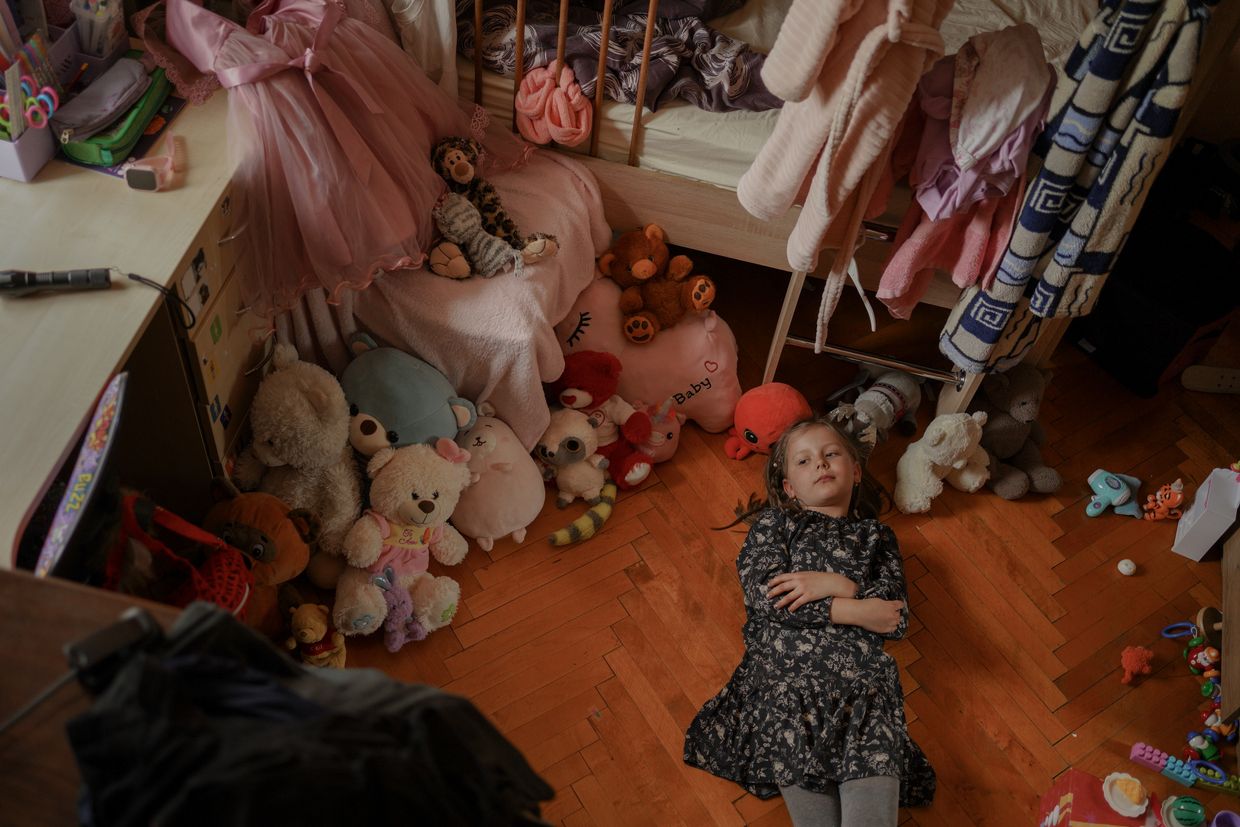
Ukrainian children are growing up in a world entirely reshaped by Russia’s war. Sirens, blackouts, and bomb shelters are nothing extraordinary — but a part of everyday childhood. This photo story follows five families as they raise their children in the shadow of the ongoing invasion. It’s not about
Russia transfers 50 Ukrainian children to so-called 'rehab camp' in Kalmykia, Kyiv saysThe Kyiv IndependentElena Kalinichenko
Russia transfers 50 Ukrainian children to so-called 'rehab camp' in Kalmykia, Kyiv says
  • ✇The Kyiv Independent
  • Ukraine secures return of 5 children from Russia, Russian-occupied territories
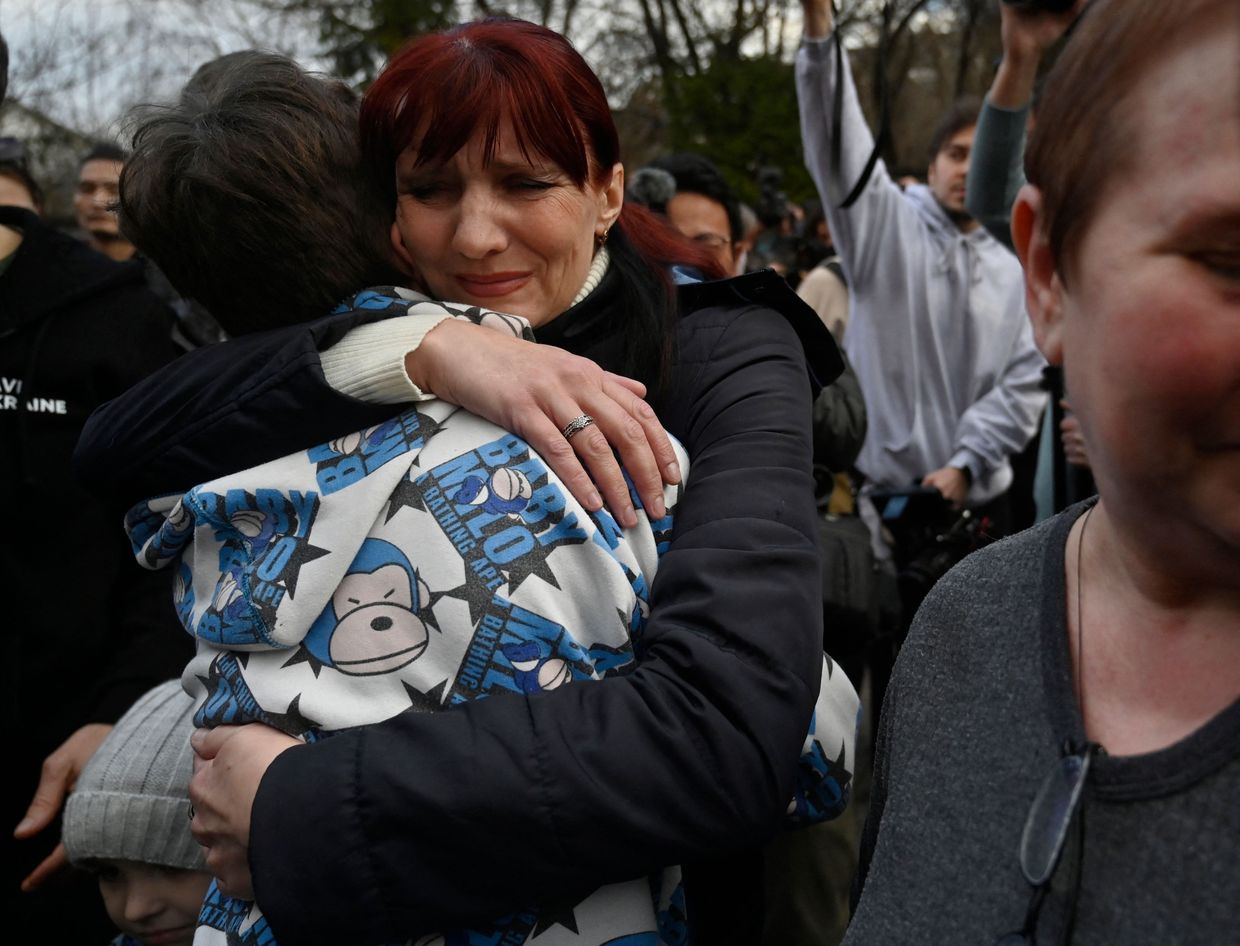
    Ukraine successfully brought back five children who had been forcibly taken to Russia as well as Russian-occupied territory, Presidential Office head Andriy Yermak announced on June 12.The children have been returned home under the President of Ukraine’s initiative, Bring Kids Back UA, according to Yermak."We are fulfilling the President's mission — to bring back every Ukrainian child," Yermak said in an statement.Since February 2022, at least 20,000 Ukrainian children have been abducted from Ru
     

Ukraine secures return of 5 children from Russia, Russian-occupied territories

13 juin 2025 à 00:43
Ukraine secures return of 5 children from Russia, Russian-occupied territories

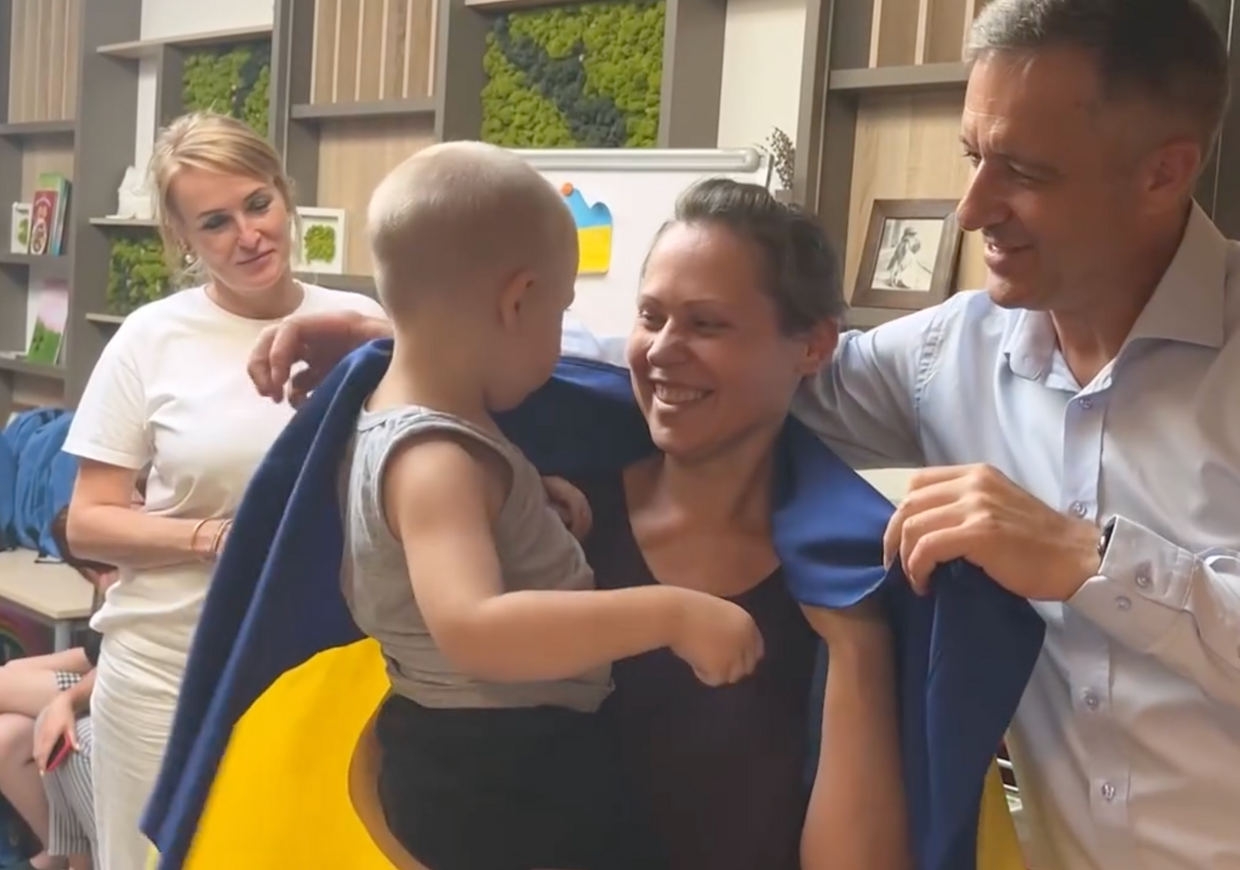
Ukraine successfully brought back five children who had been forcibly taken to Russia as well as Russian-occupied territory, Presidential Office head Andriy Yermak announced on June 12.

The children have been returned home under the President of Ukraine’s initiative, Bring Kids Back UA, according to Yermak.

"We are fulfilling the President's mission — to bring back every Ukrainian child," Yermak said in an statement.

Since February 2022, at least 20,000 Ukrainian children have been abducted from Russian-occupied territories and sent to other Russian-controlled areas of Ukraine or to Russia itself, according to a Ukrainian national database, "Children of War." Only 1,359 children have been returned thus far.

Dmytro Lubinets, Ukrainian Parliament’s Commissioner for Human Rights, estimated that Russia has unlawfully deported up to 150,000 Ukrainian children, while the Children’s Ombudswoman, Daria Herasymchuk, puts the figure at 200,000–300,000.

In March 2023, the International Criminal Court (ICC) issued arrest warrants for Russian President Vladimir Putin and Children's Commissioner Maria Lvova-Belova, citing their involvement in the unlawful transfer of Ukrainian children. Russia dismissed the ICC's decision as "outrageous and unacceptable."

Under orders from Putin, children were transported via military aircraft in 2022, reclassified in Russian databases as native-born, and subjected to pro-Russian re-education before being adopted into Russian families. Ukrainian children had been transported to at least 21 regions throughout Russia.

Child abductions have played a key part of U.S.-Russia peace negotiations — all of which Russia has thus far rejected. Ukrainian officials have named their return as a key condition for any future peace agreement with Russia.

President Volodymyr Zelensky said on June 3 that during the Istanbul negotiations, Russian representatives dismissed the issue of abducted Ukrainian children as a "show for childless European old ladies" and acknowledged deporting several hundred children.

CNN reported on June 11 that the Yale University-based Humanitarian Research Lab, which spearheads the Ukraine Conflict Observatory is preparing to shut down after its funding was terminated by the Trump administration.

A Yale study published on Dec. 3 detailed Russia's systematic program of deporting and forcibly assimilating Ukrainian children.

With only 2 weeks of funding left, US group tracking Russian abduction of Ukrainian children prepares to shut down
“Right now, we are running on fumes,” Nathaniel Raymond, the lab’s executive director, told CNN. “As of July 1, we lay off all of our staff across Ukraine and other teams, and our work tracking the kids officially ends.”
Ukraine secures return of 5 children from Russia, Russian-occupied territoriesThe Kyiv IndependentAnna Fratsyvir
Ukraine secures return of 5 children from Russia, Russian-occupied territories


❌