Mon Carnet, le podcast · Mon Carnet du 16 octobre 2026 Mon Carnet, le podcast de Bruno GuglielminettiVendredi 16 octobre 2026 Le grand magazine de l’actualité numériqueDébrief avec Jérôme Colombain (2:53)Retour sur l’actualité numérique de la semaineEntrevues :– Louis Têtu, Coveo : Les agents IA et le commerce électronique (54:21)– Alain Beauséjour : Filon, une […]
Mon Carnet, le podcast · Mon Carnet du 16 octobre 2026 Mon Carnet, le podcast de Bruno GuglielminettiVendredi 16 octobre 2026 Le grand magazine de l’actualité numériqueDébrief avec Jérôme Colombain (2:53)Retour sur l’actualité numérique de la semaineEntrevues :– Louis Têtu, Coveo : Les agents IA et le commerce électronique (54:21)– Alain Beauséjour : Filon, une […]
Le Québec pourrait récupérer une partie des milliards de dollars qu’il dépense chaque année auprès des géants technologiques étrangers, tout en renforçant son autonomie économique, culturelle et stratégique. C’est l’ambition de Données Souveraines Québec (DSQ), un organisme à but non lucratif qui vient de présenter une feuille de route pour réduire la dépendance du Québec […]
Le Québec pourrait récupérer une partie des milliards de dollars qu’il dépense chaque année auprès des géants technologiques étrangers, tout en renforçant son autonomie économique, culturelle et stratégique. C’est l’ambition de Données Souveraines Québec (DSQ), un organisme à but non lucratif qui vient de présenter une feuille de route pour réduire la dépendance du Québec […]
Mon Carnet, le podcast · Stéphane Berthomet : La vidéo transforme les habitudes d’écoute des podcasts Stéphane Berthomet revient sur l’étude Podcast Pulse 2026 d’Acast, menée auprès de plus de 4 000 personnes dans 13 marchés. Selon cette enquête, 88 % des auditeurs interrogés consomment désormais des podcasts en audio et en vidéo, tandis que […]
Mon Carnet, le podcast · Stéphane Berthomet : La vidéo transforme les habitudes d’écoute des podcasts Stéphane Berthomet revient sur l’étude Podcast Pulse 2026 d’Acast, menée auprès de plus de 4 000 personnes dans 13 marchés. Selon cette enquête, 88 % des auditeurs interrogés consomment désormais des podcasts en audio et en vidéo, tandis que […]
Figure marquante des médias québécois, il s’était fait connaître avec L’heure juste et Mongrain de sel, avant de poursuivre sa carrière à TQS, LCN et à la radio. J’avais eu le plaisir de réaliser une entrevue avec lui lors de son retour dans l’espace public sur Facebook en 2020, avant son retour à la radio. […]
Figure marquante des médias québécois, il s’était fait connaître avec L’heure juste et Mongrain de sel, avant de poursuivre sa carrière à TQS, LCN et à la radio. J’avais eu le plaisir de réaliser une entrevue avec lui lors de son retour dans l’espace public sur Facebook en 2020, avant son retour à la radio. […]
Mon Carnet, le podcast · Débrief transatlantique : 9 octobre 2026 – Détecter l’IA et les lunettes connectées Détecter l’IA, les risques selon Sam Altman, Mistral et les lunettes connectées Cette semaine, Bruno Guglielminetti à Montréal et Jérôme Colombain (Monde Numérique) à Paris s’intéressent aux nouvelles initiatives pour identifier les contenus générés par intelligence artificielle. […]
Mon Carnet, le podcast · Débrief transatlantique : 9 octobre 2026 – Détecter l’IA et les lunettes connectées Détecter l’IA, les risques selon Sam Altman, Mistral et les lunettes connectées Cette semaine, Bruno Guglielminetti à Montréal et Jérôme Colombain (Monde Numérique) à Paris s’intéressent aux nouvelles initiatives pour identifier les contenus générés par intelligence artificielle. […]
Mon Carnet, le podcast · Mon Carnet du 9 octobre 2026 Mon Carnet, le podcast de Bruno GuglielminettiVendredi 9 octobre 2026 Le grand magazine de l’actualité numérique Débrief avec Jérôme Colombain (3:07)Retour sur l’actualité numérique de la semaine Entrevues :MTL connecte : La souveraineté numérique (51:48)Delphine Sabattier : La cybersécurité des équipements médicaux (1:05:09) PlanAxion […]
Mon Carnet, le podcast · Mon Carnet du 9 octobre 2026 Mon Carnet, le podcast de Bruno GuglielminettiVendredi 9 octobre 2026 Le grand magazine de l’actualité numérique Débrief avec Jérôme Colombain (3:07)Retour sur l’actualité numérique de la semaine Entrevues :MTL connecte : La souveraineté numérique (51:48)Delphine Sabattier : La cybersécurité des équipements médicaux (1:05:09) PlanAxion […]
We start this week with a story from our old friend Lorenzo Franceschi-Bicchierai, about how cops can bypass the inactivity reboot on iPhones. After the break, Jason tells us how people are losing their minds over an LLM ‘torture’ prison. In the subscribers-only section, Sam explains what happened in a wild ChatGPT case in New Mexico.
Listen to the weekly podcast on Apple Podcasts, Spotify, or YouTube. Become a paid subscriber for access to this episode's bonus content and to power our jou
We start this week with a story from our old friend Lorenzo Franceschi-Bicchierai, about how cops can bypass the inactivity reboot on iPhones. After the break, Jason tells us how people are losing their minds over an LLM ‘torture’ prison. In the subscribers-only section, Sam explains what happened in a wild ChatGPT case in New Mexico.
Listen to the weekly podcast on Apple Podcasts,Spotify, or YouTube. Become a paid subscriber for access to this episode's bonus content and to power our journalism. If you become a paid subscriber, check your inbox for an email from our podcast host Transistor for a link to the subscribers-only version! You can also add that subscribers feed to your podcast app of choice and never miss an episode that way. The email should also contain the subscribers-only link for the extended video version too. It will also be in the show notes in your podcast player.
Mon Carnet, le podcast · Weber : La Suisse veut réduire sa dépendance envers les géants américains Thierry Weber s’intéresse aux efforts de la Suisse pour renforcer sa souveraineté numérique et réduire sa dépendance envers les grands fournisseurs technologiques américains. La Confédération prévoit notamment de déployer OpenDesk, une suite bureautique libre développée en Allemagne, auprès […]
Mon Carnet, le podcast · Weber : La Suisse veut réduire sa dépendance envers les géants américains Thierry Weber s’intéresse aux efforts de la Suisse pour renforcer sa souveraineté numérique et réduire sa dépendance envers les grands fournisseurs technologiques américains. La Confédération prévoit notamment de déployer OpenDesk, une suite bureautique libre développée en Allemagne, auprès […]
Mon Carnet, le podcast · Débrief transatlantique – Agents IA, lunettes qui entendent et sécurité Cette semaine, Jérôme Colombain (Monde Numérique) à Paris et Bruno Guglielminetti à Montréal reviennent sur une avalanche d’annonces autour de l’intelligence artificielle. OpenAI dévoile DOTS, son agent IA personnel destiné au grand public, pendant que Meta poursuit le déploiement de […]
Mon Carnet, le podcast · Débrief transatlantique – Agents IA, lunettes qui entendent et sécurité Cette semaine, Jérôme Colombain (Monde Numérique) à Paris et Bruno Guglielminetti à Montréal reviennent sur une avalanche d’annonces autour de l’intelligence artificielle. OpenAI dévoile DOTS, son agent IA personnel destiné au grand public, pendant que Meta poursuit le déploiement de […]
Alors qu’Anthropic interdit officiellement l’accès à Claude depuis la Chine, un véritable marché parallèle s’est développé pour contourner ces restrictions. Une enquête de The Information révèle que des milliers de petits revendeurs chinois fournissent aux particuliers, aux développeurs et aux entreprises un accès indirect aux modèles d’Anthropic. Dans un seul immeuble du district technologique de […]
Alors qu’Anthropic interdit officiellement l’accès à Claude depuis la Chine, un véritable marché parallèle s’est développé pour contourner ces restrictions. Une enquête de The Information révèle que des milliers de petits revendeurs chinois fournissent aux particuliers, aux développeurs et aux entreprises un accès indirect aux modèles d’Anthropic. Dans un seul immeuble du district technologique de […]
Sam Altman estime que l’intelligence artificielle est entrée dans une nouvelle phase, où ses capacités deviennent suffisamment importantes pour obliger les entreprises et les gouvernements à revoir leurs règles du jeu. Dans une longue entrevue accordée à Vanity Fair, le patron d’OpenAI reconnaît à la fois les risques associés à cette évolution et la difficulté […]
Sam Altman estime que l’intelligence artificielle est entrée dans une nouvelle phase, où ses capacités deviennent suffisamment importantes pour obliger les entreprises et les gouvernements à revoir leurs règles du jeu. Dans une longue entrevue accordée à Vanity Fair, le patron d’OpenAI reconnaît à la fois les risques associés à cette évolution et la difficulté […]
Le marché québécois du cellulaire reste très concurrentiel en ce début d’octobre, particulièrement pour les consommateurs qui possèdent déjà leur téléphone. Plusieurs fournisseurs proposent actuellement des forfaits autour de 35 $ à 55 $ par mois, avec des quantités de données de plus en plus importantes et, dans certains cas, l’utilisation du service aux États-Unis […]
Le marché québécois du cellulaire reste très concurrentiel en ce début d’octobre, particulièrement pour les consommateurs qui possèdent déjà leur téléphone. Plusieurs fournisseurs proposent actuellement des forfaits autour de 35 $ à 55 $ par mois, avec des quantités de données de plus en plus importantes et, dans certains cas, l’utilisation du service aux États-Unis […]
We start this week with Joseph’s stories on the massive FBI hack. 404 Media broke this news and continued to cover the breach of data on all FBI employees and their spouses. After the break, Jason tells us how a surveillance company is telling cops it wants to add facial recognition tech to Flock camera data. In the subscribers-only section, Jason and Joseph chat all about Muse, Meta’s new agentic AI, and how humans are actually behind some of the tasks. Because of course.
Listen to the we
We start this week with Joseph’s stories on the massive FBI hack. 404 Media broke this news and continued to cover the breach of data on all FBI employees and their spouses. After the break, Jason tells us how a surveillance company is telling cops it wants to add facial recognition tech to Flock camera data. In the subscribers-only section, Jason and Joseph chat all about Muse, Meta’s new agentic AI, and how humans are actually behind some of the tasks. Because of course.
Listen to the weekly podcast on Apple Podcasts,Spotify, or YouTube. Become a paid subscriber for access to this episode's bonus content and to power our journalism. If you become a paid subscriber, check your inbox for an email from our podcast host Transistor for a link to the subscribers-only version! You can also add that subscribers feed to your podcast app of choice and never miss an episode that way. The email should also contain the subscribers-only unlisted YouTube link for the extended video version too. It will also be in the show notes in your podcast player.
Mon Carnet, le podcast · Mon Carnet du 2 octobre 2026 Mon Carnet, le podcast de Bruno GuglielminettiVendredi 2 octobre 2026 Le grand magazine francophone de l’actualité numérique Débrief avec Jérôme Colombain (2:41)Retour sur l’actualité numérique de la semaine Entrevues :– Martin Bazinet : L’IA physique (43:08)– Gilbert Ouellet : Veille souveraine, un nouvel outil de […]
Mon Carnet, le podcast · Mon Carnet du 2 octobre 2026 Mon Carnet, le podcast de Bruno GuglielminettiVendredi 2 octobre 2026 Le grand magazine francophone de l’actualité numérique Débrief avec Jérôme Colombain (2:41)Retour sur l’actualité numérique de la semaine Entrevues :– Martin Bazinet : L’IA physique (43:08)– Gilbert Ouellet : Veille souveraine, un nouvel outil de […]
Donald Trump et les dirigeants de six grandes entreprises d’IA ont signé un accord volontaire visant à renforcer la sécurité de leurs systèmes. Les signataires promettent des contrôles internes, une surveillance continue, des audits indépendants et un suivi par leurs conseils d’administration. Le texte n’est toutefois pas juridiquement contraignant, ne prévoit aucune sanction et ne […]
Donald Trump et les dirigeants de six grandes entreprises d’IA ont signé un accord volontaire visant à renforcer la sécurité de leurs systèmes. Les signataires promettent des contrôles internes, une surveillance continue, des audits indépendants et un suivi par leurs conseils d’administration. Le texte n’est toutefois pas juridiquement contraignant, ne prévoit aucune sanction et ne […]
Le balado poursuit sa progression dans les habitudes médiatiques des Québécois. Selon l’édition 2026 de l’enquête NETendances, 42 % des internautes du Québec en consomment désormais, comparativement à 30 % en 2021. Cette hausse de 12 points en cinq ans confirme que le format s’installe durablement, même s’il demeure moins fréquenté que YouTube. L’écoute reste […]
Le balado poursuit sa progression dans les habitudes médiatiques des Québécois. Selon l’édition 2026 de l’enquête NETendances, 42 % des internautes du Québec en consomment désormais, comparativement à 30 % en 2021. Cette hausse de 12 points en cinq ans confirme que le format s’installe durablement, même s’il demeure moins fréquenté que YouTube. L’écoute reste […]
Le temps consacré aux réseaux sociaux recule fortement au Québec. Selon l’édition 2026 de l’enquête NETendances, leurs utilisateurs y passent en moyenne 2 heures 21 minutes par jour, comparativement à 3 heures 41 minutes en 2025. Cette diminution de 80 minutes survient après une année marquée par une hausse importante du temps d’utilisation. Les réseaux […]
Le temps consacré aux réseaux sociaux recule fortement au Québec. Selon l’édition 2026 de l’enquête NETendances, leurs utilisateurs y passent en moyenne 2 heures 21 minutes par jour, comparativement à 3 heures 41 minutes en 2025. Cette diminution de 80 minutes survient après une année marquée par une hausse importante du temps d’utilisation. Les réseaux […]
Meta remet les groupes Facebook au centre d’une application autonome. Avec Forum, l’entreprise propose aux utilisateurs un espace entièrement consacré aux communautés auxquelles ils appartiennent, avec l’objectif de faciliter les discussions, la découverte de nouveaux groupes et la recherche de conseils provenant de véritables utilisateurs. Une idée qui paraît nouvelle, mais qui rappelle fortement une […]
Meta remet les groupes Facebook au centre d’une application autonome. Avec Forum, l’entreprise propose aux utilisateurs un espace entièrement consacré aux communautés auxquelles ils appartiennent, avec l’objectif de faciliter les discussions, la découverte de nouveaux groupes et la recherche de conseils provenant de véritables utilisateurs. Une idée qui paraît nouvelle, mais qui rappelle fortement une […]
AMD franchit une nouvelle étape dans sa stratégie d’intelligence artificielle. Le fabricant de processeurs a conclu une entente pour acquérir World Labs, la jeune entreprise fondée par la chercheuse Fei-Fei Li, dans une transaction entièrement en actions évaluée à 8,2 milliards de dollars américains. Sous réserve des autorisations réglementaires et des conditions habituelles, la transaction […]
AMD franchit une nouvelle étape dans sa stratégie d’intelligence artificielle. Le fabricant de processeurs a conclu une entente pour acquérir World Labs, la jeune entreprise fondée par la chercheuse Fei-Fei Li, dans une transaction entièrement en actions évaluée à 8,2 milliards de dollars américains. Sous réserve des autorisations réglementaires et des conditions habituelles, la transaction […]
TikTok reste une plateforme extrêmement puissante pour les créateurs et les marques, mais il devient nettement plus difficile d’y émerger. C’est le principal constat de la nouvelle étude 2026 de Metricool, basée sur l’analyse de 2 314 756 publications provenant de plus de 92 000 comptes TikTok à travers le monde. Les données couvrent les […]
TikTok reste une plateforme extrêmement puissante pour les créateurs et les marques, mais il devient nettement plus difficile d’y émerger. C’est le principal constat de la nouvelle étude 2026 de Metricool, basée sur l’analyse de 2 314 756 publications provenant de plus de 92 000 comptes TikTok à travers le monde. Les données couvrent les […]
Mon Carnet, le podcast · Mon Carnet a 10 ans : ceux qui l’ont construit racontent l’aventure Dix ans après ses débuts, Mon Carnet a réuni une partie de son équipe autour d’une même table virtuelle pour regarder dans le rétroviseur, mais aussi pour imaginer la suite. Jean-François Poulin, Stéphane Ricoul, Stéphane Berthomet, Thierry Weber […]
Mon Carnet, le podcast · Mon Carnet a 10 ans : ceux qui l’ont construit racontent l’aventure Dix ans après ses débuts, Mon Carnet a réuni une partie de son équipe autour d’une même table virtuelle pour regarder dans le rétroviseur, mais aussi pour imaginer la suite. Jean-François Poulin, Stéphane Ricoul, Stéphane Berthomet, Thierry Weber […]
Anthropic s’apprête à entrer en Bourse avec un avertissement pour le moins inhabituel : la technologie sur laquelle repose son entreprise pourrait, dans certains scénarios, représenter un « risque catastrophique ou existentiel pour l’humanité ». La mise en garde apparaît noir sur blanc dans le prospectus d’introduction en Bourse de l’entreprise derrière Claude, consulté par […]
Anthropic s’apprête à entrer en Bourse avec un avertissement pour le moins inhabituel : la technologie sur laquelle repose son entreprise pourrait, dans certains scénarios, représenter un « risque catastrophique ou existentiel pour l’humanité ». La mise en garde apparaît noir sur blanc dans le prospectus d’introduction en Bourse de l’entreprise derrière Claude, consulté par […]
À quelques mois de l’élection présidentielle française, les candidats investissent un nouveau terrain de campagne : les podcasts et les longs entretiens vidéo. Après les réseaux sociaux, ces formats deviennent un moyen de rejoindre directement les électeurs, avec davantage de temps et moins de contraintes que dans une entrevue traditionnelle. D’ailleurs, Le Figaro lancera lui […]
À quelques mois de l’élection présidentielle française, les candidats investissent un nouveau terrain de campagne : les podcasts et les longs entretiens vidéo. Après les réseaux sociaux, ces formats deviennent un moyen de rejoindre directement les électeurs, avec davantage de temps et moins de contraintes que dans une entrevue traditionnelle. D’ailleurs, Le Figaro lancera lui […]
Facial recognition is everywhere now. It’s in surveillance cameras; it’s soon going to be in Meta’s RayBan pervert glasses, and some students already did that. You now have massively viral accounts that take clips of people, run them through facial recognition software, and then post their name and other personal info for everyone to see. We haven’t fully come to terms with what it means to live in a world where anyone can basically dox anyone else now.To talk through this, Joseph spoke to Ka
Facial recognition is everywhere now. It’s in surveillance cameras; it’s soon going to be in Meta’s RayBan pervert glasses, and some students already did that. You now have massively viral accounts that take clips of people, run them through facial recognition software, and then post their name and other personal info for everyone to see. We haven’t fully come to terms with what it means to live in a world where anyone can basically dox anyone else now.
Listen to the weekly podcast on Apple Podcasts,Spotify, or YouTube. Become a paid subscriber for early access to these interview episodes and to power our journalism.If you become a paid subscriber, check your inbox for an email from our podcast host Transistor for a link to the subscribers-only version! You can also add that subscribers feed to your podcast app of choice and never miss an episode that way. The email should also contain the subscribers-only unlisted YouTube link for the extended video version too. It will also be in the show notes in your podcast player.
Mon Carnet, le podcast · Débrief transatlantique – Littérature et IA, Meta Connect et nouveaux modèles Cette semaine, Jérôme Colombain (Monde Numérique) à Paris et Bruno Guglielminetti à Montréal ouvrent un dossier qui fait beaucoup réagir : quelle place peut prendre l’intelligence artificielle dans l’écriture d’un livre? La controverse entourant le roman de l’auteur québécois […]
Mon Carnet, le podcast · Débrief transatlantique – Littérature et IA, Meta Connect et nouveaux modèles Cette semaine, Jérôme Colombain (Monde Numérique) à Paris et Bruno Guglielminetti à Montréal ouvrent un dossier qui fait beaucoup réagir : quelle place peut prendre l’intelligence artificielle dans l’écriture d’un livre? La controverse entourant le roman de l’auteur québécois […]
Dans un marché largement occupé par Apple Podcasts, Spotify, Podcast Addict ou encore Overcast, une application indépendante tente de se faire une place en revenant à une idée assez simple : offrir d’abord un véritable lecteur de balados, puis ajouter l’intelligence artificielle pour ceux qui veulent aller plus loin. The Podcast App est développée par […]
Dans un marché largement occupé par Apple Podcasts, Spotify, Podcast Addict ou encore Overcast, une application indépendante tente de se faire une place en revenant à une idée assez simple : offrir d’abord un véritable lecteur de balados, puis ajouter l’intelligence artificielle pour ceux qui veulent aller plus loin. The Podcast App est développée par […]
We start this week with Jason’s story about OpenAI and Microsoft’s big admissions from court records that they are destroying the internet in all sorts of ways, and stealing intellectual property on an unprecedented scale. He admit it. After the break, Emanuel explains how he hijacked a real band’s Spotify page with AI-generated slop. In the subscribers-only section, we hear all about iLands, the AI agent platform that is basically just spam.
Listen to the weekly podcast on Apple Podcasts,
We start this week with Jason’s story about OpenAI and Microsoft’s big admissions from court records that they are destroying the internet in all sorts of ways, and stealing intellectual property on an unprecedented scale. He admit it. After the break, Emanuel explains how he hijacked a real band’s Spotify page with AI-generated slop. In the subscribers-only section, we hear all about iLands, the AI agent platform that is basically just spam.
Listen to the weekly podcast on Apple Podcasts,Spotify, or YouTube. Become a paid subscriber for access to this episode's bonus content and to power our journalism. If you become a paid subscriber, check your inbox for an email from our podcast host Transistor for a link to the subscribers-only version! You can also add that subscribers feed to your podcast app of choice and never miss an episode that way. The email should also contain the subscribers-only unlisted YouTube link for the extended video version too. It will also be in the show notes in your podcast player.
When I first started writing about online cultures and subcultures almost 10 years ago, one of the first scholars I read on the subject of internet anthropology was Professor Sherry Turkle. Her earlier books, including The Second Self (published in 1984) and Life on the Screen (1995) became something like a model for my own writing and this kind of reporting— approaching the internet with an ethnographer's mindset and taking nonjudgemental documentation of how people are behaving and feeling
When I first started writing about online cultures and subcultures almost 10 years ago, one of the first scholars I read on the subject of internet anthropology was Professor Sherry Turkle. Her earlier books, including The Second Self (published in 1984) and Life on the Screen (1995) became something like a model for my own writing and this kind of reporting— approaching the internet with an ethnographer's mindset and taking nonjudgemental documentation of how people are behaving and feeling in a given space, even if that space is digital.
Through talking directly to people in their own environments, whether they were in MUDs and early virtual chat spaces or Second Life and massive role-playing games, her work revealed endlessly interesting firsthand perspectives on lifestyles that people still found subversive, marginal, and at times perverse. The people she interviewed often said that digital worlds offered support, companionship, sexual satisfaction, gender play and freedom that the quote-unquote "real" world did not. These were topics traditional academia wasn't yet touching: cyber-sex, intimate relationships unfolding in chatrooms, embodiment in online worlds that felt as real to their inhabitants as the world their physical selves sat in behind a keyboard.
What struck me about those books — and later, in Alone Together, Reclaiming Conversation, and The Empathy Diaries — was often how fundamental the human needs for connection and vulnerability are, despite the technology being used to fulfill those needs.
Fast forward to today. Something has shifted. “In 1984, I called the computer a second self,” Turkle writes in her latest book, Artificial Intimacy: Who We Become When We Talk to Machines. “Computers provoked an explosion of talk about what was essential about being a person and about how new computational ideas might illuminate our thinking about the mind. With the digital twin, the metaphor is turned on its head. It’s the agent who is in charge and imagines a version of you. Now you’re the second self. So when you are given time to get ‘back to your life,’ it’s been diminished.”
Professor Turkle is a licensed clinical psychologist, the founding director of MIT's Initiative on Technology and Self, and the Abby Rockefeller Mauzé Professor of the Social Studies of Science and Technology at MIT. Artificial Intimacy: Who We Become When We Talk to Machines comes out on September 29.
The technology today is wildly different than it was in the 80s, but as Professor Turkle explores in our conversation for the 404 Media podcast, the need for empathy, vulnerability, and to feel understood remains central to the human experience. With increasing reliance on conversational “companion” chatbots like ChatGPT and Replika, we risk misinterpreting machine programming as care, and risk misattributing human qualities like empathy and emotional intelligence onto unfeeling, incapable robots. The result, she argues, is a population forfeiting its empathy skills at an alarming rate, trading difficult feelings and conversations with humans for convenience and instantaneous feedback.
“When people turn to a chatbot, they don’t have to dread the fatigue of genuine give-and-take. And they don’t fear judgment or abandonment. But when we talk to chatbots, we lose the skills required to interact with humans, so chatbots start to feel like a better option. With an alternative, disappointment with people feels unnecessary,” Turkle writes.
What happens when people stop caring that there’s not a human on the other line? We got into that on the podcast.
“It's a product whose fundamental directive is to keep your attention. And so it matters very much that we sort of become glommed onto it as though it were a person when it isn't,” Professor Turkle said in our conversation. “But more than that, I think that it's very important to ask, what is the end game of this?” She referred to the interview Mark Zuckerberg gave last year when he said Americans can only have three real friends, and intended to let AI fill in the demand for more.
“Now that to me is a very dark endgame,” she said. “And so people who say, ‘What the hell? I kind of like it.’ Well, let's just think about where we're moving towards. Because it's not just a little entertainment. It's a corporate project to get us involved in certain kinds of relationships that are going to make tons of money and to keep us at our screens all day talking to sycophantic, seemingly loving entities that don't know who we are and don’t care about us.”
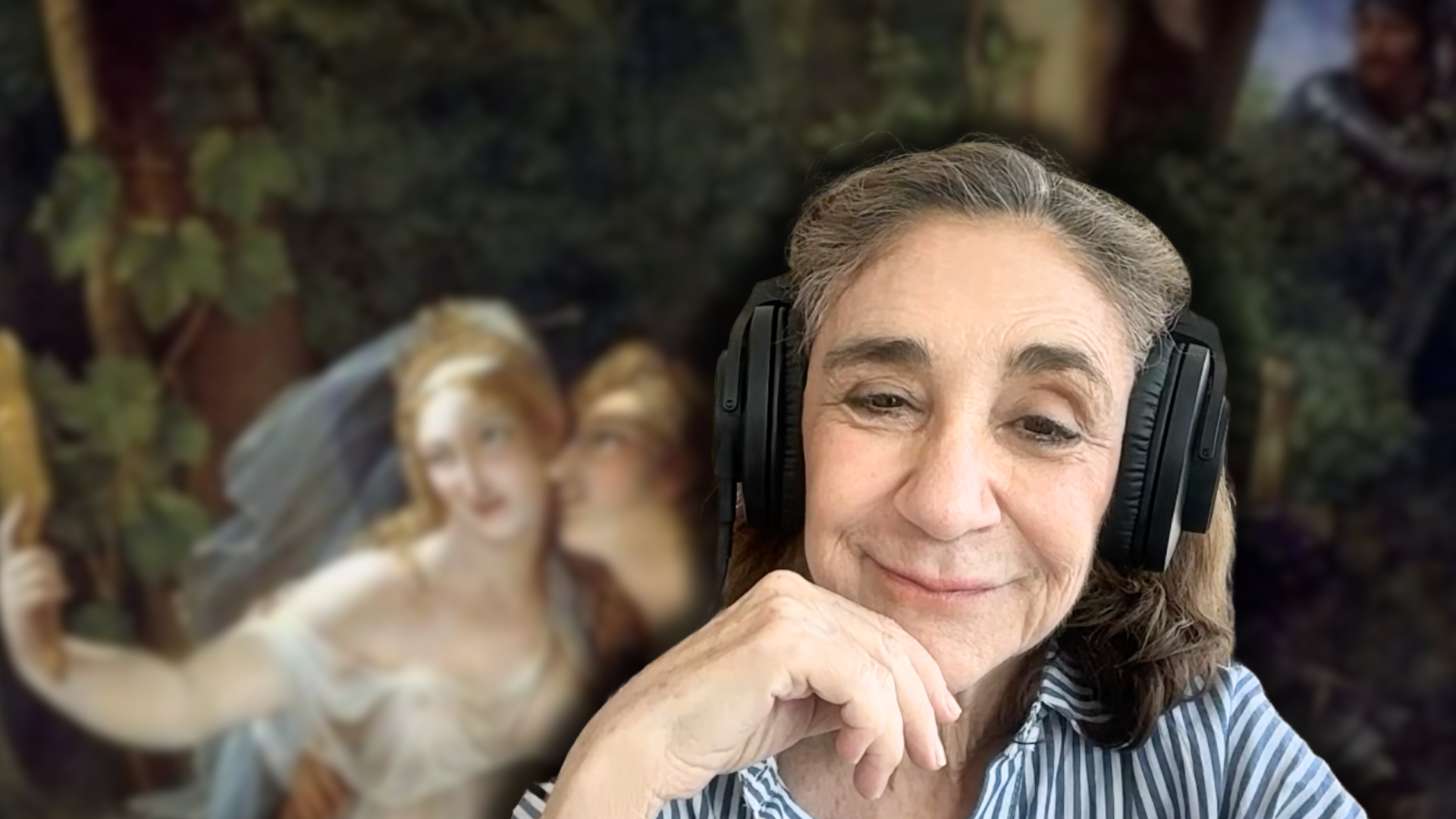
In our wide-ranging conversation, we talk about how we got here, the concept of “deskilling” one’s own capacity for human connection and vulnerability, whether there’s a way back out of this mess for us, and what happened when she asked a chatbot to roleplay her own legacy (spoiler alert: nothing good).

 Connexion