Vue normale

  • ✇The Kyiv Independent
  • EU postpones lowering price cap for Russian oil amid tensions in Middle East, Politico reports
    The European Union has postponed a move to lower the existing price cap on Russian oil, after concerns that the Iran-Israel conflict could lead to higher prices, Politico reported on June 20, citing unnamed diplomatic sources.The price cap, introduced in December 2022 as a measure to limit the Kremlin's ability to finance its war against Ukraine, prohibits Western companies from shipping, insuring, or otherwise servicing Russian oil sold above $60 per barrel.Ukraine has been calling on Western p
     

EU postpones lowering price cap for Russian oil amid tensions in Middle East, Politico reports

20 juin 2025 à 11:41
EU postpones lowering price cap for Russian oil amid tensions in Middle East, Politico reports

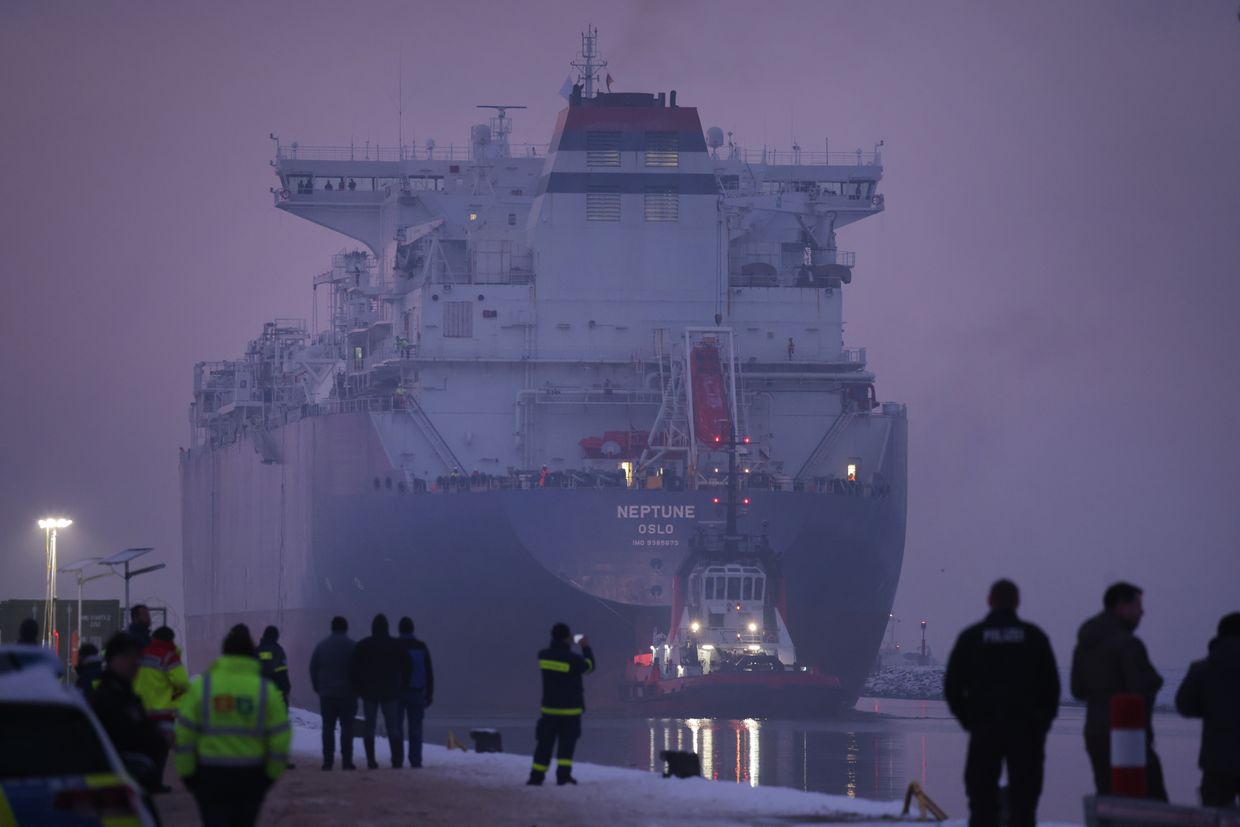
The European Union has postponed a move to lower the existing price cap on Russian oil, after concerns that the Iran-Israel conflict could lead to higher prices, Politico reported on June 20, citing unnamed diplomatic sources.

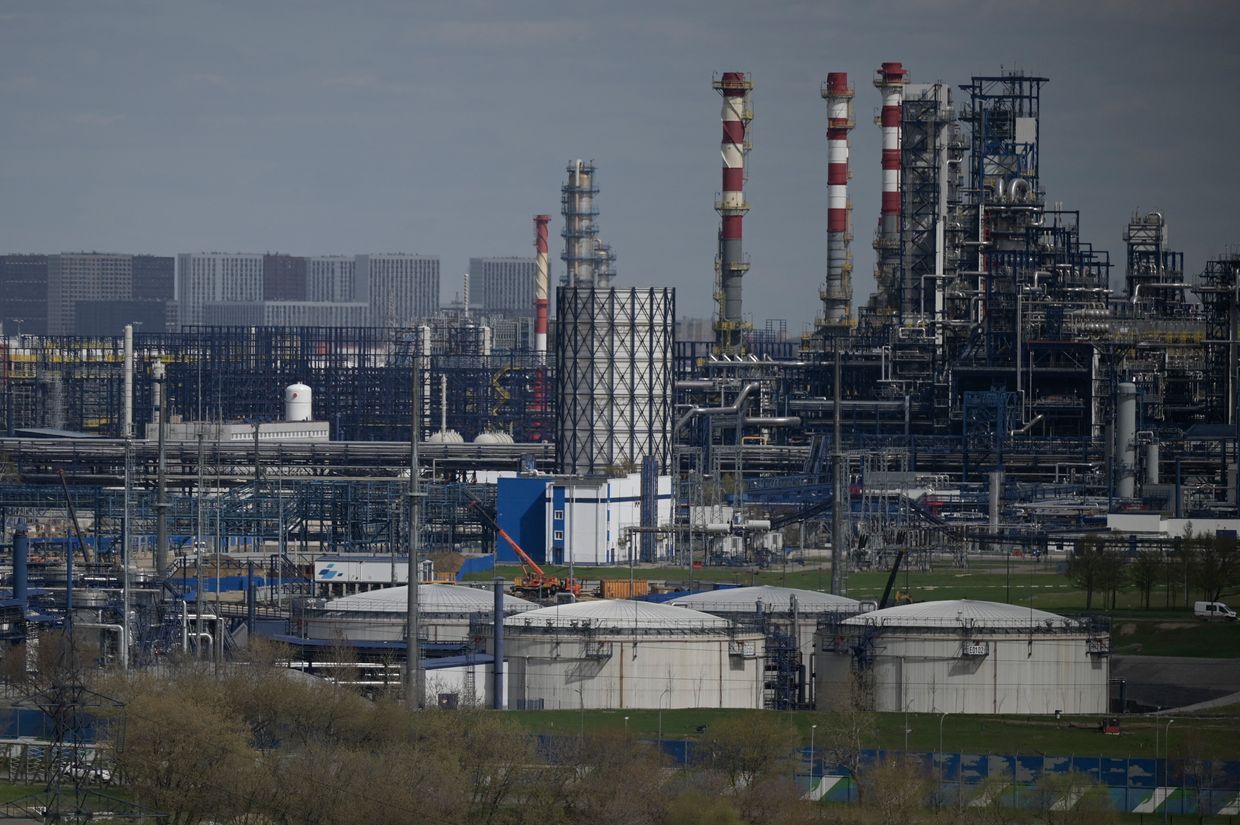
The price cap, introduced in December 2022 as a measure to limit the Kremlin's ability to finance its war against Ukraine, prohibits Western companies from shipping, insuring, or otherwise servicing Russian oil sold above $60 per barrel.

Ukraine has been calling on Western partners to lower the price cap on Russian oil from $60 to $30 per barrel. Meanwhile, two diplomats told Politico that the escalation of the conflict between Iran and Israel would make it impossible to impose new restrictions.

"The idea of lowering the price cap is probably not going to fly because of the international situation in the Middle East and the volatility," said one diplomat on the condition of anonymity.

The issue of reducing the price cap on Russian oil was discussed during the Group of Seven (G7) summit, which was held June 15-17 in Canada. However, the participants failed to reach a consensus.

"At the G7 meeting this week, it was agreed by all the countries they would prefer not to take the decision right now," the diplomat added. "The prices were quite close to the cap; but now the prices are going up and down, the situation is too volatile for the moment."

European Commission President Ursula von der Leyen said during the G7 summit that the existing measures on Russian oil exports "had little effect," while noting that oil prices had risen in recent days, so "the cap in place does serve its function. "

Global oil prices spiked on June 13, after Israeli strikes on Iran triggered a long-range war between the two countries that has continued for over a week.

Brent and Nymex crude prices surged more than 10% before stabilizing around 7.5% higher, with Brent at $74.50 a barrel and Nymex at $73.20 as of June 20, the BBC reported.

The spike threatens to undermine Western efforts to restrict the wartime revenue of the Russian state, which depend heavily on oil exports.

EU High Representative Kaja Kallas previously urged the European Union to pursue lowering the oil price cap on Russian oil, even without U.S. support, warning that Middle East tensions could otherwise drive prices up and boost Russia's revenues.

After 3 years of full-scale war in Ukraine, Europe finally lays out road map to detox from Russian oil and gas
After three years of limited measures and political hangovers, the European Union has laid out a legal roadmap to finally end its long-standing addiction to Russian oil and gas. Under a new legislative proposal announced in Strasbourg on June 17, Brussels aims to cut off all remaining imports of Russian
EU postpones lowering price cap for Russian oil amid tensions in Middle East, Politico reportsThe Kyiv IndependentAlex Cadier
EU postpones lowering price cap for Russian oil amid tensions in Middle East, Politico reports
  • ✇The Kyiv Independent
  • Russian drone strikes on Ukraine might drop due to Iran-Israel conflict, Estonian intel says
    Russian drone attacks against Ukraine might decrease due to Iranian Shahed production capabilities being targeted in Israeli strikes, Estonian military intelligence commander Ants Kiviselg said on June 20, according to the ERR broadcaster.The comments come as Russian drone strikes across Ukraine have been breaking records in recent weeks, with nearly 500 drones and missiles launched overnight on June 9."While it can be assessed that Russia has been able to largely localize and transfer the produ
     

Russian drone strikes on Ukraine might drop due to Iran-Israel conflict, Estonian intel says

20 juin 2025 à 08:28
Russian drone strikes on Ukraine might drop due to Iran-Israel conflict, Estonian intel says

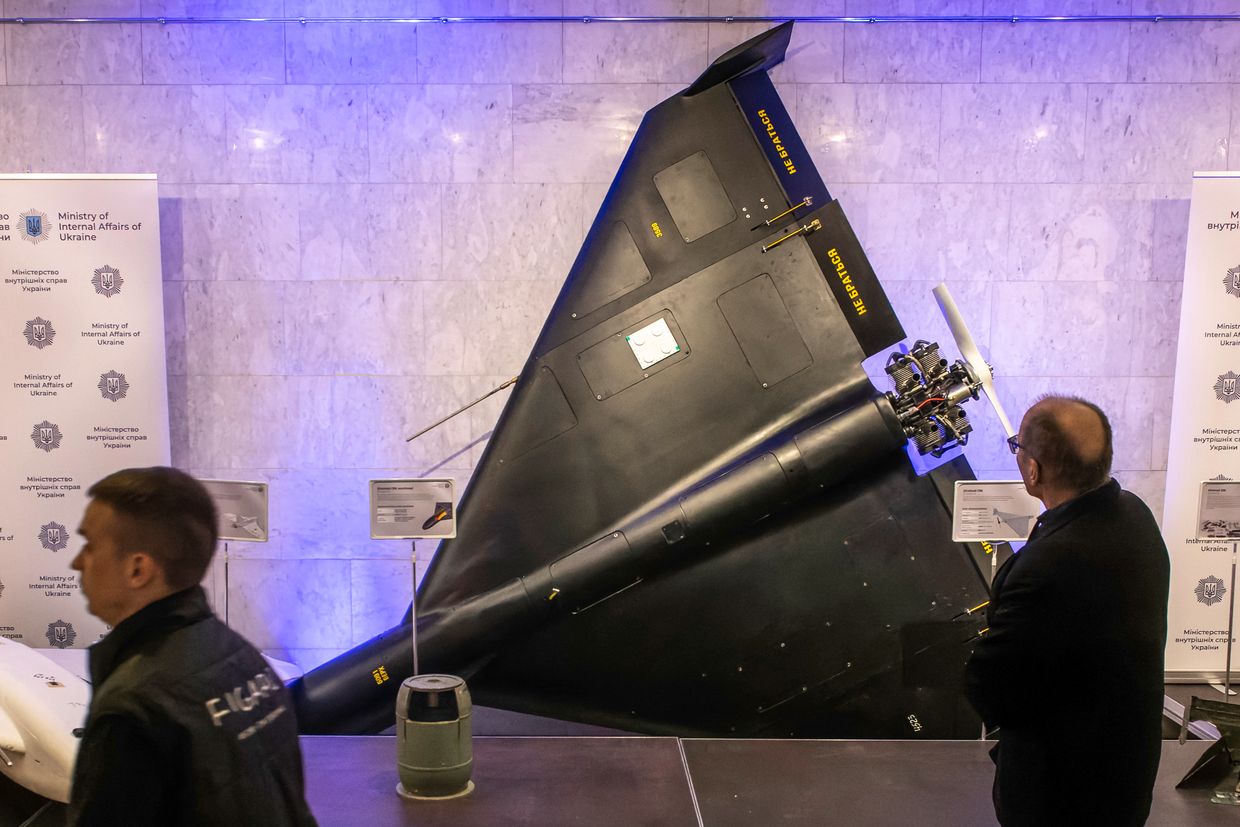
Russian drone attacks against Ukraine might decrease due to Iranian Shahed production capabilities being targeted in Israeli strikes, Estonian military intelligence commander Ants Kiviselg said on June 20, according to the ERR broadcaster.

The comments come as Russian drone strikes across Ukraine have been breaking records in recent weeks, with nearly 500 drones and missiles launched overnight on June 9.

"While it can be assessed that Russia has been able to largely localize and transfer the production of Shahed and Geran-type drones to Russia, it can be assumed that some critical nodes for drone production continue to come from Iran," Kiviselg said.

Israel initiated a series of air strikes against Iranian military and nuclear facilities on June 13, with Tehran responding with waves of drone and missile attacks, further escalating tensions in the Middle East.

Iran has been a key ally to Moscow and provided the country with ballistic missiles and thousands of Shahed "kamikaze" drones for its war against Ukraine. Russia has also launched production of its own Shahed equivalents called Geran.

While Israeli strikes targeted and destroyed a Geran-type drone factory in Isfahan, Ukrainian forces have been attacking the Russian plant in Alabuga in Tatarstan, the Estonian intelligence chief noted.

"So there is a possibility that in the near future we may see a certain decline in the use of drones," Kiviselg said. Estonian intelligence is nevertheless convinced that Moscow is planning steps to not only maintain, but also "increase" its drone production.

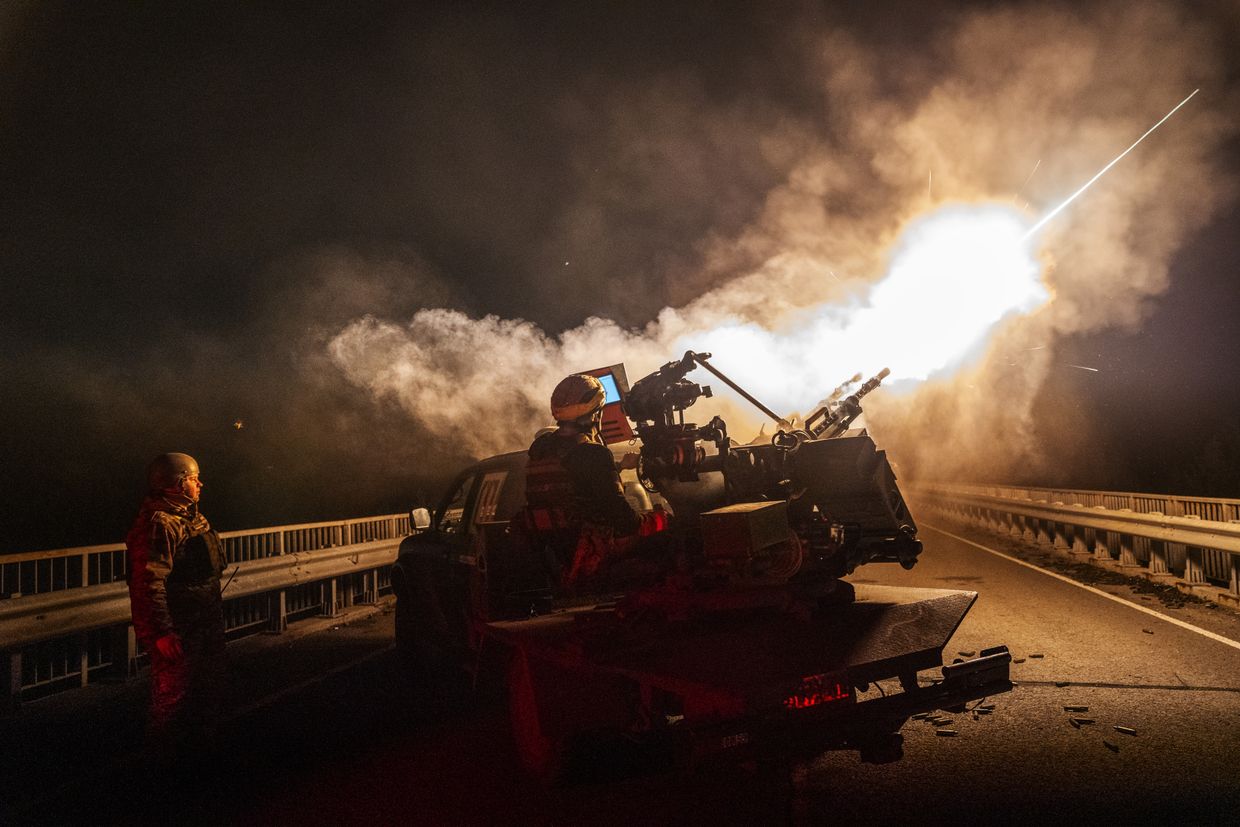
Russia has been regularly deploying Shahed-type drones for nighttime attacks on Ukrainian cities and infrastructure, overwhelming Ukrainian air defenses with massive swarms.

Ukraine's intelligence has warned that the Russian defense industry seeks to ramp up the production of the strike drones, aiming to deliver 500 unmanned aircraft per month for Russia's war effort.

In turn, the Ukrainian side has also increasingly invested in its drone capabilities, and more than doubled its production of long-range drones in 2024 compared to the previous year.

Russia just accidentally admitted to its staggering troop losses in Ukraine
A senior Russian official on June 19 inadvertently confirmed the staggering troop losses incurred by Moscow’s forces during its full-scale invasion of Ukraine. In an interview with CNN, Russian Ambassador to the U.K. Andrey Kelin was asked about Moscow’s maximalist intentions in Ukraine and its ability to recruit enough
Russian drone strikes on Ukraine might drop due to Iran-Israel conflict, Estonian intel saysThe Kyiv IndependentChris York
Russian drone strikes on Ukraine might drop due to Iran-Israel conflict, Estonian intel says
  • ✇The Kyiv Independent
  • Russia would react 'very negatively' to Iran leader's assassination, Kremlin says
    Regime change in Iran is "unacceptable" and the assassination of Supreme Leader Ayatollah Ali Khamenei would "open Pandora's box," Kremlin spokesperson Dmitry Peskov told Sky News in an interview published June 20.Russia, which signed a strategic partnership with Iran in January, has reportedly grown increasingly alarmed as the United States weighs deeper involvement in Israel's military campaign against Tehran. Earlier, U.S. President Donald Trump suggested the option of assassinating Iran's Su
     

Russia would react 'very negatively' to Iran leader's assassination, Kremlin says

20 juin 2025 à 02:37
Russia would react 'very negatively' to Iran leader's assassination, Kremlin says

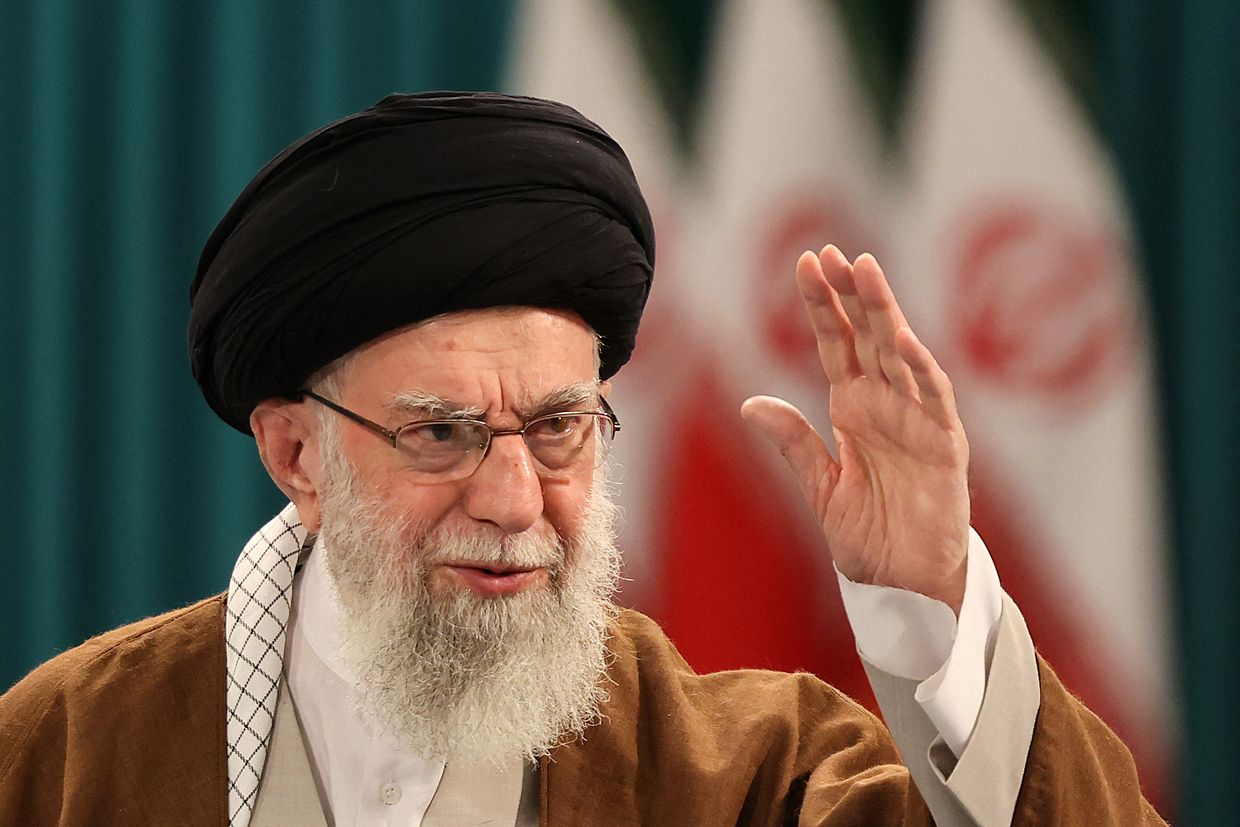
Regime change in Iran is "unacceptable" and the assassination of Supreme Leader Ayatollah Ali Khamenei would "open Pandora's box," Kremlin spokesperson Dmitry Peskov told Sky News in an interview published June 20.

Russia, which signed a strategic partnership with Iran in January, has reportedly grown increasingly alarmed as the United States weighs deeper involvement in Israel's military campaign against Tehran.

Earlier, U.S. President Donald Trump suggested the option of assassinating Iran's Supreme Leader Khamenei remains on the table, though he said the U.S. does not plan to act on it "for now."

The comment followed reporting that Israel had earlier proposed a plan to kill Khamenei — a proposal Trump initially rejected, according to a U.S. official cited by AP.

Peskov warned that any attempt at regime change in Tehran or threats to its leadership would "open Pandora's box," deepening instability across the Middle East and beyond.

"(Regime change in Iran) is unimaginable," Peskov said. "It should be unacceptable, even talking about that should be unacceptable for everyone." He added that the killing of Khamenei would promote extremist sentiment inside Iran and provoke unpredictable consequences.

"The situation is extremely tense and is dangerous not only for the region but globally," Peskov said. "An enlargement of the composition of the participants of the conflict is potentially even more dangerous. It will lead only to another circle of confrontation and escalation of tension in the region."

Russia has been a close regional ally of Iran, while Tehran supplied drones and ballistic missiles for Moscow's war against Ukraine. Meanwhile, Israel has maintained a delicate balance, refraining from joining Western sanctions against Moscow while condemning Iran's role in supporting Russia's war effort.

Asked on whether Moscow would respond to a possible strike against Khamenei, Peskov declined to specify, saying any reaction would come from "inside Iran."

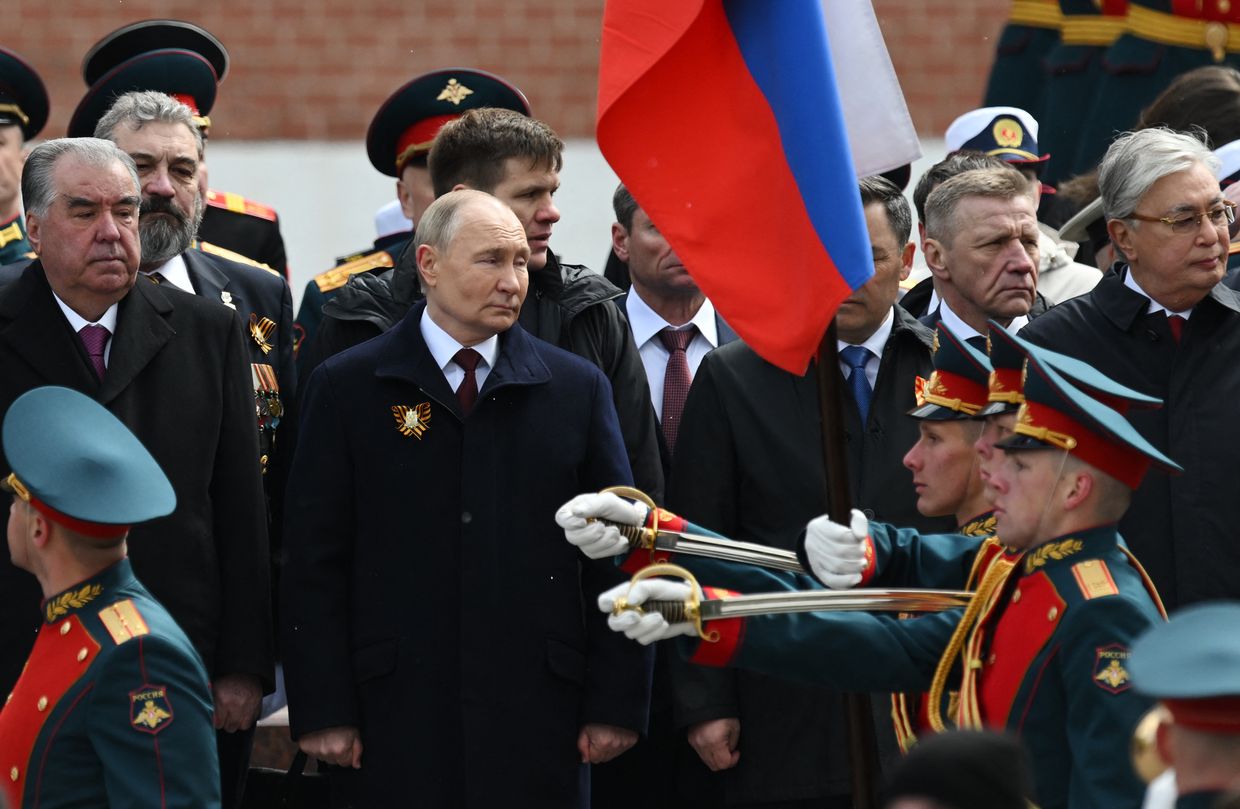
Peskov also commented on Trump's dismissive response to Russian President Vladimir Putin's offer to mediate between Israel and Iran. The U.S. president reportedly told Putin to "mediate your own conflict" in reference to the Russia-Ukraine war. Peskov shrugged off the remark, calling Trump's language "unique" and urging mutual tolerance.

Tensions have risen between the U.S. and Iran following a wave of Israeli air strikes on Iranian territory, beginning June 13. The attacks targeted nuclear infrastructure and senior Iranian commanders, prompting Iranian missile strikes on Tel Aviv and other Israeli cities.

Tehran claimed that at least 224 Iranian civilians were killed on June 16, though the figures remain unverified.

Russia has offered to mediate the crisis, with Putin reportedly reaching out to both Iranian President Masoud Pezeshkian and Israeli Prime Minister Benjamin Netanyahu. Tel Aviv, according to the Kremlin, is reluctant to accept the proposal, while the EU leaders rejected it, citing Russia's aggression in Ukraine and its close military ties to Iran.

There’s loads of video of Israeli air defenses, and none of Ukraine’s — this is why
As Israel and Iran continue to trade salvos, dramatic footage of air defenses battling ballistic missiles have flooded the internet. Several prominent online commentators have compared the videos coming out of Israel with those from Ukraine, questioning why Russian attacks like those on Kyiv are portrayed in relatively sparse detail,
Russia would react 'very negatively' to Iran leader's assassination, Kremlin saysThe Kyiv IndependentYuliia Taradiuk
Russia would react 'very negatively' to Iran leader's assassination, Kremlin says
❌