Vue normale

  • ✇Euromaidan Press
  • Ukraine’s strikes gave Kazakhstan leverage over Russian retail giant Wildberries
    On 4 August, Kazakhstan’s Trade and Integration Minister, Arman Shakkaliyev, confirmed that Russia’s largest online retailer is building 260,000 square meters of warehousing space in Almaty and Astana.In the same appearance, he told Kazakh shoppers to favor domestic marketplaces instead. Take the construction money, steer the customers away: that is Astana’s answer to a war that has driven Wildberries to look abroad for shelter. Take the construction money, steer the cu
     

Ukraine’s strikes gave Kazakhstan leverage over Russian retail giant Wildberries

6 août 2026 à 10:58

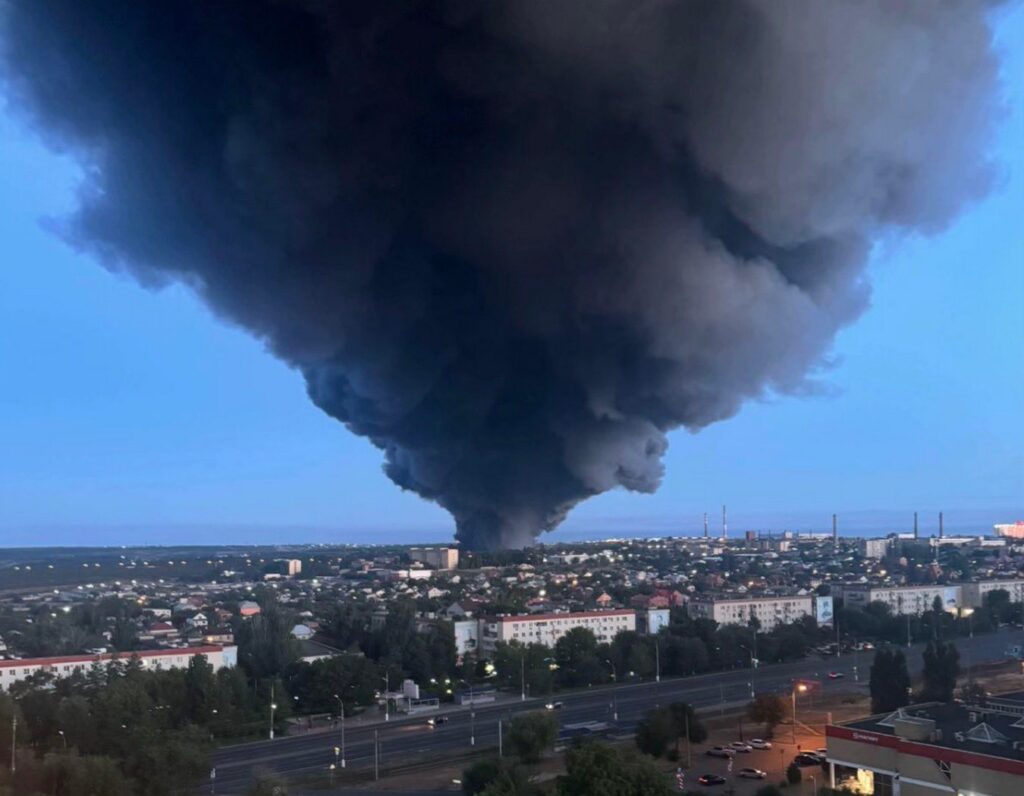
drones hit volgograd kept flying 1100 km tatarstan · post large fire sends up black smoke over russia after ukrainian drone strike wildberries logistics center 31 2026 x/@bayraktar_1love bayraktar_1love hoivgso

On 4 August, Kazakhstan’s Trade and Integration Minister, Arman Shakkaliyev, confirmed that Russia’s largest online retailer is building 260,000 square meters of warehousing space in Almaty and Astana.

In the same appearance, he told Kazakh shoppers to favor domestic marketplaces instead. Take the construction money, steer the customers away: that is Astana’s answer to a war that has driven Wildberries to look abroad for shelter.

Take the construction money, steer the customers away: that contradiction is Astana’s answer.


The warehouses aren’t new—they’ve been under construction for years. And officially, the ministry says, Wildberries hasn’t asked to move its Russian operations to Kazakhstan at all. Astana is drawing a careful line: a Russian company can build here, but it cannot relocate its business here to escape the drones.

The wariness predates the strikes. Kazakhstan already taxes foreign marketplaces at 12% and can block those that fail to register. Of marketplace complaints logged in 2024, 73.7% concerned Wildberries, even as home-grown Kaspi held more than 70% of the market to Wildberries’ 17.2%. Astana was fencing the platform in before the first drone struck.

The bill reaches the neighbors

Kazakh sellers put their losses at roughly 2 billion tenge ($4.2 million) by one count, and the Ecommerce-KZ association estimates more than $2.1 million—neither figure has been confirmed, and the minister has told people not to trust the numbers circulating online.

More than 120,000 Kazakh entrepreneurs were on the platform at the end of 2025, and Wildberries says it is repaying them in stages, working with the ministry and the business chamber Atameken.

Kyrgyzstan is hit harder. Its garment industry leans heavily on Wildberries, and individual producers have lost between 1 million and 100 million soms ($11,400 to $1.14 million) each—enough that Bishkek offered a tax holiday to garment firms through year-end.

What Wildberries wants sheltered is not neutral cargo. Ukraine says it strikes the retailer because the platform is used to trade body armor, drones, and their components that reach Russian forces.
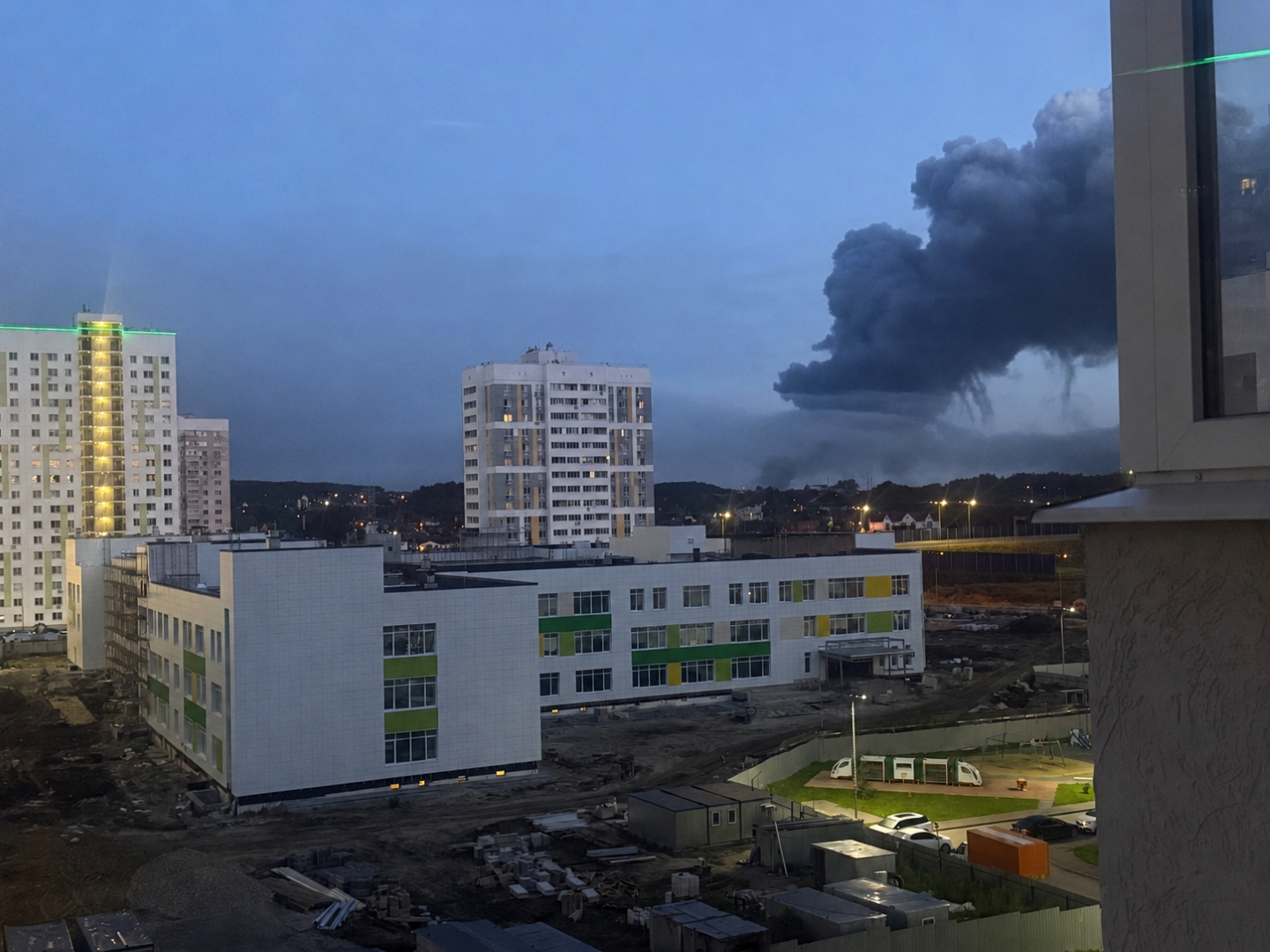
smoke rises from a fire at a wildberries storage in penza, russia, on 30 july 2026
Explore further

Russia can rebuild Wildberries warehouses more easily than it can replace warehouse workers

That leaves Kazakhstan exposed: it has spent the past year tightening dual-use export controls to avoid Western secondary sanctions, and now a company that sells to the Russian military wants to move its logistics onto Kazakh ground.

For now, the shelter barely exists. Wildberries wants to rent about 100,000 square meters—close to every empty warehouse Kazakhstan has—and the complexes it is building will not open until 2027. By then, Astana may have made up its mind about how much of Russia’s retreat it actually wants on its soil.
  • ✇Euromaidan Press
  • Ukraine’s drones force oil-giant Russia to import gasoline—now from Morocco
    Ukrainian drone strikes have forced Russia to import gasoline—shipping cargoes from as far as Morocco to an Arctic port—and to pay for the damage twice over. Moscow now subsidizes both the refineries the drones keep setting on fire and the foreign fuel replacing what those refineries can no longer produce. Ukraine’s drones have forced Moscow to subsidize both the refineries they keep setting on fire and the foreign gasoline. Russia caps fuel prices at home below what
     

Ukraine’s drones force oil-giant Russia to import gasoline—now from Morocco

6 août 2026 à 06:33

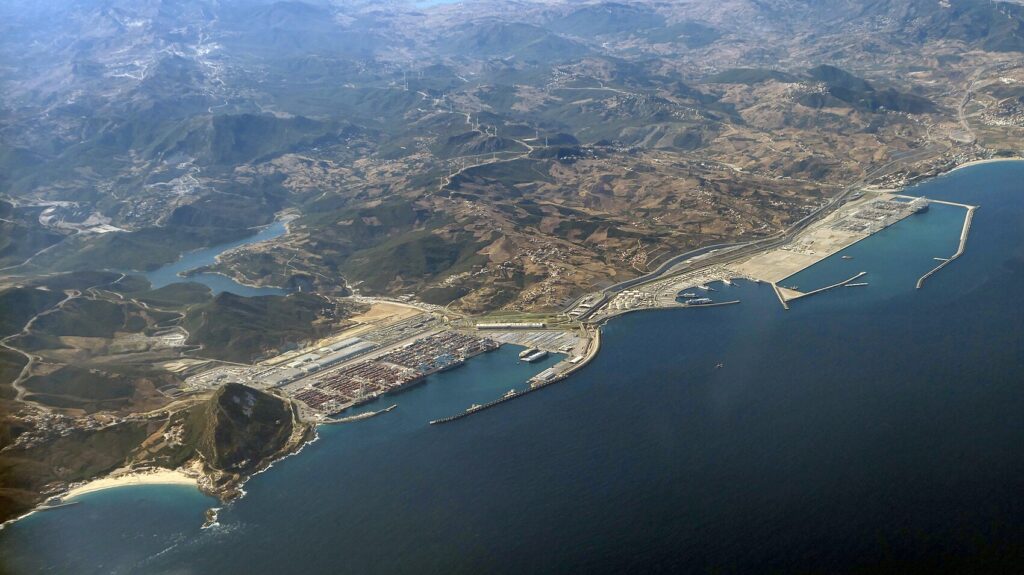
tanger med, the cargo port of tangier in morocco

Ukrainian drone strikes have forced Russia to import gasoline—shipping cargoes from as far as Morocco to an Arctic port—and to pay for the damage twice over. Moscow now subsidizes both the refineries the drones keep setting on fire and the foreign fuel replacing what those refineries can no longer produce.

Ukraine’s drones have forced Moscow to subsidize both the refineries they keep setting on fire and the foreign gasoline.

Russia caps fuel prices at home below what refiners could earn abroad, and the budget pays them the difference—so they keep supplying the domestic market rather than exporting everything. The payments, together with related reimbursements, reached 1.221 trillion rubles ($15 billion) from April through July, Finance Ministry data show—close to the full annual budget of Moscow Oblast, the region ringing the capital.

Those monthly payments have roughly halved since spring, to about 190 billion rubles ($2.4 billion) in July, as lower oil prices narrowed the gap the subsidy fills.

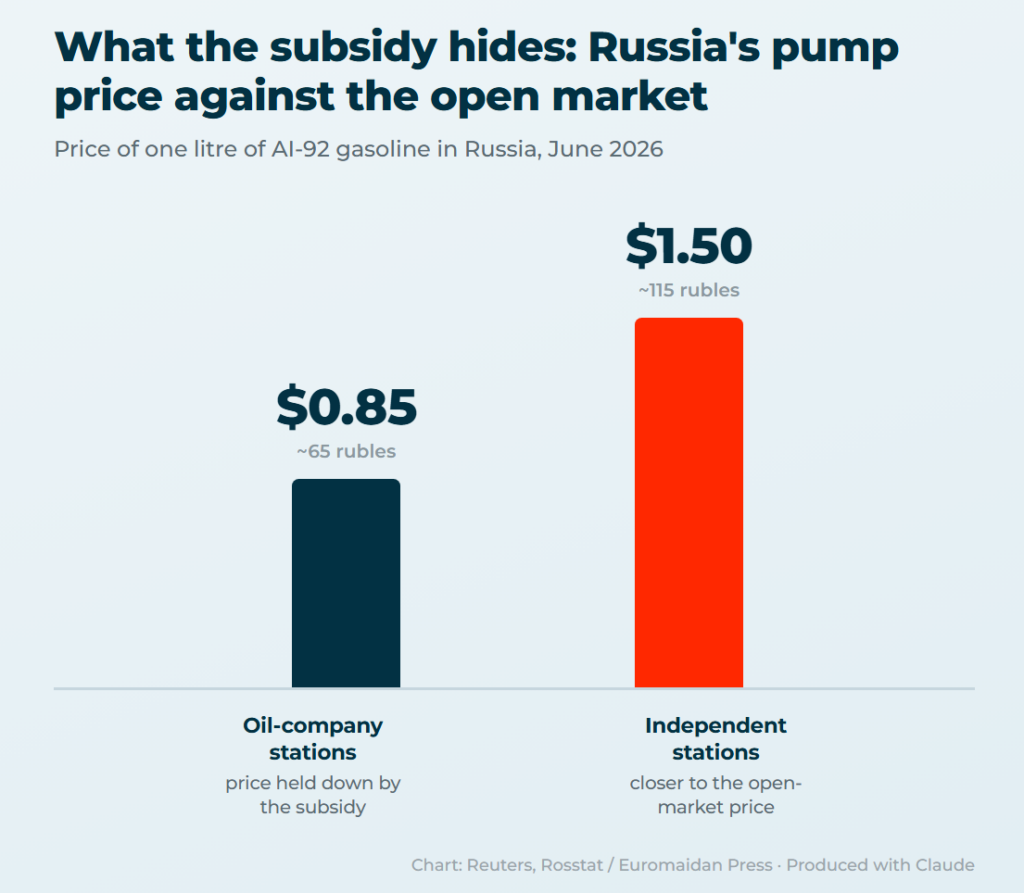
gas price comparison in russia summer 2026
In June 2026, oil-company stations sold a liter of AI-92 gasoline for about 65 rubles ($0.85); independent stations charged upward of 115 rubles ($1.50). The gap is what the subsidy hides. Chart: Reuters, Rosstat / Euromaidan Press

Russia cannot keep its refineries running

Russian crude processing fell to 3.6 million barrels a day in July, its lowest since 2002 and roughly a third below the seasonal norm. Ukraine has hit at least 24 of Russia’s 34 largest refineries in some 50 strikes.

Fuel shortages and rationing now affect 50 million people—about a third of Russia’s population—according to a Financial Times analysis. Russia runs the world’s third-largest oil-refining industry, so the lost output has tightened diesel and gasoline supply beyond its borders. With less capacity to refine at home, Russia has had to export more raw crude and less high-value fuel.

With its refineries down, Moscow is now paying a second subsidy—this time to the importers bringing gasoline in. Gasoline is arriving by rail from Belarus and Kazakhstan and by sea from India and, in mid-July, Morocco: a cargo loaded at the port of Tangier and discharged at Murmansk, on the Arctic coast.

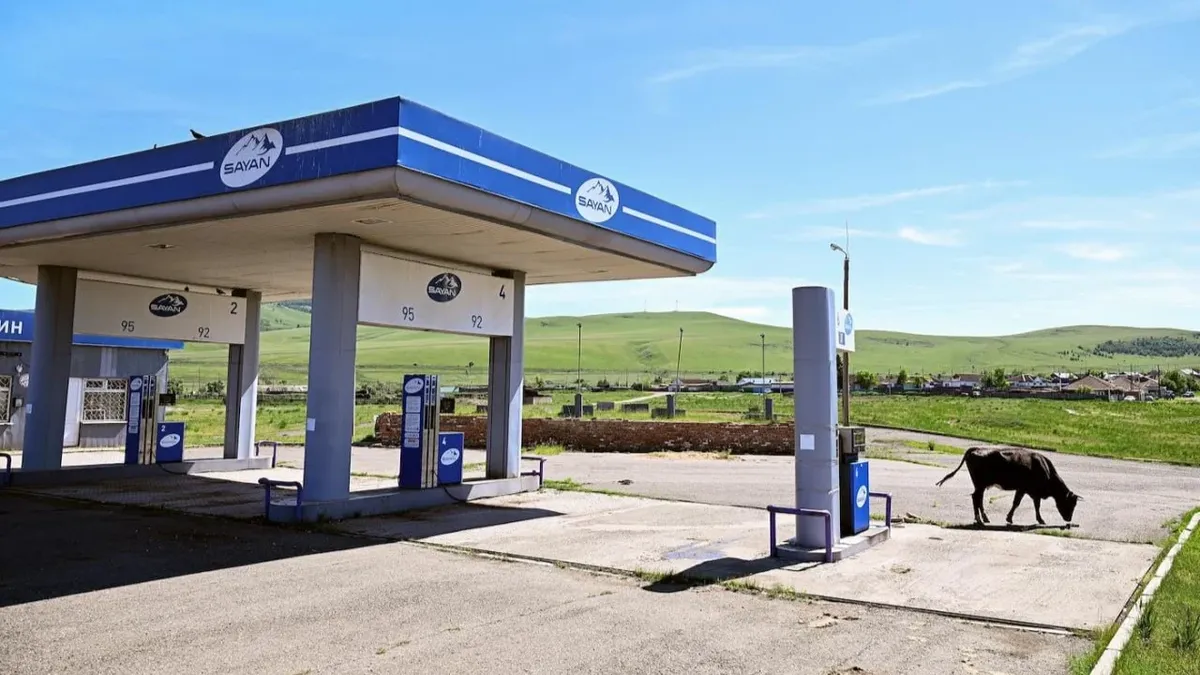
a cow grazes by an idle sayanneft gas station in russia amid nationwide fuel crisis
Explore further

Why Russia is importing gasoline made from its own oil

Ukraine has already named the import route as a target. In early July, presidential sanctions commissioner Vladyslav Vlasiuk called Russia’s new reliance on imported fuel a fresh vulnerability and said Kyiv had raised a response with the European Commission—though the EU’s next sanctions package, now in preparation, is so far built mainly around other measures.

A country that ships crude out of the Arctic is now shipping gasoline in through it.

❌