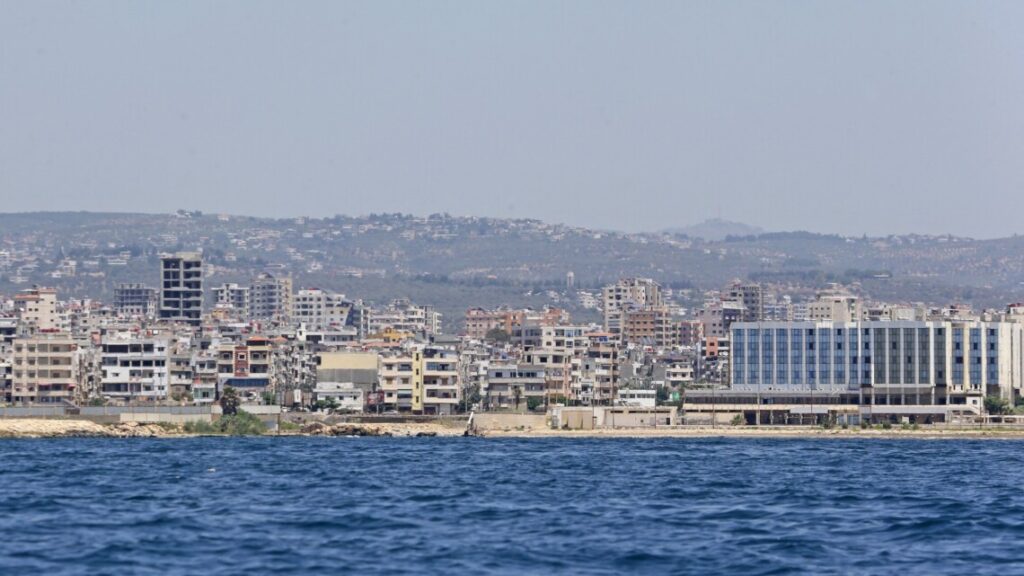
On 9 August, Russia and Syria signed a memorandum on the reorganization of Moscow’s military presence in the country. For about 18 months, the two countries had been negotiating the status of Russian facilities in Syria. As a result, Damascus will take control of facilities intended for civilian use, including Hmeimim Airport and the fourth commercial berth at the port of Tartus, SANA reported.
Russia supported Bashar al-Assad’s regime in Syria. After the dictator’
On 9 August, Russia and Syria signed a memorandum on the reorganization of Moscow’s military presence in the country. For about 18 months, the two countries had been negotiating the status of Russian facilities in Syria. As a result, Damascus will take control of facilities intended for civilian use, including Hmeimim Airport and the fourth commercial berth at the port of Tartus, SANA reported.
Russia supported Bashar al-Assad’s regime in Syria. After the dictator’s defeat in 2024, Russian troops began leaving the country en masse, including from military facilities, CNN reports. However, Moscow sought to retain control over two strategic facilities: Hmeimim Air Base near Latakia and the naval base in Tartus. The new memorandum sets out a new format for Russia’s presence in Syria, including at these two facilities.
Russia's bases become training centers within three months
According to the report, Syria will integrate the facilities it receives under the memorandum into the country’s civilian administration. Russian military bases will be converted into joint training centers. The two sides also agreed to review the role of facilities currently used for military purposes.
Also under the memorandum, the countries are to implement these changes within three months. According to the journalists, “the Ministry of Foreign Affairs called the agreement the most important development since talks began about 18 months ago, saying it paves the way for a new stage in Syrian-Russian relations.”
How Russia's influence in Syria grew and then eroded
Since 2015, Russia has engaged in direct military intervention and supplied Bashar al-Assad’s regime with weapons. At the peak of its military activity in Syria, Russia maintained a presence at about 90 military facilities across the country, according to a joint investigation by OSINT groups GeoInsider and SONARROW.
In 2024, Assad lost power and fled to Russia, leaving the status of Russian military bases in Syria uncertain. Although the new government, led by interim President Ahmed al-Sharaa, had been on the opposite side of the Syrian civil war from Russia, it decided not to sever ties with Moscow completely. In 2025, Syria said it wanted Russia “by our side.”
Russian military police in Syria, illustrative image. Photo via Wikimedia
Despite the new government’s “pragmatic” approach to relations with Russia, Moscow’s military presence in Syria gradually began to shrink. Two particularly important strategic facilities for Moscow were the port of Tartus and Hmeimim Air Base. In particular, Tartus is important to Russia because it is Russia’s only naval facility in the Mediterranean. After Assad fled, Moscow began negotiations with Syria over the status of its military facilities.
Oil and sanctions shape the deal
The negotiations over the military bases are not the only contentious issue in Russian-Syrian relations. The issue of Assad’s extradition also featured in talks between Damascus and Moscow after he fled to Russia, per Al Jazeera. On 4 August, Reuters reported that Syria had signaled to Washington that it was prepared to significantly reduce imports of Russian oil amid talks over sanctions relief. Russia has emerged as Syria’s main supplier of oil, with shipments reaching about 60,000 barrels per day this year.
When Sweden’s Anton Källberg walks into the arena on Tuesday to face Vladimir Sidorenko at Europe Smash, the match carries a weight that reaches beyond the table.Sidorenko is Russian, and unlike the Russian players who spent recent years competing as neutrals, he now takes the table representing Russia, under its flag and anthem.
Flags and anthems are written into international sport precisely because they carry national and political meaning.
The change follows a Ju
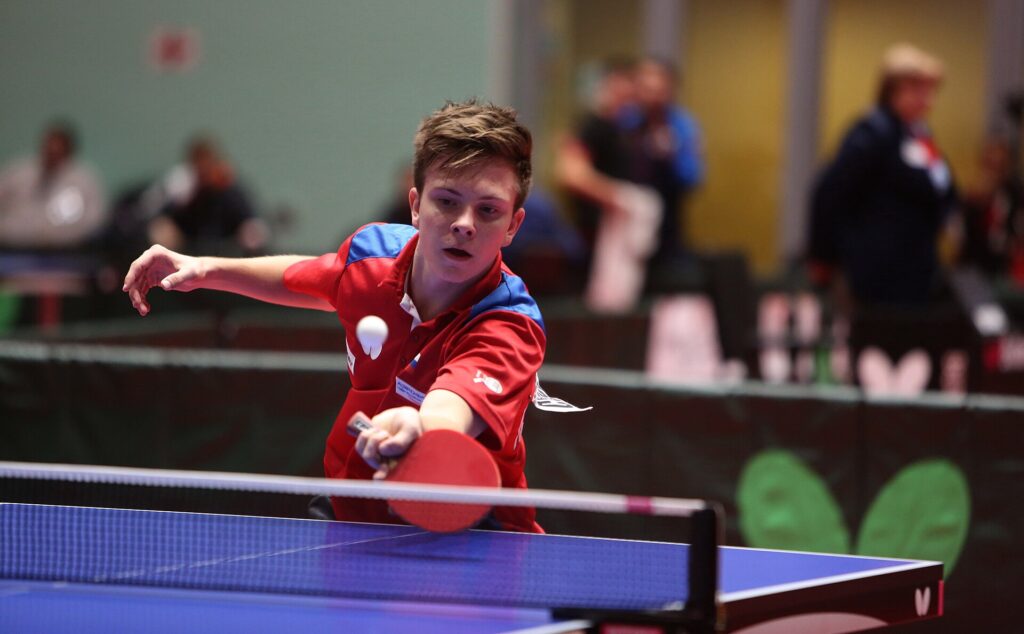
When Sweden’s Anton Källberg walks into the arena on Tuesday to face Vladimir Sidorenko at Europe Smash, the match carries a weight that reaches beyond the table.
Sidorenko is Russian, and unlike the Russian players who spent recent years competing as neutrals, he now takes the table representing Russia, under its flag and anthem.
Flags and anthems are written into international sport precisely because they carry national and political meaning.
The change follows a July decision by the International Table Tennis Federation (ITTF) to lift the restrictions on athletes holding Russian passports. It took effect on 28 July, and Russian players can now enter under the same ordinary rules as everyone else.
For critics, the question is hard to avoid: what has changed in Ukraine to justify the change in sport?
What changed in Ukraine? Nothing
Russia’s full-scale invasion has not ended. Yet the penalty imposed in its wake—that Russian athletes compete without representing the Russian state—has now been lifted in international table tennis.
The Swedish Table Tennis Association has openly opposed the move. Its chairman, Tomas Eriksson, said in July that he saw no change in Ukraine that would justify shifting Swedish sport’s position toward Russian participation. The association has said it will not boycott the tournaments.
That tension now lands on Swedish soil.
Källberg and Sidorenko were drawn against each other at Europe Smash, held in Malmö from 8 to 16 August.
For Swedish supporters of Ukraine, the evening presents a real dilemma. Nobody needs to aim hostility at Sidorenko himself, and no one is claiming individual Russian athletes bear responsibility for their government’s actions. The question is what an athlete is asked to represent.
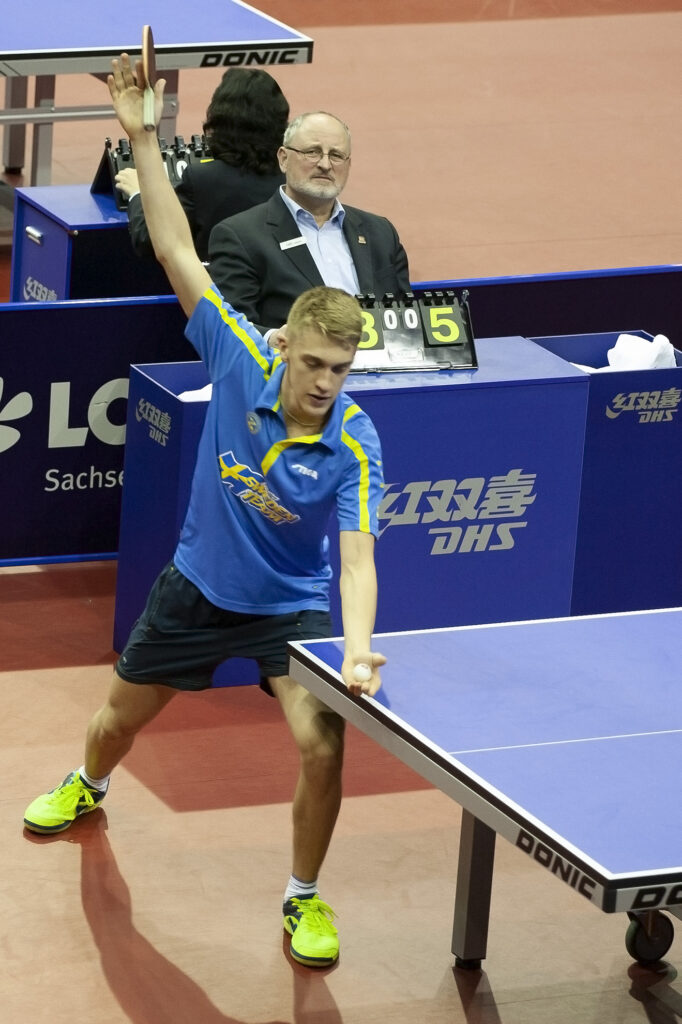
Sweden’s Anton Källberg, who faces Russia’s Vladimir Sidorenko at Europe Smash in Malmö. Photo: Peter Porai-Koshits / Wikimedia Commons, CC BY-SA 4.0
A flag is never neutral
A neutral athlete competes as an individual. Someone introduced beneath a national flag stands in, however indirectly, for a state. Flags and anthems are written into international sport precisely because they carry national and political meaning.
So restoring the Russian flag is more than an administrative tweak. It is a statement—and a pointed one while Russia’s war on Ukraine continues.
The dispute has an unmistakable Swedish dimension. ITTF is headed by Petra Sörling, the Swedish official who was re-elected president of world table tennis in 2025 for another four-year term. She is a former president of the Swedish Table Tennis Association.
Explore further
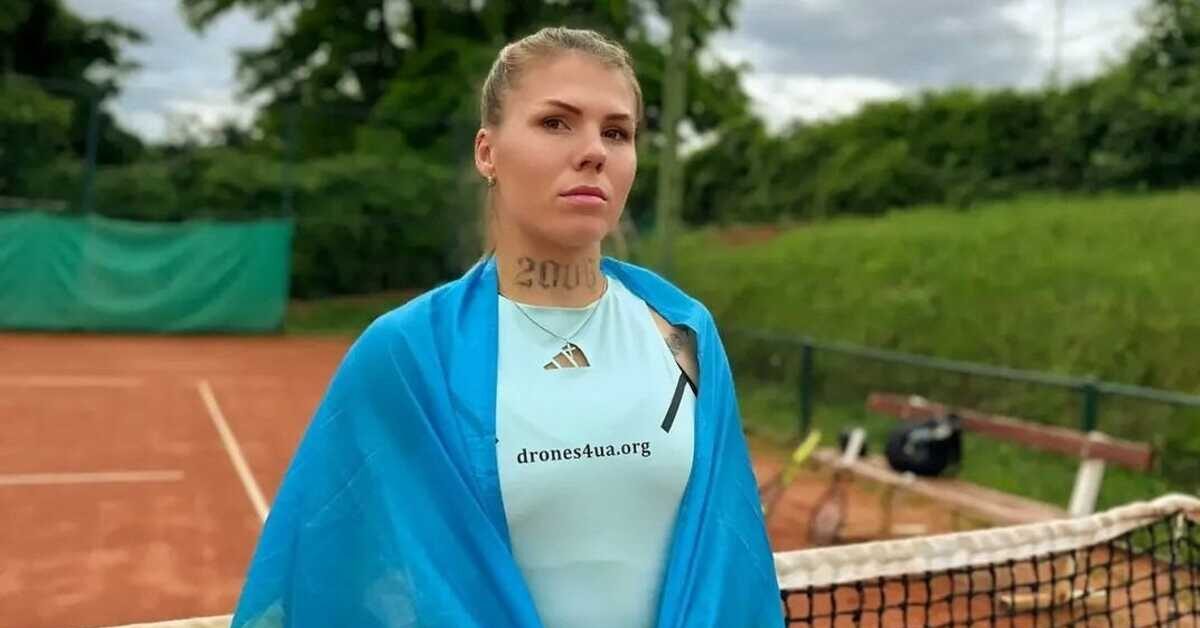
Sport is letting Russia back in. This Ukrainian tennis player says no.
That does not make the reinstatement hers alone to decide; the ITTF Executive Board considered the issue on 10 July. But leadership carries responsibility. ITTF has justified the change by citing equal treatment and proportionality—yet proportionate to what change in circumstances? With Russia’s war on Ukraine still ongoing, the federation has yet to explain what has materially shifted to make the earlier restrictions disproportionate now.
On the evening of 11 August 2026, all of it narrows to something plainer: two players and a table, in front of a Swedish crowd.
Källberg deserves what any Swedish athlete would want at a major home tournament: loud, passionate backing from the crowd. And those who object to the return of the Russian flag have every right to voice it, peacefully, from the same seats.
Symbols cut both ways
Sport does not stand outside the world around it. International federations prove as much every time they raise a flag or set a country’s name beside an athlete.
If those symbols matter when a nation celebrates victory, they matter when a governing body decides who may use them.
And until the reasons for restricting Russia’s national representation have gone, the question facing table tennis stays simple: Why should the restriction disappear first?
 Connexion