Syria has told the United States it is willing to drastically reduce imports of Russian crude oil as part of discussions over lifting Washington's remaining terrorism-related sanctions on the country, according to three sources familiar with the talks cited by Reuters.
The reported commitment would mark a significant shift for Damascus, which has remained heavily dependent on Russian oil since the fall of Bashar al-Assad despite pursuing closer ties with Western governments.
Russian oil reportedly discussed during sanctions negotiations
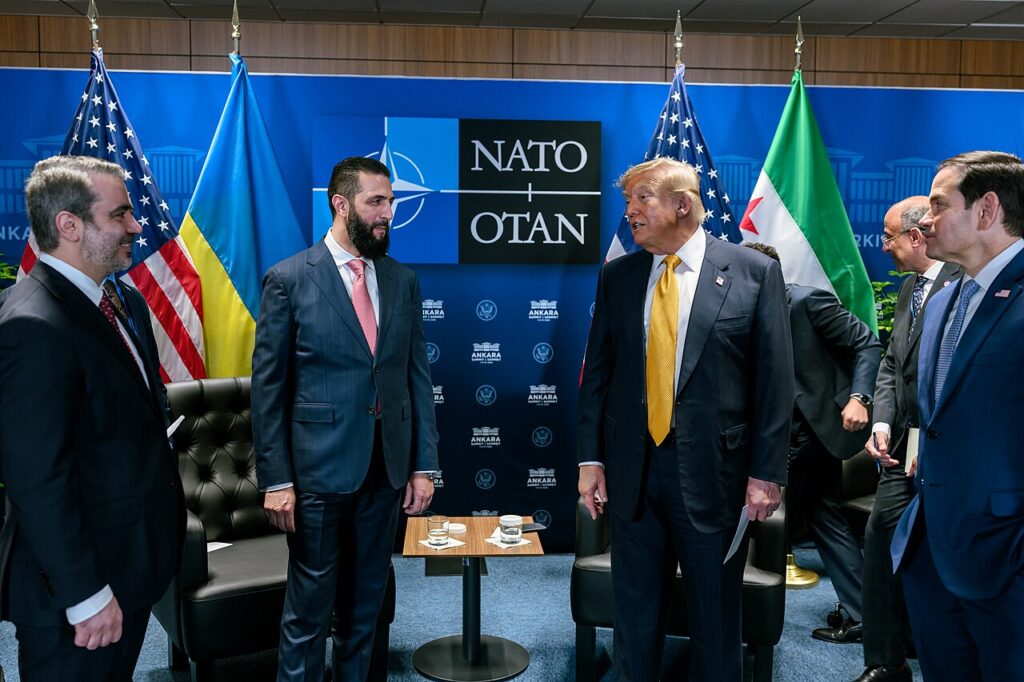
According to Reuters, senior Syrian officials told US counterparts they were prepared to reduce Russian oil imports during negotiations over removing Syria from the US list of State Sponsors of Terrorism (SST), one of the last major sanctions designations still applied to the country.
US President Donald Trump announced in July that he intends to rescind Syria's designation, which has been in place since 1979, but the move remains subject to a congressional review period before taking effect.
Three sources told Reuters that the United States requested such a reduction and Damascus agreed, although they said Washington did not formally make it a precondition for lifting the designation.
A US State Department official told Reuters that Washington is encouraging Syria to work with "trusted corporate partners," particularly US companies, during the country's reconstruction and expects Damascus to comply with sanctions targeting Russia.
A White House official, meanwhile, said there was no formal link between removing Syria from the terrorism list and reducing Russian oil imports.
Removing the designation would eliminate one of the biggest remaining barriers to Syria's economic reintegration. While many US sanctions have already been lifted, the terrorism designation continues to restrict access to US assistance and complicate foreign investment, banking, and broader commercial ties, making its removal a key priority for Damascus.
Syria seeks alternatives to Russian crude
Despite improving relations with the West, Syria remains heavily reliant on Russian energy supplies. Reuters reported that Russian crude shipments to Syria have risen by 75% this year to around 60,000 barrels per day, making Moscow the country's dominant oil supplier.
One Syrian source told Reuters that Syrian officials have argued they currently rely on Russian oil out of necessity rather than preference, saying the removal of the terrorism designation would allow Damascus to diversify its energy imports.
A Syrian energy official also told Reuters the government is already searching for alternative suppliers and expects a "radical change" in the country's energy sourcing.
Analysts told Reuters that replacing Russian crude quickly could prove difficult without creating fuel shortages or increasing import costs.
Part of broader US effort to reduce Russia's regional influence
The reported discussions reflect a broader US effort to weaken Russia's remaining economic and strategic influence in Syria following Assad's removal from power.
Reuters noted that Washington has recently placed greater emphasis on reducing Moscow's role in the country, while Congress has directed the Pentagon to examine options for limiting Russia's military presence, including at its naval facility in Tartus and the Hmeimim air base.
The move also mirrors broader efforts to curb demand for Russian energy beyond the European Union. Last month, Georgia's sanctioned Kulevi oil refinery announced it had begun replacing Russian crude with supplies from Kazakhstan and Libya after the EU imposed sanctions over its processing of Russian oil, giving the company six months to complete the transition.

 Connexion