Connexion
Ukraine-Russia war latest: Russians ‘withdraw billions’ from banks amid fears Putin could seize money
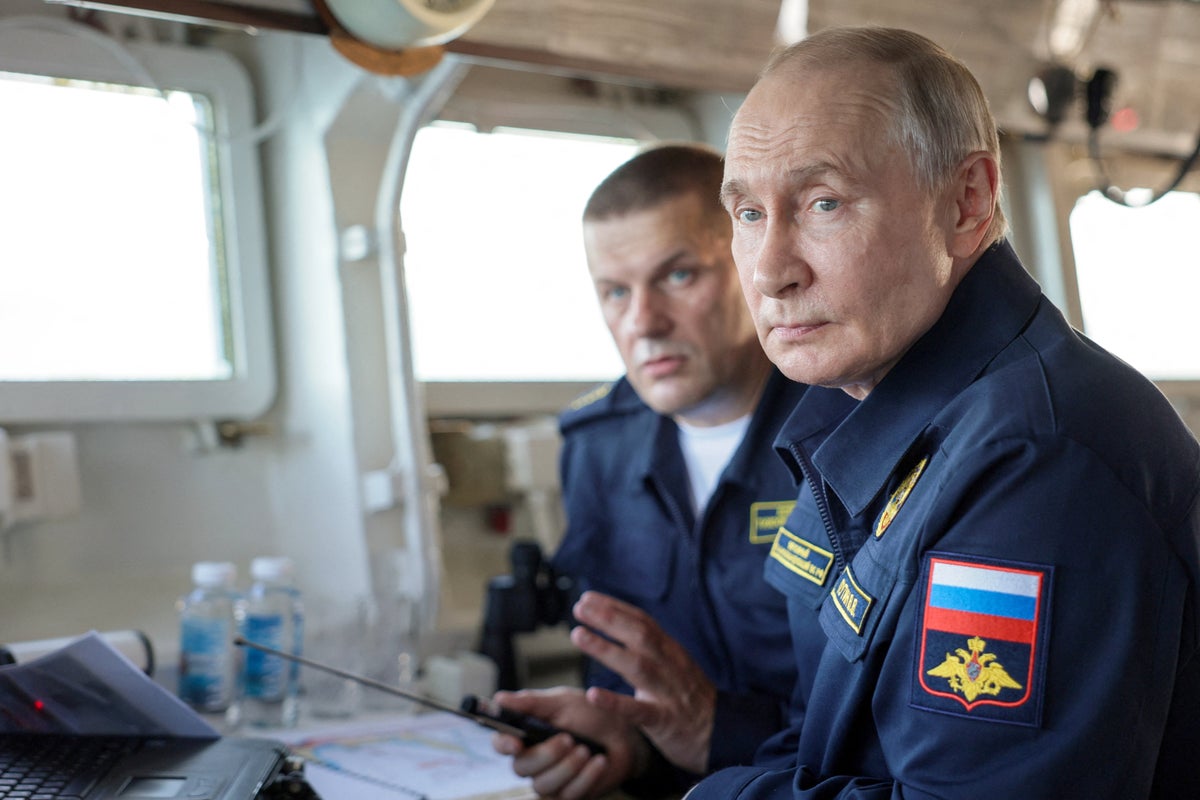
The withdrawals are causing liquidity problems in Russia, a senior finance official said
© Reuters

The withdrawals are causing liquidity problems in Russia, a senior finance official said
© Reuters
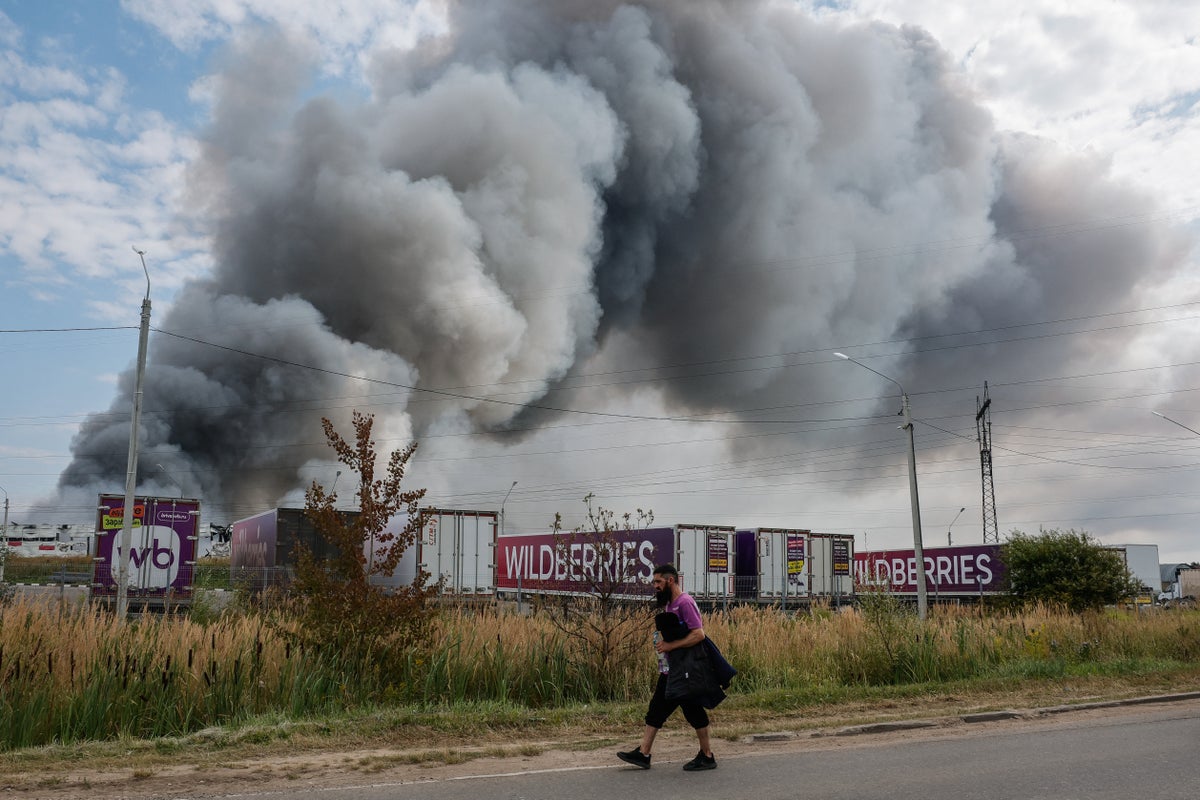
The economist’s claims come as Ukraine has repeatedly attacked Russia’s oil refineries and largest retailer Wildberries this summer
© AP
Nato has raised the alarm over the threat of a Russian attack amid repeated incursions by Moscow’s drones
© Vantour
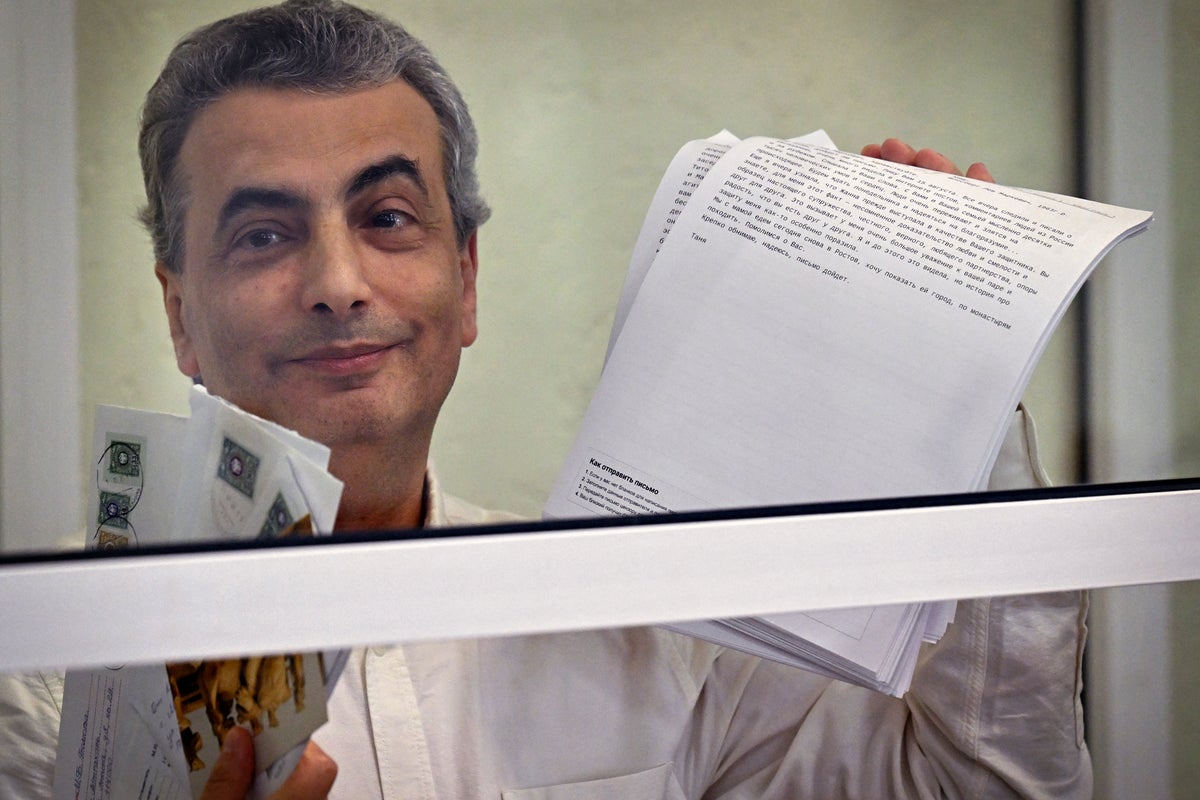
Lev Shlosberg was sentenced to 11 years in jail on Monday
© AFP/Getty
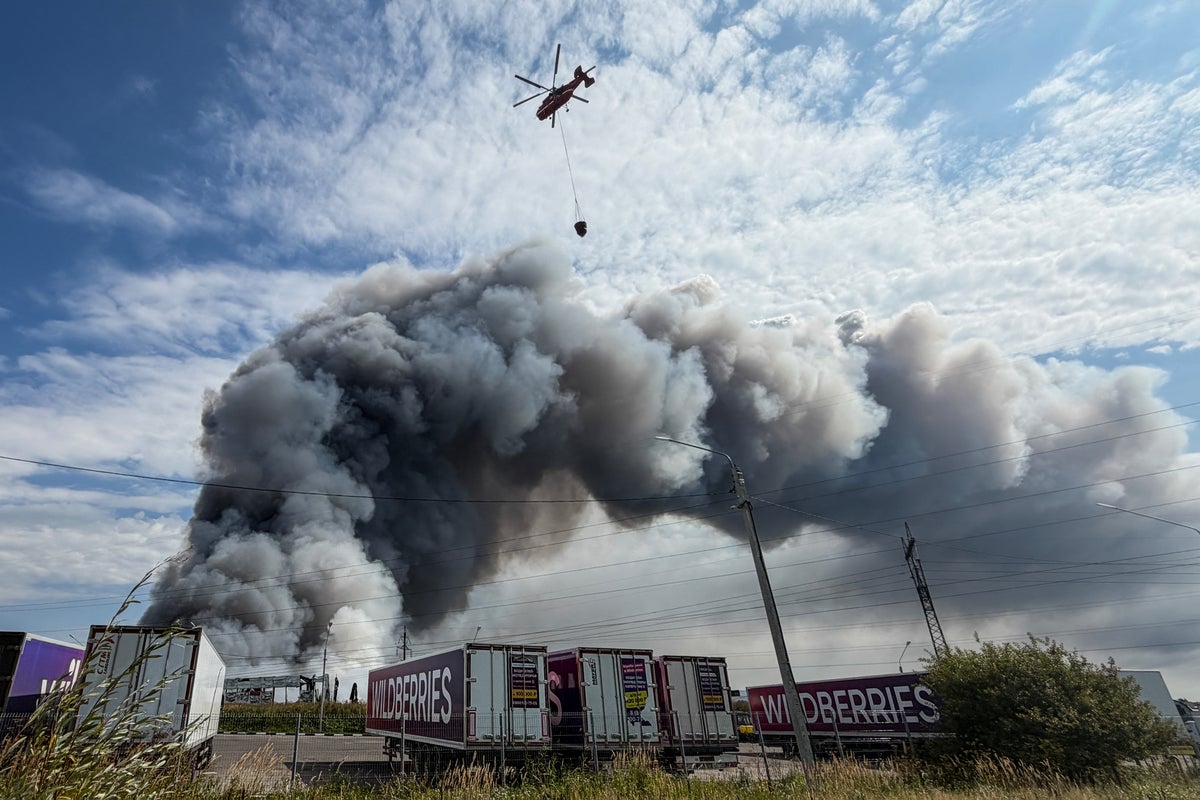
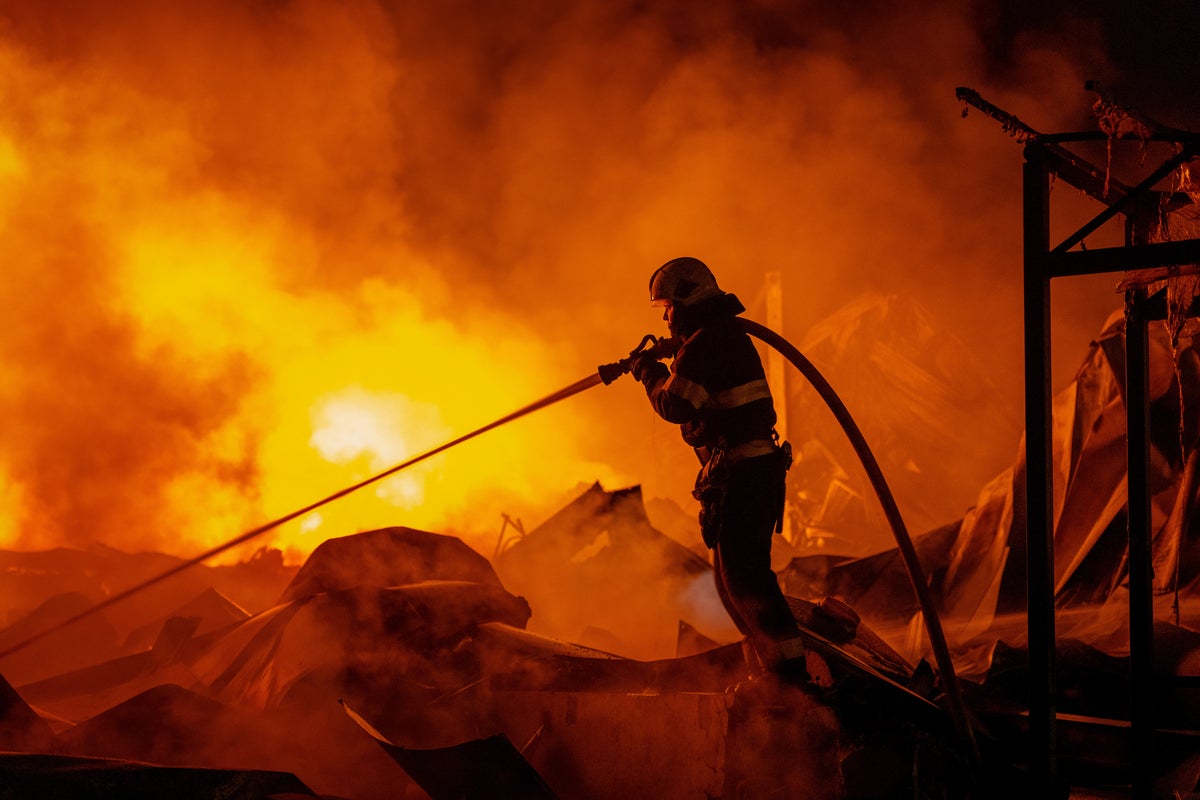
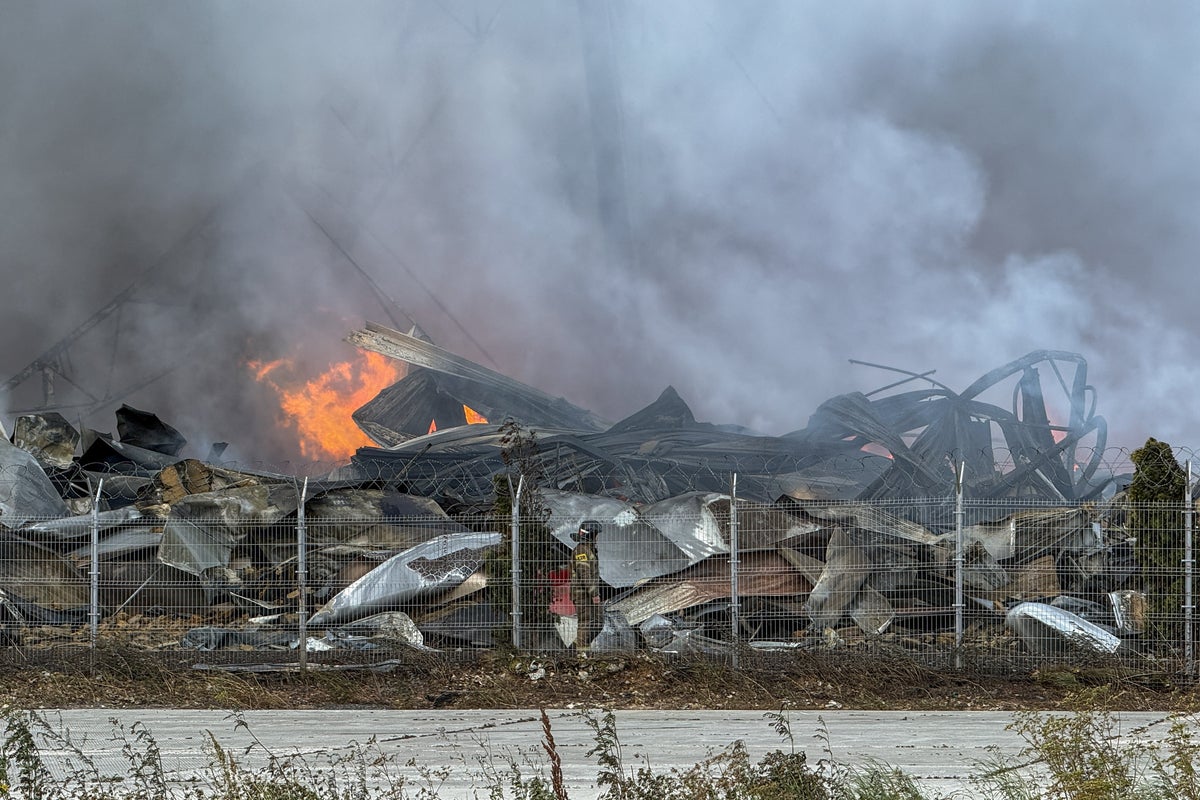
Ukraine has successfully targeted Wildberries hubs seven times in six weeks as part of a campaign to bring the war to Russia
© Reuters
The attack on the rocket fuel plant was part of what Moscow says was Kyiv’s largest drone attack of 2026
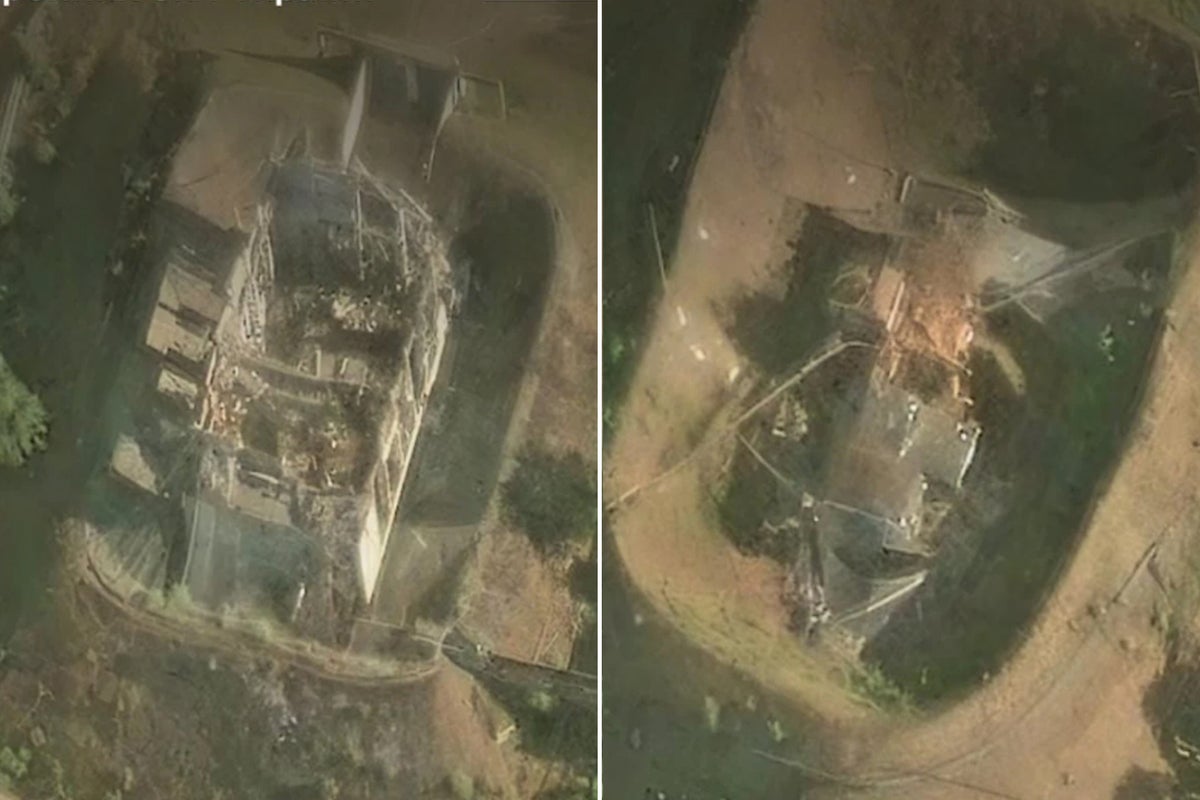
© General Staff of the Armed Forces of Ukraine
Kyiv has been striking targets beyond enemy lines in recent months
© AFP/Getty
Russian official says suspect was acting ‘on instructions from Ukrainian intelligence agencies’. Kyiv has not publicly commented on the attack
-c43158eeb8145f2aa04250e28b449d03-copy-b4be2514.jpeg?width=1200&auto=webp&trim=0%2C0%2C0%2C0)
© Social media
Russian authorities said Kyiv fired around 600 drones to the capital of Moscow
© AFP/Getty
Conor Kennedy said he was ‘willing to die’ in Ukraine after signing up to fight in 2022. Four years later he has been accused of acting as a mercenary by a Russian court
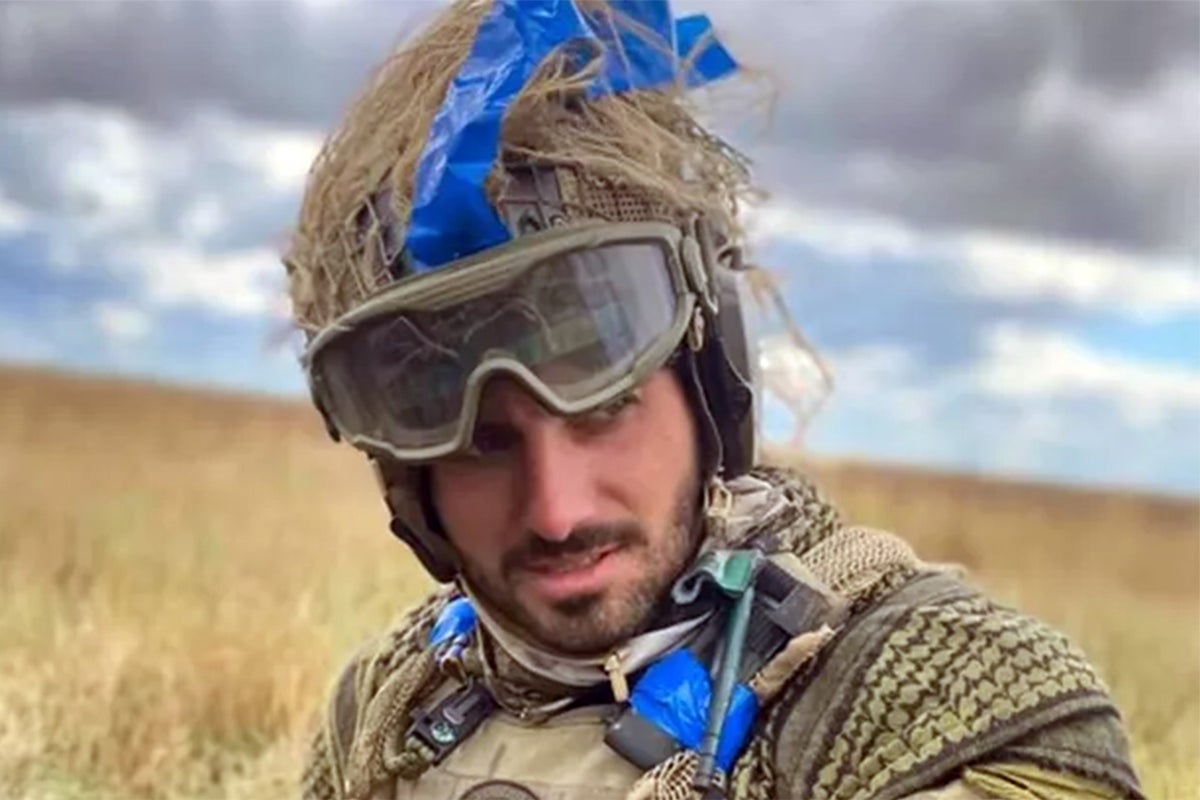
© Kennedy family

An annual monsoon in the area is complicating salvage efforts near a nature reserve
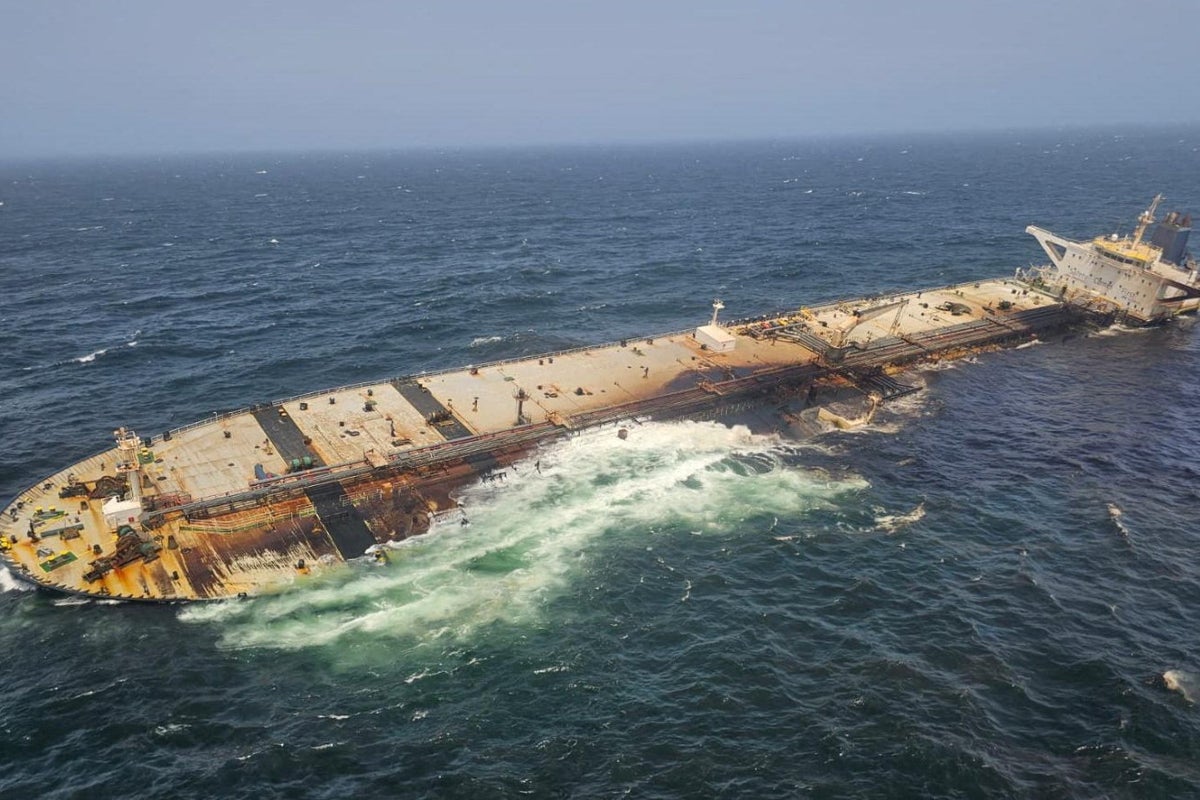
© Ambrey
Reports in Russia claim the deceased is a former Ukrainian navy official who defected to Russia
© Social media
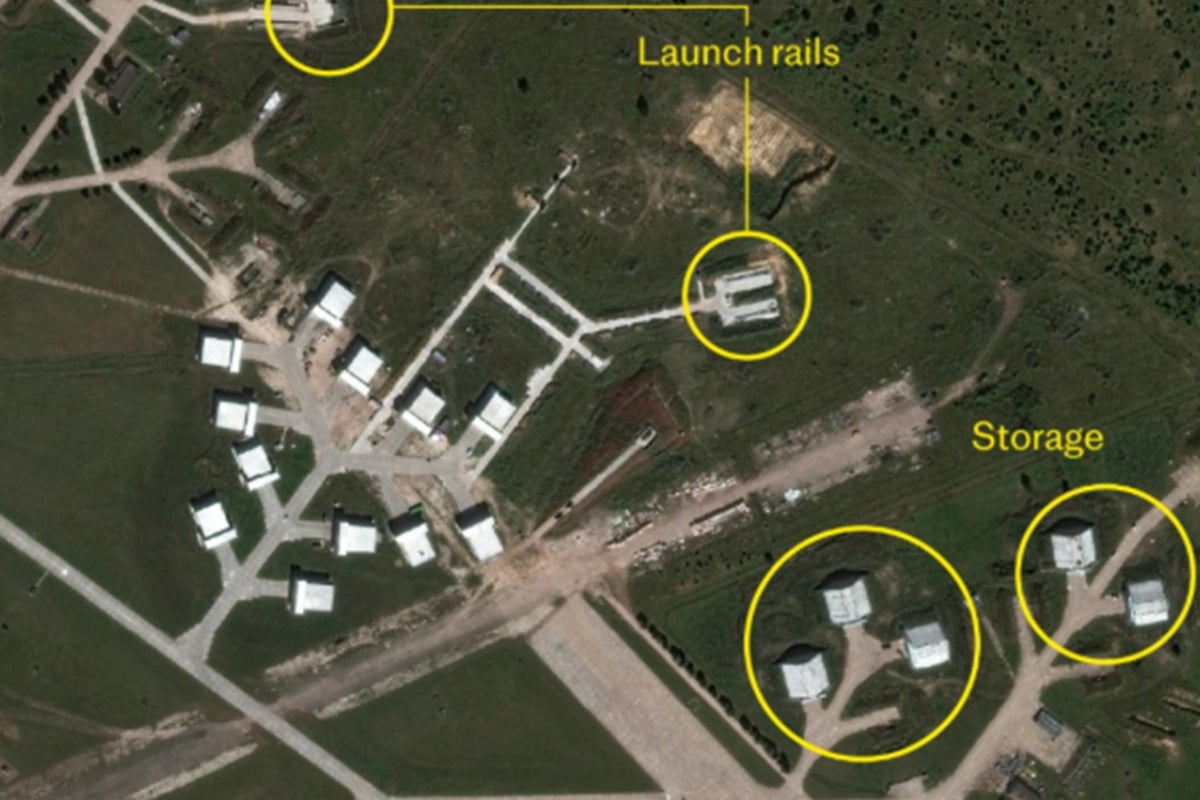
An anti-missile launch pad was left ‘ablaze and sputtering for three hours’, according to Ukraine’s military

© Alexei Navalny/Youtube
Earlier, Zelensky says his forces struck Russia’s Novorossiysk naval base with drones, missiles and unmanned boats
© AFP/Getty
Ukrainian leader accused Russia of using Korean ballistic missiles to exploit shortages of American air defences
© AFP/Getty
First used in the 1991 Gulf War, the US Patriot air defence system has seen demand spike sharply this year
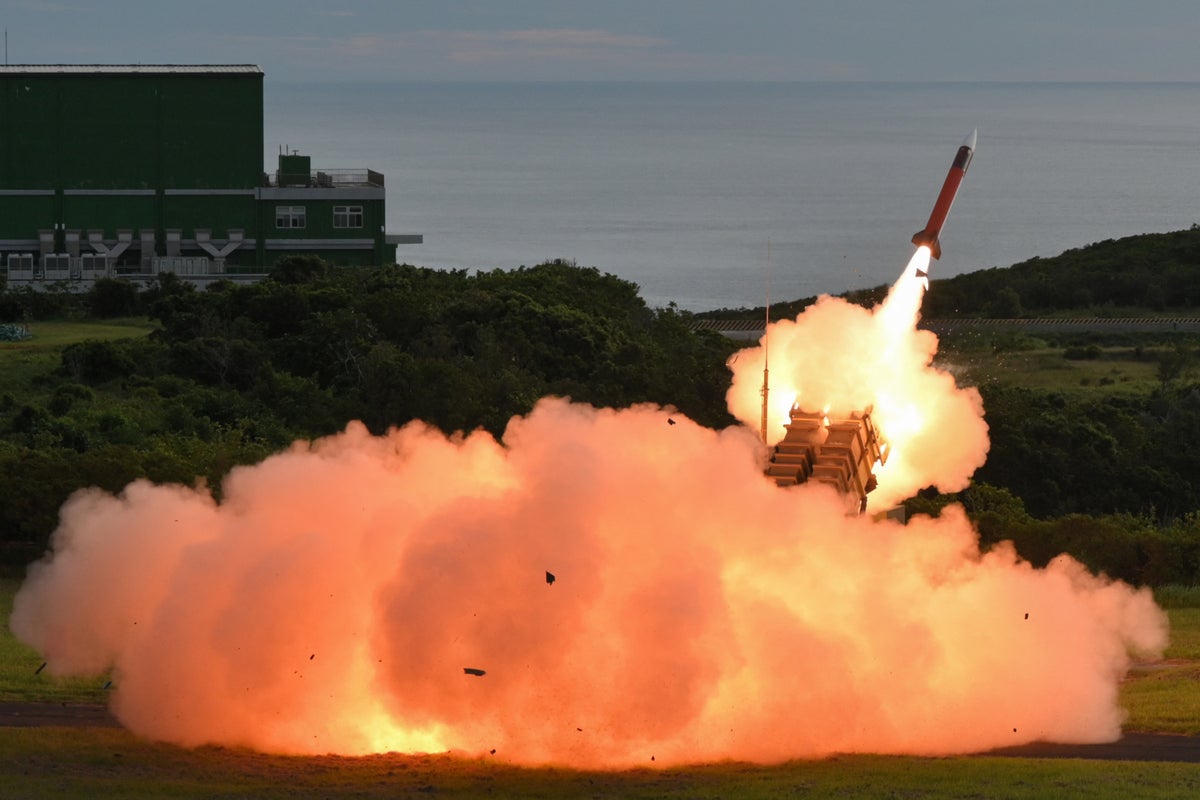
© AFP via Getty Images
Ukrainian warns Putin is poised to escalate the conflict as air defences run dry
© AFP/Getty
Ukraine said the attacks on key air defence systems would allow them to strike deeper into Russia
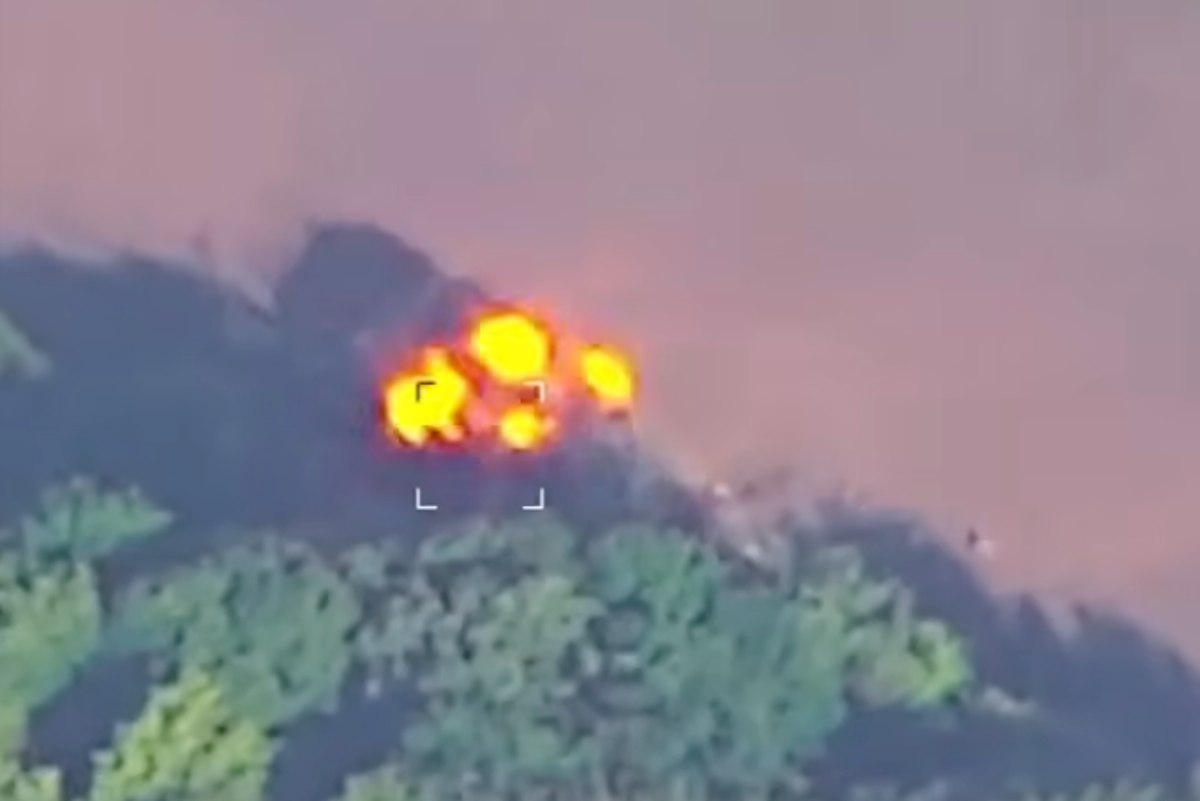
© Ukraine
Moscow denies Ukrainian claims that Kyiv’s forces are killing Russian troops faster than they are being recruited
© AFP/Getty
Ukrainian drone attack hits targets over 600 miles deep inside Russia, killing 13 people
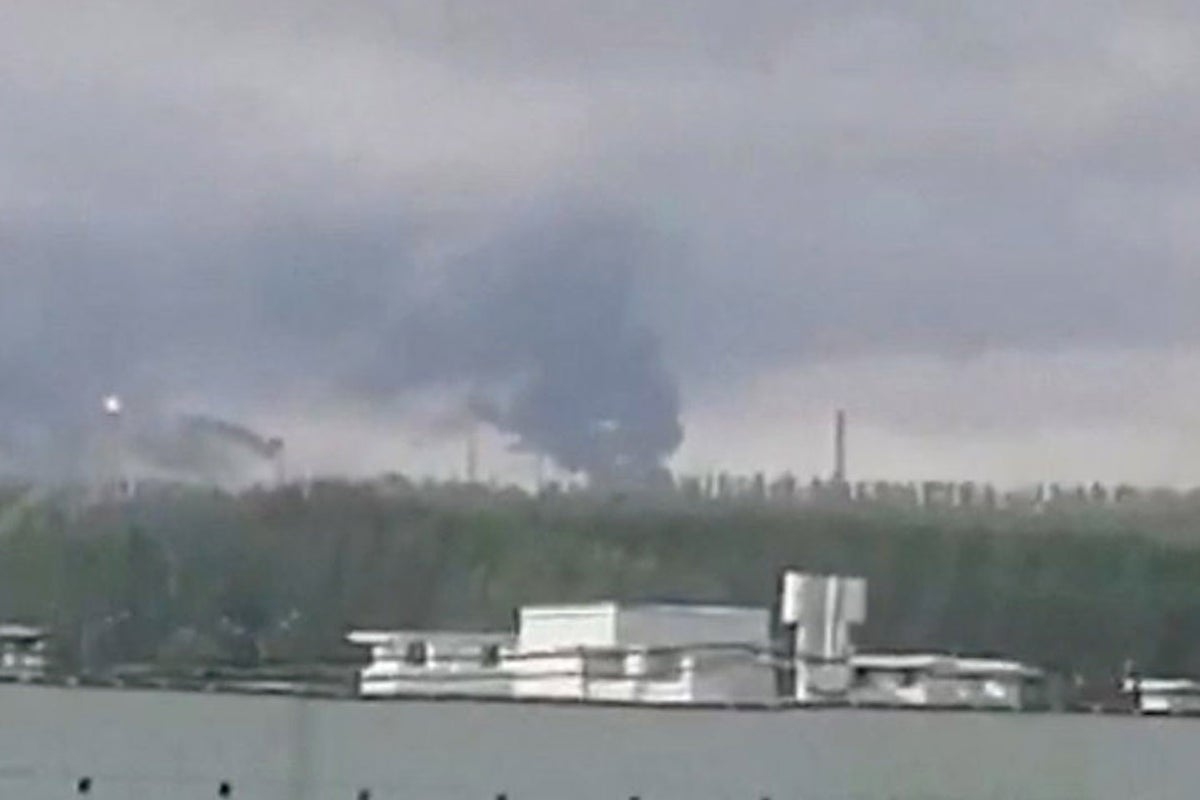
© Social media
Ukraine and Russia accused each other of deadly attacks on Sunday
© AFP/Getty
Ukrainian President says Ukraine has hit two more oil facilities deep inside Russia
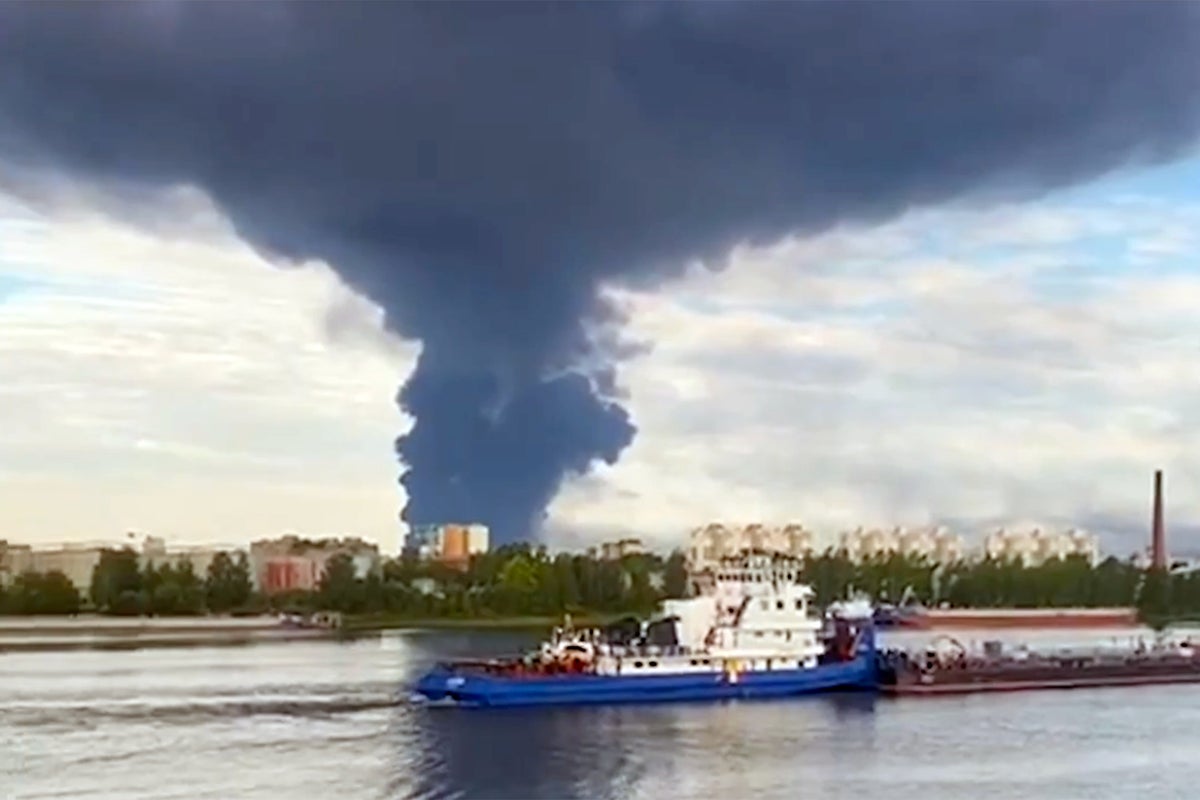
© Volodymyr Zelensky/X
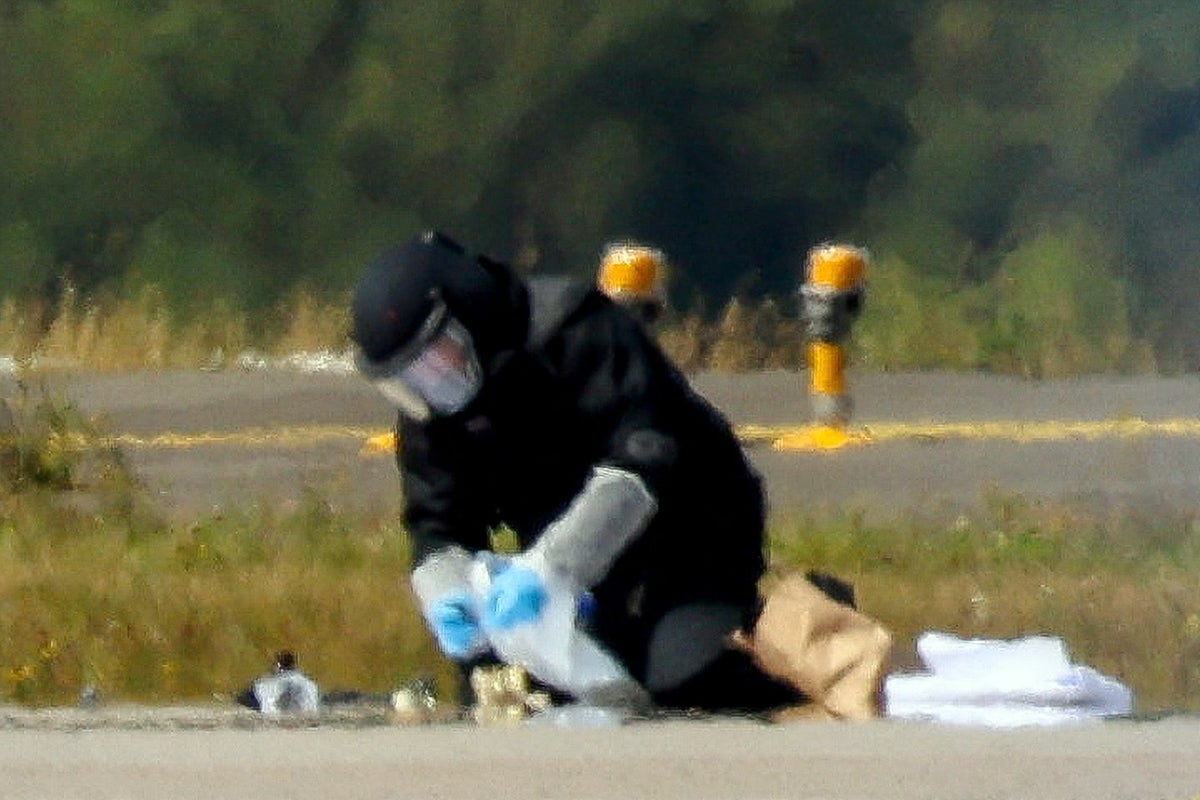
The drone incident was framed as the latest in a series of hybrid attacks across Europe
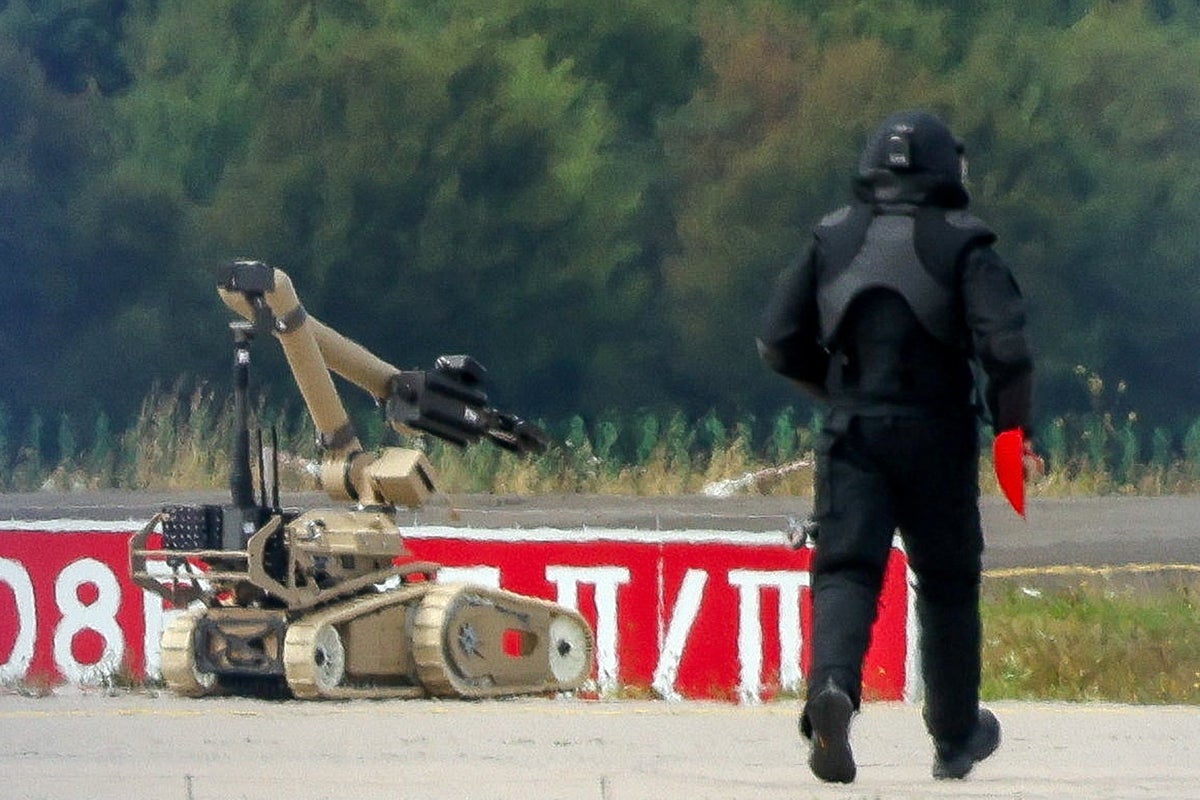
© Reuters
Lithuania also fears Putin may be planning a ‘false flag’ strike on the Baltics
© Reuters
Kyiv says that Ukraine has been supplied with a third of the air defence missiles it was given in 2025
© AP
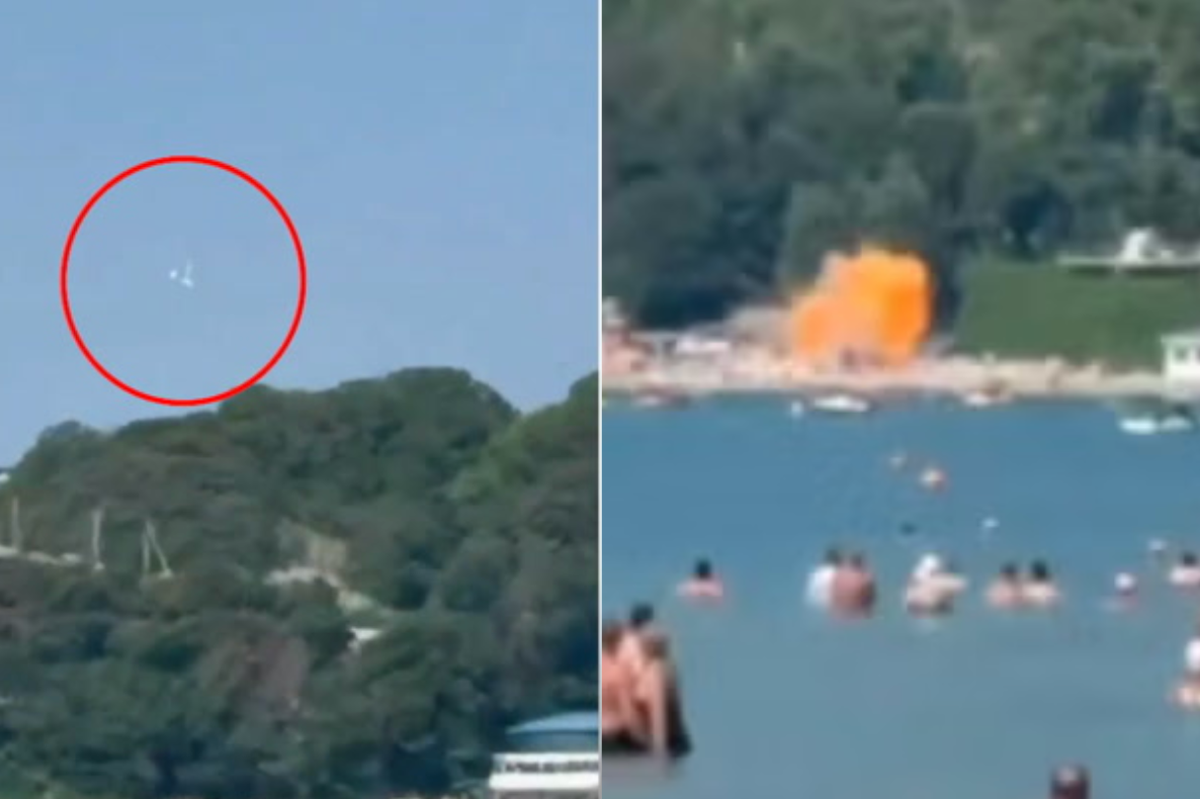
Kyiv said it does not target civilians but is ramping up long-range strikes
© Social media
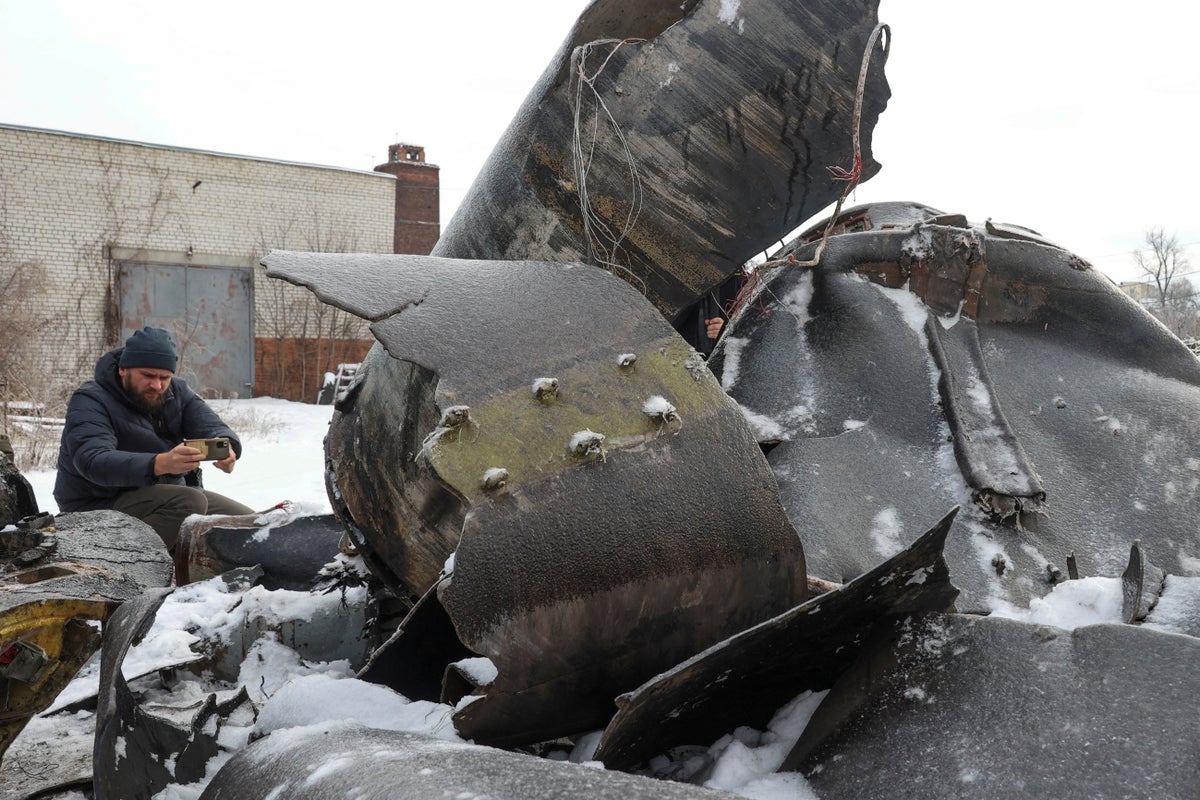
North Korean missiles are bigger than Russia’s
© Reuters
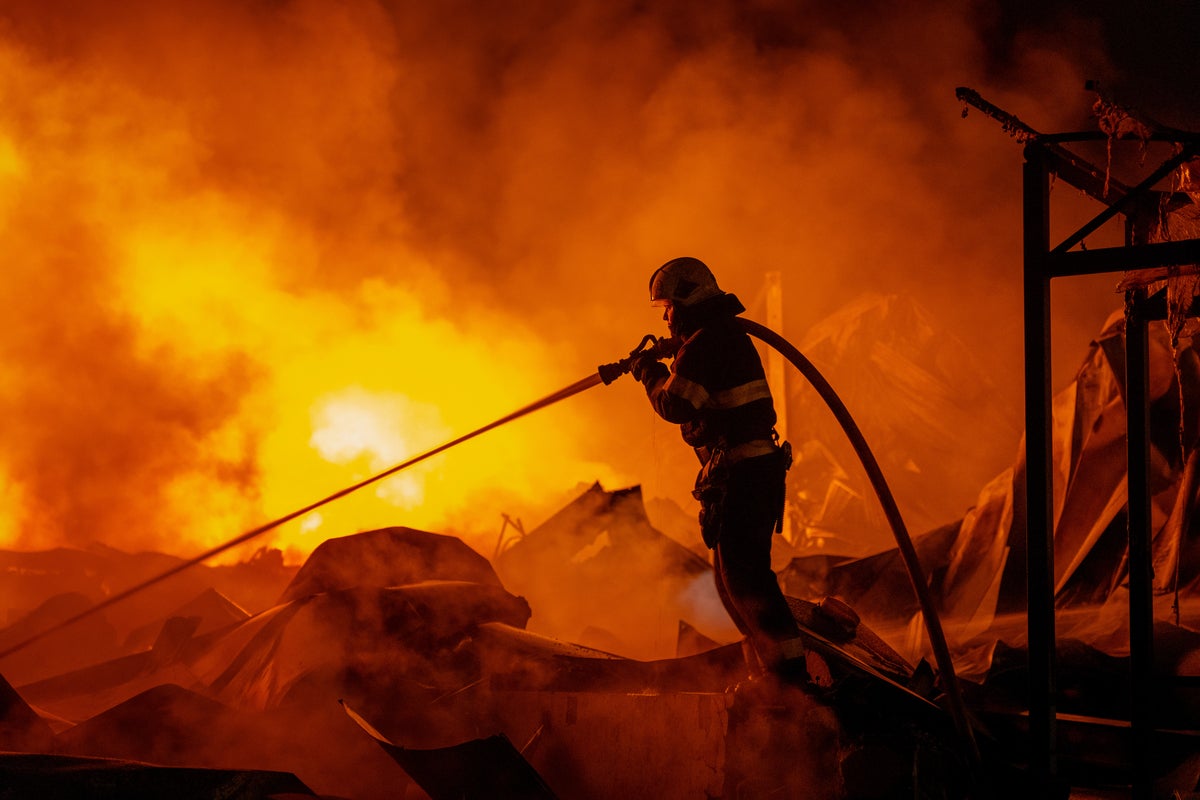
Warehouses in several parts of Ukraine under attack overnight as Russia pounds Kyiv and surrounding regions
© Copyright 2026 The Associated Press. All rights reserved.
Kyiv has not yet acknowledged killing Russian civilians on a Black Sea beach, but as it strikes deeper at Moscow, these tragedies will multiply – and that’s not the only worry, explains world affairs editor Sam Kiley
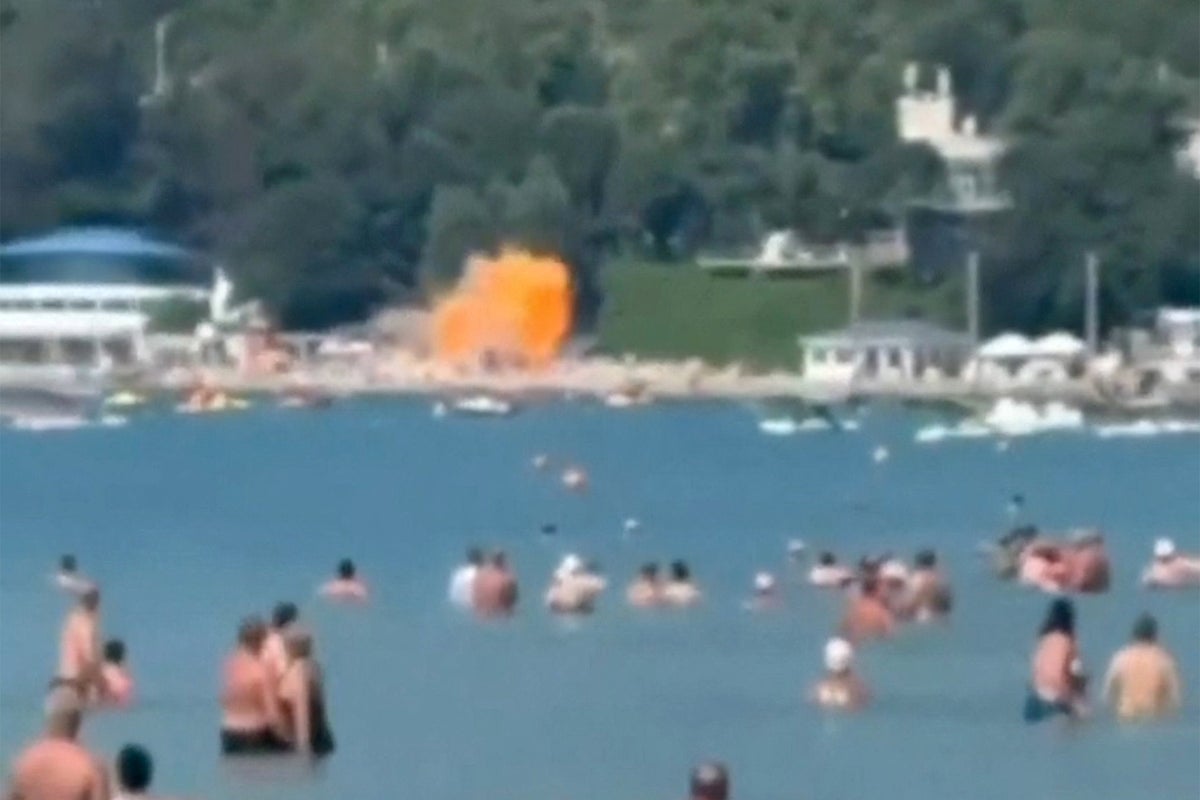
© Social media
Ukraine’s foreign minister branded the drone’s pilot as a ‘sadist’ and accused them of knowingly targeting a civilian
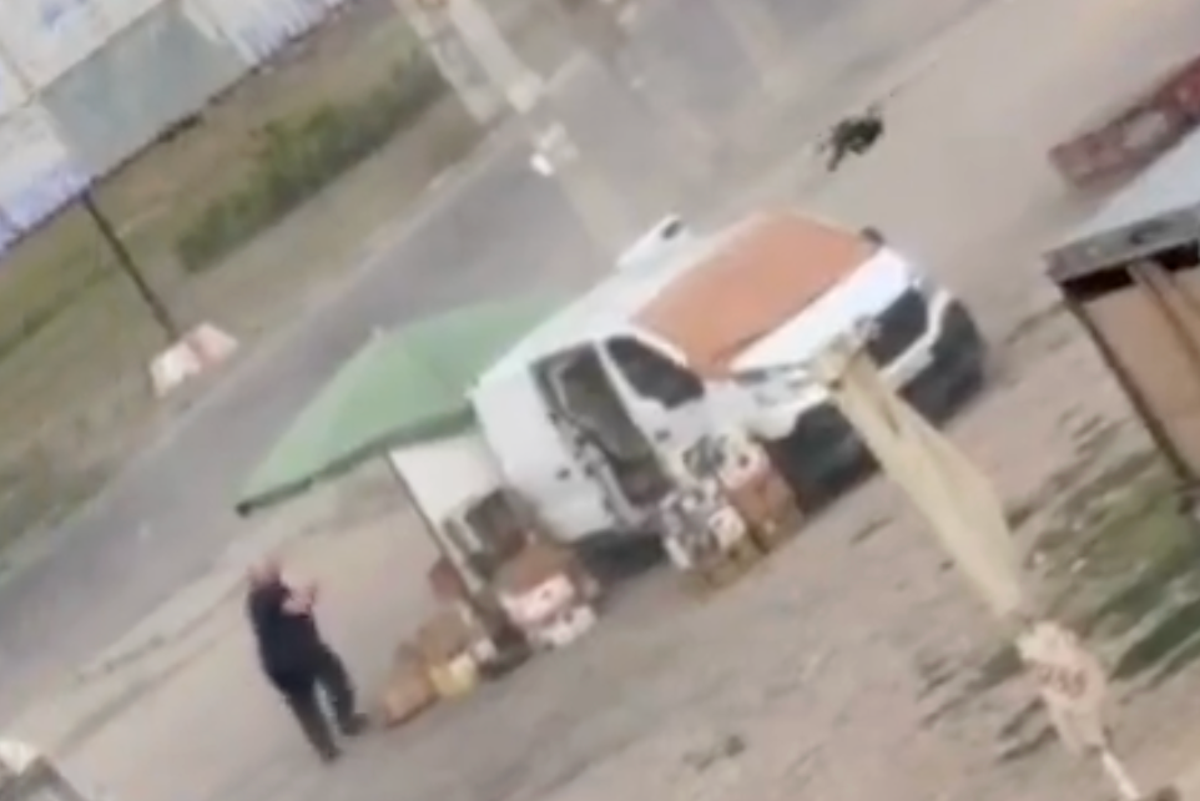
© National Police of Ukraine
Soldier killed four people and injured three in apparent random rampage in Russian-occupied Crimea
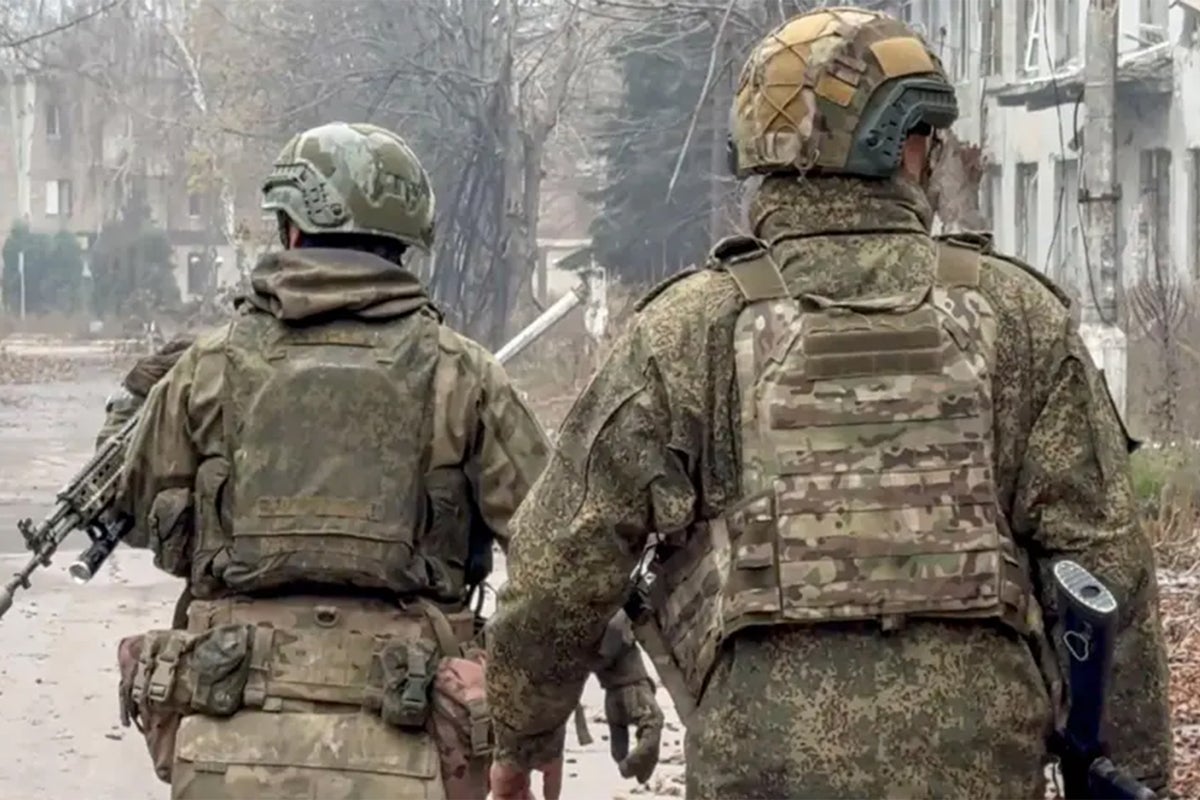
© Reuters
Ukraine’s foreign minister said the attack formed part of a deliberate Russian campaign to intimidate civilians.
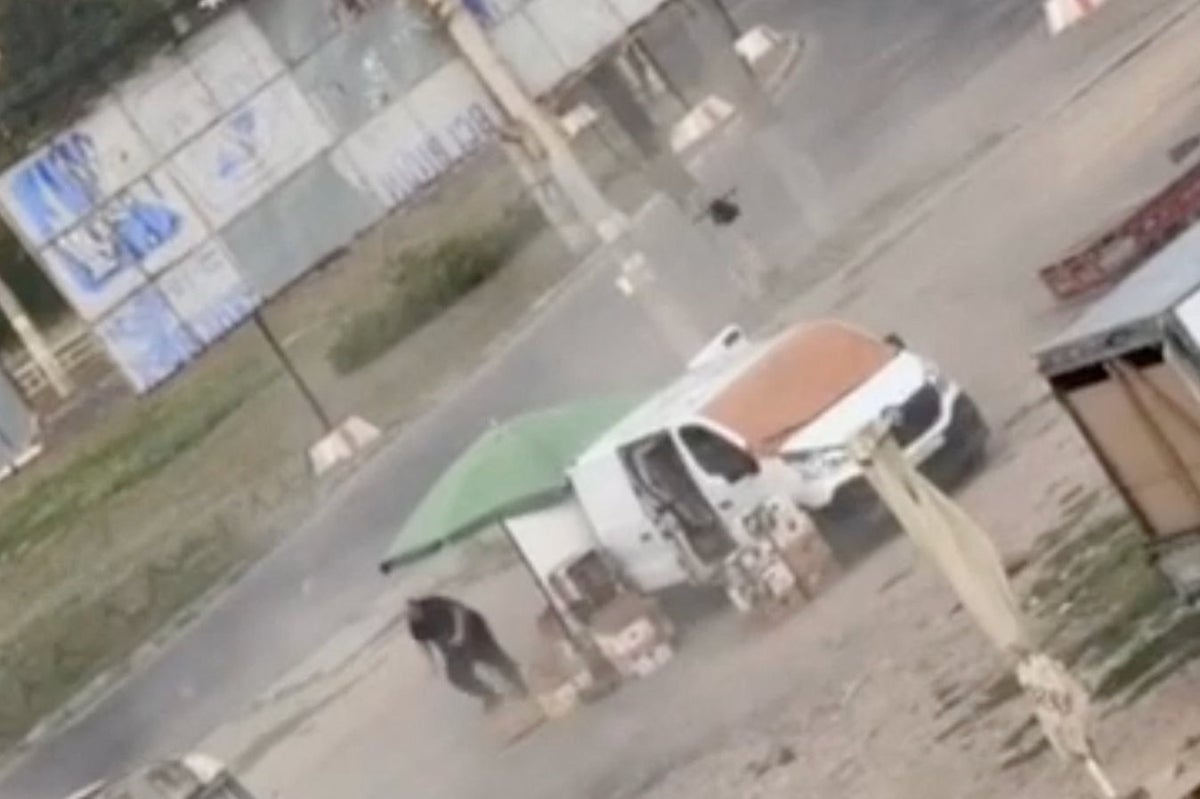
© Social media
Officials said 40 people were injured in the attack on a holiday resort
© Social media
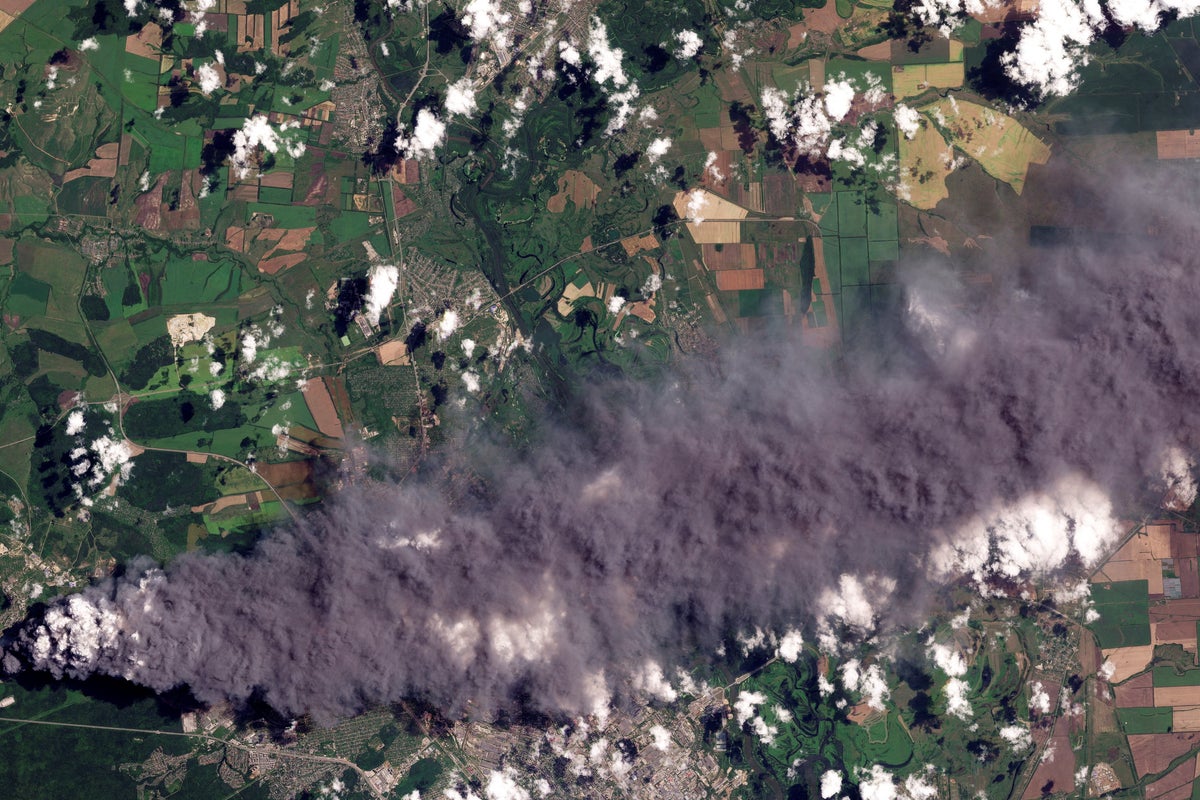
More than 300 drones hit Russian cities and warehouses in overnight attacks, says its defence ministry
© Planet Labs PBC
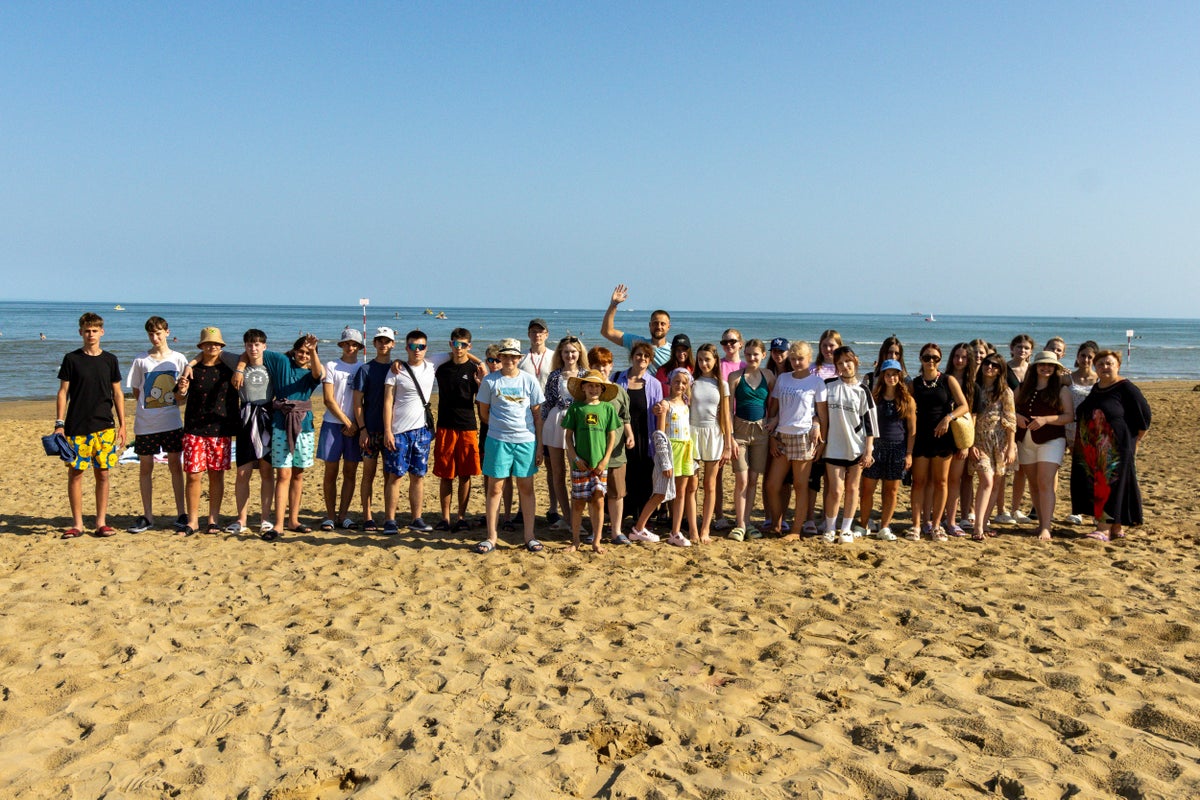
The war has upended normal life for hundreds of thousands of Ukrainian children, with many seeing their homes destroyed. The No Sirens camp, run by Hope for Ukraine, tells Alex Croft that they aim to help restore the joy of childhood that has been lost
© Hope for Ukraine
Ukraine launched at least 635 drones at targets including a Wildberries warehouse, according to Russian officials
© Reuters
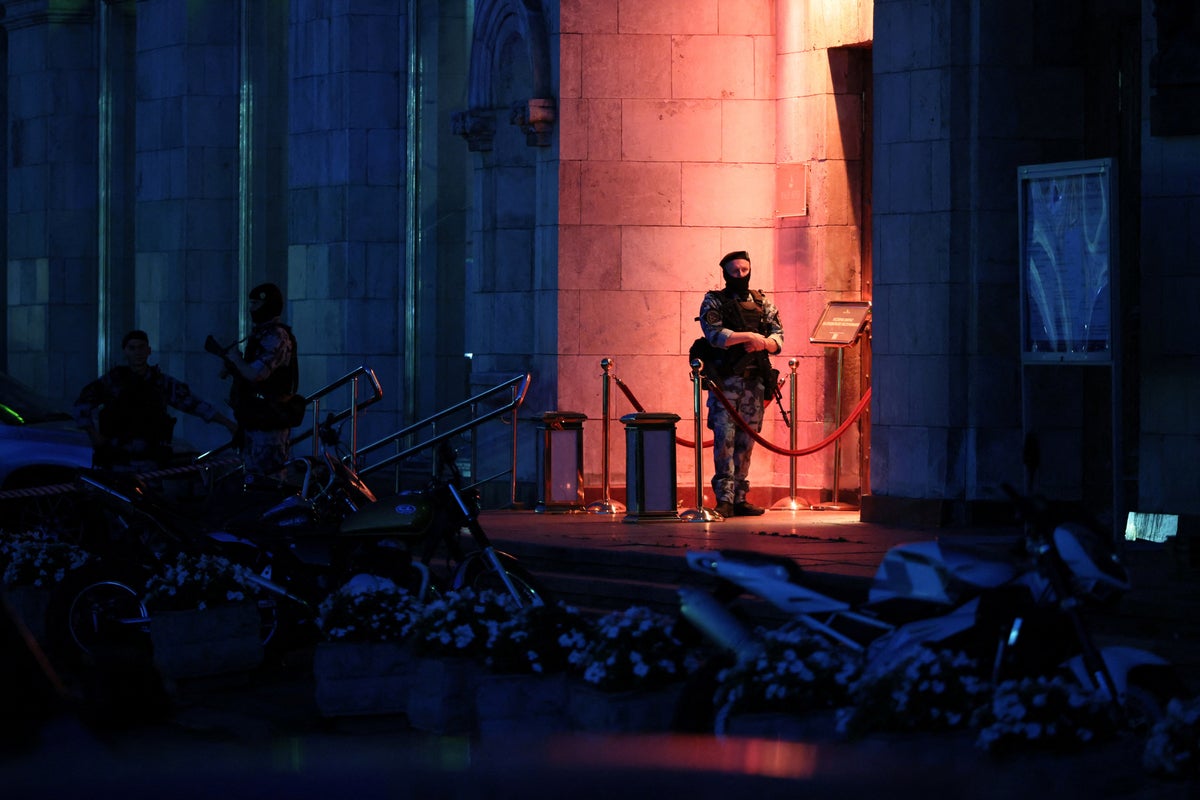
The explosion occurred near an upscale Italian restaurant located in one of Moscow's seven Stalin-era skyscrapers at Kudrinkskaya Square
© Reuters
Trump’s bizarre mimicking of missile defense strikes came during a historic televised cabinet meeting held at Camp David
© AFP/Getty
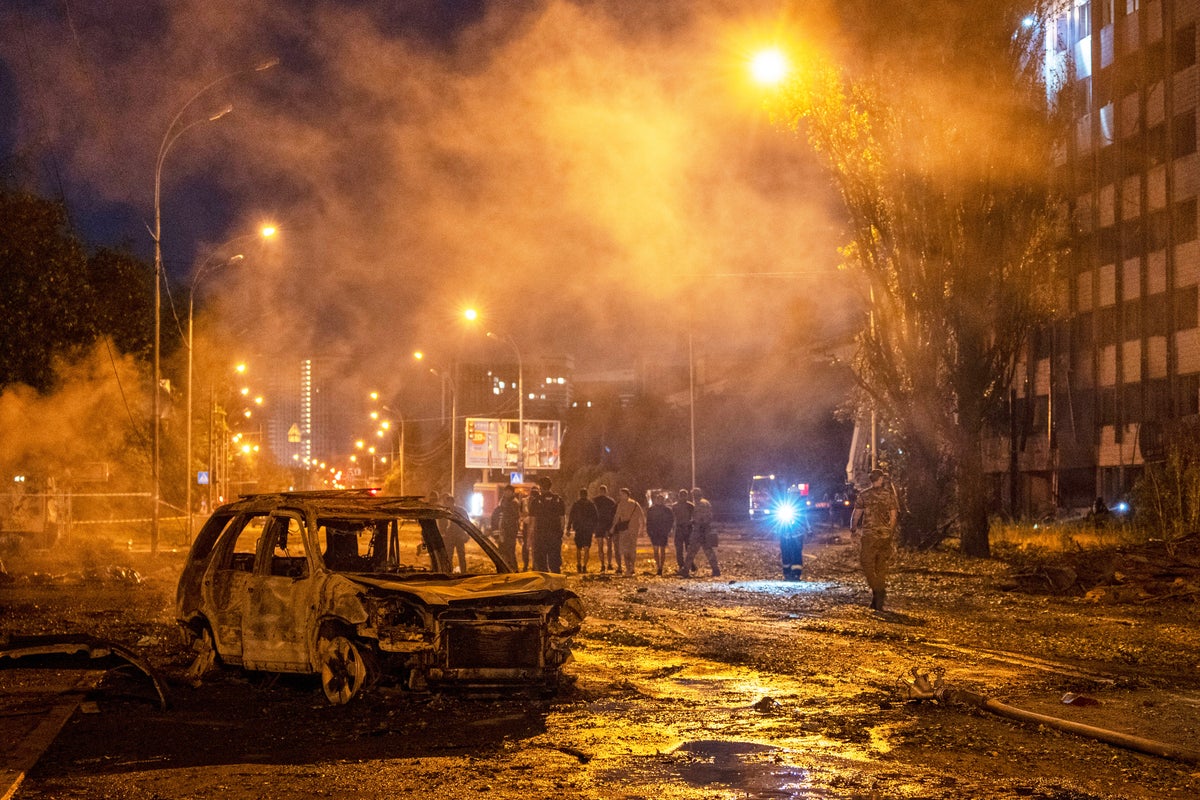
Trump's remarks come as Kyiv hits two more Wildberries warehouses and oil facilities in Russia
© Copyright 2026. The Associated Press. All rights reserved
The attack marks the first suspected use of such a North Korean missile in the conflict for almost a year
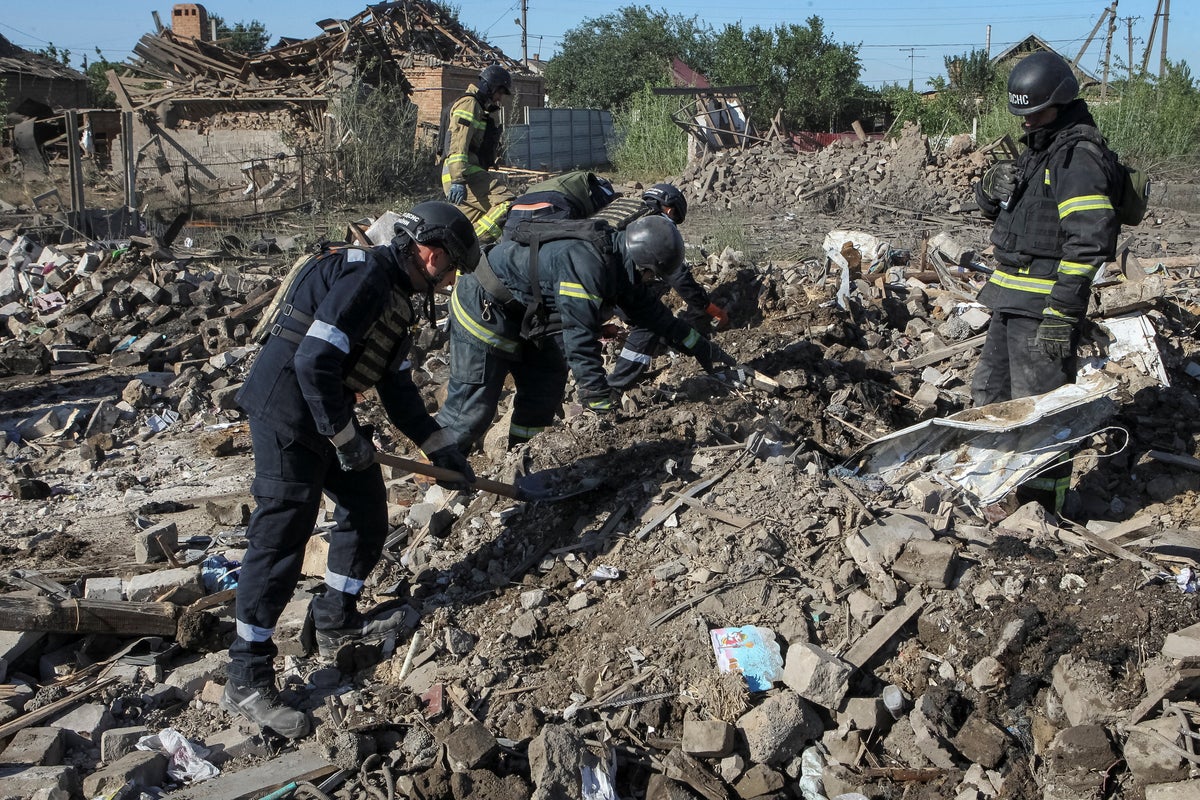
© Reuters
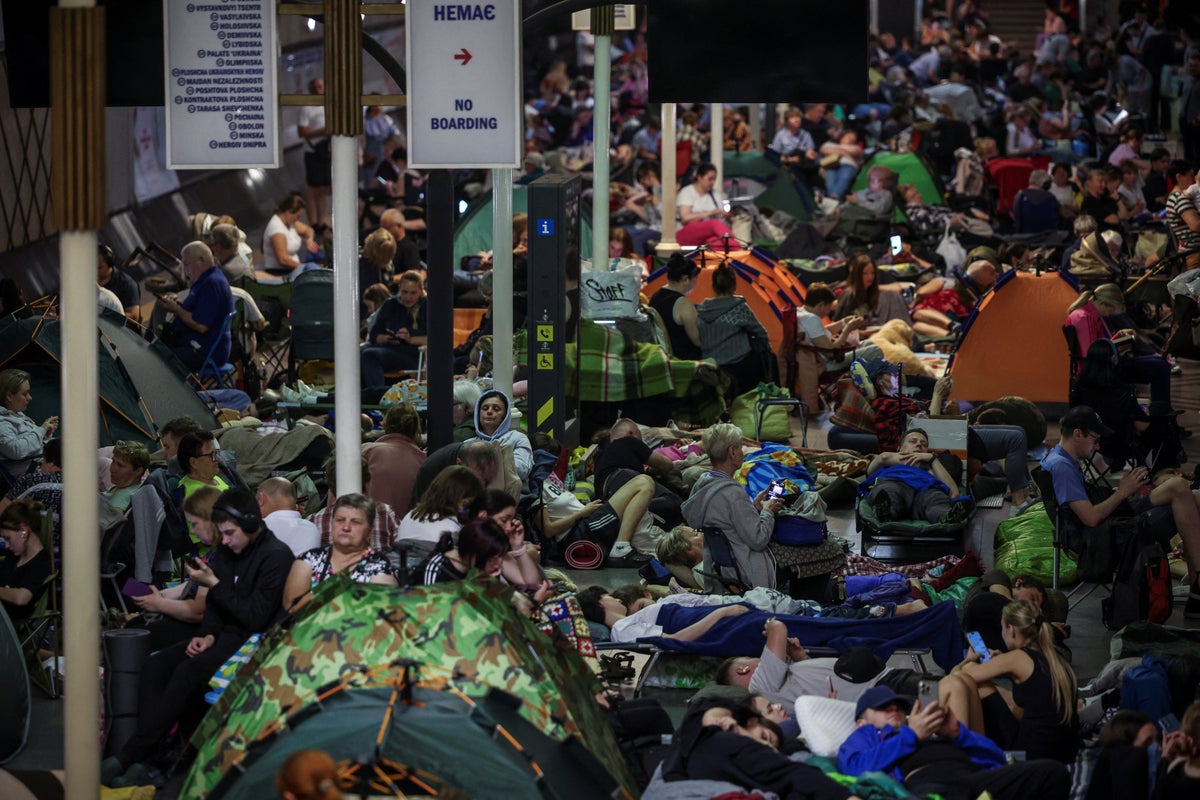
It comes after Russia hit Ukraine with dozens of missiles and hundreds of drones
© Reuters
Trump's remarks come as Kyiv hits two more Wildberries warehouses and oil facilities in Russia
© AFP/Getty

© AP
Kyiv’s attack on an Iranian vessel is a move to bolster US support at a crucial juncture, experts tell Maryam Zakir-Hussain
© Getty
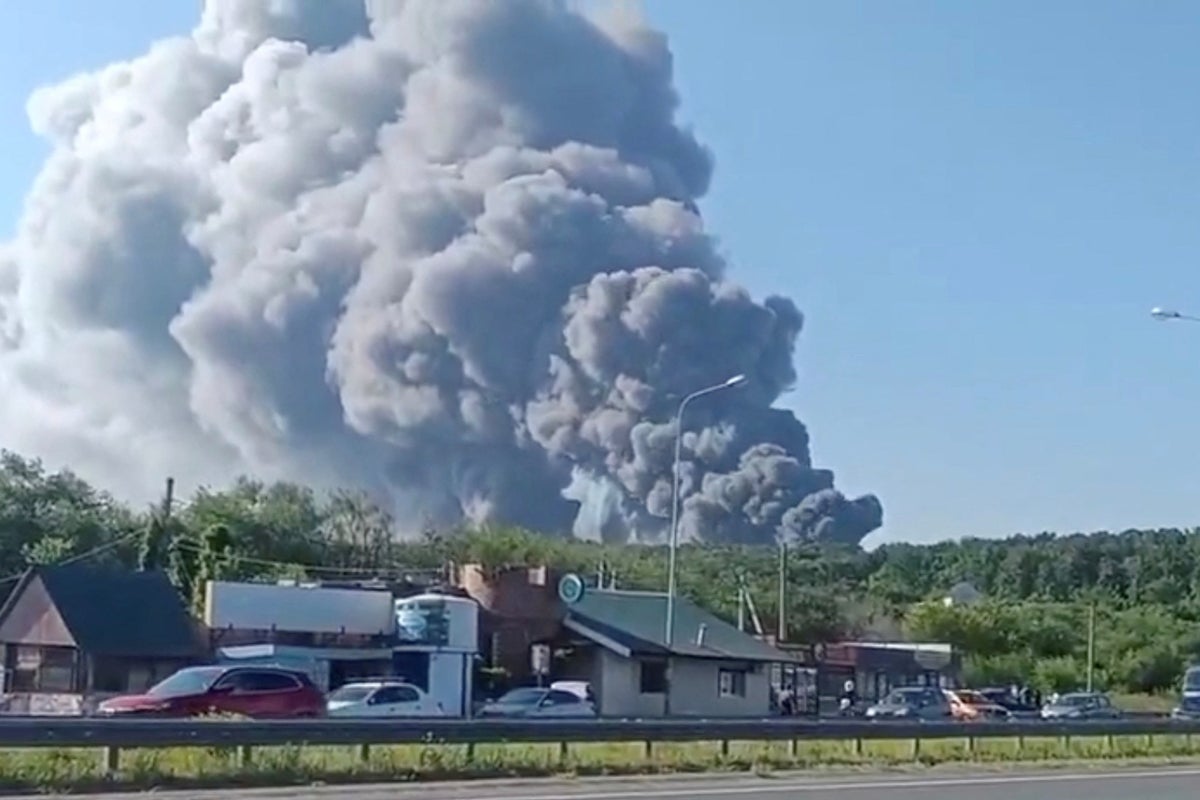
At least 20 Wildberries warehouses have been attacked since July 18
© Reuters
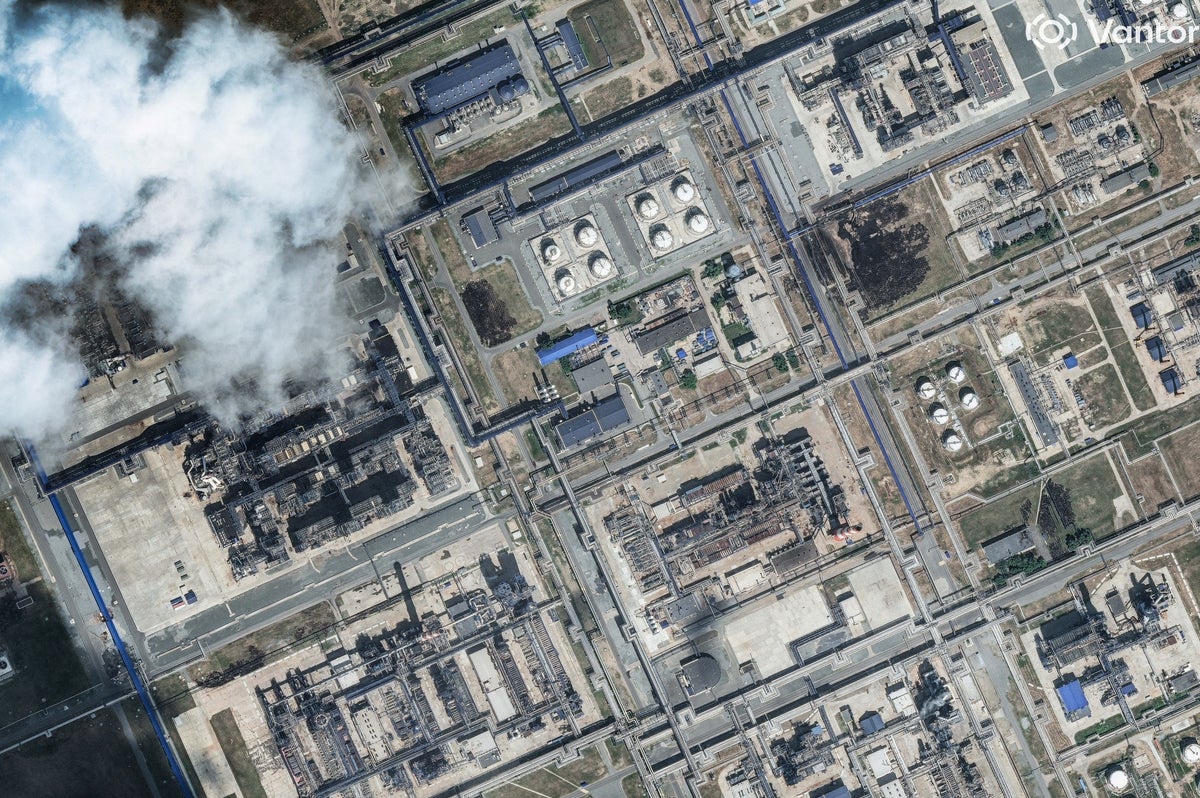
Overnight attack started a fire at the Ryazan refinery, ramping up pressure on Moscow
© Reuters
The drone attacks have deepened Russian fuel shortages
© Reuters
Ma vie commence à ressembler à un sketch médico-dystopique. Deux angles pour raconter:
Vis ma vie de patiente, quelques éclairages.
J’ai eu un accident. Ça implique des assurances. C’est bien qu’il y ait des assurances: ça veut dire que je ne perds pas mon job, ça veut dire que je continue à recevoir un salaire, ça veut dire que mes frais médicaux sont payés, ça veut dire que si j’ai des séquelles durables qui résultent en un manque à gagner, il y a un filet de sécurité.
Les assurances ont besoin de rapports médicaux. Elles les demandent aux médecins. Les médecins sont noyés sous toujours plus de paperasse, eux qui ont fait des études probablement pour soigner de gens plutôt que faire de l’administratif.
Je me retrouve au milieu d’un bal comprenant la SUVA, l’AI, le médecin-conseil de l’assurance de mon employeur, mon case manager, mes médecins, les secrétaires, réceptionnistes, et interlocuteurs divers et variés, à passer des heures au téléphone (étalé sur des mois, parce que non, si c’était juste l’affaire de perdre une après-midi ce serait pas drôle) pour tenter de comprendre pourquoi d’un côté on me dit qu’on attend un rapport depuis six mois malgré moult relances, de l’autre que les rapports ont été envoyés et réenvoyés, et que les choses seront faites sans faute et qu’on me tiendra au courant (scoop: c’est rare que ça suive – pas pour jeter la pierre aux individus concernés, c’est un problème systémique, quand on surcharge les gens et qu’on crée des systèmes où chacun est supposé s’occuper de son petit rouage et plus personne n’a la responsabilité réelle de l’ensemble, ça fait des trous).
Ensuite, ça se transforme en courriers administrativement polis mais inquiétants quand même (“si on n’a pas le rapport, on va devoir arrêter l’instruction”) ou en conséquences peu alléchantes (“si on n’a pas de rapport, va falloir venir à Berne pour être évaluée là-bas”). Tout le monde est très gentil et compréhensif mais à un moment donné faut quand même faire son job et il y a des procédures à suivre.
Et quand on pense que le bal des rapports est terminé et que tout est en ordre, ça repart pour un tour, pour plus de fun.
Ensuite, rien à voir avec l’accident de ski, je mets le pied dans un tas de briques de verre. J’essaie de limiter un peu ma “consommation” médicale, parce que je n’en peux plus de voir la moitié de ma semaine disparaître dans les rendez-vous médicaux et paramédicaux (et l’administratif qui les accompagne inévitablement). Donc dans l’immédiat, appel à la centrale des médecins, décision commune que c’est pas très utile que j’aille passer 3h à attendre à la permanence pour me faire entendre que j’ai tout fait juste et “wait and see”. Fière de moi.
Avance rapide, quelques semaines plus tard: quelques douleurs intermittentes suspectes font soupçonner qu’il reste un fragment de verre. Une radio le confirme. Bon, on va faire ôter ça, n’est-ce pas?
Evidemment, la copie du rapport et des radios que j’avais expressément demandée et pour laquelle j’avais donné mon adresse e-mail n’arrive pas, dix jours plus tard. J’appelle. On me renvoie ça. J’attends. Ça n’arrive pas. Je rappelle. Ah, mon adresse e-mail a été mal notée. Bon, on me renvoie ça, cette fois ça arrive. Je raccroche, je suis contente. J’ouvre le mail: juste le rapport, pas les radios. Je rappelle: ah, ok, on va m’envoyer ça. J’attends. J’attends… ah, voilà un mail sécurisé. Je clique pour ouvrir. Je mets mon numéro pour recevoir le SMS avec le code. OK, je rouvre, je rentre le code. Ah, maintenant on va m’envoyer un mail avec un mot de passe. Qu’à cela ne tienne. J’attends, je copie le mot de passe, je rouvre, je rentre le mot de passe… page grise, rien. Bon, je refais toute la manip deux fois histoire d’être sûr que c’est pas “moi” le problème. Je rappelle. On pourrait pas juste m’envoyer les images par mail normal? Ah non, c’est pas possible. On peut m’envoyer un CD. (C’est cool, j’ai plus de quoi lire un CD, et le médecin qui me voit demain aimerait bien voir les radios avant mon pied en chair et en os.) Ah oui, c’est possible d’envoyer directement au médecin. Merci. J’écris quand même au secrétariat du médecin pour qu’ils me confirment qu’ils ont bien reçu les fameuses radios.
Bon, alors, ce morceau de verre, on fait quoi? On le sort du pied, on le laisse? Mon père m’a gentiment proposé de s’en occupé lui-même. Quand j’étais petite, je me souviens, je m’étais enfilé dans le gros orteil une aiguille cassée qui s’était méchamment installée sans qu’on la voie. Si mes souvenirs sont bons j’avais fait une semaine de camp d’été avec l’aiguille dans le pied, sans qu’on sache. A mon retour, ça faisait vraiment mal, ça s’infectait. Mon père s’était improvisé chirurgien et à force d’aller grailler dedans il avait fini par extraire l’aiguille, triomphalement. On n’en revenait pas de la taille de ce machin invisible qui m’avait pourri mon camp. Bon, tout ça pour dire qu’il m’a gentiment proposé de s’occuper de ma brique de verre. J’ai poliment décliné.
Deux options selon le spécialiste du pied: attendre que ça sorte tout seul, ou l’aider à sortir. Je prends l’option aider. Je veux être libérée de ce truc qui vient inopinément se rappeler à mon bon souvenir alors que j’essaie juste de vivre ma vie. J’ai pas mal sauf quand ça fait mal, et ça finit par me tendre. Si le verre était dans son pied, il prendrait l’option scalpel, ça me conforte dans mon envie de faire de même. C’est pas une anesthésie locale, c’est une “vraie chirurgie” avec un anesthésiste et tout, parce que dix injections d’anesthésie locale dans la plante du pied, ça fait mal mal mal. Ça me semble un bon plan, tant qu’on évite de me mettre sous propofol, vu mes mésaventures post-accident avec en décembre.
Bon, ça veut quand même dire une journée entière “off” pour l’intervention, 2-3 jours en béquilles (ça j’imaginais bien), deux semaines en chaussure spéciale et pied lever avec déplacement minimaux… gloups. Mais bon, faut ce qu’il faut.
Direction secrétariat pour organiser ça. Plus ça avance, plus je pâlis. Rendez-vous préop (OK), auquel s’ajoute le rendez-vous avec l’anesthésiste. J’ai quand même plein de petites histoires de santé (vous savez, l’opération cardiaque à six ans, le méthylphénidate, les histoires post-commotion qui font que j’aimerais éviter le propofol, un peu d’asthme). Faut faire une prise de sang, aussi – ah non j’en ai une récente, ça va aller. Et un électrocardiogramme.
L’offre de mon père commence à sembler attirante.
L’option “attendre” aussi.
Et la formule “dix injections dans le pied, mais pas d’anesthésiste et juste deux-trois heures au lieu d’une journée entière”.
Jeudi j’avais mon groupe d’ergothérapie. Le groupe “énergie”. Sujet de la séance: simplifier ou adapter certaines activités pour qu’elles nous prennent moins d’énergie. On a parlé de trucs comme faire la cuisine, etc. Chez moi, ce qui me bouffe de l’énergie: l’organisation, la planification, les rendez-vous médicaux.
Et donc ça me trotte dans la tête: comment faire en sorte que la gestion de ma santé me prenne moins d’énergie.
Sérieux, je sais que c’est un truisme, mais si je ne croulais pas sous tous ces rendez-vous médicaux et l’admin qui les accompagne, je pourrais bosser à 80% dès maintenant.
D’un côté:
Et de l’autre:
Bon, je me renseigne quand même pour la version “anesthésie locale”. Quitte à morfler, autant que ça dure moins longtemps.
Quelqu’un a de l’expérience avec les injections d’anesthésiant local sous le pied?
I’m on the train to Paris. I’ll be coming back a week on Monday. It’s a comfortable, easy trip. The reason for my travel is I’m attending a two-day course on burnout – part of my training at the Gregory Bateson Institute. I’d planned on postponing this module until next year or the year after, given that my main priority now is building my working capacity back up following last year’s accident. But earlier this year, the whole curriculum was redesigned (it’s a good thing!), and the material on burnout will be incorporated into a longer module which is largely redundant with the courses I’ve already taken. So: now or never.
Following my relapse/brain crash earlier this year, I took the decision in March to pretty much clear out anything that was in my calendar. It was a tough decision, but it was the right one (people who have experience with chronic fatigue will know what I’m talking about). For those few plans I held on to, I « cleared the decks » around them to ensure they would not interfere with getting my work done, and that work would not jeopardise them. This means I took the whole week off for these two days of training, just like I took the whole week off a fortnight ago to go and see Mika live at the Caribana Festival. It worked.
In my pre-accident life, I might have travelled on Monday, attended the training on Tuesday and Wednesday, and travelled home Thursday. The « recovery » version of this is to add at least a day of padding in between training and travel, with nothing planned, so I can rest/stock up on « energy »/recover, and reduce the risk of (for example) travelling on a maxed out brain. I figured I might as well add on a few extra days (particularly as Oscar is not around anymore – something I’m really thankful for to be honest, with the awful heat wave that hit us over the last week), and catch up with a couple of people, if I’m in good enough shape.
This is my fourth « real trip » since my accident. I went to France twice for extended week-ends with family or friends last year. Each time was absolutely exhausting (but nice). Then after Christmas I went to spend some time at the chalet – first time I was going back since my accident – and we know what a disaster that turned out to be. This time, I think I’ve planned and organised things well enough and with a lot of caution.
As I was packing and preparing for departure yesterday, I realised I was really stressed out. More than usual. Packing and preparing to travel has always been stressful for me. It’s not the actual travel or being in a strange place or away from home. Or maybe just a little. What it is mainly is all the executive function acrobatics required in dealing with travel-related logistics:
Putting things in the suitcase is actually a part I like. It’s real-life Tetris: fun. Once I’ve locked the door behind me and am heading out with my luggage, I’m good. But before that, it’s complicated. I have got much better at dealing with it over the years, and with the clearer view on my executive function challenges that my ADHD diagnosis brought me a few years ago (and meds!) it’s even better.
I don’t have a very clear memory of how preparation for my two France trips went last year (only that I overpacked, a sign that making decisions regarding what to take or not was difficult, so in doubt, pack more). But I do know that packing for the chalet in December was a nightmare.
OK, I had already « crashed » during the previous week, but I’d taken rest to recover and felt functional enough to tackle it. And yes, it was also the first time back to the chalet since my accident, but I was really looking forward to heading back. I was aware there was maybe a little (normal) underlying apprehension that I might not be perceiving.
What apprehension I could feel was not about going to the chalet, but about the possibility of an unexpected emotional reaction to being there again. It was the same thing when I went back on the ski slopes: not scared of skiing, just worried I might have misjudged my readiness and have some kind of PTSD-like reaction to being back on my skis or where the accident took place. Nothing like that happened, by the way. Everything was fine.
This illustrates where most of my post-accident anxiety lies. I am normally pretty good, in general, in predicting how I’ll react, what will be challenging, what I can and can’t deal with. I know myself well, including my biases, and of course I know that when you expect something to do this way or that, it does have an influence on the outcome – I do my best to correct for that. Since my accident however, I have been blindsided by my brain more times than I can count. At times I feel like I do not know myself anymore, though of course I’m still me and very much feel me, but when it comes to “what I can take”, whether mentally, physically or emotionally, I’ve had a lot of bad surprises.
I am repeatedly finding myself in the situations where my brain does not deliver in the way I expect it to, and where I misjudge what I’m able to do. In my accident-recovery-life, the consequences of these prediction errors are swift: I crash. I don’t know if it hits everybody this hard, but for me in any case, it’s pretty traumatising to have my brain brutally and unexpectedly go on strike like that. Both the “brain not working” and the “didn’t see that coming” aspects are really scary.
So now, as time goes on and my recovery stretches out way longer than I initially imagined, as the clock of certain administrative deadlines regarding my return to full work capacity start audibly ticking, as I fail again and again to know my fluctuating limits, I can feel my underlying confidence in my abilities and self-awareness slowly erode, leaving place to self-doubt and increased anxiety about dealing with life and the world. It sucks: the anxiety is not crippling, it’s just a nuisance and an energy-drain at this stage, but I can see the process and the slope I’m on, and I do not like it one bit. Breathe. Relax. Deal with today. Be patient. Hang in there. Keep at it. Trust the recovery process. All this works, and I don’t feel in danger, but it’s more and more work to not let myself be dragged down.
Right. So there’s that. My trust in my ability to manage myself and deal with life is weaker than it was. So my baseline anxiety is higher, my executive function is struggling more, and I tire quickly. But as I was walking to my neighbourhood station to catch the local train a few hours ago, I understood that something else was probably coming into play in terms of post-accident travel and packing anxiety.
You see, my accident happened on the very day I travelled to the chalet for my holidays. I hadn’t been there for a while, I’d actually emptied the chalet of all my stuff and Oscar’s when I had last departed, so it was already an “increased stress” packing and travel operation. Nothing disastrous, still quite within the realm of ordinary, but not a walk in the park.
I got to the chalet (later than I had intended), got Oscar settled, dumped my unopened luggage in a corner and headed off immediately to get a couple of hours of skiing in on this first day. When I fell, I was heading back to unpack and enjoy the evening. I didn’t make it back: I spent the night at the hospital, in the haze and stress you can imagine, worried about my shoulder and my old diabetic cat who was alone at the chalet, trying to make decisions and organise logistics (How can I get back to the chalet? Should I go back to Lausanne? Who has a good shoulder specialist? Who can help me with my car as I can’t drive? That’s just the start of them). The next day a friend picked me up at the hospital and drove me back to the chalet, and another one came to help me empty the chalet and drive me back home. It was horribly stressful. I was in pain, I was freaked out, and instead of resting my concussed brain I was in full crisis management mode. It didn’t get better over the next two weeks.
I wouldn’t be surprised if my accident taking place just on the heels of travelling to the chalet didn’t add an extra layer of “negative association” to a transition that was never that easy for me to begin with.
Say you have a pet who always stressed out when heading to the vet’s. You do stuff to make it smoother: stay calm yourself, get your pet used to the carrier or the car, add treats, maybe a mild sedative, maintain usual routines as much as possible… It’s not great, but it’s not a disaster anymore, it’s manageable. And then, one fateful vet visit, something “bad” happens there. Not on purpose, of course. An exam that’s longer or more intrusive. A different vet. A loud noise at the wrong time. The pet freaks out, has a really bad experience.
Well, chances are that the next time you prepare to take your pet to the vet, it’s going to be more complicated.
That’s how I feel it’s playing out for me. I’m not actively scared of travelling or having an accident. But I’m clearly more stressed when preparing to travel, and some part of that could very well be the proximity of my accident to travel which has left a negative association. Not PTSD of course, but maybe on that continuum, probably closer to normal than pathological.
In 2019 I had a bad car accident (which resulted in surgery on my right wrist six months later). I was in a roundabout when a car entering it hit the back of my car right from the side. I didn’t see anything – there was a loud bang and choc and suddenly I was heading off the road right onto a big metal signpost solidly anchored in the ground. The car flattened it, ripped it out of the ground, and in turn it bent the car frame into a right angle. The car was totalled, we were lucky. I drove quickly afterwards with a rental, without issues. I’ve always liked driving and never been afraid at the wheel. But for months afterwards I felt a tiny surge of apprehension when going through roundabouts (it even still happens sometimes now when I’m on the precise spot of the accident). Nothing huge, but a clear signal – and this was on the backdrop of an activity (driving) that was very positive in terms of associations, compared to packing/traveling which was already fraught.
We’ll see how things play out over the next months and years. But I think I’ve put my finger on something that wasn’t on my radar. You know how sometimes you have an insight that just feels like it’s the missing piece? That’s what this feels like. In my experience, it’s often enough for me to just understand this kind of mechanism to defuse it. Like when I understood that a huge amount of my anxiety over Oscar’s impending death was the possible consequences this loss would have on my recovery timeline, given the post-accident uncharted territory I described higher up when it comes to my ability to “deal with life” in these times.
I typed this on my phone, with an external keyboard. Pretty comfortable I have to say, but not quite enough that I feel like adding links (there would be a good handful to add). I’d also like to say more regarding continuums between normal and pathological, and also on the somewhat related question of normality: when it comes to living beings, normal/average is a mathematical abstraction (or a bell curve), which should make us think real hard about how we frame certain realities (e.g. “neurodiversity”).
Anyway, I’m going to leave things there. I’m starting to feel a bit of motion-sickness and I feel just about ready for a nap in my comfy train seat.