 Connexion
UN commission finds Russia’s grid strikes are crimes against humanity, citing last winter at minus 21°C. Now they’re intensifying

Russian authorities committed war crimes and crimes against humanity through attacks on Ukraine’s energy infrastructure, the UN Independent International Commission of Inquiry on Ukraine said in a report to the UN General Assembly on 26 October.
International Criminal Court (ICC) warrants for former Russian Defense Minister Sergei Shoigu and Chief of the General Staff Valery Gerasimov, issued in June 2024, already covered alleged crimes linked to Russia’s 2022–2023 strikes on Ukraine’s energy infrastructure. The UN commission’s new report reaches into last winter, 2025–2026, and the cumulative toll since 2022, documenting what the attacks did to civilians living through outages in freezing temperatures.
“As the cold season approaches, the attacks have intensified once again, raising serious concerns about the threats to civilians’ lives and health,” commission chair Erik Møse said.
Russian commanders knew heating facilities were vital
The commission said Russian commanders knew that heating facilities in large cities were indispensable to civilians, particularly during winter. Russian authorities also made official declarations about further attacks and referred to a plan to carry them out, it said. It found that Russian authorities intentionally directed attacks against civilian objects, constituting war crimes.
The commission also concluded that the attacks were carried out under a state policy aimed at depriving civilians of electricity and other essential energy-dependent services and causing suffering. It classified these acts as crimes against humanity in the form of “other inhumane acts.”
Minus 21°C, weeks without heat, and shelters out of reach for older people
Last winter, temperatures fell to minus 21°C as millions of Ukrainians endured prolonged disruptions to heating, electricity, water, and gas, the commission said.
The commission relied on the accounts of 255 people from Dnipropetrovsk, Kyiv, Kharkiv, Kherson, Mykolaiv, Odesa, Poltava, Zaporizhzhia, and Zhytomyr Oblasts, alongside officials, doctors, and nongovernmental organizations.
Older people and those with limited mobility were particularly affected. Fear of becoming trapped in elevators during blackouts prevented some residents from reaching shelters during air raid alerts. They remained in unheated homes, sometimes without access to life-support equipment.
A 53-year-old Kyiv resident told investigators he tried to stay awake at night because he feared he might not wake up if he fell asleep in the cold.
Meanwhile, school closures disrupted children’s education, and children fell ill in unheated homes, the report said.
Russia rejects the findings
Russia’s UN mission said Moscow did not recognize the commission’s mandate and dismissed its findings as “falsified data,” the Associated Press reported.
The commission also examined Ukrainian attacks on energy infrastructure in Russia and Russian-occupied Ukraine. It said it could not investigate their impact fully because Russia denied access and did not respond to its requests.
Foreign recruits trafficked to the front
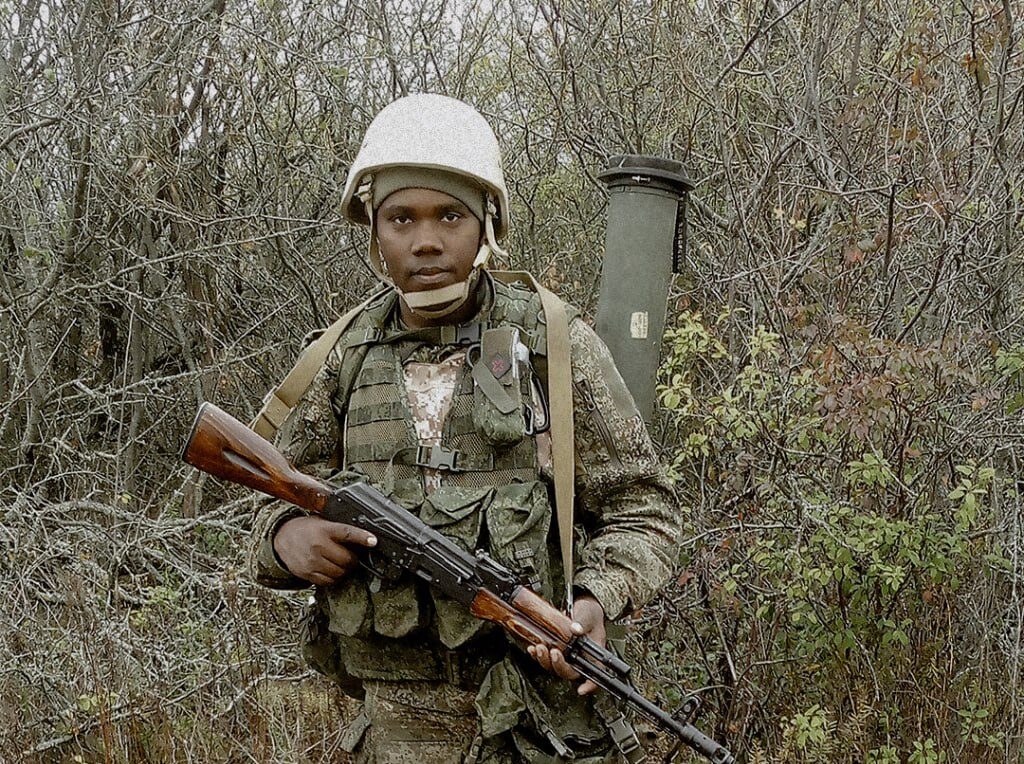
The same report found “compelling evidence” that Russian authorities trafficked men from 29 countries into the Russian armed forces through deception and coercion.
Recruitment agents arranged visas and travel, presenting themselves as legitimate businesses. After arriving in Russia, the men were forced to sign military contracts in Russian and were sent to the front, where many were killed or went missing, the commission said.
Read also
-
Russian drone cuts down unique energy line tower over Dnipro River in Kyiv. It can’t be rebuilt, and world is queuing for more power equipment
-
Russia hit Ukraine’s energy 76 times during a US-declared truce—and tens of thousands lost power overnight. Civilians killed and injured
-
“Intention to kill”: UN confirms Russia’s systematic drone attacks on civilians amount to crimes against humanity