 Connexion
Why did Ozon fall as much as 29% while Russia’s market lost 2.9%?
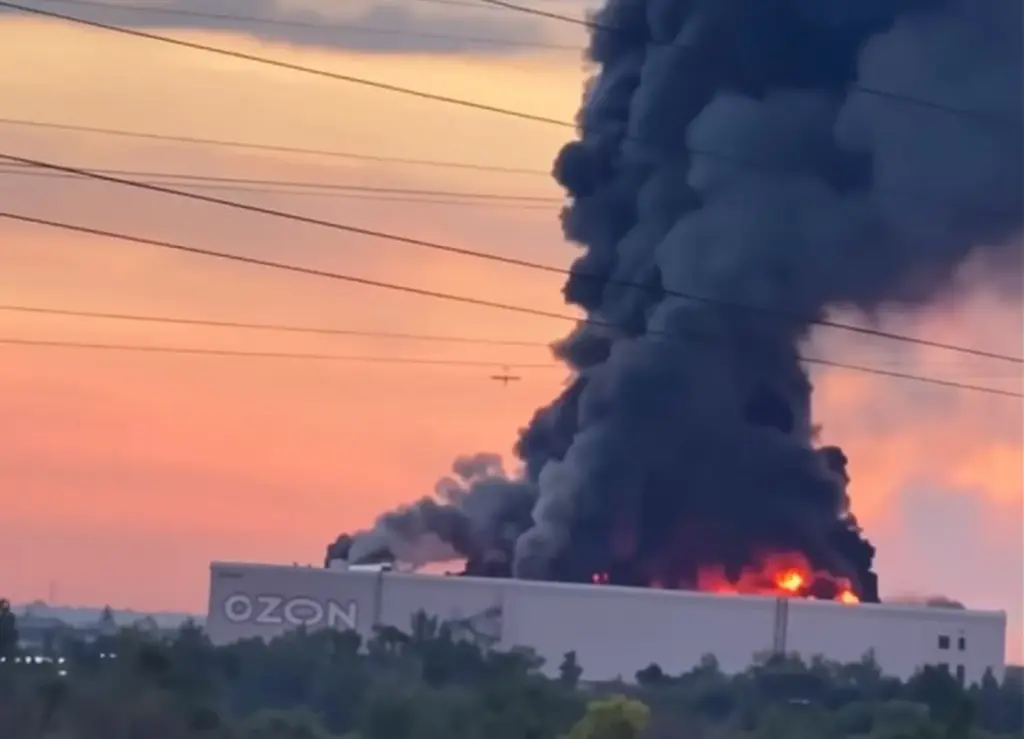
Ukrainian strikes on Ozon’s warehouses sent the listed retailer’s shares down 29.09% from Friday’s close at Monday’s low, RBC’s market report said. The Moscow Exchange shifted Ozon’s main trading session to a 30-minute auction, while other trading modes remained open, exchange rules show.
Unlike privately held Wildberries, Ozon’s listing made investors’ response to the disruption immediately visible.
Unlike privately held Wildberries, Ozon’s listing made investors’ response to the disruption immediately visible. The sell-off came before Ozon had calculated the physical damage, which the company said it would assess later in its statement on Chapayevsk.
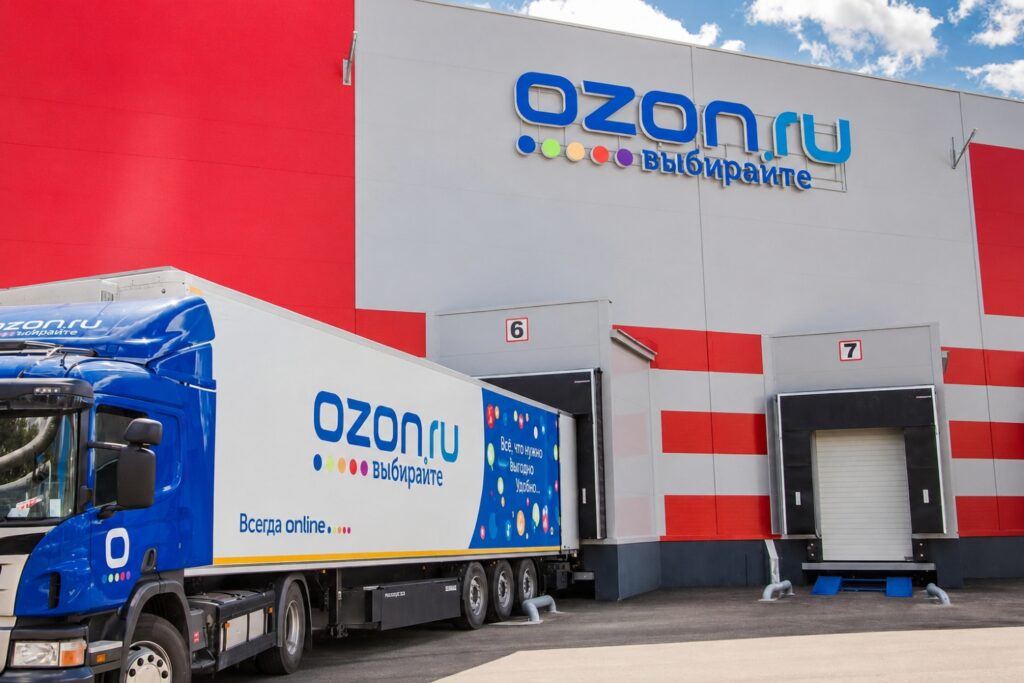
Since 22 August, Ozon has reported disruption at six facilities: warehouses in Chapayevsk and Orenburg, three facilities in southern Russia, and another warehouse in Krasnodar.
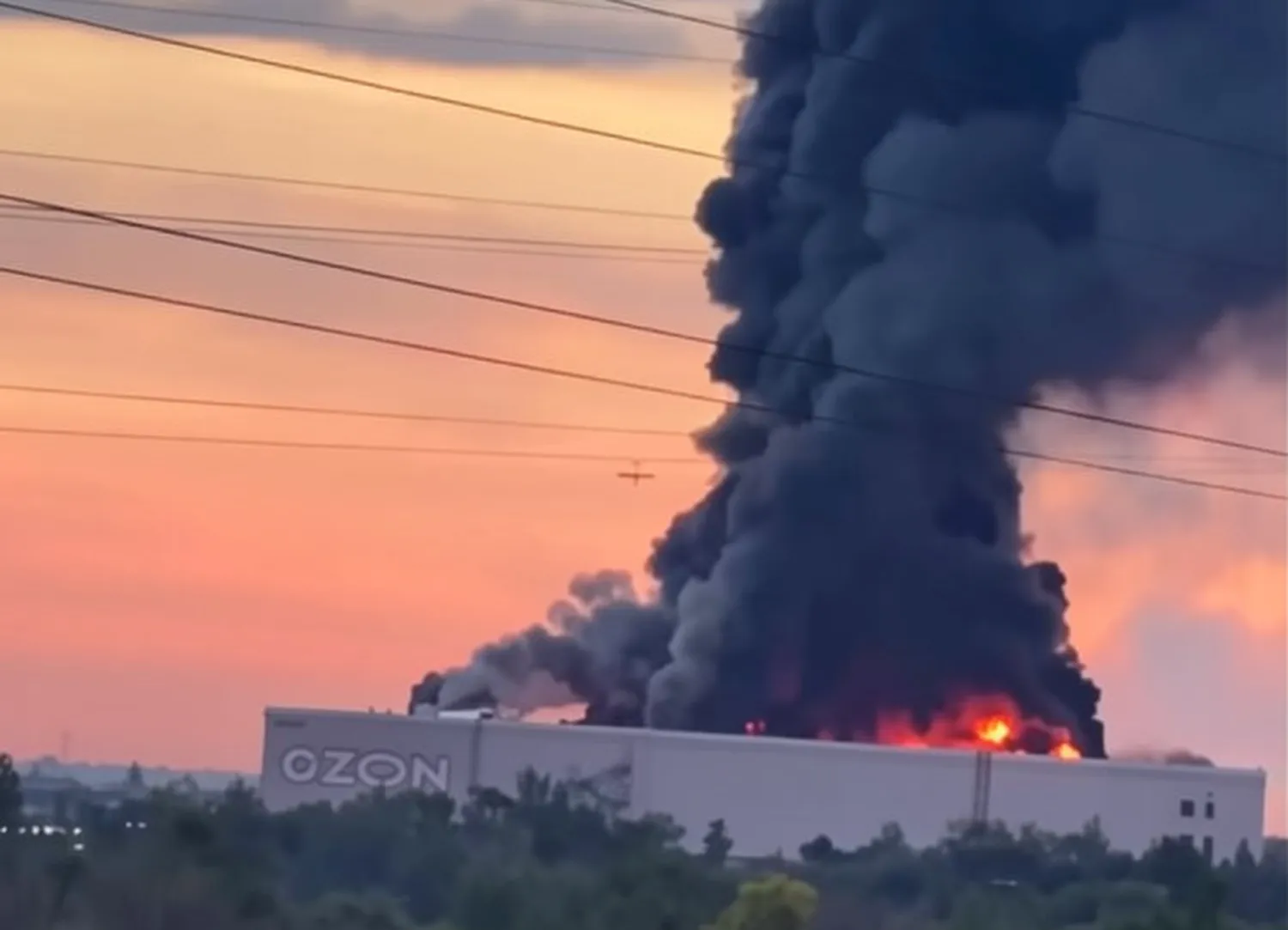
Ukrainian drones hit warehouse belonging to Russian online retailer Ozon for the first time
Russia was simultaneously attacking Ukraine’s retail and logistics infrastructure. Russian strikes burned two Epicentr hypermarkets in Odesa on Monday morning and caused fires at food warehouses in the city, regional authorities said.
Two days earlier, President Vladimir Putin had said Kyiv should “expect a response targeting your most sensitive economic sectors” in comments published by state journalist Pavel Zarubin.
Ozon falls farther than the market
The MOEX index fell about 2.9% on 24 August. Ozon’s 29.09% decline went far beyond the broader sell-off, indicating that investors were reacting to company-specific risk rather than merely following the Russian market.
That risk had appeared before Ozon’s warehouses were struck. Its shares fell 2.3% on 22 July over concerns that the retailer might become a target. Six days later, VTB Bank fell 2.5%, with analysts attributing part of the decline to uncertainty surrounding its Wildberries partnership.
Wildberries, Ozon, and their smaller rivals sell goods and services worth the equivalent of 8.5% of Russia’s GDP and employ 4 million people—more than 5% of the country’s workforce.
The August attacks turned that risk into operational disruption. Ozon reported fires at its Makhachkala facility and Krasnodar warehouse. In Chapayevsk, the company evacuated more than 500 workers, suspended operations, and redirected shipments. The following day, it evacuated more than 300 workers and closed its Orenburg warehouse.
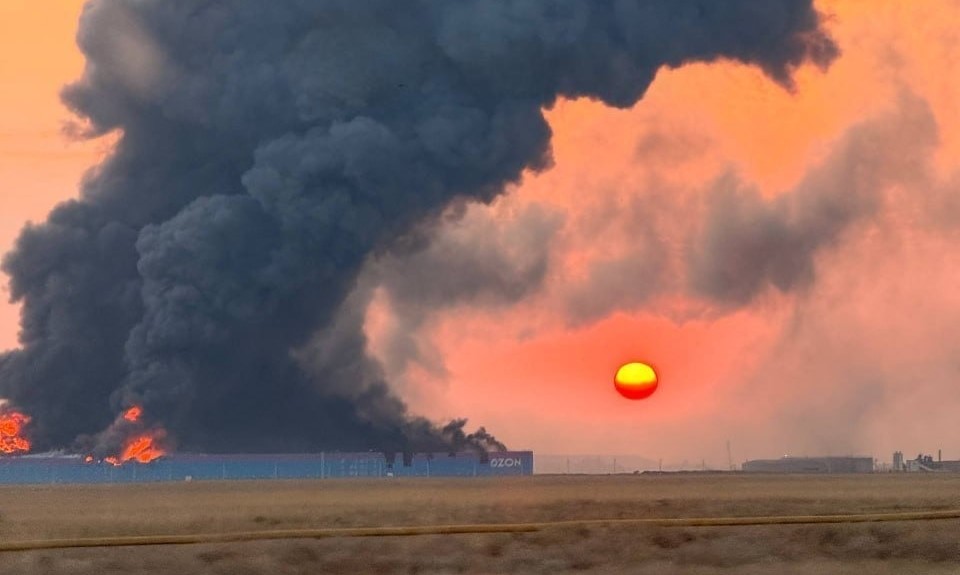
Dagestan, Stavropol Krai, Adygea: Ukraine’s drones worked straight down the delivery map of Russia’s No. 2 online store
Rerouting allowed Ozon to keep orders moving by transferring the workload to facilities that remained open. That is the business risk investors were pricing: a distributed warehouse network can absorb an isolated closure, while repeated attacks progressively reduce the capacity available to absorb the next one.
Each strike leaves fewer warehouses
Ukraine’s campaign against Wildberries shows how warehouse losses accumulate across a retail network. By the end of July, Verstka counted eight affected warehouses covering 860,000 square meters, or 15.4% of the company’s total warehouse space.
By mid-August, ISW counted seven of its ten largest hubs knocked out. The two estimates measure different things, but both show disruption spreading through the network.
A distributed warehouse system can absorb an isolated closure by moving shipments through other hubs. As more sites are lost, fewer alternatives are available to carry out that work. The economic effect, therefore, depends not only on the value of the buildings or goods destroyed, but on how much spare capacity remains after each strike.
Russia’s attacks on Ukraine illustrate the same logistical resilience. Two strikes destroyed warehouse buildings at Aurora’s distribution center, CEO Taras Panasenko said, but the retailer kept its stores open. Ozon similarly redirected shipments after closing warehouses in Russia.
Continued sales do not mean that the strikes had no economic effect. They show that retailers can absorb individual losses by relying on the rest of their networks. Repeated attacks gradually consume that protection, and Ozon’s public listing allowed investors to price the risk before the company could calculate the damage.