
 Connexion
Russia turns failed drone defenses into grounds for state control of company assets
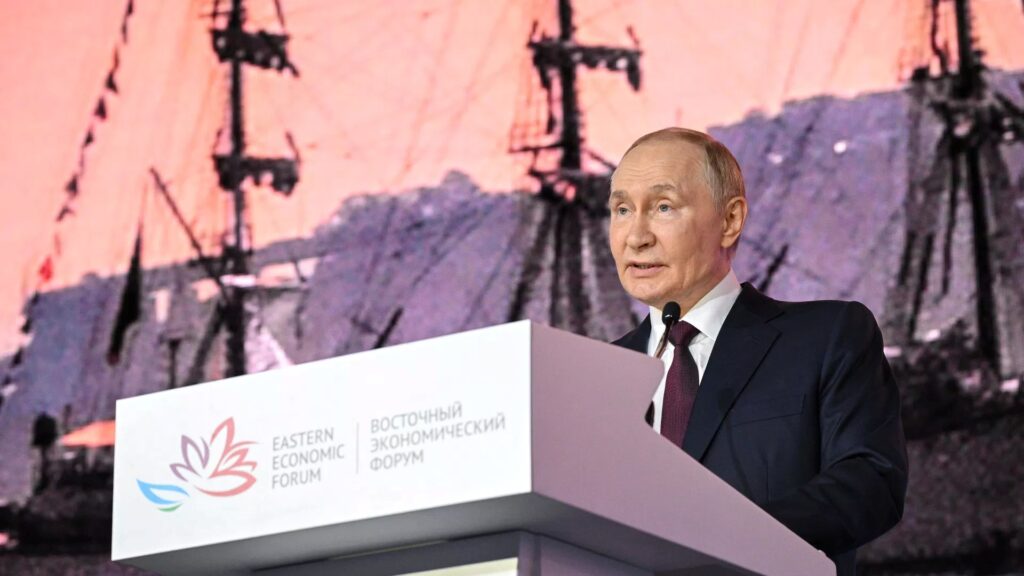
Russian President Vladimir Putin has made inadequate drone defenses and slow repairs grounds for putting private assets under state management. His 24 August security decree opens a new way to government control over Russia’s economy.
It expands a mechanism Russia has used against foreign-owned businesses since 2023, according to research by Nektorov, Saveliev and Partners (NSP), a Russian law firm that tracks state takeovers.
The text does not specify what counts as “ineffective” drone protection or how quickly a facility must be restored.
A business need not lose a facility before the measure can apply. Decree No. 604 allows action over late security measures, safety violations, conduct that endangers normal operations, ineffective counter-drone steps, or delayed restoration.
The text does not specify what counts as “ineffective” drone protection or how quickly a facility must be restored. Covered sectors include energy, industry, communications, utilities, transport, logistics, and life-support infrastructure, plus any sites deemed important to Russia’s security or economic stability.
Foreign controllers are also covered, including foreign organizations and citizens controlling Russian companies. Temporary management can reach all or part of an entity’s Russian property, securities, stakes in Russian companies, and other property rights—the rule is not limited to the damaged or vulnerable facility alone.
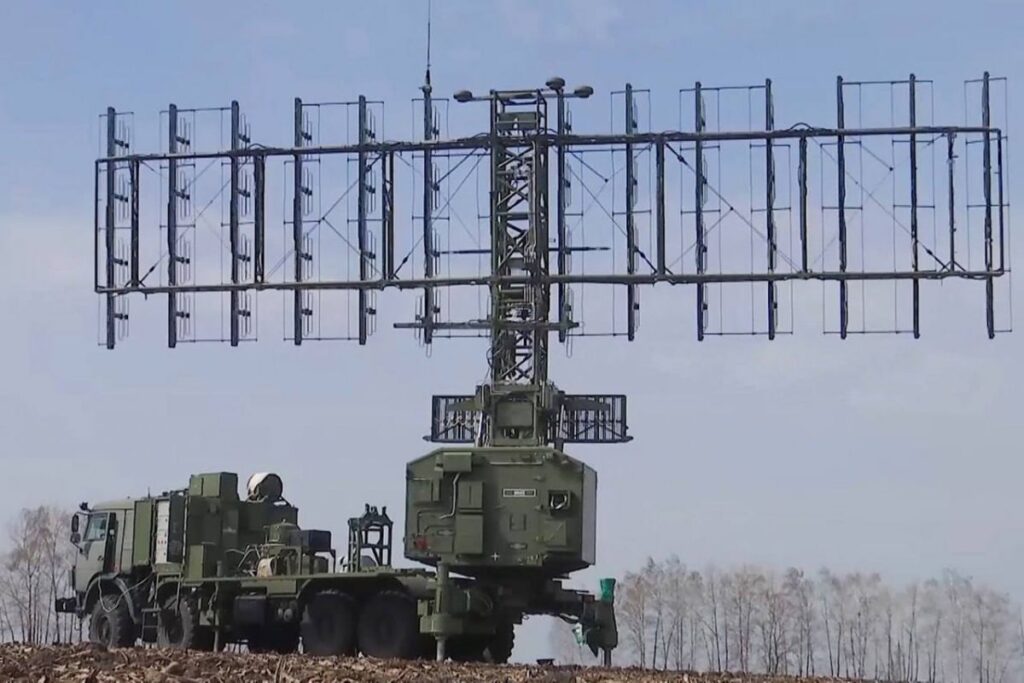
“Temporary” control has no deadline
At the same time, the text mentions no automatic return deadline. Putin must instruct the government to begin temporary management and then end it. By default, the Federal Property Management Agency assumes the owner’s powers, except for the right to dispose of the assets. The assets’ costs will be covered from its income.
Interfax published Denis Manturov’s remarks. The first deputy prime minister said the measure would be used selectively for specific security tasks and would leave formal ownership unchanged.
Komsomolskaya Pravda’s Alexander Kots raised a practical problem: Russian law, he wrote, gives businesses no instructions for defending sites against drones or cruise missiles, while barriers require extensive approvals, and private guards cannot easily be given weapons more powerful than shotguns.
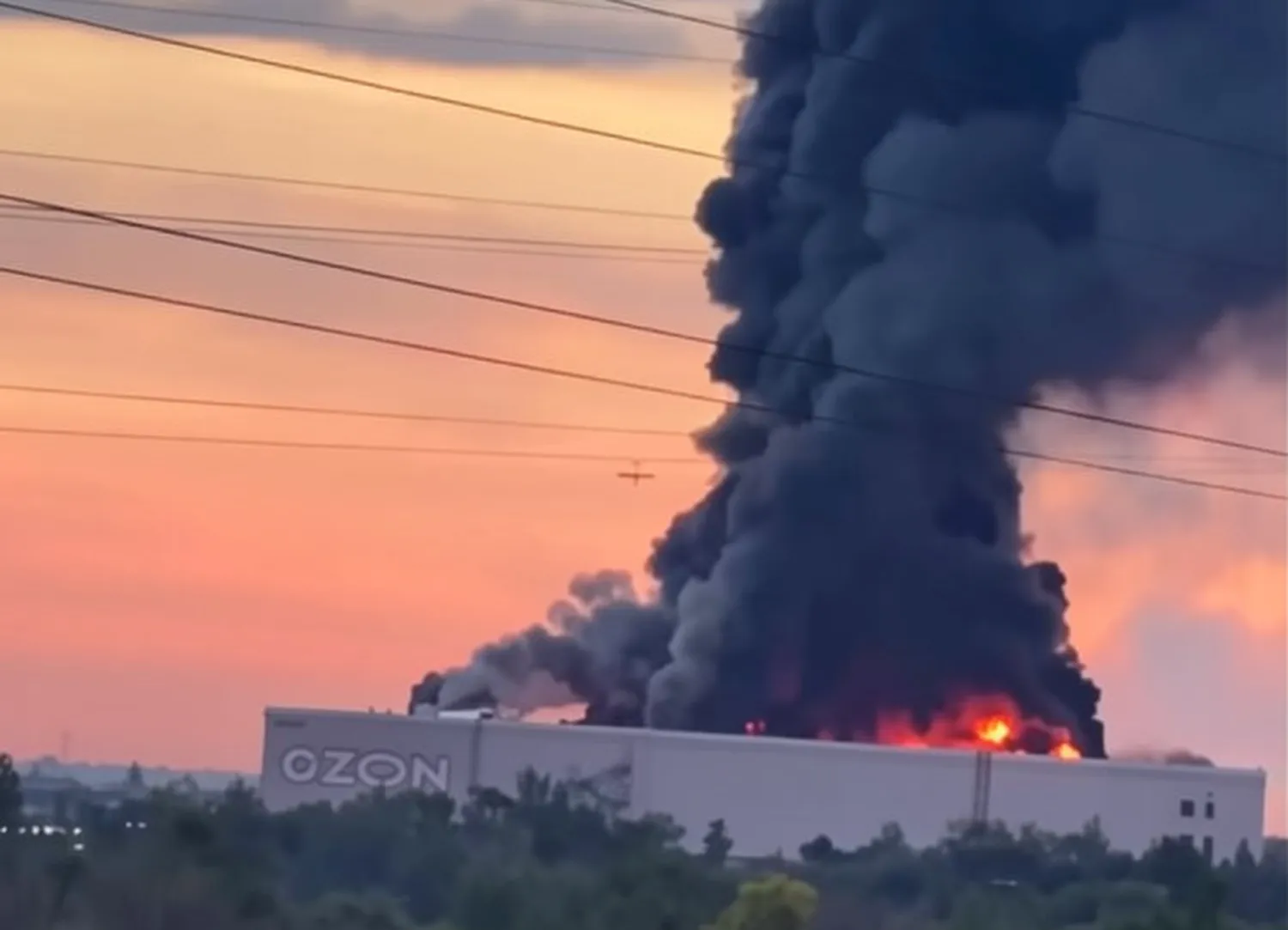
The decree followed weeks of Ukrainian attacks on Russian refineries, ports, and warehouses. Ozon reported six disruptions at its facilities after 22 August. The listed retailer’s shares fell as much as 29.09% from Friday’s close on Monday, after five weeks of strikes on privately held Wildberries.
Refining hit two-decade lows as strikes forced Russia to import gasoline, while a sixth Ust-Luga attack since March struck the country’s largest Baltic port.
NSP’s nationalization study records more than 100 cases since 2022 and about 6.5 trillion rubles (about $78 billion) in seized assets. It says cases averaged one court hearing and roughly two months.
The NSP temporary-management table lists several foreign-owned businesses placed under “temporary” management from 2023 whose owners still lack access because the arrangements remain indefinite.
