
Vue normale

  • ✇Euromaidan Press
  • Russia wanted Novorossiysk to be its main export gateway—Ukraine turned it into a chokepoint
    Ukrainian aerial- and sea-drone attacks have turned Russia's busiest seaport into a place cargo ships increasingly refuse to sail, choking both imports from China and exports of grain and oil, according to The Moscow Times. Logistics and trade executives describe a route to Novorossiysk grown too risky to use, and a Russian grain-industry group warns the Black Sea export corridors could shut down entirely. The strikes that once spared container ships have now reached th
     

Russia wanted Novorossiysk to be its main export gateway—Ukraine turned it into a chokepoint

4 août 2026 à 03:28

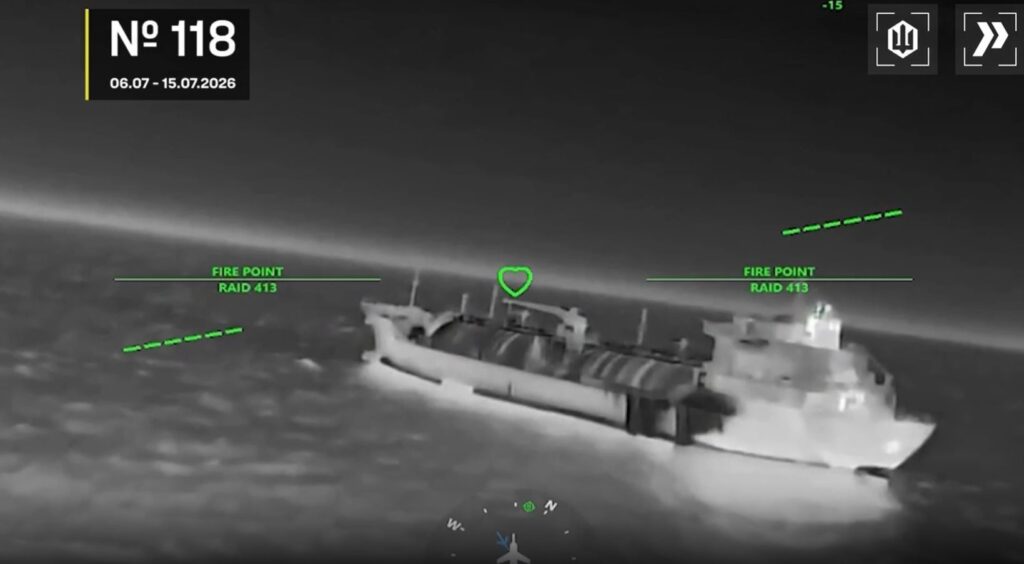
russia wanted novorossiysk its main export gateway—ukraine turned chokepoint · post russian gas carrier thermal sight ukrainian drone during strikes black sea marked 118th vessel hit 6–15 2026 operation sbs

Ukrainian aerial- and sea-drone attacks have turned Russia's busiest seaport into a place cargo ships increasingly refuse to sail, choking both imports from China and exports of grain and oilaccording to The Moscow Times. Logistics and trade executives describe a route to Novorossiysk grown too risky to use, and a Russian grain-industry group warns the Black Sea export corridors could shut down entirely. The strikes that once spared container ships have now reached them too.

Ukraine has spent 2026 forcing Russia to defend a maritime supply chain it once treated as low-risk, turning the sea into one of the war's contested fronts. The longer the southern sea approaches stay dangerous, the more of Russia's oil and grain earnings, the money that pays for the war, end up stuck at sea instead of being sold.

The China route importers are told to skip

"On the China–Novorossiysk route everything is now difficult, the delays are huge," one importer told The Moscow Times. 

Freight forwarders now tell clients to avoid the route outright, three colleagues said. Aerial drones and unmanned boats make the approaches too unpredictable. Earlier strikes fell mostly on grain carriers and oil tankers. Ukrainian drones hit a container ship carrying imports in late July. Then, overnight on 1 August, a sea drone sank the FESCO vessel Yanina about 130 miles offshore. The crew got out. The cargo did not.
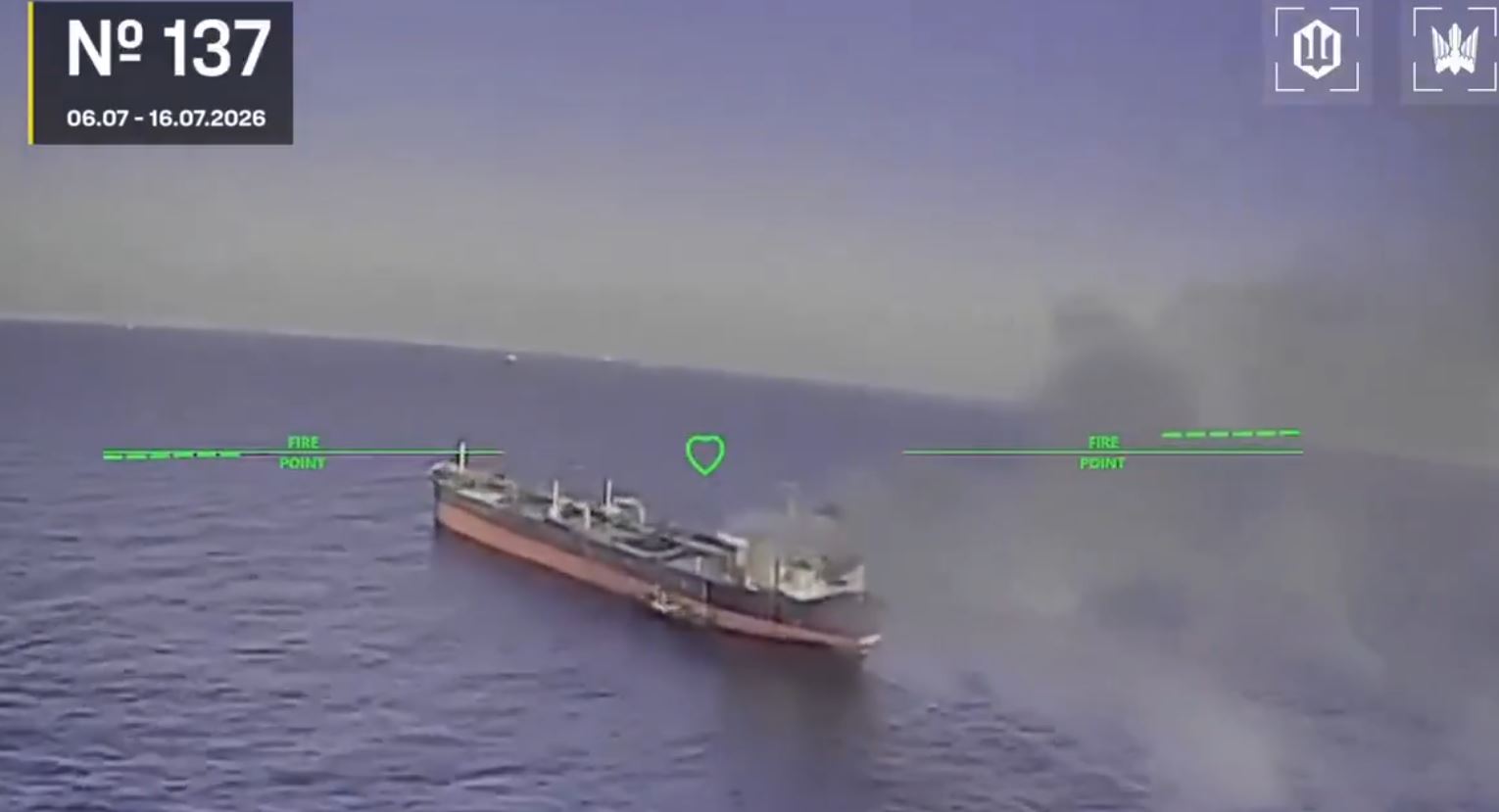
ukraine's spy service navy team up strike two russian crude tankers black sea · post shadow-fleet tanker marked 137th vessel struck 6–16 2026 operation sight ukrainian drone sbs video oil
Explore further

Ukraine hits 201 Russian shadow fleet ships in three weeks. Commander says Crimea’s supply route is now blocked indefinitely

Sailings drop as the campaign widens

Large-ship sailings from Novorossiysk fell 38% in July, the Moscow Times says, citing ship-tracking data, with tanker runs down by half. 

"But now the situation will get worse, because container ships have also become a target," a logistics manager told the publication. 
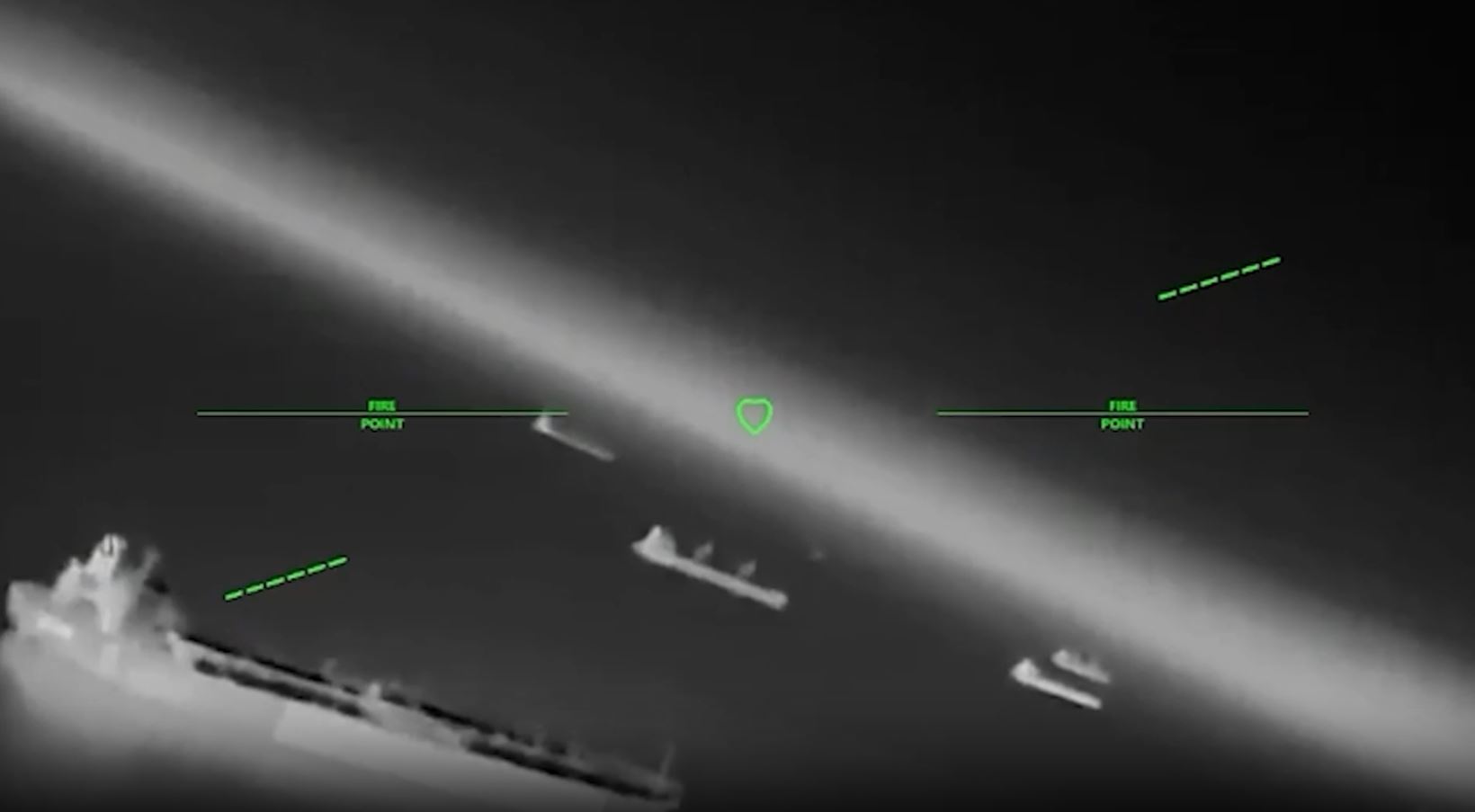
116 russian ships nine days one big export tanker needs 12–15 small ones fill ukraine burning · post several vessels once thermal sight ukrainian drone over sea azov 13–14 2026
Several Russian vessels at once in the thermal sight of a Ukrainian drone over the Sea of Azov, 13–14 July 2026. Screenshot from video: Unmanned Systems Forces

This is one edge of a wider Ukrainian drone campaign against Russian shipping, codenamed MoLoChKa. The name is an acronym for "Moscow will fall through Crimea." Its own public scoreboard counts 206 vessels hit in July by the Unmanned Systems Forces (SBS) alone, with another logged in August. The SBS have mostly burned the small tankers and support ships that keep Russia's sanctioned shadow fleet moving.
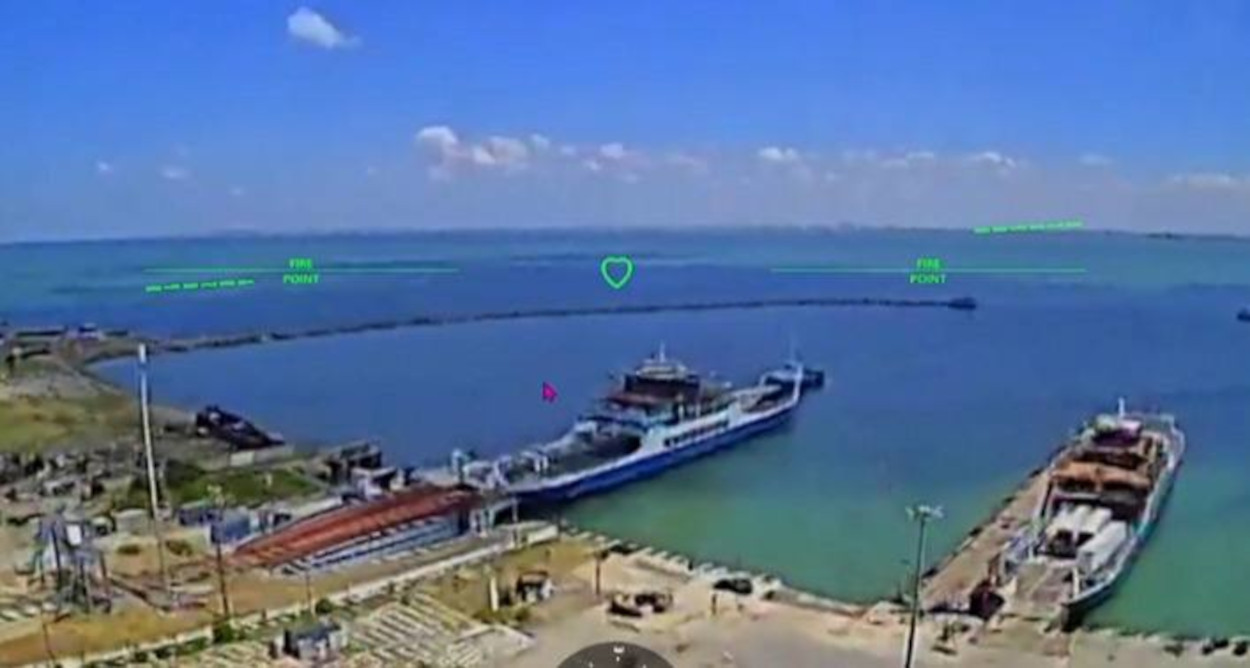
A photo shared by Robert “Madyar” Brovdi shows the Russian ferry “Maria” before it was struck in Ukrainian drone operations, with the damaged “Panagia” ferry visible to the right. Photo: Robert "Madyar" Brovdi
Explore further

Ukrainian drones slash Kerch ferry crossing capacity by 75%, as daily strikes continue on Russian vessels and occupation energy infrastructure
What Russia stands to lose

Novorossiysk carries every fifth ton of Russia's seaborne exports: Urals oil, Kazakh crude, wheat for Egypt, and fertilizer for Asia and Africa

Attacks across the Azov–Black Sea region could cost Russia up to 30–35 million tons of wheat exports this season, a grain-exporters' union estimated. That would gut a harvest analysts expected to top 44-45 million tons. 

"Systematic attacks that began in July could soon lead to the complete blocking of the export corridors of the Black Sea basin," the union said. 

Ukraine's drones had already cut into Russia's seaborne grain trade this summer, and repeated hits on the port's main oil terminal have dented crude loadings. Russia keeps pouring money into the port, building a new terminal worth 120.7 billion rubles (about $1.5 billion), even as ships stay away, The Moscow Times said.

  • ✇Euromaidan Press
  • Russia tows its own ships between bays to keep them from being finished off, Ukraine’s navy says
    Russia is changing the drones it attacks with, and hiding the ships it can no longer use. Russian forces are using more jet-powered drones in their air attacks, effectively betting on them, Ukrainian Navy spokesman Dmytro Pletenchuk said, according to UkrInform. The shift is toward faster, harder-to-stop drones. Russia is reducing the number of ordinary drones and increasing the jet-powered ones, betting on them first and foremost. Jet-powered Shaheds fly faster tha
     

Russia tows its own ships between bays to keep them from being finished off, Ukraine’s navy says

3 août 2026 à 16:14

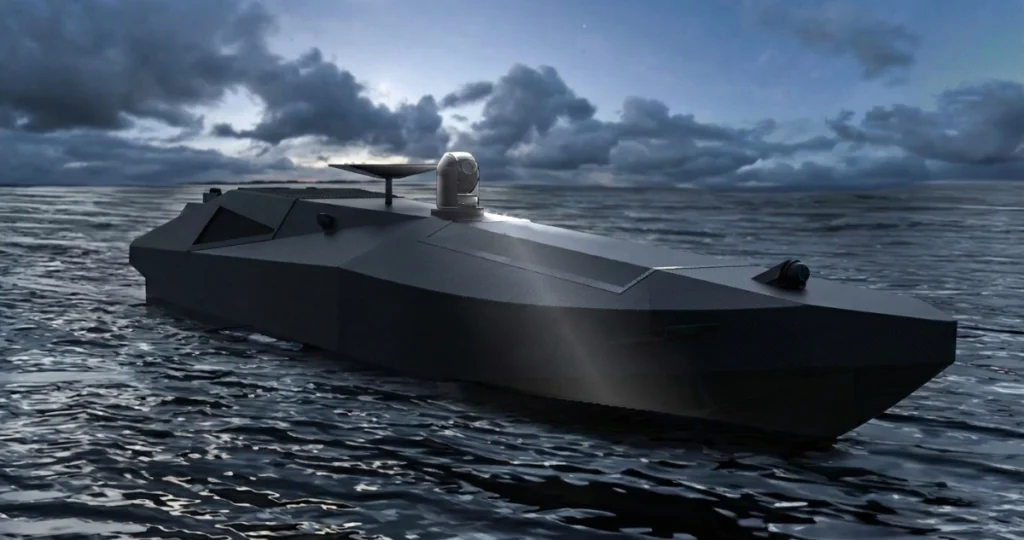
Ukraine's Magura 5 naval drone at sea, a stealthy black unmanned surface vessel equipped with sensors and used by Group 13 to strike Russian Black Sea Fleet ships

Russia is changing the drones it attacks with, and hiding the ships it can no longer use. Russian forces are using more jet-powered drones in their air attacks, effectively betting on them, Ukrainian Navy spokesman Dmytro Pletenchuk said, according to UkrInform.

The shift is toward faster, harder-to-stop drones. Russia is reducing the number of ordinary drones and increasing the jet-powered ones, betting on them first and foremost.

Jet-powered Shaheds fly faster than propeller models, giving air defenses less time to react, and Russia has used them in recent strikes, including the 1 August attack that killed a warehouse worker at the retailer Rozetka. Ballistic missiles, Pletenchuk added, remain the main challenge.

The Black Sea Fleet no longer goes to sea

Russia also still claims control of waters it cannot use. The Russians believe they exercise operational control over the Black Sea, but if you look at it purely in terms of sea sorties, they are absent, Pletenchuk said.

"The Azov Sea is out of the question now, and the Black Sea, effectively, the same," he stressed.

Russian aviation remains present and is a problem because it allows Russia to at least map the situation and makes the sea dangerous, but the fleet itself has been driven from the water.

Russia is afraid to repair its own ships

The most striking detail is what has happened to ship maintenance. Russia has repair facilities in occupied Crimea, but does not dare enter and repair ships there, because it has already learned how such repairs end.

They end with the Navy and the Armed Forces adding the "final touches," he said, so Russia periodically tows ships between bays to keep them from being finished off. Novorossiysk has some repair capacity, but docking there is very risky because a ship under repair becomes a stationary target. In practice, no one does it there either. As for small craft like Raptor and Grachonok boats, they are caught during rotations to the occupied spits and destroyed when they come into view, he added, sometimes turning back mid-route, the only patrol vessels Russia still uses.

❌