$10 Million in Gold Found Buried Under Former Brewery in Belgium

© Lokale Politie Dendermonde


© Lokale Politie Dendermonde


© Ksenia Kuleshova for The New York Times


© Ksenia Kuleshova for The New York Times


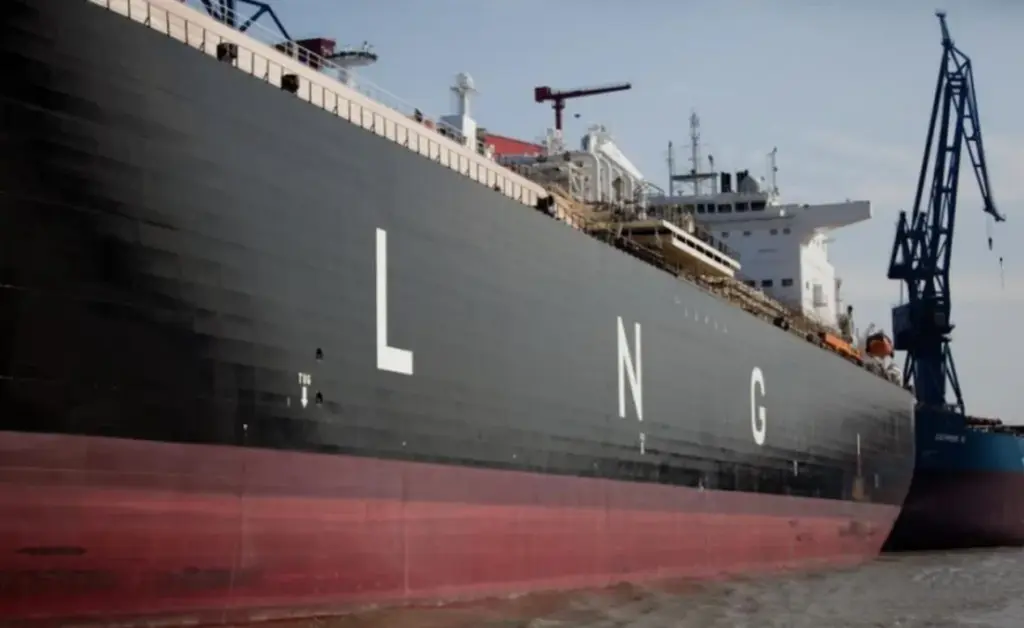
Russian LNG accounted for all of Belgium’s liquefied natural gas imports in July, Bloomberg reported. The Iran war disrupted Middle Eastern supplies and kept European gas prices high.
The shift exposes a contradiction in EU energy policy. Countries should be reducing Russian purchases before a full ban on Russian gas, part of the EU's plan to end its energy dependence on Moscow amid the war against Ukraine, takes effect in January 2027. Yet disruption around the Strait of Hormuz has reopened demand for Moscow’s fuel.
Belgium bought about 0.4 million tons of Russian LNG in July, Bloomberg data show. Its total LNG intake fell by more than 40% from a year earlier, while high prices discouraged winter stockpiling. Russia became the sole supplier in a shrinking market.
Belgium still received pipeline gas from Norway and the UK, meaning Russia supplied all its LNG, not all its gas. It was the first month since early 2021 that all of Belgium’s LNG came from Russia, Bloomberg reported.
France, Belgium, Spain, and the Netherlands spent €34.3 billion ($39.6 billion) on Russian LNG between 2022 and 2025, a Greenpeace analysis found. Their combined bilateral aid to Ukraine during that period totaled €21.2 billion ($24.4 billion).
Europe’s Russian LNG dependence predates Belgium’s July reversal. The EU paid Russia €7.2 billion for LNG in 2025. By early 2026, Europe was receiving 97% of exports from Russia’s Yamal LNG plant.
Europe received 16% more Russian LNG in the first half of 2026 than a year earlier, paying €5.96 billion, Bloomberg reported. France, Belgium, and Spain were the biggest buyers, according to figures Bloomberg cited from the German nonprofit Urgewald.
The 2027 ban gives long-term buyers legal protection to end their contracts early. Yet the gas keeps flowing through European ports and on European-operated ships. In July, Greece held up new sanctions to protect Dynagas, whose vessels transport Russian gas sourced from the Arctic.
The same energy shock strengthens Russia while squeezing Ukraine. The Iran war increased Moscow’s energy income while raising the cost of Ukraine’s imported fuel. It also diverted political attention from Russia’s invasion.
The scale became visible within the first two weeks of the Iran war. Russia earned €7.7 billion from fossil-fuel exports during the first half of March. Daily earnings reached €513 million as Brent crude climbed above $119 per barrel.
Higher prices later threatened to raise the EU price cap on Russian oil from $44.1 to at least $65 per barrel. Brussels considered freezing it to prevent the Iran-driven price spike from weakening sanctions on Moscow.


Around 150 pro-Palestinian activists have broken into a storage facility and damaged military equipment intended for Ukraine, the Belgian news outlet 7sur7 reported on June 26.
The facility belongs to OIP Land Systems, a company that produces military equipment for Ukraine. The activists reportedly thought the equipment would be supplied to Israel.
The activists, who were wearing white overalls and masks, took part in the Stop Arming Israel campaign. The protests seek to pressure Belgian authorities to maintain the military embargo against Israel and impose sanctions on it.
The protesters, armed with hammers and grinders, first entered the company's offices, where they smashed computers, and then broke into the hangars, where they severely damaged some vehicles, Freddy Versluys, CEO of OIP Land Systems, said.
Since the beginning of the Russian invasion, the company has supplied the Ukrainian army with about 260 armored vehicles. The damage caused by the activists' actions is estimated at $1.1 million, according to 7sur7.
"A further delivery has now been delayed by at least a month. That's all these Hamas sympathizers will have achieved with their action," Versluys said.
The company was reportedly targeted by pro-Palestinian protesters because Elbit Systems, an Israeli defense company, owns it.
Protesters believe that Elbit supplies 85% of the drones and most of the ground military equipment used by the Israel Defense Forces, 7sur7 reported.
Yet, the OIP Land Systems CEO claimed that his company has not produced defense systems for Israel for over 20 years.
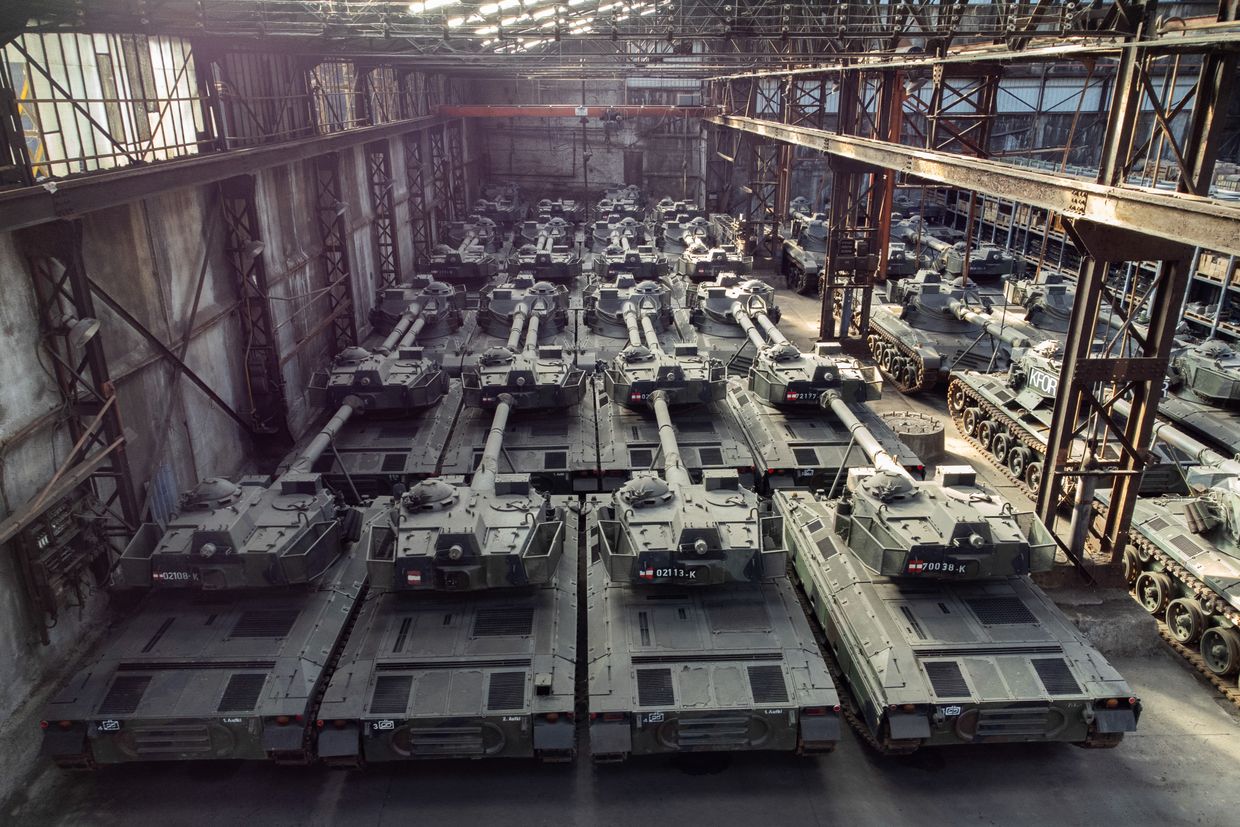
OIP Land Systems has provided defense products to Ukraine on several occasions, including Leopard 1 tanks, which are manufactured at the Tournai plant.


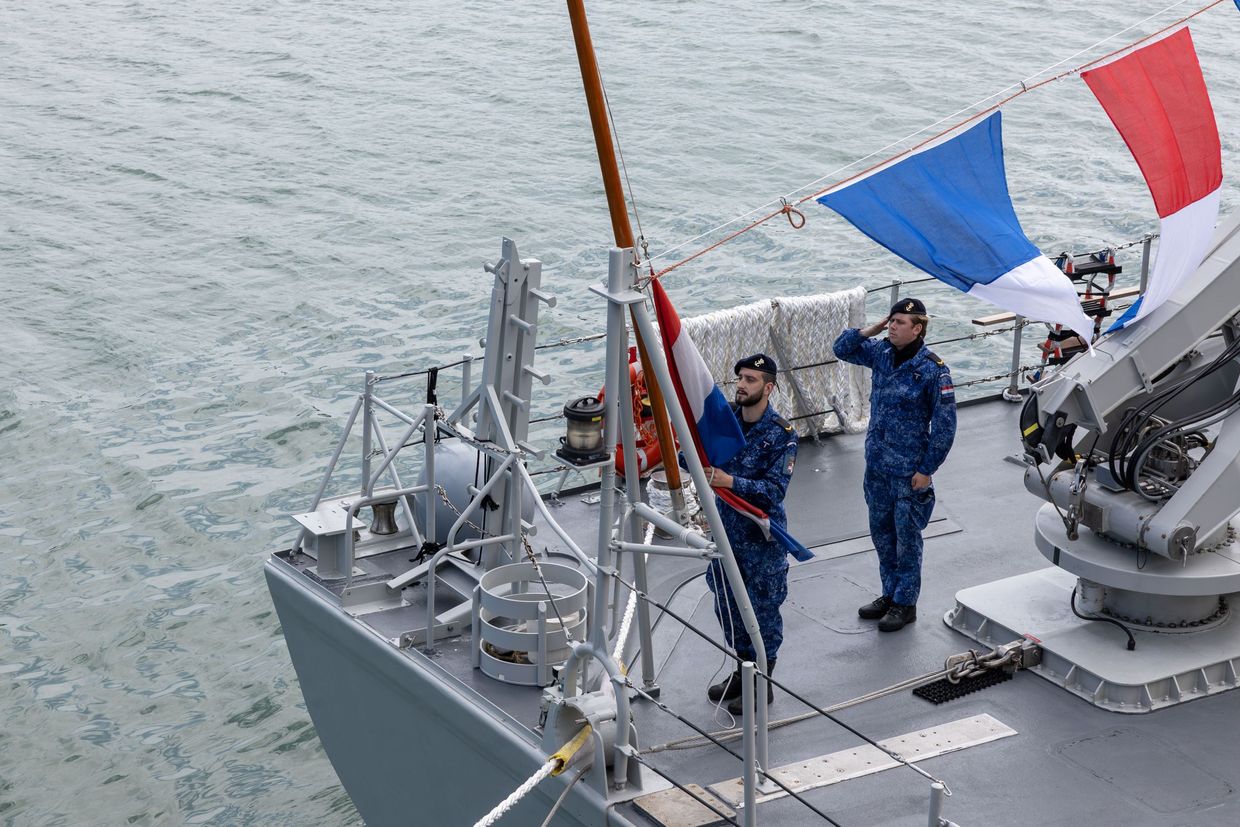
The Netherlands and Belgium have delivered two minehunter vessels to Ukraine to support maritime security in the Black Sea, Dutch Defense Minister Ruben Brekelmans announced on June 26.
"The Netherlands and Belgium are transferring two minehunters to Ukraine. A vital contribution to Black Sea security, and key to safeguarding trade routes and global food supply," Brekelmans said on X. He added that Ukrainian crews and technicians were trained "in record time."
According to the Dutch Defense Ministry, the vessels involved are the Belgian ship BNS Narcis and the Dutch Zr.Ms. Vlaardingen. The official handover ceremony took place earlier in Zeebrugge, Belgium, but was disclosed only later due to security concerns.
"The major ports of Odesa and the Black Sea shipping lanes are the lifeblood of the Ukrainian economy," Brekelmans said. "And (they are) under constant threat. Ukraine may not win the war at sea, but it can certainly lose the war there. We simply cannot let that happen. That is why it is so important for maritime security and free passage that Ukraine can use minehunters."
Since Russia's full-scale invasion of Ukraine began in February 2022, the Netherlands has provided Kyiv with a combined 8.4 billion euros ($9.4 billion) in support, according to the Kiel Institute for the World Economy while Belgium has allocated over two billion euros (about $2.2 billion) in support, including military, financial, and humanitarian assistance.