Vue normale

  • ✇Euromaidan Press
  • Georgia’s sanctioned Kulevi refinery says switch to non-Russian crude is under way
    Georgia's only oil refinery says it has begun replacing Russian crude with supplies from Kazakhstan and Libya. The update comes after the European Union sanctioned the refinery for processing Russian crude as part of its effort to curb revenues funding Moscow's war against Ukraine. Brussels gave the company six months to end its reliance on Russian oil before the restrictions take effect. In a statement released on 31 July, Black Sea Petroleum (BSP), which operates t
     

Georgia’s sanctioned Kulevi refinery says switch to non-Russian crude is under way

4 août 2026 à 12:19

Kulevi Oil Refinery in Georgia. Photo: Black Sea Petroleum

Georgia's only oil refinery says it has begun replacing Russian crude with supplies from Kazakhstan and Libya.

The update comes after the European Union sanctioned the refinery for processing Russian crude as part of its effort to curb revenues funding Moscow's war against Ukraine. Brussels gave the company six months to end its reliance on Russian oil before the restrictions take effect.

In a statement released on 31 July, Black Sea Petroleum (BSP), which operates the Kulevi Oil Refinery on Georgia's Black Sea coast, said implementation of its crude supply diversification plan was already under way and remained on schedule.

Kazakh crude already being refined

The company said the refinery began processing crude oil of Kazakh origin at the beginning of July, with the remaining contracted volumes to be refined during August.

BSP also announced that, under an agreement signed with an international trading company on 3 July, a cargo of Libyan crude is expected to arrive at Kulevi between 20 and 30 August. The contract runs through the end of 2027 and includes an option to extend it.

According to the company, the transition will allow the refinery to operate entirely on non-Russian crude beginning in August and September, in line with plans announced on 1 July.
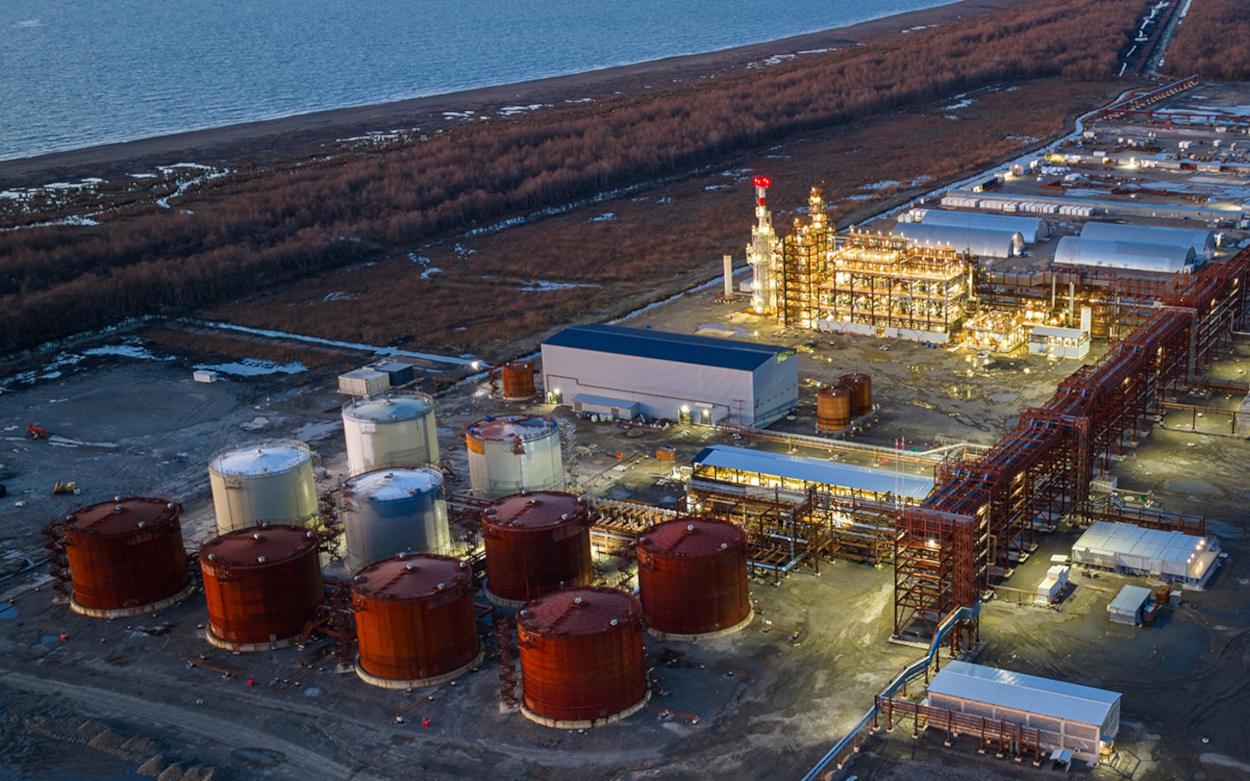
Kulevi Oil Refinery in Georgia. Photo: Black Sea Petroleum
Explore further

Georgia’s only oil refinery to stop processing Russian crude from August, company says

Company seeks to satisfy EU sanctions requirements

The statement follows the European Union's decision on 24 July to sanction the Kulevi refinery as part of its 21st sanctions package against Russia. The measures prohibit transactions with the refinery after a six-month transition period, giving the company time to end its reliance on Russian crude.

BSP said the European Commission had acknowledged during a 24 July press briefing that the transition period was intended to enable the refinery to diversify its crude supplies. The company said the steps it has already taken are consistent with that objective and the timeline set by Brussels.

The refinery said it would continue working with the European Commission and other relevant authorities while providing "clear, verifiable evidence" of its progress toward eliminating Russian feedstock.

Kulevi Oil Refinery in Georgia. Photo: Black Sea Petroleum
Explore further

EU sanctions Georgia’s only oil refinery over processing Russian crude. Company says it will switch suppliers

First major Georgian company sanctioned by the EU

The sanctions marked the first time the EU targeted a major Georgian company under its Russia sanctions regime.

The refinery came under scrutiny after Reuters reported in 2025 that it had begun processing crude supplied by Russian producer Russneft. According to research by the Centre for Research on Energy and Clean Air (CREA), the refinery received six shipments of Russian crude between October 2025 and May 2026, while refined products were exported to EU member states including Spain and Bulgaria.

EU officials have said the refinery could be removed from the sanctions list if it demonstrates that it has fully phased out Russian crude in line with its commitments.

  • ✇Euromaidan Press
  • This Russian refinery makes the jet fuel for Moscow’s warplanes—and Ukraine keeps setting it on fire
    Ukrainian drones struck across four Russian regions before dawn on 4 August, setting fires at a Rosneft oil refinery and targeting two logistics hubs of Russia's largest online retailer, Militarnyi reported. The raid reached Samara, Leningrad, Moscow, and Nizhny Novgorod oblasts, hitting both the fuel that powers Russia's military and the warehouses that Kyiv says supply its army. Russian regional officials confirmed damage while claiming air defenses repelled much of t
     

This Russian refinery makes the jet fuel for Moscow’s warplanes—and Ukraine keeps setting it on fire

4 août 2026 à 04:28

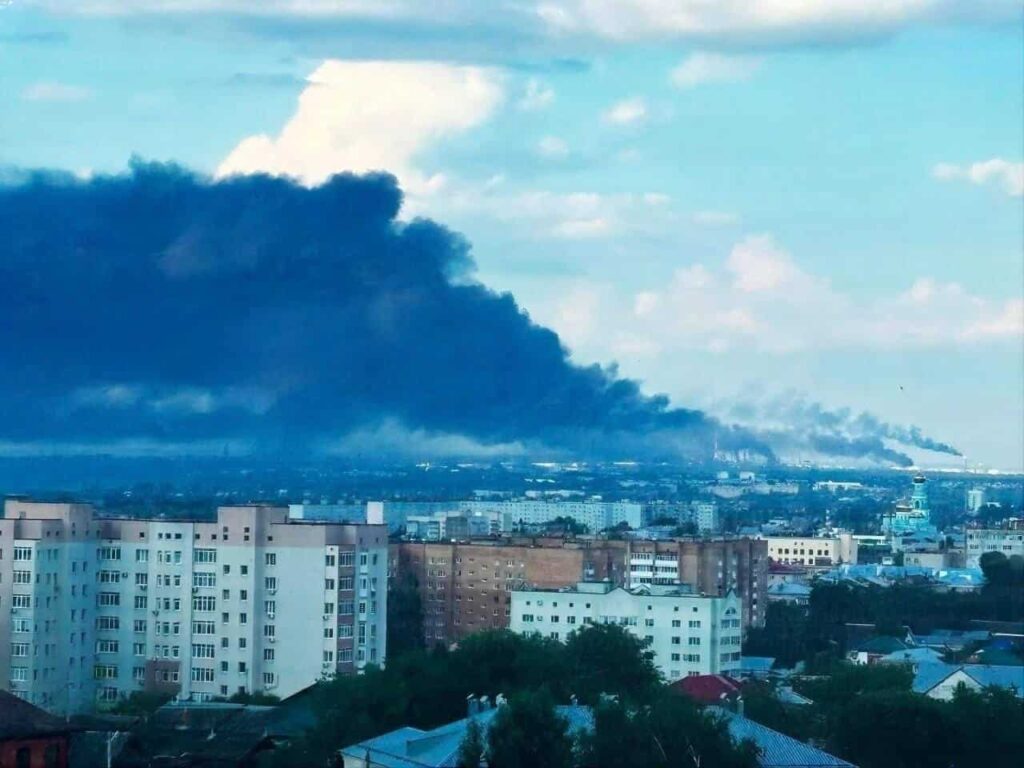
russian refinery makes jet fuel moscow's warplanes—and ukraine keeps setting fire · post column black smoke over syzran after drone strike city's oil samara oblast 12 2026 пожежа на території

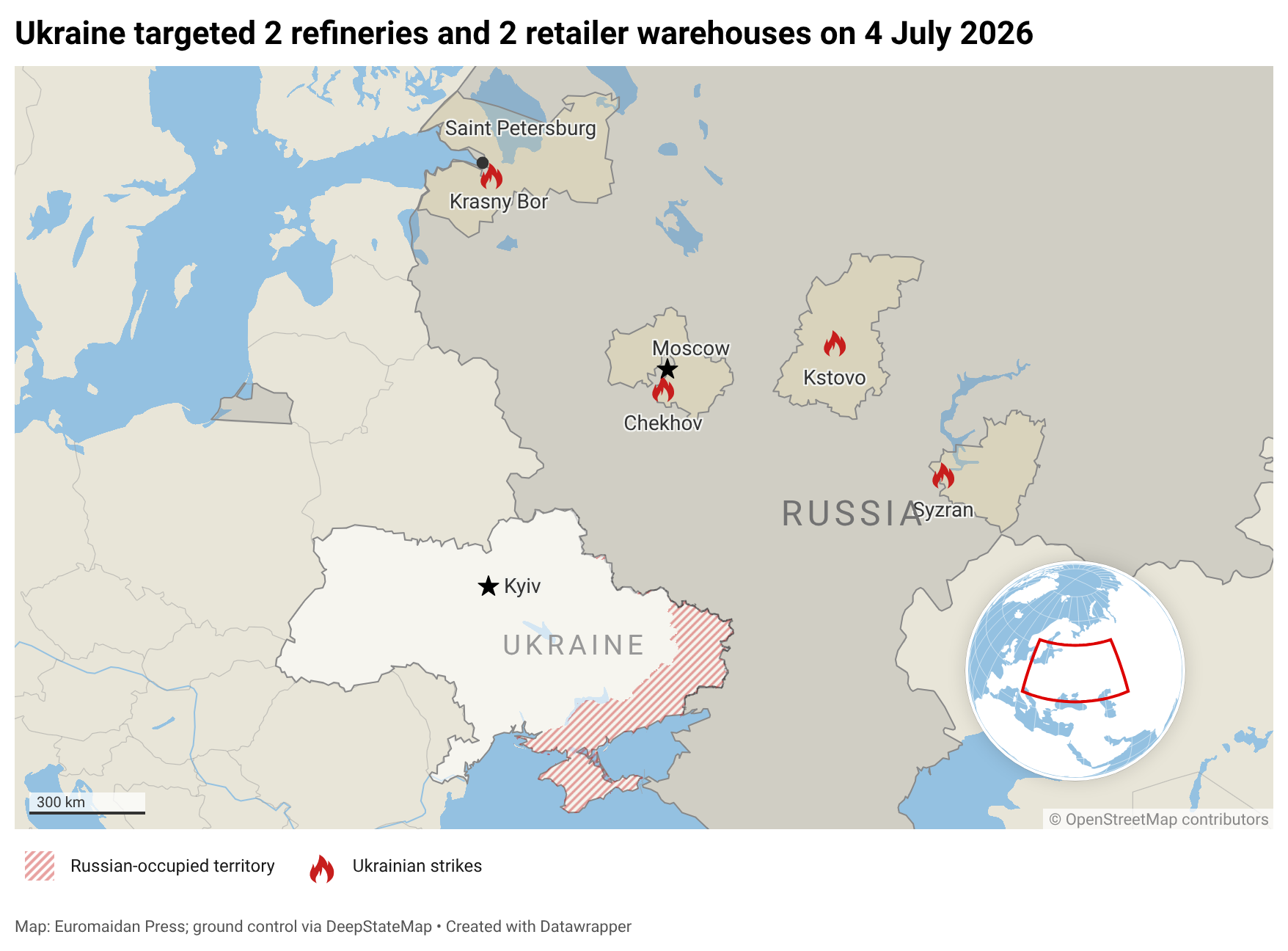
Ukrainian drones struck across four Russian regions before dawn on 4 August, setting fires at a Rosneft oil refinery and targeting two logistics hubs of Russia's largest online retailer, Militarnyi reported. The raid reached Samara, Leningrad, Moscow, and Nizhny Novgorod oblasts, hitting both the fuel that powers Russia's military and the warehouses that Kyiv says supply its army. Russian regional officials confirmed damage while claiming air defenses repelled much of the attack.

Oil sales and a functioning supply chain keep Russia's war effort moving, and Ukraine has spent 2026 pushing its drones far past the front to reach both — the plants that turn crude into military fuel and the logistics that carry equipment to the army. Each fuel plant forced offline narrows the repair window Russia has left, and every hub burned pushes the retailer to guard, disperse, or replace space it treated as safe rear. Widening the target set from refineries to warehouses stretches Russian air defense across more ground than it can fully cover.

Syzran refinery burns again

Ukrainian drones attacked the Syzran oil refinery in Samara Oblast overnight more than 800 km from the war zone in Ukraine, and Militarnyi geolocated the rising smoke to the plant. A drone-danger alert went up in the region after 1 a.m., and residents then reported explosions in the city before a column of smoke climbed over the refinery.

The plant belongs to Rosneft and processes more than 8.5 million tons of crude a year, more than 3% of Russia's national total. It turns out gasoline, diesel, aviation kerosene, and bitumen, and supplies fuel to Samara, Saratov, and Penza oblasts as well as parts of central Russia. It also feeds airfields and military units of Russia's Central and Southern military districts. The refinery sits more than 800 km from Ukraine's border.

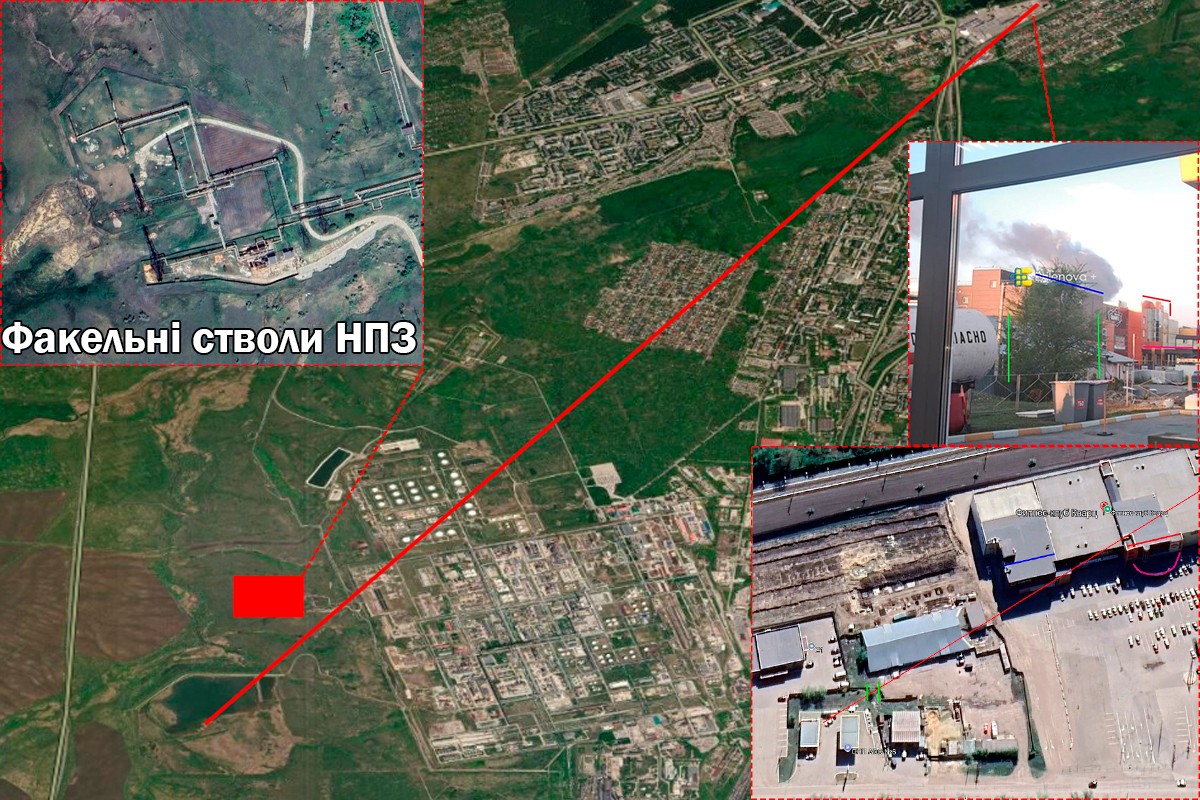
russian refinery makes jet fuel moscow's warplanes—and ukraine keeps setting fire · post geolocation analysis marking drone's path toward syzran oil samara oblast 4 2026 задимлення на нпз в сизрані
A geolocation analysis marking the drone's path toward the Syzran oil refinery, Samara Oblast, 4 August 2026. Source: Militarnyi

Ukraine's Defense Forces have hit this refinery many times before. Drones struck it overnight on 11-12 July, starting a large fire that analysts assessed reached every primary crude-processing unit. Samara Oblast Governor Vyacheslav Fedorishchev said a fire from the attack in the region was being extinguished.

Astra says residents of Kstovo in Nizhny Novgorod Oblast reported a fire after the attack, though the struck object there stayed unclear. The city is home to a Lukoil oil refinery about 800 km from Ukraine.

Warehouses near St. Petersburg and Moscow

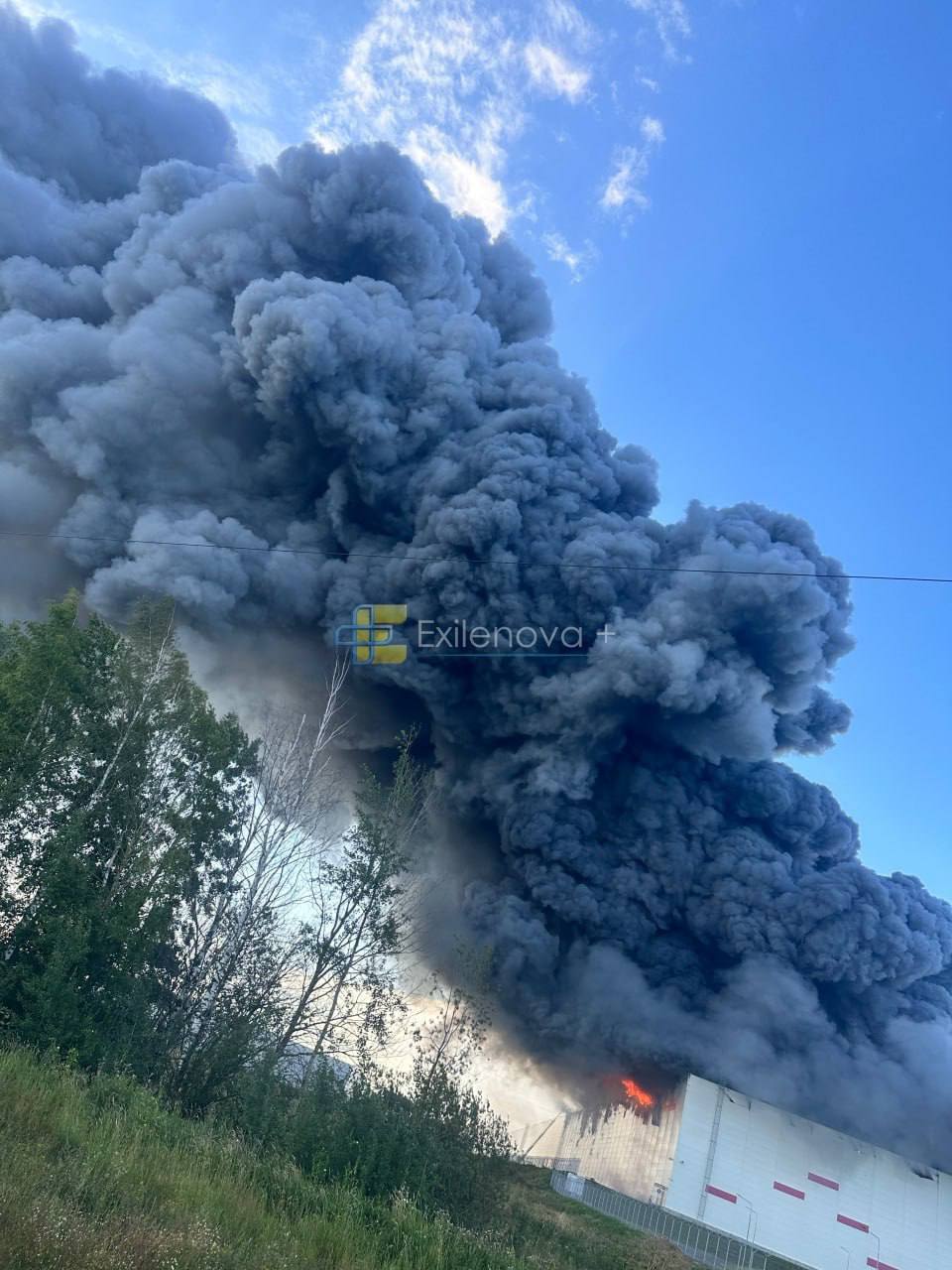
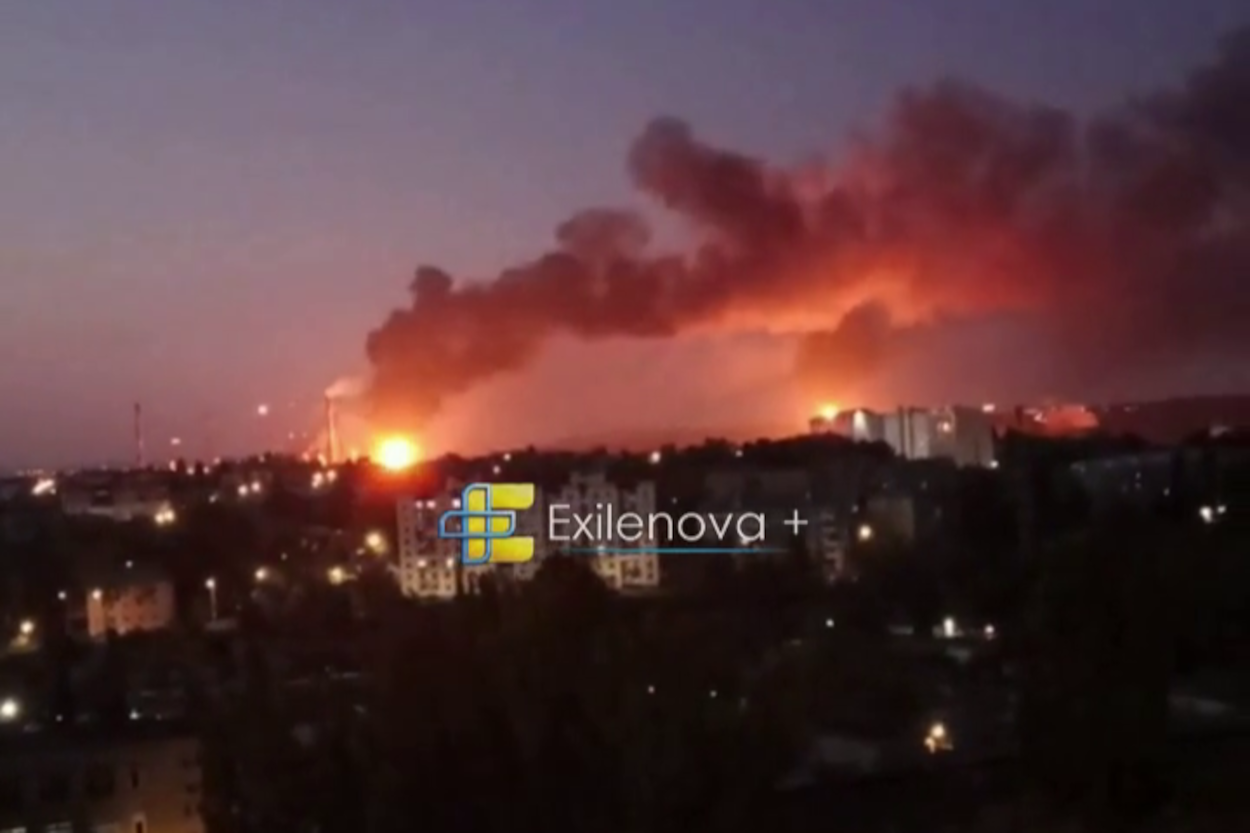
In the morning, Ukrainian drones hit a logistics compound near Krasny Bor in the Tosnensky district of Leningrad Oblast, roughly 820 km from Ukraine's northern border. Eyewitnesses filmed a heavy fire, and Wildberries confirmed a blaze at its facility there.

russian refinery makes jet fuel moscow's warplanes—and ukraine keeps setting fire · post black smoke rises over burning wildberries logistics complex leningrad oblast after ukrainian drone strike 4 2026 5445360929345313906
Black smoke rises over the burning Wildberries logistics complex in Leningrad Oblast after the Ukrainian drone strike, 4 August 2026. Photo: Exilenova+

Its Krasny Bor site covers 154,000 square meters, one of the retailer's largest surviving logistics hubs in the region. Ukrainian drones burned two others in Leningrad Oblast on 24 July.

Leningrad Oblast Governor Alexander Drozdenko claimed air defenses downed 17 drones overnight and confirmed damage to the warehouse zone near Krasny Bor. An OSINT analyst at the Russian Telegram channel Astra, reviewing eyewitness video, placed the smoke over a site holding two complexes: the Wildberries hub and a Lenta depot of 70,000 square meters. The analyst said the damaged complex could belong to either.

Flames at Russia's Saratov Oil Refinery after reported Ukrainian drone strike, 2 August 2026. Screenshot from video: Exilenova+
Explore further

Oil refinery, strategic airbase, and drone facilities: Overnight strikes hit key pillars of Russia’s war effort

Ukraine's drones hit a Wildberries warehouse near St. Petersburg

Ukrainian drones struck the logistics site at Krasny Bor, in Leningrad Oblast southeast of St. Petersburg, and a large fire broke out. Bystanders filmed thick black smoke rising over the area. The site holds a… pic.twitter.com/mCPjEk3Y1N

— Euromaidan Press (@EuromaidanPress) August 4, 2026

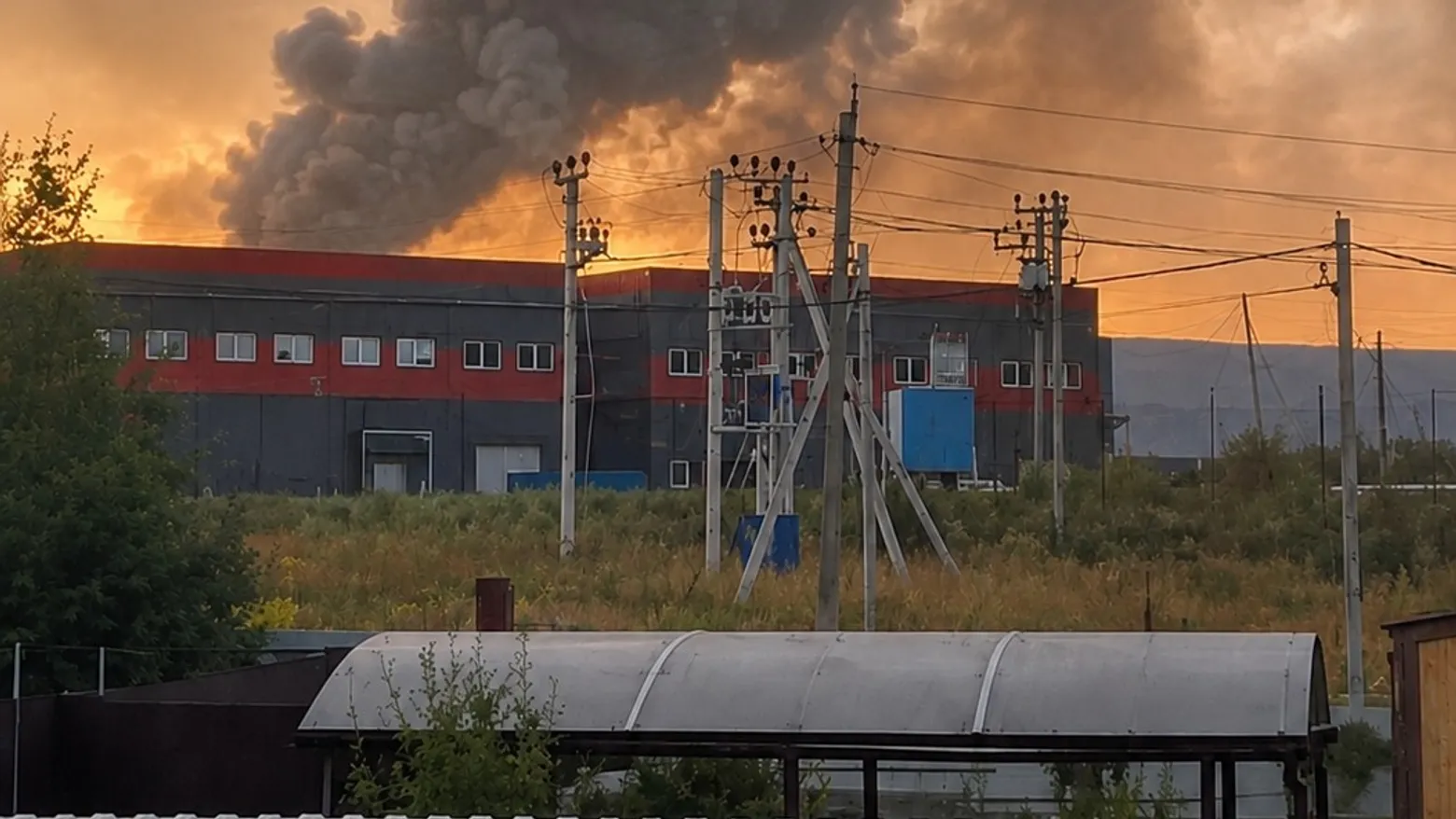
Drones also struck Chekhov near Moscow, about 400 km from Ukraine, where Astra identified the likely target as a Wildberries warehouse. Moscow Oblast Governor Andrei Vorobyov confirmed the strike and claimed five people were killed and six injured. 

russian refinery makes jet fuel moscow's warplanes—and ukraine keeps setting fire · post smoke rises over warehouse moscow oblast after ukrainian drone strike 4 2026 video supernova+ влучання у московській
Smoke rises over a warehouse in Moscow Oblast after a Ukrainian drone strike, 4 August 2026. Screenshot from video: Supernova+

Why the warehouses

President Volodymyr Zelenskyy has previously explained that Ukraine strikes what he calls "Russia's AliExpress" because the marketplace supplies occupying forces with sanctioned components for drones and navigation equipment. Ukraine's military command lists Wildberries among its long-range targets as a retailer that also moves non-lethal military gear.

Ukraine's Defense Forces began striking Wildberries logistics sites on 18 July. The company tightened rules on 3 August, allowing warehouse staff only button phones without cameras, after employees filmed the strikes and shared the footage.

❌