 Connexion
Ukraine’s Crimea campaign could strike seven times more targets with faster funding, Brovdi says
Ukraine's Crimea campaign aims to make the occupied peninsula unusable to Russian forces, its drone-forces commander told The Associated Press. Russia annexed Crimea in 2014. The campaign is only the first phase, said Maj. Robert "Madyar" Brovdi. His units could strike seven times more military targets with faster Western funding, he said.
The constraint is financing, not factory output. Brovdi put his forces at 14 percent of the strength a full-capacity operation would require. He traced the gap to the timing of allied money, not to Ukraine's drone production. "It's not that the production capacity of Ukrainian manufacturers doesn't allow us to make the necessary quantities" of drones, he said. He added: "It's the banal problem of untimely financing, which our partners do allocate, but which moves significantly slower than our plans."
Even so, Brovdi framed the peninsula as decisive. "Crimea falls within the key conceptual pillars on the path to ending the war," he said.
What the Crimea campaign has hit
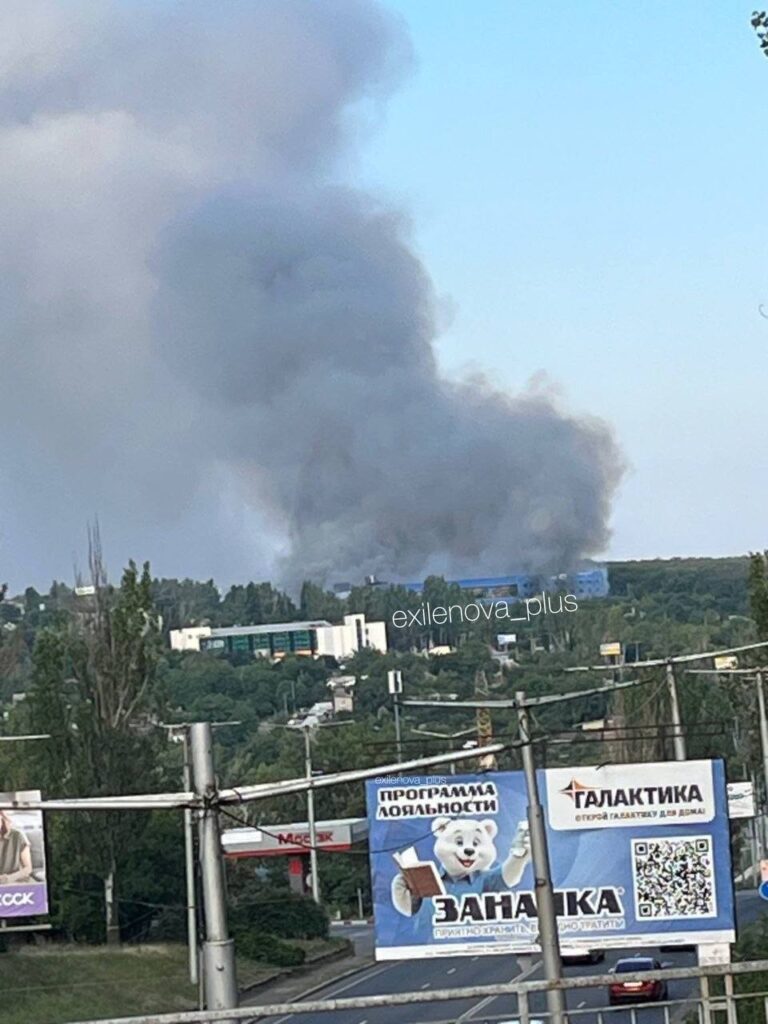
The summer strikes have hit rail bridges, oil depots, and power infrastructure. These aim to cut supply lines and blind Russian air defenses as drones approach. To pry open a "window" for those drones, the force destroyed more than 300 air defense assets in recent months. Those included surface-to-air systems, radar stations, and electronic-warfare equipment.
Where Starlink connectivity reaches, an average of three drones can now destroy even a heavily defended target, Brovdi said. In turn, his crews match the munitions to each aim. One mix suits a bridge pier; another fits a fuel truck or a moving train. Even so, his forces avoid civilian infrastructure, he added. Still, strikes on the power grid have cut electricity for residents. Brovdi said he has twice publicly apologized to Ukrainians living in Crimea.
He also pointed to one measure of progress. Across four recent large-scale Russian barrages from the peninsula, launch sites fired only five missiles in total. He credited that drop, however, to the destruction of Russian air defenses. The AP could not independently verify the claim.
Forcing Russia off the peninsula
Much of Russia's Soviet-era air defense runs on the power grid. That is one reason Crimea's electricity network keeps drawing fire. As a result, losing power leaves Russian soldiers "blind," Brovdi said, with only machine guns and rifles.
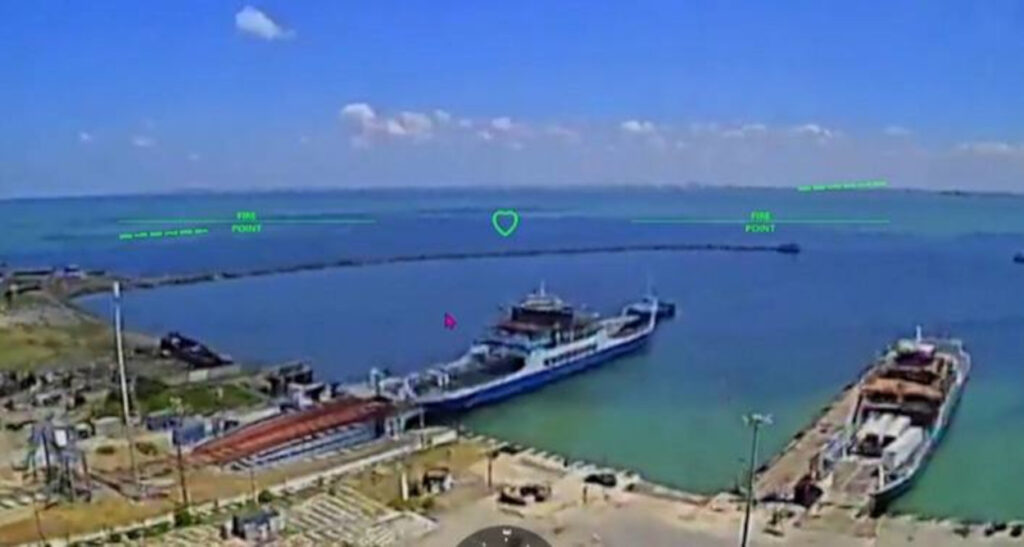
Meanwhile, Ukraine is working to dismantle Crimea's role as a naval base. "Creating conditions that make it impossible for any kind of military capability … to remain there will make Crimea uninteresting … as a military staging ground," he said.
The offensive began in late June. Two weeks in, Ukrainian intelligence indicated Russia had ordered its military commands and security services off the peninsula, Brovdi said. In addition, a covert order called for removing secret archives and artworks. The AP could not independently verify the account.
Russian countermeasures and the missile threat
Russia is pushing back against the Crimea campaign. It is installing jamming systems that will degrade Starlink to some degree, Brovdi said. Russia is also building its own satellite network to rival the service. "This is a risk for the entire planet," he said, "because a dictatorship will gain access to information across the whole globe."
Other threats are mounting as well. Jet-powered Shahed drones are harder for Ukraine to shoot down. Their concentration has risen two and a half times in recent weeks, he said. Moreover, Russia can now fire a simultaneous salvo of 77 ballistic missiles and plans to raise that to 200. As a result, the danger is pressing. Ukraine is short of interceptors for the US-made Patriot, its only defense against ballistic missiles.
"Even if they only manage half of that, it will all be flying at us," Brovdi said. The only way to bring the number down is to hit every facility that builds the missiles, he added. That, he said, is why Ukraine's long-range strikes inside Russia matter.
Wildberries in the crosshairs
One civilian-facing target Brovdi named was Wildberries, Russia's largest online marketplace. Many call it the country's answer to Amazon. "Wildberries is, first of all, a supply platform—it's the war's quartermaster," he said. The company also runs a dedicated section selling goods for Russia's military, he noted.
For now, these strikes aim to make ordinary Russians feel the war directly. He declined to give a timeline. Instead, the strikes will continue "until it becomes impossible for it to recover quickly," he said.
Finally, he cast the retailer as a pressure point on morale. "Ultimately, Wildberries is, forgive the expression, a consumer gambling addiction," he said, comparing lost access to restrictions on social media. "It turned out to be a sensitive sensor of the comfort of Russia's massive population—people who consider themselves completely untouched by the actions of the aggressor country."