Vue normale

  • ✇Euromaidan Press
  • Estonia probes Russian link in suspected arson at military robot maker supplying Ukraine
    Estonia is investigating whether Russia was behind a suspected arson attack at a Tallinn building used by Milrem Robotics, Prime Minister Kristen Michal said on 18 August. Officials have not released evidence yet connecting Moscow to the fire. The fire hit a site used by a defense contractor that makes unmanned ground vehicles, including THeMIS vehicles used in Ukraine. The Estonian investigation into the Milrem fire comes amid suspected or confirmed arson plots ag
     

Estonia probes Russian link in suspected arson at military robot maker supplying Ukraine

19 août 2026 à 10:53

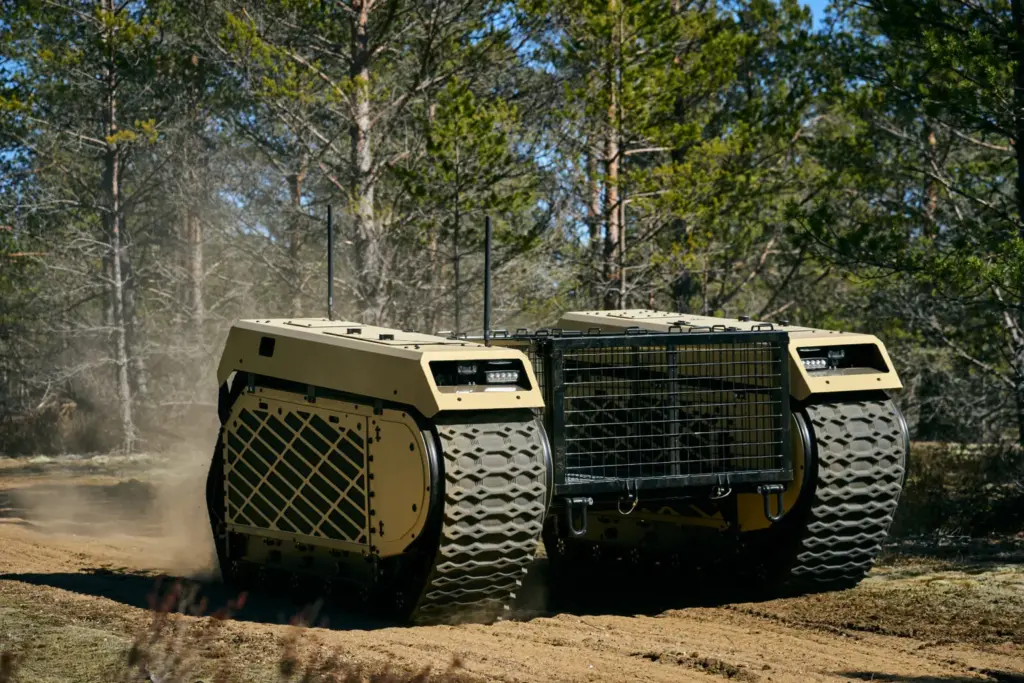
A Milrem THeMIS unmanned ground vehicle crosses sandy terrain in a forest, raising dust behind its tracks.

Estonia is investigating whether Russia was behind a suspected arson attack at a Tallinn building used by Milrem Robotics, Prime Minister Kristen Michal said on 18 August.

Officials have not released evidence yet connecting Moscow to the fire.

The fire hit a site used by a defense contractor that makes unmanned ground vehicles, including THeMIS vehicles used in Ukraine. The Estonian investigation into the Milrem fire comes amid suspected or confirmed arson plots against other European factories supplying Ukraine.

Estonian prosecutors said the fire, which began overnight into 15 August, may have been deliberately set. A resident reported suspicious activity nearby. Investigators identified suspects and asked a court to detain them. No one was injured, and Milrem CEO Kuldar Väärsi told the Estonian outlet Postimees that it was too early to assess the damage.

The company executive said the site was not an office building but declined to identify its contents or what was damaged, including whether unmanned ground vehicles were inside. The company has not said whether production or deliveries were affected.

milrem building in tallinn where the fire on 14-15 august 2026 occured
The building used by Milrem Robotics on Betooni Street in Tallinn, where the fire occurred overnight on 14–15 August 2026. Screenshot: Google Maps Street View

Milrem’s THeMIS vehicles have operated in Ukraine since 2022. By 2023, the company had delivered 15 of the vehicles to Ukrainian forces and border guards. A Dutch-funded order for more than 150 additional vehicles followed in 2025. A new Dutch production line began making them in June 2026 and handed over its first vehicles for Ukraine.

Other factories supplying Ukraine have faced arson

In March, a fire damaged a Czech facility belonging to LPP Holding, which had supplied hundreds of AI-guided drones to Ukraine. Czech authorities investigated possible terrorism and later detained a fourth suspect.

In January, Lithuania charged six people over an attempt to burn a factory supplying radio-wave scanners to Ukraine. Investigators said Russia-based organizers with GRU links coordinated the operation and connected the network to attempted attacks elsewhere in Europe.

Estonia has traced earlier attacks to Russian intelligence

Estonia has also uncovered Russian-directed attacks on its own territory. In 2024, Estonia’s security service detained 10 people over a Russian-coordinated operation that included damaging cars belonging to then-Interior Minister Lauri Läänemets and a journalist and defacing monuments. Officials said the operation sought to spread fear and tension. Journalists from The Insider, Re:Baltica, and Delfi reported how the GRU recruited Baltic residents for vandalism and arson.

In 2025, an Estonian court found that a Moldovan national working for the GRU burned a supermarket as a trial run before firebombing a Ukrainian restaurant in Tallinn. His cousin filmed the second attack.

Those cases explain why investigators are examining a possible Russian role in the Milrem fire, but they do not establish who caused it.
  • ✇Euromaidan Press
  • Two officers, 101 soldiers—Ukraine’s newest homecoming from Russian cells
    Ukraine has brought another 103 servicemembers home from Russian captivity in the first stage of a new prisoner exchange, the Coordination Headquarters for the Treatment of Prisoners of War reported on 19 August 2026. Most of the returning defenders are wounded or seriously ill after captivity that, for some, reached back to 2022, the year of Russia's full-scale invasion. The United States and the United Arab Emirates helped organize the swap, the headquarters said. Ami
     

Two officers, 101 soldiers—Ukraine’s newest homecoming from Russian cells

19 août 2026 à 10:40

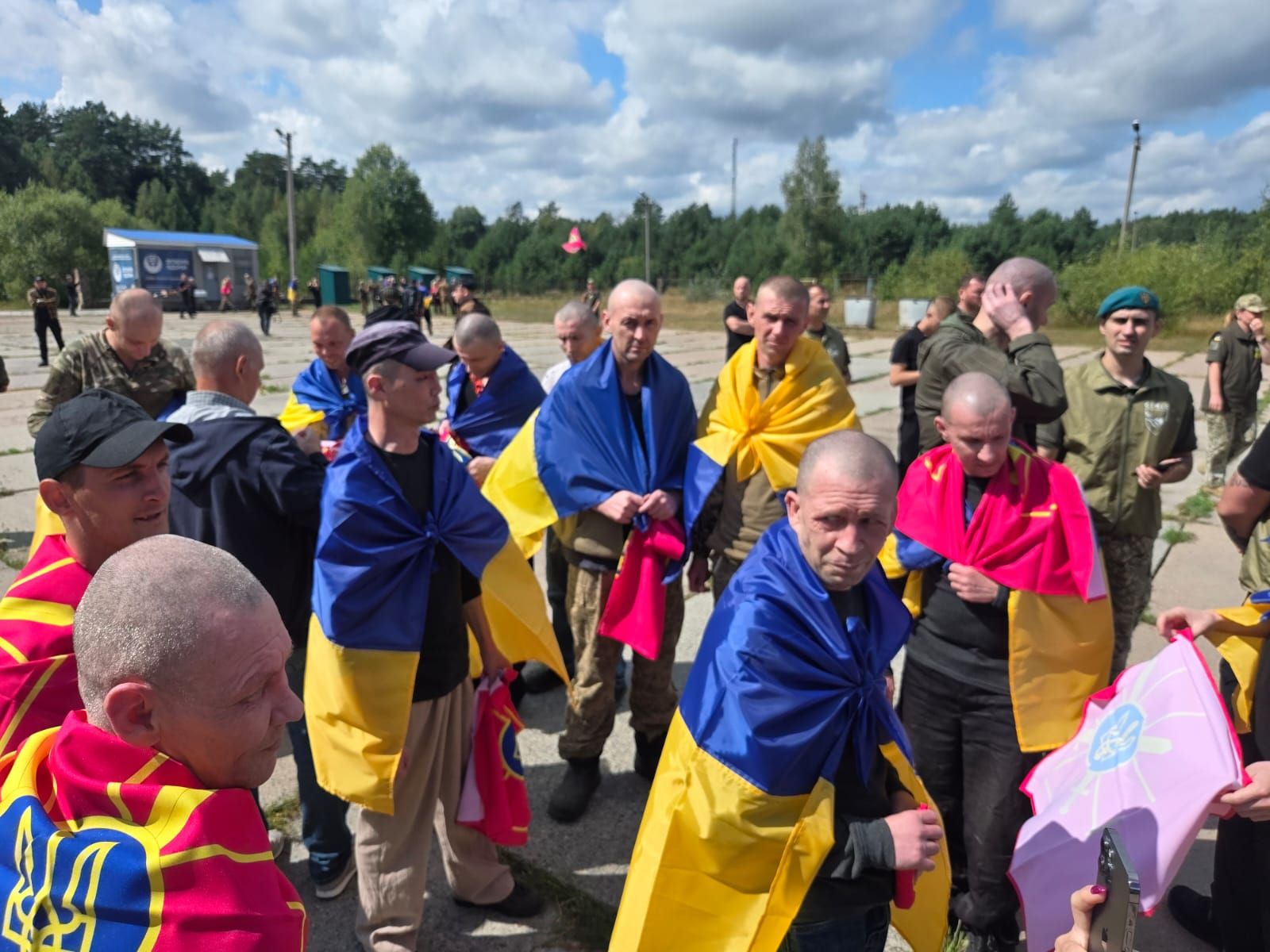
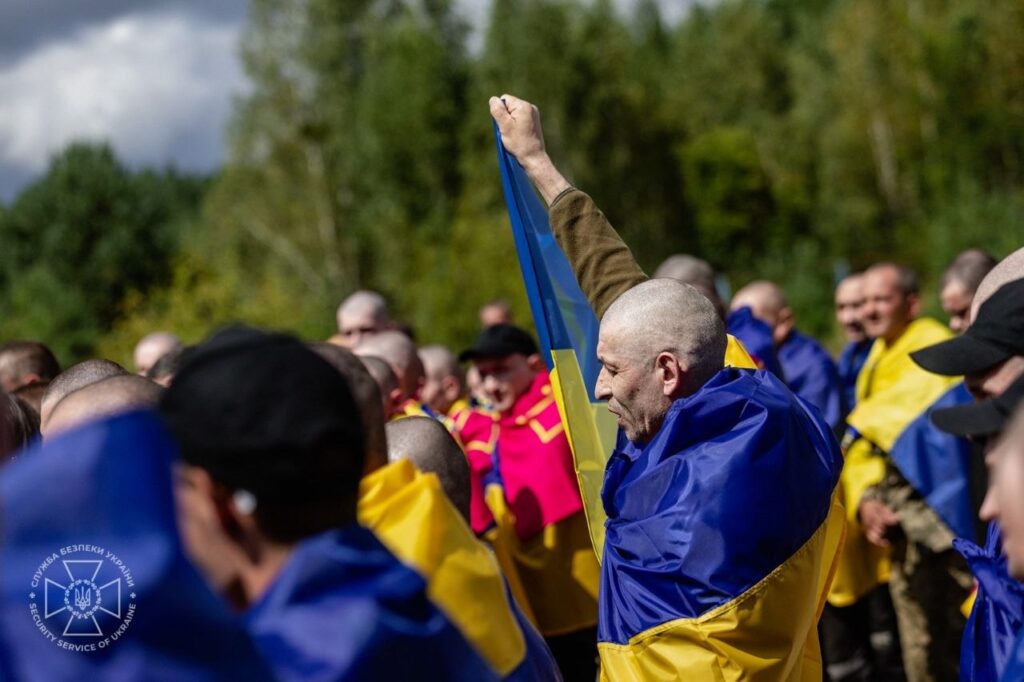
two officers 101 soldiers—ukraine's newest homecoming russian cells · post freed ukrainian defender raises fist among fellow released captives wrapped national flags 19 2026 4 pow exchange sbu5199714552638020898 ukraine news

Ukraine has brought another 103 servicemembers home from Russian captivity in the first stage of a new prisoner exchange, the Coordination Headquarters for the Treatment of Prisoners of War reported on 19 August 2026. Most of the returning defenders are wounded or seriously ill after captivity that, for some, reached back to 2022, the year of Russia's full-scale invasion. The United States and the United Arab Emirates helped organize the swap, the headquarters said.

Amid Moscow's full-scale invasion, prisoner swaps have become one of the few channels that still functions between Kyiv and Moscow, and each one hinges on how many enemy captives one side can put on the table for the next round. Thousands of Ukrainian soldiers and, separately, civilians remain in Russian hands, and each release still returns only a fraction of the people whose families are waiting for them.

Who came home

The freed group covers nearly every branch of Ukraine's forces. It includes members of the Armed Forces, the Navy, Territorial Defense, the National Guard and the State Border Guard Service. Alongside soldiers and sergeants, several officers were released.

The SBU said the return of the 103 Ukrainian defenders was coordinated by the Joint Center for the Search and Release of Prisoners of War, the Coordination Headquarters for the Treatment of POWs, and other authorized agencies.

📹SBU pic.twitter.com/nr5VabHYtQ

— Euromaidan Press (@EuromaidanPress) August 19, 2026

The Coordination HQ detailed the composition. The Defense Ministry accounted for 92 of those freed, and the Interior Ministry for 11. Two of the returnees are officers, the rest enlisted personnel and NCOs. Interior Minister Ivan Vyhivskyi said his ministry's 11 broke down into five National Guardsmen and six border guards.

The defenders had been captured across the Donetsk, Luhansk, Kharkiv, Zaporizhzhia, Dnipropetrovsk, Kherson and Sumy directions, as well as at Mariupol. The single largest share, 72, fell on the Donetsk front. The youngest freed defender was born in 2000, and the oldest is 59.

two officers 101 soldiers—ukraine's newest homecoming russian cells · post freed ukrainian prisoners war officials pose military flags after returning captivity 19 2026 1 pow exchange sbu5199714552638020893 ukraine news reports
Freed Ukrainian prisoners of war and officials pose with military flags after returning from Russian captivity, 19 August 2026. Photo: Security Service of Ukraine

Years behind Russian bars

The captures span the entire full-scale war. One of those freed had been held since 2022, 16 since 2023, and 48 since 2024. Another 31 were seized in 2025 and seven this year. By the same tally, the International Committee of the Red Cross had confirmed the captivity of 102 of the group before the handover, with a single case verified through other sources.

A previous swap in late June returned 160 defenders, all of them held since 2022.

two officers 101 soldiers—ukraine's newest homecoming russian cells · post freed ukrainian servicemen wrapped national flags gather after returning captivity 19 2026 5 pow exchange координаційний штаб ukraine news reports
Freed Ukrainian servicemen wrapped in national flags gather after returning from Russian captivity, 19 August 2026. Photo: Coordination Headquarters for the Treatment of Prisoners of War

Wounded and ill

The released defenders will undergo full medical examinations, receive physical and psychological rehabilitation, and obtain the state payments provided by law. The head of the President's Office, Kyrylo Budanov, said doctors were already doing everything necessary for the returnees, most of whom came back with wounds and serious illness.

Their condition fits a wider pattern Ukrainian officials have described, in which Russia starves most captives and executes many surrendered soldiers on the battlefield.

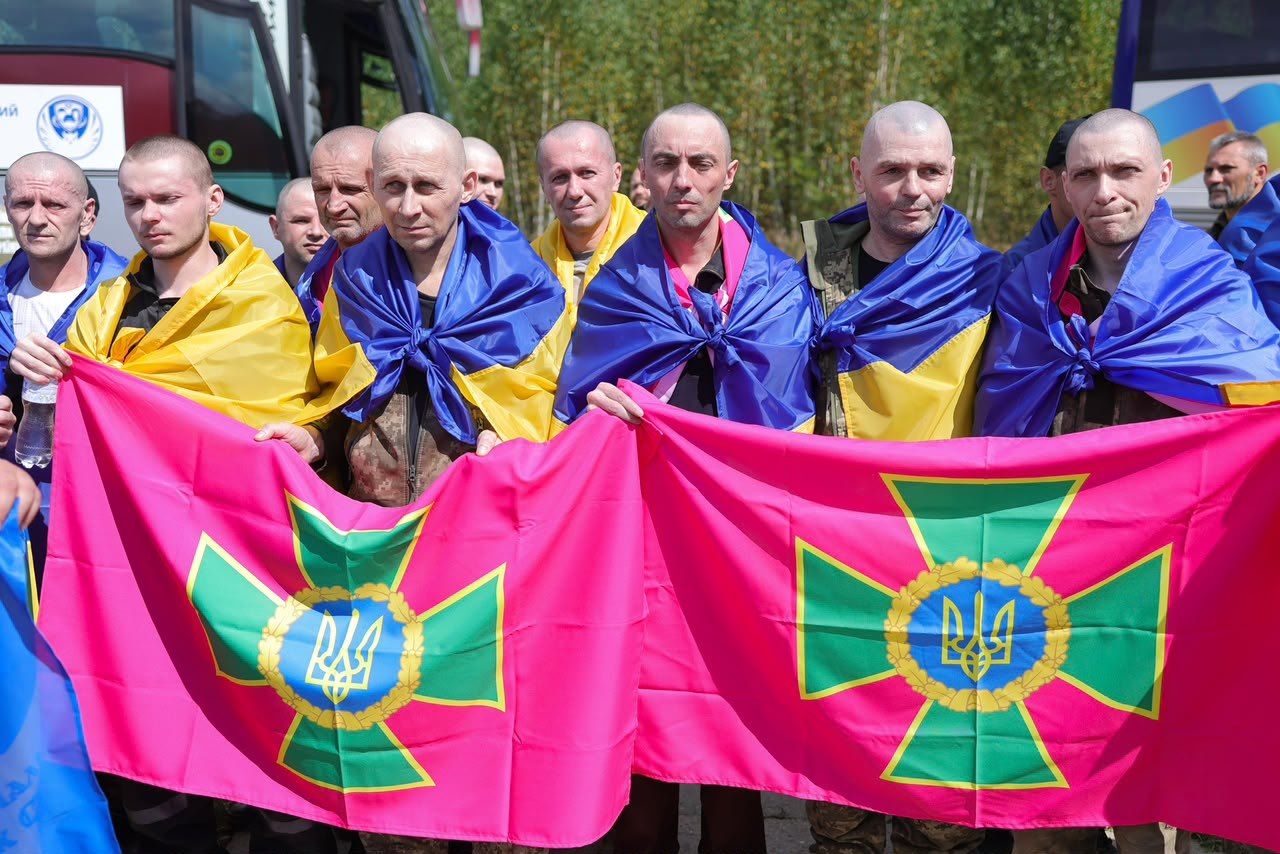
two officers 101 soldiers—ukraine's newest homecoming russian cells · post released ukrainian defenders hold state border guard service flags after return captivity 19 2026 2 pow exchange іван вигівський мвс5199720694441253107
Released Ukrainian defenders hold State Border Guard Service flags after their return from Russian captivity, 19 August 2026. Photo: Ivan Vyhivskyi / Interior Ministry

"We remember everyone still in captivity"

President Volodymyr Zelenskyy said the freed included men who had defended Mariupol. 

"We remember every man and every woman still held captive. We are doing everything possible to bring all our people home," he said.

two officers 101 soldiers—ukraine's newest homecoming russian cells · post freed ukrainian servicemen wrapped national flags gather after returning captivity 19 2026 5 pow exchange координаційний штаб ukraine news reports
Freed Ukrainian servicemen wrapped in national flags gather after returning from Russian captivity, 19 August 2026. Photo: Coordination Headquarters for the Treatment of Prisoners of War

The Security Service of Ukraine noted the swap ran through the joint center it operates to coordinate the search and release of prisoners. Oleh Ivashchenko, chief of the Main Directorate of Intelligence (HUR) and head of the Coordination Headquarters, met the returning defenders in person. 

Polish prosecutors charge a woman over an attack on Ukrainian children. Consulate says the siblings were targeted for speaking Ukrainian

19 août 2026 à 07:55

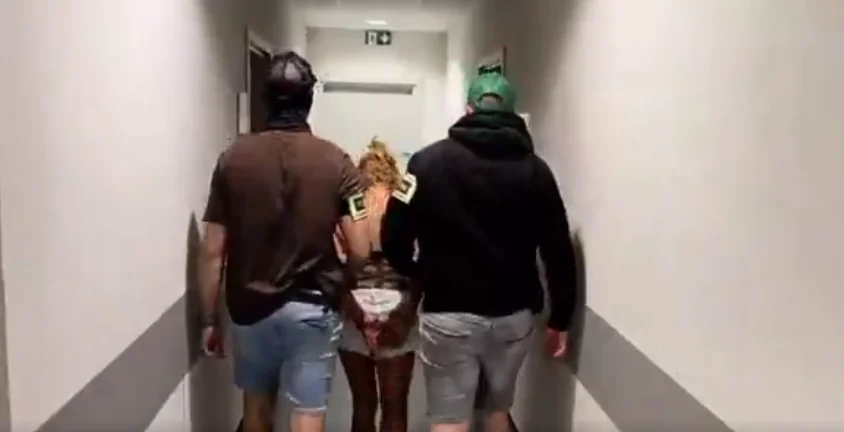
polish prosecutors charge woman over attack ukrainian children consulate says siblings were targeted speaking · post police escort one two women detained connection ukrainians poznań poland 14 2026 marcin kierwiński/x

Polish prosecutors have charged a 46-year-old woman over a nationality-based attack on two Ukrainian siblings in Bydgoszcz, days after police detained her and a 34-year-old man, whom they questioned as a witness, Polish Radio's Ukrainian Service reported the detentions on 18 August 2026, with the charges filed the same evening.

The detentions came four days after the alleged attack in a park near Bydgoszcz’s main railway station. The Bydgoszcz-North district prosecutor charged the woman with insulting the siblings and violating a minor's bodily integrity on nationality grounds. She denied intentionally insulting or assaulting the children and gave police a different account of the encounter.

The case comes amid rising reports of suspected hate crimes against Ukrainians and worsening relations between Warsaw and Kyiv. Police received 180 such reports in the first half of 2026—about one a day. At that pace, 2026 would end more than 30% above 2025 and nearly 35% above 2024.

Prosecutors charged only the woman; the 34-year-old man detained with her was questioned as a witness, even though the mother and the consulate described both adults as aggressors. The prosecutor placed her under police supervision, imposed a no-contact order, and set bail at 5,000 zł ($1,340). The destruction of the boy's toy drone was treated as a misdemeanor because the toy was worth just over 100 zł ($27).

The siblings—a 14-year-old girl and her 12-year-old brother—were playing with a toy drone in the park when the adults confronted them about using it, their mother told police. The Ukrainian consulate said the adults also insulted and threatened the children after hearing them speak Ukrainian.

They twisted a child’s arm, broke a toy drone, and threw fragments at the boy,” Ukraine’s Consulate General in Gdańsk said.

The consulate said the fragments scratched the boy but caused no serious injury.

Other attacks on Ukrainians in Poland

The Bydgoszcz case is one of several recent assaults involving Ukrainian victims.

Police detained two women on 14 August over an attack on Ukrainian men outside a Poznań restaurant the previous day. A video showed one woman insulting, spitting at, and striking the men.

In July, three men allegedly beat a Ukrainian couple in Wrocław after asking whether they were Ukrainian. In Łódź, a man allegedly attacked a passerby he mistook for Ukrainian, breaking his nose and jaw.

The violence has prompted public protests. On 9 August, the Committee for the Defense of Democracy organized “Don’t be indifferent” rallies in 22 cities. Two days earlier, Warsaw organizers delivered a petition with more than 11,000 signatures calling for government action against attacks on Ukrainians.

Deepening Polish-Ukrainian rift and decline in relations

The rise in anti-Ukrainian violence in Poland has unfolded amid worsening political relations between Kyiv and Warsaw. Polish support for accepting Ukrainian refugees fell from 94% in March 2022 to 48% by early 2026, while politicians increasingly use Ukraine as a wedge issue.

Historical disputes over the Volhynia massacres and the Ukrainian Insurgent Army (UPA) have also strained relations. The rift sharpened after Zelenskyy signed a decree granting a Ukrainian special forces unit the honorary title “Heroes of the UPA.” Polish President Karol Nawrocki announced on 19 June that he had decided to revoke Zelenskyy’s Order of the White Eagle, Poland’s highest state honor.

  • ✇Les carnets d'Anna Colin Lebedev
  • L’appel aux élections de Mykhailo Fedorov: un reboot démocratique?
    Un commentaire à chaud sur la vidéo enregisrée par l’ancien ministre de la défense Fedorov, où il formule une critique du fonctionnement politique du pays et appelle à des élections.Vous entendrez parler de crise politique, de fragilisation de l’équipe présidentielle, de l’émergence d’un opposant politique. Rien de cela n’est faux, on rentre dans une zone de turbulence. Mais pour moi, le vrai sujet n’est pas forcément là. Les critiques que l’ancien ministre fait dans sa vidéo ne sont pa
     

L’appel aux élections de Mykhailo Fedorov: un reboot démocratique?

19 août 2026 à 06:01

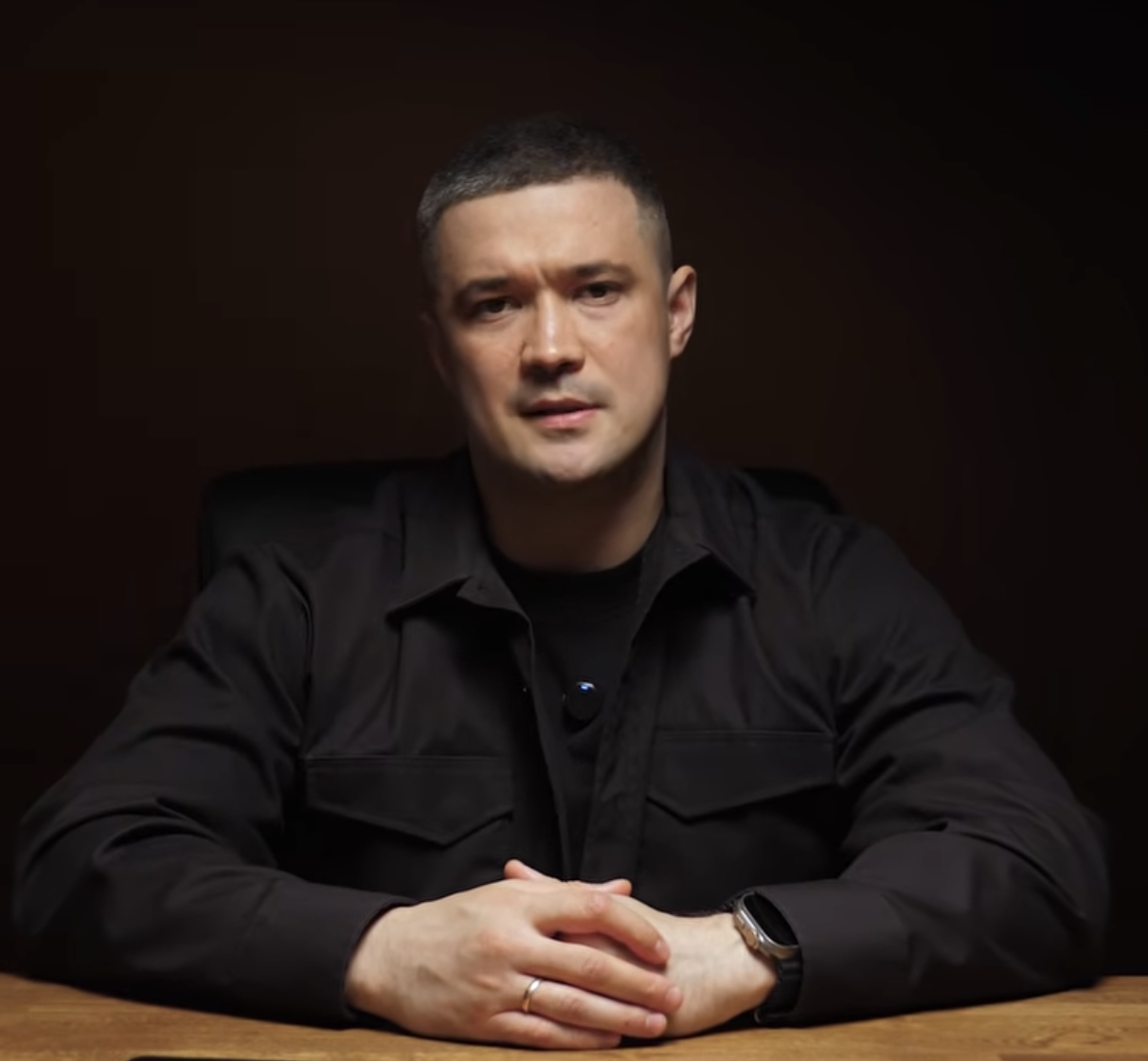
Un commentaire à chaud sur la vidéo enregisrée par l’ancien ministre de la défense Fedorov, où il formule une critique du fonctionnement politique du pays et appelle à des élections.
Vous entendrez parler de crise politique, de fragilisation de l’équipe présidentielle, de l’émergence d’un opposant politique. Rien de cela n’est faux, on rentre dans une zone de turbulence. Mais pour moi, le vrai sujet n’est pas forcément là.

Les critiques que l’ancien ministre fait dans sa vidéo ne sont pas nouvelles. Elles sont partagées par un grand nombre d’Ukrainiens: nécessité de faire vivre la démocratie, critique de la gestion d’équipe par le président, inacceptabilité de la corruption en temps de guerre. Comme je l’ai dit à plusieurs reprises, les Ukrainiens savent faire la part des choses entre ce qu’ils reprochent à leur président et à leur parlement, et la nécessité de soutenir leurs institutions pour préserver la souveraineté de l’Etat. Mais tout le monde sait que le jour où les élections se tiendront, ce bilan va peser.

Sur le fond, les critiques de Fedorov ne sont pas le signe d’un dysfonctionnement politique, mais plutôt d’un fonctionnement assez sain. Un acteur politique de premier plan se positionne comme une alternative à Zelensky. Ce n’est pas un militaire mais un civil; ce n’est pas non plus quelqu’un d’étranger à la défense de l’Ukraine. C’est une personnalité qui a des soutiens dans la société; il est populaire dans les milieux tech des forces armées et de la société. Fedorov a clairement la posture d’un canddiat à la prochaine présidentielle. Et c’est tout ce que l’on peut souhaiter à une démocratie: une pluralité de candidats portant des projets sérieux. Que cet opposant potentiel soit issu du cercle même des proches de Zelensky est aussi, finalement, très banal dans un fonctionnement démocratique. Il y a peut-être une crise politique, mais pas de crise systémique.

Ce qui est nouveau dans l’adresse de Fedorov, c’est cependant l’idée que les élections sont possibles. L’argument politique est recevable: la guerre s’est installée dans la durée, refuser la tenue d’élections, c’est aussi donner à la Russie une victoire en la laissant rythmer le timing du jeu politique ukrainien. Mais Fedorov ne parle pas seulement du principe. Sans rentrer dans le détail, il dit: la tenue d’élections est possible. L’Ukraine doit retrouver un processus d’alternance démocratique, sans attendre la sortie de loi martiale.

Et là, il faut se rappeler qui est Fedorov: ancien ministre de la numérisation qui a transformé une bureaucratie d’imprimante et de papier en un système modernisé et rapide. Ancien ministre de la Défense qui a accompagné l’innovation et l’esprit d’initiative qui permettent aujourd’hui à l’armée ukrainienne d’accomplir des choses que personne n’avait anticipées. S’il travaille vraiment à un projet permettant de tenir des élections en temps de guerre, nous avons tout intérêt à suivre le sujet de près. J’imagine que le vote électronique sera au coeur de ce projet – collègues spécialistes du sujet, réglez vos radars, car ce sera riche d’enseignements.

J’attends la suite avec intérêt plus qu’avec inquiétude. Une fois de plus, l’Ukraine pourrait être là où personne ne l’attend.

Ukraine’s Ex-Defense Minister Calls for Election, Cementing Break With Zelensky

19 août 2026 à 08:53
Mykhailo Fedorov, a popular young leader who was fired last month, said Russia should not be allowed to dictate when Ukrainians can choose their next government.

© Jędrzej Nowicki for The New York Times

Mykhailo Fedorov in Kyiv, the Ukrainian capital, last month. He did not immediately put himself forward as a candidate to succeed President Volodymyr Zelensky.

Kyiv’s Dormition Cathedral is Revived After Russian Drone Strike

19 août 2026 à 05:29
Volunteers and priests rallied to clean up Kyiv’s Dormition Cathedral, still smelling of smoke from a massive blaze, for an anniversary celebration.

Nadiia Fesenko mopped the floor of the Dormition Cathedral, one of the main cathedrals of the Kyiv-Pechersk Lavra preserve, after it was struck by a Russian drone several weeks prior, in Kyiv, in July.

Wiretaps, a mocking codename, and a seized playbook—Ukraine’s anti-graft bureau reaches the President’s Office again

19 août 2026 à 05:23

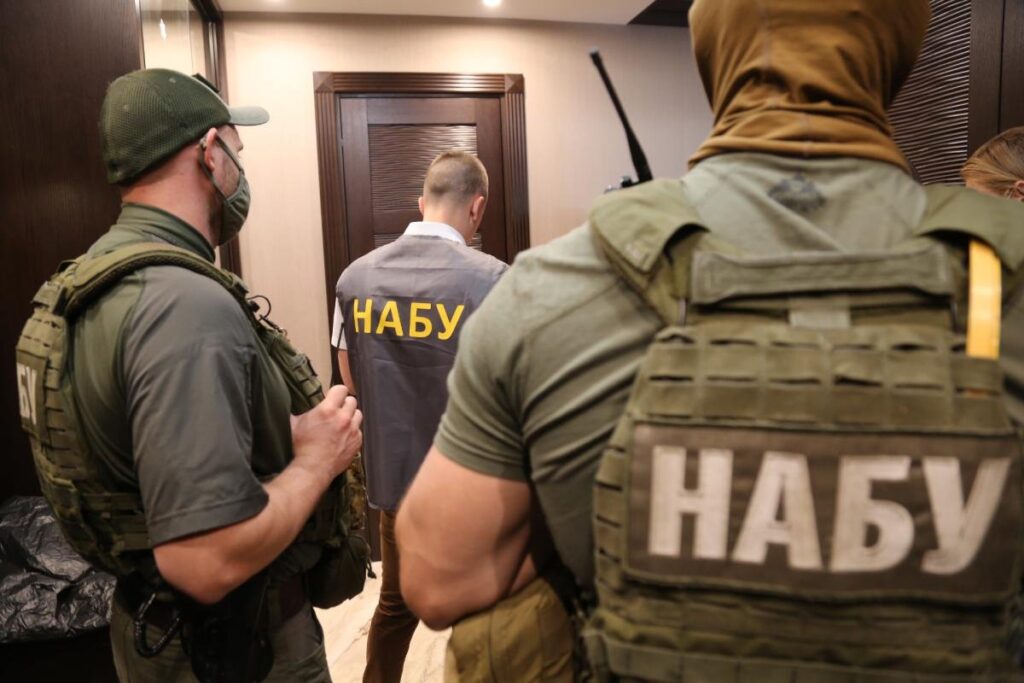
wiretaps mocking codename seized playbook—ukraine's anti-graft bureau reaches president's office again · post national anti-corruption (nabu) officers during search forest gump operation 19 2026 nabu ukraine news ukrainian reports

Ukraine's anti-corruption bureau and anti-corruption prosecutors opened a special operation against an alleged criminal organization reaching into the Office of the President, the two agencies said on 19 August 2026. Detectives said a sitting and a former lawmaker led the group, released a wiretap recording that points to the presidential administration, and seized a document laying out a plan to shape public opinion around the anti-corruption fight. Media reports place a deputy head of the President's Office among those searched, though investigators have not confirmed any names.

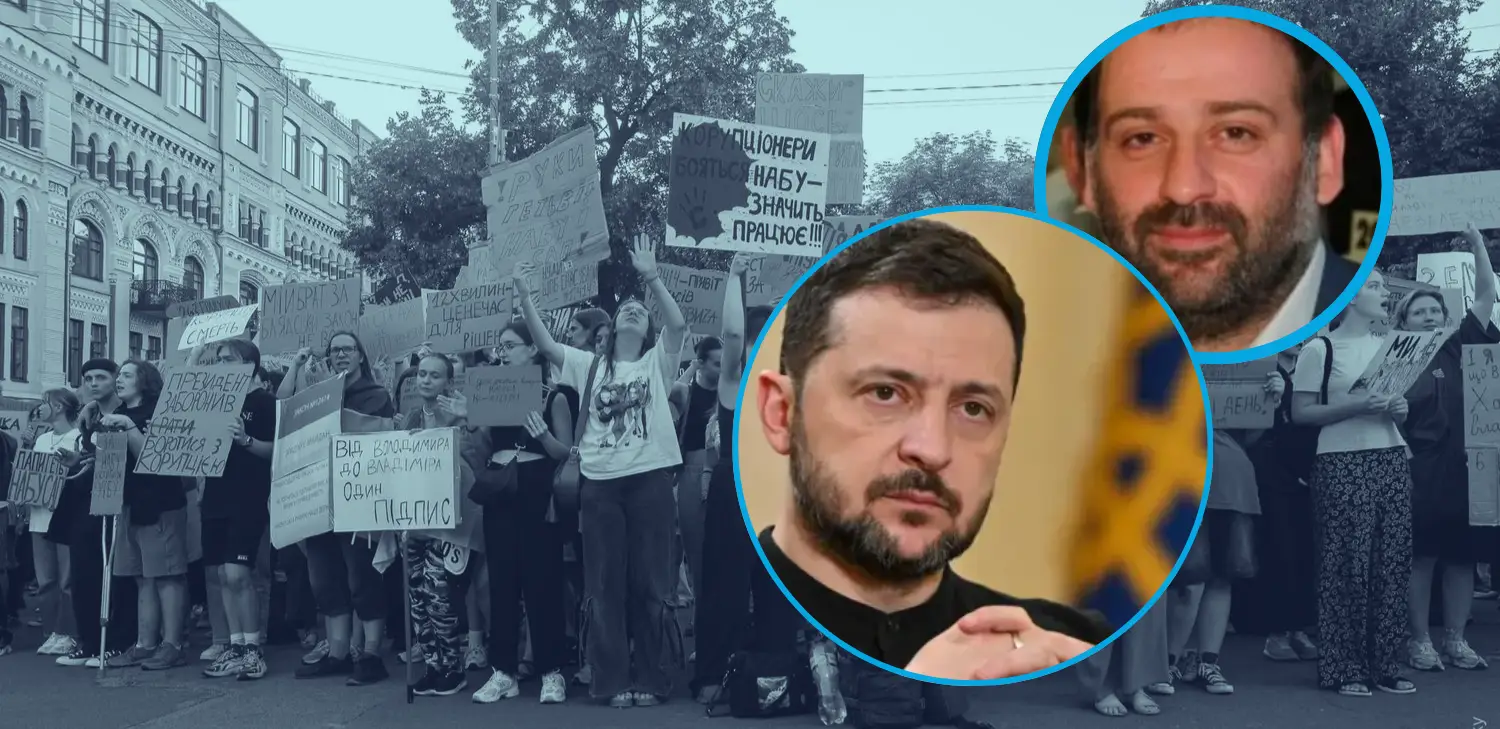
Corruption keeps surfacing close to the top in wartime Ukraine, and the country's young anti-graft agencies have shown they can act on it — even reaching the president's circle. Their independence has been fought over too: when the government moved to rein them in last year, Ukrainians took to the streets to defend them, and each new case tests whether the watchdogs still have teeth.

A case named after a Hollywood film

The National Anti-Corruption Bureau (NABU) and the Specialized Anti-Corruption Prosecutor's Office (SAP) ran searches on the morning of 19 August and unveiled the operation hours later. The two agencies said they had exposed an alleged criminal organization run by a sitting and a former member of parliament, with senior Office of the President officials taking part, the bureau said. It promised further details later.

The operation carries a mocking name, Forest Gump, drawn from the suspects' own words. In a 47-second recording of intercepted conversations, one man ties the label to how the group allegedly hid money. 

"We've got Saving Private Ryan, right? But only an idiot would register the theft of money—and their tuition on top of it—on their own children. That's why, Forest Gump," he says.

Other fragments reference cash and the presidential administration directly. "Well, there are four bags of money there," one voice says on the tape. Another adds: "If we do this, you can drive to the Office of the President yourselves. Believe me. I can see it."

Ukraine anti-corruption Mindich NABU
Explore further (a 2025 article)

Zelenskyy tried to kill NABU. Then it exposed his friend’s $100M scheme.

The document found in the search

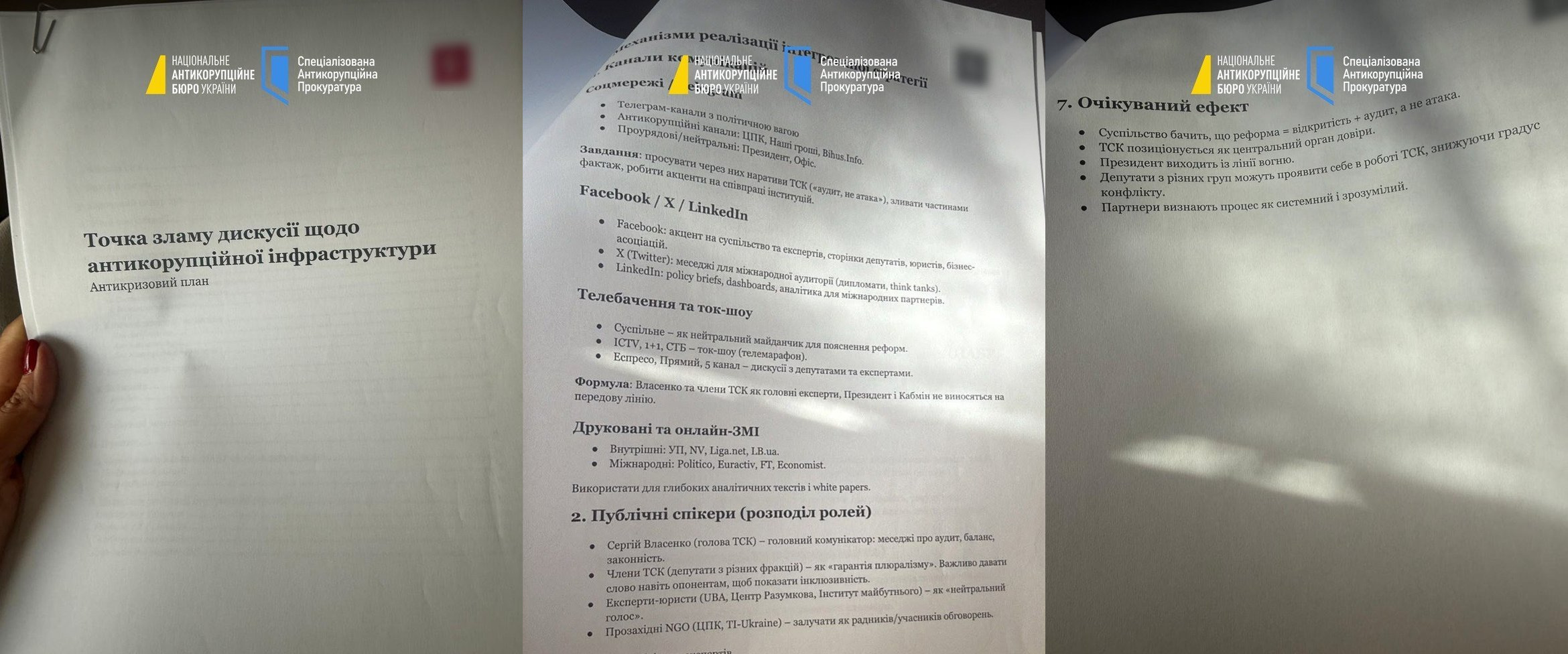
During the searches, NABU said, agents recovered a document containing an "anti-crisis" communications plan built around the work of a temporary investigative commission in Ukraine's parliament. The bureau described it as a set of communication steps and messages aimed at managing the public situation around that commission.

The plan maps out a media campaign across Telegram, social platforms, talk shows, and named Ukrainian and international outlets. It casts the commission head as the main voice, frames the effort as “audit, not attack,” and aims to build trust in the commission while shielding the President and Cabinet.

wiretaps mocking codename seized playbook—ukraine's anti-graft bureau reaches president's office again · post pages anti-crisis communications plan during nabu sap searches 19 2026 finding ukraine news ukrainian reports
Pages of the "anti-crisis" communications plan seized during NABU and SAP searches, 19 August 2026. Photo: NABU

Who investigators are said to be targeting

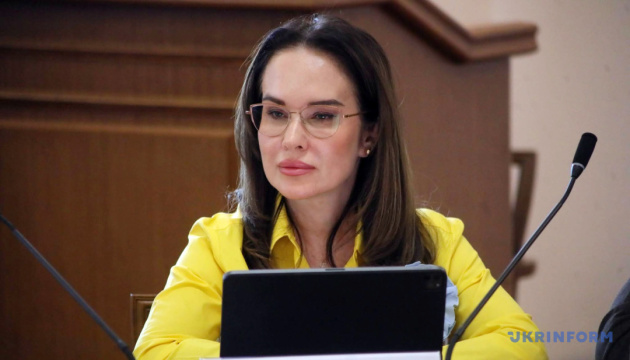
Media reports say the investigative actions include searches at Iryna Mudra, a deputy head of the Office of the President. A source told Ukrinform that detectives were working at Mudra, who oversees judicial reform and the creation of a special tribunal on the crime of aggression against Ukraine. NABU said it would not comment on the ongoing actions for now.

wiretaps mocking codename seized playbook—ukraine's anti-graft bureau reaches president's office again · post deputy head president iryna mudra заступниці керівника офісу президента ірини мудрої ukraine news ukrainian reports
Deputy head of the Office of the President Iryna Mudra. Photo: Ukrinform

Beyond Mudra, the case reportedly involves member of parliament Vadym Stolar and former lawmaker Maksym Mykytas, along with Justice Ministry officials, RBC-Ukraine reported

The raids reach a state-linked bank

NABU also searched Sens Bank's supervisory board, including suspended chair Mykola Hladyshchenko, sources told Ekonomichna Pravda — a thread running back to the "Mindich tapes," where those under investigation discussed lining up the bank's board seats as their own "quotas." The recording also echoed that case's reported detail: a former minister's son schooled at a Swiss college costing up to $200,000 a year, which the tape's "children's tuition" line appears to touch.

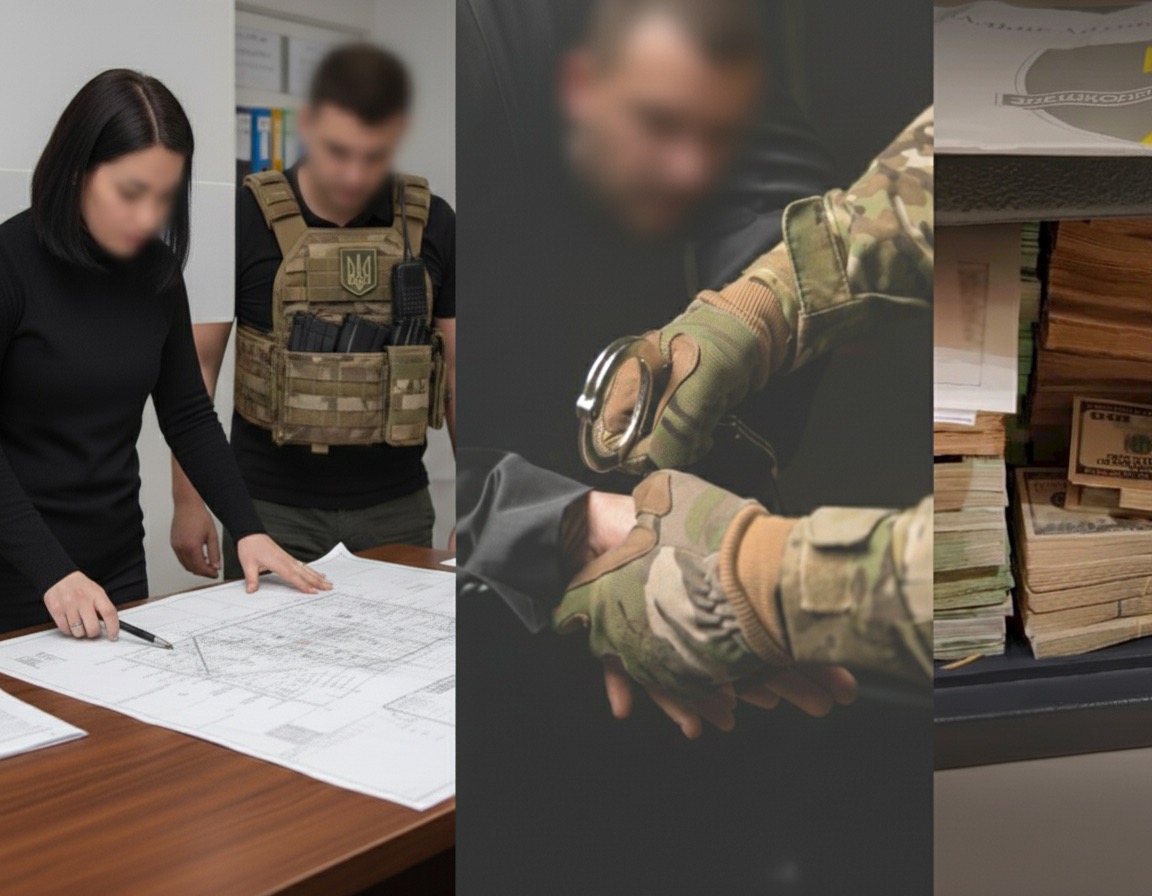
Composite image showing NABU anti-corruption operation: investigators reviewing documents at table, tactical officer conducting search, and stacks of seized currency bills from November 2025 raids into alleged $100 million kickback scheme at Energoatom nuclear operator
Explore further (a 2025 article)

The Mindich tapes: anti-graft recordings expose Zelenskyy associate’s $100M nuclear operator protection racket

Echoes of the Mindich tapes

The operation lands atop a major graft scandal of Ukraine's wartime politics. In November 2025, NABU unveiled the Mindich tapes, documenting a $100 million kickback network around state nuclear operator Energoatom and reaching President Volodymyr Zelenskyy's former business partner. The case later widened to touch other parts of Ukraine's defense and energy sectors. It followed a summer 2025 attempt to curb the anti-corruption bodies' independence, which mass protests forced the authorities to reverse.

❌