
❌

Vue normale

Ukraine’s war leadership sets new electronic warfare tasks as Russia’s jet-powered drones slip past nearly half of its air defenses
6 octobre 2026 à 16:19

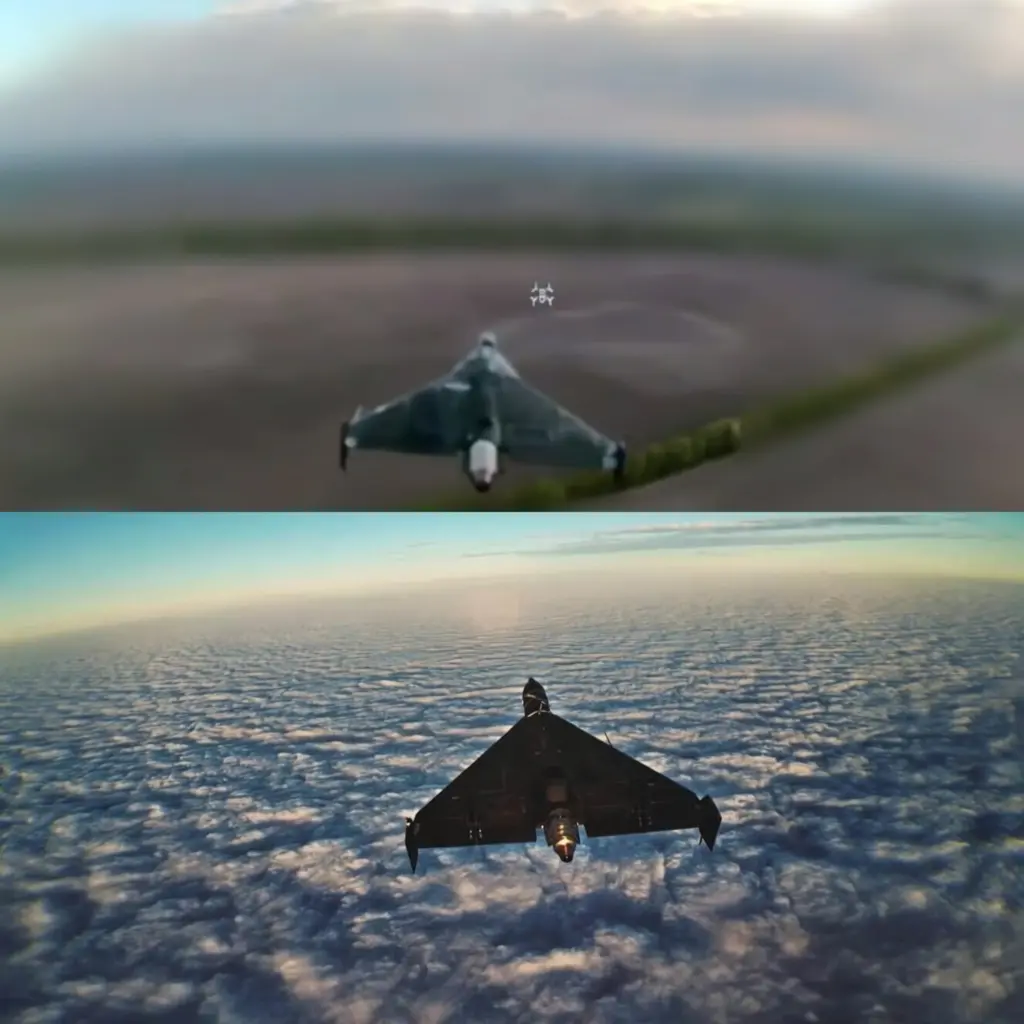
Geran-4" is an evolution of the earlier "Geran-3" model

Russia keeps upgrading its jet-powered drones, and Ukraine's electronic warfare is racing to keep up. Kyiv has set extra tasks for its military and manufacturers to scale up the most effective electronic warfare approaches, President Volodymyr Zelenskyy said after a meeting of the Supreme Commander-in-Chief's Staff on electronic warfare and infrastructure protection.

Russia keeps modifying its jet-powered Shaheds to beat each new Ukrainian defense, and Ukraine's answers have to keep pace. The race is tight: from 1 to 26 September, air defenses downed only 55 percent of the 2,730 new jet-powered drones, against 90% of the slower ones.

Hidden relays blunt Kyiv's jammers

Jamming has to improve because Russia keeps finding new ways around it. On 3 October, presidential adviser Serhii "Flash" Beskrestnov said someone had installed Russian MESH radio repeaters in Kyiv, a short control channel that guides Shahed drones onto their targets. As long as they are there, he said, closing the city with electronic warfare will not be effective.

"As long as online control of drones exists, not only the bridges but the air defense assets will be under threat," Flash stressed.

Sanctions aim at the supply chain

Beyond the jamming task, the Staff turned to where Russia gets the parts for those drones. Defense Intelligence reported on Russia's technological priorities for this year and next, and on supplies of critical components and equipment for its weapons production, Zelenskyy said.

New sanctions packages will follow, with Defense Intelligence due to send proposals to the Ukrainian government and the National Security and Defense Council, and Ukraine is working to align its sanctions with partners' jurisdictions.

The Staff also set the main tasks for supplying Ukrainian forces with long-range drones next year.

"The main criterion is that we must be able to respond in kind to Russian strikes," Zelenskyy emphasized.

Those parts, and the drones built from them, keep changing

In August, Intelligence Deputy Chief Vadym Skibitskyi said Russia remained fully dependent on Chinese turbojets for the Geran-4 and Geran-5, each costing about $35,000 to $40,000.

However, two months later, Ukraine reported the Geran-4 had received a locally built engine and a new optical navigation system. Kyiv has to stay attuned to changes to keep pace with the technology race, and so far, it is still trying to catch up rather than get ahead.
  • ✇Euromaidan Press
  • Ukraine’s civilian casualties 55% higher in first eight months than in the same period in 2025, UN says
    The UN Human Rights Office verified some 15,280 civilian casualties in Ukraine during the first eight months of 2026, 55% more than in the same period last year, UN High Commissioner for Human Rights Volker Türk said on 2 October. Türk's statement comes as Russia has begun its Winter 2026-2027 campaign of long-range strikes against Ukrainian energy infrastructure. The Institute for the Study of War (ISW) said Russian forces began the campaign in late September. Damage to energy infrastr
     

Ukraine’s civilian casualties 55% higher in first eight months than in the same period in 2025, UN says

6 octobre 2026 à 04:05

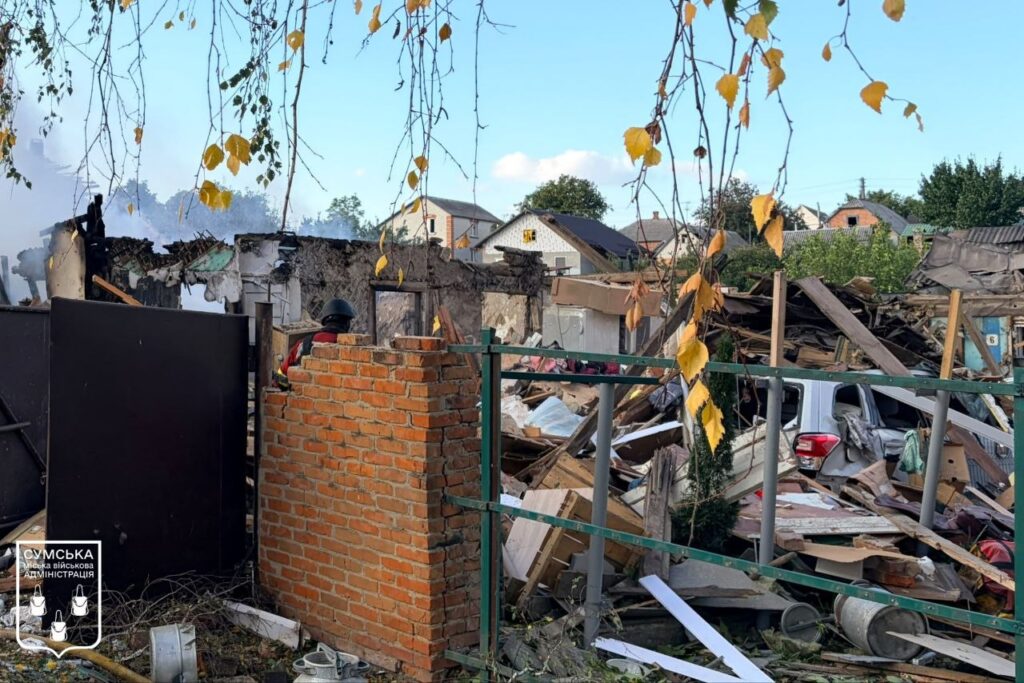
A house in Sumy destroyed in a Russian attack on 29 September.

The UN Human Rights Office verified some 15,280 civilian casualties in Ukraine during the first eight months of 2026, 55% more than in the same period last year, UN High Commissioner for Human Rights Volker Türk said on 2 October.

Türk's statement comes as Russia has begun its Winter 2026-2027 campaign of long-range strikes against Ukrainian energy infrastructure. The Institute for the Study of War (ISW) said Russian forces began the campaign in late September. Damage to energy infrastructure disrupt electricity, heating, and water supplies during the winter, increasing the risks to civilians.

Russian glide bombs killed and injured nearly 2,500 civilians in Donetsk, Kharkiv, Sumy, and Zaporizhzhia oblasts during the first eight months of the year, 62% more than in the same period last year, according to UN figures.

"As winter approaches, Ukrainians fear the worst is yet to come," Türk said.

On 4 October, Russia's Defense Ministry announced that it was intensifying strikes on infrastructure in Kyiv City and Oblast and across Ukraine, according to ISW.

Why Russia is turning to long-range strikes

ISW said Ukraine's 2026 battlefield successes "appear to be forcing" Russian President Vladimir Putin to shift focus from advances on the battlefield toward a winter campaign intended to compel Ukraine to surrender.

A week earlier, ISW assessed that Putin was likely attempting to force Ukraine to capitulate before spring 2027, with his theory of victory heavily relying on cheap, jet-powered Geran-type drones.

A toll rising all year

The 15,280 figure extends a trend the UN has tracked all year. Over the first seven months of 2026, its monitoring mission verified 1,839 civilians killed and 10,638 injured. In September, UN Under-Secretary-General Rosemary DiCarlo told the Security Council that more civilians were killed or injured in the first eight months of 2026 than in all of 2025.

❌