❌

Vue lecture

Trump declares immediate energy ceasefire between Russia and Ukraine. Zelenskyy says it was news to him, but Ukraine’s ready
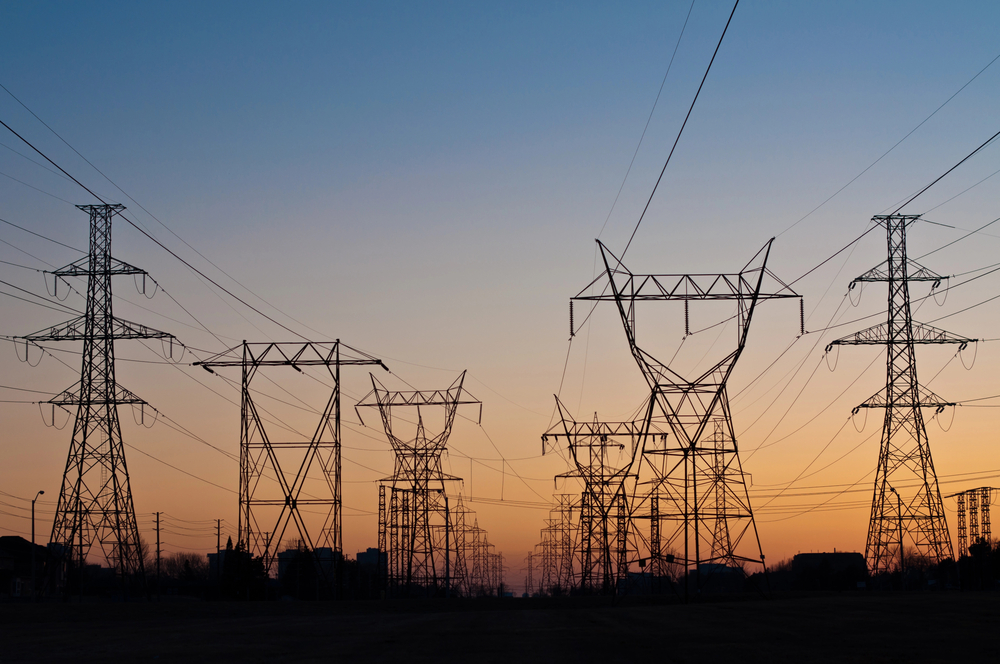
Nordic energy infrastructure power grid transmission towers silhouetted against sunset sky

US President Donald Trump has announced an immediate energy ceasefire in the war between Russia and Ukraine, saying both sides agreed to stop striking each other’s energy facilities, in a post on Truth Social. Ukraine, however, knew nothing about the deal.

Russia has spent the war hitting Ukraine's power plants, refineries, and grids, while Ukraine answered with strikes on its refineries and plants that produce missiles. If confirmed, a halt before winter would be a major break. Yet about seven minutes before Trump’s announcement, Russia struck at Kyiv’s thermal plant, cutting power to several districts of the capital at once.

“Effective immediately, there is an ENERGY CEASEFIRE in the War between Russia and Ukraine. Both parties have agreed. Do not break it!” Trump wrote.

News for Zelenskyy

President Volodymyr Zelenskyy told Axios the announcement “was news" for him. But if Russians agree to an energy ceasefire, Ukraine will agree, he added. Moscow gave no immediate confirmation.

The announcement follows days of friction over energy. Washington has just eased sanctions on Russian diesel and pressed Kyiv to stop hitting Russian refineries, while Russian strikes killed more than 80 Ukrainian civilians in two days.

A truce no one in Kyiv confirmed

Zelenskyy had already signaled Ukraine’s terms. He said on Sunday that Kyiv was ready to stop striking Russian refineries if Moscow halted its attacks on Ukrainian energy, so the condition was on the table before Trump spoke, not settled by him.

If Trump negotiated it with Putin, then he should say when the ceasefire begins, Zelenskyy added, underlining that Ukraine had not been party to any such agreement.

Ukrainians greet it with doubt

The reaction in Kyiv was wary. Trump already declared an energy ceasefire once, and Putin broke it within five minutes, said Andrii Kovalenko, former head of Ukraine’s Center for Countering Disinformation, asking whether Trump was now “announcing it to himself.”

Meanwhile, lawmaker Yaroslav Zhelezniak called for an explanation, warning that Trump’s “energy ceasefire” might mean Ukraine stops hitting Russian refineries and tankers while Russia merely promises not to strike Ukrainian oil tankers it would struggle to find in the first place.

  •  

Trump’s Russian diesel deal, which drew fury in Ukraine, is unlikely to lower prices, experts say

The White House in Washington DC, USA. Illustrative image: Wikimedia Commons.

US President Donald Trump said on 9 October that he had agreed with Russian leader Vladimir Putin to bring Russian diesel to world markets to lower energy prices. However, energy analysts say the deal, which drew fury in Ukraine, is unlikely to lower diesel prices meaningfully, CNN reports.

Trump wrote on social media that Putin would “immediately supply” more than 300,000 tons of diesel, with another 500,000 tons in November. Together, those volumes would cover about a day and a half of US demand, according to the US Energy Information Administration.

Meanwhile, former head of the Center for Countering Disinformation Andrii Kovalenko says that US diesel consumption alone is about 16 million tons per month, and global consumption is roughly 120 million tons.

The US experts read the move as politics more than a market shift. Trump spoke in tons rather than barrels because the figure looks bigger to an ordinary observer, said Dan Pickering, founder of Pickering Energy Partners, calling it “more politics than a game changer.”

Doubts Russia can even deliver

Former US officials question whether Putin holds the diesel Trump described, as Ukrainian strikes strain Russia’s refineries. A former senior State Department official says it hardly matters whether the fuel arrives, because Putin “has already achieved the result he wants,” with Trump believing he has a pre-election card that could move markets.

Even if the fuel flows, it would be a temporary measure. Gregory Brew of Eurasia Group says that he suspects Putin expects Ukraine to halt its strikes on Russian refineries in return, and that he cannot imagine Zelenskyy agreeing.

A win for Putin without conditions

For Putin, the gain is plain, Kovalenko says: he pushes for sanctions relief and for no new US sanctions, all without any demand to end the war in Ukraine.

"Trump’s bet was more on the news itself, driving prices down somewhat, because, in reality, figures like these shouldn’t bring prices down," Kovalеnkо believes.

He adds that Trump will "make a big fuss about diesel ahead of the elections, nothing more," and that the average American is unlikely to feel any lasting effect.”

Earlier, Ukrainian President Volodymyr Zelenskyy warned that allowing Russia to sell petroleum products abroad without securing a lasting de-escalation agreement would help finance Moscow's war against Ukraine.

He criticized the decision, calling it "a birthday gift for Putin," per Axios.

The next day after the announcement, Russia launched six bombs on Zaporizhzhia, killing 17 people.

  •  

Kyiv’s supermarkets are the new front line as Russia hunts civilian life before winter

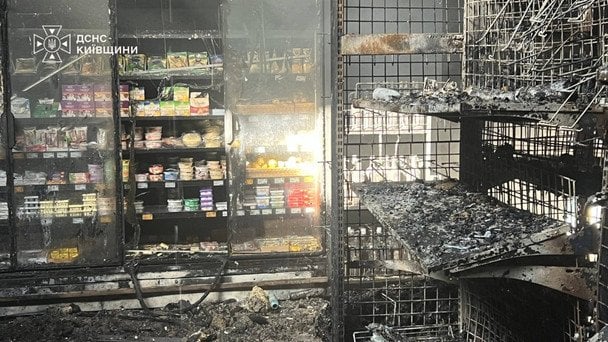
Aftermath of the Russian strike on a store in Kyiv Oblast, September 30, 2026.

Russia is preparing to make daily life in Kyiv harder before winter, aiming at the ordinary places civilians use rather than at military sites, The Economist reported. Ukrainian officials say the push blends bombing, sabotage, and disinformation, and expect it to peak in November.

Every winter of its full-scale invasion, Russia has tried to freeze Ukrainians into surrender, and each year the strikes reach deeper into ordinary life. The civilian casualties recorded in 2026 have already passed the whole of last year, the UN says.

From the power grid to the grocery store

Russia has already turned its drones on Kyiv's supermarkets, food warehouses, and data centers this year. On 28 September, a Russian jet drone struck the National Academy of Sciences in central Kyiv. The strike killed two people, the Academy said. Survivors climbed from the windows of the burning building. A senior Ukrainian official told The Economist the Kremlin now wants shoppers too afraid to enter a store. Russia is also keeping its winter routine, hitting electricity, water, and sewage systems.

Cheaper jet drones that stream live to their pilots

Most of the damage now comes from Russia's cheap jet drones, The Economist said. Pilots guide them onto targets and watch a live video feed. They are hard to stop, and Russia's ballistic missiles are deadlier still as Ukraine's supply of Patriot interceptors dwindles. Ukrainian President Volodymyr Zelenskyy said Kyiv had agreed a new Patriot interceptor package, but it remains short of interceptors of its own. A security official told The Economist that Russia has thousands of drones stockpiled and plans to use its entire ballistic missile stock within two months.

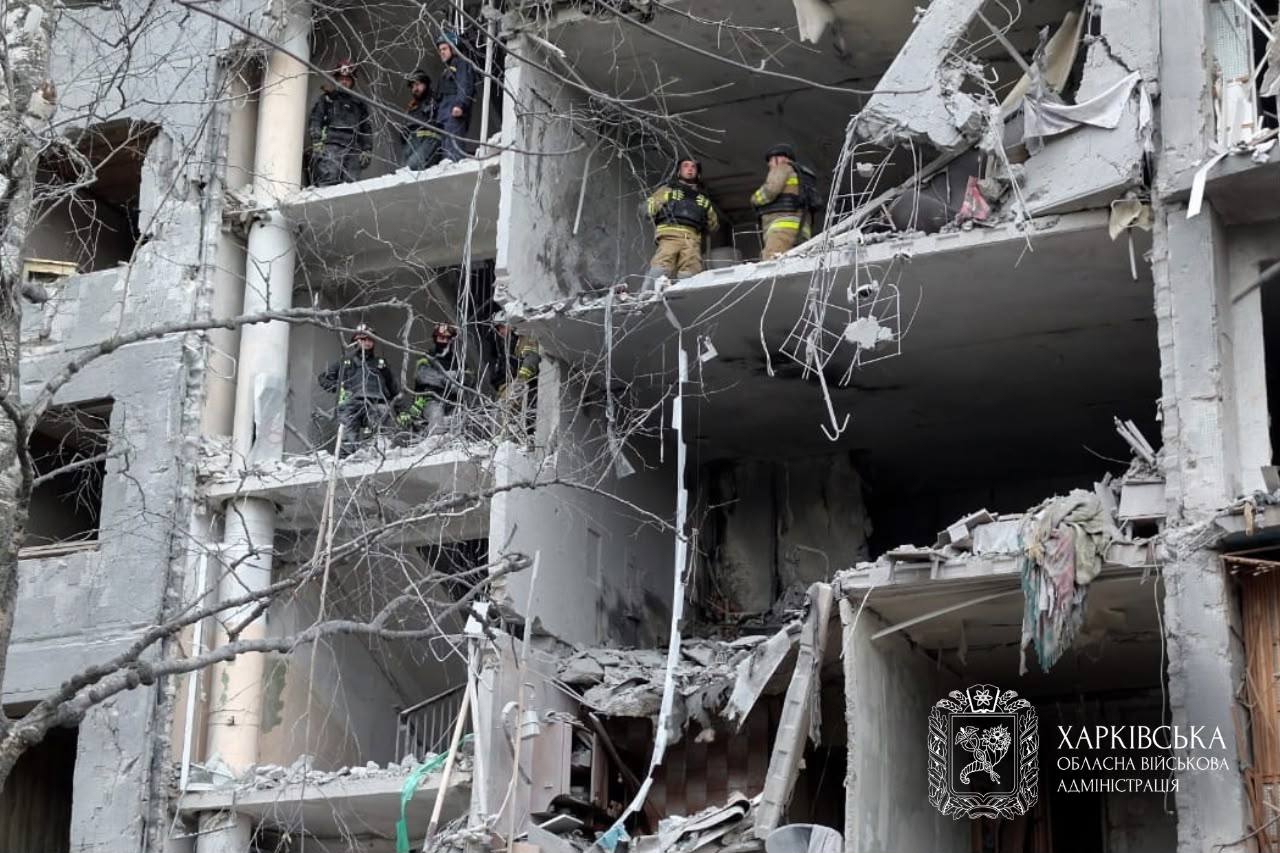
russia hits kharkiv high-rise overnight injuring 43 people strikes central kyiv dnipro broad daylight · post rescuers destroyed floors apartment building hit ukraine 28 2026 synehubov5319173733626879672 news ukrainian reports
Explore further

War is costing Ukraine $155 billion per year. With Western aid running late, Kyiv is freezing everything but army, pensions, and public wages

Sabotage, chaos, and a city that won't switch off

Ukraine's counter-intelligence services say they foil seven or eight Russian plots a week, and officials believe some sleeper cells remain. The campaign's third element, disinformation, targets war fatigue and corruption scandals. Russia runs the same plan every year, hoping its bot farms will push Ukrainians onto the streets to demand surrender, said Andrii Kovalenko, who heads the Center for Countering Disinformation at the National Security and Defense Council.

"It's nonsense," he told The Economist, adding that someone is feeding the idea to Putin so they can steal more money.

Kyiv is also far harder to shut down than Moscow assumes, Kovalenko said. The city's internet is too decentralized for a handful of strikes to knock out, The Economist noted. Energy expert Olha Babii said the test is how fast crews restore power, not whether it can be destroyed. The capital is emptying, its population down from about 3.7 million to 3.3 million by The Economist's count.

  •  
❌