❌

Vue lecture

Eggs cost nearly 20 times US prices in occupied Oleshky, where Ukraine’s ombudsman says people die of hunger every day
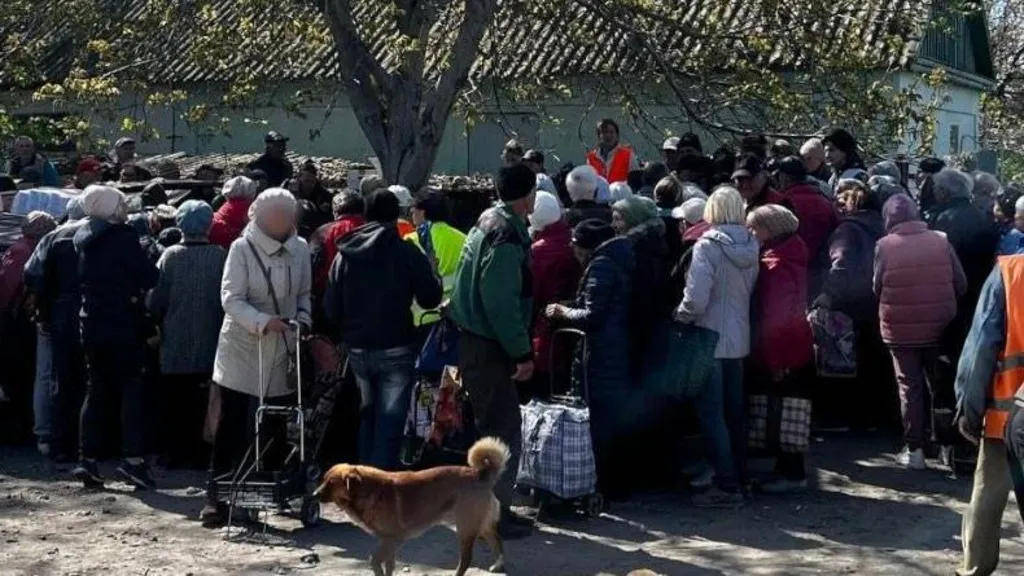
civilians dying every day occupied oleshky 10 eggs cost nearly 20 times ukraine’s average price resident says · post people wait food supplies oleshkywebp ukraine news ukrainian reports

People in Russian-occupied Oleshky, a town in southern Ukraine, are running out of food and medicine and have no way out, a local resident told RBC-Ukraine. Ukraine's human rights ombudsman told the outlet that civilians there are dying of hunger every day.

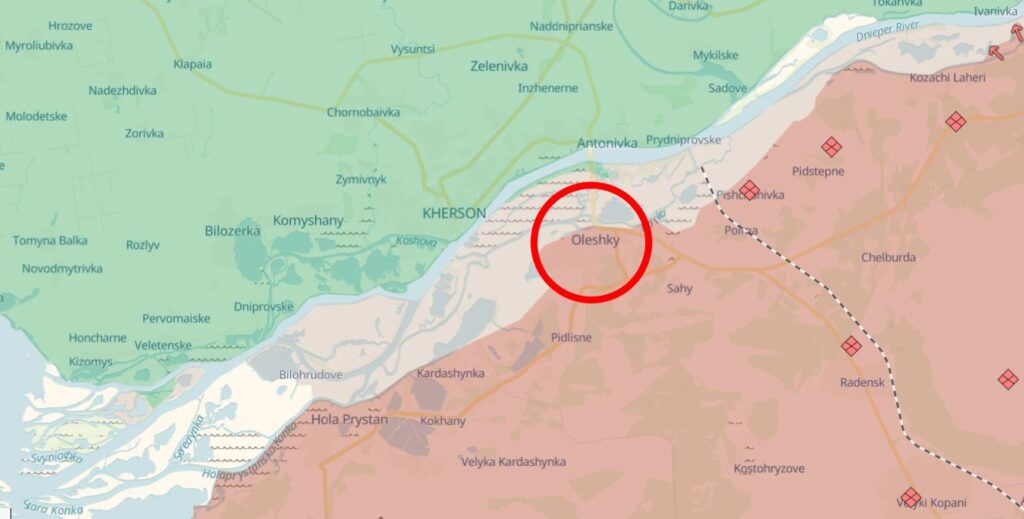
The part of Kherson Oblast across the Dnipro River has been under Russian occupation since 2022, with civilians facing food and medicine shortages and restrictions on leaving. The UN Human Rights Monitoring Mission in Ukraine has documented deteriorating conditions in Oleshky and neighboring Hola Prystan. There has been no practical breakthrough toward an organized evacuation, though 358 people who need help to leave Oleshky and nearby settlements have been verified. About 2,000 people remain in Oleshky, Kherson Oblast head Oleksandr Prokudin estimated.

The resident, who spoke anonymously, said food is extremely scarce, and residents are waiting for a humanitarian corridor to leave. The local market offers mostly vegetables and fruit, such as tomatoes, cucumbers, zucchini, pears, and apples. Russia made its ruble the only legal currency in occupied Kherson Oblast from 1 January 2023, pushing out the Ukrainian hryvnia. Prices at the market start at 500 rubles (about $6), and "if you're lucky, 10 eggs can be bought for 3,000 rubles" (about $36), the resident said. That is about $3.60 an egg, nearly 20 times the US average of about $0.19, or $2.27 a dozen in August, US government data show.

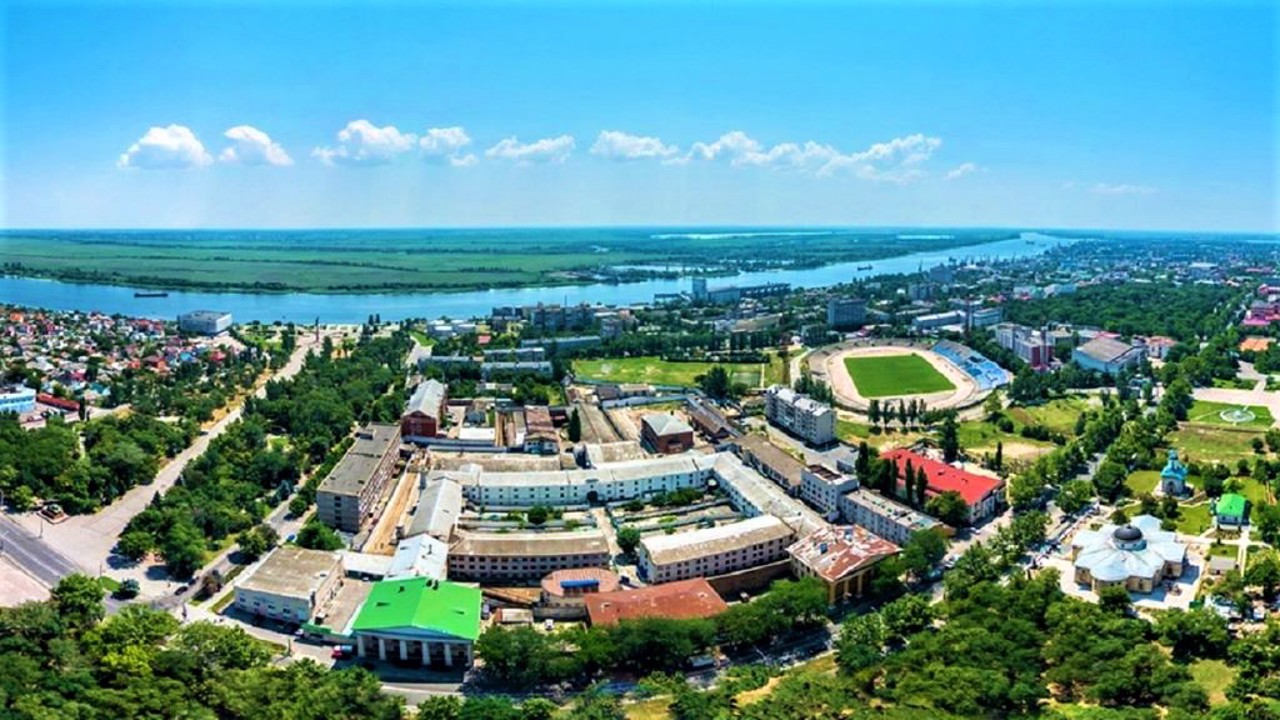
Aerial view of Russian-occupied Oleshky, in Ukraine's Kherson Oblast. Photo via ArmyInform
Explore further

Russian troops enter homes and threaten starving Oleshky residents for food and alcohol, officials say

Ukraine's human rights ombudsman, Dmytro Lubinets, told RBC-Ukraine that civilians in the occupied area were dying every day.

"There is a humanitarian catastrophe there. Ukrainian civilians die there every day because they lack even basic food and water. There have been no medicines there for a long time. According to our information, there is simply hunger there," he said.

Practically no medicines

The resident said there were practically no medicines available. Expired drugs were being sold at about 100 rubles (about $1.20) a pill. His father has Parkinson's syndrome and has been concussed twice. The resident said he was forced to reduce his father's dose by 25% so the supply would last at least until the new year.
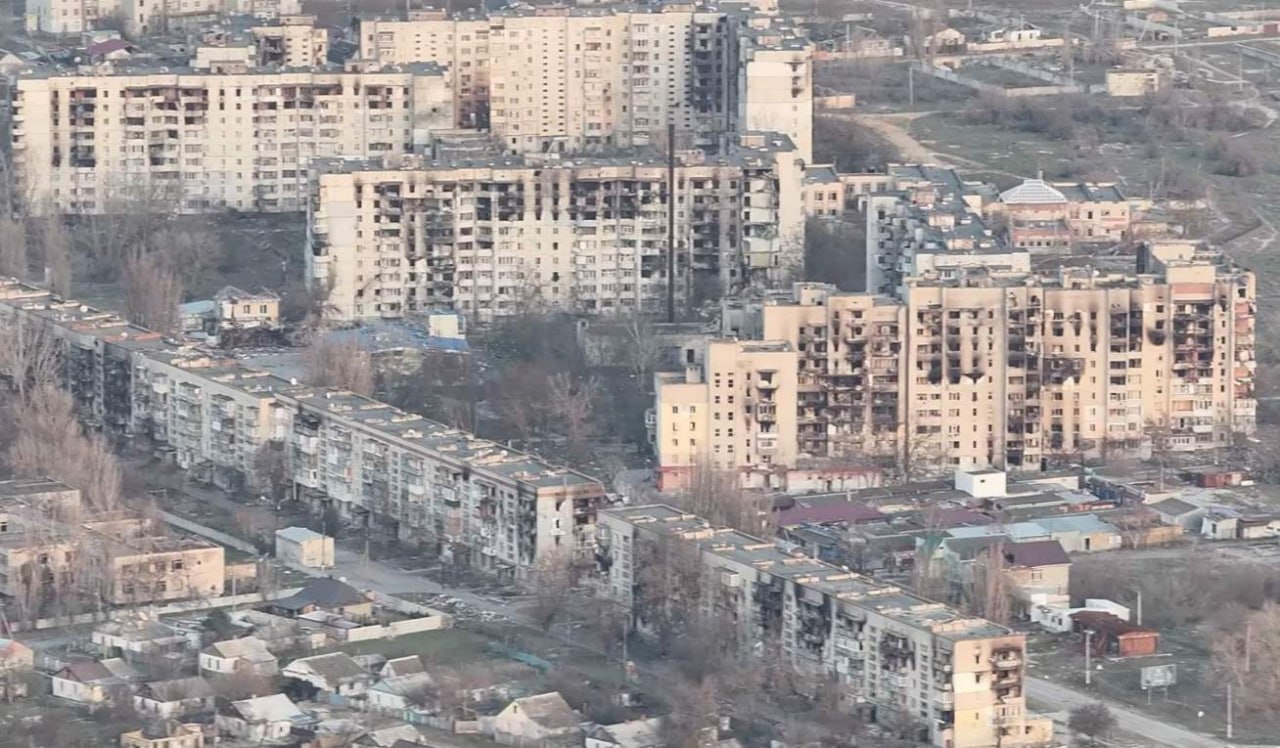
Oleshky, Kherson Oblast, has been under Russian occupation since 2022, following Russia’s capture of the city during the initial phase of its full-scale invasion of Ukraine. Photo: Dmyto Lubinets
Explore further

Thousands are starving in occupied Oleshky. People have no food, no way out, and Russian forces bomb incoming aid

The resident's apartment had burned down, and his house remained damaged. His family had made the house livable and was living there, he said. His wife had lost more than 40 kilograms while the family relied on vegetables and fruit.

Beyond Oleshky: villages with no transport or aid

Four villages in the Hola Prystan community—Kokhany, Kardashynka, Velyka Kardashynka, and Mala Kardashynka—are effectively blocked, according to the Skhid-SOS fund. The fund told RBC-Ukraine that no transport reaches the villages and no humanitarian aid has been delivered for a prolonged period, although it is difficult to get more information from the villages. Residents are forced to walk or cycle to other settlements to find food, despite the risks of mines and drone strikes.

Civilians used as a buffer

Lubinets also said Russian troops were using civilians as a buffer and as protection against the Ukrainian military, RBC-Ukraine reported. Because Ukrainian citizens remain in Oleshky, Ukraine cannot conduct active combat operations there, he said—which, in his view, allows Russia to hold civilians effectively as hostages on the front line.

Food arrives by drone, but how much reaches residents is unclear

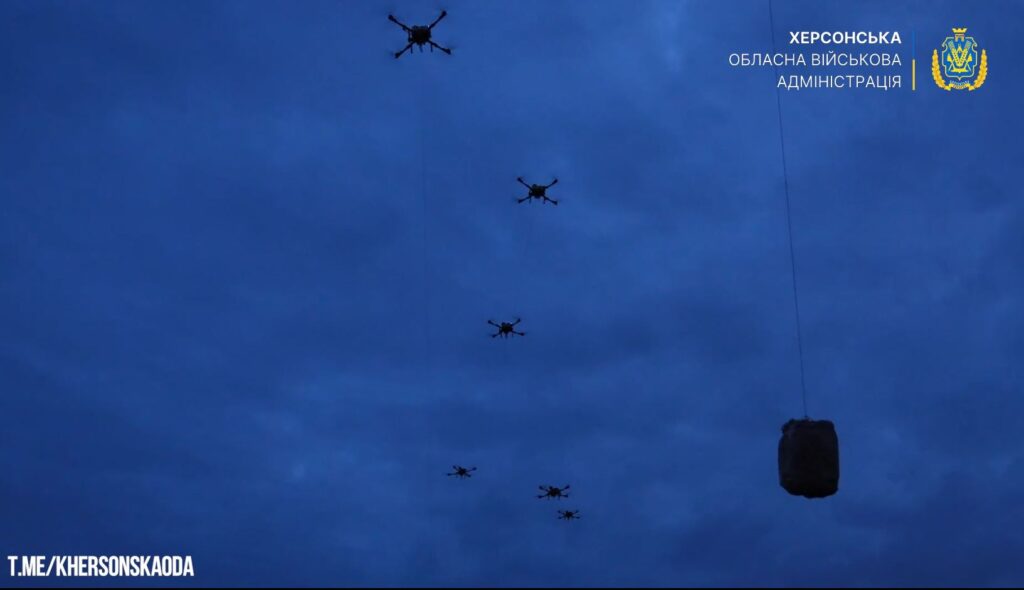
Ukraine has delivered food to Oleshky by drone since March, Prokudin said. Nearly 400 parcels weighing almost 4 tons reached their drop-off points on the night of 4 October, Interior Minister Ivan Vyhivskyi said. How much of the food stays with residents is unclear. Prokudin has said Russian forces shoot down supply drones, confiscate or resell the packages, and detain and beat residents who receive them.

After a previous delivery, Tetiana Hasanenko, head of the Oleshky City Military Administration, said that Russian troops take drone-dropped food and accuse those who receive it of cooperating with Ukraine, and that some residents got several packages while others got none.

  •  

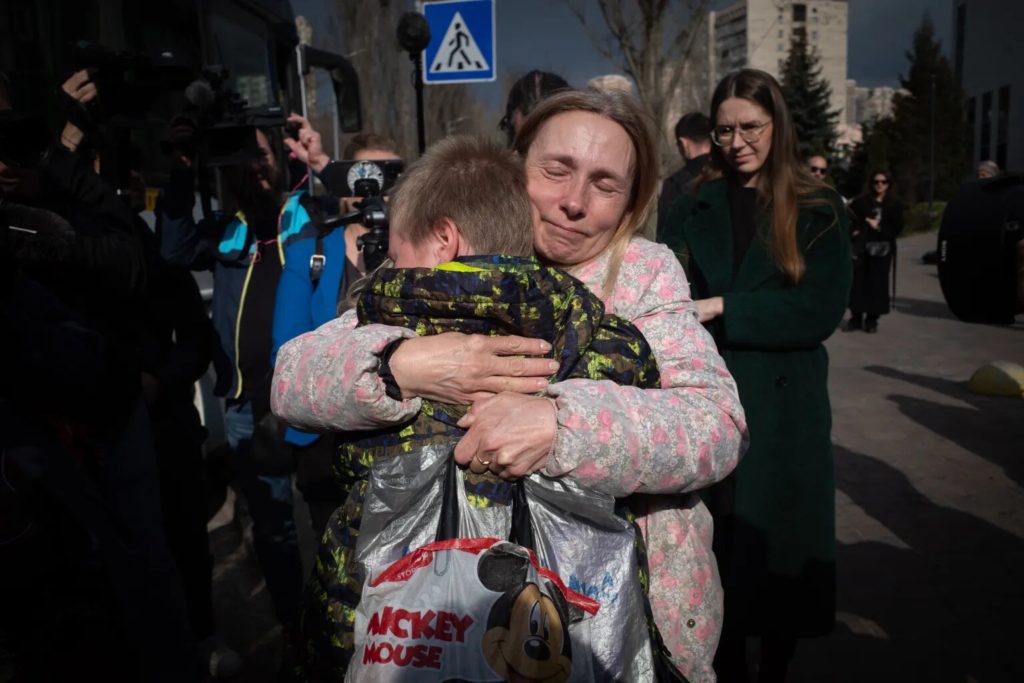
Ukraine brings 14 more children home from Russian-occupied Kherson Oblast. One of them was being forced onto Russia’s military rolls

1-ukraine-kyiv-children-reunited-russia-R003578

Fourteen more Ukrainian children have crossed from Russian-occupied Kherson Oblast back onto Ukrainian-held ground, the oblast's military administration said on 29 September. They join a years-long effort to recover children from land Russia seized in 2022, with thousands more still deported or unaccounted for.

Ukrainian authorities say Russia has deported nearly 20,000 children since its 2022 full-scale invasion, and Zelenskyy insists the true figure is far higher. Those taken to Russia are placed in institutions or Russian families and pushed through Russian "re-education" aimed at erasing their Ukrainian identity.

These 14 add to roughly 2,000 children Ukraine has brought back since 2022—a recovery effort still dwarfed by the numbers Russia holds and keeps adding to.

Who made it out

The 14 are four boys and 10 girls, aged 6 to 17, said Oleksandr Prokudin, who heads the administration. Rescuers also brought back one young adult who had been deprived of parental care.

Each case shows what pushed the children toward the return. One 16-year-old boy was being forced onto Russia's military registration rolls under occupation, part of a pipeline that moves teenagers from a Russian passport toward conscription at 18. A 17-year-old girl had sought a Ukrainian education despite the risks and Russian control, Prokudin said. A 10-year-old girl, he added, had longed to come home and did all she could to reach safety.

The running tally

The children left through Bring Kids Back UA, the repatriation program President Volodymyr Zelenskyy launched in 2023, working with the Ukrainian charity Save Ukraine. That brings to 204 the number of children returned from occupied Kherson Oblast since the start of 2026, regional authorities said.

The wider deportation campaign

In 2023, the International Criminal Court in The Hague issued arrest warrants for Russian leader Vladimir Putin and his children's rights commissioner, Maria Lvova-Belova, over the illegal deportation of children from occupied Ukraine to Russia.

  •  

Russia holds 2,000 people hostage in Oleshky without food or water—Ukraine flew 4,000 kg of food to locals across the Dnipro

russia holds 2000 people hostage oleshky without food water—ukraine flew 4000 kg locals across dnipro · post drones carry packages starving residents russian-occupied kherson oblast 2026 lifting boxes ukraine news

Ukrainian forces carried out one of the largest drone food delivery operations across the Dnipro to occupied Oleshky, dropping about 4,000 kg of supplies provided by partners at 100 locations across the city where people are trapped without food, electricity, or water, Kherson Oblast head Oleksandr Prokudin said on 27 September. Russian forces punish residents who receive aid—shooting down supply drones, confiscating packages, and beating people caught accepting food, he noted.

Oleshky—a city across the Dnipro from liberated Kherson—has been occupied since 2022. Russia sealed off the city in late 2025, and conditions worsened sharply in early 2026 as occupation forces cut off food supplies, prevented evacuation, and left the dead unburied. The drone flights are now the only humanitarian operation reaching the trapped population, making each sortie both a lifeline and a target for Russian forces that treat civilian starvation as a tool of control.

Multiple military units flew food across the Dnipro

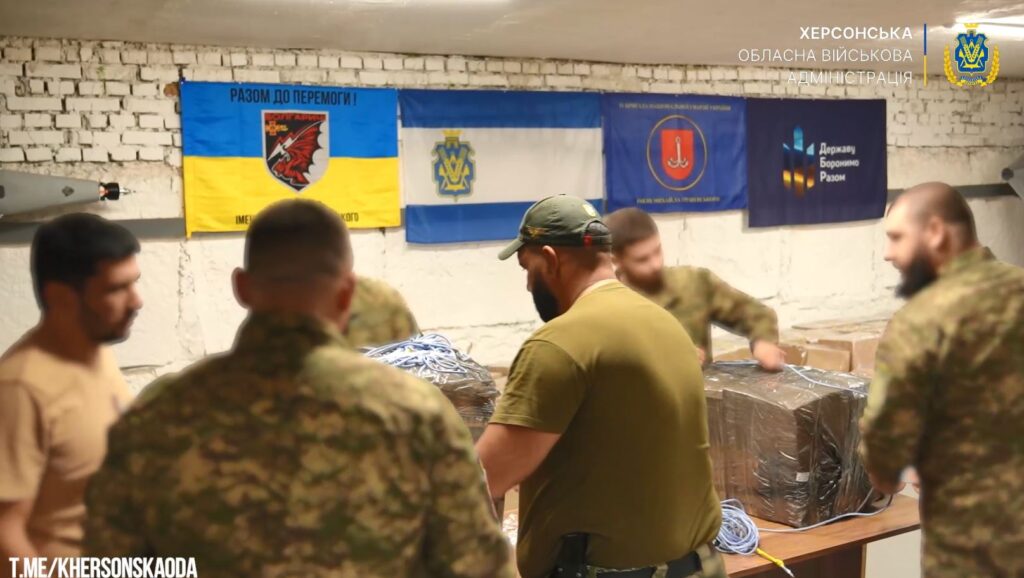
Since March, Ukrainian forces have been systematically delivering food to Oleshky by drone in coordination with the 11th National Guard Brigade's Bolharychi unit and the 34th Separate Marine Brigade Borysfen, Prokudin said.

russia holds 2000 people hostage oleshky without food water—ukraine flew 4000 kg locals across dnipro · post ukrainian soldiers prepare packages drone delivery occupied 2026 preparing aid boxes ukraine news
Ukrainian soldiers prepare food packages for drone delivery to occupied Oleshky, September 2026. Screenshot: Kherson Oblast Military Administration via Telegram

The latest operation expanded the effort: the 30th Marine Corps, the Hrim tactical group, the 34th National Guard Regiment, and the 79th Border Detachment joined alongside the Borysfen brigade and the Bolharychi unit.

"Instead of loud statements, we chose the path of concrete action," Prokudin wrote.

russia holds 2000 people hostage oleshky without food water—ukraine flew 4000 kg locals across dnipro · post resident approaches package delivered drone russian-occupied kherson oblast 2026 local walks box still
Resident approaches a food package delivered by drone to Russian-occupied Oleshky, Kherson Oblast, September 2026. Screenshot: Kherson Oblast Military Administration via Telegram

The deliveries fly across the Dnipro and drop food packages at pre-selected locations across the occupied city.

Prokudin said about 2,000 people remain trapped in Oleshky, including nearly 50 children. Ukraine's ombudsman and international monitors have put the figure at up to 6,000, with about 200 children.

Explore further

“There is real hunger there”: Oleshky, occupied town in Ukraine’s Kherson Oblast, turned 942 this week. Behind Russian blockade, its people eat roadside grass

Russia shoots down supply drones and beats residents for receiving food

Russian forces try to disrupt the deliveries. Soldiers shoot down drones carrying food, confiscate or resell packages meant for children and elderly residents, and detain people caught receiving humanitarian aid, Prokudin said. Residents are thrown into basements and beaten.

"Deliberate blocking of aid and creation of famine among the civilian population are war crimes with no statute of limitations. Everyone involved in these actions will face inevitable accountability," Prokudin wrote.

Ukraine prepared an evacuation list, secured the ICRC's readiness, and coordinated a ceasefire on its side, but Russia has not confirmed its readiness to open a route, Ukraine's ombudsman said.

Ukraine delivered 4,000 kg of food by drone across the Dnipro to occupied Oleshky

About 2,000 people, including nearly 50 children, are trapped there. Russia shoots down supply drones and beats residents for receiving aid, Kherson Oblast head Prokudin said.

📹TG/Oleksandr… pic.twitter.com/5AsHemMvCV

— Euromaidan Press (@EuromaidanPress) September 27, 2026

Council of Europe Commissioner for Human Rights Michael O'Flaherty warned on 25 September that the humanitarian crisis in Oleshky is deteriorating rapidly. Civilians, including children, are trapped without food, medicines, medical care, running water, or electricity, and reports indicate a high risk of death, he said. Under international humanitarian law, Russia as the occupying power is obliged to provide the population with food and medical supplies, O'Flaherty noted, and called for an immediate local ceasefire, unimpeded humanitarian access, and safe evacuation of civilians.

  •  
❌