Ukraine has five ways to stop Russia’s Iskanders. Only one arrives before the strikes on the grid begin

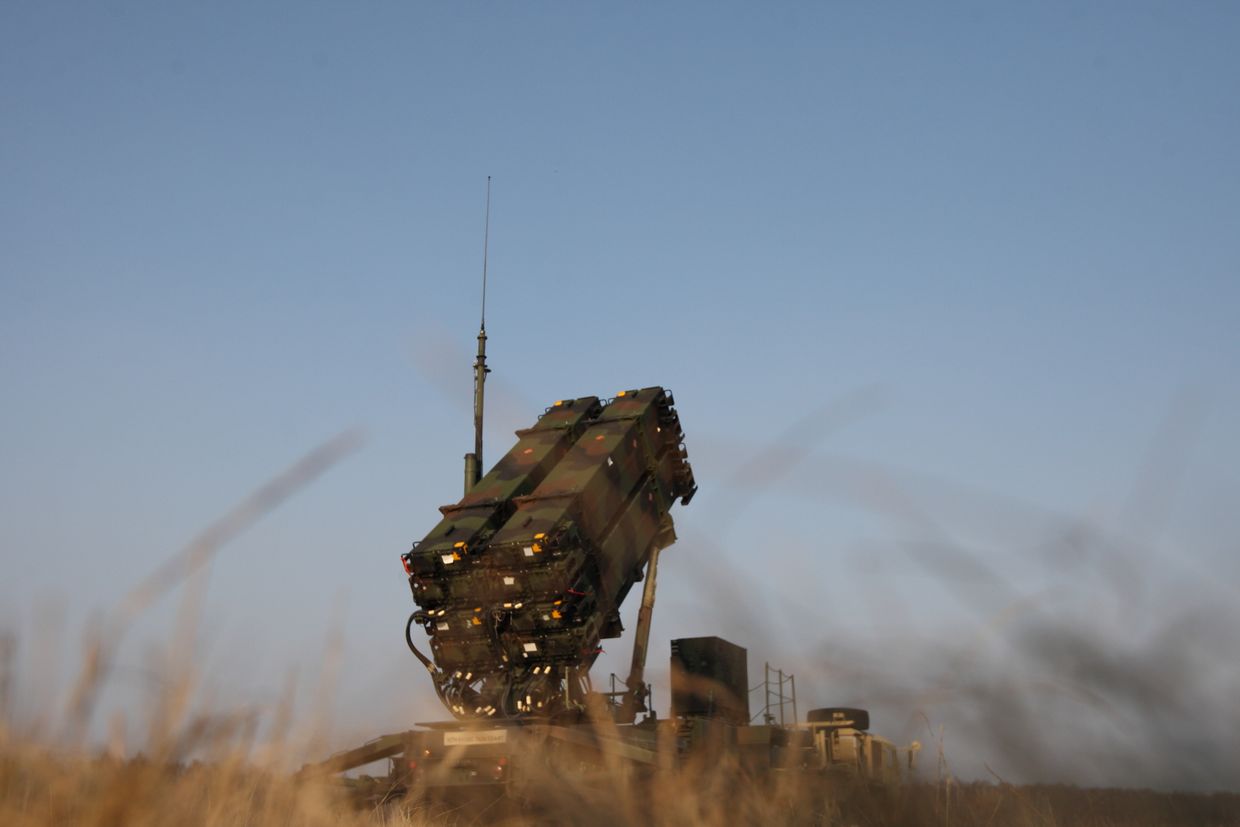
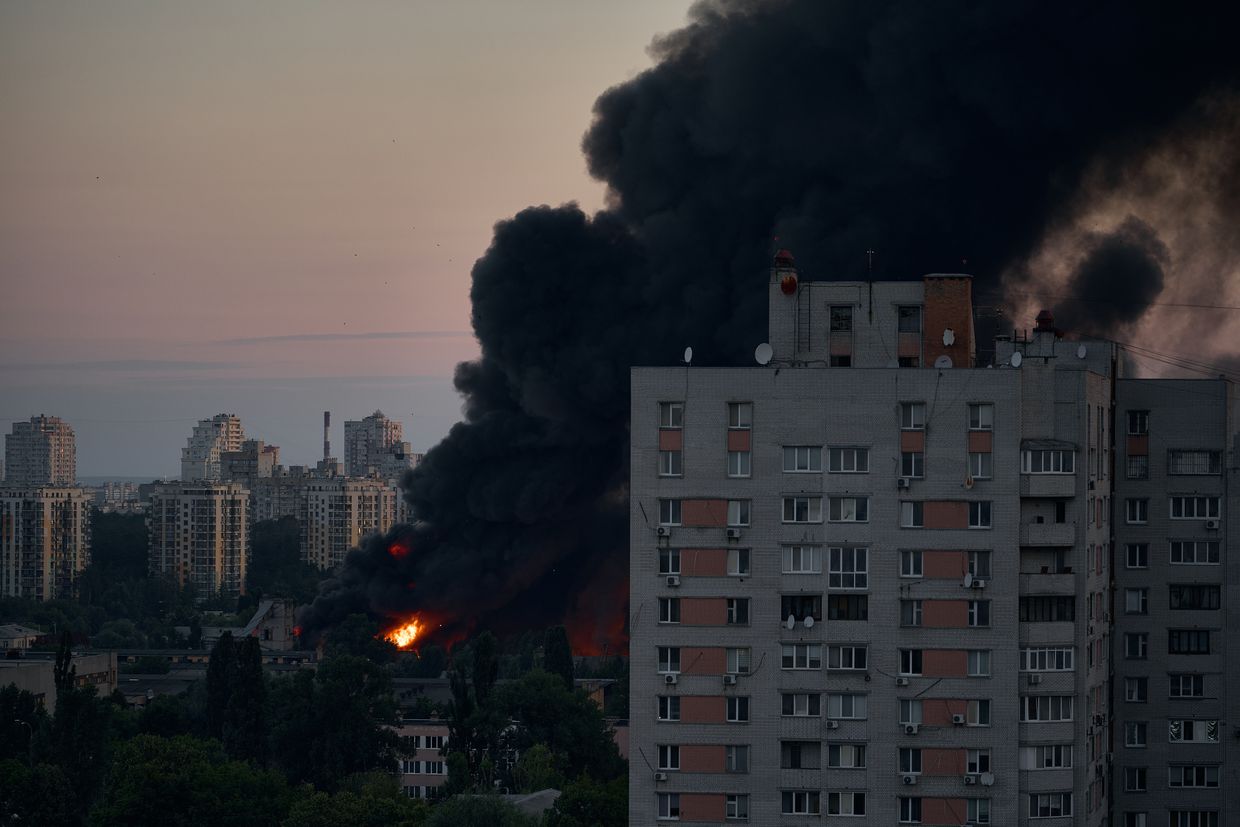
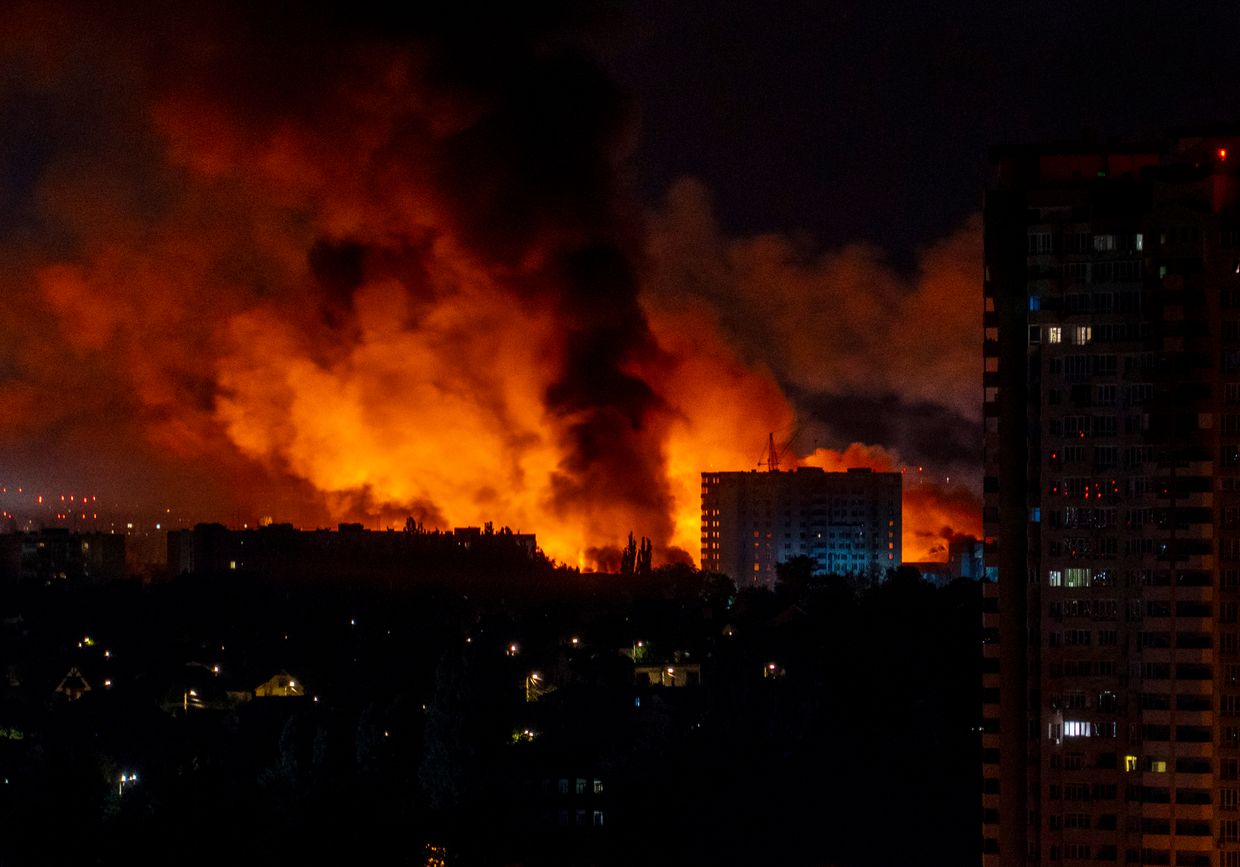
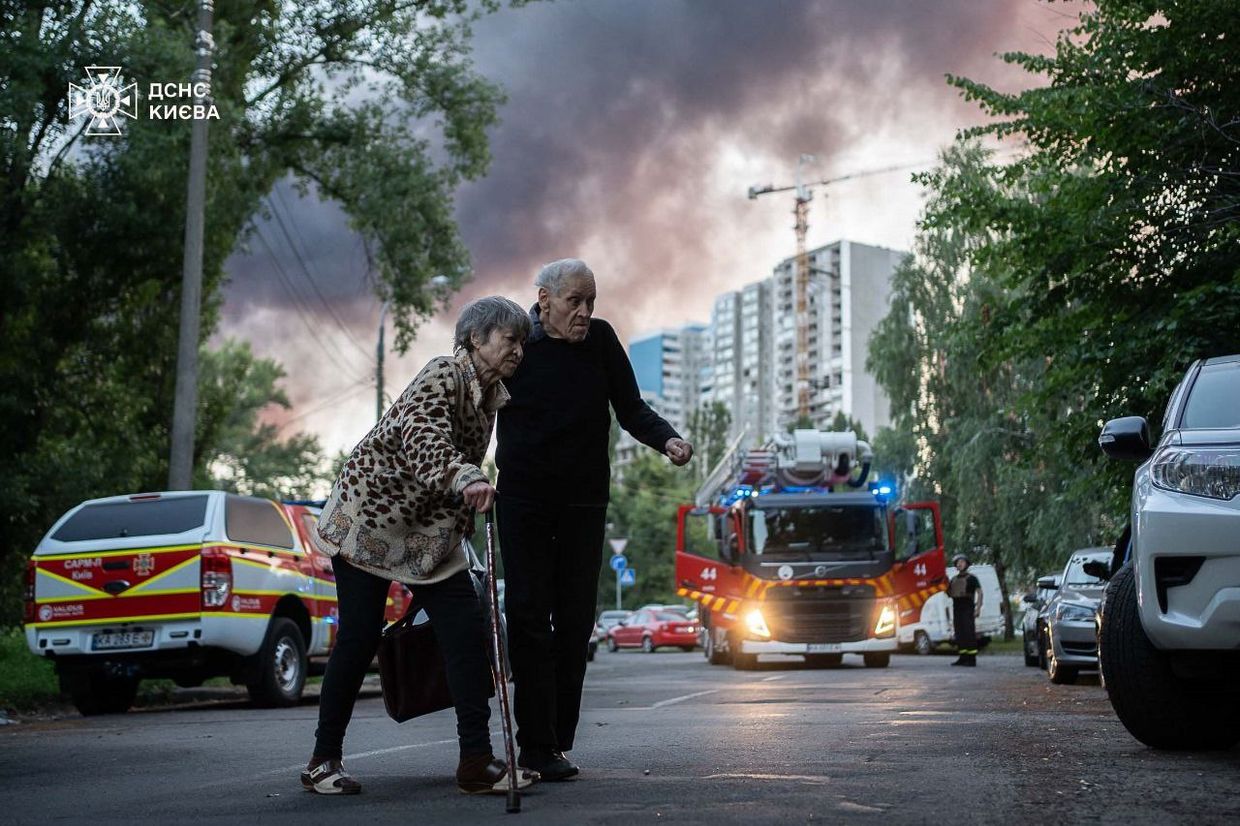
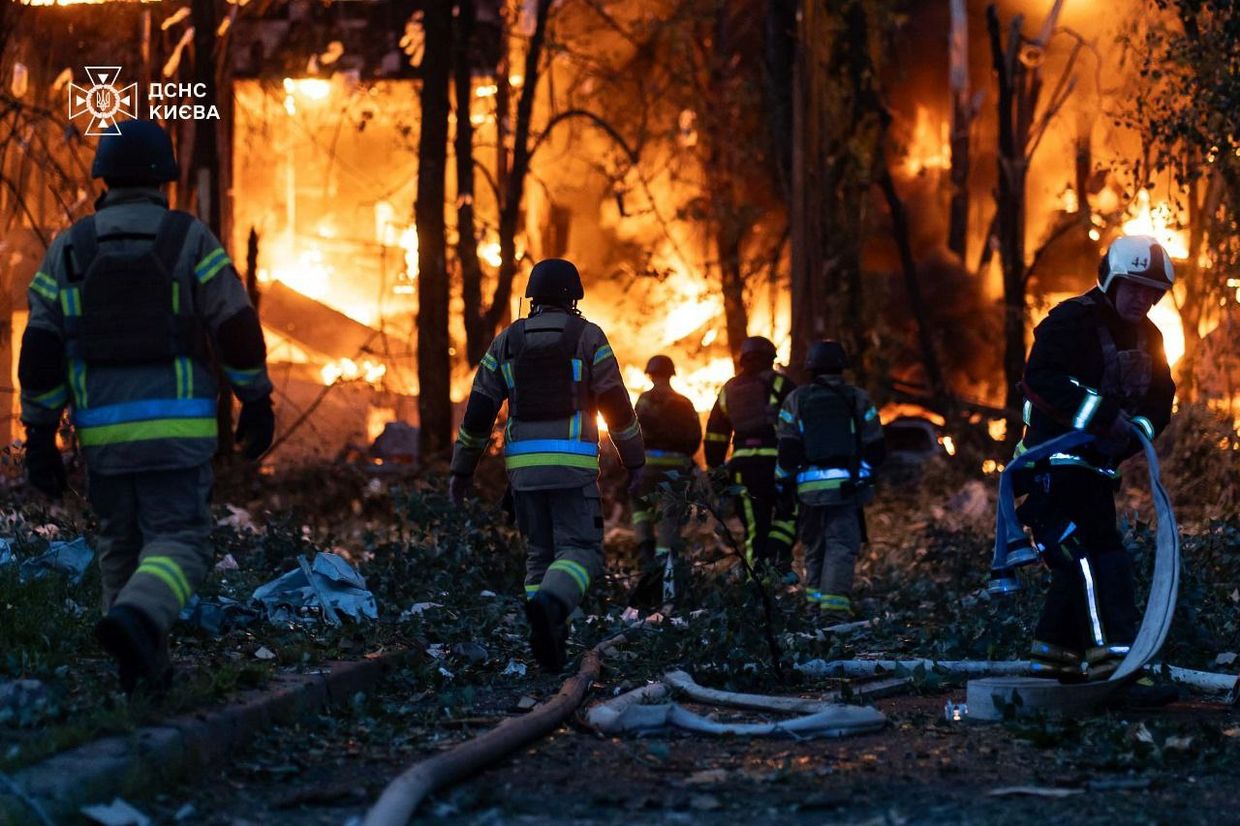
Desperately short of missiles for its roughly 10 Patriot air defense batteries, Ukraine has just a few options as colder weather looms—and the Russians prepare to fire even more hard-to-intercept Iskander ballistic missiles at Ukrainian cities and power plants.
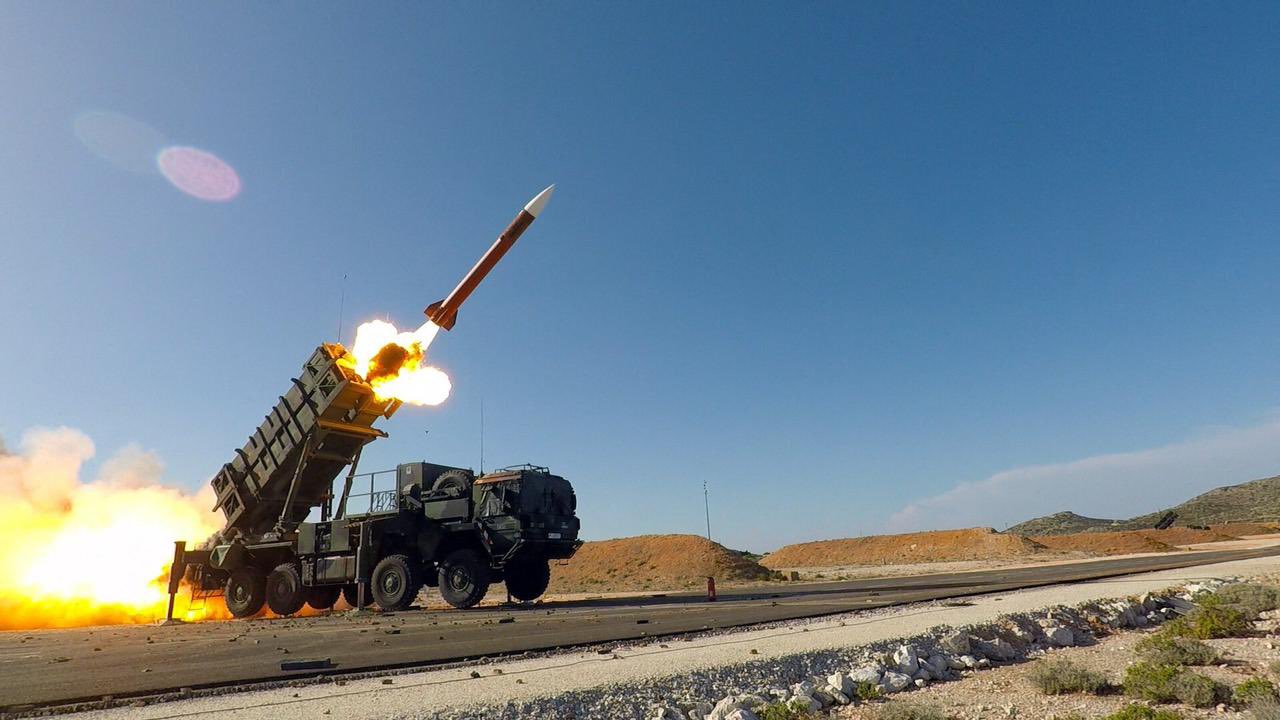
The Iskander is a unique threat, and Ukraine is uniquely vulnerable. The Patriot is one of just a few systems that stands any chance of hitting an incoming Iskander as the Russian missile barrels in at six or seven times the speed of sound. And the Patriot is, or was, the most plentiful anti-ballistic interceptor. It usually takes two or three of them to bring down one Iskander.
Then came Iran. Coalition forces fired an average of 225 interceptors a day during the first four days of the war against Lockheed Martin's production rate of 1.7 a day, the Foreign Policy Research Institute calculated—a 132-to-one gap between use and manufacture. Lockheed built 620 Patriots in all of 2025. And every Patriot the Americans fire at an Iranian missile is a Patriot Ukraine won't be able to fire at a Russian missile.

Ukrainian batteries have so few missiles that air defenders can do little more than watch as the 3.8-ton Iskanders and other heavy Russian missiles barrel in. "This is a really heartbreaking sight when you have equipment but you're not able to intercept any missile," Dmytro, the chief engineer of Ukraine's Patriot fleet, told CNN. "Ballistic missiles are flying over your head and you are not able to do anything with it, and behind you, there are civilians." He first ran out of interceptors in December 2025.
Across the 39-day campaign, CSIS estimates 1,060 to 1,430 Patriots were expended—more than half the US prewar inventory. At Lockheed's rate, replacing them takes three years.
And a Patriot cannot be conjured. A single PAC-3 MSE takes about 24 months to build, its solid rocket motor 30. In January the Pentagon signed a seven-year deal for Lockheed to reach 2,000 Patriots a year—by 2030, by which point the Russo-Ukrainian war will be eight years old. Far too late to save Ukraine from the coming hard winter.
The Ukrainian air force has two other batteries that can intercept ballistic missiles, both French-Italian SAMP/Ts, and they are short of missiles too. France agreed in November to send eight next-generation SAMP/Ts over two years—a schedule, not a stockpile.

Winter looms
The interceptor crisis will only worsen as winter looms and the supply of electricity for residential heating once again becomes a matter of life and death for millions of Ukrainians. Iskanders "could hit all significant non-nuclear electricity generation," Jakub Janovsky, a Czech military analyst, explained to Euromaidan Press. The Kremlin has cut production of several other missile types—including, as Euromaidan Press reported this month, the Kinzhal—to pour more into the Iskander.
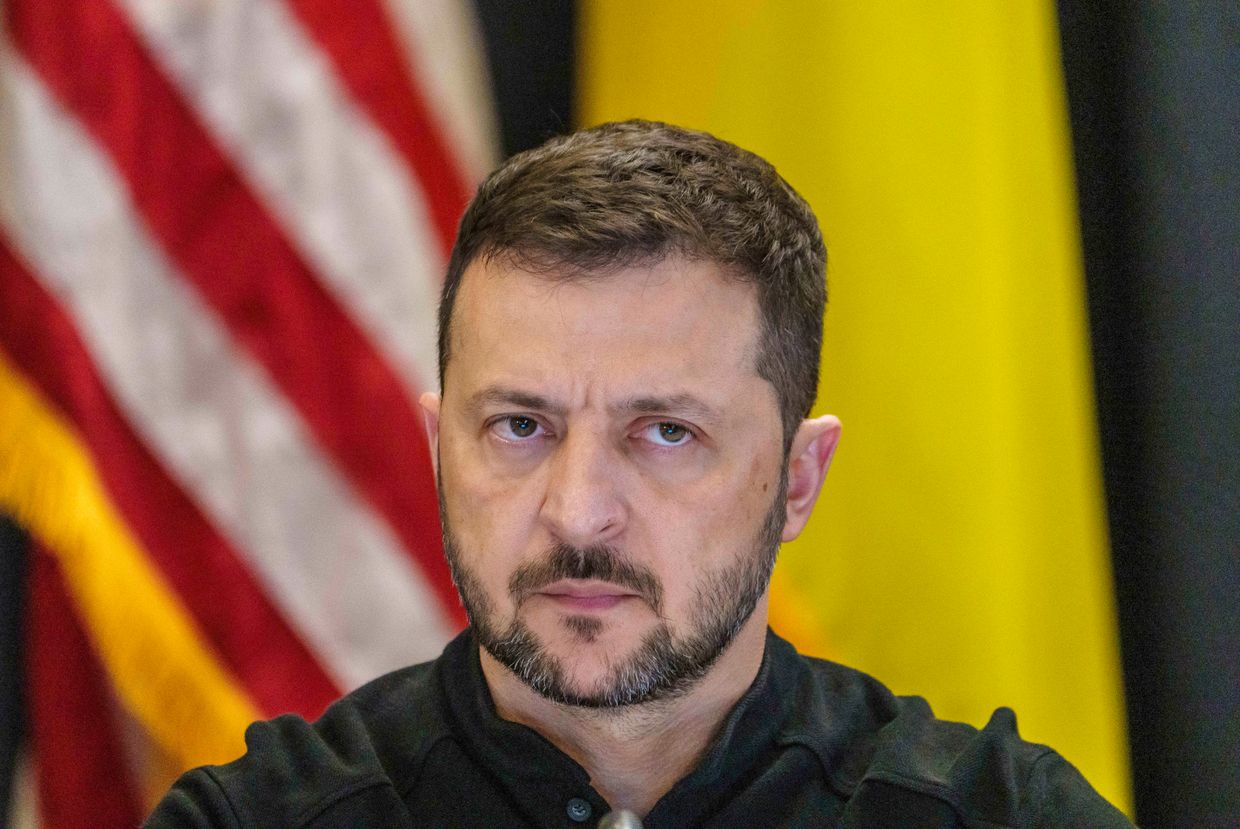
"I wanted to secure 300 missiles for the Patriot systems as part of the winter package. The request from our Air Force is for 360," Ukrainian President Volodymyr Zelenskyy told journalists on 23 August, in remarks posted to X. "But when only 600 are produced a year, 360 is not easy to obtain." He has asked Washington for 5% or 10% of the US stockpile, and says Ukraine will pay. By his own account it holds about 1%.
Russia could have up to 1,300 ballistic missiles a year. Right now, they have 600–630. We have an approximate understanding of the volume they are counting on from today and through the end of winter. Roughly speaking, they could have 100 ballistic missiles a month. But they are…
— Volodymyr Zelenskyy / Володимир Зеленський (@ZelenskyyUa) August 23, 2026
What are Ukraine's non-Patriot options?
Its own ballistic interceptor
Frantic for air defenses, Ukraine is developing its own. In May, Kyiv munitions-maker Fire Point unveiled Freya, a pan-European anti-ballistic project built around the FP-7.x—a 7.25-m composite interceptor derived from the company's FP-7 surface-to-surface missile. Cued by European radars and guided in the final moments by an infrared seeker from Germany's Diehl Defence, it is meant to cost around $700,000 a shot against a Patriot's $3.8 million.
Fire Point had run at least five tests by the end of July, and co-founder Denys Shtilerman told the Financial Times mass production could begin as early as this month. But the first attempt at intercepting an actual ballistic target is planned for around July 2027—a winter away, and then some. Infrared guidance is also reckoned less reliable than radar, since spoofing can mislead the seeker.
Sanctions on the Iskander supply chain
Sanctions may seem attractive, and there is a narrow chokepoint. Ammonium perchlorate makes up 45% to 52% of the Iskander's solid fuel, and Russia has exactly one plant that makes it—the state-owned ANOSIT—according to the Economic Security Council of Ukraine.
That plant depends on imported sodium chlorate, a chemical Russia lost the ability to make when the USSR collapsed. Russia bought more than $40 million of it in 2024 and the first half of 2025, 61% from China and most of the rest from the Farg'onaazot chemical plant in Uzbekistan. The largest Russian importer, Pioneer Trade, sells on to firms that supply the Iskander's designer, its cluster-warhead maker, and the Votkinsk plant that builds the missile.
But Russia gets around sanctions by buying through third parties. And while the European Union already restricts the export of sodium chlorate to Russia, neither Farg'onaazot nor any of the Russian importers moving it is under blocking sanctions. Even where the bans hold, they just "make things more costly and less convenient," Janovsky told Euromaidan Press. "They can't stop things from happening if the other side really wants to do something."

Deep strikes against the Iskander supply chain
Ukraine has already tried this one. The main Iskander factory is in Votkinsk, 1,400 km from the border, and on the night of 20–21 February Ukrainian Flamingo cruise missiles hit it. Zelenskyy said every missile launched reached the plant. Satellite imagery confirmed damage to a workshop where Iskanders and Oreshniks are assembled; local officials reported two shops damaged and 11 people injured.
Iskander production rose anyway. So the question is not whether Ukraine can reach Votkinsk—it can, and did—but whether it can launch enough munitions at once to inflict damage that lasts. "Ukraine can try a massive saturation strike with hundreds of drones and dozens of cruise missiles to overwhelm local defenses and wreck enough of the factory complex to at least temporarily disable the production," Janovsky said. That might take essentially the entire Ukrainian deep strike force—and if it failed, Russian industry would get a months-long reprieve.
Kill the launchers before they shoot
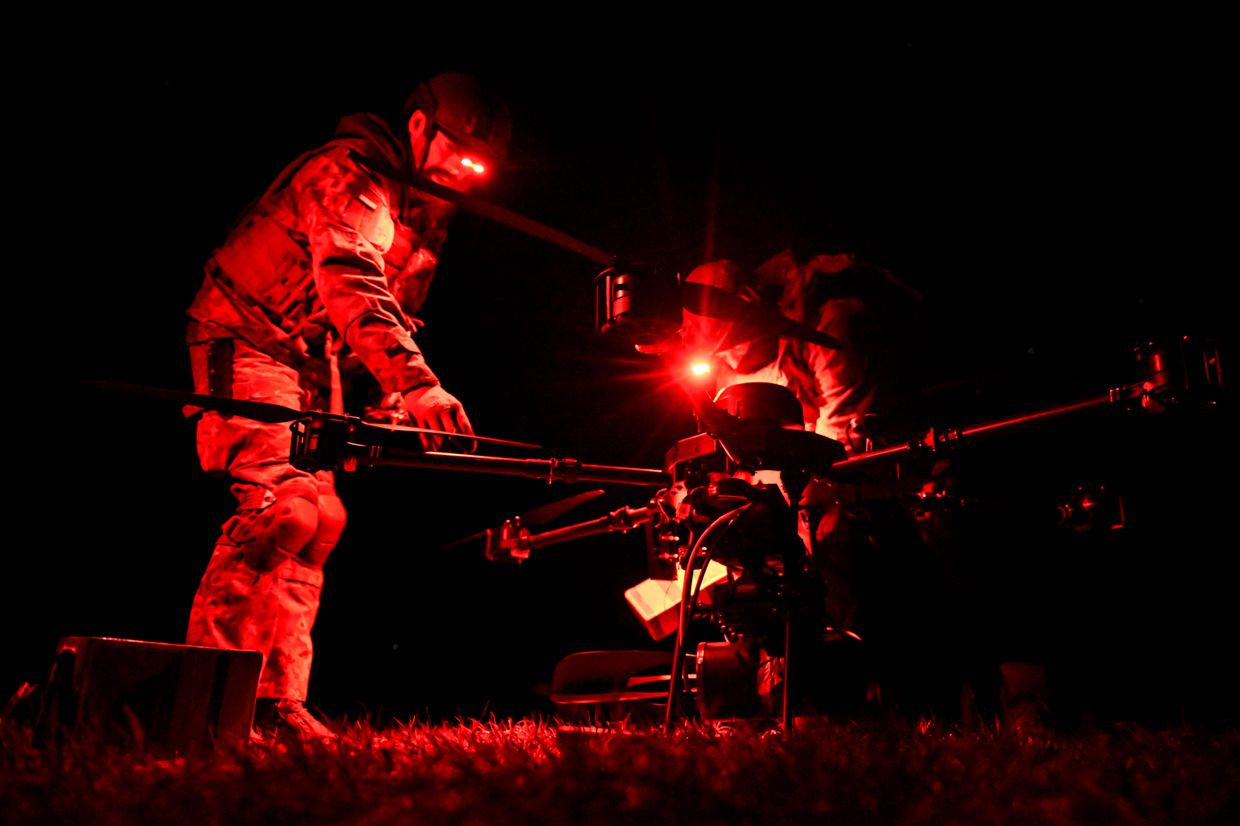
This is the hardest one. Russian crews keep their Iskander launchers 140 to 150 km behind the front line, beyond the reach of Ukraine's HIMARS, and move them to firing positions along forest roads—sometimes for five hours—to stay out of satellite view. Once in position, a launcher needs about 16 minutes to send its first missile and four for the second, then it leaves. Twenty minutes, in the open, somewhere in a forest, a hundred and fifty kilometers away.
Ukraine is trying anyway. On 23 August, Zelenskyy said Ukrainian forces had struck an Iskander launcher near the border, and described a dedicated program to hunt the launch sites. Euromaidan Press could not independently verify the strike. He was explicit about why the program exists. "When our anti-ballistic missile stocks are at a minimum, there is another tactic," he said. "It is more difficult, and we developed it."
All options but one arrive after the cold
| Option | When it delivers |
|---|---|
| Patriots from allies | Ukraine's air force asked for 360; Zelenskyy sought 300 for the winter package. Output is 600 a year, and CSIS says about half of it goes to allies and partners |
| Lockheed's expansion to 2,000 a year | That rate is not reached until 2030 |
| Freya / FP-7.x interceptors | First attempt at intercepting a ballistic target planned for around July 2027 |
| Sanctions on the supply chain | The chemical is restricted; none of the companies moving it is designated |
| Deep strike on the Votkinsk factory | Tried in February. Workshops hit, production still rose |
| Hunting the launchers | Now—one strike claimed on 23 August, not independently verified |
Unable to shoot down all the Iskanders, Ukraine may have no choice but try everything all at once: sanction the suppliers, attack the supply chain, hunt the launchers, and scurry to deploy homemade interceptors. All while continuing to beg for every available Patriot.