Vue lecture

About 50 grams of suspected military explosive lay in a German field 10 days after the attempt on Ukraine’s plane
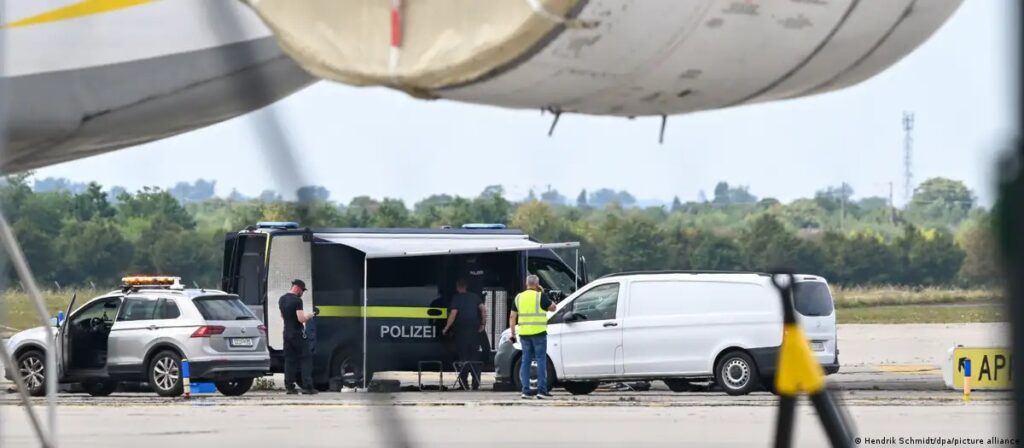
fifty grams hexogen ten days late what germany missed after attack ukraine's plane · post german police vehicles officers apron beneath wing ukrainian cargo aircraft leipzig/halle airport 2026 leipzig halle

German investigators now count three drones around the failed 4–5 August attack on a Ukrainian cargo plane at Leipzig airport, Tagesschau reported on 25 August. Officers found the third machine and a suspected military explosive in a field near the runways. Security circles assume Russian intelligence services helped plan the attempt, and Russia denies any role.

Russia has answered Western support for Ukraine with a campaign inside Europe that runs on arson, recruited agents, and plots against arms-industry figures. While attribution in this case stays at the level of assumption, a suspected move by Moscow's services from watching people to leaving explosives on a working apron widens what German authorities have to guard rather than merely monitor.

A third drone and about 50 grams of suspected hexogen

Investigators found the third drone on the early evening of 14 August in a field in Kabelsketal, security circles told NDR, WDR, and the newspaper Süddeutsche Zeitung (SZ). The area borders the airport's western edge in Saxony-Anhalt. Forensic technicians from Germany's Federal Criminal Police Office (BKA) arrived that day, and the next day they reportedly found a substance at the site. First assessments put it at about 50 grams of hexogen, a military explosive known internationally as RDX. The perpetrators may have had a far larger attack in mind than what has become public, according to Tagesschau. 

The target was a Ukrainian plane

The drone found on the tarmac was meant to hit a Ukrainian Antonov cargo aircraft that moves military goods, according to the investigation cited by the public broadcasters NDR and WDR and SZ. The bomb never went off, because its detonator was apparently defective. The plane had been apparently loaded with ammunition the previous day. Leipzig/Halle carries military freight for the German armed forces and NATO allies, and Ukraine's Antonov Airlines uses it as a base, Euronews reported the same day.

Ukrainian An-124 at Leipzig Airport in Germany. August 5 August, 2026. Photo: screenshot from Bild video
Explore further

A bomb-laden drone hit a Ukrainian An-124 in Germany, then lay unnoticed for hours

The first drone turned up on the airport grounds at around 23:42 on 4 August. Shortly afterward, at about 00:03, a second drone reportedly collided with a cargo plane of the delivery company DHL. That aircraft had broken off its landing because the first find shut the airport, and it probably hit the drone at fence height at several hundred kilometers per hour. Neither that drone nor parts of it have turned up, NDR, WDR, and SZ reported. The German broadcasters placed the damage on the tail unit, while Bild gave a different account, putting the collision about six kilometers out with minor damage to the nose, Euronews said.

Camera footage analyzed after the attempt showed a quadcopter carrying Semtex plastic explosive fly into the wing of a parked An-124 Ruslan without detonating, and Washington assessed that the drone belonged to Russian intelligence. The same airport saw a parcel ignite in July 2024, before crews could load it onto a DHL cargo plane, in what security services treated as a suspected Moscow-linked arson plot.

State-protection officers at the BKA work under orders from Federal Prosecutor General Jens Rommel to establish how the attack was meant to run and who is responsible. Investigators are following several leads, among them recovered DNA. Germany ranks among Ukraine's biggest military backers, and its authorities suspect Russia of orchestrating many of the drone incidents as part of a campaign of sabotage, espionage, and disinformation, Euronews said.

  •  

Ukrainian rapper mocked Russia’s claim he helped deliver drones for attacks near Moscow. A month later, Russia allegedly tried to kill him in Poland

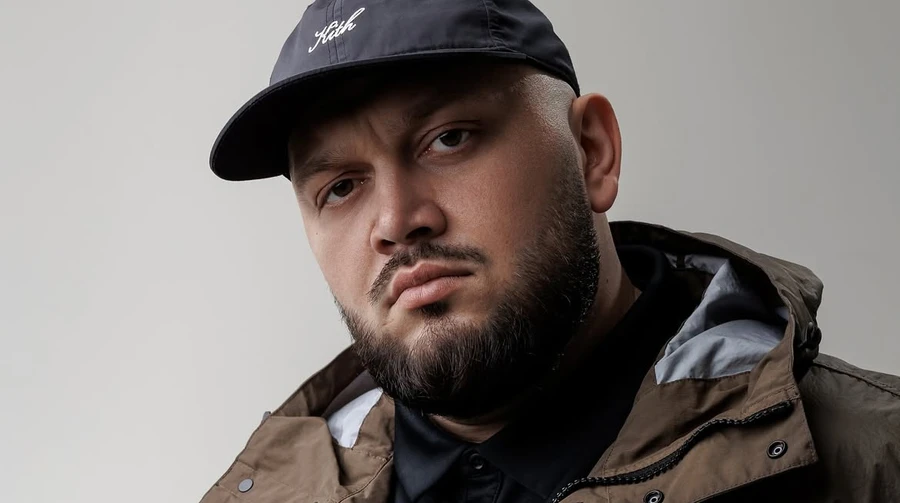
Ukrainian-American rapper Kyivstoner wearing a black cap and dark jacket.

On 14 August 2026, Polish broadcaster RMF FM identified American-Ukrainian rapper and video blogger Kyivstoner as the previously unnamed target of an alleged Russian-directed assassination plot in Warsaw. The case comes as European authorities investigate suspected Russian attacks and sabotage across the continent.

The alleged plot against Kyivstoner comes amid attacks on Kremlin critics abroad, including the fatal shooting of a Russian opposition artist in Poland in June.

Polish authorities disclosed the Kyivstoner's case on 13 August but withheld the target’s identity. RMF’s identification points to a possible motive, though it relies on unverified allegations from the FSB, Russia's domestic security agency that Kyivstoner of managed drone deliveries intended for attacks near Moscow.

Who is Kyivstoner?

Kyivstoner was born Albert Vasiliev and uses the name Slevin Dadyan on his US passport. He gained attention through humorous videos and the Ukrainian group Hryby before releasing solo tracks, including “Leto” (Summer) and “Zvuk” (Sound).

In a 2025 interview, Vasiliev voiced support for Ukrainians and opposition to Russian occupation, saying Russian ruler Vladimir Putin made him angry and that he wanted civilians and soldiers to stop dying.

In July 2026, Russia’s FSB accused Kyivstoner of overseeing logistics for a foiled drone attack on a defense enterprise near Moscow.

The agency alleged that 35 drones assembled in Kyiv were concealed in a shipment of ceramic tiles and smuggled into Russia through Slovakia, Poland, and Belarus. Russian authorities also added Vasiliev to a register of people they label as involved in extremist or terrorist activity.

Vasiliev responded on Instagram by mocking Russia's allegation, saying he had been relaxing and playing video games rather than organizing an attack.

Russian authorities also accuse him of cooperating with Ukrainian intelligence. He denies the accusations, and RMF offered no independent evidence to substantiate them.

Suspect detained before alleged attack

Prime Minister Donald Tusk said Polish services detained the Russian suspect on 7 August, stopping the alleged attack “at the last minute.” US services assisted the operation. A Polish court remanded the man in custody for three months.

The journalists described the Russian citizen as a native of Donbas in eastern Ukraine. Tusk said the target, who holds Ukrainian and US passports, was “inconvenient to the Putin regime.”

The prime minister called it the first Russian-ordered attempt of its kind against a US citizen in another NATO country.

Killings and disrupted plots across Europe

Throughout Europe, Russia has tried to hunt down and kill anti-Kremlin critics and supporters of Ukraine. In June, Russian opposition artist Robert Kuzovkov, known as Semyon Skrepetsky, was shot dead in eastern Poland. Hours earlier, he had reported threats from “Russian patriots.” Polish authorities detained two Belarusian nationals, but have not attributed the killing to Moscow.

US and German services also reportedly foiled a Russian plot against Rheinmetall CEO Armin Papperger in 2024. German intelligence later treated the surveillance of Bavarian drone manufacturer Donaustahl’s CEO as a suspected planned assassination.

  •  

Russian agent who set fires in Kyiv receives 15-year prison sentence

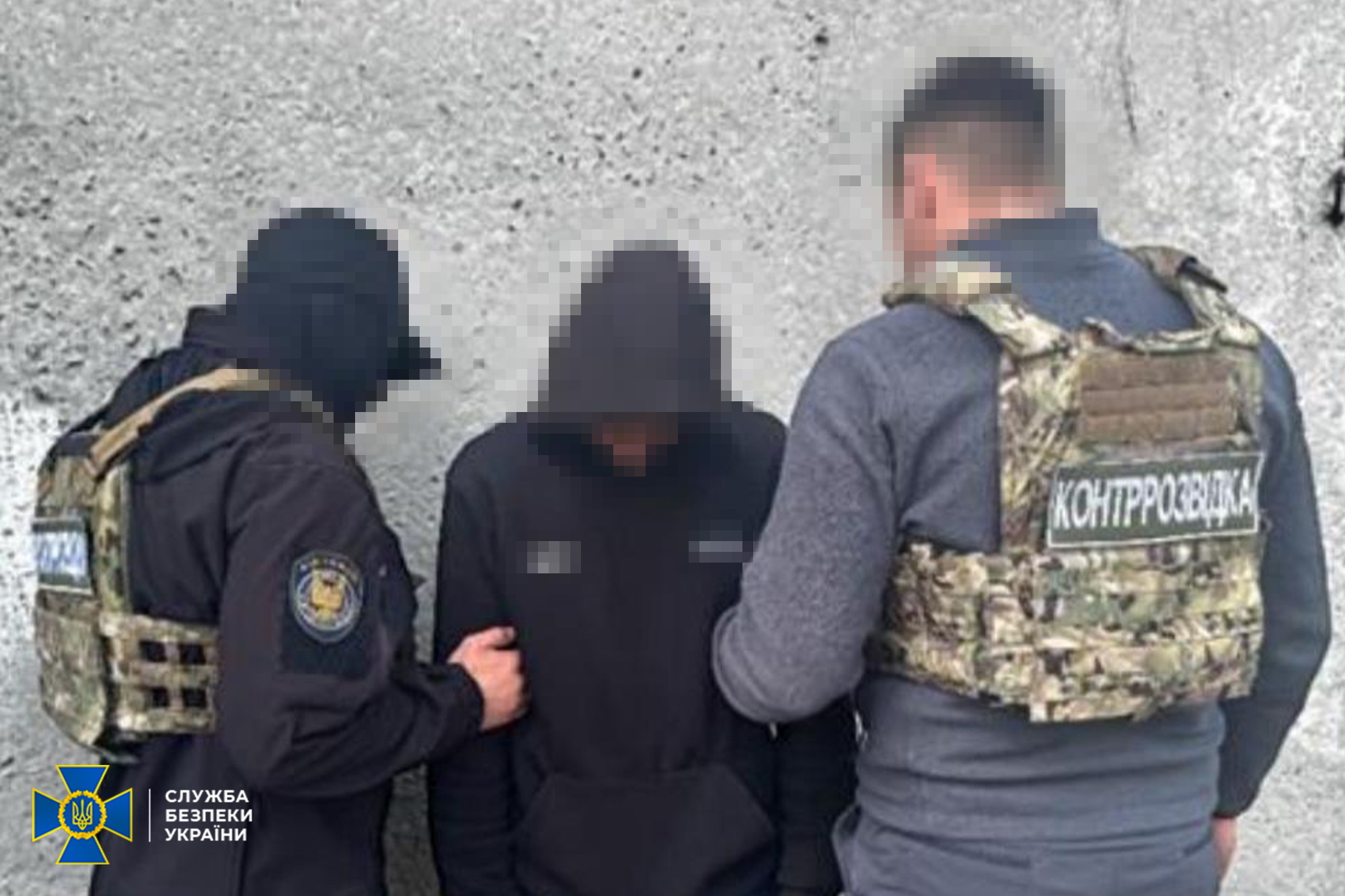
Illustrative photo. Source: Depositphotos

A Kyiv court has sentenced an unemployed man to 15 years in prison with confiscation of his property for carrying out arson attacks on behalf of Russian intelligence, Ukraine's Security Service (SBU) said on 13 August. The man was recruited while looking for "easy money" on Telegram channels and carried out two arson attacks in Kyiv before fleeing to Odesa, the SBU reported.

Russian intelligence increasingly recruits Ukrainians through Telegram for arson and sabotage. It targets people seeking quick money and treats them as disposable operatives, paying small sums for a single task and discarding them once they are caught.

The Russian agent carried out two arson attacks

According to the SBU, the man first set fire to a relay cabinet belonging to a railway signaling system. Russia intended the attack to disrupt freight logistics, including supplies to areas near the front.

The agent later burned a volunteer’s SUV used to deliver humanitarian aid and evacuate civilians from areas affected by Russia’s war. He carried out the attacks at night, using a flammable mixture and filming each incident on his smartphone before sending the footage to his Russian handler.

The SBU arrested him in Odesa in July 2025, where he had attempted to hide after carrying out the attacks. Investigators seized his phone, which contained evidence of his cooperation with Russia.

A court found him guilty on two counts — sabotage committed under martial law, and intentional destruction of property by arson — both carried out as part of a group acting on prior conspiracy. He was sentenced to 15 years in prison with confiscation of his property.

ukraine detains six suspected russian agents including teen arsonist one russian-paid detained sbu fsb saboteur arrested says suspects were recruited telegram ordered target railway military infrastructure 22 security service (sbu)
Explore further

From “easy money” to murder: Russia escalates recruitment of Ukrainians for terrorist attacks inside Ukraine, police warn

Easy money, hard time: other Telegram recruits jailed too

The case follows several similar convictions. In a May case, an agent received 15 years for burning a railway relay cabinet near a Dnipro station in an attempt to disrupt frontline logistics. The SBU said the unemployed local, recruited through Telegram, filmed the arson and reported it to his handler, then was caught before he could carry out a planned series of attacks on the city's critical infrastructure.

In June 2026, another agent was sentenced to 15 years for preparing to burn an electrical substation in Kropyvnytskyi.

In July, SBU investigators reported that a GRU agent in Zaporizhzhia received 15 years for preparing explosives for Russian-organized attacks.

  •  

Russia allegedly sent a hitman after a US-Ukrainian citizen in Warsaw. Poland caught the suspect

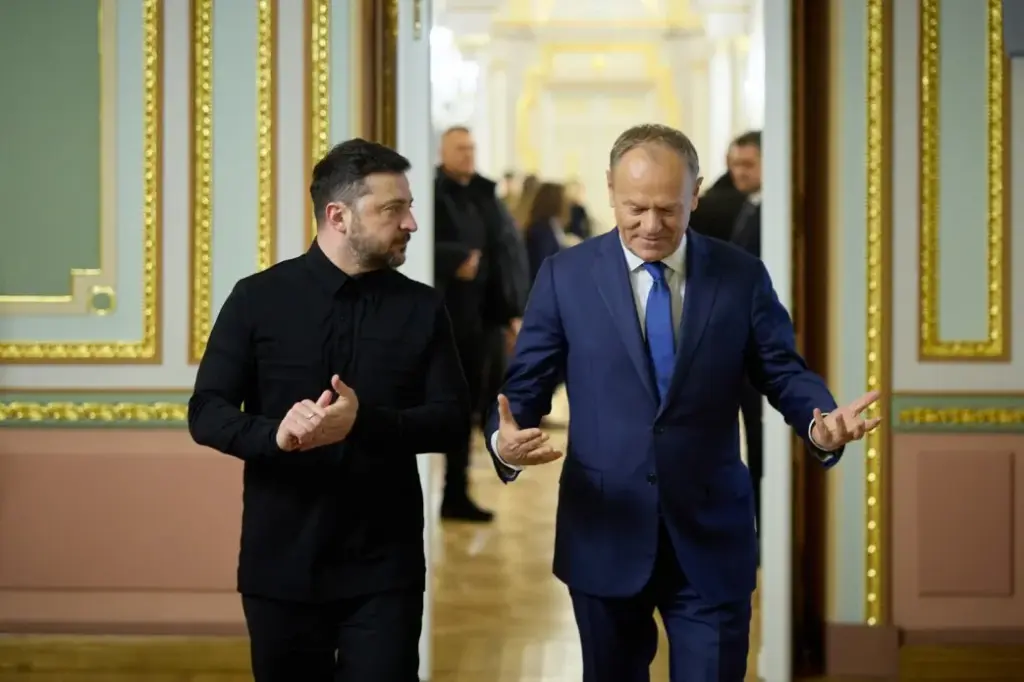
Ukrainian President Volodymyr Zelenskyy walks beside Polish Prime Minister Donald Tusk in an ornate government building.

Polish Prime Minister Donald Tusk said authorities had detained a Russian citizen recruited by Moscow to kill a man in Warsaw. The target holds US and Ukrainian passports, the Associated Press (AP) reported on 13 August. Tusk said Polish security services stopped the alleged attack “at the last minute.” 

Since 2022, AP has mapped about 200 acts of sabotage, arson, and disruption across Europe that officials have linked to Russia. European governments say the campaign aims to intimidate Ukraine’s supporters and disrupt military aid, while Ukrainian authorities report similar recruitment tactics inside Ukraine.

The suspect was detained on 7 August and remanded for three months, Warsaw police said. Tomasz Siemoniak, the minister overseeing Poland’s intelligence services, said the operation involved US services.

PM Tusk called it the first Russian-ordered attempt of its kind against a US citizen in another NATO country. He said the target was “inconvenient to the Putin regime,” without explaining why.

In their bulletin, Reuters reported that Russia’s Warsaw embassy did not immediately respond to a request for comment. Moscow denies conducting a sabotage campaign in Europe.

Russia has already gone after a German arms CEO and critics of the Kremlin

European authorities had already reported plots against arms-industry figures supplying Ukraine. CNN reported in 2024 that US and German services foiled a plot against Rheinmetall chief Armin Papperger. 

Former Bellingcat investigator Christo Grozev said an intelligence insider told him he was on Russia’s kill list. He also warned Putin critic Garry Kasparov that a Russian agent trained in assassination had infiltrated exile groups to approach him.

Russia has also been accused of targeting Kremlin opponents abroad. In June, Kremlin critic Robert Kuzovkov was shot dead in Poland. Tusk said the killing resembled a political assassination, but Warsaw has not attributed it to Russia.

Russia uses disposable agents, not career spies

The alleged recruitment in Warsaw resembles tactics reported elsewhere in Europe. German investigators identified a former Ukrainian bricklayer and an untrained Romanian woman as the suspected operatives surveilling Stefan Thumann, head of Bavarian drone maker Donaustahl. German intelligence later classified the case as a suspected planned assassination.

Ukrainian authorities have reported similar recruitment at home. The SBU said an FSB-directed foreign pair killed Colonel Ivan Voronych in Kyiv in July 2025. Both suspects later died in a shootout with law enforcement.

Ukrainian police say Russian recruitment can escalate from surveillance and simple deliveries to arson, terrorism, and murder. Since the start of 2026, police and the SBU have registered 31 terrorist attacks and prevented another 14.

  •  

Sweden says it stopped Russian operation to discredit country and EU. But no one will be prosecuted

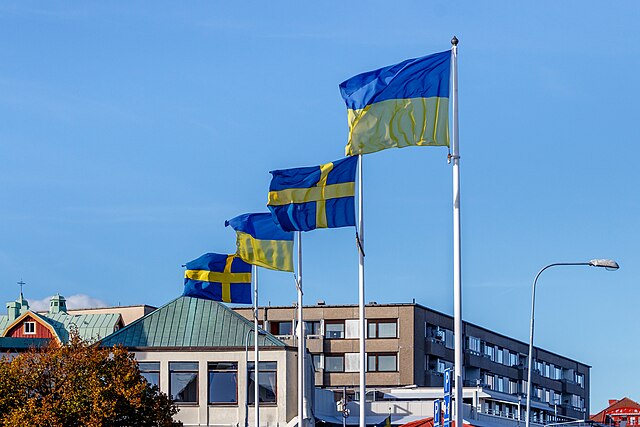
Ukrainian and Swedish flags in strong wind at the south harbor in Lysekil, Sweden.

Sweden says it caught and stopped a Russian spy operation. Säpo Security Service has exposed the intelligence operation aimed at discrediting the country, Sweden Herald reported.

The operation is one strand of Russia's hybrid campaign against Europe. Since the full-scale war in Ukraine, Russia has run espionage, sabotage, and influence operations across European states, from undersea cable damage in the Baltic to disinformation. The Swedish case is one such effort, aimed at undermining Swedish decision-making and discrediting Sweden and the EU.

The agent worked from a diplomatic mission

For the operation, Russian intelligence recruited its source inside a foreign embassy. The agent, recruited at a foreign diplomatic mission in Sweden, gathered information on the decision-making processes of Sweden's central government bodies and the kingdom's relations with other countries.

The goal was influence, not just information. The operation was meant to give Russian intelligence the ability to influence contentious issues, undermine Swedish decision-making, and discredit Sweden and the EU. It is the classic shape of a Russian influence operation: acquire inside knowledge of how a target state decides, then use it to steer or discredit those decisions.

Säpo watched it for a long time

The service said it tracked the operation before shutting it down. Säpo long monitored and documented the operation, recording meetings at which the agent passed information to two officers of Russia's Foreign Intelligence Service (SVR). It knew the tasks the agent was given and the questions he put to his handlers, Christoffer Wedelin, a deputy operations chief, said.

Säpo said it acted to contain the damage.

"Our assessment is that we have prevented the Russian intelligence operation. They have not succeeded in their mission," Wedelin said.

No one can be prosecuted

The case ends without arrests. The agent and the two Russian officers have left Sweden, and because all three hold diplomatic immunity, they cannot be arrested or prosecuted.

  •  

Ukrainian Air Force officer acting as 'FSB mole' arrested, SBU says

Ukrainian Air Force officer acting as 'FSB mole' arrested, SBU says

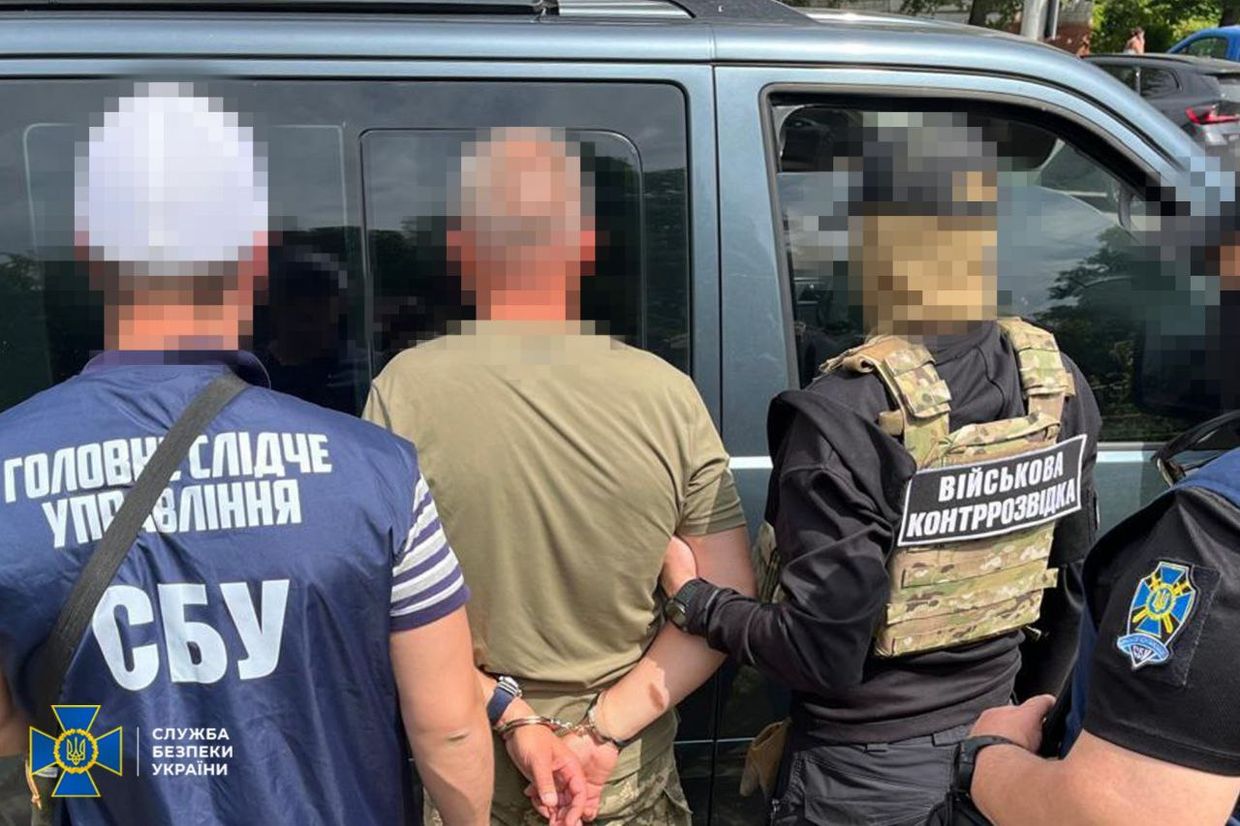
Ukraine's Security Service (SBU) detained a Ukrainian Air Force major suspected of spying for Russian Federal Security Service (FSB), the agency reported on July 3.

The alleged spy, arrested during a special operation in Lviv Oblast, was reportedly recruited through his ex-wife, a former military officer now cooperating with Russian forces in occupied Melitopol.

According to the SBU, the officer was gathering coordinates of operational airfields, logistics hubs, and maintenance centers used by Ukrainian combat aircraft. If successful, Russia intended to launch missile and drone strikes on those locations.

The SBU said the operation was coordinated with Ukraine's Commander-in-Chief and that the agent was supervised by Aleksandr Belodedov, an officer in the FSB's Alpha special operations unit.

Authorities said they intercepted the agent before any damage was done, documenting his communication with Russian intelligence and securing military sites at risk.

The suspect has been charged with high treason committed during wartime by a group of individuals under Ukraine's Criminal Code. He remains in custody and faces life imprisonment with asset seizure.

His ex-wife was also charged in absentia for treason during wartime.

‘Major casualties among civilians’ — US freeze on air defense missiles is terrible news for Ukraine
The halting of deliveries of air defense missiles from the U.S. will lead to“major casualties among civilians,” a deputy commander in Ukraine’s air defense told the Kyiv Independent. Politico reported on July 1 that the U.S. Defense Department (DOD) had halted shipments of some weapons previously
Ukrainian Air Force officer acting as 'FSB mole' arrested, SBU saysThe Kyiv IndependentKollen Post
Ukrainian Air Force officer acting as 'FSB mole' arrested, SBU says
  •  
❌