Connexion

This is the fancy new F-16 Ukraine could get. It’s not what its pilots need most.

- Ukraine's air force has discussed the F-16 Block 70/72 with US manufacturer Lockheed Martin, which then gave President Zelenskyy a model of one
- The Block 70/72 is smarter and tougher than Ukraine's ex-European F-16 Block 15 Mid Life Updates, but that doesn't mean the newer model is a major priority
- The Ukrainian air force needs munitions more than it needs new airframes
When Ukrainian President Volodymyr Zelenskyy met a Lockheed Martin team led by Orlando Sanchez Jr., head of its aeronautics division, in Kyiv on 19 October, the talk was of Patriot interceptors and of repairing the Ukrainian air force's small but growing fleet of ex-European F-16 fighters inside the country. Lockheed designed the F-16 and still builds it.
But the Lockheed officials may have had other things on their minds. They gave Zelenskyy a scale model of a new and improved F-16 variant in Ukrainian livery, according to a photo posted by the MilitaryNewsUA account.
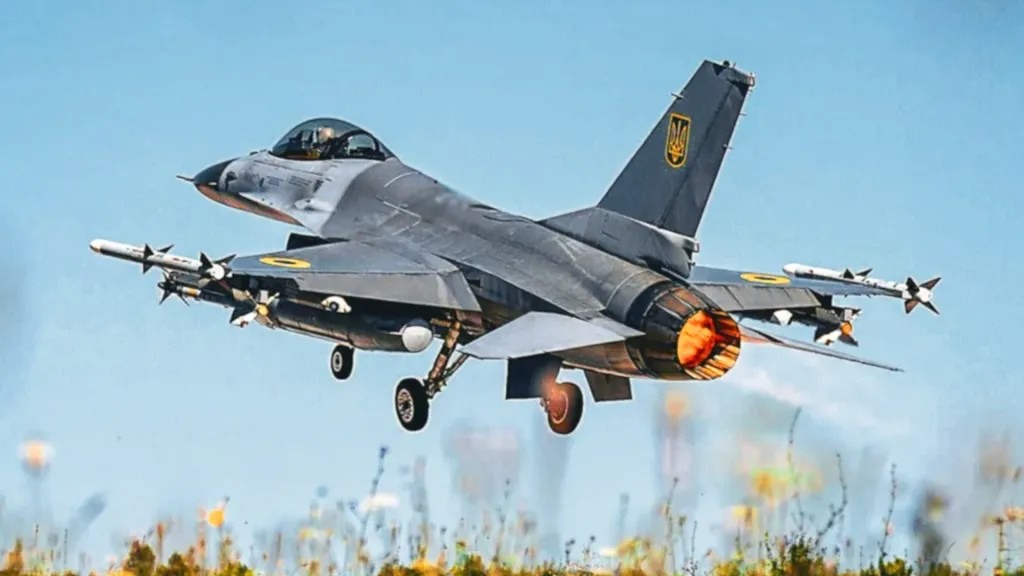
In late September, Ukraine's air force commander, Lt. Gen. Anatolii Kryvonozhko, and Lockheed discussed a possible move to newer F-16s. Now we have a clearer idea what those F-16s might look like—and what they might be capable of. The model Lockheed officials gave to Zelenskyy appears to be based on the Block 70/72 version of the classic supersonic fighter that Lockheed manufactures at its factory in Greenville, South Carolina.
—
A model of the F-16 Block 70/72 fighter that Lockheed Martin representatives gifted to Volodymyr Zelenskyy during their personal meeting yesterday. pic.twitter.com/tprj5yuj2z
MilitaryNewsUA
(@front_ukrainian) October 20, 2026
It's a world-class jet. But a pricey batch of factory-fresh Block 70/72s isn't actually at the top of the Ukrainian air force's wish list. Not as long as the air force's existing warplanes lack munitions.
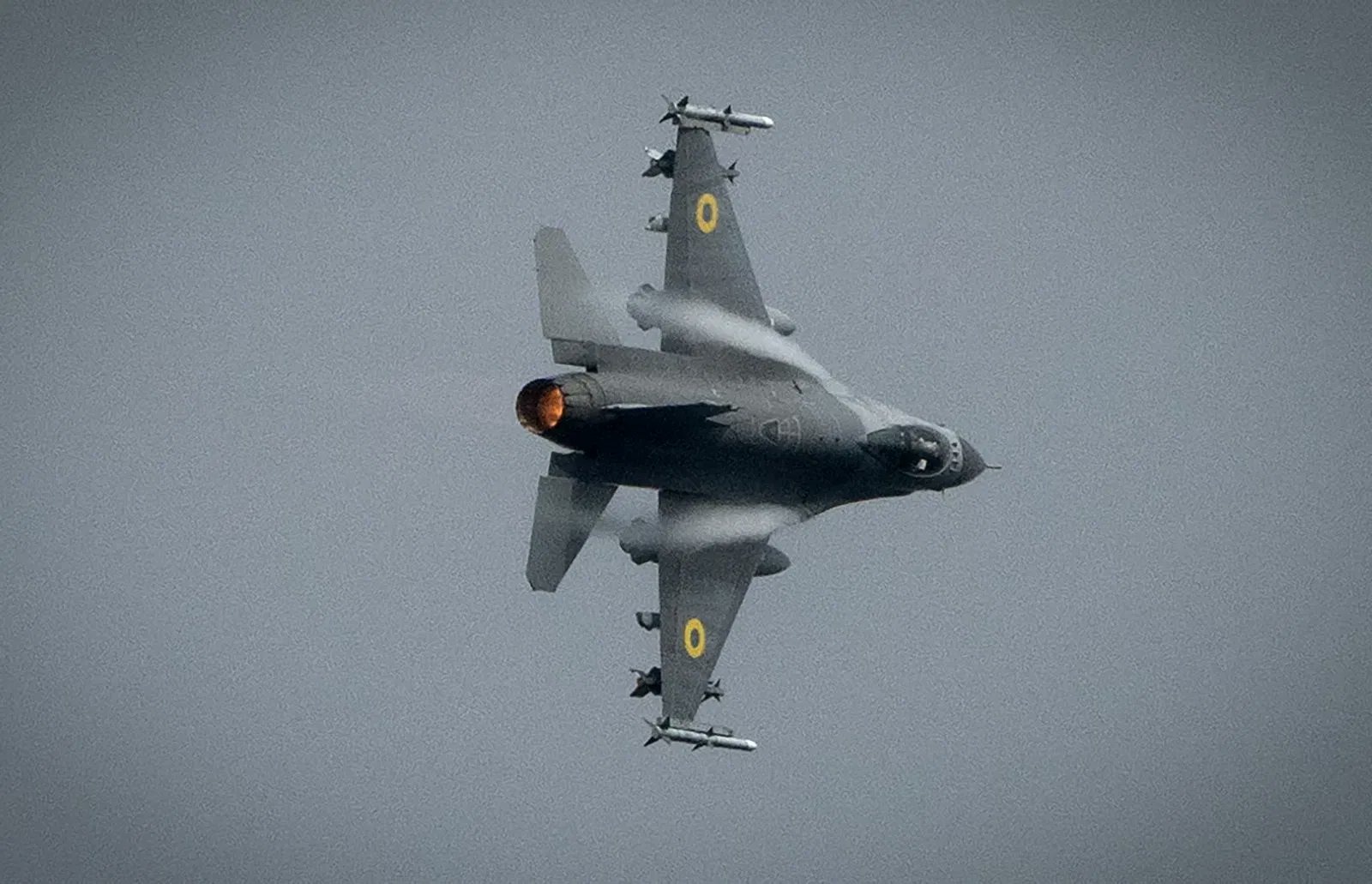
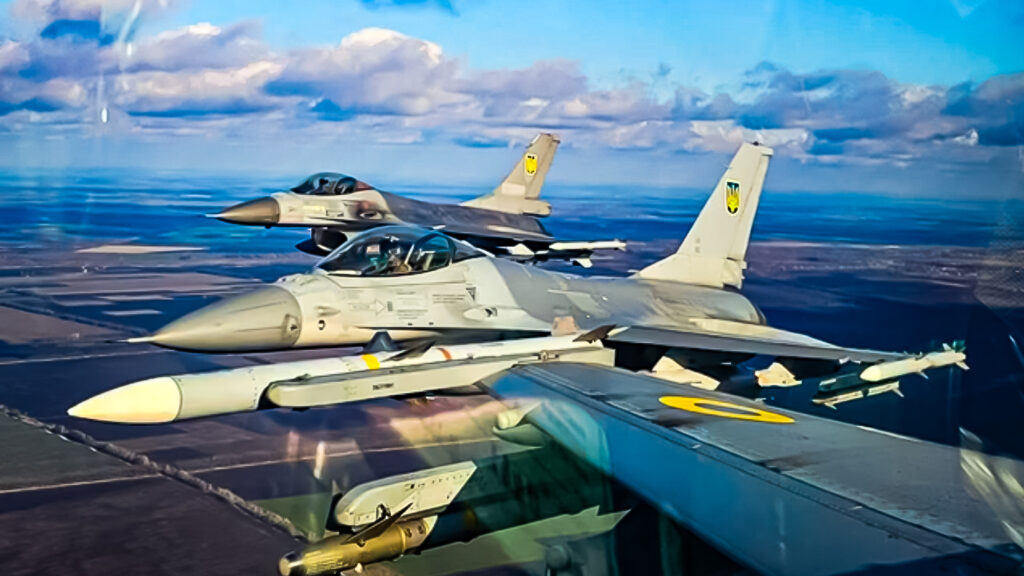
The Block 70/72 boasts a better radar, more fuel capacity, and a tougher airframe compared to older F-16 models, which have been flying since the late 1970s. The F-16 is still one of the most numerous fighter types in US Air Force service. Surplus 1980s-vintage F-16s from Denmark and the Netherlands make up the bulk of the Ukrainian air force's front-line fleet. Norway's six are still being refurbished, and Belgium's are coming.
Whether Ukraine ever gets new F-16s is anyone's guess. Kyiv would need to pay around $100 million per copy, or find an ally to finance the purchase. Either could be a heavy lift. And to be sure, Ukraine has options as it rebuilds its battered air force. Sweden is donating 16 older Saab Gripens, the first due early next year, and Kyiv plans to buy 20 newer ones. Kyiv has negotiated to buy 16 Dassault Rafales from France, which may not arrive until 2028. Belgium has promised as many as 53 older F-16s, the last of them perhaps not until 2029.
Welcome jets
But new Block 70/72 F-16s would be welcome. The Block 70/72 builds on what already makes the F-16 great: its agility, flexibility, reliability, excellent electronic warfare systems, and compatibility with a wide array of munitions.
Where the Block 15 Mid Life Update F-16s Ukraine currently flies have the older analog AN/APG-66(V2) radar, the Block 70/72 has a digital APG-83 active electronically scanned array radar. It can also carry overwing conformal fuel tanks for extra range.
Perhaps most exciting for the Ukrainian air force, a newly made Block 70/72 is good for 12,000 hours of flight: enough for about 30 years at 400 flying hours a year. An aging Block 15 has a structural life of about 8,000 hours, and Ukraine's jets fly hard. Zelenskyy has said about half of them spend long stretches abroad for repairs, many at Sabena Aerospace Engineering in Belgium, a process that can take months.
Ukraine F-16 Pilots Rationing Missiles as Russian Attacks Intensify | NEWSMAX2
— Ukrainian Air Force (@KpsZSU) September 16, 2026
Ukraine’s American-made F-16 fighter jets are defending the skies against Russian drones and cruise missiles — but a critical shortage of U.S.-made missiles is putting that mission at risk.
In an… pic.twitter.com/WQgbasdks5
Newer F-16s require less maintenance. They can fly and fight more often. In that sense, 50 Block 70/72s are worth more than 50 Block 15s.
But the availability of airframes isn't the biggest problem in the 107th Aviation Wing, the Ukrainian air force's sole F-16 unit. The wing is desperately low on air-to-air missiles. Its pilots often resort to gunning down Russian drones and cruise missiles with the F-16's built-in 20-mm cannon—a risky tactic given how close a fighter must get to its target to make use of its gun.
While a few billion dollars' worth of fresh F-16s could keep the 107th Aviation Wing in fighting shape for decades to come, fresh airframes aren't actually the most urgent priority. Given a choice between getting new F-16s or getting substantial supplies of missiles for its old F-16s, the wing would surely opt for the latter.