❌

Vue normale

  • ✇Euromaidan Press
  • Ukraine, EU set up joint task force to fast-track anti-corruption reforms that gate membership
    Ukraine and the EU have agreed to establish a joint working group to accelerate rule-of-law and anti-corruption reforms. This will help Kyiv meet the interim benchmarks for EU accession, Enlargement Commissioner Marta Kos says on X after talks with Ukrainian Prime Minister Serhii Koretskyi. Ukraine’s path into the EU runs through its courts and anti-corruption agencies, and the bloc releases membership progress and much of its money only as Kyiv delivers those reforms. “Ukraine is a
     

Ukraine, EU set up joint task force to fast-track anti-corruption reforms that gate membership

17 octobre 2026 à 13:13

ukraine's right self-determination non-negotiable all eu leaders say except hungary's flags european union commons/thijs ter haar backdrop potential territorial concessions looming over trump's meeting putin stand united support sovereignty 12

Ukraine and the EU have agreed to establish a joint working group to accelerate rule-of-law and anti-corruption reforms. This will help Kyiv meet the interim benchmarks for EU accession, Enlargement Commissioner Marta Kos says on X after talks with Ukrainian Prime Minister Serhii Koretskyi.

Ukraine’s path into the EU runs through its courts and anti-corruption agencies, and the bloc releases membership progress and much of its money only as Kyiv delivers those reforms.

“Ukraine is among the countries making most progress towards EU membership,” Kos says, adding that the group will work through outstanding requirements on the rule of law and the fight against corruption.

The move follows a breakthrough on the accession track. On 13 October, the Council of the EU opened two more negotiating clusters for Ukraine after the Ukrainian Parliament passed a minority-language education law on 12 October, clearing Hungary’s veto.

Why the reforms decide the money and the timeline

The group lands amid pressure on both fronts. Kos cast the education law as proof the system can work, crediting Ukrainian lawmakers with the consensus needed to adopt the reforms membership requires.

Meanwhile, Koretskyi expects the remaining clusters to open by the end of the year.

“Our success will require unity and commitment from all involved Ukrainian partners,” Kos emphasizes.

The official made clear the outcome depends on Ukraine keeping its side. The reforms are the same ones tied to Ukraine’s wartime financing, with billions in EU aid released only as Kyiv meets its commitments.

Billions in EU money hang on laws Ukraine has not passed

The stakes are financial as well as political. Ukraine is deep in a budget crunch and leaning on EU financing to keep the country running, and the Ukrainian Parliament returned from a month-long break this week to work through reform bills tied to that support.

As of 12 October, none of the needed laws had passed, according to anti-corruption activist Vitaliy Shabunin, who said the delay is already costing the country and blamed lawmakers who have stalled the reforms the money is tied to.

“As of today, Ukraine has NOT received several BILLION euros from the EU and others, because members of parliament have blocked the reforms to which that money is linked,” Shabunin said.

Ukraine’s anti-corruption bodies, whose independence EU made condition for membership, have clawed back $5.1 million for state budget

14 octobre 2026 à 19:37

The National Anti-Corruption Bureau of Ukraine (NABU) and the Specialized Anti-Corruption Prosecutor's Office (SAP) issuing notices of suspicion

Ukraine’s anti-corruption agencies just clawed back millions for the state budget. The National Anti-Corruption Bureau (NABU), the Specialized Anti-Corruption Prosecutor’s Office (SAPO) and the State Property Fund have returned about $5.1 million to the state budget, the bureau says.

NABU and SAPO were created in 2015 after the Euromaidan revolution as independent bodies to fight high-level corruption, and their independence is a core condition for Ukraine's path to the EU. This recovery is the kind of concrete payoff that EU-backed reform was meant to produce.

Investigating one case, detectives and prosecutors found that the leadership of a regional branch of the State Property Fund had failed to act. Because of that inaction, the state risked losing millions of dollars.

To head off the loss, NABU and SAPO alerted the fund’s central leadership and gave it access to part of the investigation materials.

How the agencies turned a case into cash

The fix came from sharing what the investigation had uncovered. After working through the data, the State Property Fund took the necessary steps and secured the full budget amount, the bureau says.

NABU and SAPO continue to cooperate with other state bodies to protect the country’s economic interests and prevent corruption crimes, the bureau adds. The agencies framed the case as proof that enforcement, beyond investigation alone, can return money the state would otherwise lose.

Why these agencies matter beyond one case

The recovery lands at a fraught moment for the two institutions. Their independence has been under sustained pressure, and in July 2026 parliament briefly stripped it before mass protests and EU warnings forced a reversal.

In 2025, Brussels tied as much as 50 billion euros in aid and the pace of accession talks to the agencies’ autonomy, treating NABU and SAPO as pillars of the rule-of-law reforms Ukraine promised on its way into the bloc.

Investigators say prosecutors shielded scam call centers. Their office has now fired eight people and is checking how its ex-chief left Ukraine

9 octobre 2026 à 16:08

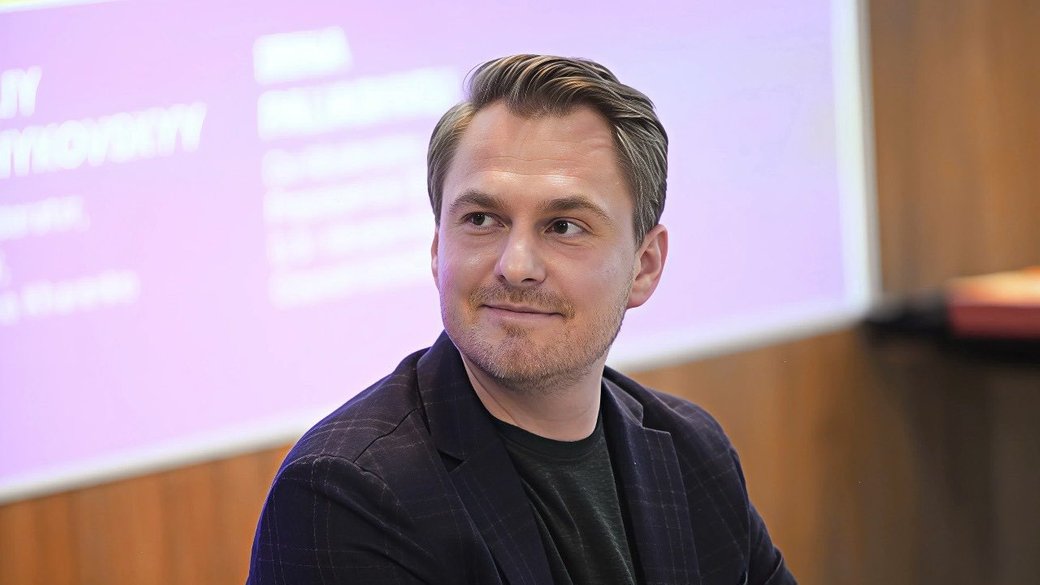
Acting Prosecutor General Anton Kovalskyi.

Ukraine’s prosecution service has dismissed eight people named in connection with an anti-corruption probe into the alleged protection of scam call centers, acting Prosecutor General Anton Kovalskyi reported. His office is also running internal checks on several officials linked to the case. A separate probe covers the trip abroad of his predecessor, who left Ukraine in September.

Ukraine’s main prosecution service is auditing itself while the country’s anti-corruption agencies investigate an alleged scheme run from inside it. The National Anti-Corruption Bureau (NABU) and the Specialized Anti-Corruption Prosecutor’s Office (SAPO) allege that a PGO official set up a criminal organization in mid-2025. They say it drew in serving prosecution employees and unofficial associates, took bribes for leaving scam call centers alone, and laundered the proceeds. The investigation is called Operation Carthage.

A probe from the outside, an audit from the inside

Ukraine’s main prosecution service is auditing itself while the country’s anti-corruption agencies investigate an alleged scheme run from inside it. The National Anti-Corruption Bureau (NABU) and the Specialized Anti-Corruption Prosecutor’s Office (SAPO) allege that an official of the Prosecutor General’s Office (PGO) set up a criminal organization in mid-2025. They say it drew in serving prosecution employees and unofficial associates. The group allegedly took bribes for leaving scam call centers alone and then laundered the proceeds. The case is known as Operation Carthage, Espreso reported.

Dismissals and polygraph tests

Seven of the eight dismissed people worked at the PGO, Kovalskyi said. Separately, four people were removed from administrative posts, including the heads of the IT department and the cybercrime directorate. Kovalskyi said 24 prosecutors took polygraph tests. The results went to a commission running an internal investigation. He wrote that trust in the prosecution service would be restored not through announcements of change but through consistent, balanced decisions and concrete results.

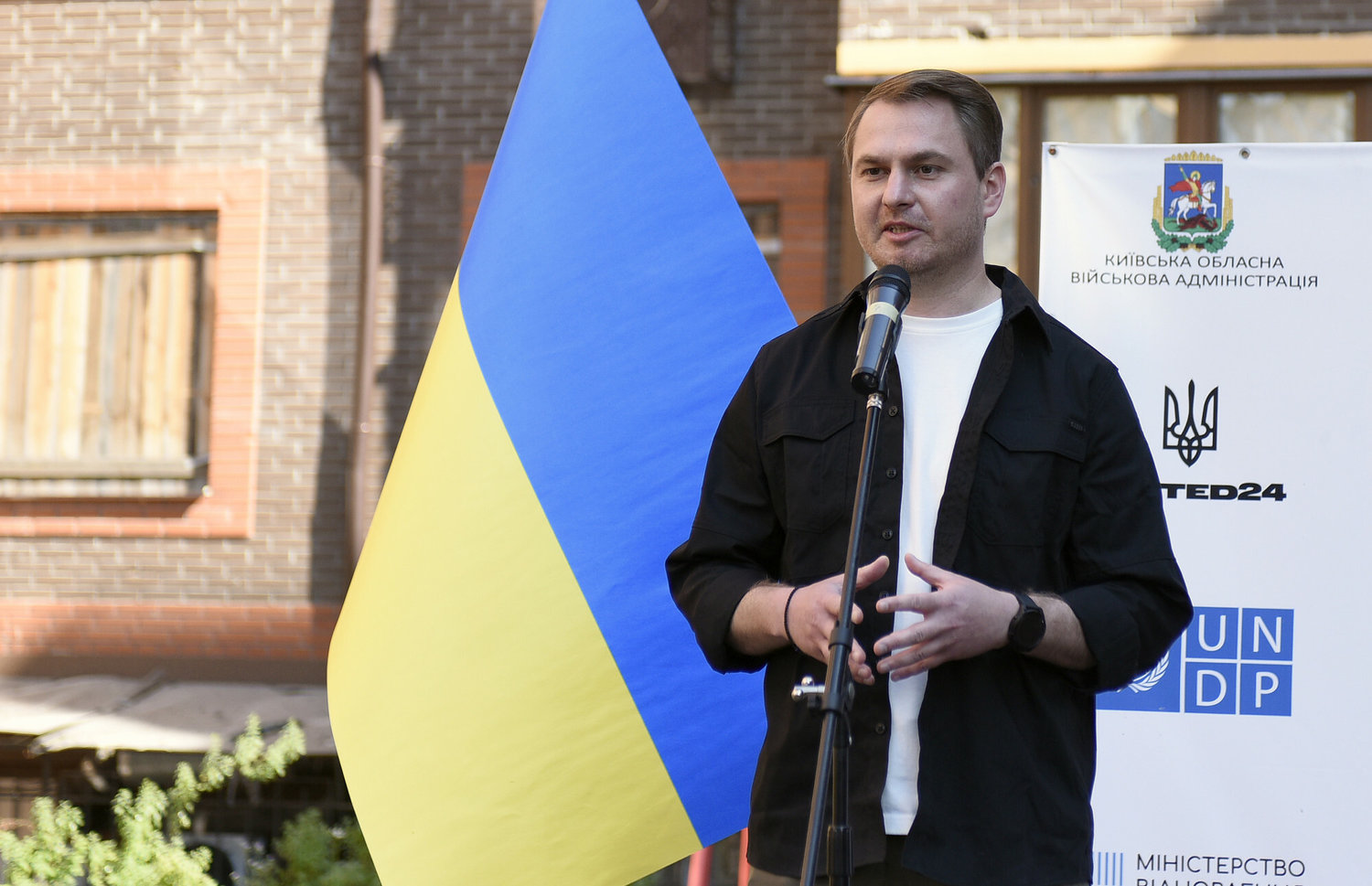
Ruslan Kravchenko speaks beside a large Ukrainian flag at a housing-rehabilitation event in Irpin in June 2023.
Explore further

Zelenskyy suspends prosecutor general who charged the bureau probing his own office

The internal probe concerning former Prosecutor General Ruslan Kravchenko covers his trip abroad. Investigators are checking whether he followed established procedure and how the business trip was organized. Kravchenko left Ukraine in an official car on the night of 13–14 September, Ukrainska Pravda reported, citing law enforcement sources. He explained his departure as an official trip to Lithuania.

On 14 September, Kravchenko announced he had signed a notice of suspicion against NABU director Semen Kryvonos. That evening, his own office said Kryvonos had never been properly served and that the register entries were cancelled.

On 15 September, lawmakers backed Kravchenko’s resignation 317–0. Two days later, President Volodymyr Zelenskyy assigned Kovalskyi the duties of prosecutor general by decree. Before that, Kovalskyi headed the Khmelnytskyi Oblast Prosecutor’s Office.

Two Carthage figures under internal review

The PGO completed an internal investigation into Aidyn Khudiiev, a former deputy department head, Kovalskyi said. Its findings will go to the Qualification and Disciplinary Commission of Prosecutors, and the PGO abolished his post. SAPO prosecutor Mykola Karas told a court hearing that detectives seized $50,000 at Khudiiev’s workplace during the Carthage searches.

Ruslan Kravchenko, former Prosecutor General of Ukraine. Facebook
Explore further

Ukraine’s chief prosecutor fled. Politicians still choose the man who can prosecute them.

The PGO is also investigating Serhii Kropyva, former deputy head of its international cooperation department. NABU detained him on 4 September, the first day of the operation. The internal probe looks at whether he used his powers for private interests and interfered in other prosecutors’ work. The PGO’s General Inspectorate has filed a disciplinary complaint against him with the same commission, and his post was also abolished.

  • ✇The Kyiv Independent
  • Ukraine's deputy prime minister won't be dismissed despite corruption probe, court rules
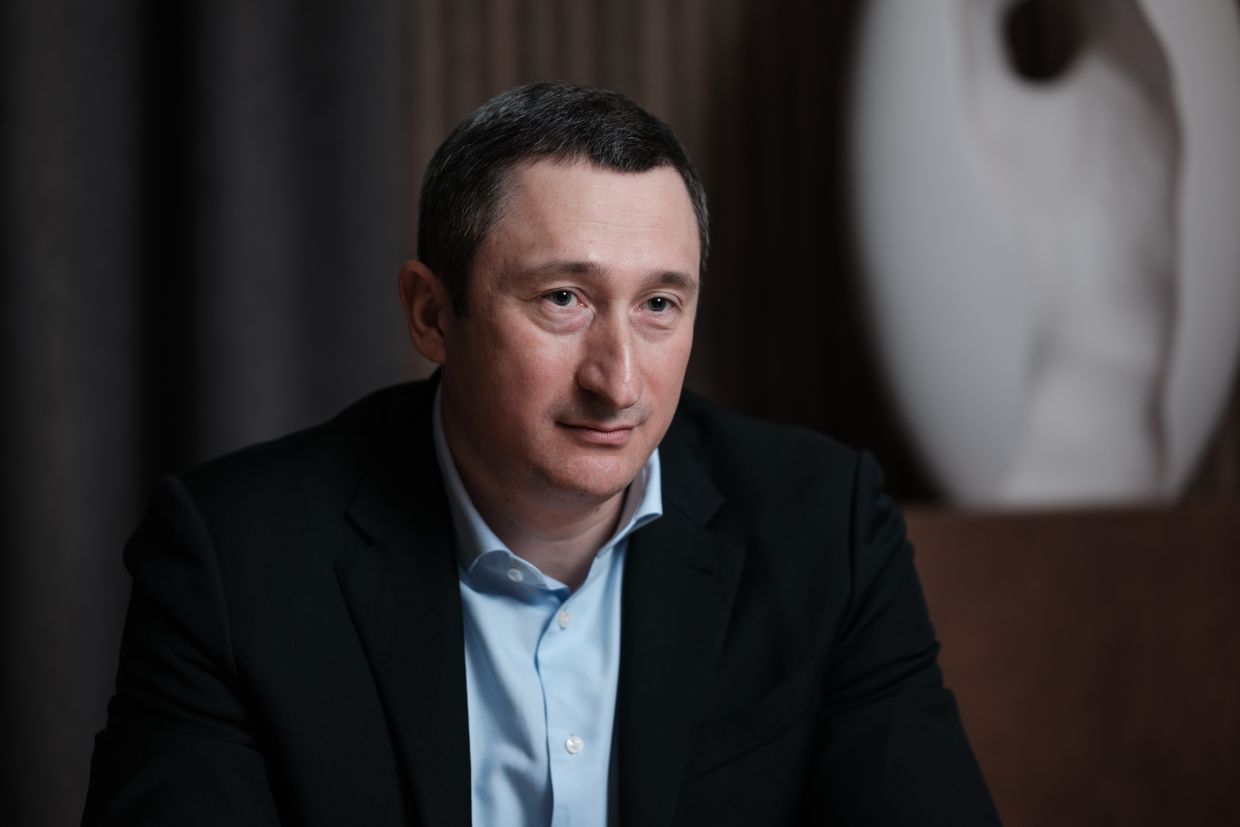
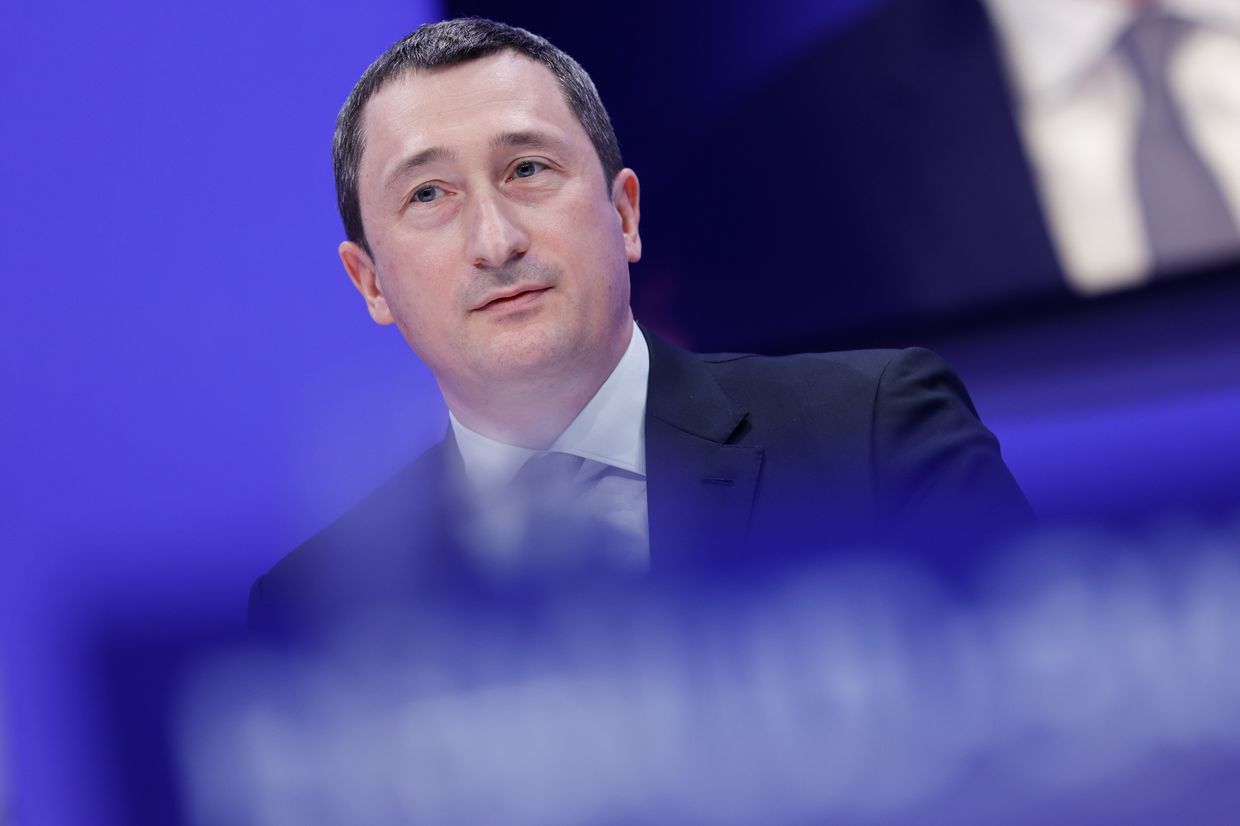
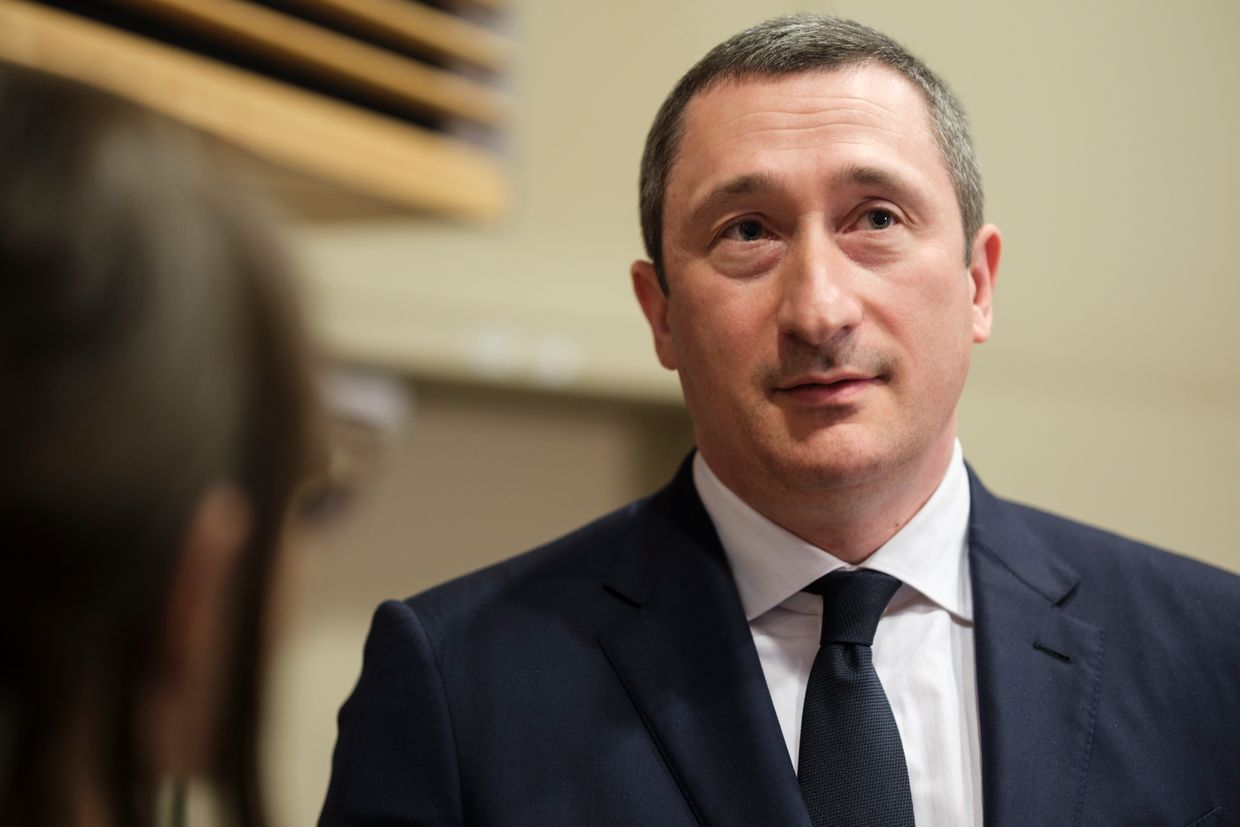
    Editor's note: This article was updated to include comments from Ukraine's Deputy Prime Minister Oleksii Chernyshov. Deputy Prime Minister and National Unity Minister Oleksii Chernyshov will keep his position after a decision from the High Anti-Corruption Court on July 2, despite an ongoing corruption investigation.Chernyshov is a suspect in a "large-scale" illegal land grab corruption case. After a court hearing on June 27, he was banned from traveling abroad without permission and slapped with
     

Ukraine's deputy prime minister won't be dismissed despite corruption probe, court rules

2 juillet 2025 à 06:56
Ukraine's deputy prime minister won't be dismissed despite corruption probe, court rules

Editor's note: This article was updated to include comments from Ukraine's Deputy Prime Minister Oleksii Chernyshov.

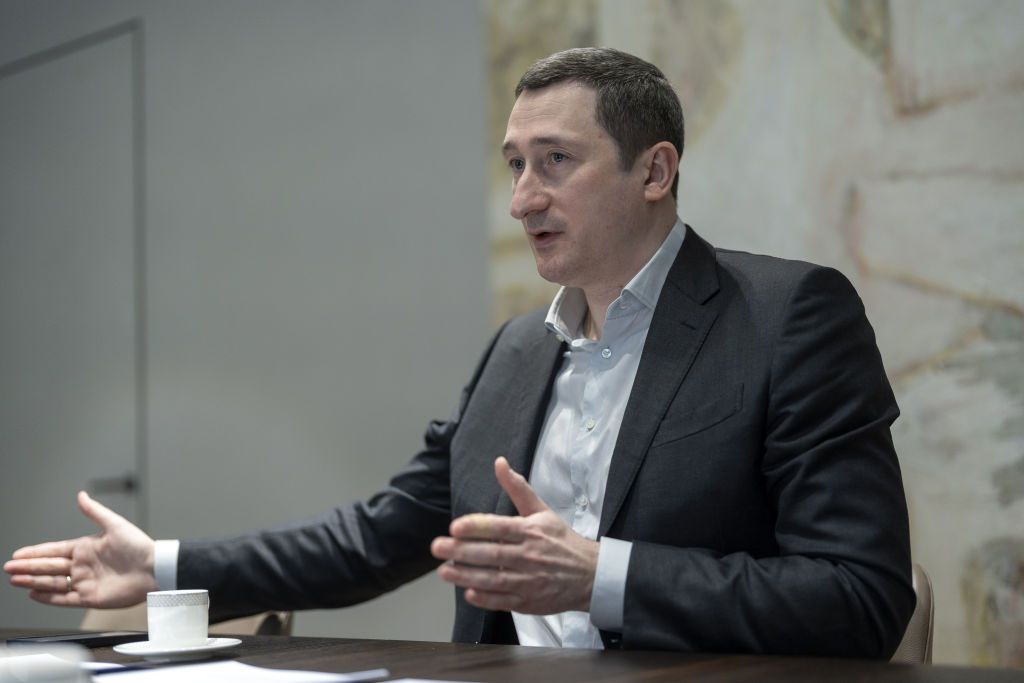
Deputy Prime Minister and National Unity Minister Oleksii Chernyshov will keep his position after a decision from the High Anti-Corruption Court on July 2, despite an ongoing corruption investigation.

Chernyshov is a suspect in a "large-scale" illegal land grab corruption case. After a court hearing on June 27, he was banned from traveling abroad without permission and slapped with a bail set at Hr 120 million ($2.9 million) while awaiting trial.

Despite Cheryshov’s defense appealing the bail, it was paid in full shortly after the July 2 hearing,  Olesya Chemerys, spokesperson for the High Anti-Corruption Court, told Ukrainian media Ukrainska Pravda. July 2 was the last day to pay the bail.

Prosecutors filed a motion for his removal on June 27. The day before, he told the Kyiv Independent that he denied the allegations and would not step down from his job.

"I definitely respect the court’s decision. At the same time, I will use all legal means to defend myself in court further and to protect my name and reputation," Chernyshov told the Kyiv Independent after the hearing on July 2.

Chernshov is the highest-ranking official in Ukrainian history to face such charges while in office, attracting a lot of eyes to the case. He is also considered a close ally of President Volodymyr Zelensky, marking a major accusation against the president’s inner circle.

Chernyshov has headed the National Unity Ministry since December, which was previously named the Reintegration of Temporarily Occupied territories Ministry, to strengthen ties with the Ukrainian diaspora. It was initially unclear why the ministry was created and what Chernyshov’s responsibilities were.

Earlier this week, several Ukrainian MPs, including lawmaker Yaroslav Zhelezniak, speculated that the ministry could be dismantled due to Chernyshov’s case.  Zhelezniak believes that the ministry is not needed and was created with the political goal of securing a position for Cherynshov, reported Radio Svoboda.

For now, Chernyshov says that the ministry will continue to operate as usual. "We have a lot of important work ahead, and stay dedicated to our values and tasks," he told the Kyiv Independent on July 2.

Speaking to reporters after the court dismissed the motion for his removal, Chernyshov said he had "collected funds" to pay the bail as his personal accounts are blocked.

The court’s decision to keep Cheryshov in place has raised concerns among the Anti-Corruption Action Center, a Kyiv-based watchdog. With Chernyshov still acting as deputy prime minister, he could potentially use his position to influence the court’s decision going forward in the case, said Olena Shcherban, deputy executive director at ANTAC.

"The logic of the court is currently completely unclear to me, as are the motives — but given the high profile of the position and Chernyshov being close to the president's entourage, I do not exclude that the court could be influenced," Shcherban told the Kyiv Independent.

"Whether this will affect the case is not yet known; it all depends on whether Chernyshov will still influence witnesses and use his position to save himself — and I think he will definitely use it," she added.

According to the National Anti-Corruption Bureau (NABU) investigation, during his time as communities and territories minister in 2020-2022, Chernyshov and his associates undervalued land plots to benefit a developer in exchange for kickbacks.

Chernyshov and his accomplices allegedly received "significant" discounts on apartments in existing buildings, totaling over Hr 14.5 million ($346,000), from the developer. The actions cost Ukraine Hr 1 billion ($24 million), according to NABU.

Chernyshov first raised eyebrows after he left the country on a business trip days before law enforcement unveiled the charges and detained two of his close associates. Despite suspicions that he had fled the country to avoid arrest, he returned to Ukraine on June 22 and was summoned to NABU the following day.

During the court hearing, NABU and the Specialized Anti-Corruption Prosecutor's Office (SAPO) requested that Chernyshov be suspended from office and that the court set bail of Hr 120 million ($2.9 million).

The two offices also requested additional measures restricting his movements, including that he hand in his passport and wear an electronic monitoring device.

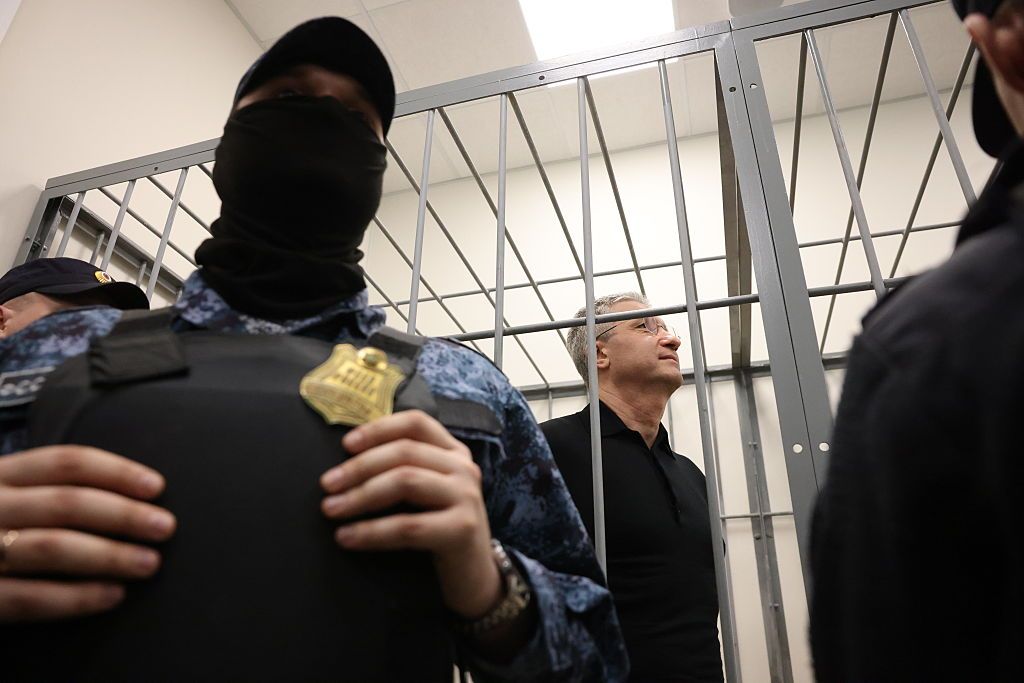
Top Russian defense official gets 13 years in graft crackdown
Authorities detained former Russian Deputy Defense Minister Timur Ivanov in April 2024 on bribery allegations, later adding embezzlement charges in October.
Ukraine's deputy prime minister won't be dismissed despite corruption probe, court rulesThe Kyiv IndependentOlena Goncharova
Ukraine's deputy prime minister won't be dismissed despite corruption probe, court rules
  • ✇The Kyiv Independent
  • Anti-corruption agencies seek Ukrainian deputy prime minister’s suspension amid land grab case
    Ukraine's National Anti-Corruption Bureau (NABU) and the Specialized Anti-Corruption Prosecutor's Office (SAPO) have filed a motion with the High Anti-Corruption Court seeking to impose bail and suspend Deputy Prime Minister Oleksii Chernyshov from office, NABU's press service reported on June 27.Chernyshov was officially named a suspect on June 23 in what NABU called a "large-scale" illegal land grab case. Chernyshov heads the new National Unity Ministry in charge of returning refugees and is a
     

Anti-corruption agencies seek Ukrainian deputy prime minister’s suspension amid land grab case

27 juin 2025 à 03:59
Anti-corruption agencies seek Ukrainian deputy prime minister’s suspension amid land grab case

Ukraine's National Anti-Corruption Bureau (NABU) and the Specialized Anti-Corruption Prosecutor's Office (SAPO) have filed a motion with the High Anti-Corruption Court seeking to impose bail and suspend Deputy Prime Minister Oleksii Chernyshov from office, NABU's press service reported on June 27.

Chernyshov was officially named a suspect on June 23 in what NABU called a "large-scale" illegal land grab case. Chernyshov heads the new National Unity Ministry in charge of returning refugees and is a close ally of President Volodymyr Zelensky. He left Ukraine days before law enforcement revealed a massive corruption scheme and detained two of his former close associates — Maksym Horbatiuk and Vasyl Volodin.

Investigators allege that Chernyshov and his associates undervalued the land fivefold, costing the state Hr 1 billion (about $24 million), and received discounted apartments worth over Hr 14.5 million ($346,000) in return. In a comment to the Kyiv Independent, Chernyshov has denied the allegations and said he has no plans to step down.

The agencies are requesting that Chernyshov be placed under a bail measure of Hr 120 million ($2.8 million) and be formally removed from his current post while the investigation proceeds.

The agencies said the proposed measures reflect the risks identified during the investigation, including concerns about potential obstruction of justice. They emphasized that their motion aligns with the court's precedent in similar high-profile corruption cases.

The motion also requests that Chernyshov be subject to standard obligations, including a travel ban, passport surrender, and mandatory cooperation with law enforcement. SAPO additionally urged that he be prohibited from contacting other suspects or witnesses in the case.

The agency noted that Chernyshov returned to Ukraine voluntarily and responded to their summons.

If the court upholds the request, Chernyshov would be required to pay the bail within five days. Failure to do so or breach of the imposed conditions could result in a more severe pre-trial measure, prosecutors said.

Chernyshov returned to Ukraine on June 22 following growing public pressure and reported to NABU the following day. Despite his claim that he had been on a scheduled business trip, critics accused him of attempting to evade charges.

Chernyshov is considered a close ally of Zelensky and has held several high-profile roles, including CEO of state-owned oil and gas giant Naftogaz.

Exclusive: Ukrainian deputy prime minister suspected of corruption says he won’t step down
Ukrainian minister and deputy Prime Minister Oleksii Chernyshov has been formally named a suspect in a high-profile illegal land grab case, becoming the highest-ranking official in Ukrainian history to face such charges.
Anti-corruption agencies seek Ukrainian deputy prime minister’s suspension amid land grab caseThe Kyiv IndependentDominic Culverwell
Anti-corruption agencies seek Ukrainian deputy prime minister’s suspension amid land grab case
  • ✇The Kyiv Independent
  • Exclusive: Ukrainian deputy prime minister suspected of corruption says he won't step down
    Ukrainian Deputy Prime Minister Oleksii Chernyshov on June 23 was formally named a suspect in a high-profile illegal land grab case, becoming the highest-ranking official in Ukrainian history to face such charges while in office.After reports and public speculation around Chernyshov's potential involvement, the National Anti-Corruption Bureau (NABU) released a statement announcing that he was the sixth suspect in a “large-scale” corruption scheme led by a property developer from Kyiv who illegal
     

Exclusive: Ukrainian deputy prime minister suspected of corruption says he won't step down

23 juin 2025 à 11:56
Exclusive: Ukrainian deputy prime minister suspected of corruption says he won't step down

Ukrainian Deputy Prime Minister Oleksii Chernyshov on June 23 was formally named a suspect in a high-profile illegal land grab case, becoming the highest-ranking official in Ukrainian history to face such charges while in office.

After reports and public speculation around Chernyshov's potential involvement, the National Anti-Corruption Bureau (NABU) released a statement announcing that he was the sixth suspect in a “large-scale” corruption scheme led by a property developer from Kyiv who illegally claimed a land plot to build a residential complex.

In a comment to the Kyiv Independent, Chernyshov denied the accusations against him. "I'm absolutely not involved in that (scheme) — that's clear," he said.

He also said he won't step down from his post. "I will stay in this position," Chernyshov told the Kyiv Independent.

Chernyshov, who heads the new National Unity Ministry in charge of returning refugees, is a close ally of President Volodymyr Zelensky. He raised eyebrows in Ukraine after leaving the country days before law enforcement revealed a massive corruption scheme and detained two of his former close associates — Maksym Horbatiuk and Vasyl Volodin.

According to the anti-corruption agency, during his time as communities and territories minister in 2020-2022, Chernyshov and his associates undervalued land plots by five times to benefit the developer, which Ukrainian media identified as Serhii Kopystyra, allegedly costing the state Hr 1 billion ($24 million).

In exchange, NABU says the developer gave kickbacks to Chernyshov and his accomplices with "significant" discounts on apartments in his existing buildings, totaling over Hr 14.5 million ($346,000). Ukrainian news site Ukrainska Pravda reports this took place between 2021-2022.

NABU and Ukraine's Specialized Anti-Corruption Prosecutor's Office (SAPO) seized the plot to prevent the scheme. Most of the illegally obtained apartments have been seized.

Chernyshov arrived back in the country on June 22 after suspicions mounted in Ukraine that he was on the run and avoiding detention.

"I was definitely on a business trip and I was not escaping out of Ukraine," Chernyshov told the Kyiv Independent. "The rumors of me not returning are nothing but manipulation. I came exactly once my trip was over. I had a very intensive trip in Europe."

Chernyshov claims he was targeted by a "smear campaign" but said he didn't know who could be behind it.

He also said that he came back on his own accord and denied that anyone had asked him to return.

The minister arrived at the NABU offices on June 23, after the agency summoned him to be charged. Upon leaving the bureau, Chernyshov wrote on Facebook that he had a “constructive chat” with detectives and will cooperate with the organization.

An investigation into Chernyshov and two of his associates took place last year after suspicions arose, according to Ukrainska Pravda, with the agency obtaining a warrant to search Chernyshov's home.

But sources in anti-corruption agencies told Ukrainska Pravda that the head of NABU, Semen Kryvonos, blocked police searches due to his close relationship with Chernyshov, who was his boss when Kryvonos headed the State Architecture Inspection, an agency that was subordinated to Chernyshov's former ministry.

Searches allegedly took place a few weeks ago, after a one-year delay, according to Ukrainska Pravda.

Chernyshov said that while he knows Kryvonos in a professional manner, the two are not in contact. He added that the allegations against Horbatiuk and Volodin look "quite serious" but that it was for law enforcement to decide if their detention is justified.

He was appointed head of state-owned energy giant Naftogaz in 2022 after the dissolution of the Communities and Territories Development Ministry. He became the national unity minister in December 2024, a ministry created from scratch.

Chernyshov is widely believed to have a personal friendship with Zelensky. According to a report by Ukrainska Pravda, he was among only a handful of guests invited to celebrate Zelensky's birthday during the Covid-19 pandemic in 2021 — and the only member of the Cabinet of Ministers in attendance.

"The key thing is that today NABU and SAPO have actually reached the immediate circle of the president's 'family,'" Olena Shcherban, deputy executive director at the Anti-Corruption Action Center (ANTAC), a Kyiv-based watchdog, told the Kyiv Independent.

The President's Office feels the threat from NABU and SAPO and will likely attack the two institutions in response to Chernyshov's notice of suspicion, rather than "saving" the minister, Shcherban added.

"I am sure we will see both attempts to make harmful changes to the law and personal attacks on the SAPO head (Oleksandr Klymenko)," she said.  

Deputy PM Chernyshov returns to Ukraine as questions mount amid corruption probe
Deputy Prime Minister Oleksii Chernyshov returned to Ukraine on June 22 following his official trip abroad amid media speculations connecting Chernyshov’s absence to an ongoing corruption investigation.
Exclusive: Ukrainian deputy prime minister suspected of corruption says he won't step downThe Kyiv IndependentDmytro Basmat
Exclusive: Ukrainian deputy prime minister suspected of corruption says he won't step down
❌