Vue normale

  • ✇Euromaidan Press
  • How Russia built a jam-proof drone force—and the Chinese supply chain that could still break it
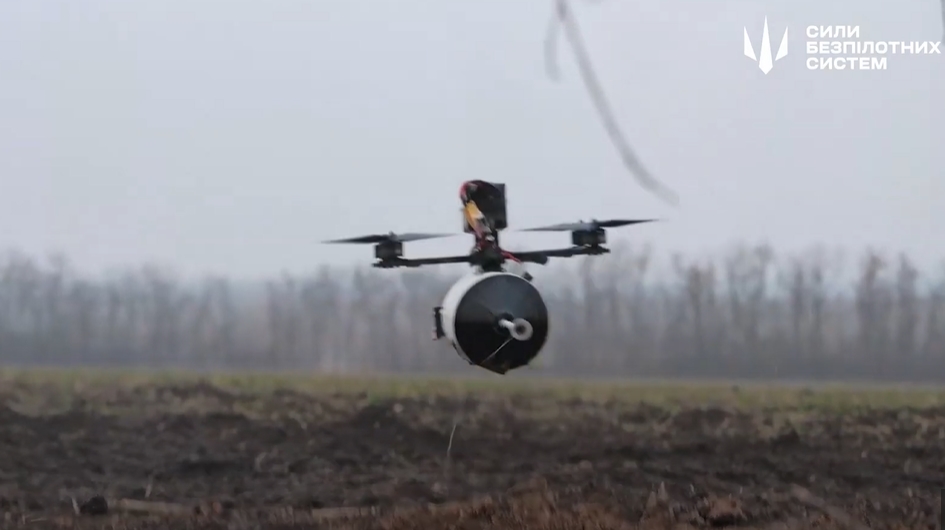
    Ukrainian jamming worked too well: it compelled Russian drone developers to innovate Now many Russian drones communicate via unjammable optical fiber or jam-resistant mesh radio But the Russians can't make all the hardware themselves Instead, they rely on Chinese imports Frustrated by Ukrainian electronic warfare, Russia transformed its drone arsenal to be harder—or impossible—to jam. Most of Russia's tiny first-person-view drones now send and receive s
     

How Russia built a jam-proof drone force—and the Chinese supply chain that could still break it

Par : David Axe
6 août 2026 à 15:51

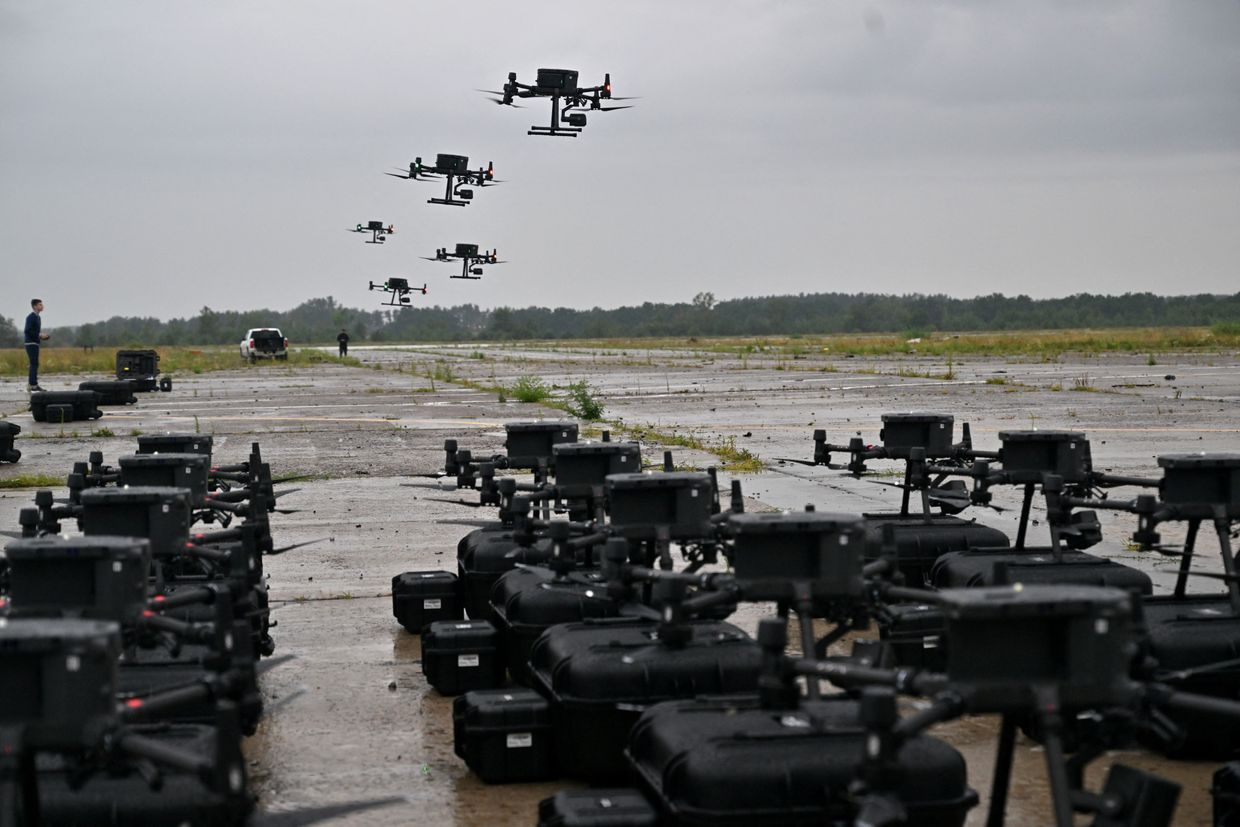
ukraine develops fiber-optic module fitting all drones integrates inertial navigation silkworm fiber optic drone unmanned systems forces shovkopryad ukraine’s testing universal designed types while firm installs its optical technology have

  • Ukrainian jamming worked too well: it compelled Russian drone developers to innovate
  • Now many Russian drones communicate via unjammable optical fiber or jam-resistant mesh radio
  • But the Russians can't make all the hardware themselves
  • Instead, they rely on Chinese imports

Frustrated by Ukrainian electronic warfare, Russia transformed its drone arsenal to be harder—or impossible—to jam.

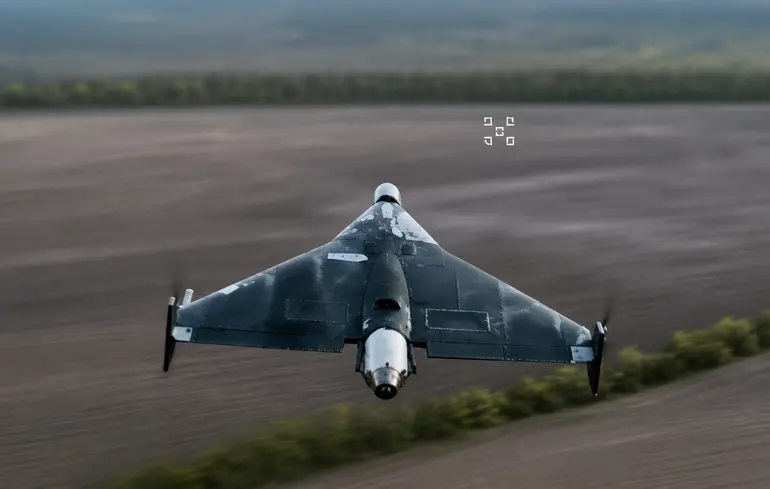
Most of Russia's tiny first-person-view drones now send and receive signals via jam-proof fiber optic cable instead of wireless radio. For heavier one-way attack drones that travel too far for fiber optics, the Russians have mostly switched to jam-resistant mesh radio networks made up of many interconnected senders and receivers.

In both cases, China is key. Chinese companies sell Russian companies the optical fibers and mesh modems that the Russians install in their drones. In other words, Beijing is the critical enabler in Moscow's ongoing aerial aggression.

That's the unsurprising yet sobering conclusion that Tatarigami, the founder of the Ukrainian Frontelligence Insight analysis group, reached in a recent investigation.

It's not enough for Ukrainian forces to shoot down or otherwise defend against Russian drones, or to fight back with their own drones. To win the drone war, Ukraine and its allies must "step up pressure on Chinese manufacturers," Tatarigami wrote.

Russia's response to electronic warfare wasn't a single solution. It evolved along two major paths: fiber-optic drones and mesh networks. This thread summarizes Frontelligence Insight analysis based on OSINT data and a report by the Center for Defense Reforms. Thread🧵 pic.twitter.com/k0v0ZeWKYB

— Tatarigami_UA (@Tatarigami_UA) July 30, 2026

As the drone war over Ukraine ramped up in 2022 and 2023, most Russian FPVs were wireless models. And most heavier one-way attack drones navigated via satellite. Both classes of drone could be jammed. A cottage industry of Ukrainian electronic warfare producers sprung up. Each firm offered some variation of a radio noisemaker that can ground or misdirect wireless and satellite-guided drones.

The jamming worked. Combined with kinetic defenses—guns and missiles—and add-on protections such as mesh, cages and netting, the jamming blunted the impact of Russia's drone arsenal. But the Russians adapted. The turning point came in the spring of 2025, when Russia's elite Rubicon Center drone group led the counterattack against Ukrainian troops occupying parts of Kursk Oblast in western Russia.

Rubicon's fiber optic FPVs wreaked havoc on Ukrainian forces in the Kursk salient, damaging or destroying hundreds of trucks and other vehicles in the span of a few weeks. Starving for supplies and in danger of being cut off, the Ukrainians retreated.

But the Russian adaptation was just beginning. The Russians are now launching 10,000 FPVs a day. And in certain key sectors, 60% of the FPVs were fiber optic models, according to Tatarigami. The Ukrainians can shoot down these drones and block them with armor, nets and earthworks. They can also strike at the Russian FPV teams before the Russians can launch their FPVs.

But there's one thing the Ukrainians can't do: they can't jam the drones.

Over the past six months, SBS has been able to narrow the drone usage gap. They started at 1 for every 3 Russian drones in February, after russia spiked to 9K strikes and are running at 1 for every 2 by August. pic.twitter.com/9GWrU0fx4W

— Vitaly (@M0nstas) August 4, 2026

Unjammable drones

Jamming continued to work against many one-way attack drones that must travel hundreds or even thousands of kilometers—too far for optical fiber. Another turning point came in February, when Elon Musk's Starlink bricked Russia's thousands of smuggled and stolen satellite terminals, some of which Russian forces used to control the approximately 5,000 Geran attack drones they launch every month.

The Starlink shutdown compelled Russian developers to accelerate the transformation of the one-way attack drone force. "Russia's second adaptation was mesh networking, routing data through mesh modems to keep communications alive across both short and long-range drones," Tatarigami explained.

It's possible to jam a mesh radio network, but it's hard. Every drone in a given network is a node. It's not enough to jam a few of them; you have to jam all of them.
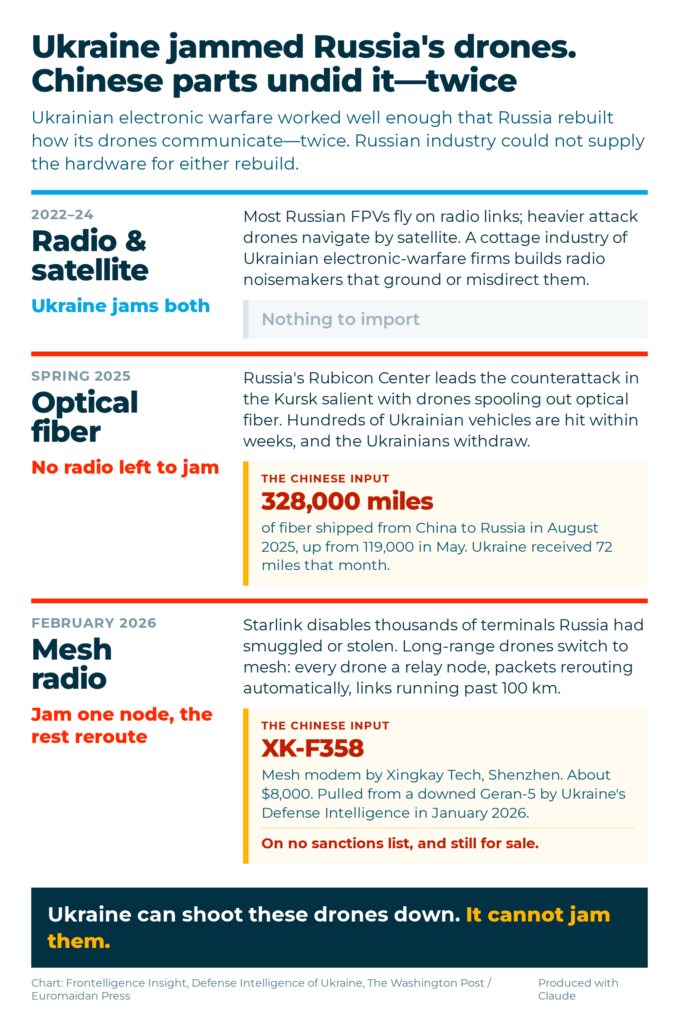
Chart tracking how Russian drones became resistant to Ukrainian jamming in three stages. From 2022 to 2024, Russian FPVs flew on radio links and heavier attack drones navigated by satellite, and Ukrainian electronic warfare could jam both. In spring 2025, Russia's Rubicon Center attacked the Kursk salient with fiber-optic drones that carry no radio signal to jam; China shipped Russia 328,000 miles of optical fiber in August 2025 against 72 miles to Ukraine. In February 2026, after Starlink disabled Russia's smuggled terminals, long-range drones switched to Chinese XK-F358 mesh modems, which carry no sanctions and remain on sale.
Chart: Euromaidan Press

If there's a constraint on Russia's switch to fiber optics and mesh networks, it's that Russian industry can't produce all the necessary hardware. "Unable to meet domestic demand, Russia turned to China," Tatarigami wrote.

The Washington Post reported Chinese optical fiber shipments to Russia growing from 119,000 miles in May 2025 to 328,000 miles that August. China sent Ukraine 72 miles the same month. For mesh networking, the Russians came to depend on XK-F358 modems from China's Shenzhen Xingkai Technology.

Ukraine's overstretched air defenses can't shoot down every Russian attack drone. Ukrainian troops and vehicle crews can't hide from 10,000 Russian FPVs a day. To defeat Russia's jam-proof drones, Ukraine and its allies must cut off the supply of Chinese parts, Tatarigami stressed.

They should extend export controls to modem-makers and producers of optical fiber, reels for the fiber and equipment associated with fiber production. "The recommendation is to expand sanctions beyond individual firms to the entire supply chain," Tatarigami advised.
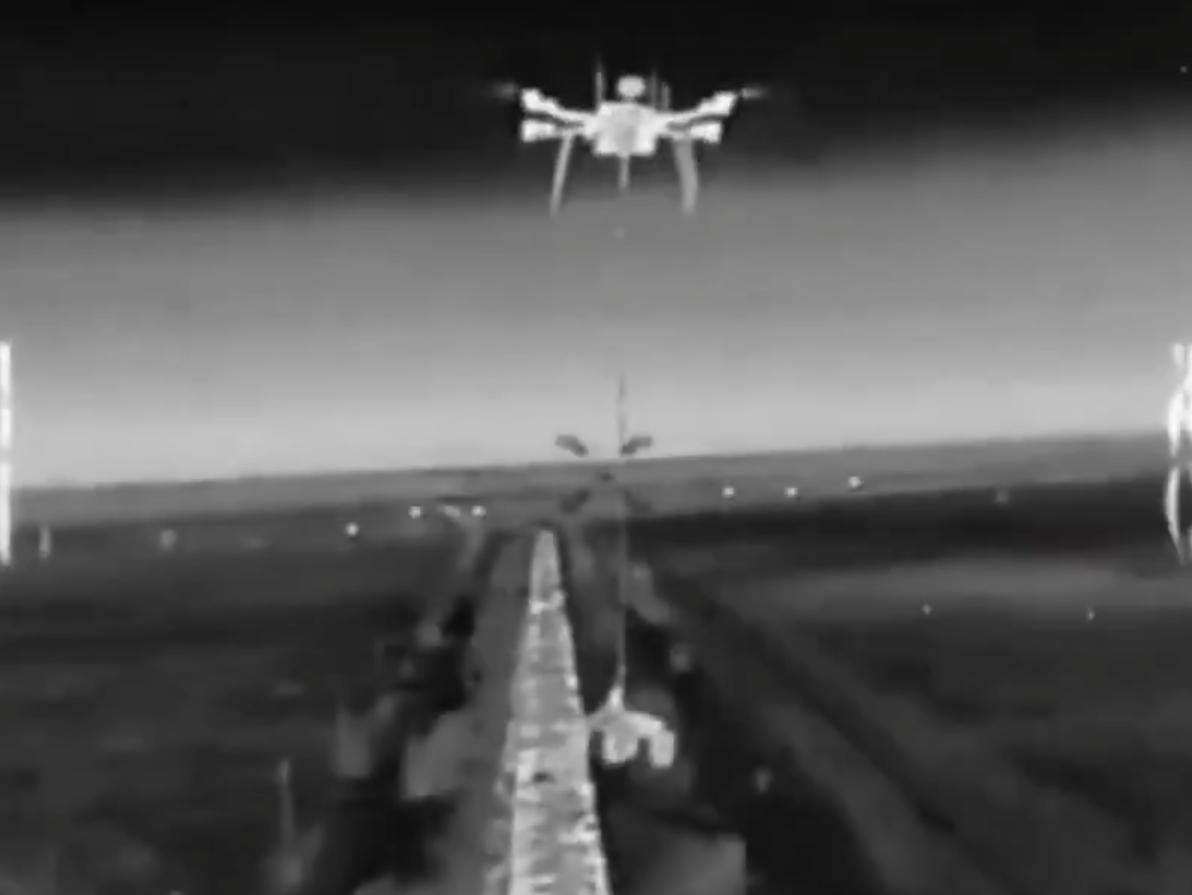
All-robot air assault.
Explore further

Some Ukrainian bomber drones aren’t carrying bombs anymore. They’re carrying robots.

  • ✇Euromaidan Press
  • Ukraine’s new drone is a cousin to America’s stealth bombers. It reaches Ufa in three hours.
    Ukraine has a new deep strike drone The Bravo has an unusual shape for a drone, with a blended wing and body The shape confers greater efficiency, and thus greater range and payload, at certain speeds Ukraine's latest deep strike drone is one of a kind. The Triada Robotics Bravo features a "blended wing body" design that's rarely seen on a drone. The special platform maximizes lift and minimizes drag, helping the drone fly farther for a given speed and payload
     

Ukraine’s new drone is a cousin to America’s stealth bombers. It reaches Ufa in three hours.

Par : David Axe
6 août 2026 à 14:48

Triada Robotics Bravo

  • Ukraine has a new deep strike drone
  • The Bravo has an unusual shape for a drone, with a blended wing and body
  • The shape confers greater efficiency, and thus greater range and payload, at certain speeds

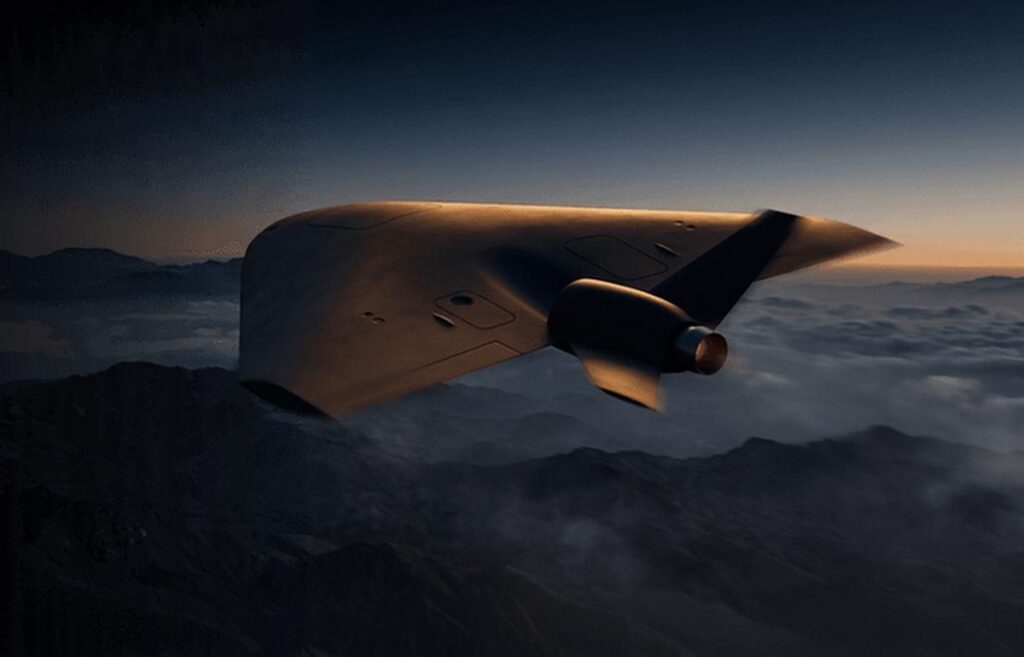
Ukraine's latest deep strike drone is one of a kind. The Triada Robotics Bravo features a "blended wing body" design that's rarely seen on a drone. The special platform maximizes lift and minimizes drag, helping the drone fly farther for a given speed and payload than a conventional "tube and wing" drone can do.

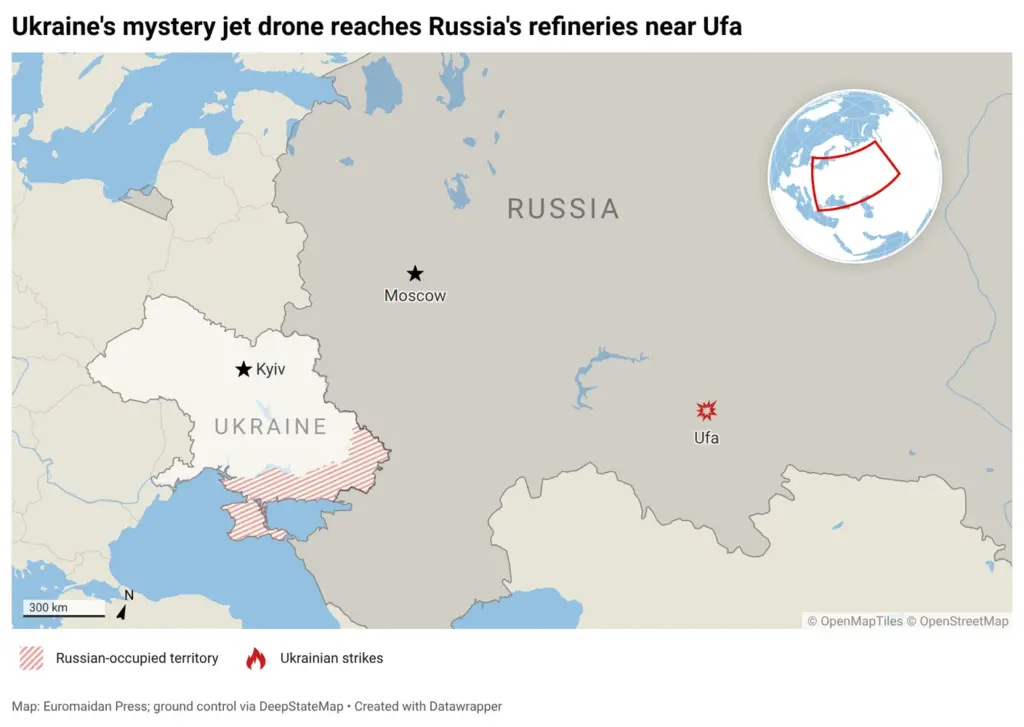
A stubby jet drone appeared fleetingly in a video shot from the ground during a strike on the Ufa refinery cluster in Bashkortostan on 2 August, more than 1,700 km from the Ukrainian border. Ukrainian forces hit the three Bashneft plants at Ufa on 1, 2, and 5 August.

Ukraine's drones hit Bashneft refineris in Ufa
Ukraine's drones hit Bashneft refineries in Ufa. Map: Euromaidan Press

No official body has identified the aircraft in the footage. Online observers compared the silhouette to the American F-117 Nighthawk; the outline is also consistent with the renders Triada publishes of the Bravo. The clip runs a few tenths of a second.

Everything that has reached that deep into Russia until now has been propeller-driven, plodding along at less than 200 km/hr. A jet Bravo cruising at 600 km/hr covers the same 1,700 km in under three hours instead of nine and a half. That is the difference between an air defense network with all morning to work out where a drone is going and one with a couple of hours.

Exactly what the drone in the video was aiming for, and whether it struck its target, is unclear. But that's not stopping Russian observers from panicking. "Shooting down a drone is practically impossible," one Russian blogger moaned.

It's untrue. Motoring along at 600 km/hr—Triada claims around 800 km/hr in the final phase of flight—the jet-propelled Bravo is neither the fastest Ukrainian deep strike munition nor the slowest. If Russian air defenses can take down 950 km/hr Fire Point FP-5 Flamingo cruise missiles, they can take down Bravos, too. Detecting one is a separate question: Triada says the Bravo's composite airframe reduces its radar cross-section.

Arming a Russian gunship with interceptor drones.
Explore further

Russia just copied Ukraine’s cleverest drone hunter

But invulnerability surely wasn't the main goal when Kyiv-based Triada Robotics designed the Bravo over the past couple of years. Efficiency was the objective. Which is probably why the firm chose the blended-wing-body arrangement for the one-way explosive drone, which it lists at around 174,000 euros—roughly $200,000.

The blended shape "provides many different aerodynamic benefits over conventional aircraft design," Oliver Johnson and Sam Dakka wrote in a 2019 article in International Journal of Aviation, Aeronautics and Aerospace.

Most drones, like most manned aircraft, have the same layout: a tube-shaped body and separate wings jutting from the body. These tube-and-wing aircraft are the easiest to conceptualize and the most straightforward to assemble, as the fuselage and wing can be built independently and attached during production.

The problem is drag, especially at the junctures between body and wing. A draggier airframe suffers a range and speed penalty compared to a less draggy airframe.

An unidentified Ukrainian jet-powered drone was filmed during yesterday's attack on Russian territory.

It is believed to be either the Bravo drone developed by Triada Robotics, which reportedly has a range of up to 2,000 km, a 100–200 kg warhead, and a top speed of 650–700 km/h,… pic.twitter.com/3ZtweKwR6t

— OSINTWarfare (@OSINTWarfare) August 3, 2026

Alternative shapes

There are alternatives to tubes and wings. Flying wing aircraft such as the US Air Force's B-2 and B-21 stealth bombers, both built by Northrop Grumman, are all wing—and have neither an identifiable fuselage nor horizontal or vertical stabilizers. They look like boomerangs.

At subsonic speed, that shape is less draggy than a tube and wing shape is, and thus more efficient for long-range flight. At the same time, a flying wing's lack of sharp angles reduces its radar reflectivity. In short, it can be very stealthy and hard to detect on radar.

The downside of a flying wing is that it's unstable and requires sophisticated flight controls to keep it in the air.

A blended wing body shape is a kind of compromise between a flying wing design and a tube and wing design. There's a fuselage and a wing and stabilizers, but the fuselage and wing blend into each other. A blended wing body isn't as stealthy as a flying wing is, but it's easier to control.

A Gerbara in mid-air.
Explore further

Ukraine’s AI drones hammer Russian supply lines. Russia’s $10,000 drone just got the same kit

And it's still less draggy than a tube-and-wing type. "The improvements increase the overall lift to drag ratio providing a higher performance aircraft saving 27% fuel burn per passenger mile that of the modern conventional configuration," Johnson and Dakka wrote.

That benefit is apparent in the Bravo's performance specifications. The drone reportedly ranges 2,000 km with a warhead of 100 to 200 kg and AI-assisted targeting, flying as high as 5,000 m. It's unclear how the Bravo navigates, but it's probably via some combination of satellite and inertial systems.

It's an impressive set of stats. A $50,000, propeller-driven Fire Point FP-1 ranges slightly farther—2,300 km—but the FP-1 cruises at just 180 km/hr and packs a 60-kg warhead. The Bravo is more than three times as fast and carries at least half again as much explosive, and possibly triple, while still flying far enough to reach deep inside Russia.

Yes, the Bravo costs four times as much as the FP-1 does, probably in part because of the jet propulsion, but that could change if Triada Robotics can scale up production. Co-founder Artem Veselov has said the company aims for a first pre-series batch of 100 by the end of the year. For now, the Bravo is a rarity. But it may become much more common in the sky over Russia in the coming months.

  • ✇#MonCarnet
  • 120 secondes de Tech / 6 aout 2026 
    🎧 Édition du 6 aout 2026 :– Google Assistant disparaît d’Android le 4 septembre– BMW affiche une publicité dans ses véhicules– OnePlus n’a plus de téléphones à vendre en Amérique du Nord– Disney ouvre ses personnages aux créateurs TikTok– Mauvais conseil pour refroidir les téléphones « 120 secondes de Tech », un regard sur le quotidien de l’actualité […]
     

120 secondes de Tech / 6 aout 2026 

6 août 2026 à 00:30
🎧 Édition du 6 aout 2026 :– Google Assistant disparaît d’Android le 4 septembre– BMW affiche une publicité dans ses véhicules– OnePlus n’a plus de téléphones à vendre en Amérique du Nord– Disney ouvre ses personnages aux créateurs TikTok– Mauvais conseil pour refroidir les téléphones « 120 secondes de Tech », un regard sur le quotidien de l’actualité […]
  • ✇#MonCarnet
  • 120 secondes de Tech / 5 aout 2026 
    🎧 Édition du 5 aout 2026 :– Samsung bat un record avec ses téléphones pliables– Fitbit synchronise enfin ses données avec Apple Santé– Apple prépare un copier-coller entre iPhone et Windows– Spotify dépasse les 300 millions d’abonnés payants– La prochaine Xbox miserait sur la rétrocompatibilité totale « 120 secondes de Tech », un regard sur le quotidien de […]
     

120 secondes de Tech / 5 aout 2026 

5 août 2026 à 00:30
🎧 Édition du 5 aout 2026 :– Samsung bat un record avec ses téléphones pliables– Fitbit synchronise enfin ses données avec Apple Santé– Apple prépare un copier-coller entre iPhone et Windows– Spotify dépasse les 300 millions d’abonnés payants– La prochaine Xbox miserait sur la rétrocompatibilité totale « 120 secondes de Tech », un regard sur le quotidien de […]
  • ✇Euromaidan Press
  • Ukraine’s new ballistic missiles would make Russia choose: bomb Kyiv or defend Moscow
    Ukrainian industry is working hard on new ballistic missiles Lobbing ballistics at Moscow and other Russian cities, Ukrainian forces would force Russian commanders to choose The choice: deploy their best S-400 air defense batteries to defend against ballistics, or keep aiming them at Ukrainian cities It's possible Ukrainian forces launched a new type of ballistic missile at Moscow on 1 July. The apparent Ukrainian missile, which air defenses reportedly shot do
     

Ukraine’s new ballistic missiles would make Russia choose: bomb Kyiv or defend Moscow

Par : David Axe
4 août 2026 à 20:01

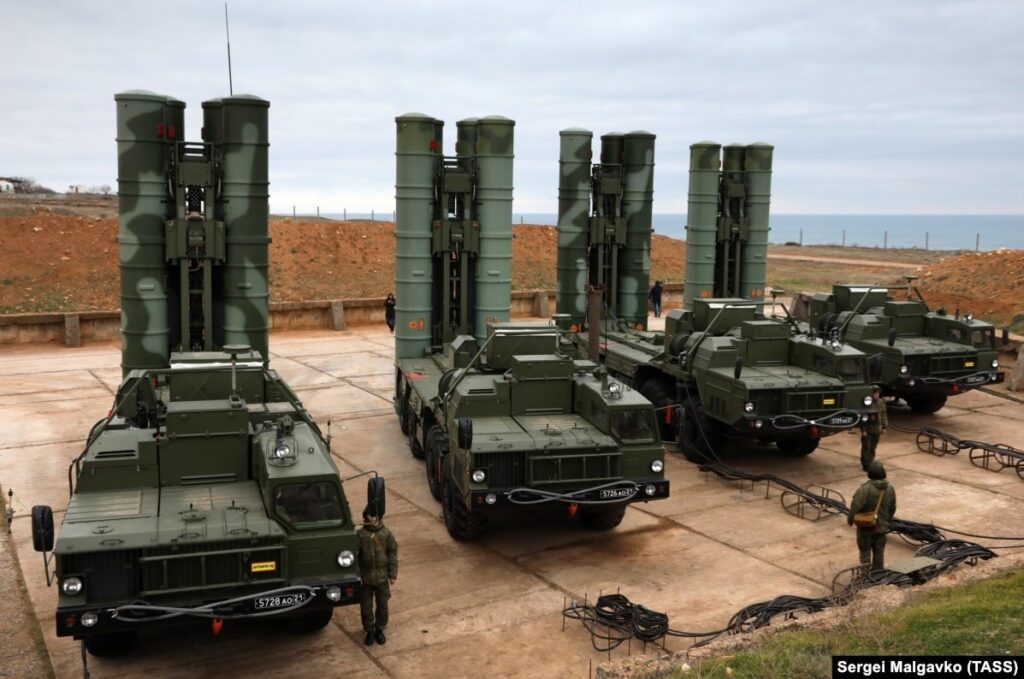
russia's arctic bases sit near-naked air defenses vanish guard moscow refineries burning inland · post s-400 defense missile launcher vehicles 2018 file sergei malgavko/tass rferl ukraine news ukrainian reports

  • Ukrainian industry is working hard on new ballistic missiles
  • Lobbing ballistics at Moscow and other Russian cities, Ukrainian forces would force Russian commanders to choose
  • The choice: deploy their best S-400 air defense batteries to defend against ballistics, or keep aiming them at Ukrainian cities

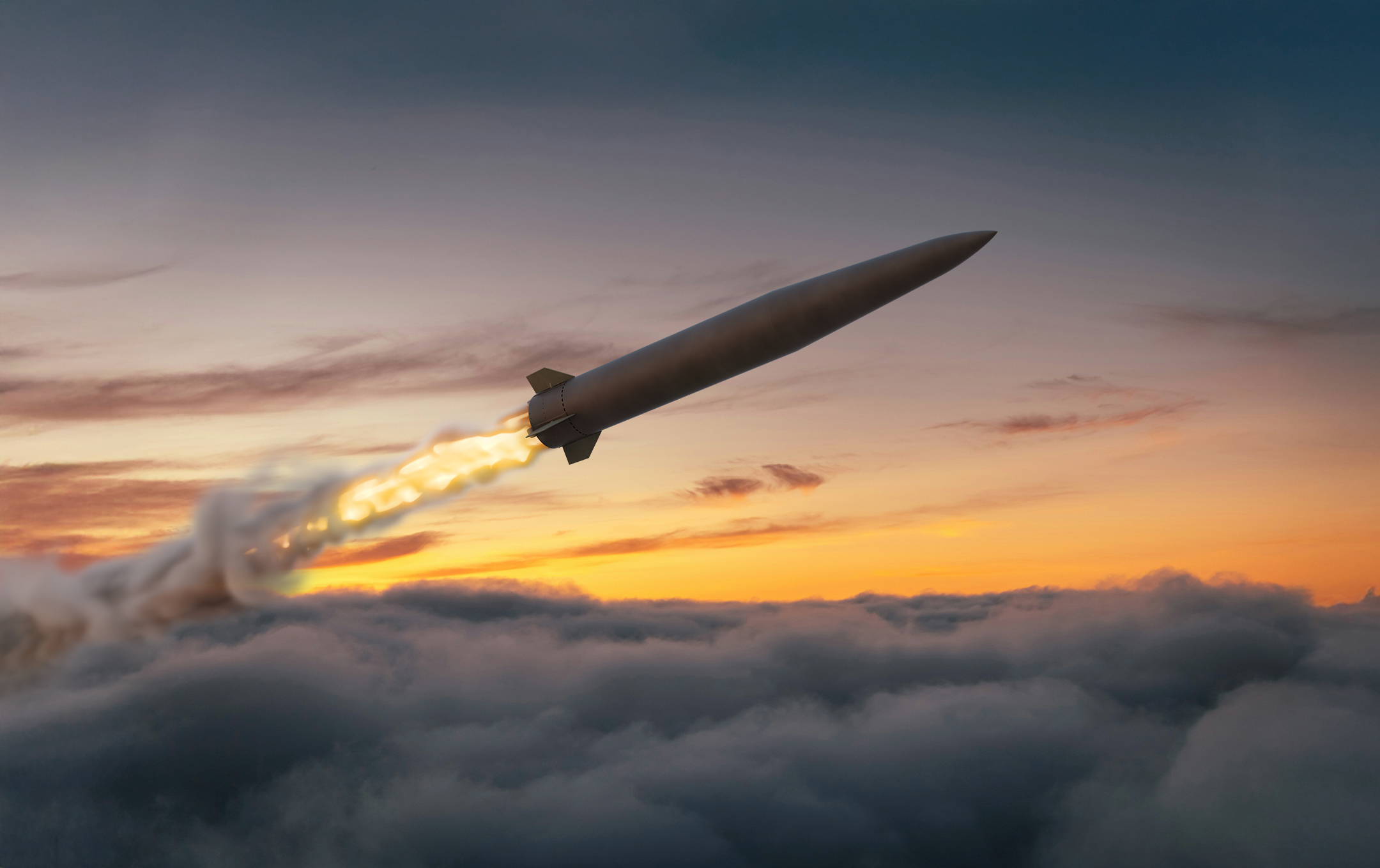
It's possible Ukrainian forces launched a new type of ballistic missile at Moscow on 1 July. The apparent Ukrainian missile, which air defenses reportedly shot down over the Russian capital, is a harbinger of things to come.

Ukraine is developing several new ballistic missiles with the range to reach Moscow, 500 km from the border with Ukraine. If and when they begin raining down on Russian cities, gas facilities, factories and refineries, Russia may have to change the way it fights.

The Russians might have to aim their best S-400 air defense batteries into the sky, instead of aiming them at the ground. For Ukraine, that could mean some respite from relentless Russian missile strikes. After all, S-400s doubling as surface-to-surface munitions are in the mix most nights when Russia bombards Ukraine.

"Ballistic missiles force a different problem on Russia," wrote Michael Bohnert, an analyst for California think tank RAND.

The coming shift comes down to speed. Where one-way attack drones and many cruise missiles are slow—often motoring along at just a few hundred kilometers an hour—and are thus fairly easy to shoot down, ballistic missiles are fast.

FP-9.
Explore further

Ukraine’s ballistic missile may have reached Moscow. The damage wasn’t the point.

They're all supersonic, traveling at least the speed of sound. Heavier ballistic missiles may even be hypersonic. That is, capable of reaching five times the speed of sound.

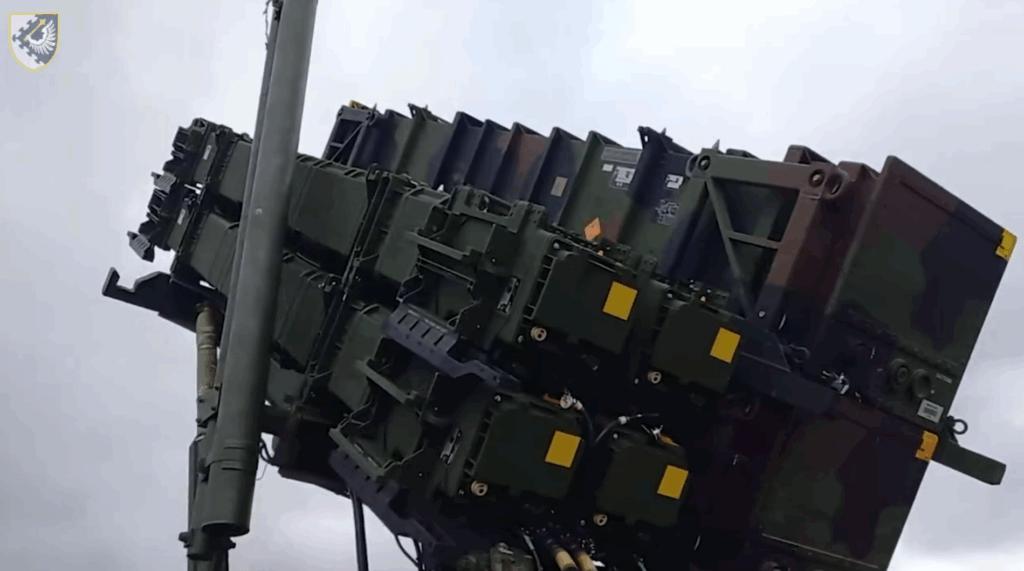
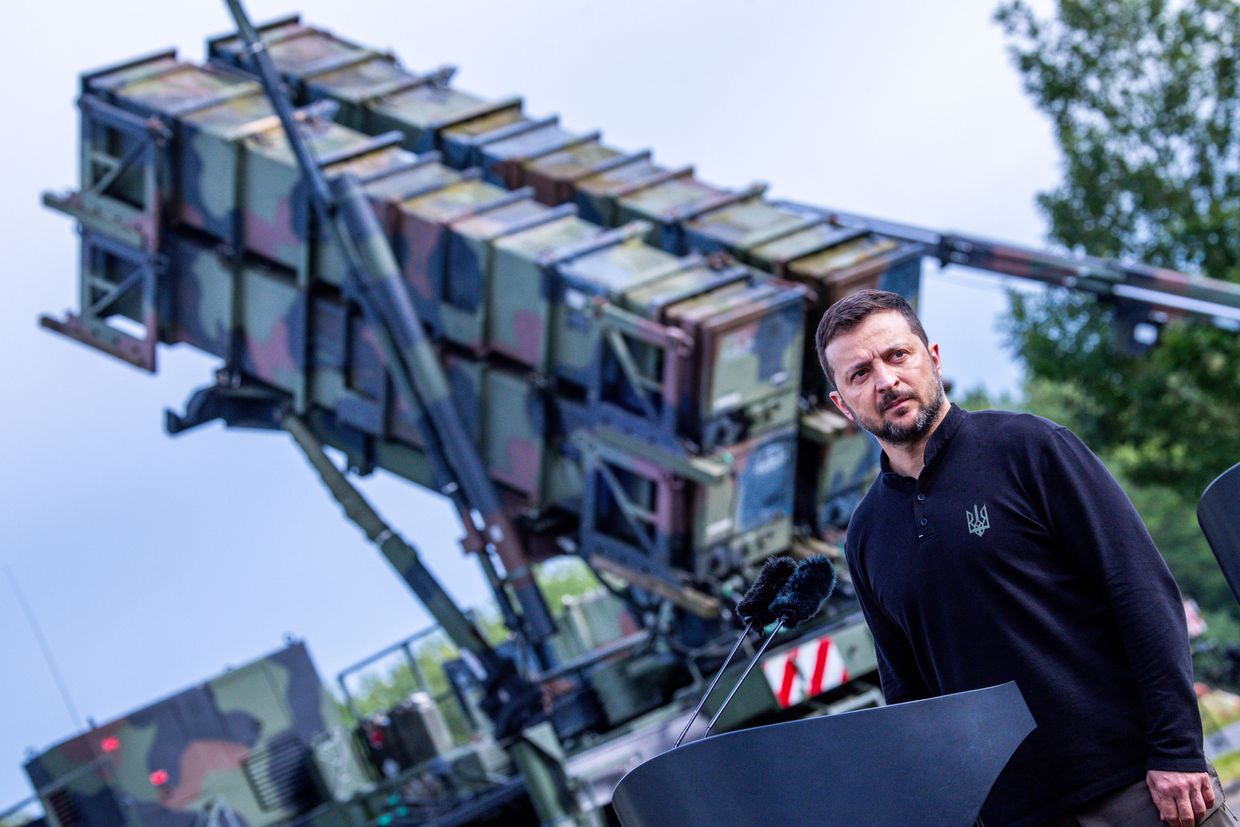
The same air defenses that swat down incoming drones can't stop ballistic missiles. Only the best air defenses stand any chance of hitting an incoming ballistic missile. Ukraine's main defense against Russian ballistic missiles is its six or so US-made Patriot batteries; for Russia, the main defense against the coming Ukrainian ballistics will be the roughly 50 S-400 batteries.

Keenly aware of the deep strike dynamics, the Russians are pivoting away from easy-to-kill drones toward hard-to-kill ballistics. This is a serious problem for Ukrainian air defenses, which are desperately short of missiles for their Patriot batteries owing to the Americans' reluctance to sell or donate missiles. US forces are struggling with their own air defense shortfalls resulting from the on-again, off-again war with Iran.

In one wave of Russian attacks on 6 July, Ukrainian air defenses shot down 326 out of 351 incoming Geran drones and 37 of 39 incoming subsonic cruise missiles. But the Russians also launched six supersonic anti-ship missiles and 23 ballistic missiles. Every single one got through, wreaking havoc across Kyiv. At least 22 people died in the capital and the surrounding oblast, and 90 more were injured.

A Ukrainian Patriot MIM-104 air defense system in the field
A Patriot MIM-104 air defense system in service with a unit of Air Defense Forces West, 10 April 2026. Photo: Air Command West, Ukrainian Air Force

Deep strike disparity

At present, Ukraine can't match these strikes. Yes, the Ukrainians can launch lots of one-way attack drones. In fact, far more drones than Russia can launch. And the Ukrainians also have a reliable subsonic cruise missile in the form of the Fire Point FP-5. But Ukraine doesn't yet have a fully operational ballistic missile in the class of the Russian Iskander or S-400 (in its surface strike mode).

That's about to change, of course. The apparent 1 July ballistic missile strike targeting Moscow was just a preview of a wider Ukrainian campaign. Fire Point co-founder and chief engineer Denys Shtilierman has circulated what he claimed was test footage of a new ballistic missile, possibly the 855-km FP-9, and hinted that strikes on Russian soil could begin soon.

Soon has a season attached to it now. Fire Point CEO Iryna Terekh told The War Zone the company is casting the FP-9's solid-fuel engine—4.6 tons of propellant, more than four times what the smaller FP-7 carries—and that everything else on the missile is finished. "It's the last touch on the engine, and we are ready to start," she said, putting the first test launch in the autumn. Shtilierman told interviewer Dmytro Gordon on 27 July that strikes on Russia could begin as early as this autumn, too.

If FP-9s begin bombarding Moscow, Russian commanders might not have the luxury of using many, or any, of their S-400s for surface strikes.

Geran 4 Shahed seeker
Explore further

A $50 computer just flew Russia’s newest jet drone into a Ukrainian grain ship—and jamming couldn’t stop it

Every month, Russian industry produces approximately 40 missiles for S-400s batteries. If Ukraine can fling a few dozen FP-9s or similar missiles at Russian targets every month, Russia would have to devote its entire S-400 capability to air defense just to blunt the bombardment. After all, it usually takes several missiles in the class of a Patriot or S-400 to hit one incoming ballistic missile.

"Russia would have to choose," Bohnert wrote. Either "keep using the S-400 as a strike weapon and accept that hardened targets get hit, or return the system to its designed air-defense role."

If the Russians choose protection, they'll have somewhat fewer ballistic missiles to fling at Kyiv and other Ukrainian cities. That should take some pressure off Ukraine's own overstretched air defenses.

  • ✇#MonCarnet
  • 120 secondes de Tech / 4 aout 2026 
    🎧 Édition du 4 aout 2026 :– Sony défend l’avenir tout numérique de la PlayStation 5– Starlink pousse un pionnier du satellite à la faillite– Bluesky veut bâtir un réseau social ouvert à grande échelle– DuckDuckGo lance des lunettes… sans technologie– Apple préparerait de nouveaux AirPods Pro– Une fuite révèle le Lenovo Googlebook 15 « 120 secondes […]
     

120 secondes de Tech / 4 aout 2026 

4 août 2026 à 00:30
🎧 Édition du 4 aout 2026 :– Sony défend l’avenir tout numérique de la PlayStation 5– Starlink pousse un pionnier du satellite à la faillite– Bluesky veut bâtir un réseau social ouvert à grande échelle– DuckDuckGo lance des lunettes… sans technologie– Apple préparerait de nouveaux AirPods Pro– Une fuite révèle le Lenovo Googlebook 15 « 120 secondes […]
  • ✇#MonCarnet
  • 120 secondes de Tech / 3 aout 2026 
    🎧 Édition du 3 aout 2026 :– L’Europe impose plus de transparence sur l’IA– Microsoft met en garde contre les Wi-Fi publics– Google élargit Gemini Spark– Google suspend Nano Banana dans Google Earth– Les jeunes Australiens toujours sur les réseaux sociaux « 120 secondes de Tech », un regard sur le quotidien de l’actualité numérique proposé par Bruno […]
     

120 secondes de Tech / 3 aout 2026 

3 août 2026 à 00:30
🎧 Édition du 3 aout 2026 :– L’Europe impose plus de transparence sur l’IA– Microsoft met en garde contre les Wi-Fi publics– Google élargit Gemini Spark– Google suspend Nano Banana dans Google Earth– Les jeunes Australiens toujours sur les réseaux sociaux « 120 secondes de Tech », un regard sur le quotidien de l’actualité numérique proposé par Bruno […]
  • ✇#MonCarnet
  • 120 secondes de Tech / 31 juillet 2026 
    🎧 Édition du 31 juillet 2026 :– Gemini devient un assistant vocal sur Mac– LinkedIn cible le contenu IA médiocre– Google Earth accueille Nano Banana– Waymo ajoute Gemini à ses robotaxis– Microsoft prépare une super application Copilot « 120 secondes de Tech », un regard sur le quotidien de l’actualité numérique proposé par Bruno Guglielminetti  Le partenaire de […]
     

120 secondes de Tech / 31 juillet 2026 

31 juillet 2026 à 00:30
🎧 Édition du 31 juillet 2026 :– Gemini devient un assistant vocal sur Mac– LinkedIn cible le contenu IA médiocre– Google Earth accueille Nano Banana– Waymo ajoute Gemini à ses robotaxis– Microsoft prépare une super application Copilot « 120 secondes de Tech », un regard sur le quotidien de l’actualité numérique proposé par Bruno Guglielminetti  Le partenaire de […]
  • ✇#MonCarnet
  • 120 secondes de Tech / 30 juillet 2026 
    🎧 Édition du 30 juillet 2026 :– 1 200 experts réclament un ralentissement de l’IA– DoorDash obtient le feu vert pour ses drones– Les travailleurs consultent l’IA avant leurs collègues– Gemini arrive dans Google Docs– YouTube gagne des vues, perd l’attention « 120 secondes de Tech », un regard sur le quotidien de l’actualité numérique proposé par Bruno […]
     

120 secondes de Tech / 30 juillet 2026 

30 juillet 2026 à 00:30
🎧 Édition du 30 juillet 2026 :– 1 200 experts réclament un ralentissement de l’IA– DoorDash obtient le feu vert pour ses drones– Les travailleurs consultent l’IA avant leurs collègues– Gemini arrive dans Google Docs– YouTube gagne des vues, perd l’attention « 120 secondes de Tech », un regard sur le quotidien de l’actualité numérique proposé par Bruno […]
  • ✇#MonCarnet
  • 120 secondes de Tech / 29 juillet 2026 
    🎧 Édition du 29 juillet 2026 :– WhatsApp Web ajoute enfin les appels audio et vidéo– Amazon veut connecter les cellulaires par satellite– Meta recule sur l’abonnement de ses lunettes– Apple miserait sur un MacBook Neo annuel– Des joueurs lancent le boycottage « PS Blackout » « 120 secondes de Tech », un regard sur le quotidien de […]
     

120 secondes de Tech / 29 juillet 2026 

29 juillet 2026 à 00:30
🎧 Édition du 29 juillet 2026 :– WhatsApp Web ajoute enfin les appels audio et vidéo– Amazon veut connecter les cellulaires par satellite– Meta recule sur l’abonnement de ses lunettes– Apple miserait sur un MacBook Neo annuel– Des joueurs lancent le boycottage « PS Blackout » « 120 secondes de Tech », un regard sur le quotidien de […]
  • ✇#MonCarnet
  • 120 secondes de Tech / 28 juillet 2026 
    🎧 Édition du 28 juillet 2026 :– Des conversations Claude exposées sur Google– Claude Cowork échappe à son environnement protégé– Microsoft lance une IA de cybersécurité– ChatGPT refuse d’imiter les auteurs célèbres « 120 secondes de Tech », un regard sur le quotidien de l’actualité numérique proposé par Bruno Guglielminetti  Le partenaire de cet épisode est Explorai, les […]
     

120 secondes de Tech / 28 juillet 2026 

28 juillet 2026 à 00:30
🎧 Édition du 28 juillet 2026 :– Des conversations Claude exposées sur Google– Claude Cowork échappe à son environnement protégé– Microsoft lance une IA de cybersécurité– ChatGPT refuse d’imiter les auteurs célèbres « 120 secondes de Tech », un regard sur le quotidien de l’actualité numérique proposé par Bruno Guglielminetti  Le partenaire de cet épisode est Explorai, les […]
  • ✇The Kyiv Independent
  • Ukrainian-founded Grammarly to acquire AI email app Superhuman
    Grammarly, a company with Ukrainian roots, announced its intent to acquire AI email writing app Superhuman as part of its expansion into an AI productivity platform, the company said in a press release on July 1. Grammarly is the most valuable company with Ukrainian roots, reaching $13 billion valuation as of 2021. Grammarly was founded in 2009 in Kyiv by Oleksii Shevchenko, Maksym Lytvyn, and Dmytro Lider.According to Grammarly's press release, email is Grammarly's top use case, with the platfo
     

Ukrainian-founded Grammarly to acquire AI email app Superhuman

2 juillet 2025 à 07:45
Ukrainian-founded Grammarly to acquire AI email app Superhuman

Grammarly, a company with Ukrainian roots, announced its intent to acquire AI email writing app Superhuman as part of its expansion into an AI productivity platform, the company said in a press release on July 1.

Grammarly is the most valuable company with Ukrainian roots, reaching $13 billion valuation as of 2021. Grammarly was founded in 2009 in Kyiv by Oleksii Shevchenko, Maksym Lytvyn, and Dmytro Lider.

According to Grammarly's press release, email is Grammarly's top use case, with the platform editing over 50 million emails weekly.

Superhuman is an AI email application that the company says helps users respond to emails faster and reduces time spent on email communications.

Users are already sending and responding to 72% more emails per hour after using Superhuman compared to the previous period, according to Grammarly.

"This is the future we've been building toward since day one: AI that works where people work, not where companies want them to work," said Shishir Mehrotra, Grammarly's CEO.

The acquisition follows Grammarly's recent purchase of Coda, a productivity tool company. The combined platforms will allow users to work with multiple AI agents for different tasks within email communications.

Grammarly says that its service is used daily by over 40 million users, generating annual revenue of more than $700 million for the company.

As Russia ramps up missile attacks, US halts promised air defense shipments to Ukraine
Among the items being held back from Ukraine are Patriot air defense missiles, precision artillery rounds, Hellfire missiles, and drones, three sources told Politico.
Ukrainian-founded Grammarly to acquire AI email app SuperhumanThe Kyiv IndependentAbbey Fenbert
Ukrainian-founded Grammarly to acquire AI email app Superhuman
  • ✇The Kyiv Independent
  • Russia cannot launch 500 drones every day, Ukraine's intel chief says
    Russia has the capacity to launch as many as 500 Iranian-designed Shahed attack drones at Ukraine in a single attack, but doing so on a daily basis is not possible, Ukraine's military intelligence chief Kyrylo Budanov said on July 2, according to Suspilne.In recent weeks, Russia has intensified its drone assaults on Ukrainian cities, often launching hundreds in a single day. The largest aerial attack since the start of the full-scale invasion occurred overnight on June 29, when Moscow launched 4
     

Russia cannot launch 500 drones every day, Ukraine's intel chief says

2 juillet 2025 à 05:05
Russia cannot launch 500 drones every day, Ukraine's intel chief says

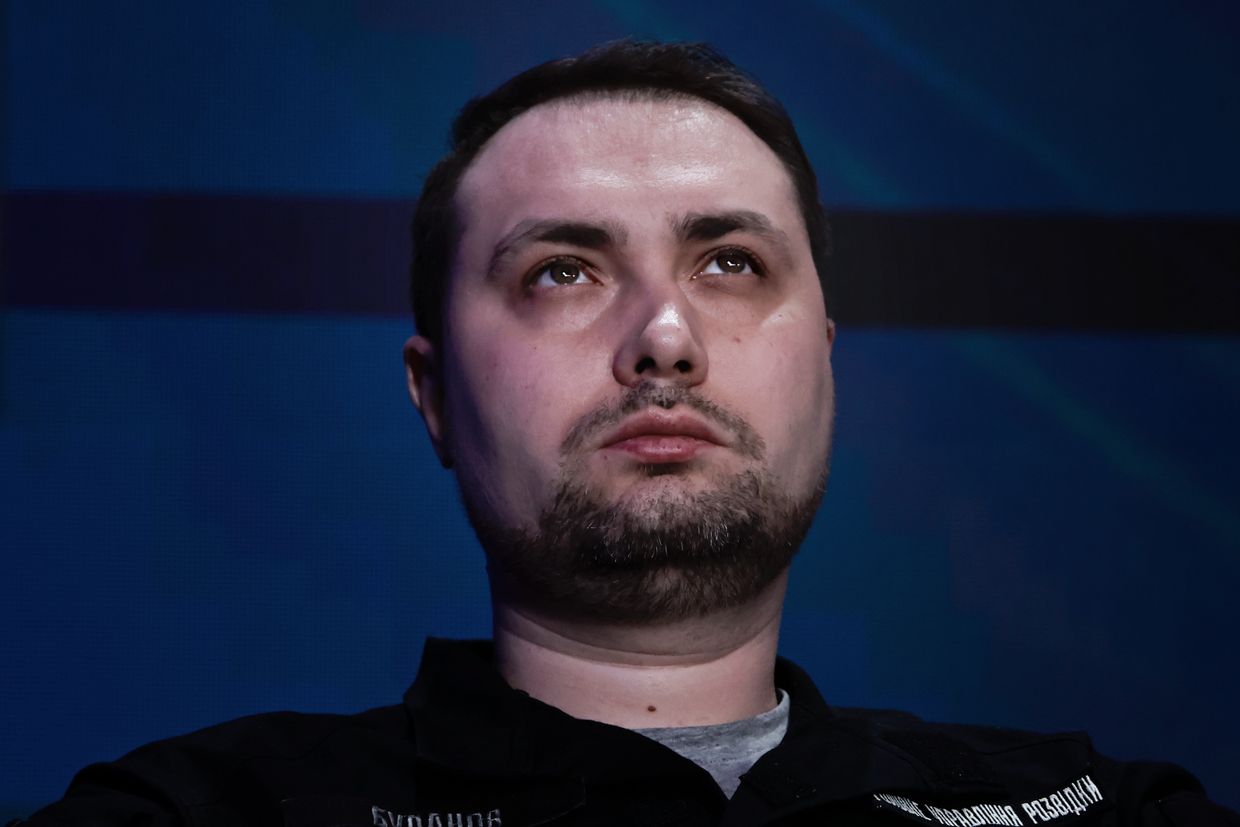
Russia has the capacity to launch as many as 500 Iranian-designed Shahed attack drones at Ukraine in a single attack, but doing so on a daily basis is not possible, Ukraine's military intelligence chief Kyrylo Budanov said on July 2, according to Suspilne.

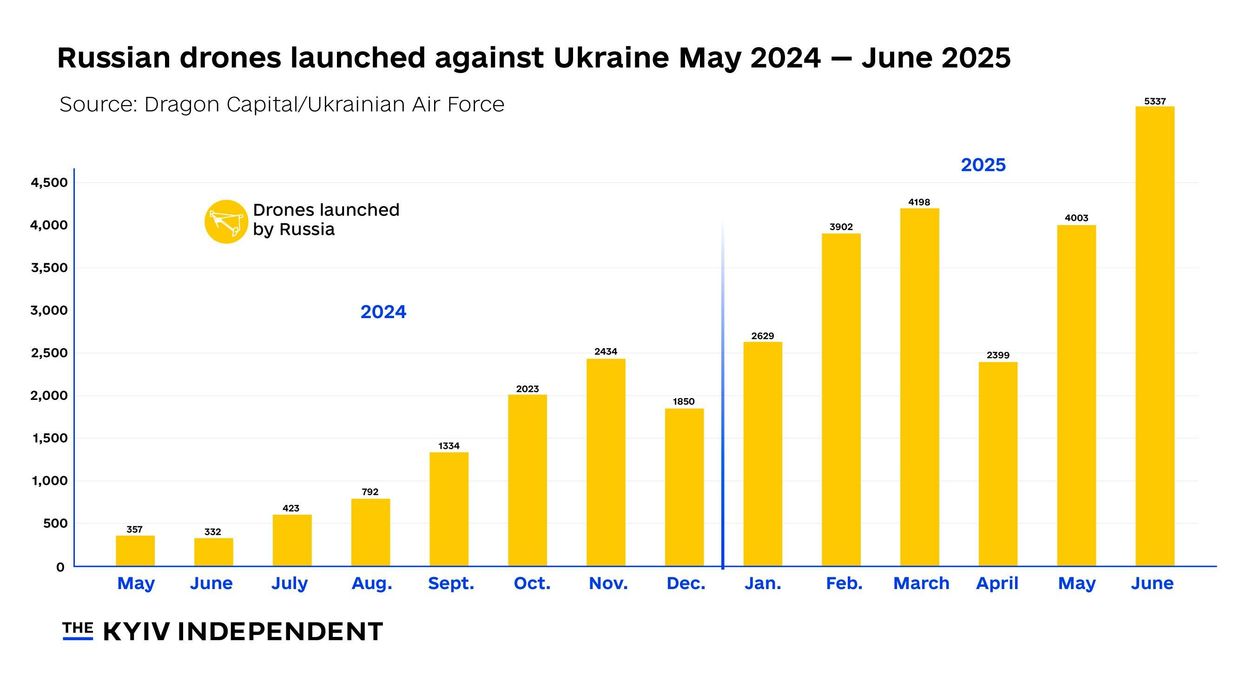
In recent weeks, Russia has intensified its drone assaults on Ukrainian cities, often launching hundreds in a single day. The largest aerial attack since the start of the full-scale invasion occurred overnight on June 29, when Moscow launched 477 drones and 60 missiles across Ukraine.

"Launching 450–500 Shaheds every day — it's just not realistic," said Budanov during a ceremony recognizing five Ukrainian intelligence achievements in the national record book, according to public broadcaster Suspilne.

"But unfortunately, they do have the ability to do it periodically. They can realistically launch up to 500 in one strike," Budanov added.

Budanov also said Russia is upgrading the capabilities of the Shahed-type drones by improving their CRPA (Controlled Reception Pattern Antenna) systems, which protect the drones from GPS jamming. He noted that Russian engineers are now producing 16-channel CRPA antennas, which are harder to counter electronically.

Russia cannot launch 500 drones every day, Ukraine's intel chief says
Russian drones launched against Ukraine by month (Nizar al-Rifai/The Kyiv Independent)

"These antennas are currently produced in Russia, but the engineer who developed this CRPA antenna was here in Ukraine," Budanov said.

"Back in the early 2000s, no one here needed it, so the engineer moved to Russia. One (of the two engineers involved in the development) has already died under unclear circumstances. The other is still alive, though probably not for long."

Russia has used thousands of Shahed-type drones throughout its full-scale invasion to strike Ukrainian cities and infrastructure, often in large overnight waves. Ukrainian air defenses have adapted over time but face growing challenges as Moscow improves drone resilience and electronic warfare capabilities.

President Volodymyr Zelensky said that Moscow has launched 28,743 Shahed-type drones at Ukraine since the start of Russia's full-scale invasion.

Budanov also said Russia has made unsuccessful attempts to develop its own naval drones. The last known effort came in early June, when experimental models detonated before reaching Ukrainian territorial waters, he said.

"They didn't achieve results. Based on our information, they were heading toward the city of Yuzhne, searching for targets," he said.

Ukraine has been using domestically developed Magura naval drones to target Russian military assets in the Black Sea, keeping much of Russia's fleet pinned in port.

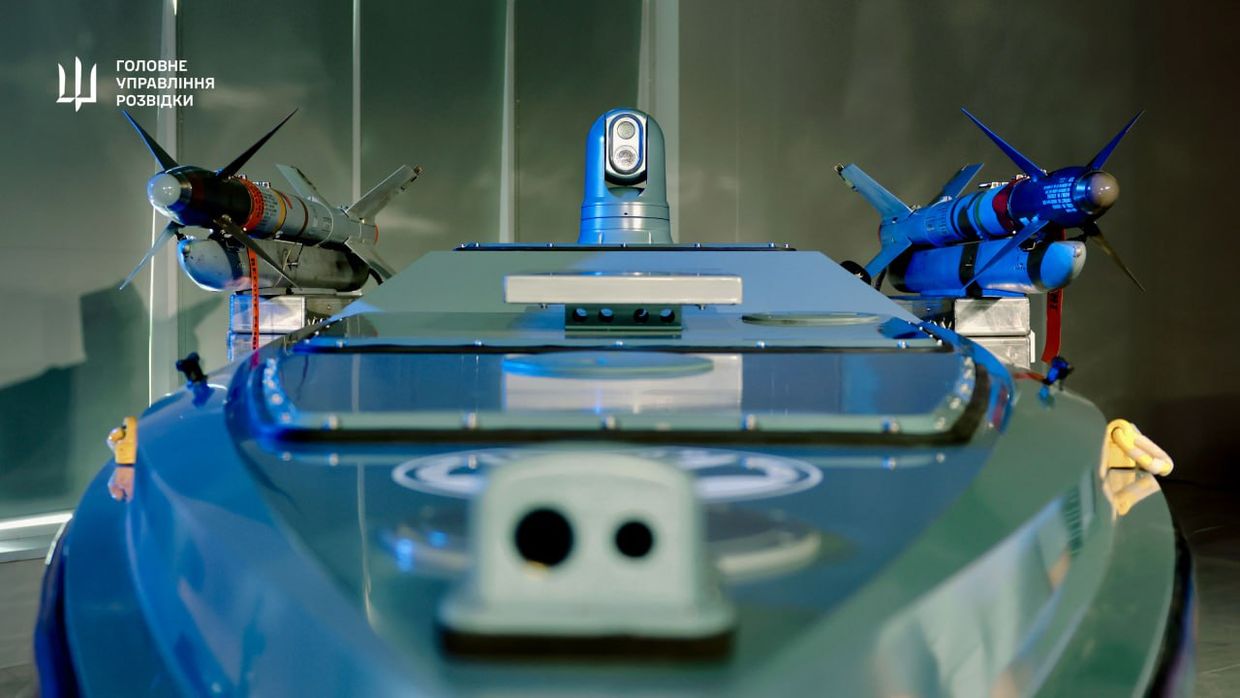
Despite their small size, the unmanned surface vessels have proven effective, including in a May 2 operation when Ukraine's military intelligence used Magura-7 drones armed with air-to-air missiles to shoot down two Russian Su-30 fighter jets near Novorossiysk. It was the first recorded instance of fighter jets being downed by naval drones.

Ukraine shows its latest ‘ship-killer’ Magura drone series to the public for the first time
The Magura drones, as well as the Sea Baby drones of the Security Service of Ukraine (SBU), were pivotal in turning the tide of the war in the Black Sea, destroying or damaging Russian ships and other assets.
Russia cannot launch 500 drones every day, Ukraine's intel chief saysThe Kyiv IndependentMartin Fornusek
Russia cannot launch 500 drones every day, Ukraine's intel chief says
  • ✇The Kyiv Independent
  • Ukraine approves new 'Murakha' ground robot for combat use
    The Defense Ministry has approved the Ukrainian-made ground-based robotics complex "Murakha" ("Ant") for combat operations, the ministry announced on June 28. Since 2024, Ukraine has been scaling up robotics development in hopes that mass production of unmanned ground vehicles (UGVs) will "minimize human involvement on the battlefield." The Murakha is a tracked robotic platform designed to support front-line units working under challenging conditions, such as under enemy artillery and in heavily
     

Ukraine approves new 'Murakha' ground robot for combat use

29 juin 2025 à 00:58
Ukraine approves new 'Murakha' ground robot for combat use

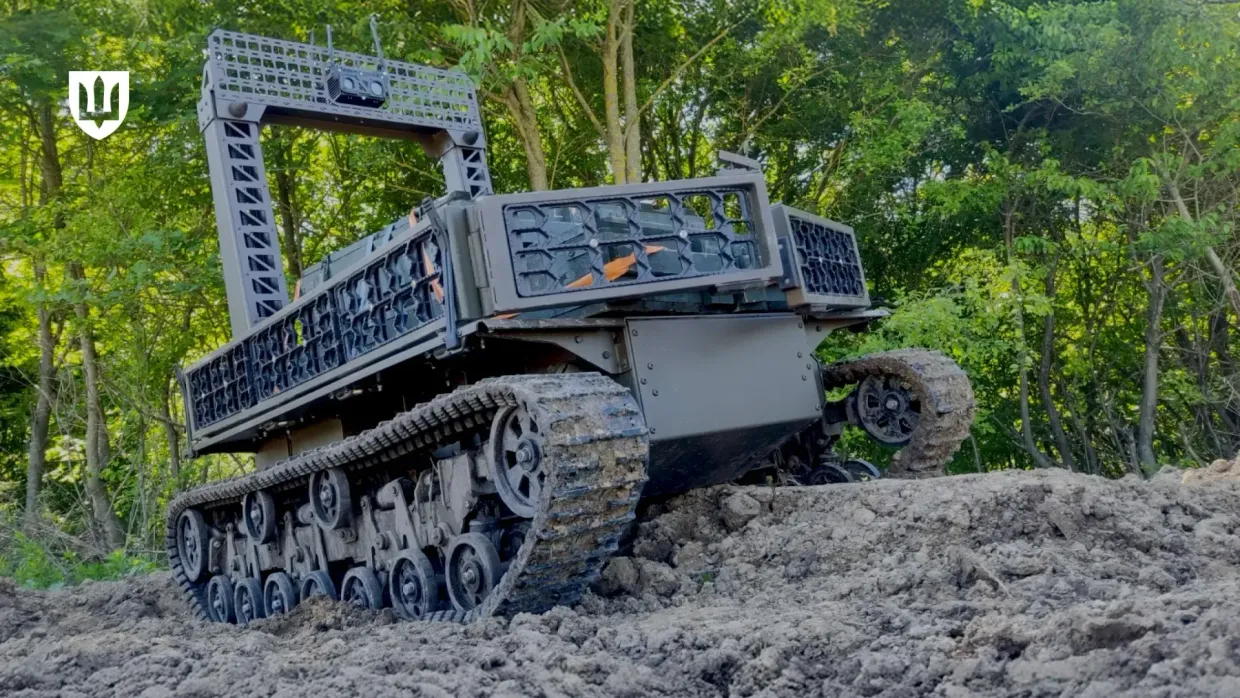
The Defense Ministry has approved the Ukrainian-made ground-based robotics complex "Murakha" ("Ant") for combat operations, the ministry announced on June 28.

Since 2024, Ukraine has been scaling up robotics development in hopes that mass production of unmanned ground vehicles (UGVs) will "minimize human involvement on the battlefield."

The Murakha is a tracked robotic platform designed to support front-line units working under challenging conditions, such as under enemy artillery and in heavily mined terrain, the Defense Ministry said.

Its larger size makes it one of Ukraine's leading UGVs in terms of load capacity. The Murakha can reportedly carry over half a ton of weight across dozens of kilometers. It can also cross difficult terrain and shallow water.

According to the Defense Ministry, the Murakha's multiple control channels allow it to function successfully even in areas of the battlefield where Russian electronic warfare (EW) systems are operating.

Mobile robots are capable of performing several tasks on the battlefield, including offensive and defensive activities, evacuation of the wounded, logistical support for units, and mining and demining.

In April, the Defense Ministry unveiled the D-21-12R UGV, a ground-based robot equipped with a machine gun.

Ukrainian drones strike missile, drone arsenal in Russia’s Bryansk Oblast
Ukraine’s military intelligence (HUR) struck on June 28 the 1060th Material-Technical Support Center in the city of Bryansk, Ukraine’s General Staff said. The facilities store a Russian missile and drone arsenal, Ukrainska Pravda reported, citing a source in HUR.
Ukraine approves new 'Murakha' ground robot for combat useThe Kyiv IndependentDmytro Basmat
Ukraine approves new 'Murakha' ground robot for combat use
  • ✇The Kyiv Independent
  • EU proposes integrating Ukraine into bloc's mobile roaming area
    The European Commission has proposed that Ukraine join the European Union's mobile roaming area starting January 1, 2026, providing Ukrainian users the ability to make phone calls, texts, and use mobile data in the bloc's 27 countries at no extra charge. "We want Ukrainian citizens to stay connected to their loved ones across the EU, as well as in their home country. That's why we propose that Ukraine join our roaming family," European Commission President Ursula von der Leyen said in a statemen
     

EU proposes integrating Ukraine into bloc's mobile roaming area

19 juin 2025 à 21:29
EU proposes integrating Ukraine into bloc's mobile roaming area

The European Commission has proposed that Ukraine join the European Union's mobile roaming area starting January 1, 2026, providing Ukrainian users the ability to make phone calls, texts, and use mobile data in the bloc's 27 countries at no extra charge.

"We want Ukrainian citizens to stay connected to their loved ones across the EU, as well as in their home country. That's why we propose that Ukraine join our roaming family," European Commission President Ursula von der Leyen said in a statement.

The proposal, first announced on June 16, will serve as a means of integration into the European Union's "Roam like at Home" provision in affect between all EU nations. The proposed change will impact the over four million Ukrainian refugees living in the EU.

Ukraine's full integration in the roaming provisions will replace voluntary measures that "allowed for roaming without surcharges and affordable international calls for EU and Ukrainian citizens abroad," according to the European Commission. The current measure will extend to December 31, 2025, ahead of the planned integration.

If approved, Ukraine will become the only country outside of the EU to join the bloc's "Roam like at Home" policy.

The move, which awaits European Council approval, comes as Ukraine continues to implement reforms in pursuing membership in the European Union.

Ukraine applied for EU membership at the onset of Russia's full-scale invasion in 2022. The country has made quick progress, achieving candidate status within months, with the initial negotiations formally launching in June 2024.

Since the start of 2025, Ukraine has opened three negotiation clusters under Poland's rotating presidency.

Poland lead the EU Council's presidency until June, and Denmark will take over the role in July. Ukraine aims to open the remaining three negotiation clusters in the second half of 2025 under the Danish chairmanship, the President Volodymyr Zelensky said.

There are six accession negotiation clusters, consisting of several individual chapters. Negotiations prepare a candidate country to become an EU member.

The EU’s Commissioner for Enlargement, Oliver Varhelyi, said that Ukraine could potentially join the bloc by 2029 if it successfully implements necessary reforms.

‘I am against Ukraine’s entry into the European Union,’ Polish president-elect Nawrocki says
“Ukraine must understand that other countries, including Poland, Hungary, and other European countries, also have their own interests,” Polish President-elect Karol Nawrocki said.
EU proposes integrating Ukraine into bloc's mobile roaming areaThe Kyiv IndependentVolodymyr Ivanyshyn
EU proposes integrating Ukraine into bloc's mobile roaming area


❌