After the rejoicing, it will be vital to learn the lessons. The rightward shift is neither inevitable nor irreversible, but progressives cannot rest for a momentThe impossible happened. President Luiz Inácio Lula da Silva won a fourth term in Sunday’s runoff election in Brazil, overturning Flávio Bolsonaro’s first-round lead in a historic comeback. No candidate has ever lost the first round and won the second, until now. Grassroots mobilisation, alongside social welfare policies, helped turn the
After the rejoicing, it will be vital to learn the lessons. The rightward shift is neither inevitable nor irreversible, but progressives cannot rest for a moment
The impossible happened. President Luiz Inácio Lula da Silva won a fourth term in Sunday’s runoff election in Brazil, overturning Flávio Bolsonaro’s first-round lead in a historic comeback. No candidate has ever lost the first round and won the second, until now. Grassroots mobilisation, alongside social welfare policies, helped turn the contest into a referendum on Brazilian democracy, rallying voters against a candidate seeking to restore the legacy of his father, Jair Bolsonaro, imprisoned for plotting a coup after his 2022 defeat. Lula’s victory suggests that defending democracy can still be a powerful electoral argument against the ascendant right.
Having already consolidated most of the leftwing vote, Lula had limited room to attract supporters of other candidates after his first-round defeat. His best chance lay in mobilising abstainers and reconnecting with working-class voters. The Workers’ party intensified its grassroots and digital campaigns, using social media influencers and messaging networks to reach supporters. Nearly 3 million more Brazilians voted in the runoff, and Lula gained ground across the country, particularly in major cities and his north-eastern strongholds. He also appealed to voters’ immediate economic concerns, drawing on a record of reducing poverty and inequality, and increasing benefits under Bolsa Família, the landmark welfare programme he launched in 2003. Lula framed the election as a choice between protecting social gains and democratic institutions, or returning to the Bolsonaro family’s attacks on both, warning that his opponent would compromise Brazil’s sovereignty by aligning himself with Donald Trump.
Jordana Timerman is a journalist based in Buenos Aires. She is the managing editor of The Ideas Letter and compiles the Latin America Daily Briefing
The Guardian’s Latin America correspondent Tom Phillips will be answering your questions about the election and the future of Brazil from 1500 GMT on Tuesday 27 October as part of our Conversations series. Email questions to conversations@theguardian.com.
From the 17th to the 20th century, Ukrainian lands were split between empires and states. Their rulers tried to assimilate Ukrainians and block their self-determination by going after what set them apart: their language and culture.
Nobody has an exact count of the bans. Historian Pavlo Hai-Nyzhnyk says there were more than 100 and that the real number is likely higher, because governors issued local bans too.
These measures differed in purpose and reach. Some restricted publishing,
From the 17th to the 20th century, Ukrainian lands were split between empires and states. Their rulers tried to assimilate Ukrainians and block their self-determination by going after what set them apart: their language and culture.
Nobody has an exact count of the bans. Historian Pavlo Hai-Nyzhnyk says there were more than 100 and that the real number is likely higher, because governors issued local bans too.
These measures differed in purpose and reach. Some restricted publishing, schooling, or official use; others suppressed cultural institutions or pushed assimilation. Most served the forced Russification of Ukrainians in the Russian Empire and the USSR. The timeline below is a selection of documented events, not a count of bans.
Russia has not stopped. Since 2014, schooling in Ukrainian has collapsed in the territories it occupies, and in 2025 it removed Ukrainian from the federal school programs it imposes there.
Here are some of the most important restrictions on Ukrainian language and cultural life imposed by the regimes ruling over Ukraine.
Graphic by Ganna Naronina from the article A short guide to the linguicide of the Ukrainian language. Click to enlarge.
17th century
1627: Muscovy. Moscow church authorities condemn Kyrylo Trankvilion-Stavrovetskyi’s Didactic Gospel, a collection of sermons printed in Ukraine in 1619, and order copies burned in Moscow.
1697: Polish-Lithuanian Commonwealth. An act requires tribunal and court decisions in the Grand Duchy of Lithuania to be written in Polish, displacing Ruthenian in those courts.
18th century
1720: Russian Tsardom. Peter I’s decree restricts the Kyiv and Chernihiv presses to approved reprints of church books and requires them to conform to Russian editions, suppressing local textual and linguistic differences.
1728: Russian Empire. Under the Decisive Points (Reshytelni punkty), the legal texts used in the Hetmanate’s courts are to be translated into Russian and compiled into a single code.
1730s: Russian Empire. Under Empress Anna, Kyiv’s archbishop is instructed to replace older locally printed church books with Moscow editions.
1769: Russian Empire. The Holy Synod refuses the Kyiv-Pechersk Lavra permission to print primers in the local language and tells it not to submit such requests again.
1775: Russian Empire. A Russian army destroys the Zaporozhian Sich, the Cossacks’ last stronghold and one of Ukraine’s own political institutions.
1780s: Russian Empire. Samuil Myslavskyi, metropolitan of Kyiv from 1783, insists on literary Russian as the only language of instruction at the Kyiv-Mohyla Academy.
1789: Polish-Lithuanian Commonwealth. The Commission of National Education orders the Ukrainian parish schools of Right-Bank Ukraine Polonized.
19th century
1847: Russian Empire. After suppressing the Cyril and Methodius Brotherhood, a secret society that called for a federation of free Slavic peoples, the authorities ban and withdraw from sale specified works by Taras Shevchenko, Panteleimon Kulish, and Mykola Kostomarov.
1859: Austrian Empire. Austrian officials back a plan to replace the Cyrillic alphabet used for Ukrainian in Galicia with a Latin one. Ukrainian opposition defeats the plan in what became known as the “alphabet war.”
1862: Russian Empire. The authorities close the Sunday schools, free schools for working adults and young people, including Ukrainian ones. They begin reopening under tighter control in 1864.
1863: Russian Empire. Interior Minister Pyotr Valuev’s circular tells censors not to approve Ukrainian religious, school, and popular-reading books, while still allowing fiction under censorship. It claims that most Little Russians themselves argue that “there was not, is not, and cannot be any special Little Russian language.”
1864: Russian Empire. The 1864 statute requires Russian as the teaching language in the elementary schools it regulates.
1869: Austria-Hungary. Polish becomes the internal language of administration and the courts in Galicia. The 1867 school arrangements had already strengthened Polish dominance, while leaving limited room for Ukrainian-language schooling.
1876: Russian Empire. Alexander II’s secret Ems Ukaz severely restricts Ukrainian publishing and bans Ukrainian publications from abroad, Ukrainian stage performances and public readings, and Ukrainian lyrics printed with music. Exceptions allow historical documents in their original spelling and fiction in Russian spelling under censorship.
1881: Russian Empire. New rules ease parts of the Ems Ukaz: Ukrainian plays may be staged with a governor’s special permission. Theater troupes performing only in Ukrainian stay banned.
1883: Russian Empire. Kyiv Governor-General Aleksandr Drenteln bars Ukrainian theater troupes from performing in the Kyiv, Podillia, Volhynia, Poltava, and Chernihiv governorates.
1910: Russian Empire. A circular from Pyotr Stolypin’s interior ministry tells governors to refuse registration to non-Russian national societies, Ukrainian ones included, and to review existing ones for closure. Kyiv’s Prosvita is dissolved the same year.
1914–15, 1916–17: Russian Empire. Russian occupation authorities suppress Ukrainian institutions and publications in Galicia and Bukovyna. The first occupation brings mass arrests and deportations, the destruction of Ukrainian books, and the arrest of Metropolitan Andrei Sheptytskyi.
1923: Soviet Ukraine. Dmytro Lebid, second secretary of the Communist Party of Ukraine, sets out the “theory of the struggle of two cultures,” which holds that the Russian culture of the city is more advanced than the Ukrainian culture of the village. The party rejects it and adopts Ukrainization the same year.
1924: Poland. Three laws of 31 July make Polish the state language of administration and the courts, keep limited rights for minority languages, and set school rules that favor Polish-Ukrainian bilingual schools over separate Ukrainian ones.
1924: Romania. The primary education law requires citizens of Romanian origin who have “lost their mother tongue” to send their children to Romanian schools. Ukrainian historians say it was applied to Ukrainians in Bukovyna.
1925: Poland. The Lviv Underground Ukrainian University, which had taught clandestinely since 1921, stops teaching after police raids and the Polish state’s refusal to recognize it.
1926: USSR. In a letter to Kaganovich and the Ukrainian Politburo, Stalin attacks Oleksandr Shumskyi and Mykola Khvylovyi and rejects Ukrainizing Russian workers “from above,” while still backing controlled Ukrainization of official institutions.
1932–33: USSR. A secret resolution of 14 December 1932 orders the Ukrainian-language paperwork and press of the North Caucasus switched to Russian at once and its schools prepared for teaching in Russian. In Soviet Ukraine, it puts Ukrainization under tighter party control and demands purges of “nationalist” elements. The repression of 1933 dismantles Ukrainization.
1938: USSR. A decree of 13 March makes Russian a compulsory subject in the non-Russian schools of the national republics and regions.
1947: Poland. In Operation Vistula, Polish authorities forcibly resettle about 150,000 Ukrainians to northern and western Poland, under an assimilation policy that sought to keep them below 10% of any locality.
1958–59: USSR. The school reform expands parents’ choice of teaching language and makes the study of Ukrainian optional in Russian-language schools in Soviet Ukraine.
1960s–70s: Romania and Poland. Romania nearly eliminates Ukrainian-language schooling from the mid-1960s. In Poland, Ukrainian schools and Ukrainian classes shrink.
1972: USSR. The party’s resolution on the USSR’s 50th anniversary promotes the “new historical community, the Soviet people,” an idea first voiced in 1961. Soviet ethnographers wrote that the spread of Russian among non-Russian peoples played the paramount role in forming this community.
1978: USSR. The USSR Council of Ministers orders wider study of Russian in the union republics. Ukraine’s implementing resolution of 2 November requires Russian from first grade in Ukrainian-language schools from the 1980/81 school year.
1983: USSR. A resolution of 26 May gives specified teachers of Russian in non-Russian schools in villages and small towns a 15% pay raise from 1984.
1984: USSR. The school reform resolution of 12 April adds two to three hours of Russian a week in grades 2 to 11 of non-Russian schools.
1989: USSR. The Communist Party’s party platform of 20 September calls for making Russian, by law, the language of the whole country alongside the republics’ state languages.
1990: USSR. The April 1990 law on the languages of the peoples of the USSR makes Russian the official language of the Soviet Union, while letting the republics set their own state languages.
21st century
2014–18: Crimea. Under Russian occupation, schooling in Ukrainian collapses. In 2013/14, 12,694 children studied in Ukrainian in 7 schools and 829 classes; by 2017/18, 318 children did, in one school and 13 classes, the UN human rights office reports, noting the figures conflict in places.
2020: DNR and LNR. The so-called DNR votes to amend its “constitution” on 6 March, dropping Ukrainian as a “state language” and leaving only Russian. The so-called LNR does the same in June.
2022: Occupied Kherson and Zaporizhzhia oblasts. Russia’s Education Ministry says on 12 August that schools in newly occupied areas will teach in Russian, with Ukrainian allowed only as an optional “native” language. Occupation authorities then cap Ukrainian at three hours a week, Human Rights Watch reports.
2023: Occupied Donetsk and Luhansk oblasts. Russia removes nearly all Ukrainian literature from local libraries, most likely destroying it, Ukraine’s National Resistance Center reports. The so-called LNR publishes a list of banned books.
2024: International Court of Justice. On 31 January, the court ruled, 13 votes to 2, that Russia violated the UN convention against racial discrimination in how it ran school education in Ukrainian in occupied Crimea.
2025: Russia. Education Ministry Order No. 729, in force since 15 December, removes Ukrainian language and literature from Russia’s federal primary and lower-secondary programs, the UN human rights office reports. Russia imposes these programs on schools in the occupied territories, where about 582,000 children study, the Almenda center says.
What we changed in October 2026
Editor’s note, 27 October 2026: We first published this timeline in 2017. Like many lists of bans on Ukrainian that circulate online, it repeated some claims that have no document behind them. In October 2026, we went back to historians’ work and to the decrees themselves.
We removed about fifteen entries. Most we could not confirm; a few were not about language. We corrected others where the documents say something different: some bans had exceptions, some dates were off by a year, and the end of Ukrainization came in 1932–33. We replaced the old count of 60 bans, which we could not trace, with a historian’s estimate. And we added what Russia has done to the Ukrainian language in the territories it has occupied since 2014.
If you have a document for something we left out, write to us.
This gives the company an advantage in tracking objects in orbit, raising national security concerns and fears of greater control over the space industryThe US military has given Elon Musk’s SpaceX access to restricted space tracking data, raising a new round of questions about whether the Trump administration is attempting to hand over traffic control in Earth’s orbit to a controversial donor.The access also raises new national security questions, industry observers say. Continue reading...
This gives the company an advantage in tracking objects in orbit, raising national security concerns and fears of greater control over the space industry
The US military has given Elon Musk’s SpaceX access to restricted space tracking data, raising a new round of questions about whether the Trump administration is attempting to hand over traffic control in Earth’s orbit to a controversial donor.
The access also raises new national security questions, industry observers say.
James ‘Fergie’ Chambers, in prison in Spain, has applied for asylum as US seeks extradition over alleged Hamas supportUS authorities seized wealthy activist James “Fergie” Chambers’s cellphone at some point after Spanish police arrested him in July without notifying him or his attorneys, the Guardian has learned.Chambers, a US citizen and wealthy donor to leftwing and humanitarian projects, is imprisoned in Madrid. His case is the first known instance of the US seeking to extradite a citizen ove
James ‘Fergie’ Chambers, in prison in Spain, has applied for asylum as US seeks extradition over alleged Hamas support
US authorities seized wealthy activist James “Fergie” Chambers’s cellphone at some point after Spanish police arrested him in July without notifying him or his attorneys, the Guardian has learned.
Chambers, a US citizen and wealthy donor to leftwing and humanitarian projects, is imprisoned in Madrid. His case is the first known instance of the US seeking to extradite a citizen over alleged support for Hamas, an accusation tied to money Chambers has donated to support Palestinians, including the Sameer Project, in Gaza.
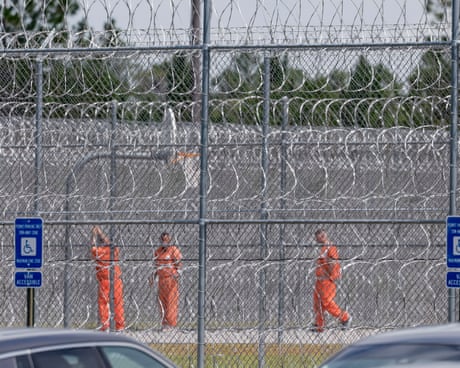
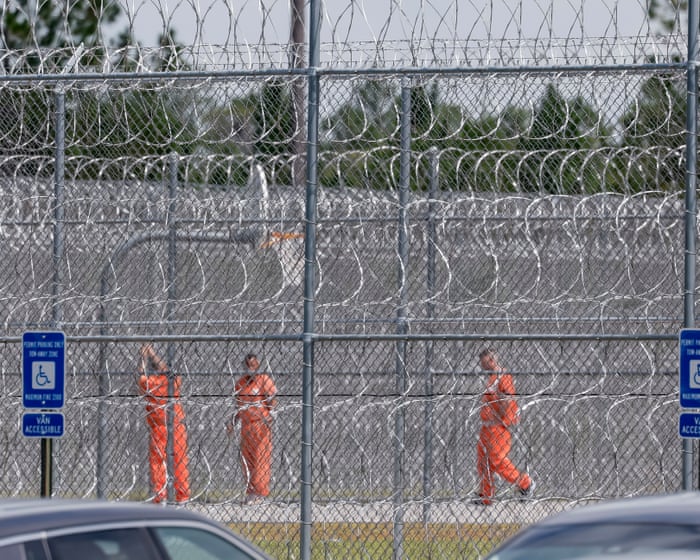
Death inside Folkston facility comes as officials allegedly threaten hunger strikers there with force-feedingAn immigrant detained at a sprawling detention center complex in Georgia died on Friday, local and federal officials confirmed, after the facility has already faced national scrutiny for its response to an ongoing hunger strike inside.The death inside the D Ray James facility in Folkston, Georgia, comes as federal immigration officials and private contractors are allegedly threatening hun
Death inside Folkston facility comes as officials allegedly threaten hunger strikers there with force-feeding
An immigrant detained at a sprawling detention center complex in Georgia died on Friday, local and federal officials confirmed, after the facility has already faced national scrutiny for its response to an ongoing hunger strike inside.
The death inside the D Ray James facility in Folkston, Georgia, comes as federal immigration officials and private contractors are allegedly threatening hunger strikers there with force-feeding, a detained hunger striker, his wife, attorneys and advocates all said this week. Detainees are refusing food to protest prolonged captivity and bad conditions.
But Elon Musk, whose company SpaceX owns Starlink, accuses Ukrainian military of violating the company’s termsUkraine’s military has a “stable connection to Starlink”, the Ukrainian government said, 10 days after its ability to use the satellite communications system was suddenly restricted.But hours after the announcement, SpaceX CEO Elon Musk, whose company owns Starlink, accused the Ukrainian military of violating the company’s terms. Neither Musk nor the US government, which operates Stars
But Elon Musk, whose company SpaceX owns Starlink, accuses Ukrainian military of violating the company’s terms
Ukraine’s military has a “stable connection to Starlink”, the Ukrainian government said, 10 days after its ability to use the satellite communications system was suddenly restricted.
But hours after the announcement, SpaceX CEO Elon Musk, whose company owns Starlink, accused the Ukrainian military of violating the company’s terms. Neither Musk nor the US government, which operates Starshield using Starlink technology, took responsibility for imposing the curbs.
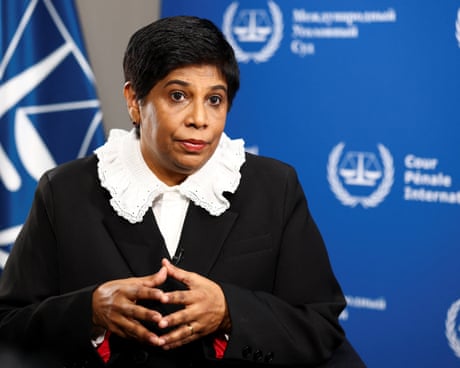
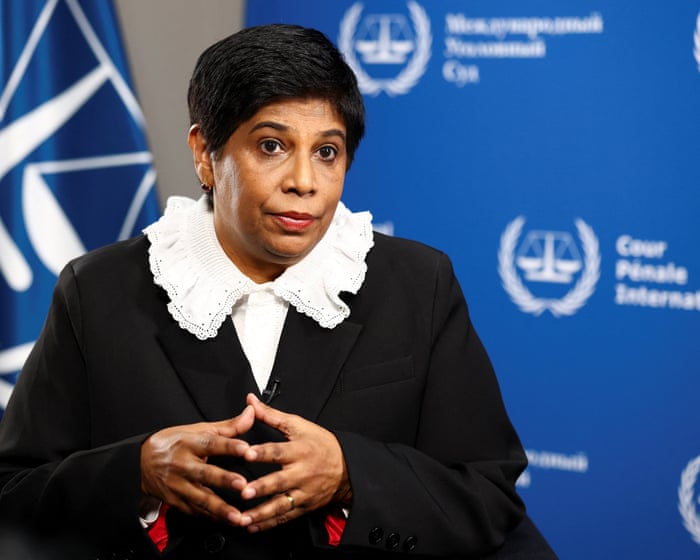
Nazhat Shameem Khan claims some staff are facing ‘banking difficulties’ but their work is unaffectedThe deputy prosecutor of the international criminal court has said new US sanctions are beginning to take effect on its staff but insisted they have not hindered the court’s work.The US secretary of state, Marco Rubio, announced the sanctions this month, accusing the ICC – a frequent target of the Trump administration – of being a “rogue court” and declaring: “Either the ICC will end its threats,
Nazhat Shameem Khan claims some staff are facing ‘banking difficulties’ but their work is unaffected
The deputy prosecutor of the international criminal court has said new US sanctions are beginning to take effect on its staff but insisted they have not hindered the court’s work.
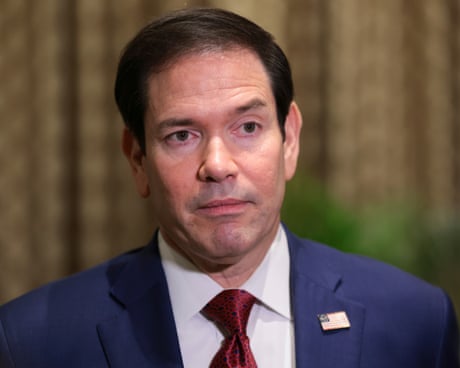
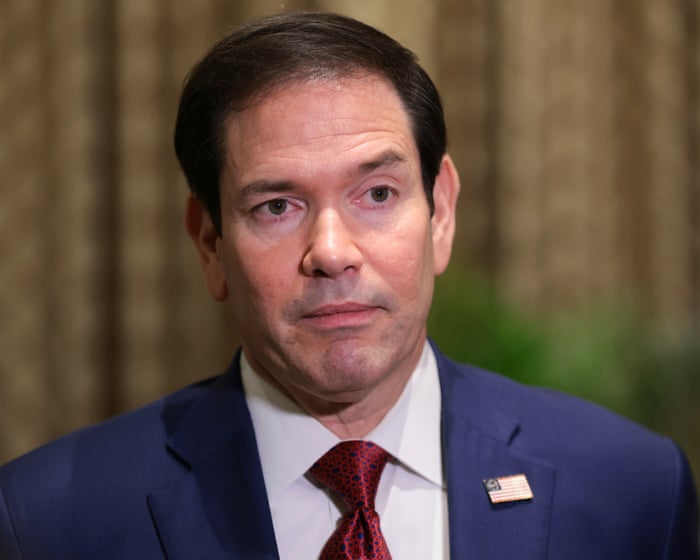
The US secretary of state, Marco Rubio, announced the sanctions this month, accusing the ICC – a frequent target of the Trump administration – of being a “rogue court” and declaring: “Either the ICC will end its threats, or we will end the ICC.”
US secretary of state makes comments after Trump tells US rally warships could intervene on return from IranMarco Rubio urged Cubans seeking political change in their country to act, saying “now is the time” moments after Donald Trump told a Friday rally for candidates in south Florida that US warships could intervene in Cuba on their way back from the Iran war.The US secretary of state, in his social media post addressed “to those who seek to create positive change”, urged Cubans to capitalize
US secretary of state makes comments after Trump tells US rally warships could intervene on return from Iran
Marco Rubio urged Cubans seeking political change in their country to act, saying “now is the time” moments after Donald Trump told a Friday rally for candidates in south Florida that US warships could intervene in Cuba on their way back from the Iran war.
The US secretary of state, in his social media post addressed “to those who seek to create positive change”, urged Cubans to capitalize on Trump’s plans. “The disappointment of failed promises, corruption, and the privileged lives of only a few; seize this opportunity to create the change you desire through a discrete [sic] partnership with the CIA,” Rubio said.
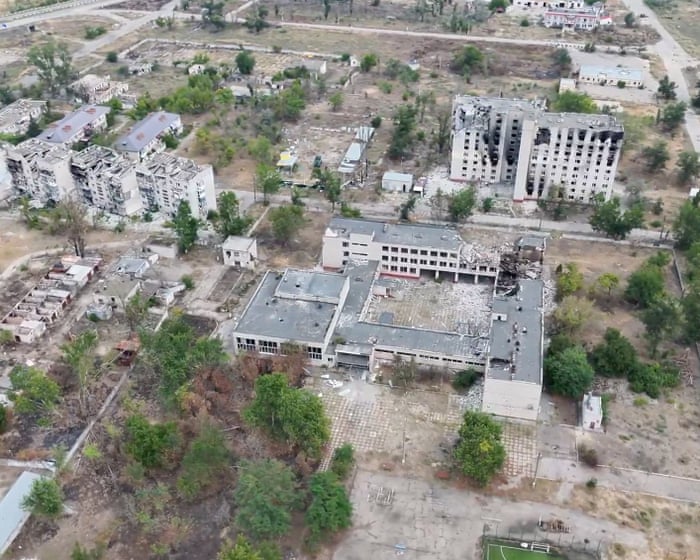
People in Russian-occupied city facing severe shortages of food, water and electricity, with some reportedly surviving on weedsThe White House has said that Russia and Ukraine have agreed to a ceasefire in the Russian-occupied city of Oleshky, where a deepening humanitarian crisis has left thousands of civilians struggling to survive.In a statement on Friday, the White House said both sides had agreed to halt all military operations in the city from 27 October to allow humanitarian aid deliverie
People in Russian-occupied city facing severe shortages of food, water and electricity, with some reportedly surviving on weeds
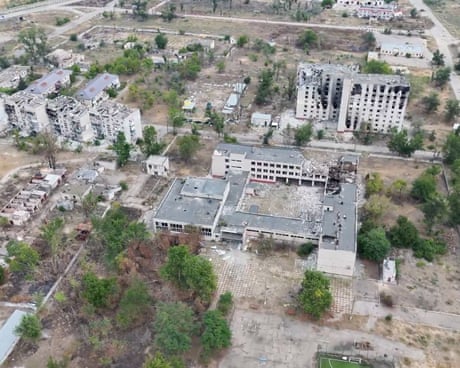
The White House has said that Russia and Ukraine have agreed to a ceasefire in the Russian-occupied city of Oleshky, where a deepening humanitarian crisis has left thousands of civilians struggling to survive.
In a statement on Friday, the White House said both sides had agreed to halt all military operations in the city from 27 October to allow humanitarian aid deliveries and preparations for the evacuation of civilians.
This live blog is now closed.Sign up for the Breaking News US emailWith less than two weeks until the midterms, my colleague Jonathan Freedland and Guardian US columnist Moira Donegan are answering your questions in this week’s episode of Politics Weekly America.They break down the final stretch ahead of these hugely consequential elections, that will decide control of Congress in Donald Trump’s final two years of office. Continue reading...
With less than two weeks until the midterms, my colleague Jonathan Freedland and Guardian US columnist Moira Donegan are answering your questions in this week’s episode of Politics Weekly America.
They break down the final stretch ahead of these hugely consequential elections, that will decide control of Congress in Donald Trump’s final two years of office.
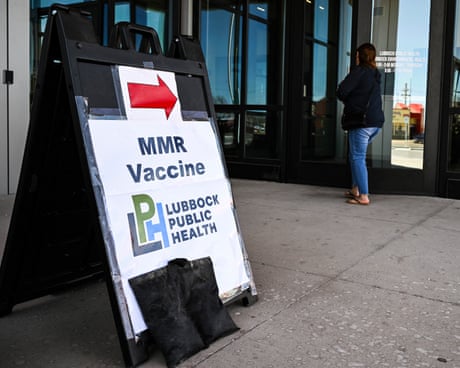
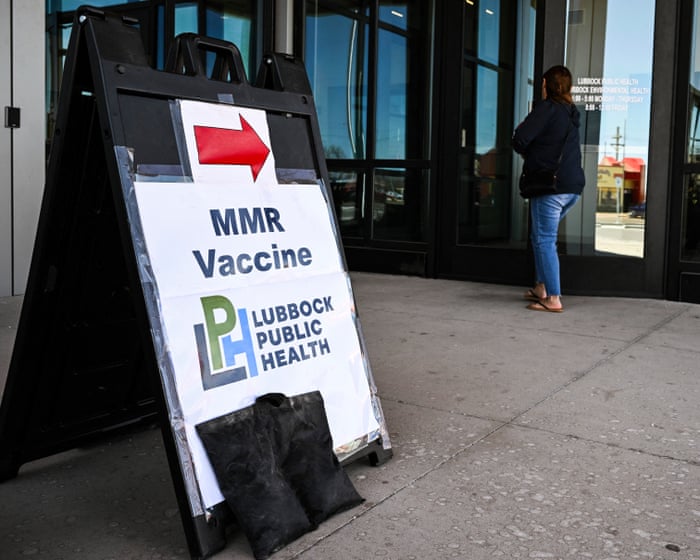
California, Oregon, Washington and Hawaii health officials ask CDC ‘prioritizing emerging technologies’ to reconsiderCalifornia and Washington asked the US Centers for Disease Control and Prevention (CDC) in May to validate a new way to test for measles – but after waiting two months, the CDC denied the request, citing “other competing priorities”, according to a letter from the West Coast Health Alliance to the CDC director, Erica Schwartz.The letter, signed by health officials in California, H
California, Oregon, Washington and Hawaii health officials ask CDC ‘prioritizing emerging technologies’ to reconsider
California and Washington asked the US Centers for Disease Control and Prevention (CDC) in May to validate a new way to test for measles – but after waiting two months, the CDC denied the request, citing “other competing priorities”, according to a letter from the West Coast Health Alliance to the CDC director, Erica Schwartz.
The letter, signed by health officials in California, Hawaii, Oregon and Washington, asks Schwartz to reconsider and validate a rapid, high-volume measles test in preparation for major outbreaks. The alliance also asked the CDC to create protocols to test for other high-priority pathogens to prepare for future outbreaks.
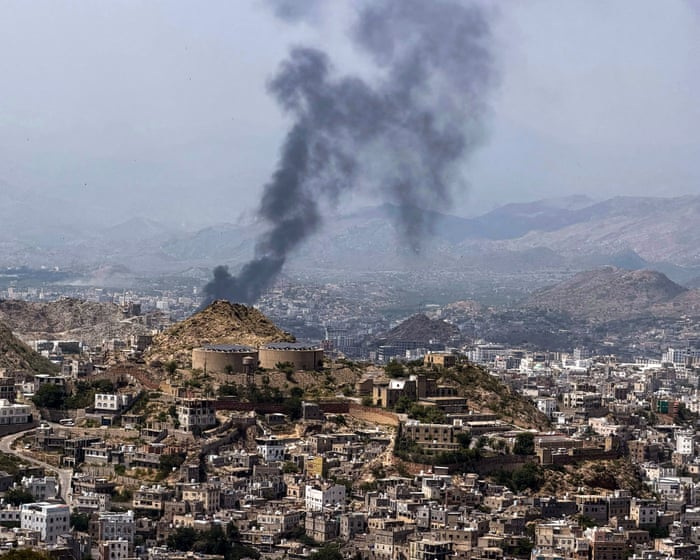
Similar withdrawals from UAE, Jordan, Qatar and Bahrain reported as concerns grow about restart of war on Iran after US midterm electionsThe US state department has ordered some diplomats and the families of US government employees to leave Saudi Arabia as the gulf kingdom faces a barrage of near-daily attacks, with at least three people killed at an airport and oilfield.Attacks on “civilian airports and other critical infrastructure” by the Iranian-supported Houthis in Yemen were highlighted as
Similar withdrawals from UAE, Jordan, Qatar and Bahrain reported as concerns grow about restart of war on Iran after US midterm elections
The US state department has ordered some diplomats and the families of US government employees to leave Saudi Arabia as the gulf kingdom faces a barrage of near-daily attacks, with at least three people killed at an airport and oilfield.
Attacks on “civilian airports and other critical infrastructure” by the Iranian-supported Houthis in Yemen were highlighted as the reason for the drawdown. The state department spokesperson, Tommy Pigott, said: “The safety and security of department personnel and their families remain our highest priority.”
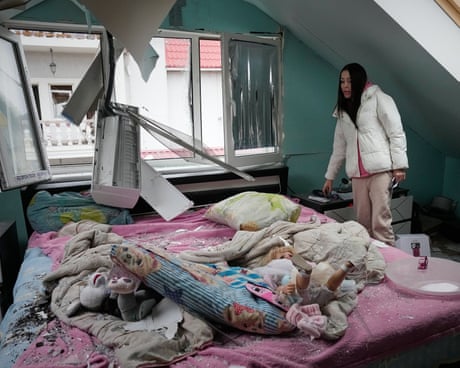
Experts say Russia is trying to destroy energy infrastructure before winter and US ‘appeasement and flattery’ will not achieve peaceRussia has carried out a massive “demonstrative” attack on Ukraine, bombarding Kyiv with ballistic missiles just hours after Vladimir Putin said he had agreed to resume trilateral negotiations after talks with the US envoy Steve Witkoff.Overnight, Moscow pounded the Ukrainian capital, killing at least two people and wounding 22, including four children. Targets incl
Experts say Russia is trying to destroy energy infrastructure before winter and US ‘appeasement and flattery’ will not achieve peace
Russia has carried out a massive “demonstrative” attack on Ukraine, bombarding Kyiv with ballistic missiles just hours after Vladimir Putin said he had agreed to resume trilateral negotiations after talks with the US envoy Steve Witkoff.
Overnight, Moscow pounded the Ukrainian capital, killing at least two people and wounding 22, including four children. Targets included the southern bridge over the Dnipro River, civilian houses, energy infrastructure, an ambulance station, office buildings and a clinic.
In this episode of Guardian Australia’s US politics podcast, co-hosts Jonathan Yerushalmy and Reged Ahmad look at how Katie Zacharia broke the record for shortest tenure as White House press secretary. They then look at the pattern of how women in the Trump administration are treated when they’re perceived to have made mistakes – versus how men seem to survive their missteps.They also look at how the US might be changing course on Russia’s war on Ukraine. Are relations between the US president,
In this episode of Guardian Australia’s US politics podcast, co-hosts Jonathan Yerushalmy and Reged Ahmad look at how Katie Zacharia broke the record for shortest tenure as White House press secretary. They then look at the pattern of how women in the Trump administration are treated when they’re perceived to have made mistakes – versus how men seem to survive their missteps.
They also look at how the US might be changing course on Russia’s war on Ukraine. Are relations between the US president, Donald Trump, and the Ukraine president, Volodymyr Zelenskyy, at their lowest point ever – and what happens if the US decides to take Russian president Vladimir Putin’s side in this war?
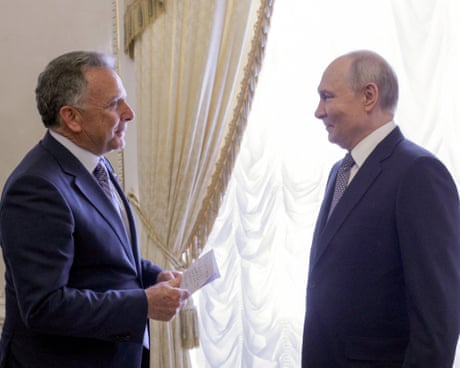
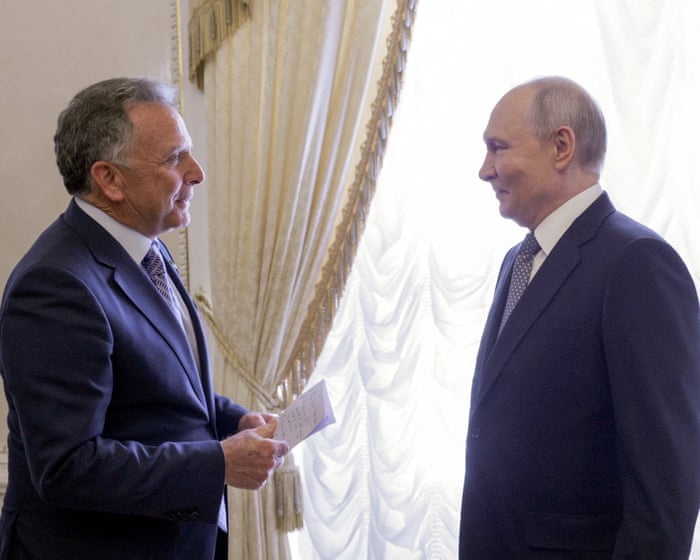
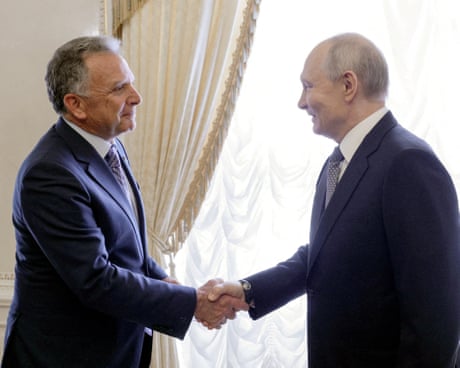
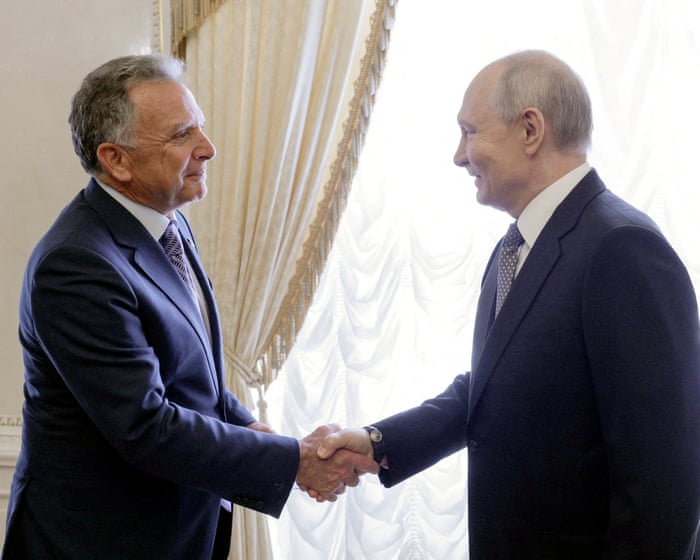
Vladimir Putin ordered the release of former teacher Stephen Hubbard, who had spent more than four years in Russian jails on charges of fighting as a mercenary for Ukraine. This came as Donald Trump's envoy Steve Witkoff met with the Russian president in St Petersburg for fresh talks on ending the war in Ukraine, amid increasingly close relations between Moscow and Washington. Putin orders release of jailed American as he meets Trump envoy for Ukraine talks Continue reading...
Vladimir Putin ordered the release of former teacher Stephen Hubbard, who had spent more than four years in Russian jails on charges of fighting as a mercenary for Ukraine. This came as Donald Trump's envoy Steve Witkoff met with the Russian president in St Petersburg for fresh talks on ending the war in Ukraine, amid increasingly close relations between Moscow and Washington.
Russia frees Stephen Hubbard after US request while Steve Witkoff praises Putin, wanted by ICC as war criminal, as a ‘humanitarian’Vladimir Putin ordered the release of an American man from a Russian jail as he met Donald Trump’s envoy Steve Witkoff in St Petersburg on Wednesday for fresh talks on ending the war in Ukraine, amid increasingly close relations between Moscow and Washington.Trump had previously asked Putin to free Stephen Hubbard, a 74-year-old former teacher who had spent more than
Russia frees Stephen Hubbard after US request while Steve Witkoff praises Putin, wanted by ICC as war criminal, as a ‘humanitarian’
Vladimir Putin ordered the release of an American man from a Russian jail as he met Donald Trump’s envoy Steve Witkoff in St Petersburg on Wednesday for fresh talks on ending the war in Ukraine, amid increasingly close relations between Moscow and Washington.
Trump had previously asked Putin to free Stephen Hubbard, a 74-year-old former teacher who had spent more than four years in Russian jails on charges of fighting as a mercenary for Ukraine.
GOP lawmakers threaten to pull support for president’s agenda after Russia diesel deal and sanctions pauseUS politics live – latest updatesA handful of Republicans have spoken out against Donald Trump’s softening stance on Russia, threatening to pull financial support for his agenda over his “embarrassing” handling of the Ukraine war.Don Bacon, an outgoing congressman in Nebraska, condemned Trump’s actions – which include a stunning agreement to buy Russian diesel and the pausing of sanctions on
A handful of Republicans have spoken out against Donald Trump’s softening stance on Russia, threatening to pull financial support for his agenda over his “embarrassing” handling of the Ukraine war.
Don Bacon, an outgoing congressman in Nebraska, condemned Trump’s actions – which include a stunning agreement to buy Russian diesel and the pausing of sanctions on Moscow – as “absolutely disgraceful” and accused the US president of cozying up to a “war criminal” in Vladimir Putin, his Russian counterpart.
President at Kansas rally tries to turn protests into cautionary tale for US as Republicans face potential midterm lossesExplainer: why are people protesting across Europe?As Republicans confront mounting political headwinds ahead of November’s midterm elections, Donald Trump is attempting to turn unrest in France into a cautionary tale for American voters, recasting the demonstrations that began as student protests against crumbling schools and the soaring cost of living as evidence of the dang
As Republicans confront mounting political headwinds ahead of November’s midterm elections, Donald Trump is attempting to turn unrest in France into a cautionary tale for American voters, recasting the demonstrations that began as student protests against crumbling schools and the soaring cost of living as evidence of the dangers of immigration and the erosion of western civilization.
At a rally in Kansas on Monday evening, Trump described France as a once-great nation that had been “conquered, looted, and burned to the ground by migrants, jihadists, and communists”.
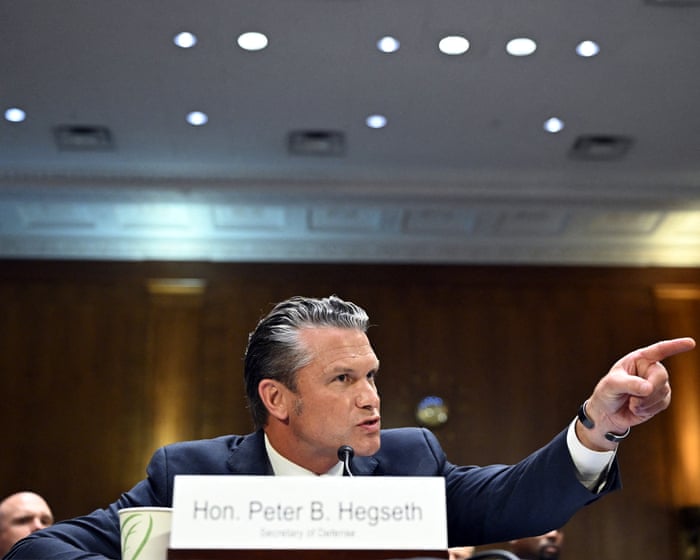
Downing Street emphasises sacrifices of UK troops and reasserts ‘unwavering’ support for Ukraine amid softening US policy towards RussiaDowning Street has criticised Pete Hegseth for downplaying the role of Nato allies in helping the US with combat operations in Afghanistan, saying Donald Trump’s defence secretary had been wrong to do so.The direct condemnation came as No 10 more carefully distanced itself from Trump’s increasing willingness to engage with Russia, saying the UK’s backing for Ukr
Downing Street emphasises sacrifices of UK troops and reasserts ‘unwavering’ support for Ukraine amid softening US policy towards Russia
Downing Street has criticised Pete Hegseth for downplaying the role of Nato allies in helping the US with combat operations in Afghanistan, saying Donald Trump’s defence secretary had been wrong to do so.
The direct condemnation came as No 10 more carefully distanced itself from Trump’s increasing willingness to engage with Russia, saying the UK’s backing for Ukraine was “unwavering”.
After Houthis escalated their attacks on Saudi Arabia, the US turned down calls from MBS for helpFor years, Saudi Arabia’s crown prince, Mohammed bin Salman, cultivated a close relationship with Donald Trump and his son-in-law and former top adviser, Jared Kushner. The prince understood the president’s transactional approach to power: he signed deals to buy billions of dollars’ worth of US weapons and invested billions more in American companies.Days after Trump returned to the White House in Ja
After Houthis escalated their attacks on Saudi Arabia, the US turned down calls from MBS for help
For years, Saudi Arabia’s crown prince, Mohammed bin Salman, cultivated a close relationship with Donald Trump and his son-in-law and former top adviser, Jared Kushner. The prince understood the president’s transactional approach to power: he signed deals to buy billions of dollars’ worth of US weapons and invested billions more in American companies.
Days after Trump returned to the White House in January 2025, Prince Mohammed pledged to expand investment and trade with the US by $600bn over four years. He later promised to increase that investment to nearly $1tn, although it wasn’t entirely clear how Saudi Arabia would manage to plough a sum close to the kingdom’s entire annual GDP into a foreign economy over a few years.
Mohamad Bazzi is a Guardian US columnist. He is also director of the Hagop Kevorkian Center for Near Eastern Studies and a journalism professor at New York University
Republicans delay major action on abortion until after midterm elections, and Democrats focus on affordabilityExactly 1,255 volunteers fanned out across Idaho’s rural 35 legislative districts to collect signatures, knocking on 66,000 doors and ultimately gathering more than 110,000. Not a single one was paid – a rarity in today’s politics.This effort was in service of Proposition 1, which asks voters a single question: Should abortion be legal in Idaho? A “yes” vote would lift one of the most re
Republicans delay major action on abortion until after midterm elections, and Democrats focus on affordability
Exactly 1,255 volunteers fanned out across Idaho’s rural 35 legislative districts to collect signatures, knocking on 66,000 doors and ultimately gathering more than 110,000. Not a single one was paid – a rarity in today’s politics.
This effort was in service of Proposition 1, which asks voters a single question: Should abortion be legal in Idaho? A “yes” vote would lift one of the most restrictive abortions bans in the nation.
The last long-term federal recovery funds allocated for a major disaster were for Hurricane Milton, which hit in late 2024Survivors of extreme weather disasters across the US are facing long waits for government assistance funds to rebuild their lives, with the last long-term recovery funds allocated for Hurricane Milton that hit Florida two years ago. Government officials estimate more than $10bn is needed in long-term disaster recovery funding to rebuild affected communities in Los Angeles cou
The last long-term federal recovery funds allocated for a major disaster were for Hurricane Milton, which hit in late 2024
Survivors of extreme weather disasters across the US are facing long waits for government assistance funds to rebuild their lives, with the last long-term recovery funds allocated for Hurricane Milton that hit Florida two years ago. Government officials estimate more than $10bn is needed in long-term disaster recovery funding to rebuild affected communities in Los Angeles county and St Louis, Missouri, alone.
Demetrice Davis’s home in north St Louis still has damage from the EF3 tornado that tore through the area in May 2025. “The insurance didn’t cover much of anything. And the Fema just kind of backed you up for a little while, but didn’t get you back on track,” he said. “The government agencies are not really doing what they’re supposed to do.”
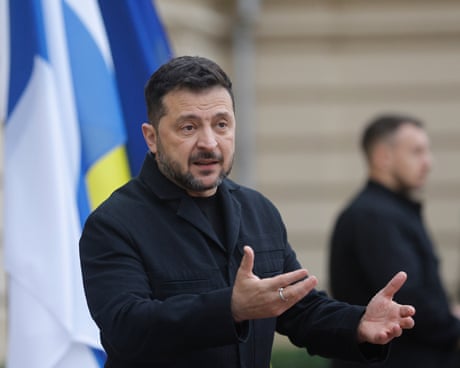
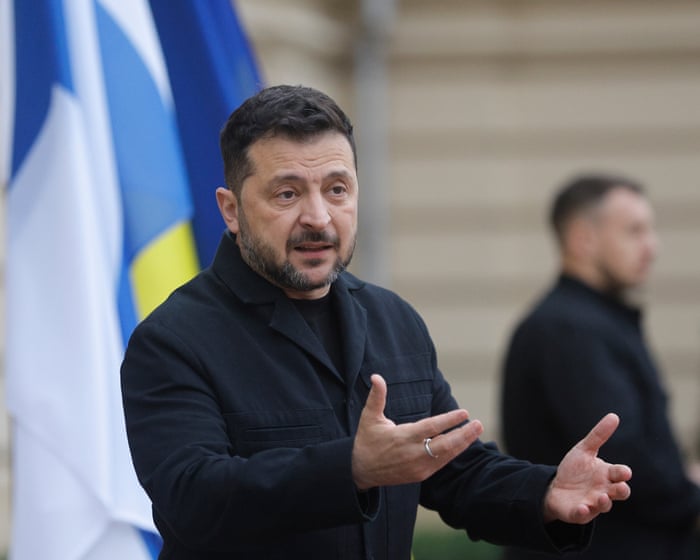
Ukrainian president accuses Washington of ‘denial of reality’ in continuing row with Trump over apparent support for MoscowUkraine did not receive a warning from the US about an impending Russian missile attack on Sunday evening, Volodymyr Zelenskyy has said, reviving concerns that Washington is withholding intelligence to bully Kyiv into capitulating to Moscow.Yuri Ihnat, a spokesperson for the Ukrainian air force, said on television on Monday morning that Ukraine had not received a warning bef
Ukrainian president accuses Washington of ‘denial of reality’ in continuing row with Trump over apparent support for Moscow
Ukraine did not receive a warning from the US about an impending Russian missile attack on Sunday evening, Volodymyr Zelenskyy has said, reviving concerns that Washington is withholding intelligence to bully Kyiv into capitulating to Moscow.
Yuri Ihnat, a spokesperson for the Ukrainian air force, said on television on Monday morning that Ukraine had not received a warning before a Russian missile barrage hit power plants in Kyiv at about 11pm. Earlier, a Ukrainian government official had told the Guardian the US had not warned the capital about the impending missile strike.
For years everyone has been dancing around Trump’s unpredictability, his bullying and his threats. It’s past time to reassert our valuesIn two weeks, Donald Trump faces his moment of truth; transformational midterm elections that will drastically influence the rest of his presidency, for better or for worse.Assuming that he cannot find a way around the constitutional ban on him running for a third time in 2028, he now has a limited time left to make sure he leaves office the most consequential p
For years everyone has been dancing around Trump’s unpredictability, his bullying and his threats. It’s past time to reassert our values
In two weeks, Donald Trump faces his moment of truth; transformational midterm elections that will drastically influence the rest of his presidency, for better or for worse.
Assuming that he cannot find a way around the constitutional ban on him running for a third time in 2028, he now has a limited time left to make sure he leaves office the most consequential president ever. Again, for better, or worse.
Zoe Daniel is a three-time ABC foreign correspondent and former independent member for Goldstein
President signed the legislation championed by late senator Lindsey Graham last month but has waived the restrictions as they were due to come into effectDonald Trump has put on hold a sweeping new sanctions package targeting the Russian economy, telling Congress the pause on the legislation passed by both chambers was in the national interest.In an executive order on Friday, the US president said he was waiving many sanctions, restrictions and duties on Russia, in a move that comes as he has
President signed the legislation championed by late senator Lindsey Graham last month but has waived the restrictions as they were due to come into effect
Donald Trump has put on hold a sweeping new sanctions package targeting the Russian economy, telling Congress the pause on the legislation passed by both chambers was in the national interest.
In an executive order on Friday, the US president said he was waiving many sanctions, restrictions and duties on Russia, in a move that comes as he has been publicly criticising Ukrainian president Volodymyr Zelenskyy, including suggesting that Ukraine needs a new leader.
US president says Zelenskyy ‘more difficult to deal with than Putin’ after ‘energy ceasefire’ collapsesEurope live – latest updatesDonald Trump has called Ukraine’s renewed strikes on Russian oil refineries “a disgrace” and criticised Volodymyr Zelenskyy after an energy ceasefire between Russia and Ukraine failed to take hold.Ukraine resumed strikes on Russian oil refineries after Zelenskyy said Kyiv was abandoning a ceasefire unilaterally declared by Trump on Sunday, having briefly halted i
Donald Trump has called Ukraine’s renewed strikes on Russian oil refineries “a disgrace” and criticised Volodymyr Zelenskyy after an energy ceasefire between Russia and Ukraine failed to take hold.
Ukraine resumed strikes on Russian oil refineries after Zelenskyy said Kyiv was abandoning a ceasefire unilaterally declared by Trump on Sunday, having briefly halted its attacks to demonstrate its readiness for peace talks. Russia had continued its strikes on Ukrainian power plants.
Since the “social media is bad for teens” myth will not die, I keep having intense conversations with colleagues, journalists, and friends over what the research says and what it doesn’t. (Alice Marwick et. al put together a great little primer in light of the legislative moves.) Along the way, I’ve also started to recognize how slipperiness between two terms creates confusion — and political openings — and so I wanted to call them out in case this is helpful for others thinking about these issu
Since the “social media is bad for teens” myth will not die, I keep having intense conversations with colleagues, journalists, and friends over what the research says and what it doesn’t. (Alice Marwick et. al put together a great little primer in light of the legislative moves.) Along the way, I’ve also started to recognize how slipperiness between two terms creates confusion — and political openings — and so I wanted to call them out in case this is helpful for others thinking about these issues.
In short, “Does social media harm teenagers?” is not the same question as “Can social media be risky for teenagers?”
The language of “harm” in this question is causal in nature. It is also legalistic. Lawyers look for “harms” to place blame on or otherwise regulate actants. By and large, in legal contexts, we talk about PersonA harming PersonB. As such, PersonA is to be held accountable. But when we get into product safety discussions, we also talk about how faulty design creates the conditions for people to be harmed due to intentional, malfeasant actions by the product designer. Making a product liability claim is much harder because it requires proving the link of harm and the intentionality to harm.
Risk is a different matter. Getting out of bed introduces risks into your life. Risk is something to identify and manage. Some environments introduce more potential risks and some actions reduce the risks. Risk management is a skill to develop. And while regulation can be used to reduce certain risks, it cannot eliminate them. And it can also backfire and create more risks. (This is the problem that María Angel and I have with techno-legal solutionism.)
Let’s unpack this a bit by shifting contexts and thinking about how we approach risks more generally.
Skiing is Risky.
Skiing is understood to be a risky sport. As we approach skiing season out here in the Rockies, I’m bracing myself for the uptick in crutches, knee wheelies, and people under 40 using the wheelchair services at the Denver airport. There is also a great deal of effort being put into trying to reduce the risk that someone will leave the slopes in this state. I’m fascinated by the care ski instructors take in trying to ensure that people who come to the mountains learn how to take care. There’s a whole program here for youngins designed to teach them a safety-first approach to skiing.
And there’s a whole host of messaging that will go out each day letting potential skiers know about the conditions. We will also get fear-mongering messages out here, with local news reporting on skiers doing stupid things and warnings of avalanches that too many folks will ignore. And there will be posters at the resorts telling people to not speed on the mountains because they might kill a kid. (I think these posters are more effective as scaring kids than convincing skiers to slow down.)
No matter what messaging goes out, people will still get hurt this season like they do every season. And so there are patrollers whose job it is to look for people in high-risk situations and medics who will be on hand to help people who have been injured. And there’s a whole apparatus structured to get them of the mountain and into long-term care.
Unless you’re off your rocker, you don’t just watch a few YouTube videos and throw yourself down a mountain on skis. People take care to learn how to manage the risks of skiing. Or they’re like me and take one look at that insanity and dream of a warm place by a fire or sitting in a hot tub instead of spending stupid amounts of money to introduce that kind of risk into their lives.
Crossing the Street is Risky.
The stark reality is that every social environment has risks. And one of the key parts of being socialized through childhood into adulthood is learning to assess and respond to risks.
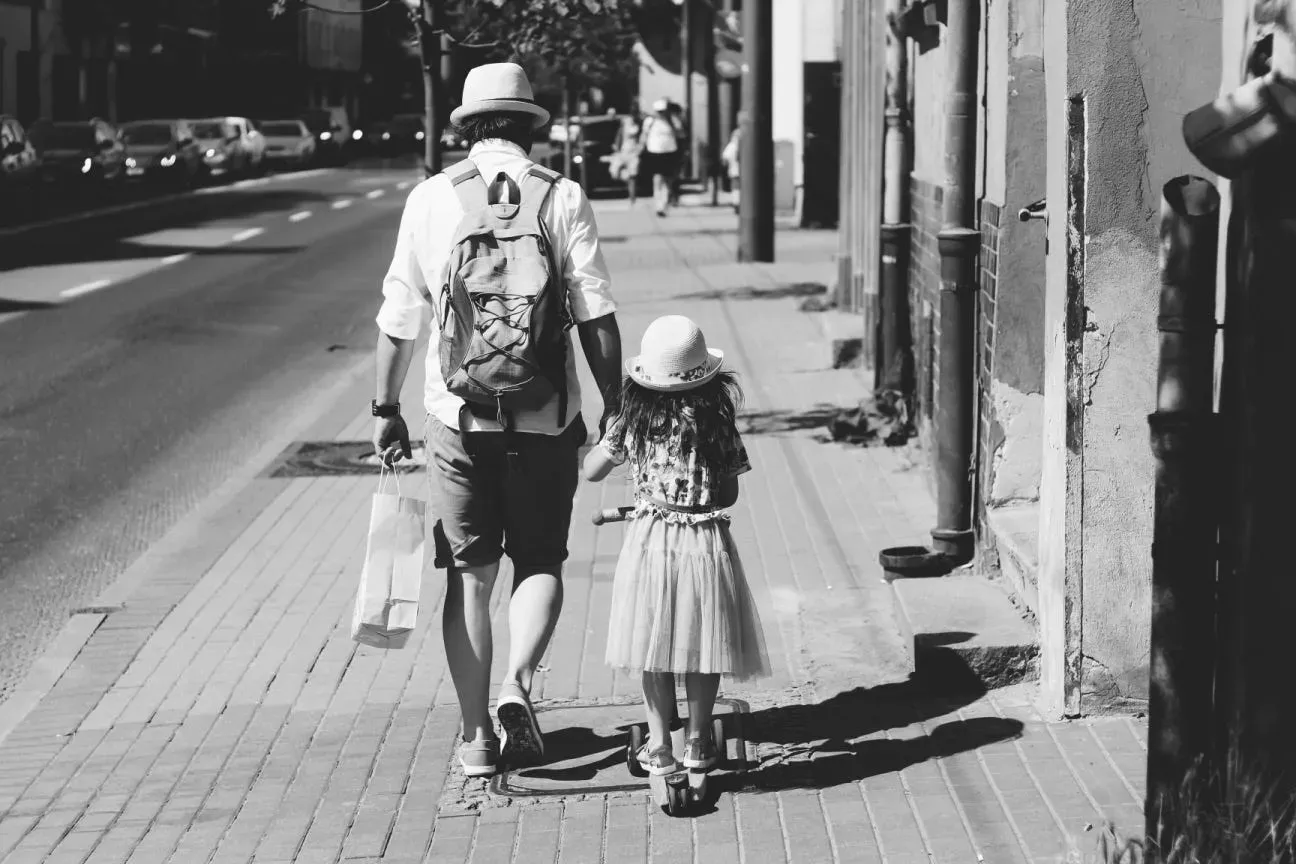
Consider walking down the street in a busy city. As any NYC parent knows, there are countless near-heart attacks that occur when trying to teach a 2-year-old to stop at the corner of the sidewalk. But eventually they learn to stop. And eventually they learn to not bowl people over while riding their scooter down that sidewalk. And then the next stage begins — helping young people learn to look both ways before crossing the street, regardless of what is happening with the light, and convincing them to maintain constant awareness about their environment. And eventually that becomes so normal that you start to teach your child how to J-walk without getting a ticket. And eventually, the child turns into a teenager who wanders the city alone, J-walking with ease while blocking out all audio signals with their headphones. But then take that child — or an American adult — to a city like Hanoi and they’ll have to relearn how to cross a street because nothing one learns in NYC about crossing streets applies to Hanoi.
Is crossing the street risky? Of course. But there’s a lot we can do to make it less risky. Good urban design and functioning streetlights can really help, but they don’t make the risk disappear. And people can actually cross a street in Hanoi, even though I doubt anyone would praise the urban design of streets and there are no streetlights. While design can help, what really matters for navigating risk is rooted in socialization, education, and agency. Mixed into this is, of course, experience. The more that we experience crossing the street, the easier it gets, regardless of what you know about the rules. And still, the risk does not entirely disappear. People are still hit by cars while crossing the street every year.
The Risk of Social Media Can Be Reduced.
Can social media be risky for youth? Of course. So can school. So can friendship. So can the kitchen. So can navigating parents. Can social media be designed better? Absolutely. So can school. So can the kitchen. (So can parents?) Do we always know the best design interventions? No. Might those design interventions backfire? Yes.
Does that mean that we should give up trying to improve social media or other digital environments? Absolutely not. But we must also recognize that trying to cement design into law might backfire. And that, more generally, technologies’ risks cannot be managed by design alone.
Fixating on better urban design is pointless if we’re not doing the work to socialize and educate people into crossing digital streets responsibly. And when we age-gate and think that people can magically wake up on their 13th or 18th birthday and be suddenly able to navigate digital streets just because of how many cycles they took around the sun, we’re fools. Socialization and education are still essential, regardless of how old you are. (Psst to the old people: the September that never ended…)
In the United States, we have a bad habit of thinking that risks can be designed out of every system. I will never forget when I lived in Amsterdam in the 90s, and I remarked to a local about how odd I found it that there were no guardrails to prevent cars from falling into the canals when they were parking. His response was “you’re so American” which of course prompted me to say, “what does THAT mean?” He explained that, in the Netherlands, locals just learned not to drive their cars into the canals, but Americans expected there to be guardrails for everything so that they didn’t have to learn not to be stupid. He then noted out that every time he hears about a car ending up in the canal, it is always an American who put it there. Stupid Americans. (I took umbrage at this until, a few weeks later, I read a news story about a drunk American driving a rental into the canal.)
Better design is warranted, but it is not enough if the goal is risk reduction. Risk reduction requires socialization, education, and enough agency to build experience. Moreover, if we think that people will still get hurt, we should be creating digital patrols who are there to pick people up when they are hurt. (This is why I’ve always argued that “digital street outreach”would be very valuable.)
But What About Harms?
People certainly face risks when encountering any social environment, including social media. This then triggers the next question: Do some people experience harms through social media? Absolutely. But it’s important to acknowledge that most of these harms involve people using social media to harm others. It’s reasonable that they should be held accountable. It’s not reasonable to presume that you can design a system that allows people to interact in a manner where harms will never happen. As every school principal knows, you can’t solve bullying through the design of the physical building.
Returning to our earlier note on product liability, it is reasonable to ask if specific design choices of social media create the conditions for certain kinds of harms to be more likely — and for certain risks to be increased. Researchers have consistently found that bullying is more frequent and more egregious at school than on social media, even if it is more visible on the latter. This makes me wary of a product liability claim regarding social media and bullying. Moreover, it’s important to notice what schools have done in response to this problem. They’ve invested in social-emotional learning programs to strengthen resilience, improve bystander approaches, and build empathy. These interventions are making a huge difference, far more than building design. (If someone wants to tax social media companies to scale these interventions, have a field day.)
Of course, there are harms that I do think are product liability issues vis-a-vis social media. For example, I think that many privacy harms can be mitigated with a design approach that is privacy-by-default. I also think that regulations that mandate universal privacy protections would go a long way in helping people out. But the funny thing is that I don’t think that these harms are unique to children. These are harms that are experienced broadly. And I would argue that older folks tend to experience harms associated with privacy much more acutely.
But even if you think that children are especially vulnerable, I’d like to point out that while children might need a booster seat for the seatbelt to work, everyone would be better off if we put privacy seatbelts in place rather than just saying that kids can’t be in cars.
I have more complex feelings about the situations where we blame technology for societal harms. As I’ve argued for over a decade, the internet mirrors and magnifies the good, bad, and ugly. This includes bullying and harassment, but it also includes racism, xenophobia, sexism, homophobia, and anti-trans attitudes. I wish that these societal harms could be “fixed” by technology; that would be nice. But that is naive.
I get why parents don’t want to expose children to the uglier parts of the world. But if we want to raise children to be functioning adults, we also have to ensure that they are resilient. Besides, protecting children from the ills of society is a luxury that only a small segment of the population is able to enjoy. For example, in the US, Black parents rarely have the option of preventing their children from being exposed to racism. This is why white kids need to be educated to see and resist racism. Letting white kids live in “colorblind” la-la-land doesn’t enable racial justice. It lets racism fester and increases inequality.
As adults, we need to face the ugliness of society head on, with eyes wide open. And we need to intentionally help our children see that ugliness so that they can be agents of change. Social media does make this ugly side more visible, but avoiding social media doesn’t make it go away. Actively engaging young people as they are exposed to the world through dialogue allows them to be prepared to act. Turning on the spicket at a specific age does not.
I will admit that one thing that intrigues me is that many of those who propagate hate are especially interested in blocking children from technology for fear that allowing their children to be exposed to difference might make them more tolerant. (No, gender is not contagious, but developing a recognition that gender is socially and politically constructed — and fighting for a more just world — sure is.) There’s a long history of religious communities trying to isolate youth from kids of other faiths to maintain control.
There’s no doubt that media — including social media — exposes children to a much broader and more diverse world. Anyone who sees themselves as empowering their children to create a more just and equitable world should want to conscientiously help their children see and understand the complexity of the world we live in.
In the early days of social media, I was naive in thinking that just exposing people to people around the world to each other would fundamentally increase our collective tolerance. I had too much faith in people’s openness. I know now that this deterministic thinking was foolish. But I have also come to appreciate the importance of combining exposure with education and empathy.
Isolating people from difference doesn’t increase tolerance or appreciation. And it won’t help us solve the hardest problems in our world — starting with both inequity and ensuring our planet is livable for future generations. Instead, we need to help our children build the skills to live and work together.
Put another way, to raise children who can function in our complex world, we need to teach them how to cross the digital street safely. Skiing is optional.

 Connexion